


- Top 8 Countries With the Clearest Night Skies for Astronomy - September 20, 2026
- 8 Everyday Products You Didn’t Realize Contain Microplastics - September 20, 2026
- Where Carbon Emissions Are Quietly Climbing – and Where They’re Falling - September 19, 2026
Arriving in the Icebox of the Nation
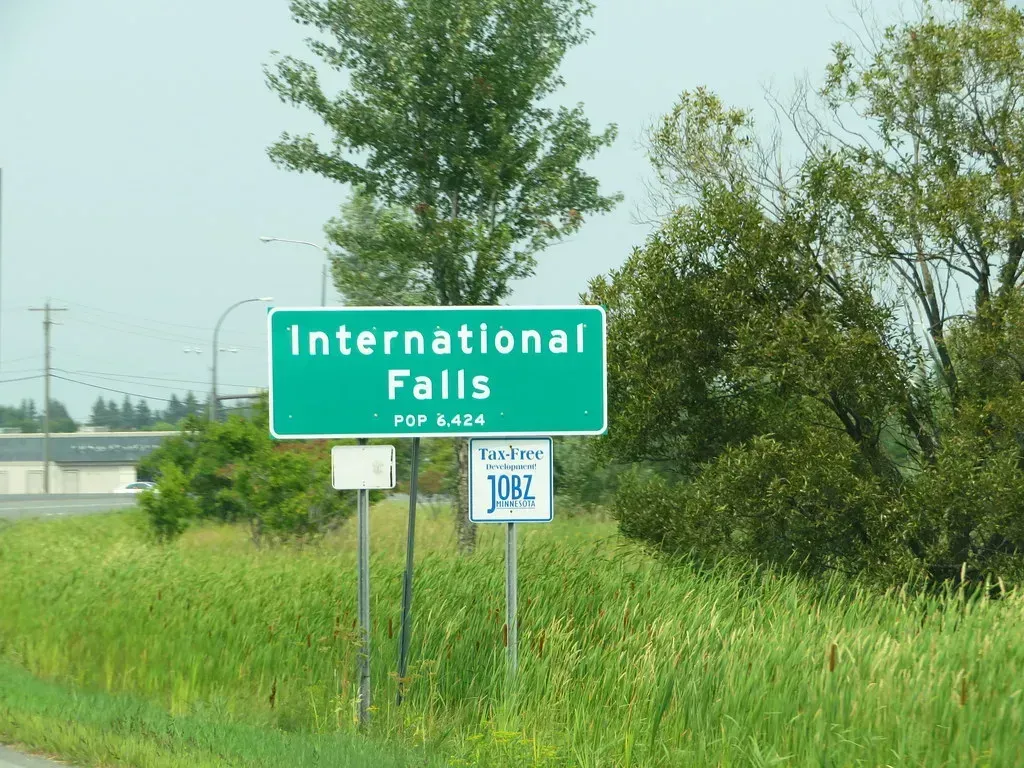
International Falls sits right on the Rainy River, directly across from Fort Frances, Ontario, and it is widely described as the coldest city in the continental United States. The nickname isn’t just local pride either. With a population of 5,802 according to the 2020 census, it’s the largest city in its county and functions as Minnesota’s busiest land port of entry for cross border traffic.
What struck me almost immediately was how seriously the town takes its identity. The town has long promoted itself as the Icebox of the Nation, and in 1986 International Falls paid the town of Fraser, Colorado, to relinquish its claim to the title, then registered it as a federal trademark. Every February the city leans into it fully, hosting Icebox Days, and the festival includes events like frozen turkey bowling, snow sculpting, and candlelit skiing. It’s the kind of place that doesn’t just endure the cold. It celebrates it.
When the Thermometer Bottoms Out
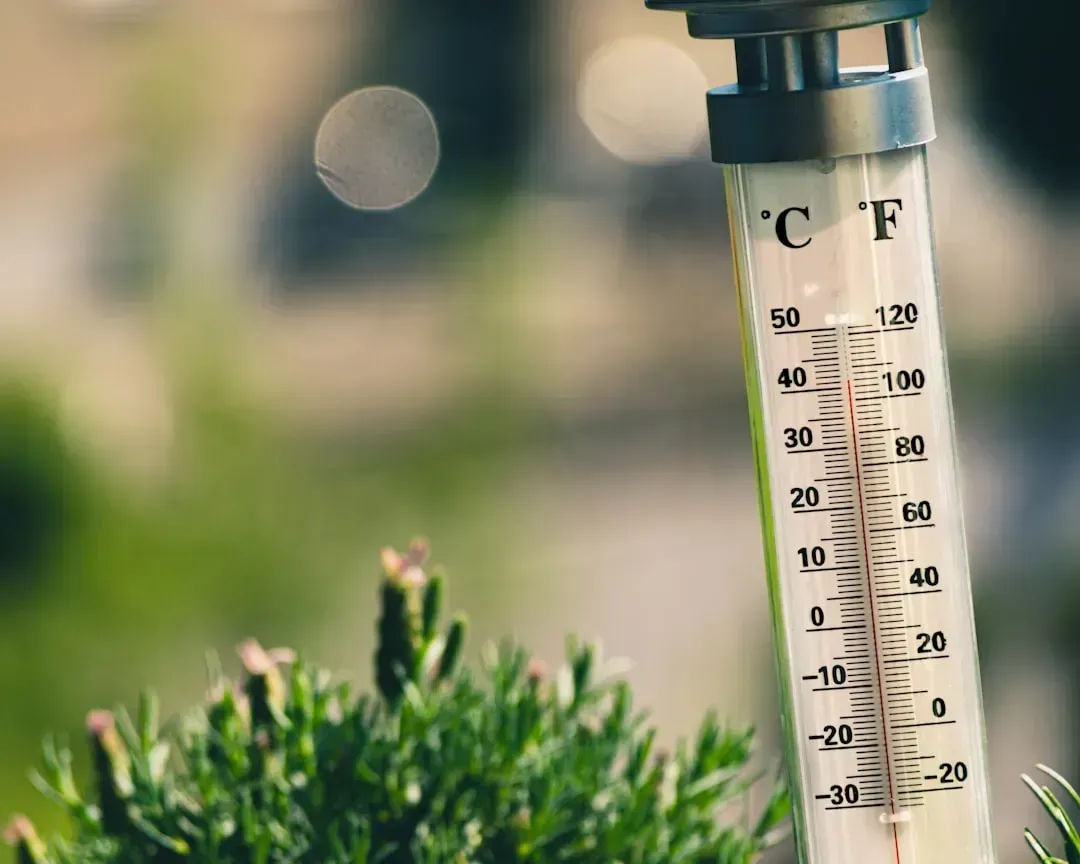
Numbers only mean so much until you’re standing in them. International Falls reports the coldest average annual temperature of any National Weather Service first order station in the contiguous United States, at 37.4 degrees Fahrenheit. That’s not a single brutal night. That’s the whole year, averaged out, still hovering barely above freezing.
The all time record here is staggering on its own. The lowest temperature ever recorded in International Falls was minus 55 degrees Fahrenheit, on January 6, 1909. During my winter, a cold snap pushed the region to similar extremes. Just to the east in Embarrass Valley, temperatures plunged toward record territory while International Falls itself got to minus 45, a full 15 degrees warmer than Tower recorded that same night. Warmer, in that context, is a strange word to use.
What Forty Below Feels Like on Bare Skin
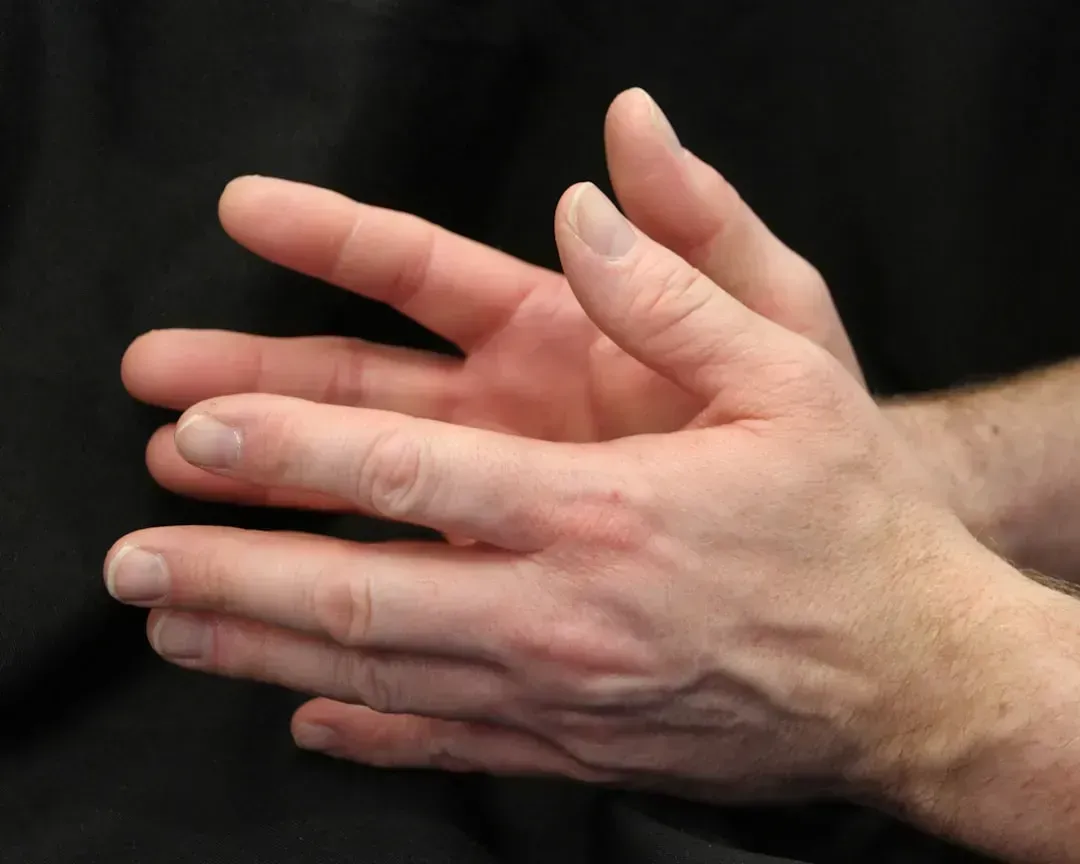
The first time I stepped outside without gloves, even for thirty seconds to grab something from the car, my fingers went from cold to aching to strangely numb in a way that felt more alarming than painful. That numbness is the body’s warning system shutting off, and it’s not something to ignore. Symptoms of frostbite include skin whitening, numbness, and blisters.
Left unchecked, it gets worse fast. In extreme cases, the skin cells and surrounding tissue begin to die, and skin may turn blue or purple as the soft tissue and bone are affected. The most exposed parts of the body take the brunt of it, which is why fingers, toes, ears, and nose are the first parts of the body at risk for frostbite. I learned to keep my hood cinched tight without needing to be told twice.
Breathing Becomes a Conscious Effort
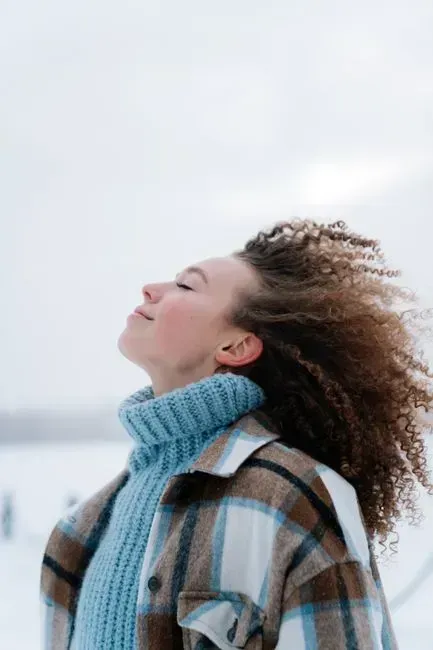
Nobody mentions how much cold air changes the mechanics of breathing until you’re gasping on a walk to your car. At minus 30 or lower, every inhale through an uncovered mouth feels sharp, almost metallic, and pulling a scarf over your face stops being optional. It becomes an automatic habit, the same way you’d reach for a seatbelt.
The trick, I found, was breathing through the nose whenever possible, since it gives the air a fraction more time to warm before it hits the lungs. Exhaling built up frost on eyelashes and eyebrows within minutes, a small but constant reminder of just how much moisture the body loses simply by existing outdoors. Even short errands started to feel like small expeditions requiring preparation.
Frostbite Moves Faster Than You Think
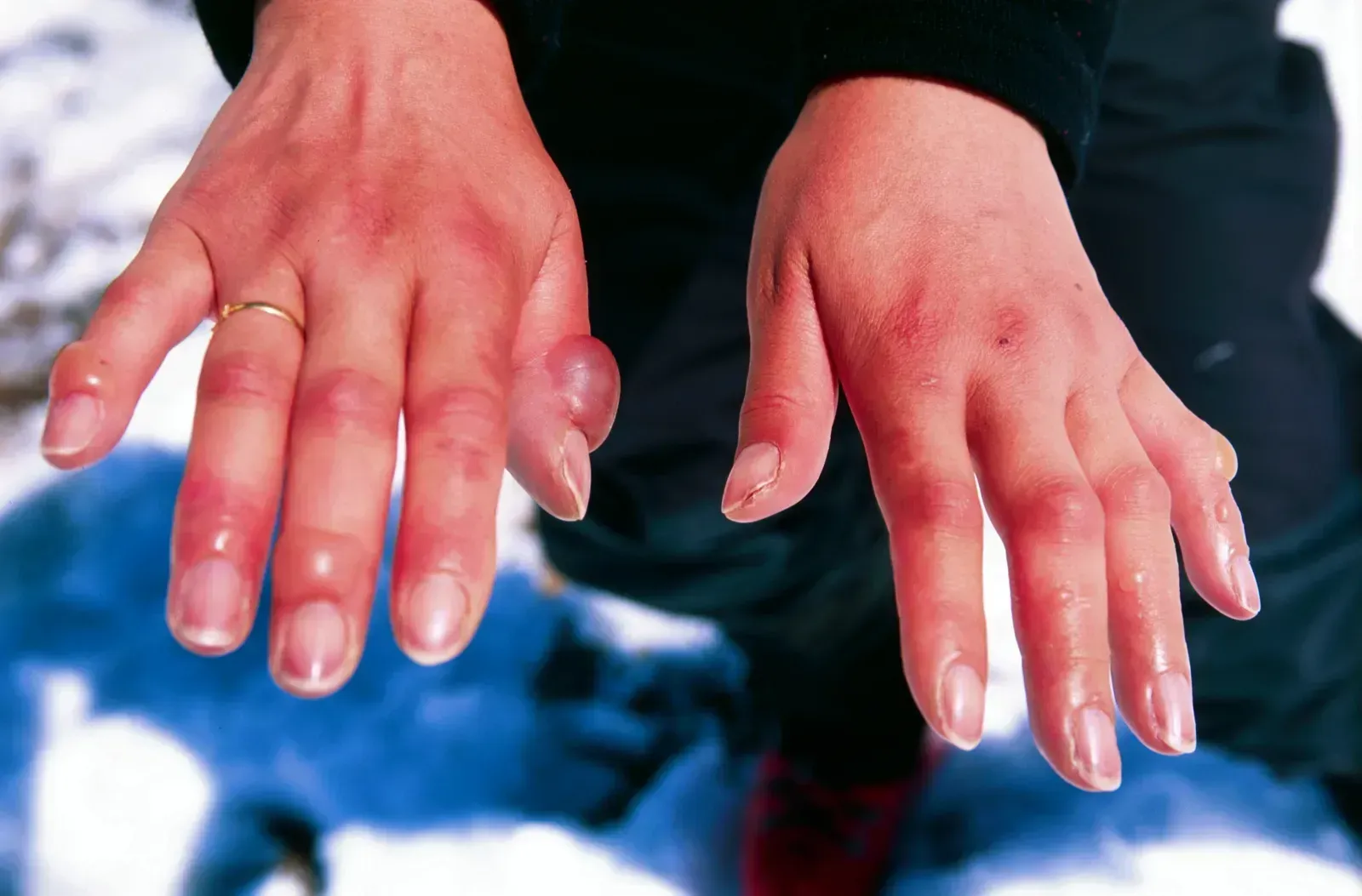
What surprised me most wasn’t the deep cold itself but how quickly damage could happen once the wind picked up. A wind chill of minus 20 degrees Fahrenheit will cause frostbite in just 30 minutes. On a windy day in International Falls, that threshold gets crossed often, sometimes before you’ve even finished scraping the windshield.
I started treating any trip longer than a quick dash to the mailbox as a real decision, not a casual one. Local advice mirrors what doctors elsewhere recommend too, since limiting time outdoors to under 15 minutes when possible during severe cold isn’t overcautious, it’s just practical. The margin for error shrinks considerably once the wind joins the temperature.
Hypothermia’s Quiet, Dangerous Creep
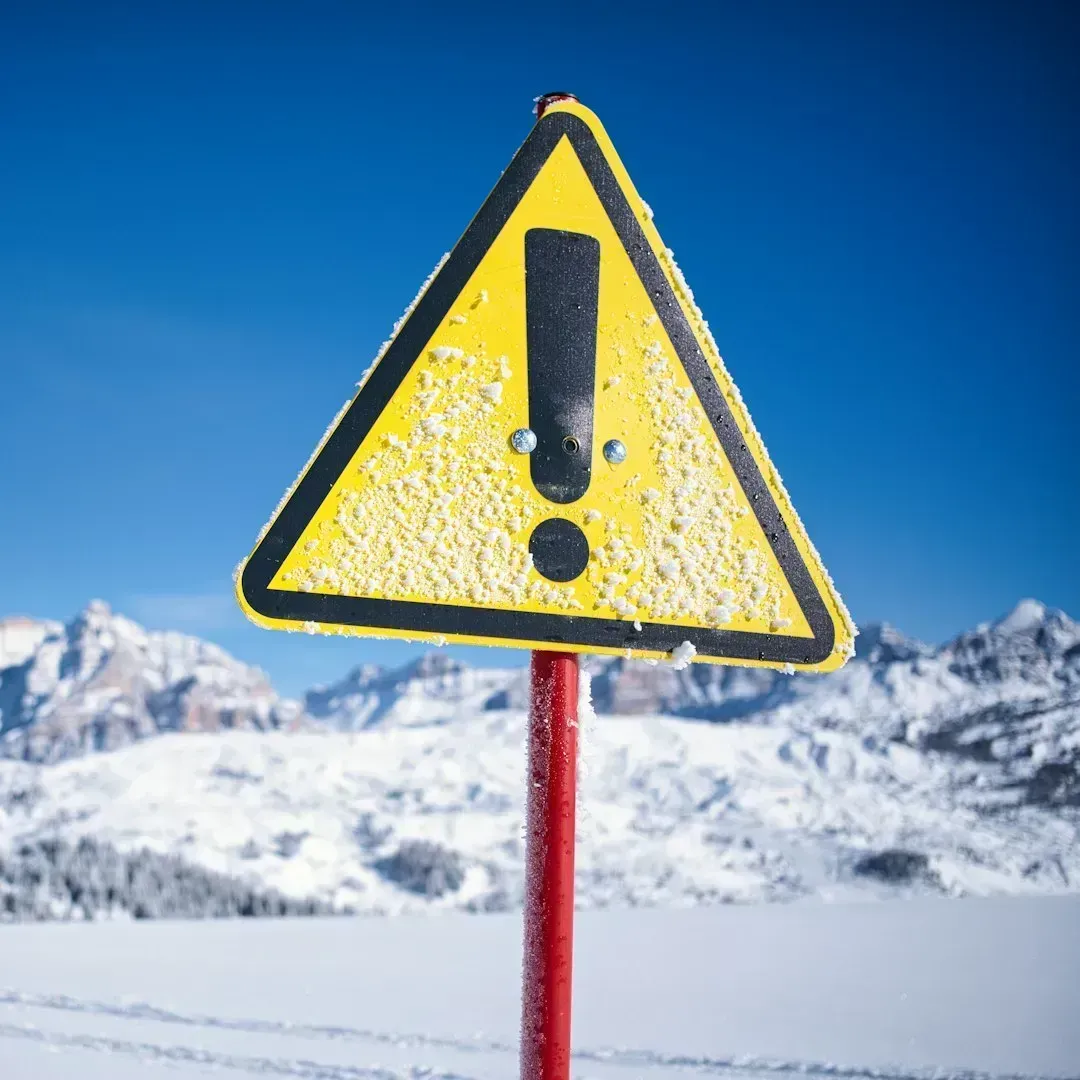
Hypothermia doesn’t announce itself the way frostbite does with visible skin changes. It occurs when the body’s core temperature drops below 95 degrees, and severe hypothermia may occur if it drops below 82 degrees. The scarier part is how it dulls judgment right when clear thinking matters most.
Warning signs creep in gradually, and they include uncontrollable shivering, memory loss, disorientation, incoherence, slurred speech, drowsiness, and apparent exhaustion. In its later, most dangerous stages, some victims paradoxically start removing clothing as confusion sets in, a phenomenon researchers link to failing thermoregulation. Even for those who survive severe cases, there are likely to be lasting kidney, liver, and pancreas problems.
The Hidden Fatigue of Staying Warm
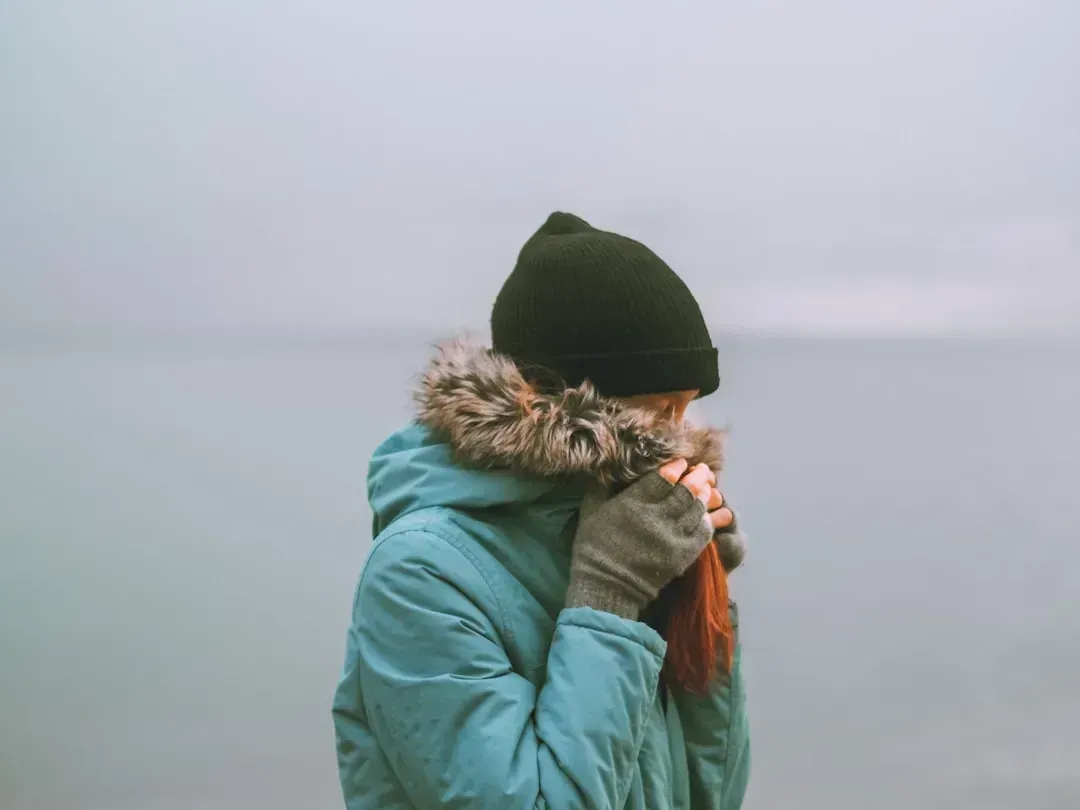
Something nobody tells you about extreme cold is how tired it makes you, even indoors. Your body is working constantly to maintain its core temperature, burning through energy reserves just to keep organs functioning normally. By late afternoon most days, I felt a kind of bone deep sleepiness that had nothing to do with how much sleep I’d actually gotten.
Simple choices mattered more than I expected. Alcohol, in particular, makes things worse rather than better despite the folk wisdom about a warming nightcap, since alcohol makes shivering less effective, decreasing heat production right when the body needs it most. Layering properly turned out to matter just as much as any single heavy coat, since a hat alone accounts for a striking share of lost body heat.
Keeping a Car and a House Alive
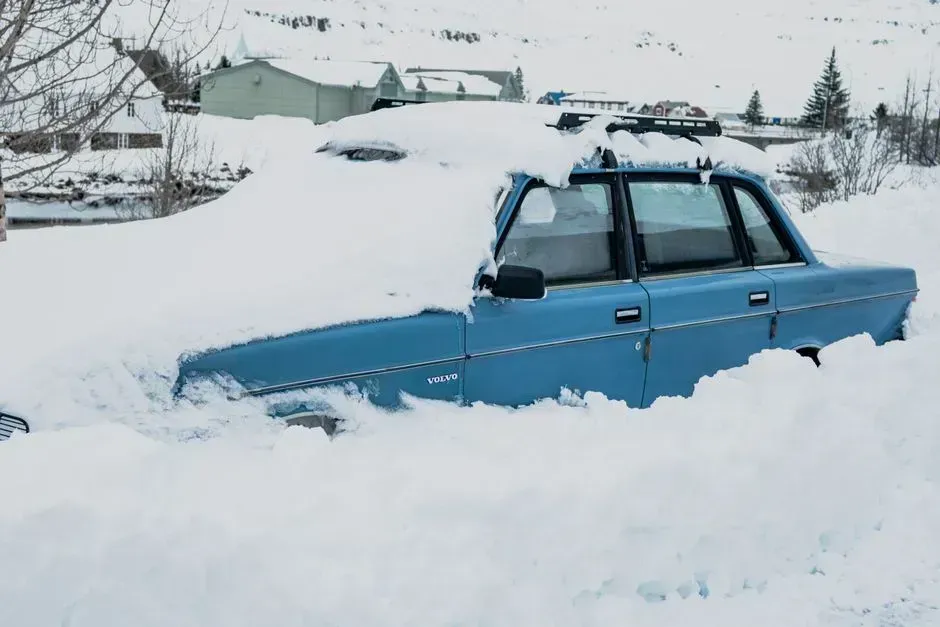
Cold this deep doesn’t just affect people. It affects everything mechanical. Cars needed block heaters plugged in overnight just to start the next morning, and even then, engines groaned before turning over on the coldest days.
Pipes were another constant worry, and locals talked about frozen lines the way people elsewhere talk about traffic. Homes here are built and insulated with this climate in mind, which helps, but nothing makes the cold irrelevant. It just makes it manageable, provided you respect it and plan around it rather than against it.
The Mental Weight of Long Dark Winters
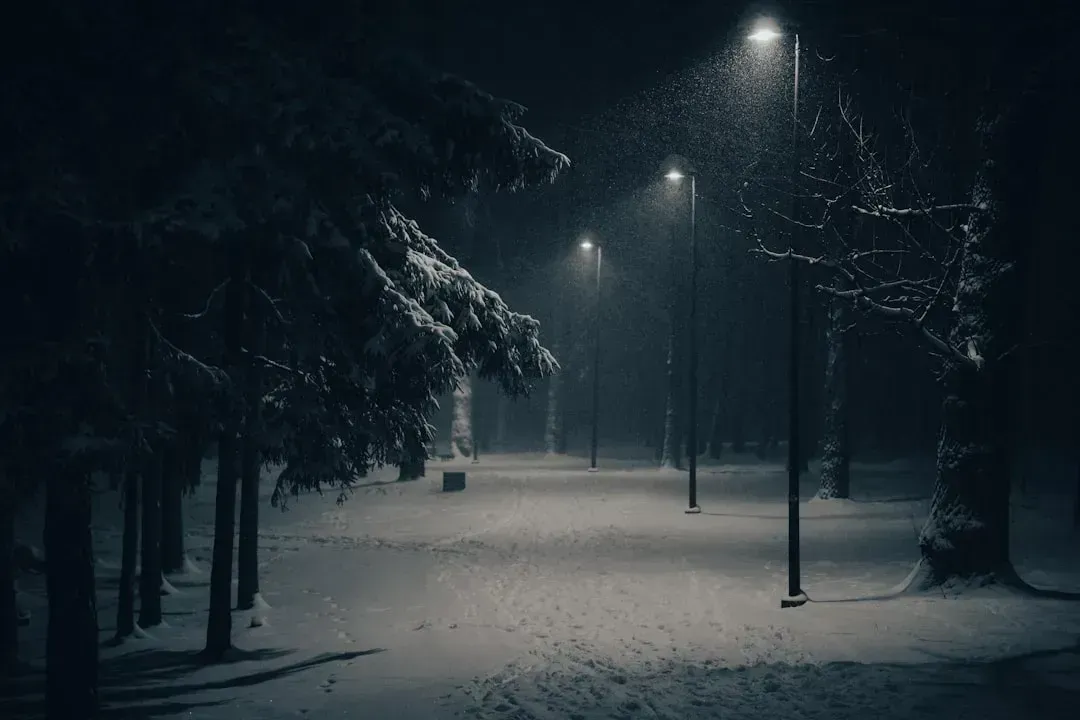
Short daylight hours compound the physical toll in ways that are easy to underestimate from a distance. Waking up in darkness and coming home in darkness, for months at a stretch, wears on mood and motivation even for people who genuinely enjoy winter. I found myself craving daylight the way you’d crave a meal you’d been putting off.
Isolation plays a role too, since brutal cold naturally discourages the kind of casual outdoor socializing that fills warmer months. Community events like Icebox Days start to make a lot more sense once you’ve lived through a few of these stretches, since they give people a reason to gather rather than hunker down separately. Winter here isn’t just a weather pattern. It’s a shared experience that shapes the rhythm of daily life.
How the Body Slowly Adapts
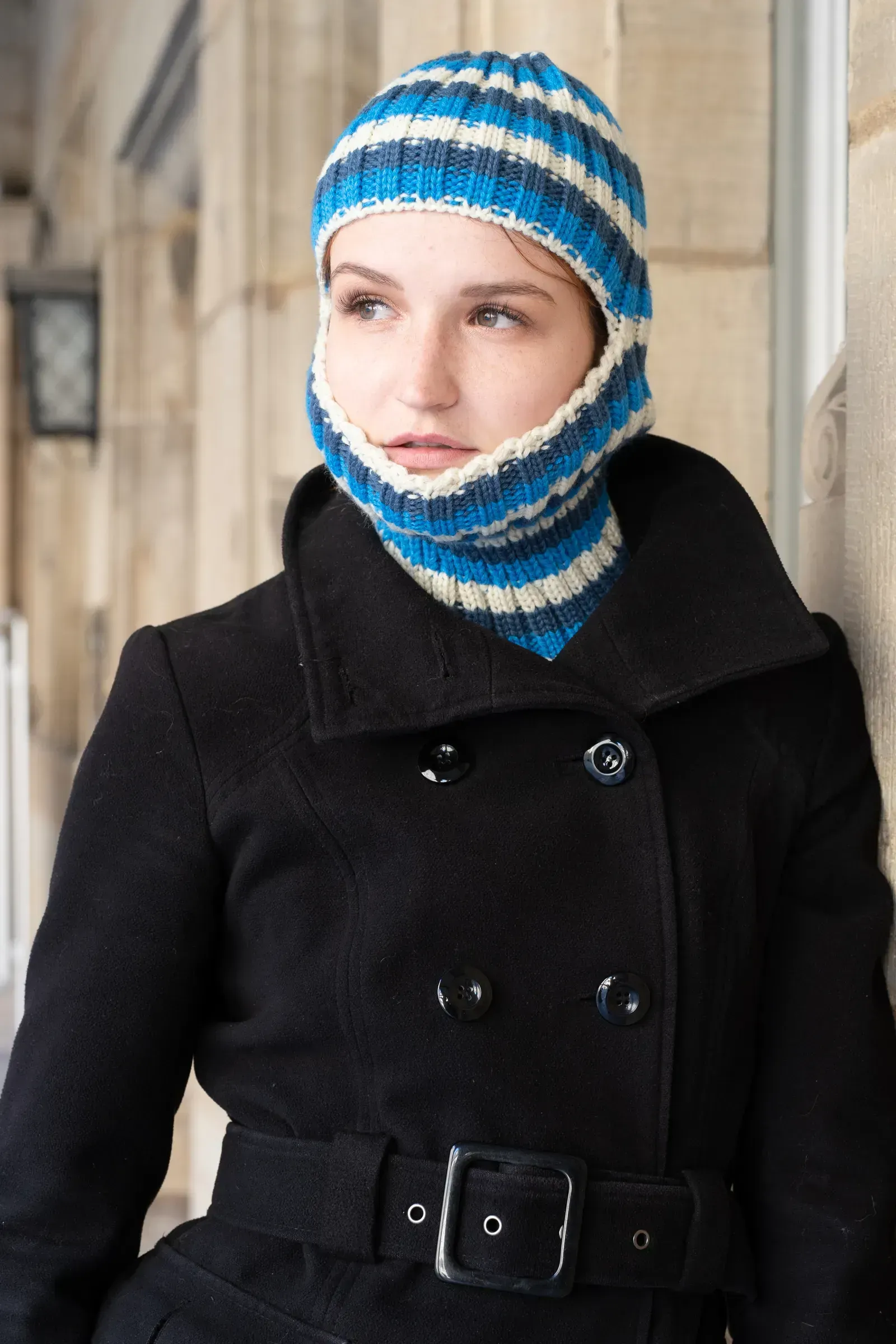
By the middle of the season, something shifted. Temperatures that would have sent me indoors in November started feeling almost routine by February, not comfortable exactly, but manageable in a way they hadn’t been before. Cold exposure over time does seem to recalibrate a person’s baseline tolerance, at least to a point.
That adaptation has limits though, and it never removes the underlying risks that come with extreme cold. Frostbite and hypothermia remain just as dangerous to someone acclimated as to a newcomer, since the physical thresholds for tissue damage don’t move just because a person feels tougher. What changes is confidence, not immunity, and confusing the two is exactly how people get hurt in places like this.
Final Thoughts
Looking back, the winter didn’t feel like survival so much as a slow education in respect. International Falls earns its nickname honestly, not through exaggeration but through sheer, sustained numbers that hold up year after year. What stays with me isn’t any single record low or dramatic frostbite scare, but the quieter lessons: how fast comfort can slip away, how much the body quietly endures, and how a community learns to build an entire way of life around weather that would stop most places cold.
