


- Top 8 Countries With the Clearest Night Skies for Astronomy - September 20, 2026
- 8 Everyday Products You Didn’t Realize Contain Microplastics - September 20, 2026
- Where Carbon Emissions Are Quietly Climbing – and Where They’re Falling - September 19, 2026
1. Chile
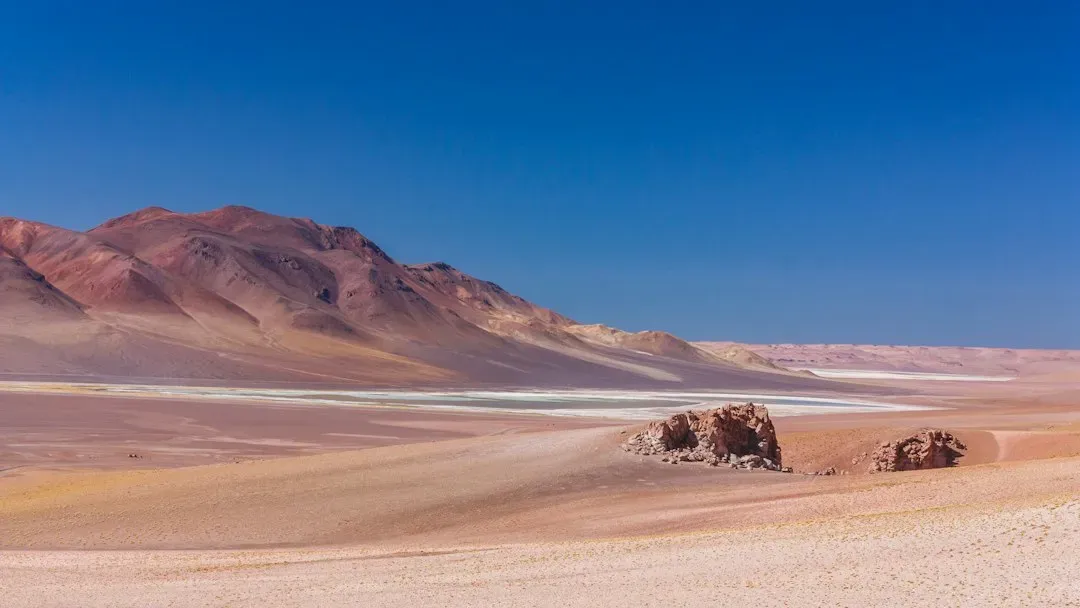
Chile’s Atacama Desert is often described as the best astronomical site on Earth, and the numbers back that up. The Atacama Desert in northern Chile enjoys almost 360 cloudless nights a year, making it one of the clearest and driest places on Earth. That combination of high altitude, near zero humidity, and almost no artificial light has drawn some of the most advanced telescopes ever built.
A standout is ALMA, the Atacama Large Millimeter Array, a world-leading research facility set at 5,000 metres. Nearby, Paranal, operated by the European Southern Observatory in the Atacama Desert, is one of the most advanced research centers in the world and houses the famous Very Large Telescope. Astronomers point to a simple recipe for the region’s clarity: a rare confluence of factors makes the Atacama an ideal home for some of the world’s biggest ground-based astronomical projects, dry climate, high altitude and isolation from the light pollution of civilization.
2. New Zealand
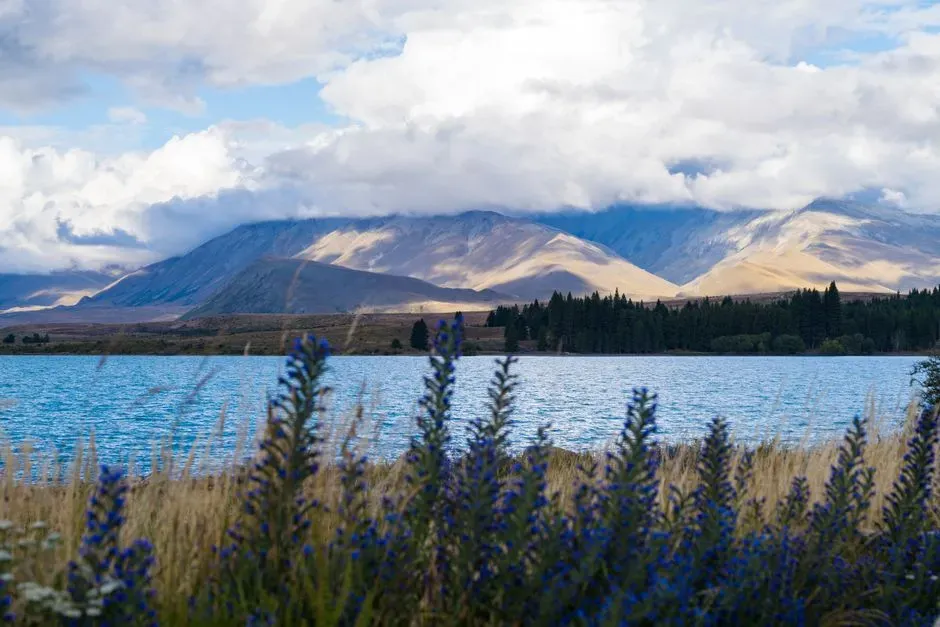
New Zealand’s South Island holds one of the most celebrated dark sky reserves anywhere. New Zealand’s Aoraki Mackenzie International Dark Sky Reserve was established in 2012 to recognize the incredible stargazing opportunities in the Mackenzie Basin, and it’s one of only 22 Dark Sky Reserves worldwide. Visitors gather around Lake Tekapo and Aoraki Mount Cook for a sky show that feels genuinely different from anything in the northern hemisphere.
The southern latitude opens up sights unavailable elsewhere. On clear nights, it’s often possible to see the aurora australis, the Southern Cross, and the Southern Star, all with the park’s namesake peak reaching more than 12,000 feet in the background. Guided tours run through Earth and Sky at Lake Tekapo, giving newcomers a gentle introduction to constellations most have never had a chance to learn.
3. Namibia
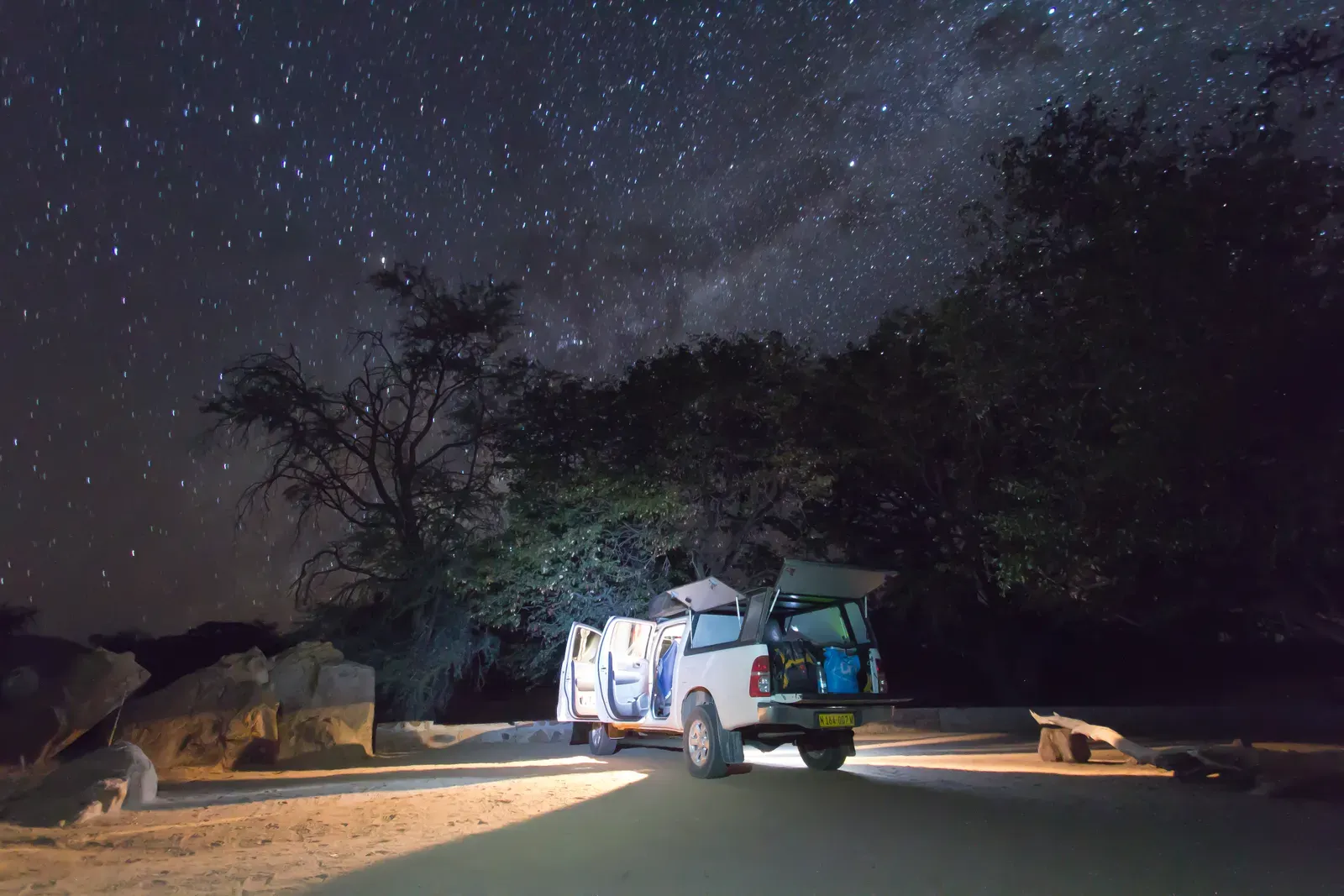
Namibia holds a rare distinction in Africa. The Namibrand nature reserve in Namibia has become the first international dark sky reserve not only in Africa, but in the developing world. Its status goes beyond symbolic recognition, since NamibRand International Dark Sky Reserve became only the second place on Earth awarded Gold Tier status because of its exceptionally dark cloudless skies and phenomenal star viewing conditions.
Isolation is the key ingredient here. Because the closest communities are around 90 kilometres away, this reserve offers one of the darkest skies measured to date. Local operators have gone further still, since NamibRand has undertaken improvements that include eliminating as many lights as possible and shielding others, resulting in an extremely dark sky that allows thousands of fainter stars to be seen. On the Bortle scale, the reserve now sits at Class 1, the darkest rating a sky can receive.
4. United States
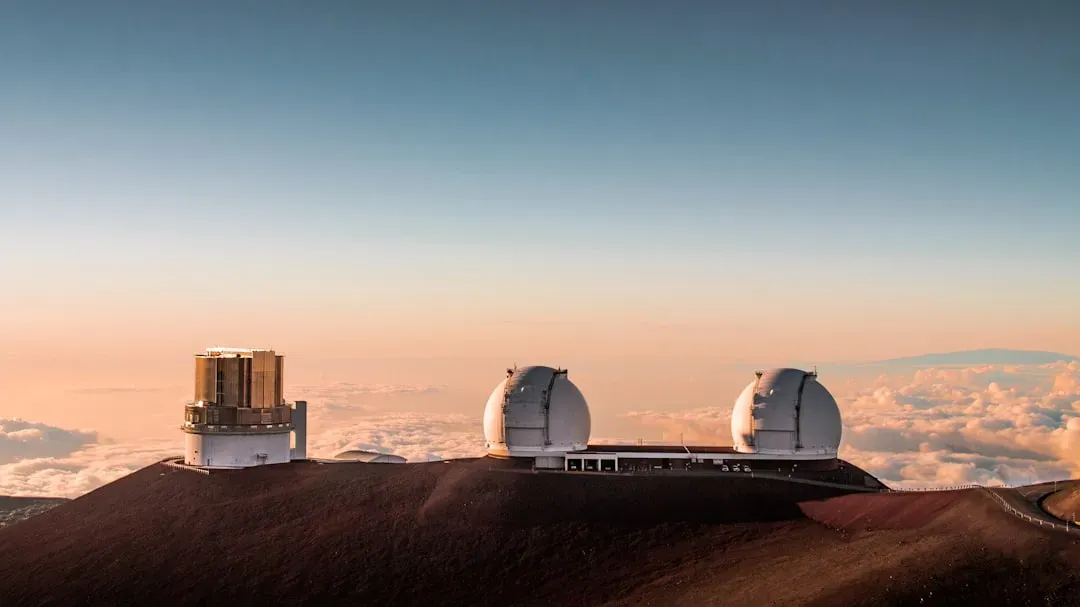
The United States earns its place through sheer variety of terrain, from the high desert of the American Southwest to the volcanic summits of Hawaii. Mauna Kea remains one of the most scientifically significant peaks on the planet, hosting a cluster of major optical and infrared telescopes at extreme altitude. People making the two-hour drive to the gusty 13,796-foot summit of Mauna Kea, home to the world’s largest optical telescope, have high risk for altitude sickness, but serious sky-lovers brave the elements for some spectacular sunrises and sunsets.
Beyond Hawaii, the country’s certified dark sky parks have multiplied in recent years, particularly across Utah, Nevada, and New Mexico, where low humidity and sparse populations create ideal viewing windows for much of the year. National park astronomy programs have grown alongside the astrotourism boom, with rangers now running regular stargazing nights that would have been unimaginable a decade or two ago. The scale and diversity of American dark sky sites, spread across desert basins, mountain ranges, and remote islands, gives the country an unusually broad astronomical footprint.
5. Canada
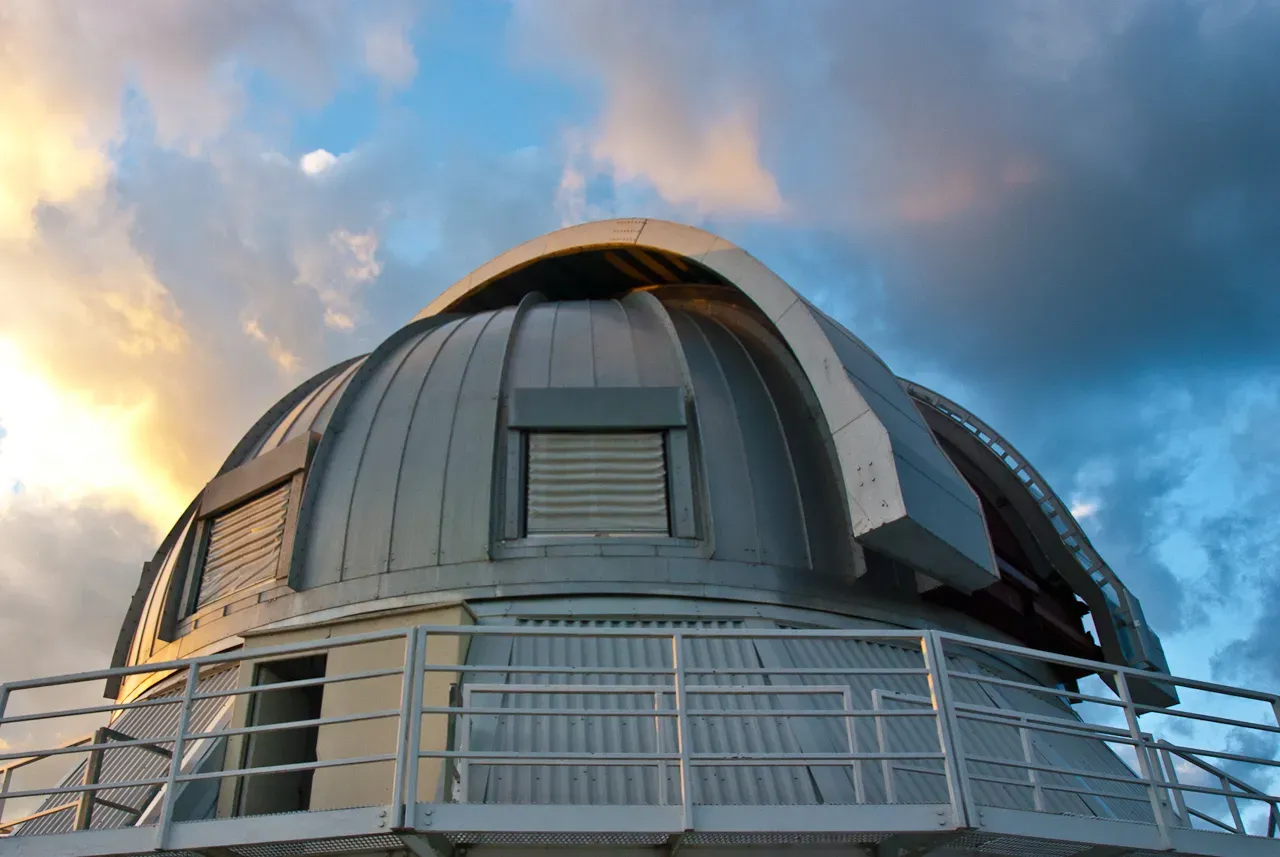
Canada was an early leader in formal dark sky protection, and it still holds an outsized number of certified sites relative to its population. The world’s first International Dark-Sky Reserve houses the Mont Mégantic Observatory at its peak, the most important astronomical observatory in Eastern Canada. That designation set a template that other countries would later follow.
Further west, Alberta’s Jasper region offers a very different flavor of dark sky, framed by the Rocky Mountains rather than forest. Located in Alberta’s Rocky Mountains, stretching more than 1,200 square kilometres of protected wilderness, the site’s UNESCO Dark Sky Preserve status, combined with high altitude and low humidity, provides crystal clear views of the northern sky. With so much protected land and comparatively low population density outside a few urban centers, Canada continues to add new certified reserves at a steady pace.
6. Spain (Canary Islands)
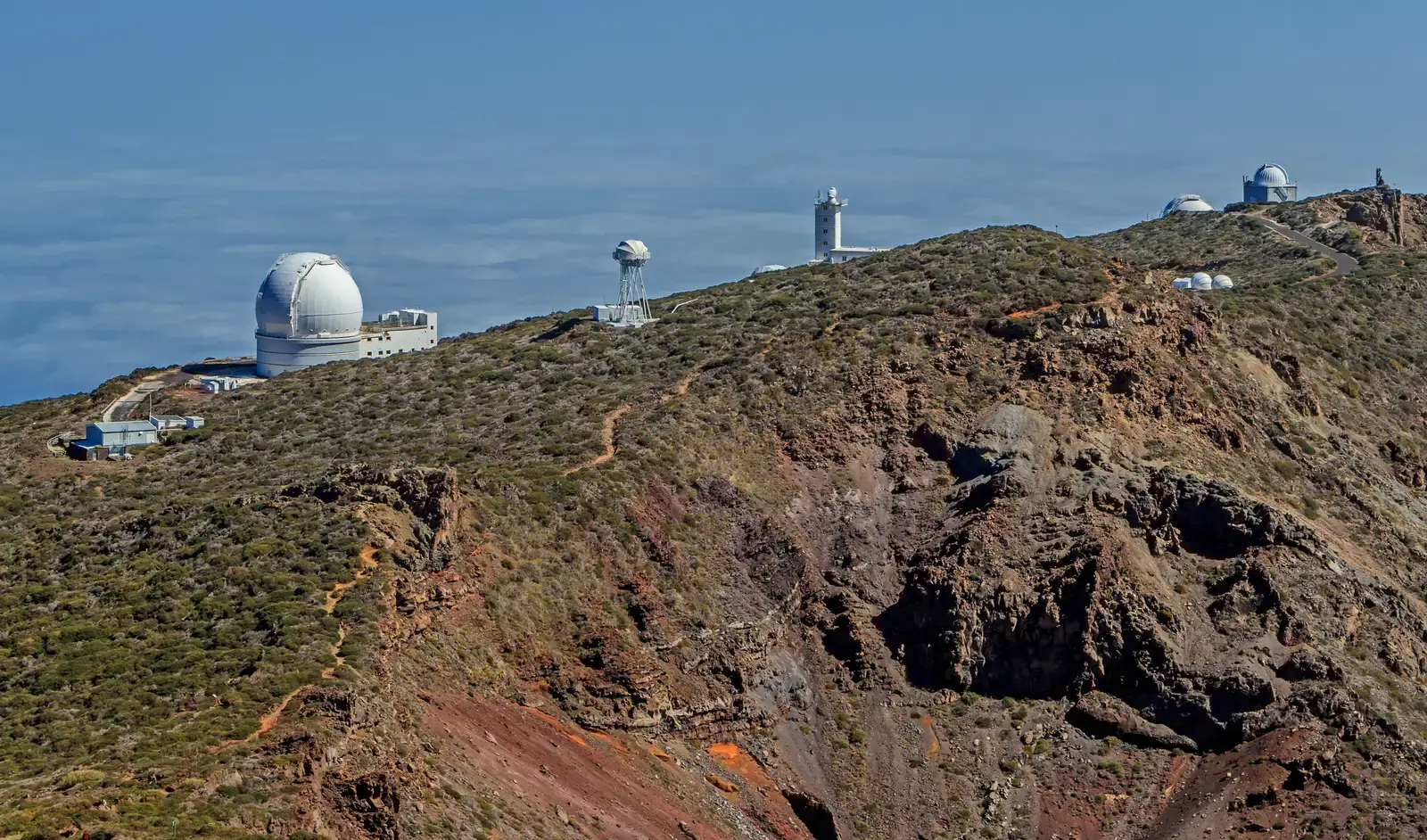
The Canary Islands occupy an unusual sweet spot in the Atlantic, close enough to Africa to sit in a subtropical climate belt yet high enough in elevation to escape most of the atmosphere’s turbulence. With its high altitude, proximity to the Equator, and distance from tropical storms, the remote Canary Islands off mainland Morocco enjoy some of the clearest, darkest skies. That combination has made the islands one of the most respected astronomical sites in Europe.
Tenerife in particular has taken legislative steps to protect what it has. Tenerife, the largest island, passed a law that restricts outdoor lighting and construction near its major observatories, a policy that has quietly kept the skies above Roque de los Muchachos and Teide Observatory among the clearest in Europe. Professional observatories on La Palma and Tenerife now host both cutting edge research and a steady stream of visiting astrotourists drawn by consistently good seeing conditions.
7. Ireland
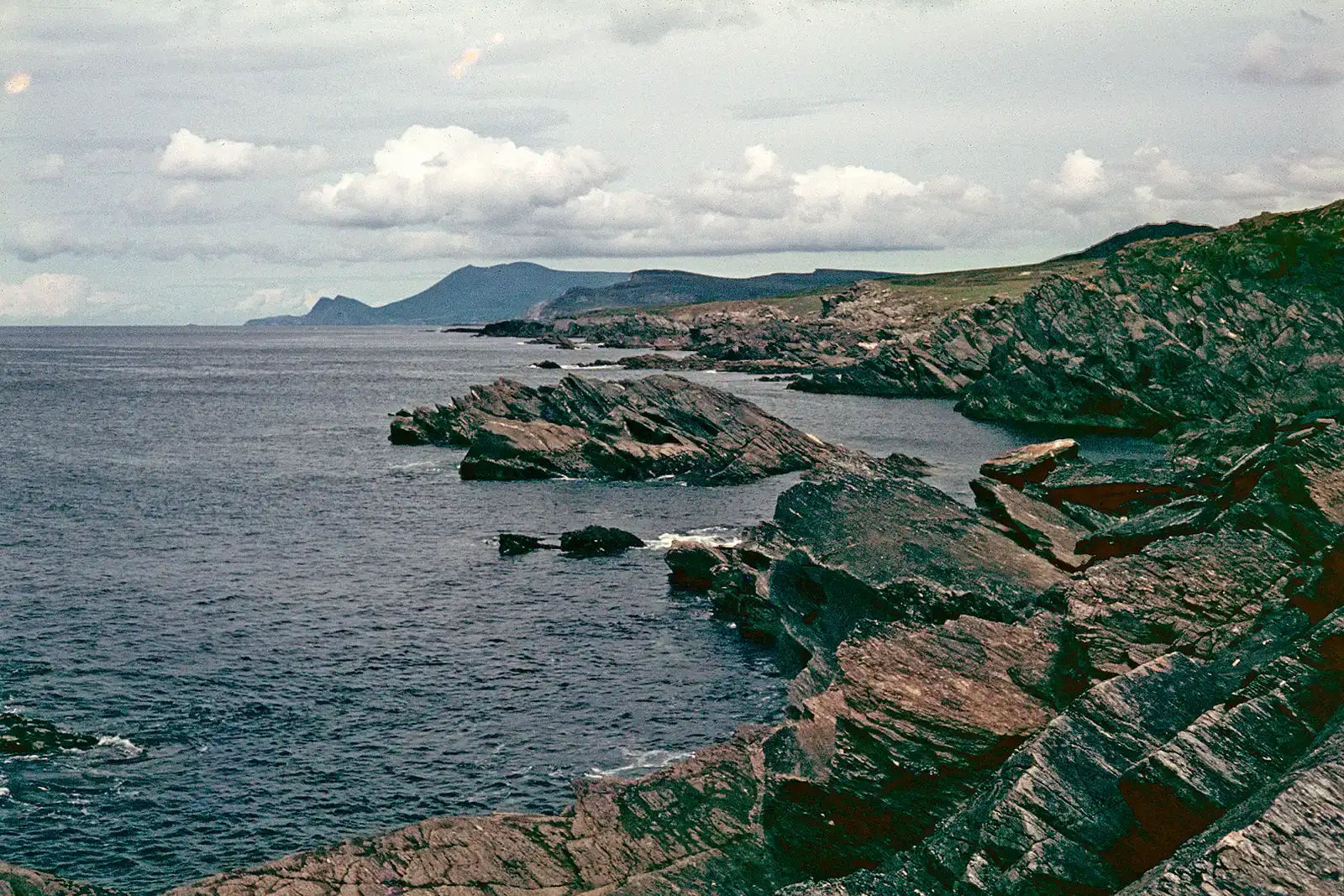
Ireland might seem an unlikely entry given its famously changeable weather, but its western and southwestern coasts hold some of the darkest certified skies in Europe. Kerry stands out as the country’s flagship site. Ireland’s Kerry International Dark-Sky Reserve is one of the world’s four Gold Tier Dark Sky Reserves designated by IDA. That Gold Tier ranking places it in the same elite category as NamibRand in Namibia.
The reserve’s appeal comes partly from its rugged, sparsely populated landscape along the Iveragh Peninsula, where mountains and Atlantic coastline leave little room for large towns or stray light. Visitors who time their trip around clear autumn or winter nights, when humidity tends to drop and skies stabilize, often come away surprised by how much detail is visible with the naked eye. It’s a reminder that dark skies aren’t limited to deserts, sometimes a rainy climate with the right geography can pull off something just as impressive.
8. Mongolia
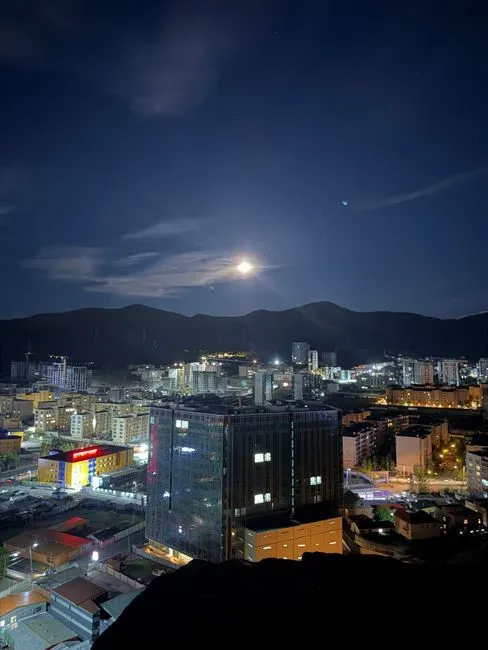
Mongolia’s vast steppe and Gobi Desert terrain offer one of the least light polluted skies left on the planet, largely because so much of the country remains sparsely populated outside Ulaanbaatar. With average population density among the lowest of any nation on Earth, artificial light simply has nowhere to accumulate across most of its territory. Travelers who venture into the Gobi region at night describe skies where the Milky Way appears as a dense, textured band rather than a faint streak.
The dry continental climate helps too, since Mongolia experiences long stretches of clear, stable weather through much of the year, particularly in autumn and winter when atmospheric turbulence tends to settle down. Astrotourism here remains far less developed than in Chile or New Zealand, with fewer formal observatories and guided programs, but that relative lack of infrastructure is part of the appeal for travelers seeking truly untouched skies. Nomadic camps and ger stays have increasingly begun offering informal stargazing experiences as word spreads about the quality of the darkness overhead.
Each of these eight countries offers a different route to the same experience, that rare moment when the sky stops feeling like a backdrop and starts feeling like the main event. Whether it’s the extreme dryness of the Atacama, the isolation of the Namib, or the legislated darkness of a Canary Island town, the underlying formula tends to repeat itself: distance from cities, dry stable air, and a deliberate choice to keep the lights down. As light pollution continues to spread across most of the inhabited world, these remaining pockets of true darkness are likely to become even more valuable, both to scientists chasing the next big discovery and to ordinary travelers simply hoping to see the stars the way earlier generations once did.