

Summers across the United States are no longer just hot, they’re becoming genuinely dangerous in more places than ever before. What used to be a problem confined to the desert Southwest has spread to cities that historically enjoyed milder summers, from the Northeast corridor to the northern Rockies. Rising overnight lows, longer streaks of triple-digit days, and heat domes that linger for weeks are reshaping how millions of Americans plan their summers.
The following eleven cities represent a mix of long-known hot spots and newer entries into the extreme heat conversation. Some are breaking records they’ve held for over a century, while others are simply experiencing heat at a scale and duration that their infrastructure and residents were never built for.
1. Phoenix, Arizona
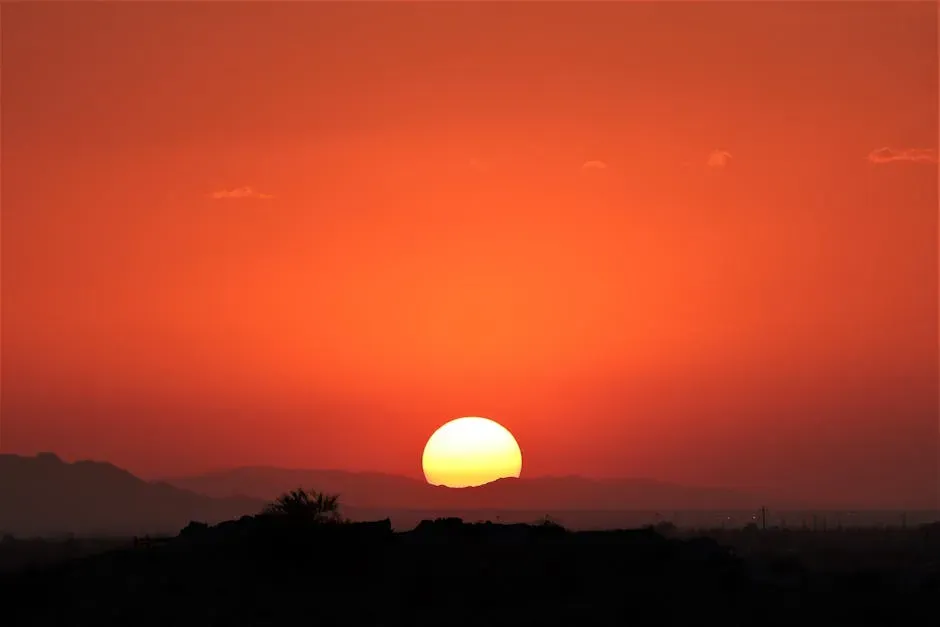
Phoenix remains the undisputed heavyweight of American urban heat, and the last two summers have only cemented that reputation. Phoenix recorded its two hottest years on record in 2024 and 2025. The city’s 2024 summer was particularly brutal, with a 113-day streak that smashed Phoenix’s previous record of 76 days over 100 degrees Fahrenheit set in 1993.
The human cost has been staggering, though there’s a glimmer of encouraging news. Maricopa County health officials reported 602 heat-linked deaths in 2024, down from 645 in 2023, a record-breaking number. Officials credit expanded heat relief efforts, noting that Phoenix opened a 24-hour heat respite site and extended hours at other heat relief sites that saw more than 28,000 visits. Even so, the urban heat island effect in Phoenix is so intense that overnight lows frequently stay above 90 degrees, which is rare in most desert cities.
2. Las Vegas, Nevada
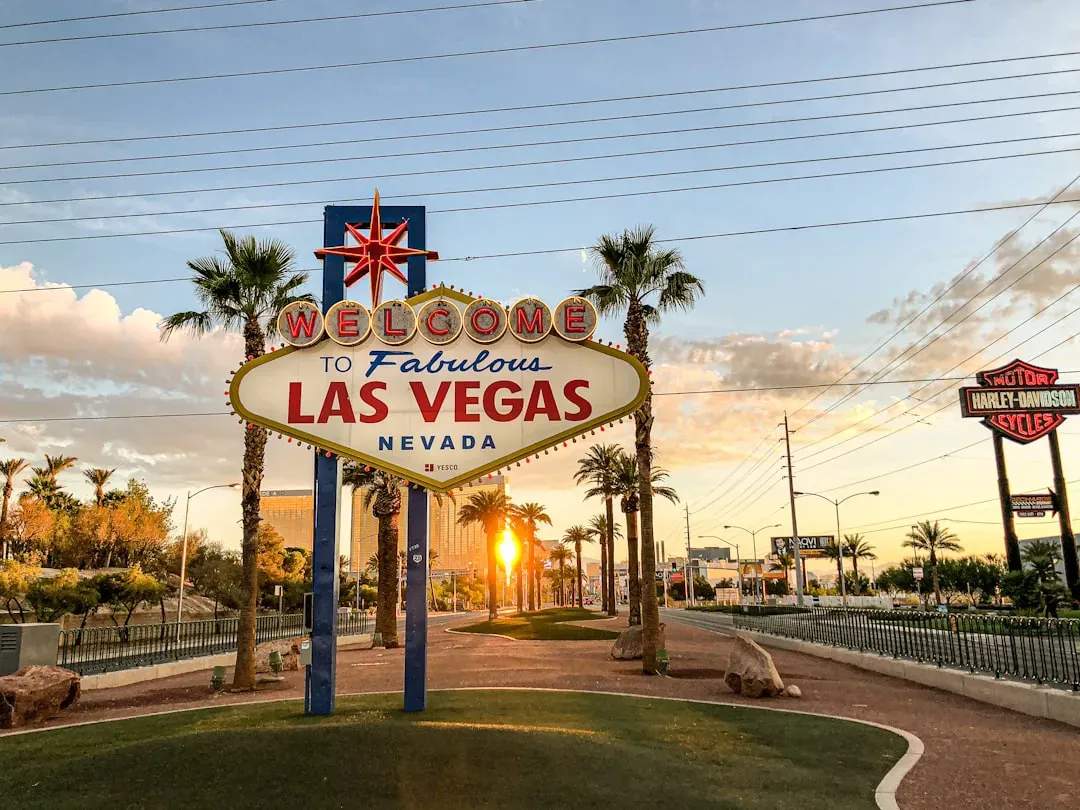
Las Vegas has quietly become one of the fastest-warming cities in the country, and the numbers back it up. Las Vegas has warmed faster than any major U.S. city since 1990, up 4.8 degrees Fahrenheit. That warming trend showed up dramatically in 2024, when Las Vegas broke its all-time heat record, with temperatures reaching 120 degrees Fahrenheit.
The Strip itself has become a case study in extreme heat exposure for tourists who underestimate the desert. The city averages over 70 days a year with temperatures in the triple digits and has reached its all-time record high of 117 degrees on several occasions. By late July 2026, the region was again under scrutiny as a heat dome threatened to set records for its intensity in parts of Southern California and Arizona, with visitors using umbrellas as shields from the sun on the Las Vegas Strip.
3. Houston, Texas
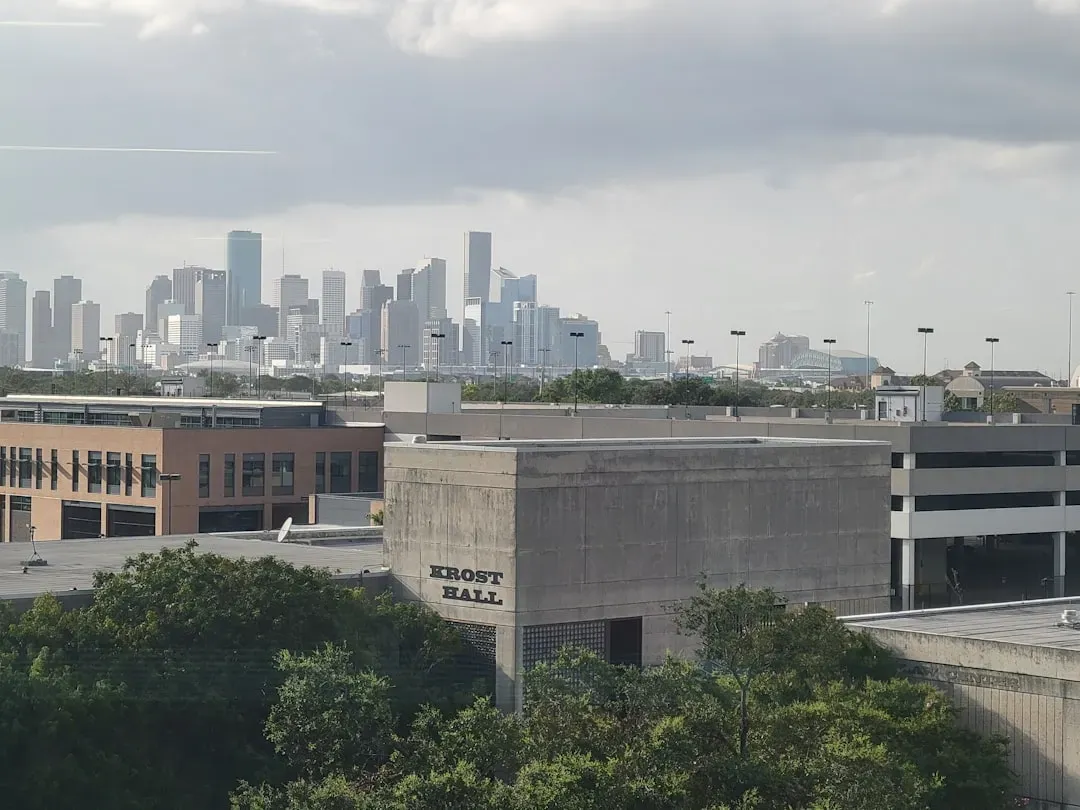
Houston’s heat problem isn’t just about high temperatures, it’s about oppressive humidity that makes conditions feel far worse than the thermometer suggests. With summer humidity averaging 65 percent, a 92-degree afternoon in Houston can feel like 112 degrees, and the city has more days where the heat index exceeds 110 degrees than any other major U.S. city.
The 2025 season pushed Houston into record territory on multiple fronts. Spring and fall experienced temperatures well above average, contributing to one of the hottest years recorded in the city since 1889. Perhaps most telling was the lack of relief after dark, as nighttime temperatures remained elevated, making it the second-warmest summer on record for overnight lows.
4. Miami, Florida
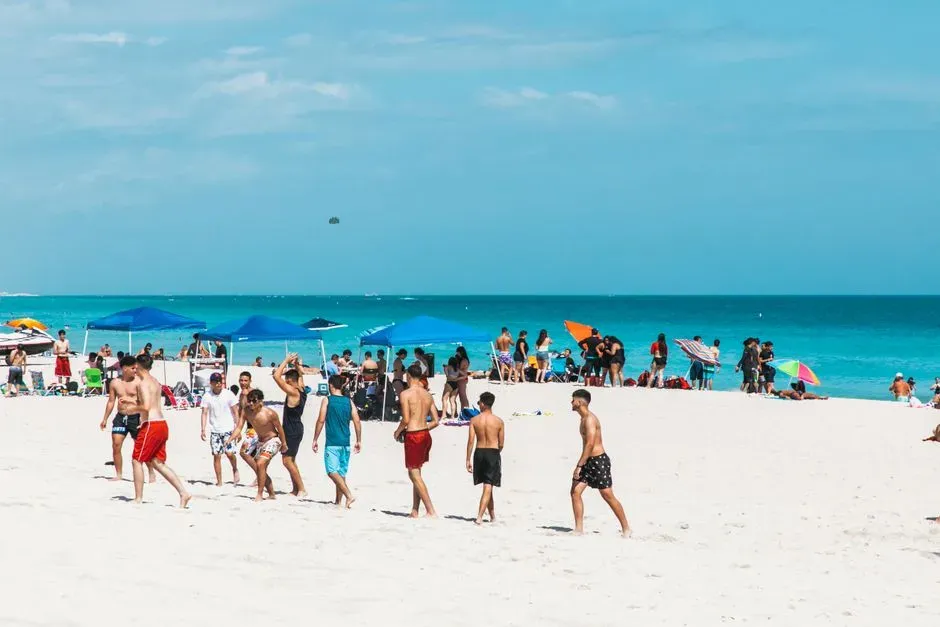
Miami rarely breaks 100 degrees on a thermometer, but that statistic is misleading in a dangerous way. Miami almost never hits 100°F on the thermometer, its all-time record is just 100°F, but with 73% average summer humidity, a 90-degree day feels like 108 degrees. That combination of moderate readings and crushing humidity is exactly why heat index, not raw temperature, matters so much in South Florida.
What makes Miami especially exhausting is the absence of nighttime recovery. Unlike desert cities that cool to 75 degrees at night, Miami’s overnight lows stay above 78 degrees in July and August, and the heat never really breaks. Inland neighborhoods fare even worse, since Coral Gables and other inland suburbs run 3 to 5 degrees hotter than the beach.
5. Dallas, Texas
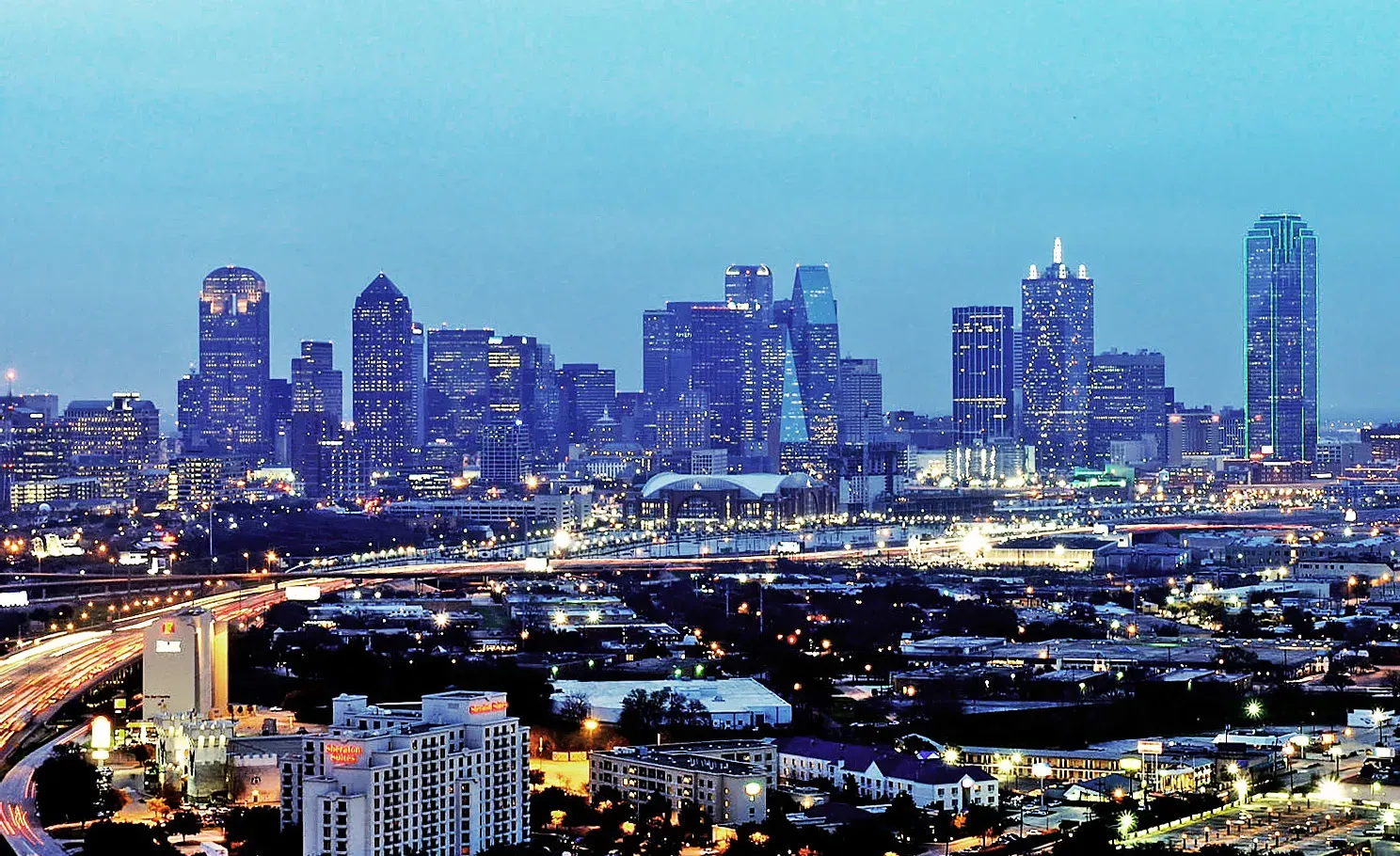
Dallas occupies an unusual middle ground in Texas heat rankings. Although the summer heat can be more intense in Dallas than Houston or San Antonio, the city experiences cooler winters with temperatures frequently dipping below freezing. That combination means Dallas residents deal with both scorching summers and genuinely cold winter snaps, a swing that puts extra strain on infrastructure built for one extreme or the other.
Texas as a whole has become ground zero for accelerating heat trends, and Dallas sits squarely within that pattern. Texas has warmed exceptionally quickly, becoming the hottest state in the country, with triple-digit heat becoming the norm and average temperatures now 6 to 12 degrees above normal. Statewide, the past ten years have seen 1,000 more days of record-breaking heat than in a typical decade.
6. Washington, D.C.
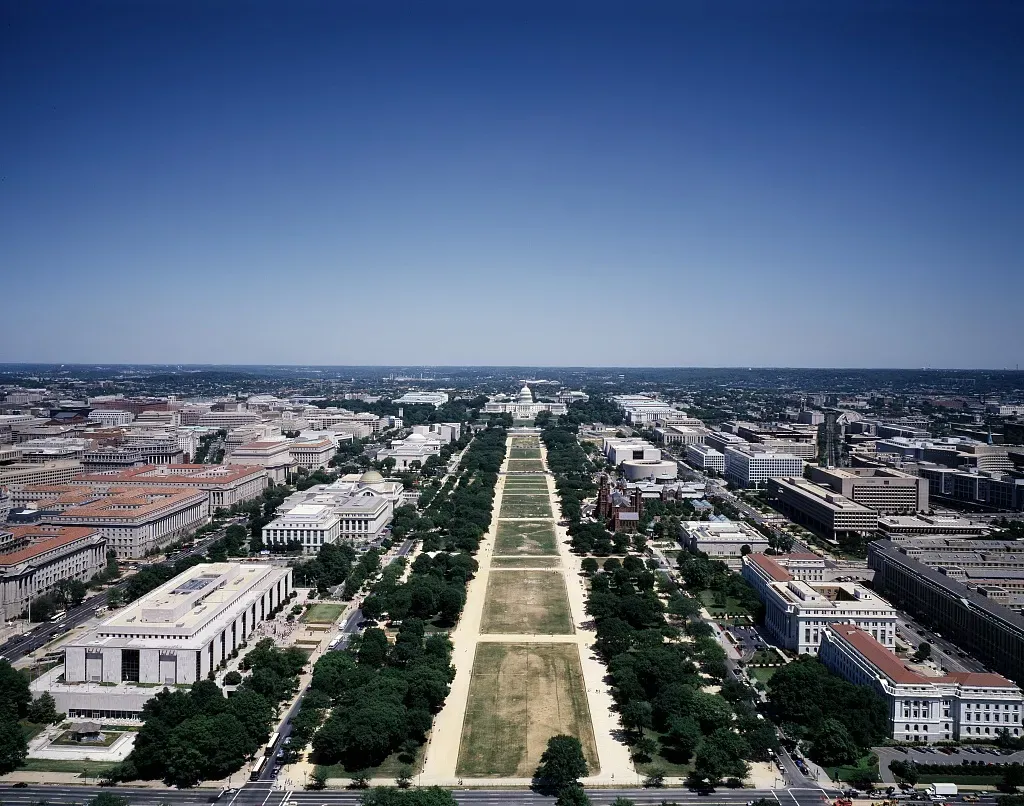
The nation’s capital isn’t traditionally thought of as an extreme heat city, but the summer of 2026 changed that narrative dramatically. The July Fourth parade was cancelled in Washington, D.C. as temperatures hit a historic daily high of 103 degrees Fahrenheit. The timing was especially notable, since it coincided with a major national milestone.
The heat wasn’t an isolated event but part of a broader pattern battering the Eastern Seaboard. For millions of Americans along the Eastern Seaboard, Independence Day celebrations were meaningfully diminished by a dangerous heatwave. Public health officials across the region scrambled to respond as similar cancellations or postponements were reported in smaller cities and towns across Maryland, New Jersey, Pennsylvania, and Virginia due to extreme heat.
7. Philadelphia, Pennsylvania
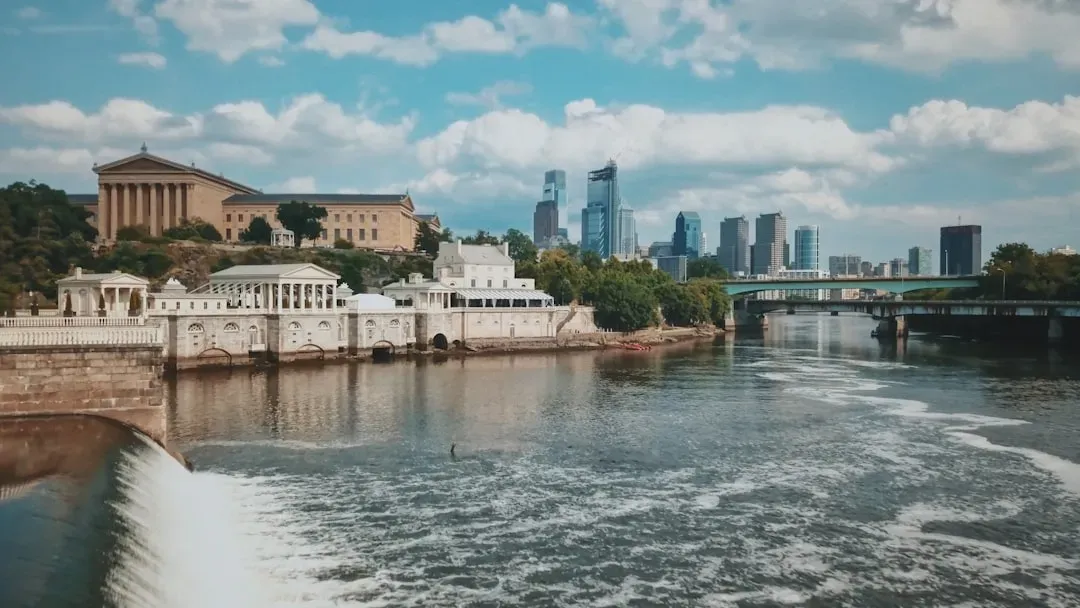
Philadelphia joined Washington in canceling holiday festivities in 2026, a rare move that underscored how seriously officials are now treating heat risk in Northeastern cities. In Philadelphia, where weekend temperatures exceeded 100 degrees, city officials cancelled the Fourth of July parade, along with plans to erect a replica of George Washington’s tent in front of Independence Hall.
The decision reflected a broader shift in how mid-Atlantic cities approach extreme heat events. What was once treated as an uncomfortable inconvenience is now managed with the same urgency as a winter storm, complete with public cancellations, cooling center activations, and coordinated messaging campaigns aimed at protecting the most vulnerable residents from heat illness during multi-day stretches of dangerous conditions.
8. New York City, New York
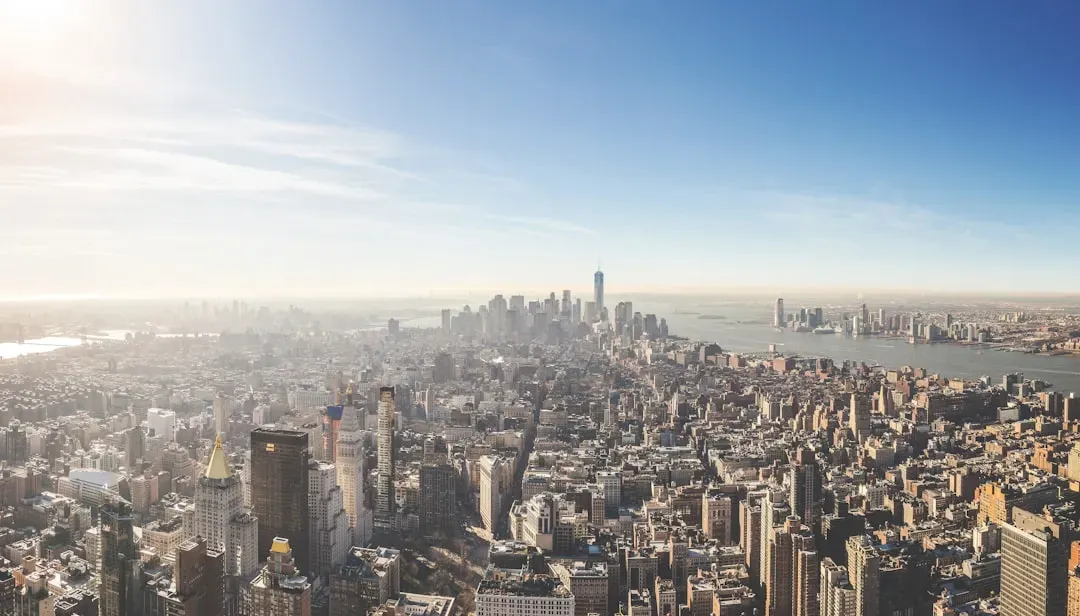
New York City’s approach to heat emergencies has become notably more aggressive under recent leadership, reflecting just how often the city has had to respond in 2026. In late June 2026, the city activated an unprecedented Heat Emergency Plan ahead of historically high heat indices that peaked around 109 degrees over the holiday weekend. That single event required activating hundreds of cooling centers along with a new initiative displaying real-time walking directions to the nearest cooling center on more than 2,200 LinkNYC kiosks citywide.
The city has repeated this response cycle multiple times throughout the year rather than treating it as a one-off event. By August, officials were again activating the City’s Heat and Flash Flood Emergency Plans ahead of dangerous heat, with the National Weather Service issuing a Heat Advisory as heat index values approached 100 degrees. The frequency of these activations, spanning May, June, July, and August, shows how heat emergencies have shifted from rare events to a near-monthly occurrence.
9. Billings, Montana
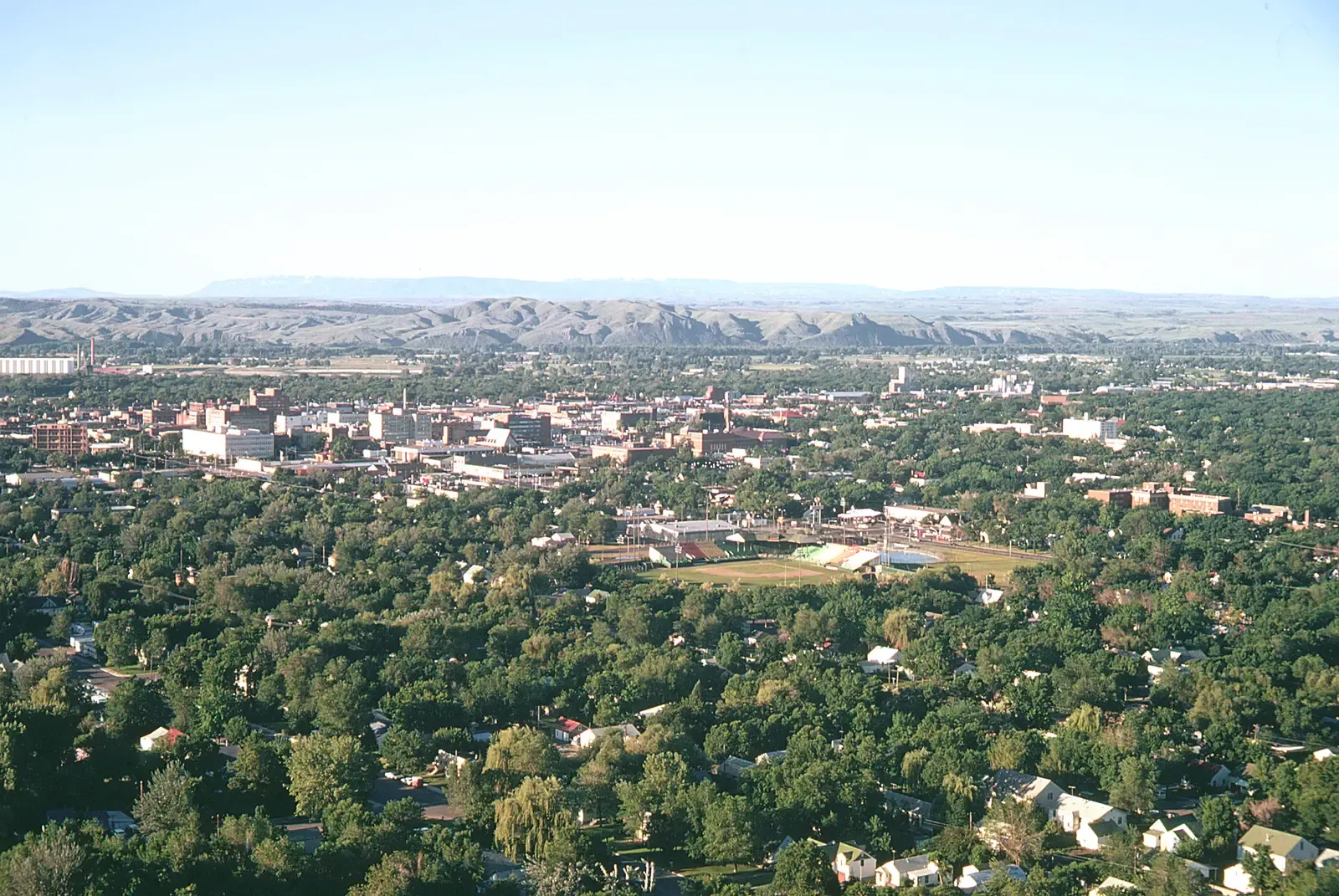
Few would have predicted a northern Montana city joining a list of extreme heat hotspots, yet Billings did exactly that in the summer of 2026. The National Weather Service and ABC News stated that a 111-degree Fahrenheit measurement in Billings on July 12, 2026, was treated as an all-time heat record. This came as part of a broader heat dome that gripped the northern Rockies.
The same weather system that hit Billings also set records across neighboring states. A ridge of high pressure fueled record-breaking temperatures in Montana, Utah, and Wyoming on July 12, 2026, with numerous weather stations recording their highest temperatures since record-keeping began. This kind of event, once considered a once-in-a-generation anomaly for the northern Plains, is increasingly being discussed as part of a shifting baseline for the region.
10. Denver and Salt Lake City, Colorado and Utah
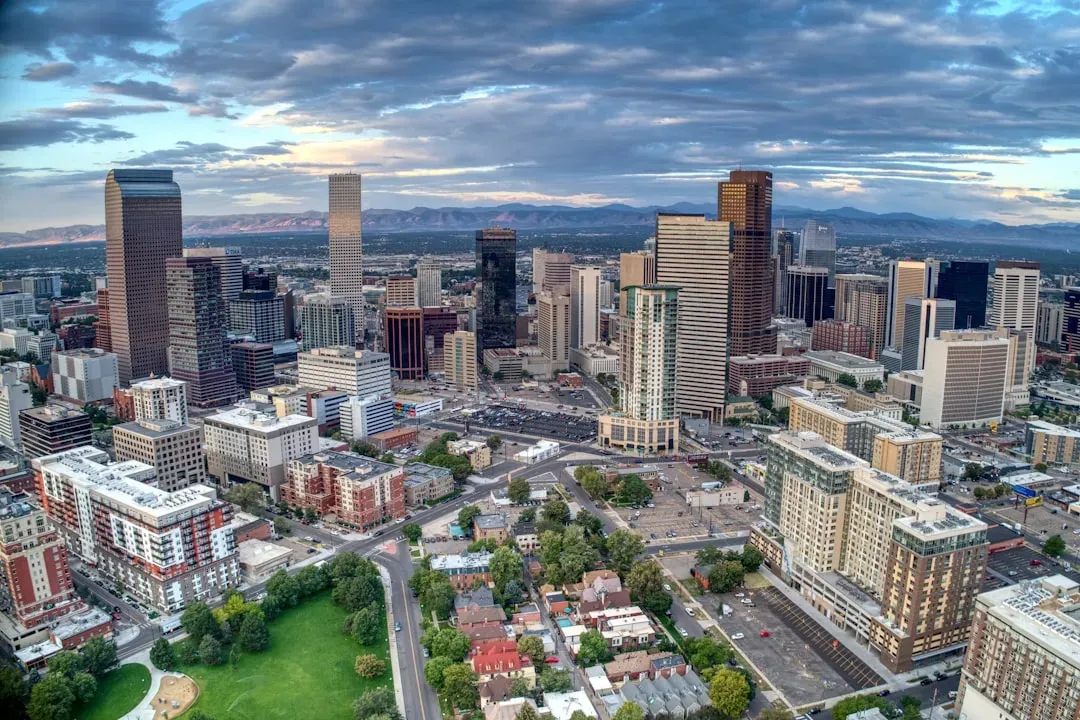
The Mountain West saw its own dramatic heat surge in the summer of 2026, catching many residents off guard given the region’s historically mild summer reputation. Temperatures climbed into the upper 90s and low 100s across cities such as Salt Lake City and Denver, with the potential to break daily heat records. This heat arrived as part of a broader westward shift in extreme conditions after the East Coast’s earlier heat waves.
Colorado’s exposure to this heat wasn’t just uncomfortable, it produced real health consequences. In early August 2026, extreme heat in Colorado resulted in 72 hospitalizations. The pattern reflects a broader concern among meteorologists that high-elevation cities once considered relatively insulated from extreme heat are now experiencing the same kinds of dangerous heat domes that have plagued the desert Southwest for decades.
11. Riverside, California
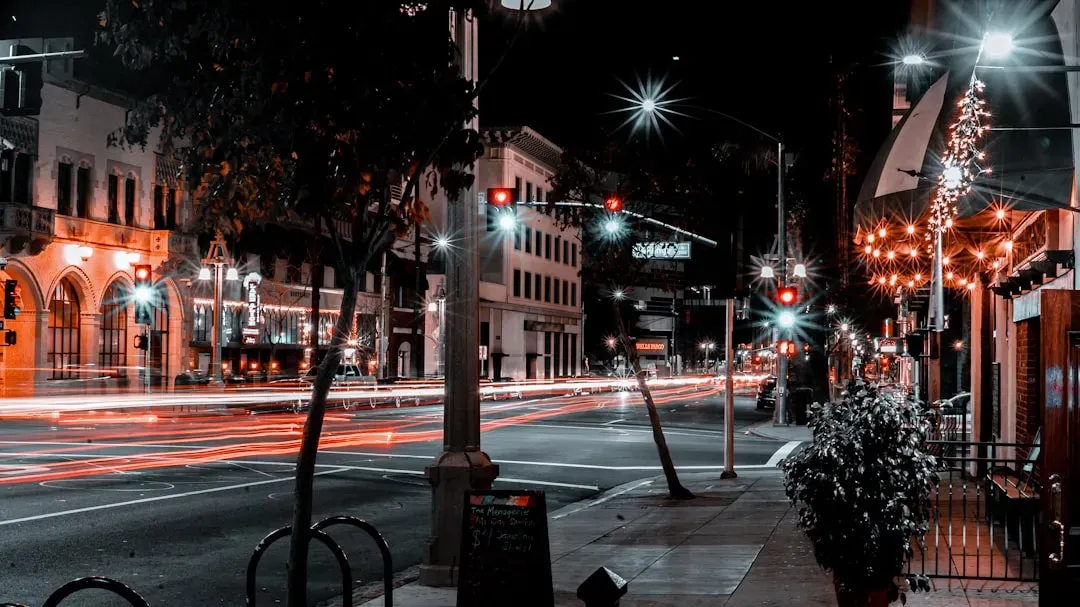
Riverside sits inland from the cooling influence of the Pacific Ocean, and that geography has made it one of Southern California’s most heat-stressed cities. Riverside has recorded triple-digit heat every month from March through November, with an all-time high temperature of 118 degrees that is higher than Tucson’s and just a few degrees shy of the heat records in Phoenix and Las Vegas.
What makes Riverside particularly notable is the sheer duration of its hot season compared to most American cities. While places like Phoenix and Las Vegas concentrate their extreme heat into a tighter summer window, Riverside’s heat season stretches across nine months of the calendar year, leaving residents with very little true relief and placing sustained pressure on cooling infrastructure and energy grids for the majority of the year.
Taken together, these eleven cities tell a broader story about how extreme heat is no longer confined to the traditional desert Southwest. Cities along the East Coast, in the northern Rockies, and across the humid Gulf Coast are now grappling with heat emergencies that were once considered rare or regionally specific. As heat domes grow more frequent and overnight temperatures climb even in places built for cooler climates, more American cities will likely find themselves adapting emergency plans, cooling infrastructure, and public health strategies that were, until recently, associated almost exclusively with places like Phoenix and Las Vegas.
The common thread isn’t just higher daytime highs. It’s the compounding effect of warmer nights, longer heat streaks, and humidity that turns moderate temperatures into genuinely dangerous conditions. That shift is forcing city governments nationwide to rethink what a normal summer even looks like anymore.

- 11 U.S. Cities Where Extreme Heat Is Becoming a Bigger Summer Problem - August 24, 2026
- 10 Communities Restoring Wetlands to Reduce Flood Damage - August 24, 2026
- The 7 American Cities Where Snow Can Arrive Surprisingly Early - August 24, 2026
