

Snow in September still catches many residents off guard, even in places known for cold winters. Across the United States, a handful of cities have seen measurable flakes well before the calendar flips to October, sometimes by weeks or even a full month ahead of typical first snowfall dates. These early arrivals often come from fast-moving cold fronts that drop temperatures just enough for precipitation to fall as snow rather than rain.
Records stretching back decades show that such events, while uncommon, are not unheard of in select locations. They highlight how elevation, proximity to mountains, and northern latitudes can create the right conditions for an early surprise. Here are seven cities where history proves snow has a real chance of showing up ahead of schedule.
Denver, Colorado
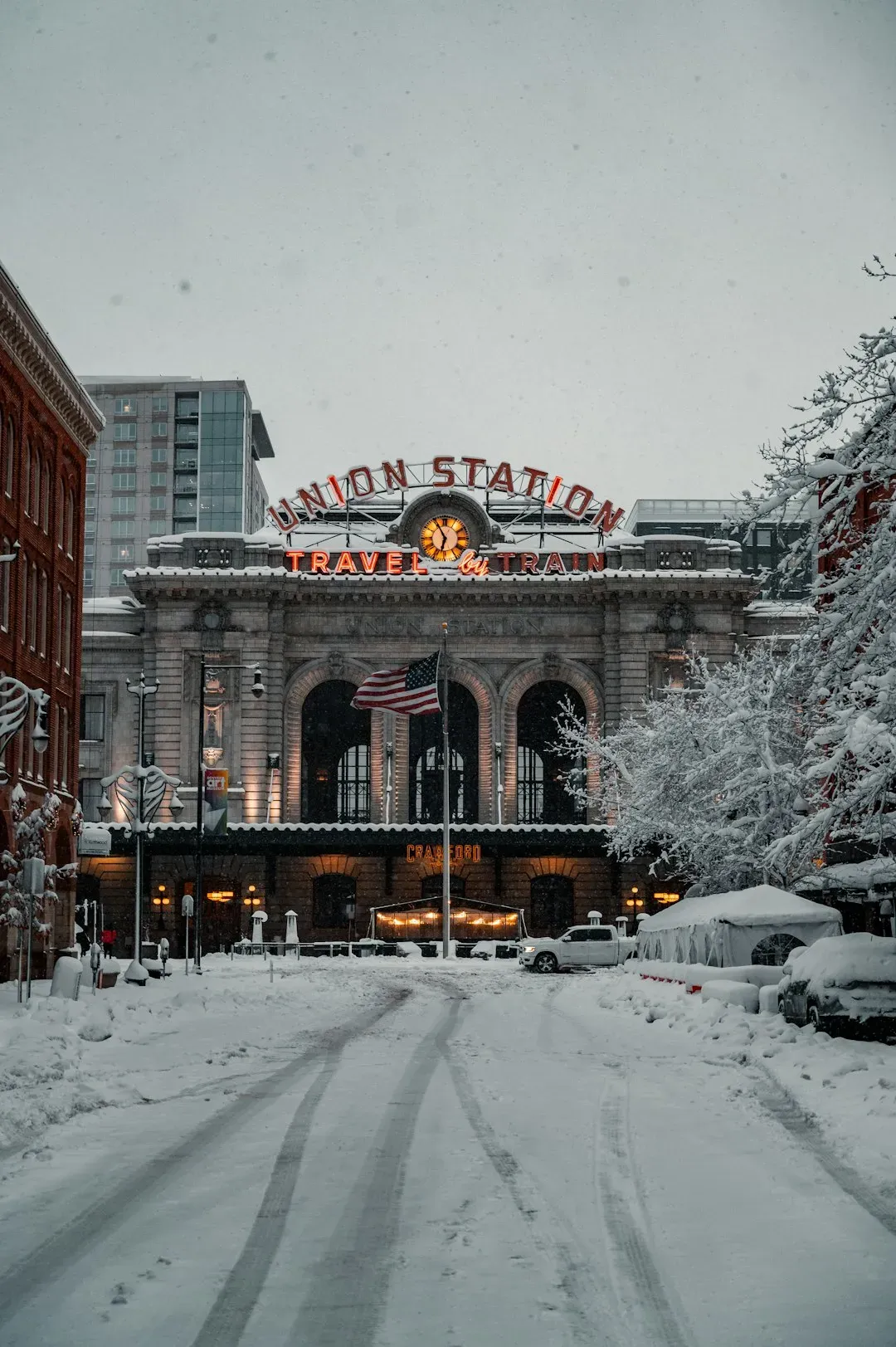
Denver sits at the edge of the Rockies, where sharp temperature drops can turn late-summer moisture into snow. The city’s earliest recorded measurable snowfall came on September 3, 1961, when 4.2 inches blanketed the ground. That single event still stands as the benchmark for how quickly conditions can shift in the Mile High City.
September snow has occurred multiple times since records began, though most years see the first flakes arrive later in October. Residents keep an eye on mountain forecasts because a strong cold front can push wintry weather down to the plains with little warning. The combination of high elevation and variable weather patterns makes early snow a recurring possibility rather than a total shock.
Cheyenne, Wyoming
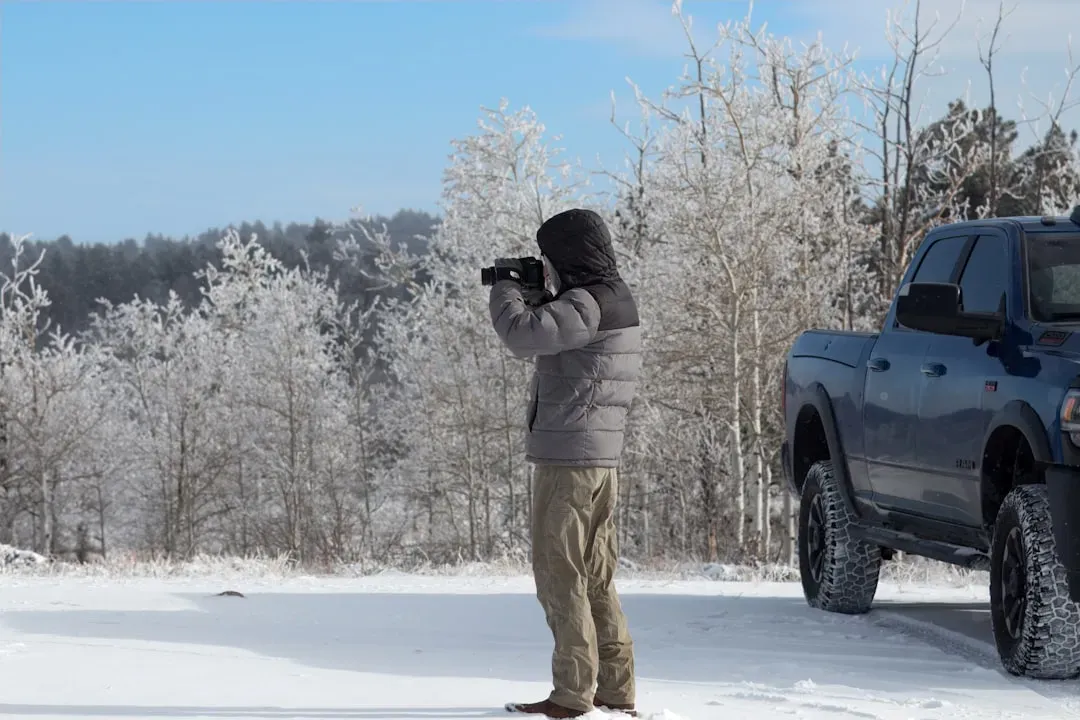
Cheyenne’s high plains location leaves it exposed to Arctic air masses that can arrive early in the season. The city logged its earliest measurable snow on September 8, 1929, marking one of the quickest transitions from summer to winter conditions on record. Light accumulations have repeated in subsequent decades when cold fronts stall over the area.
Locals note that even a trace of snow in early September can disrupt travel and outdoor plans. The city’s elevation above 6,000 feet helps temperatures fall fast once the sun sets. Historical data confirms that while rare, these early events remind everyone that winter can knock on the door well before Halloween.
Spokane, Washington
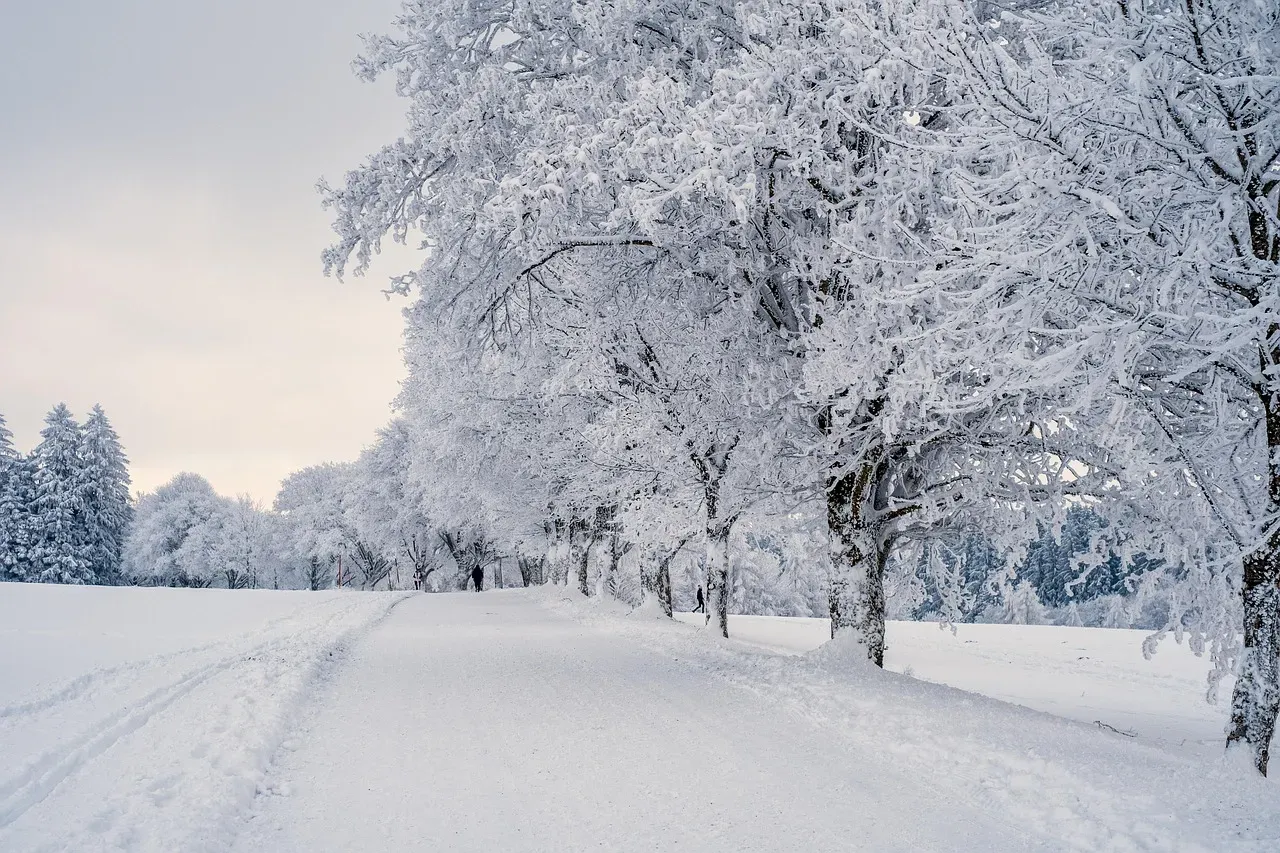
Spokane benefits from its position in the Inland Northwest, where Pacific storms sometimes mix with cold air from Canada. The earliest snowfall on record there fell on September 23, 1926. That date remains a reference point for how quickly the region can turn wintry after summer.
Average first snow dates hover around mid-November, so a September event stands out as genuinely surprising. The surrounding mountains often enhance lift and cooling, allowing snow to reach the valley floor. Residents prepare for the possibility each year because the climate supports occasional early-season flakes.
Billings, Montana
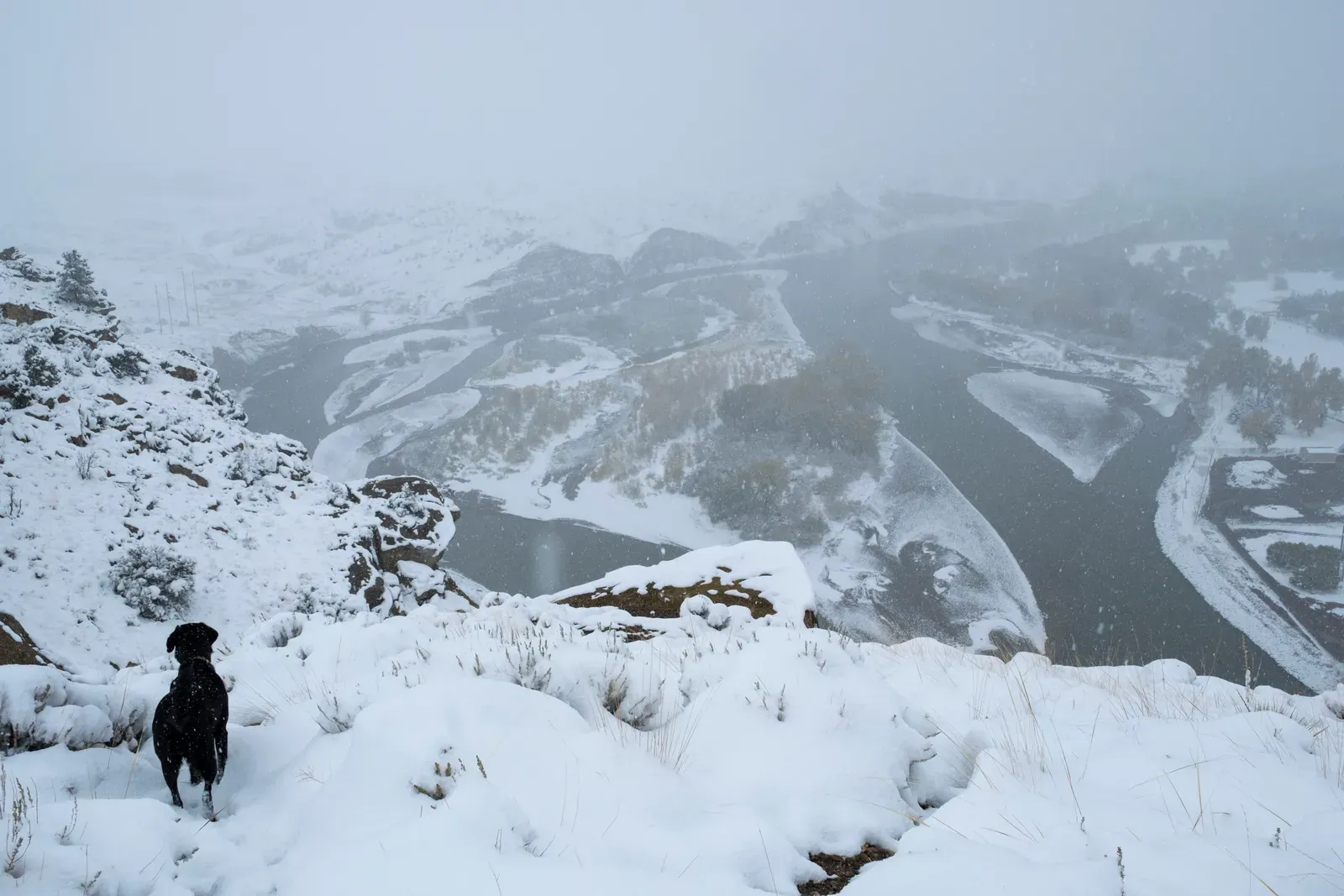
Billings lies in the Yellowstone Valley, where elevation and northern latitude combine to favor early snow. Historical records show measurable snow as early as September 7 in some years. Cold fronts sweeping across the northern plains can drop temperatures below freezing even while leaves remain on the trees.
These early events tend to be light, yet they still require drivers to adjust to slick roads. The city’s semi-arid climate means snow melts quickly, but the visual contrast with lingering summer scenery makes the moment memorable. Long-term data supports the idea that September snow remains within the realm of possibility.
Duluth, Minnesota
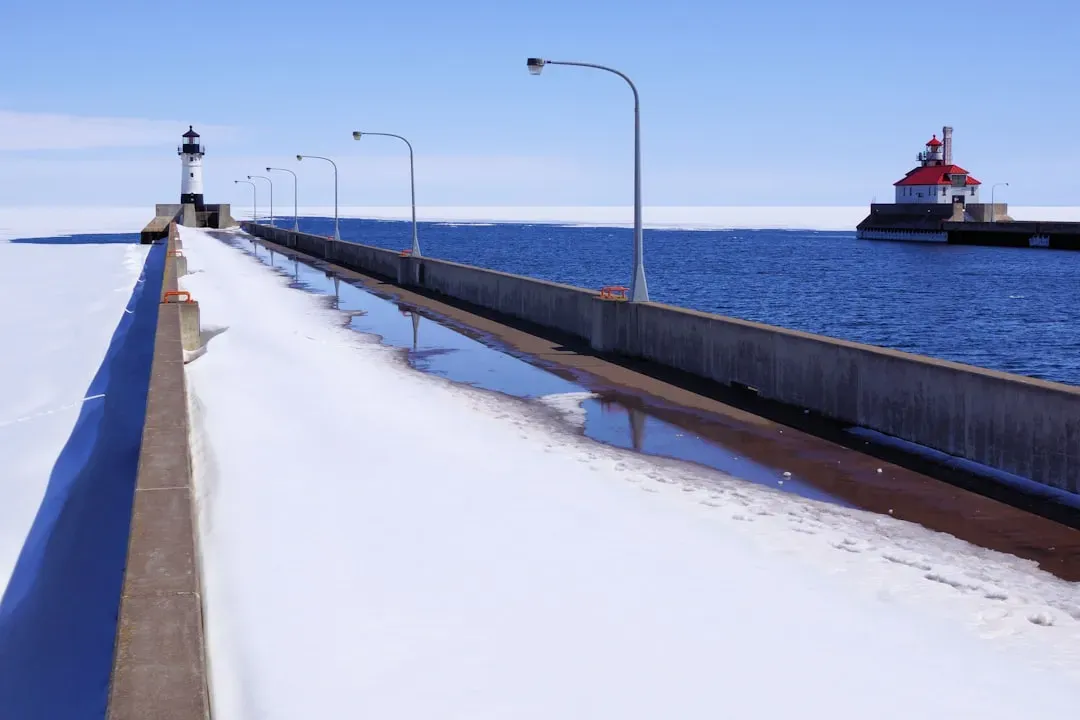
Duluth’s location on Lake Superior exposes it to lake-effect snow and early cold air outbreaks. Measurable snow has fallen in late September during several past seasons, well ahead of the typical November start. The lake’s influence can intensify bands of snow when conditions align.
Residents along the North Shore have grown accustomed to checking forecasts closely once September arrives. Early snow often stays light, but it signals the start of a long winter season. Climate records confirm that the city’s northern position allows for these occasional surprises.
Marquette, Michigan

Marquette sits on the Upper Peninsula, surrounded by the cold waters of Lake Superior. Earliest measurable snow has arrived in late September in multiple years, driven by lake-effect processes. The combination of latitude and water body creates a setup where wintry precipitation can develop quickly.
Local weather patterns show that once cold air settles in, snow can accumulate even before autumn fully settles. These events serve as an early reminder of the heavy lake-effect totals the region expects later in the season. Historical observations keep the possibility of September snow on the radar for forecasters and residents alike.
Cedar City, Utah

Cedar City’s high desert elevation in southern Utah allows cold air to settle rapidly after sunset. The earliest recorded snowfall there occurred on September 18, 1965. Mountain proximity often funnels moisture into the area during early-season cold snaps.
While most years see the first snow in October or November, the 1965 event proved that September remains possible. The city’s location between higher peaks and lower valleys creates microclimates that favor quick temperature drops. Recent decades have shown similar early flakes, keeping the record relevant for planning purposes.
These seven cities demonstrate that early snow is more than a meteorological curiosity. It reflects real geographic and climatic factors that can override seasonal expectations. Paying attention to long-range forecasts and historical patterns helps communities stay ready when the flakes arrive ahead of schedule. In the end, nature often writes its own calendar, and a dusting in September simply reminds everyone to keep the snow shovel handy a little longer each year.

- 11 U.S. Cities Where Extreme Heat Is Becoming a Bigger Summer Problem - August 24, 2026
- 10 Communities Restoring Wetlands to Reduce Flood Damage - August 24, 2026
- The 7 American Cities Where Snow Can Arrive Surprisingly Early - August 24, 2026
