

- 7 U.S. Cities Where Extreme Heat Could Make Summers Nearly Unbearable by 2050 - September 13, 2026
- Scientists Identify 9 Exoplanets With Conditions Similar to Earth - September 13, 2026
- NASA Issues Updated Advisory Following a Sudden Solar Flare Event - September 13, 2026
While most of the world is still fighting to wean itself off coal and gas, a small handful of nations have already crossed a remarkable threshold. Their electricity grids run almost entirely on renewable sources, mostly hydropower, along with geothermal, wind, and other clean technologies. Some got there through sheer geographic luck, blessed with mighty rivers, volcanic activity, or steady winds. Others made deliberate policy choices decades ago that are only now paying off in full.
What ties these countries together is not wealth or size, but geography and long-term planning. From the icy landscapes of the North Atlantic to the tropical highlands of Central America, each of these seven nations proves that a fossil-fuel-free grid is not just a future goal but a present-day reality. Here is a closer look at how each one pulled it off.
1. Iceland
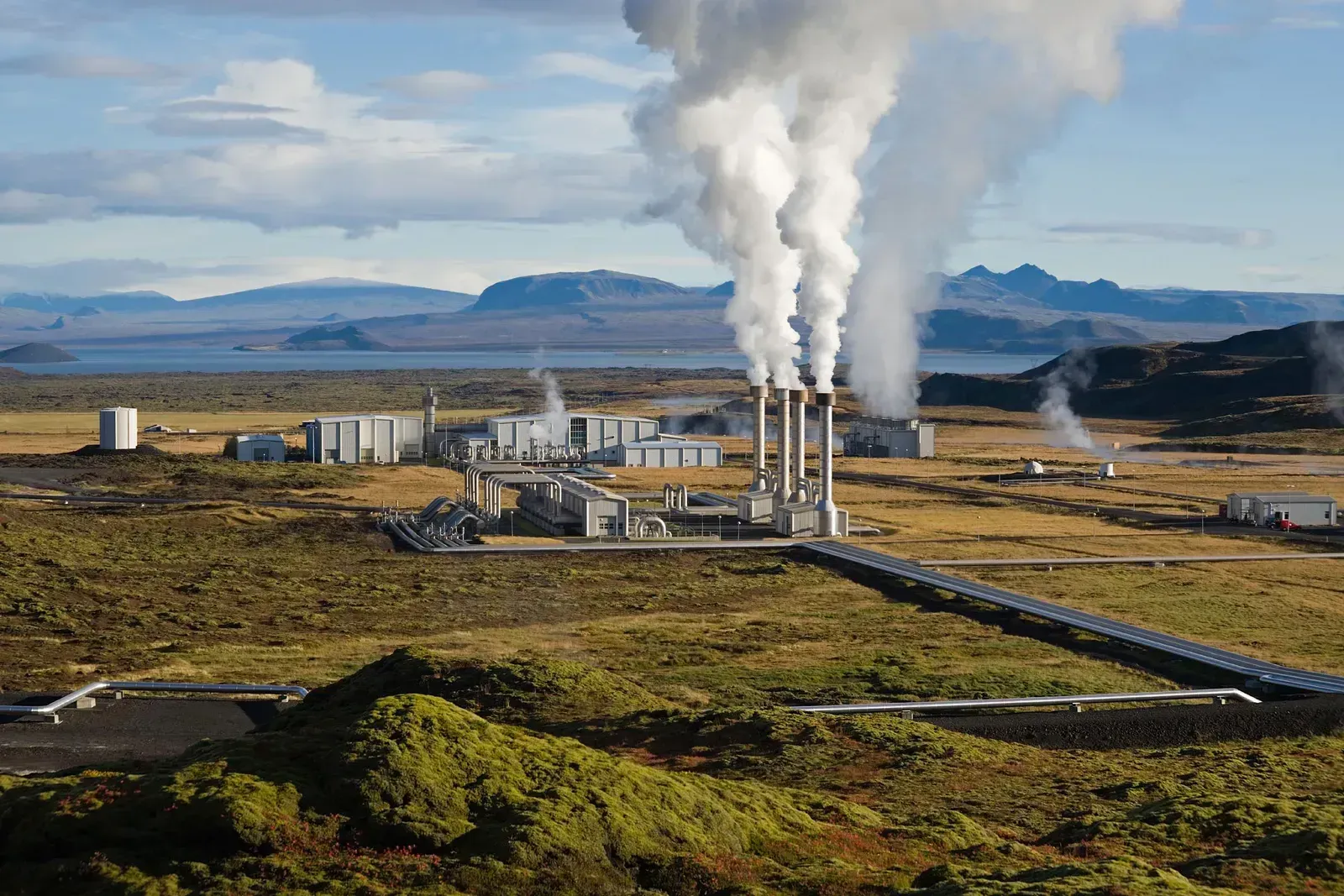
Iceland sits at the very top of nearly every ranking of renewable electricity, and for good reason. Renewable energy provided almost 100% of production, with 70.5% coming from hydropower, 29.4% from geothermal power, and 0.1% from fossil fuels in 2025. The country’s location on the Mid-Atlantic Ridge gives it extraordinary access to geothermal heat that few other nations can match.
This abundance of clean, cheap power has reshaped the Icelandic economy in unusual ways. Iceland’s energy is so abundant and cheap that aluminum smelting, an extremely energy-intensive process, has become a major industry. The country’s main challenge now is not the power grid at all, since transportation and fishing remain the toughest sectors to decarbonize on the road to full carbon neutrality.
2. Norway
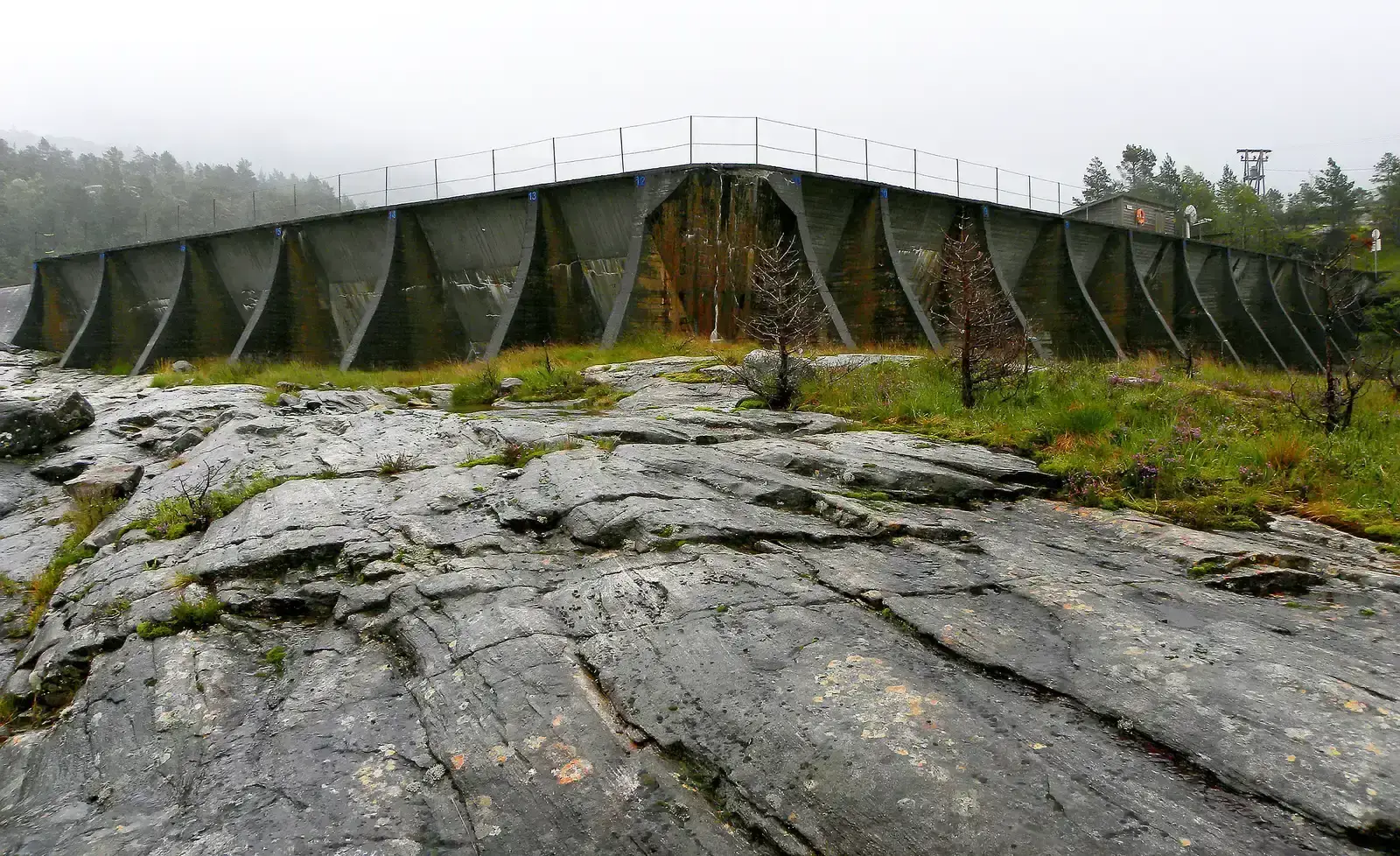
Norway has built one of the most reliable renewable grids on earth almost entirely on the back of hydropower. The share of renewables in the power mix is historically high in countries with large hydropower resources such as Norway, exceeding 60% of electricity generated, and in Norway’s case the figure runs far higher still. Recent data puts the country’s renewable share at roughly 98%, a level it has sustained for years thanks to its network of dams and reservoirs spread across steep mountain valleys.
What makes Norway especially interesting is scale. Norway combines a near-total renewable share of around 98.4% with a larger system scale of about 156 terawatt-hours, meaning it isn’t just a small niche case but a full industrial economy running on clean power. Its extensive reservoir capacity also lets it store energy for months, acting almost like a giant natural battery for Northern Europe.
3. Paraguay
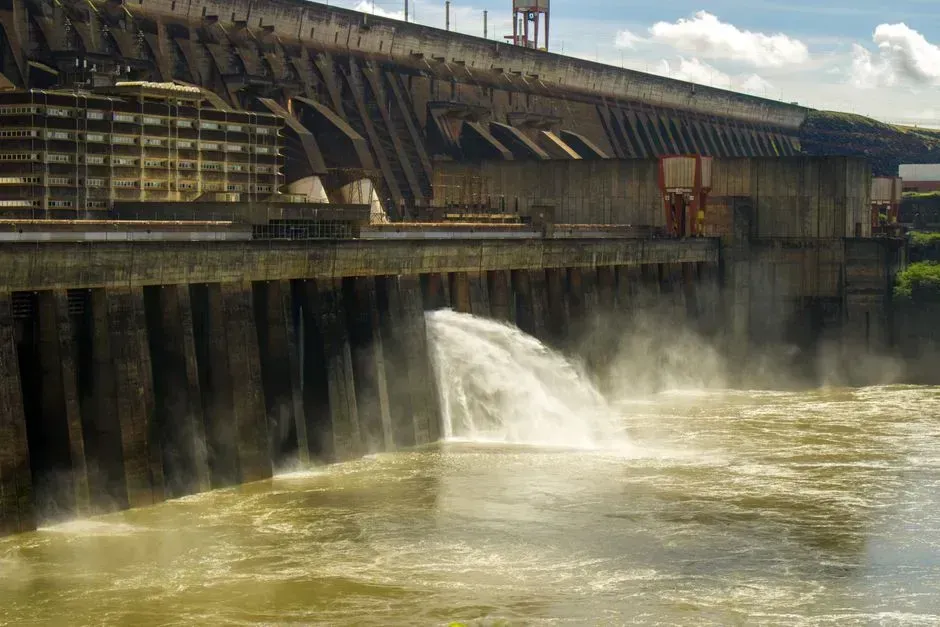
Few countries illustrate the power of a single mega-project quite like Paraguay. Paraguay generates 100% of its electricity from hydropower, primarily from the Itaipu Dam, shared with Brazil, one of the world’s largest hydroelectric facilities. The dam produces so much surplus power that Paraguay itself only needs a fraction of it.
In fact, the country exports far more electricity than it consumes domestically. Itaipu produces so much electricity that Paraguay exports about 90% of it to Brazil, generating a significant portion of national revenue in the process. This abundance also translates into extremely low domestic electricity prices, with Paraguay having one of the cheapest electricity rates in the world.
4. Albania
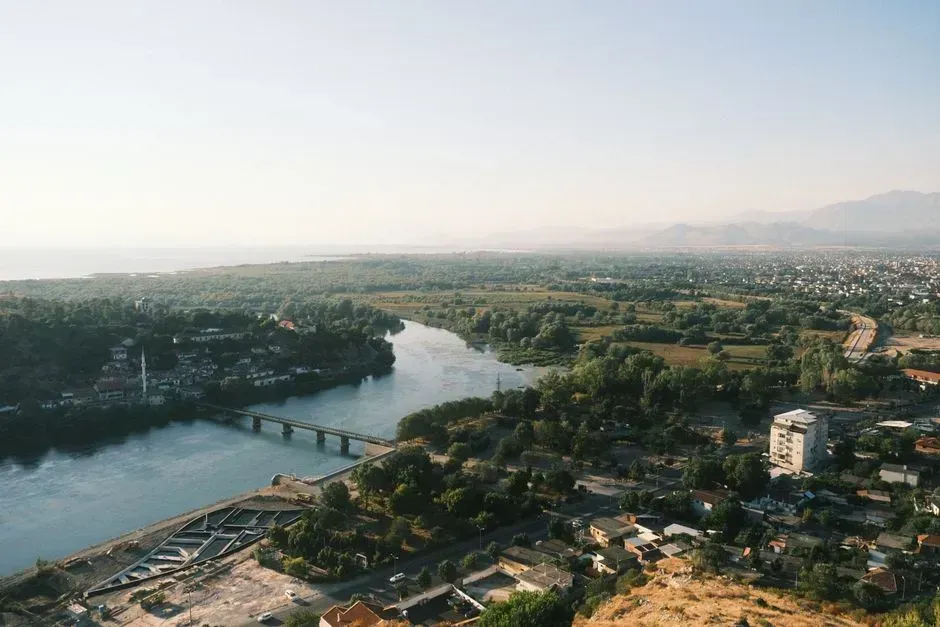
Albania’s renewable success story is almost entirely a hydro story, built around one major river system. Albania generates virtually all of its electricity from hydropower, primarily from large dams on the Drin River. The country has steadily expanded this capacity over the past two decades to meet growing domestic demand.
That expansion has been substantial. Since 2008, the country has increased its hydro capacity by 65%, reaching 2.5 terawatts, an achievement that has helped Albania reach nearly 100% renewable electricity. The flip side of such heavy reliance on one river basin is vulnerability to drought years, which occasionally force Albania to import power or briefly rely on other sources when rainfall runs low.
5. Bhutan
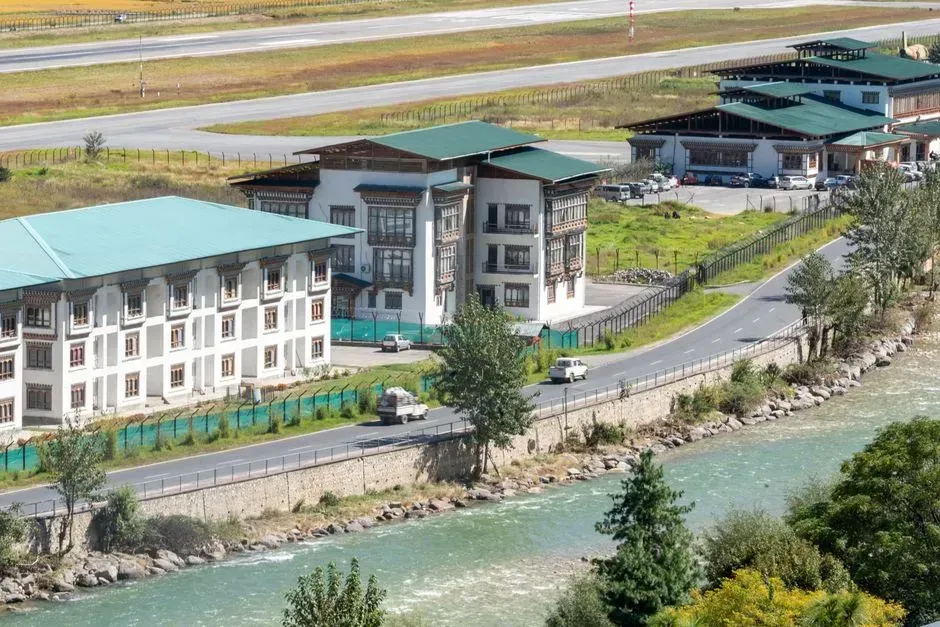
Tucked in the Himalayas, Bhutan has turned its mountainous terrain and fast-flowing rivers into a nearly complete renewable power system. According to long-standing tracking of the country’s generation mix, Bhutan’s electricity output has for years run at or extremely close to full renewable coverage, driven almost exclusively by run-of-river hydropower plants that take advantage of the country’s steep elevation changes.
Bhutan continues to invest in new hydro capacity to serve both its own small population and lucrative export markets in neighboring India. Set to add 600 megawatts, an upcoming project is important for Bhutan’s future energy needs. Much like Paraguay, Bhutan sells a meaningful share of its hydropower abroad, turning its natural geography into one of its most valuable economic assets.
6. Nepal
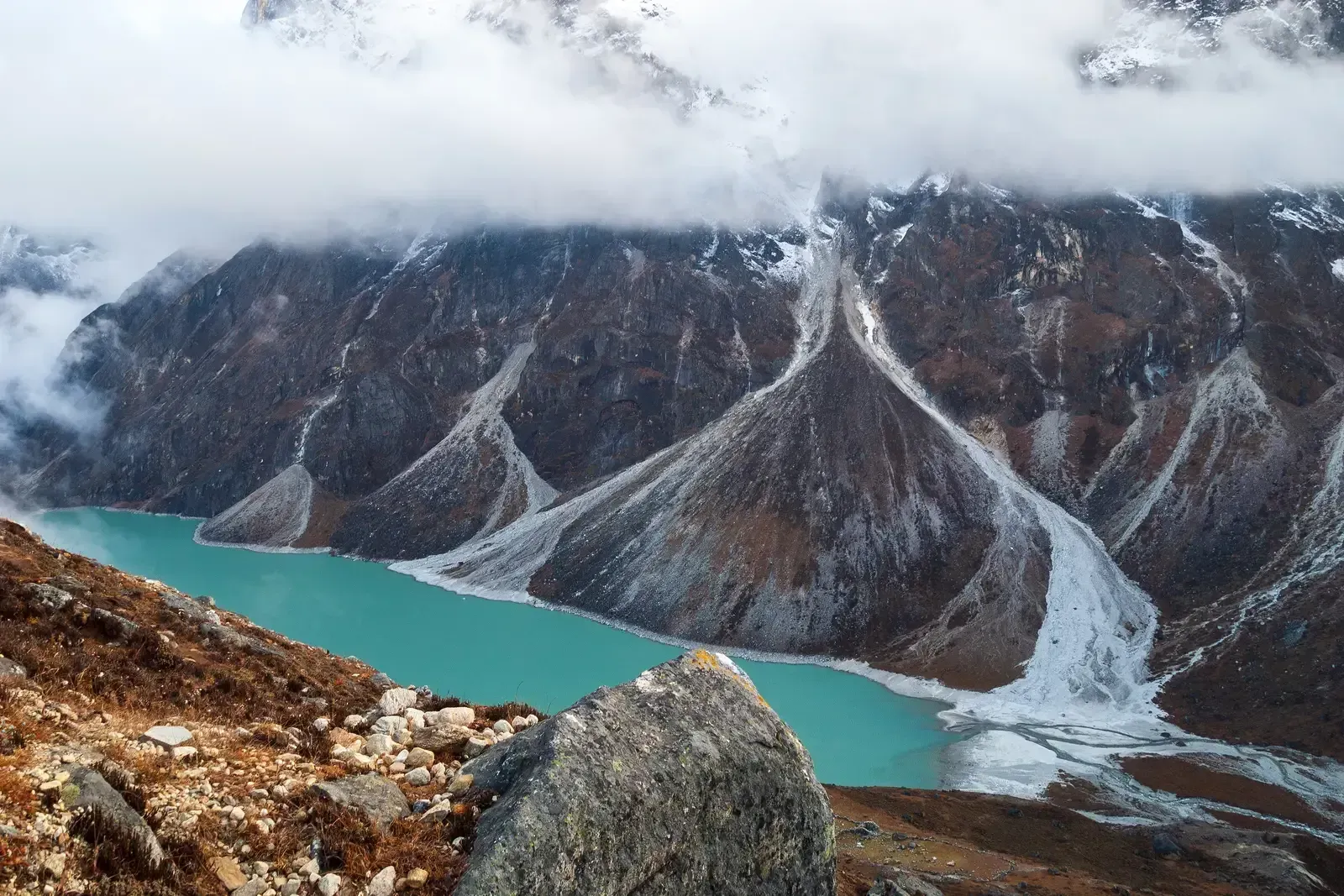
Nepal shares Bhutan’s Himalayan advantage and has leaned into it just as heavily. Nepal mostly relies on hydropower, which accounts for 98.6% of its total electrical output. Steep rivers descending from some of the tallest mountains on the planet give the country a nearly limitless natural resource for clean power generation.
Nepal’s ambitions now extend beyond simply meeting domestic needs. Nepal has also started to export electricity, particularly during the wet season when production exceeds domestic demand, and since 2021 the country has been selling power to India and Bangladesh with plans to increase these exports. Additional hydro projects, including large plants still under construction, are expected to push the country’s export capacity even further in the coming decade.
7. Costa Rica
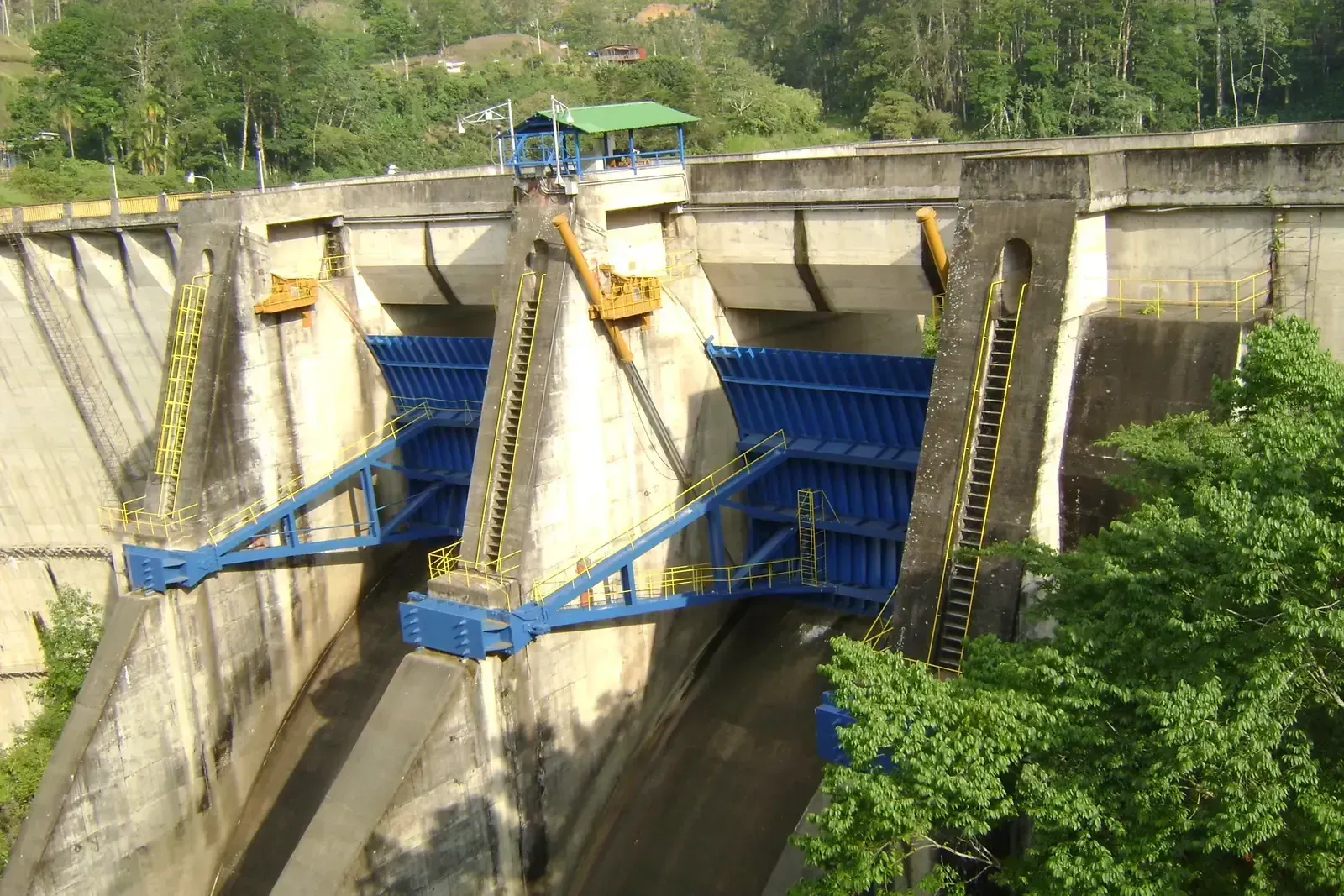
Costa Rica is often held up as the poster child for renewable electricity in the developing world, and the numbers back that reputation up. Costa Rica generates over 99% of its electricity from renewable sources, primarily hydropower at 67%, wind at 17%, and geothermal at 14%. That diversified mix is actually one of the country’s biggest strengths compared with nations that rely on a single technology.
The country has repeatedly demonstrated just how far it can push this system. In some years, Costa Rica has run for over 300 consecutive days on 100% renewable electricity. Combined with a national push toward full decarbonization, the country aims to become completely carbon-neutral, a goal that extends well beyond its electricity sector into transportation and industry.
What these seven countries share is not a single formula but a common thread of geographic advantage paired with sustained investment. Hydropower dominates most of these stories, though geothermal and wind play meaningful supporting roles in places like Iceland and Costa Rica. None of these grids are entirely free of fossil fuels on paper, since small amounts of backup thermal generation still exist in most systems for emergencies or unusual weather years, but the overwhelming majority of the electricity flowing through these countries’ wires comes from the sun, wind, water, and heat of the earth itself.
For the rest of the world still burning coal and gas at scale, these nations offer more than inspiration. They offer proof that a modern economy, whether small and mountainous or wealthy and industrial, can run on clean power without sacrificing reliability.
