


- 8 South American Countries Producing the Best Coffee – Ranked Worst to Best - September 12, 2026
- Essential Climate Facts for Anyone Traveling to Coastal South America in 2026 - September 12, 2026
- 6 U.S. States Where Obesity Rates Are Near Historic Lows – and 4 Struggling - September 12, 2026
South America has been at the heart of the global coffee trade since the 1700s, when the crop first took root in the region’s tropical lowlands and Andean slopes. Today the continent is home to some of the world’s most celebrated coffee origins, alongside a handful of smaller producers whose industries never quite recovered from decades of neglect, economic turmoil, or simple lack of investment. This list runs through eight South American countries that grow coffee commercially, ranked from the least influential on today’s global stage to the true heavyweights that define what “great South American coffee” actually tastes like.
Rankings here reflect a mix of production volume, export relevance, and reputation for quality among roasters and specialty buyers. Some countries on this list barely register in global trade statistics anymore, while others sit at the very top of the world’s coffee hierarchy. Either way, each has its own story worth telling.
8. Venezuela

Venezuela’s coffee story is one of the more dramatic falls from grace in the industry. Within a century of coffee’s arrival, the world’s top three coffee producers, accounting for three-quarters of global production, were Brazil, Colombia, and Venezuela. That legacy feels almost unbelievable today, given how far the country has slipped. Whereas Brazil and Colombia built organized government and industry-level support for their coffee sectors, Venezuela shifted its financial attention to oil, letting coffee fall into a long decline.
Venezuela now produces only about one percent of the world’s coffee, and most of what it grows is consumed domestically rather than exported. Production is concentrated in the Coast Range and the western Andean region, areas that once supplied much of the world’s coffee before the industry contracted. Economic instability and limited infrastructure investment have kept Venezuela from reclaiming any meaningful share of the export market, which is why it lands at the bottom of this list despite its historic pedigree.
7. Guyana and the smaller Guianas

Coffee’s very first foothold in South America came through this corner of the continent. European colonists introduced coffee seeds into Suriname and French Guiana before the crop spread to Brazil and then across the continent’s northern countries. Despite that early start, the Guianas never developed into major commercial coffee producers the way Brazil or Colombia did, and today output from Guyana, Suriname, and French Guiana is minimal and largely informal.
Modern buyers rarely encounter beans from this part of South America, and there is little recent trade data to suggest that is changing. The region’s coffee history is more a footnote in the broader story of how the crop spread across the continent than a live contributor to today’s market. Without meaningful investment or export infrastructure, it is unlikely these territories will re-enter the conversation on quality or volume any time soon.
6. Paraguay
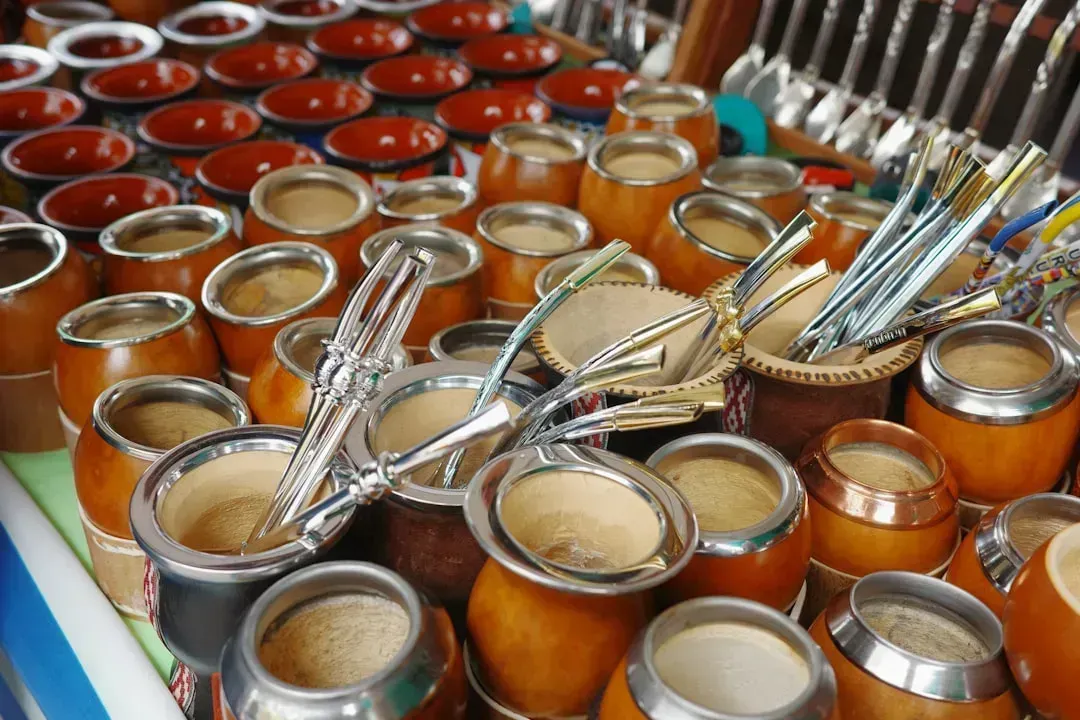
Paraguay grows some coffee, but it has never been a significant player in South America’s coffee economy, especially when compared to neighbors like Brazil and Bolivia. The country’s agricultural exports are dominated by soybeans, beef, and other commodities, with coffee occupying a marginal role at best. Production volumes are small enough that Paraguay rarely appears in major USDA or industry rankings of coffee-producing nations.
What little coffee culture exists in Paraguay tends to be shaped by imported beans from Brazil rather than homegrown production. There simply isn’t the elevation, climate specialization, or historical investment that neighboring countries have leaned on to build export-ready coffee industries. For now, Paraguay remains a minor and largely overlooked name on the South American coffee map.
5. Ecuador

Ecuador’s coffee reputation has undergone a notable transformation in recent years. The country became known for growing beans suited to instant coffee production, which remains a staple in many Ecuadorian households. More recently, though, production has shifted toward smaller, family-run farms focused on specialty beans rather than bulk output.
Southern regions like Loja have earned recognition for producing high-quality Arabica coffee, with altitude, volcanic soils, and distinct microclimates shaping unique and flavorful profiles. Ecuador still produces relatively small volumes overall, but its specialty-quality lots shaped by elevation and climate have caught the attention of niche roasters abroad. It’s not a volume producer to rival its neighbors, but the quality ceiling keeps climbing.
4. Bolivia
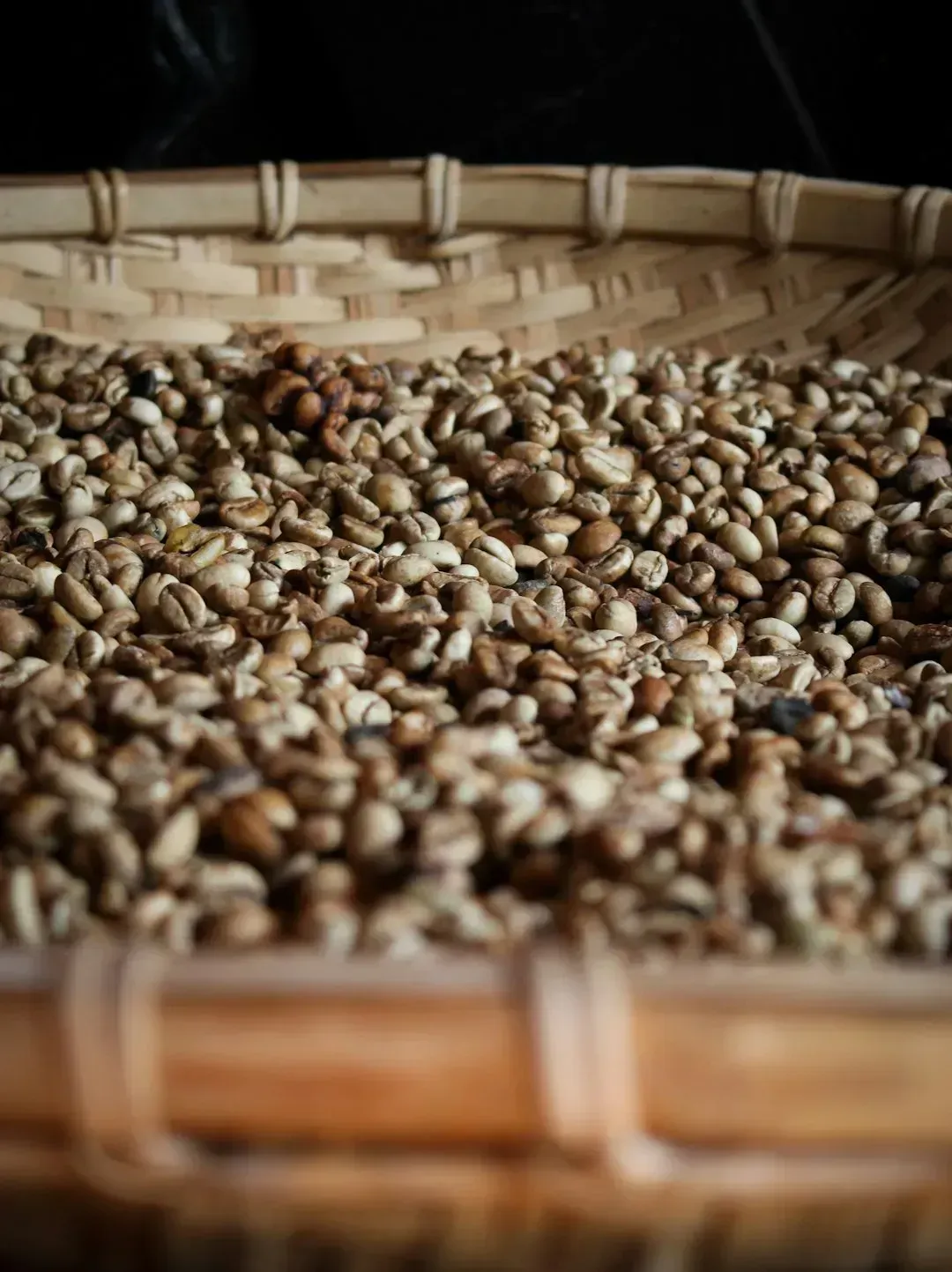
Bolivia rarely shows up on global production charts, yet it has built a surprisingly strong reputation among specialty coffee buyers. The country remains limited in output but is highly regarded for its micro-lot production and extreme altitudes, which contribute to vibrant, complex cups. That combination of low volume and high quality is fairly typical of Andean coffee-growing regions, where dramatic elevation changes force farmers to work small, carefully tended plots.
The Caranavi region in the Yungas is one of Bolivia’s most renowned coffee-growing areas, where high altitude, diverse microclimates, and fertile soils produce high-quality Arabica beans with balanced acidity and floral aromas. Nearby Sud Yungas contributes its own distinct character, with mountainous terrain and cooler temperatures creating conditions for coffee with bright acidity, medium body, and complex flavor. Bolivia may never compete on volume, but its micro-lots have earned genuine respect in specialty circles.
3. Peru
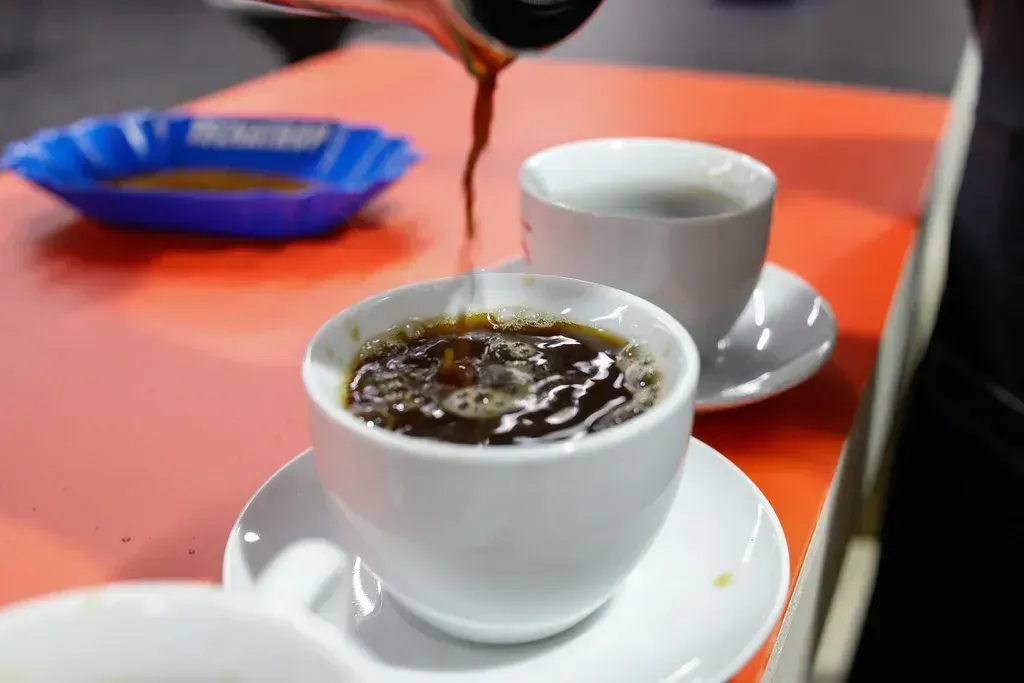
Peru has quietly become one of South America’s more important coffee producers, both in terms of volume and reputation. Most of its coffee comes from the Cajamarca region, and coffee production is incredibly important to the national economy, ranking among the country’s top exported crops. Flavor-wise, Peruvian coffee shares a profile with other South American beans but stands out with more chocolate and nutty tones.
Recent USDA forecasts show Peru’s output climbing rather than shrinking. Peru’s production was up nearly 600,000 bags to 4.8 million on higher yields, according to a recent USDA World Markets and Trade report. That kind of growth, paired with a distinctive flavor profile, has helped Peru build a following among roasters looking for something a bit different from the more famous Colombian or Brazilian cup.
2. Colombia
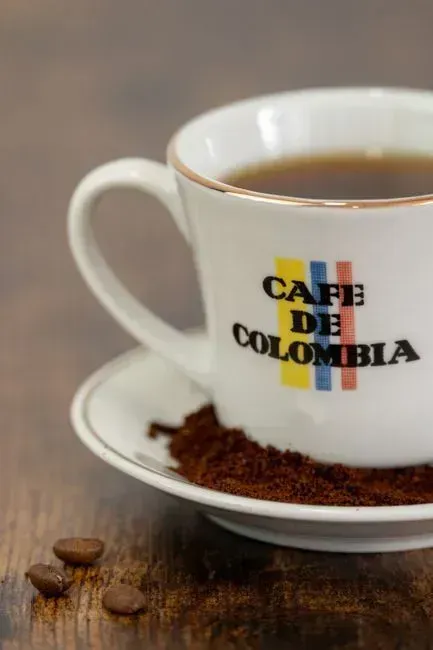
Colombia’s name is practically synonymous with quality Arabica coffee, and the numbers back up that reputation. Colombia is the world’s largest producer of Arabica coffee, and the sector represents about 15% of the country’s agricultural GDP. Production has swung in recent years, with weather playing an outsized role. Total output for 2025/26 was forecast at 13.8 million 60-kilogram bags of green coffee, all Arabica, down about 7% from the 14.8 million bags estimated for 2024/25 but still above recent historical averages.
Looking ahead, conditions appear to be improving again. The 2026/27 forecast represents a recovery from the revised 2025/26 estimate of 12.5 million bags, though it remains below the 14.8 million bags reported for 2024/25. On the export side, exports are forecast to rise 4.6% to 13.4 million 60-kilogram bags, with the United States remaining the top destination, followed by the European Union and Japan. Colombia’s mild, well-balanced Arabica beans remain a benchmark for what many coffee drinkers picture when they think of South American coffee, and the country’s ongoing investment in sustainability, including compliance work tied to new European deforestation rules, suggests it isn’t resting on its reputation.
1. Brazil
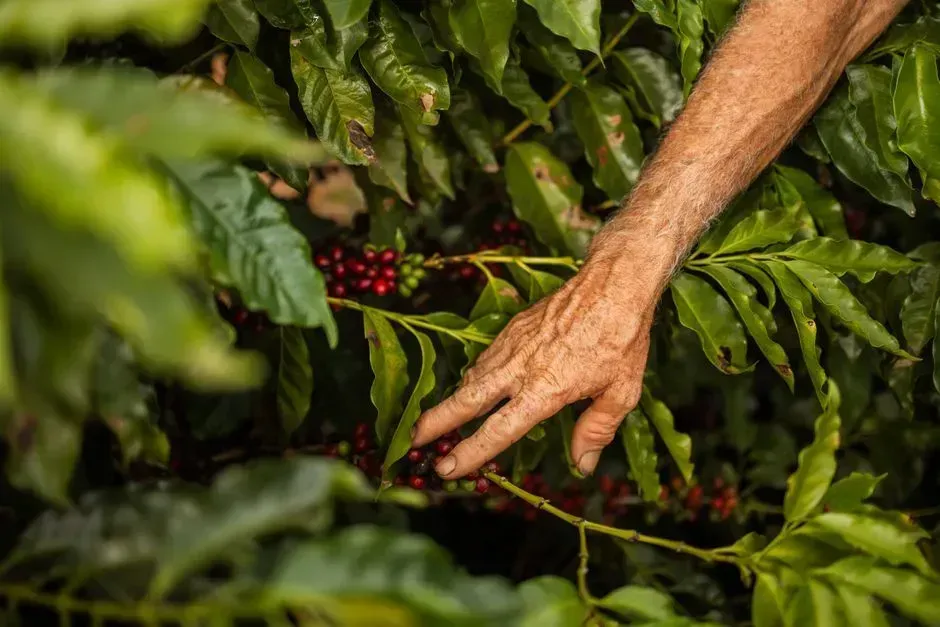
There is no serious argument against Brazil taking the top spot. In the 2025/2026 marketing year, Brazil produced 63 million 60-kilogram bags of green coffee beans, equivalent to 35% of global production. The country produces more coffee than Vietnam, Colombia, Indonesia, and Ethiopia combined, and is home to most of the world’s Arabica beans. Few coffee producers anywhere in the world can claim that kind of dominance, let alone sustain it for well over a century.
What’s interesting is that Brazil’s sheer scale has occasionally worked against its reputation for quality. Despite its standing, Brazil hasn’t garnered the same specialty reputation as neighboring Colombia, partly because past quotas favored higher-quantity production, and mechanized strip-picking harvesting brought unripe cherries into processing. Even so, Brazil’s growing specialty sector, concentrated in top coffee-producing regions like Minas Gerais, São Paulo, and Paraná, has been closing that gap fast, with individual farms and cooperatives increasingly competing for international acclaim rather than just bulk export volume. Combine that scale with improving quality, and Brazil earns its place at the very top of this ranking.
Coffee in South America tells a story of extremes: a continent that produces more than a third of the world’s supply through Brazil alone, while also nurturing small, obsessive micro-lot growers in places like Bolivia and Ecuador who will never chase volume at all. Somewhere in between sit countries like Venezuela and the Guianas, once relevant, now largely sidelined by history and circumstance. Whether you’re drawn to Brazil’s scale, Colombia’s consistency, or Peru’s rising profile, South America still offers one of the widest and most rewarding ranges of coffee flavor on the planet.
