
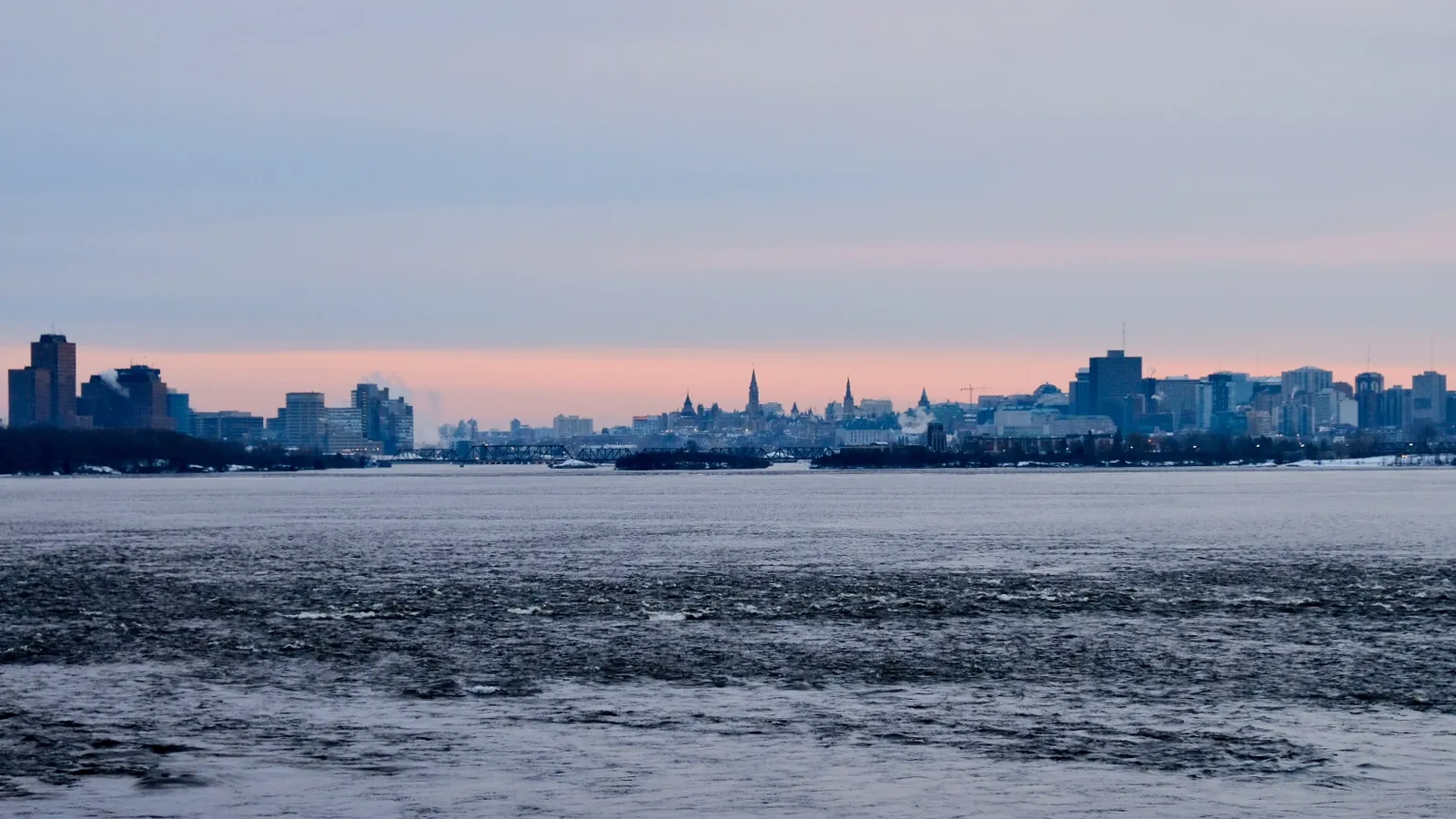
Some corners of the planet stretch the very definition of livable. Yet people do live there, generation after generation, adapting their homes, diets, and daily routines to temperatures that would kill an unprepared visitor within minutes. This list ranks six permanently inhabited places by their average winter temperatures, starting with the mildest of the bunch and working down to the settlement widely regarded as the coldest place on Earth where humans actually make their homes year-round.
6. Ulaanbaatar, Mongolia
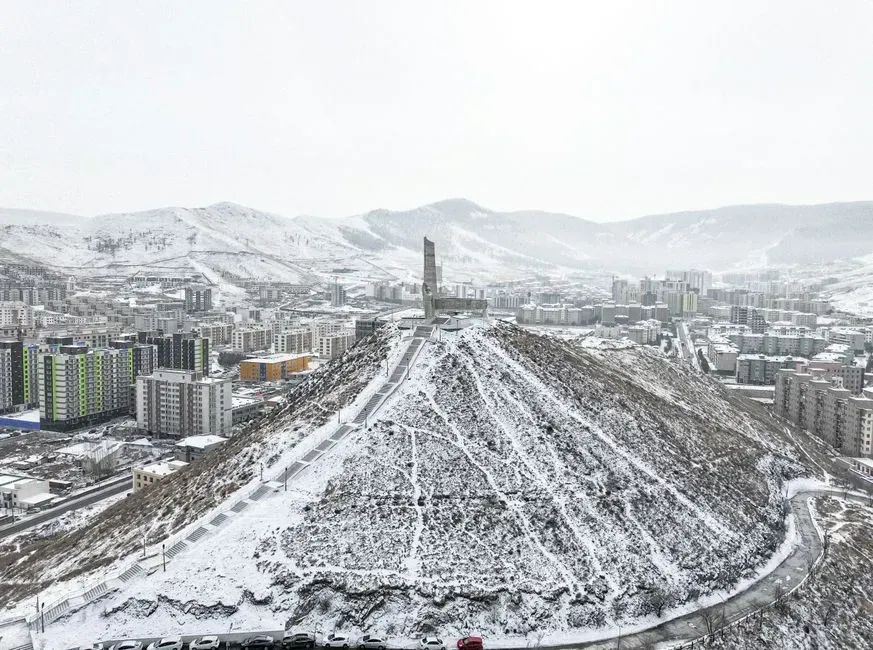
Ulaanbaatar holds a peculiar distinction: it is the coldest national capital on the planet. This city averaged a staggering temperature of -41.3° F in January 2015, and, according to the World Meteorological Organization, has an average annual temperature of -2.4°. That combination of a bitterly cold winter month layered onto a relatively mild yearly average tells you everything about how extreme the seasonal swing really is in Mongolia’s high steppe capital.
What makes Ulaanbaatar remarkable on this list is its scale. For its estimated 1.3 million residents, bearing a consistently icy climate is simply a way of life. Unlike the remote Siberian villages further down this ranking, Ulaanbaatar is a sprawling, modern metropolis, proof that extreme cold and dense urban life are not mutually exclusive.
5. Utqiagvik (Barrow), Alaska
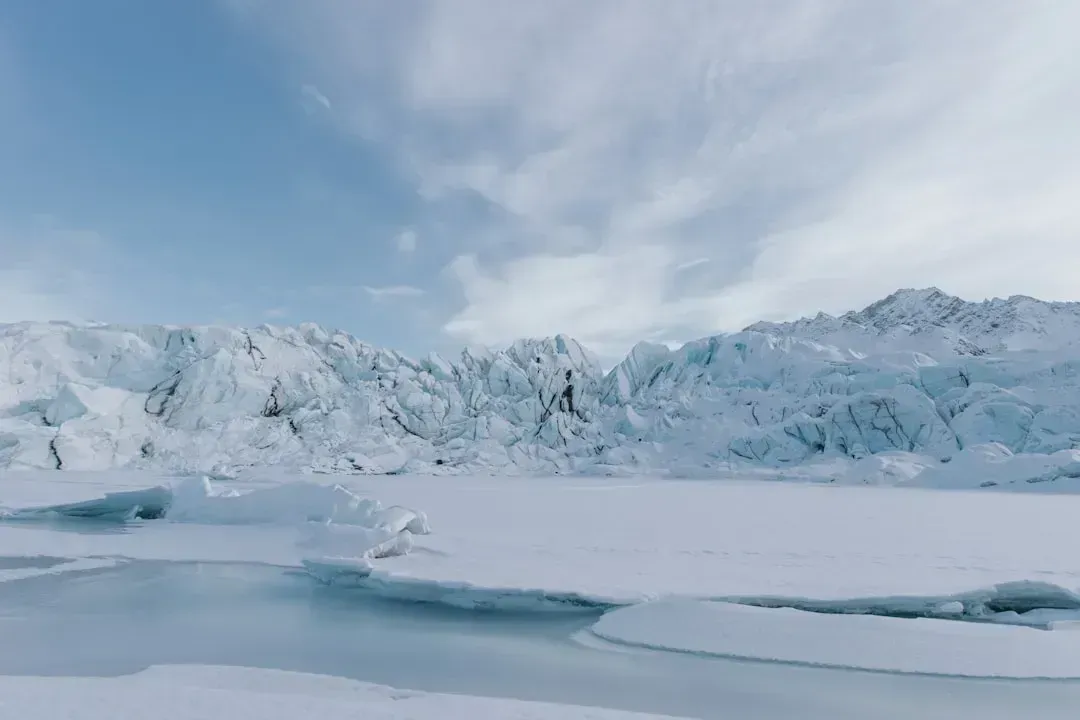
Sitting on the northern edge of Alaska along the Arctic Ocean, Utqiagvik is the northernmost city in the United States and one of the coldest. Winter here settles in hard, with January bringing one of the coldest months, when sub-zero temperatures dominate, reaching a maximum of -3.3°F (-19.6°C) and sinking to lows of -11.2°F (-24°C). February offers only marginal relief before the brutal cold loosens its grip in spring.
Darkness compounds the misery of the cold. In Utqiagvik, the sun remains below the horizon for a couple of months, from November 18 to January 22. Locals have adapted over centuries, relying on subsistence hunting and tightly built homes designed to trap what little heat is available during the long polar night.
4. Norilsk, Russia
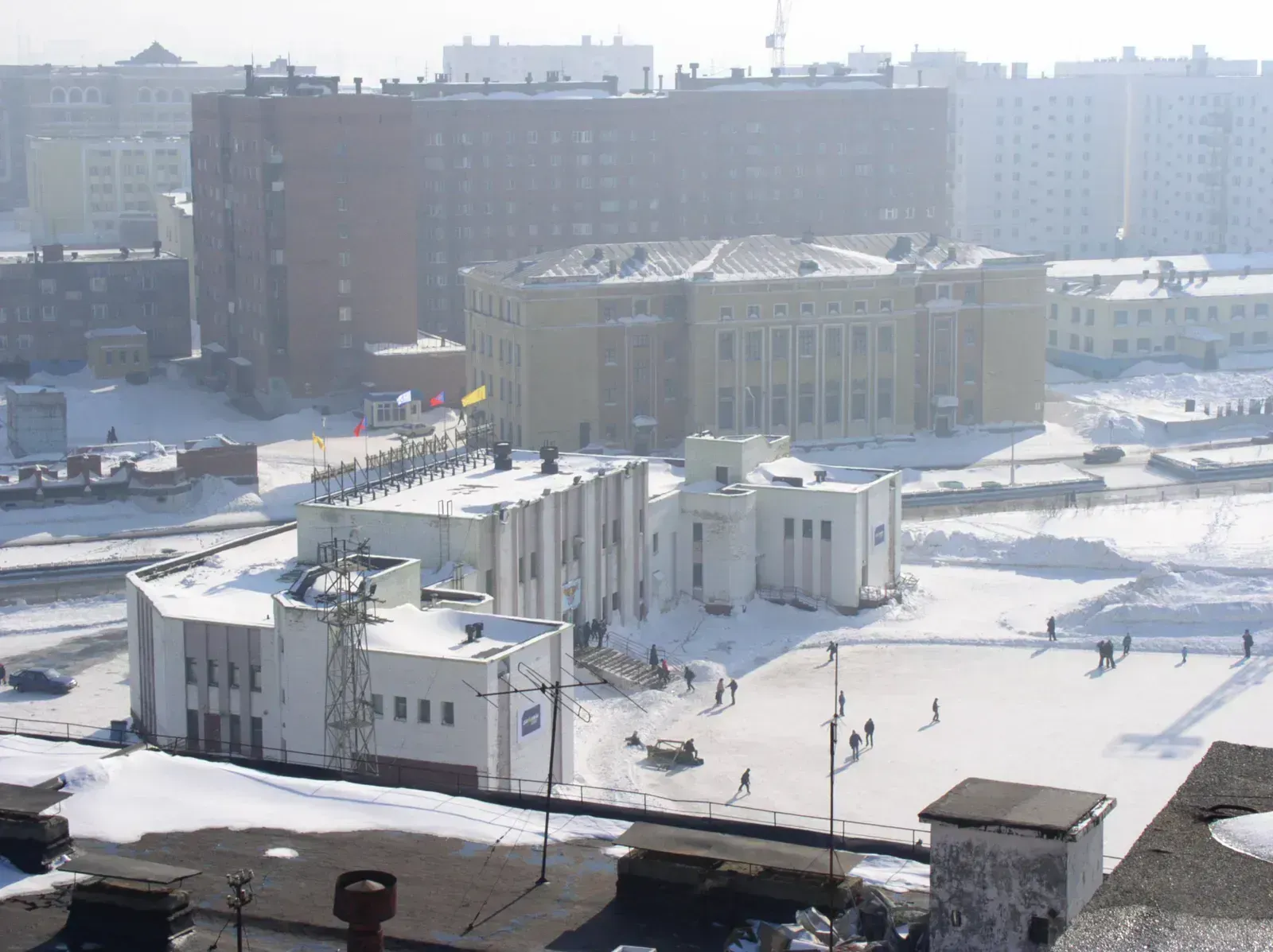
Norilsk is often described as one of the most isolated cities of its size in the world, and its winter climate backs up that reputation. Winters are long and cold in Norilsk, Russia, with an average temperature of minus 31 degrees Celsius (minus 23 degrees F) in January. The cold season simply refuses to let go here, as the city endures roughly two hundred and eighty frigid days annually according to regional weather reporting.
Isolation makes the cold even harder to bear. Aside from living with ecological, climate and polar night challenges, inhabitants of Norilsk also live in relative isolation, as the city is only accessible from Russia by air. With more than one hundred thousand residents, Norilsk stands as proof that industrial cities, this one built around massive nickel and metal mining operations, can thrive even under the harshest thermal conditions on the planet.
3. Yakutsk, Russia
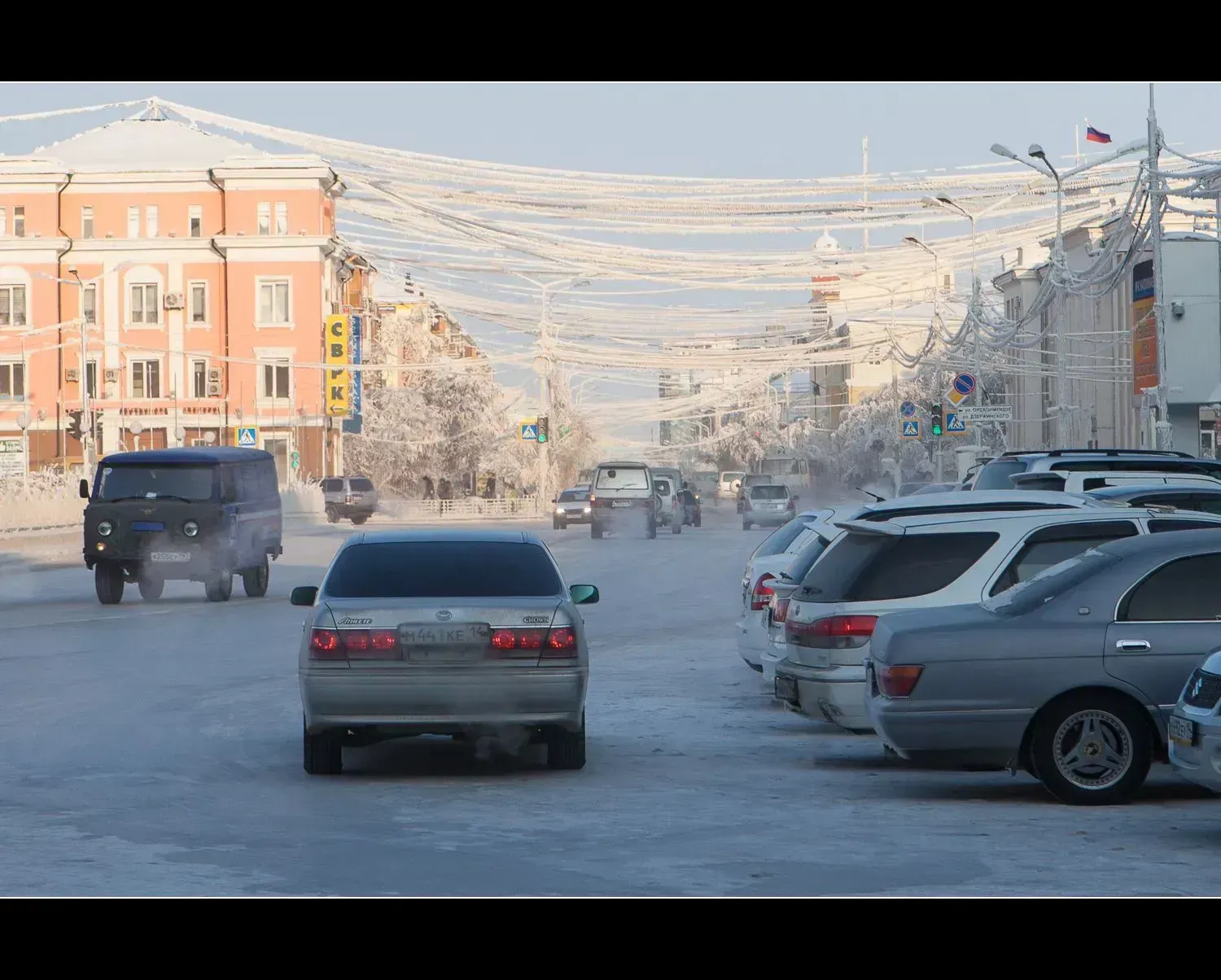
Yakutsk carries the title of the world’s coldest city by population, and its winter statistics are staggering for a place that has cinemas, an opera house, and its own university. During January, the average low temperature is -42°C (-43.6°F), with the city getting less than four hours of sunlight per day. The bitter cold sticks around for weeks at a stretch rather than arriving in brief cold snaps.
Despite the extreme numbers, everyday life carries on with surprising normalcy. In Yakutsk, life continues much as usual, with schools normally remaining open unless temperatures drop below –67°F (–55°C), and adults rarely getting a day off. Ironically, this frozen city also experiences a genuinely warm summer, which makes its annual temperature swing one of the widest of any inhabited place on Earth.
2. Verkhoyansk, Russia
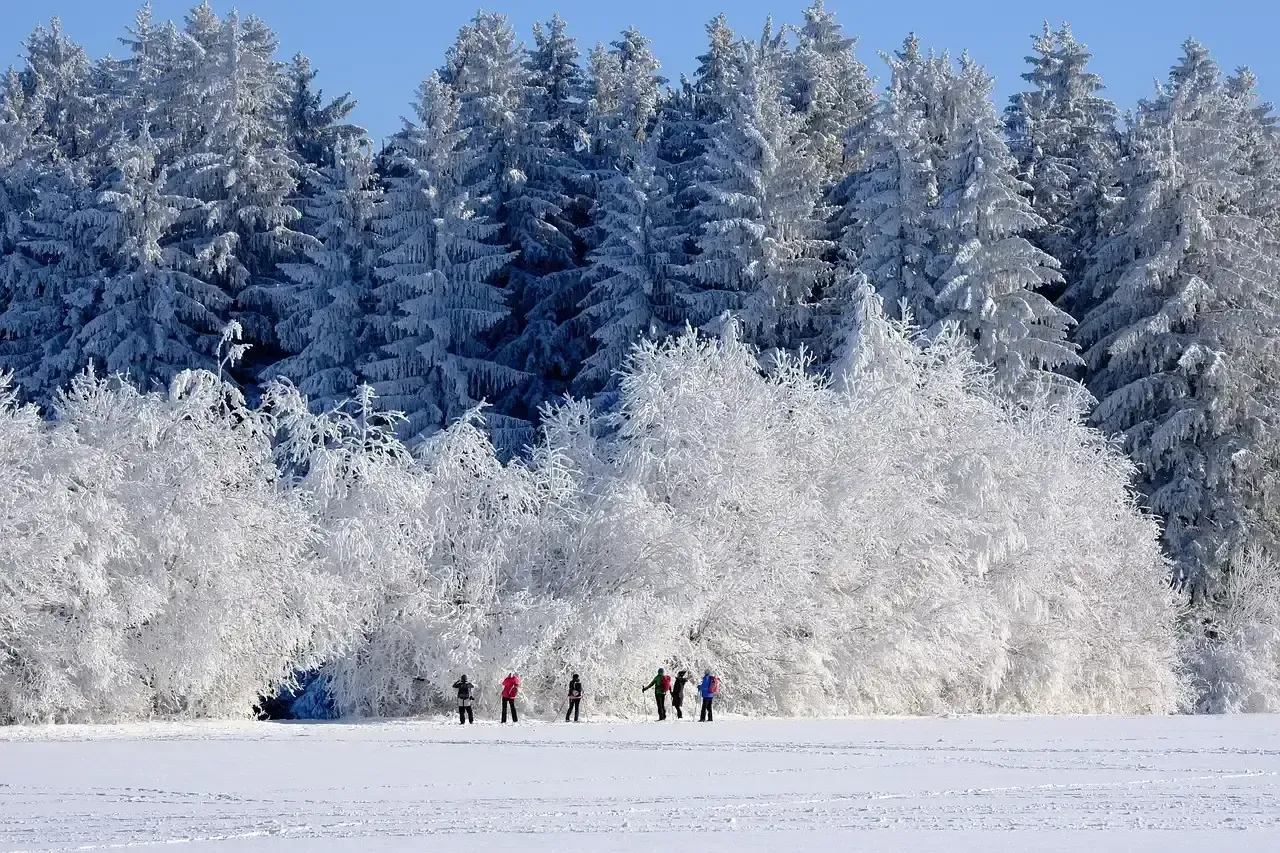
Verkhoyansk shares the Siberian “Pole of Cold” title with its more famous neighbor, Oymyakon, and its winter figures are nearly as extreme. Verkhoyansk is noted chiefly for its exceptionally low winter temperatures, with a January average of −56 °F (−49 °C). The town’s record lows sit right alongside those of Oymyakon in the history books of cold weather extremes.
What sets Verkhoyansk apart is the sheer range between its seasons. Verkhoyansk holds a Guinness World Record for the greatest temperature range on Earth, having recorded a bone-chilling low of −67.8°C (−90°F) and a sweltering high of 38°C (100.4°F), creating a staggering variance of 105.8°C. Founded centuries ago as a fur-trading outpost and later used as a place of political exile, the town today remains a small but permanent community holding on through some of the harshest annual temperature shifts recorded anywhere.
1. Oymyakon, Russia
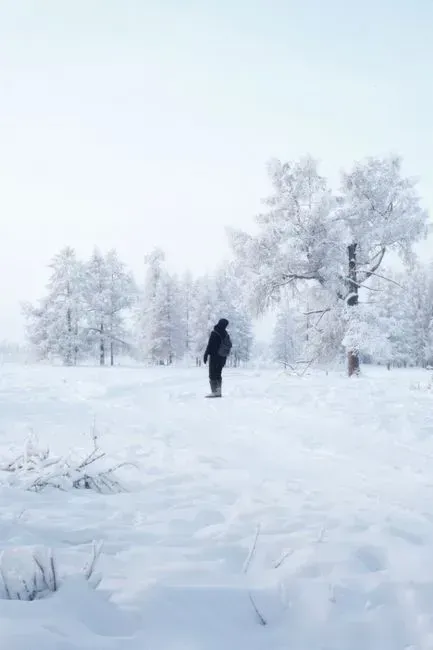
No list of cold, inhabited places is complete without Oymyakon, and it sits comfortably at the top of this ranking. With average winter temperatures dipping to a bone-chilling -50°C (-58°F), Oymyakon is a place where even the hardiest souls would need to bundle up to survive the harsh winters. This remote Siberian village, home to roughly five hundred residents, has become the benchmark against which every other frozen settlement is measured.
Oymyakon’s claim to fame goes beyond its average winter chill. The coldest record is -71.2 °C (-96.2 °F) and was set in January 1924, although this was an unofficial measurement, while the official record is -67.7 °C (-89.9 °F), set in February 1933. Daily life reflects the severity of the climate, since daily life in Oymyakon involves extreme adaptations, with car engines kept running 24/7 to prevent fuel from freezing, and residents often relying on a high-protein diet of frozen raw Arctic fish or horse liver because the ground is too frozen for crops or indoor plumbing. It is a village built entirely around the reality that winter here is not a season so much as a way of life.
Living With the Cold
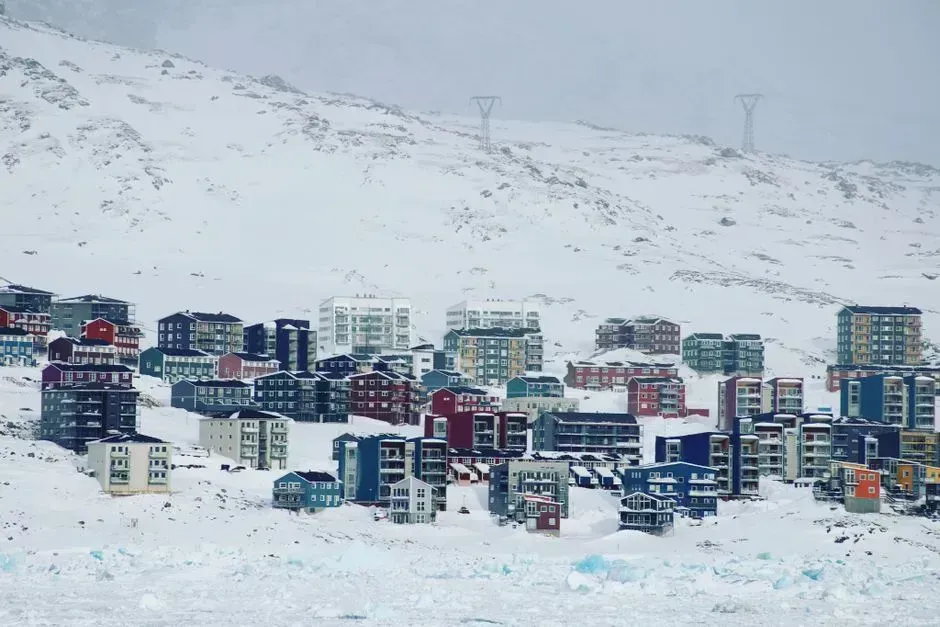
What unites these six places, despite their different continents, cultures, and populations, is a stubborn refusal to be emptied out by the cold. From Mongolia’s sprawling capital to a five-hundred-person Siberian village, human beings have found ways to build permanent lives in conditions that push the boundaries of survival. Infrastructure, diet, architecture, and even school policies bend around the thermometer rather than the other way around.
These communities also offer a quiet reminder of just how adaptable people can be. While most of us complain about a cold snap in the twenties or thirties Fahrenheit, families in Oymyakon and Verkhoyansk are going about their daily routines in temperatures that would freeze exposed skin in minutes. It is a humbling contrast, and one that puts our own relationship with winter weather into a much colder perspective.

- The 6 Coldest Inhabited Places on Earth – Ranked by Average Winter Temperature - September 12, 2026
- 8 South American Climate Scientists Who Changed How We Understand the Amazon - September 12, 2026
- 6 Countries in the Americas Where Plastic Waste Per Person Is Highest - September 11, 2026
