
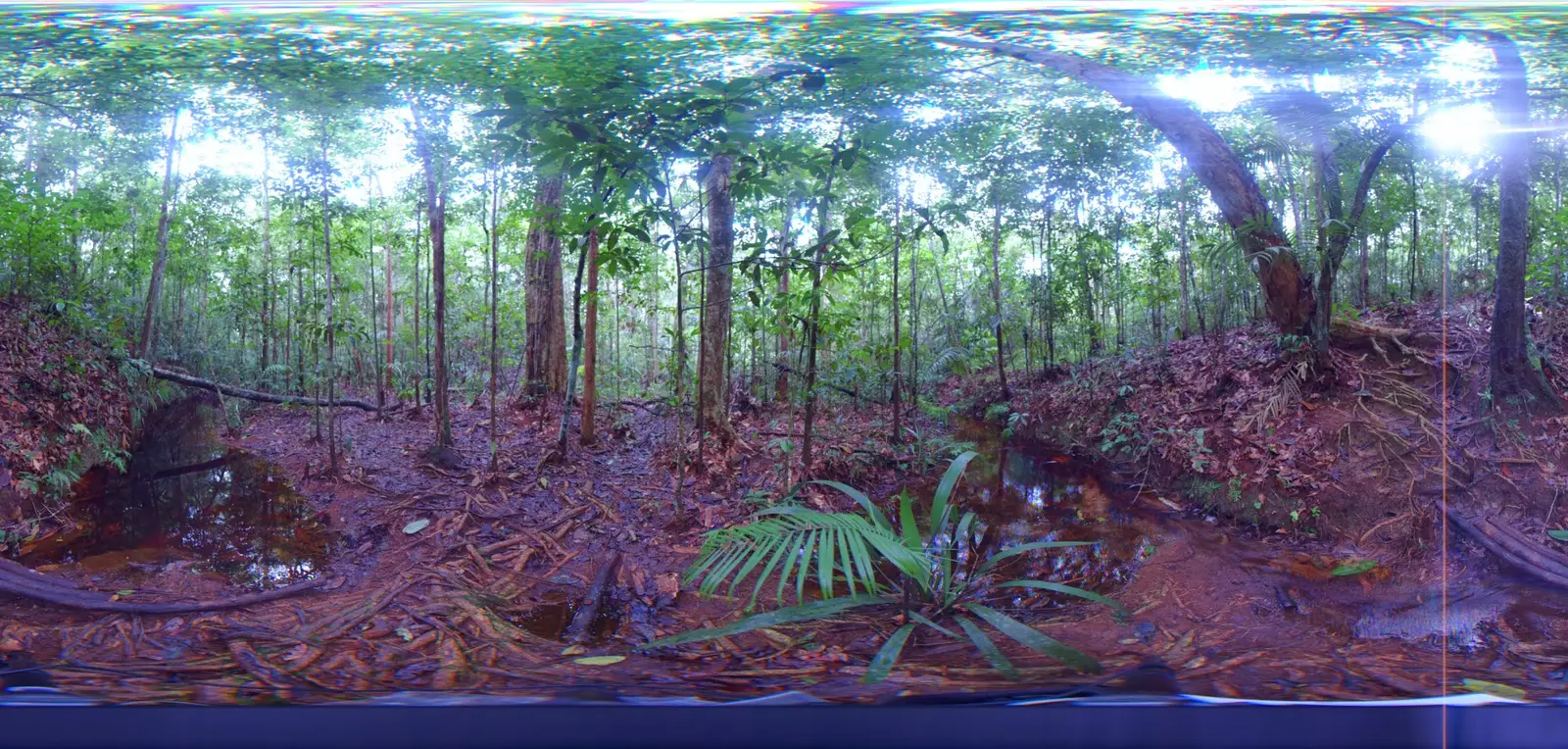
The Amazon rainforest is not just a biodiversity treasure. It is a living climate engine that helps regulate rainfall, carbon storage, and temperature across the entire planet. Much of what the world knows about how this vast forest breathes, sweats, and sometimes struggles comes from the tireless work of South American scientists who spent decades in labs, on rickety research planes, and deep in the jungle itself.
These researchers did not just observe the Amazon from a distance. They built the instruments, flew the sampling routes, and ran the models that turned folklore about “flying rivers” and forest resilience into hard data. Below are eight scientists whose careers reshaped how humanity understands this irreplaceable ecosystem.
1. Carlos Nobre – The Voice Behind the Amazon Tipping Point
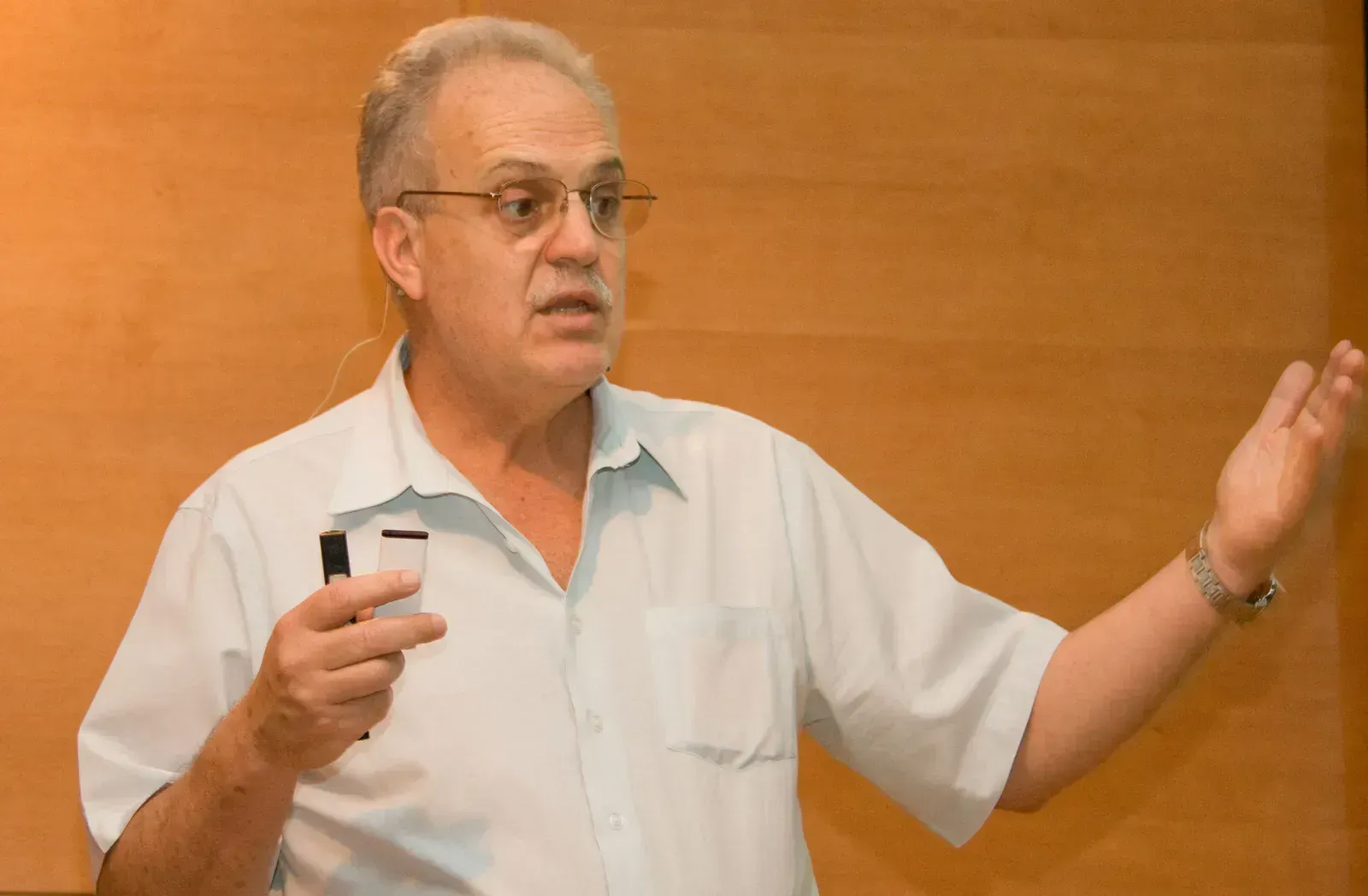
Carlos Nobre is arguably the most recognized Amazon researcher alive today. Carlos Afonso Nobre is a Brazilian scientist and meteorologist mainly highlighted in global warming-related studies, and he spearheaded the multi-disciplinary, multinational Large-Scale Biosphere-Atmosphere Experiment in Amazonia, a program noted to have “revolutionized understanding of the Amazon rainforest and its role in the Earth system.” His doctoral work at MIT and decades at Brazil’s space research institute gave him the modeling tools to ask a frightening question: what happens if deforestation and warming push the forest past a point of no return?
That question became his life’s work. For Carlos Nobre, a climate scientist at the University of São Paulo Institute of Advanced Studies in Brazil, in 2016, using climate models, he and his colleagues predicted that the combination of unchecked deforestation and global climate change would eventually push the Amazon forest past a “tipping point,” transforming the climate across a vast swathe of the Amazon. More recently, he has warned that many observations show that the Amazon is very near a tipping point of savannization of more than 50% of the rainforest. He continues this warning today as co-chair of the Science Panel for the Amazon.
2. Antônio Nobre – The Man Who Named the Flying Rivers
While his brother Carlos focused on tipping points, Antônio Donato Nobre became known for popularizing one of the most poetic and important discoveries about the Amazon, its ability to generate its own rain through massive atmospheric moisture flows. Antonio Donato Nobre is a scientist and an activist for a cause he embraced 36 years ago when he began researching the Amazon rainforest, with his first trip to the region in 1979 as a student of agronomy. That early fieldwork set him on a path toward understanding the forest’s hidden hydrological machinery.
Nobre eventually settled into a research career based in the heart of the Amazon itself. When he decided to stay, Nobre became a researcher at the Instituto Nacional de Pesquisas da Amazônia, and he then lived in Manaus, Amazonas. His writing and lectures helped translate dense atmospheric science into a story the public could grasp, namely that cutting down the forest does not just remove trees, it can shut off the rain machine that half a continent depends on.
3. Eneas Salati – The Pioneer Who Proved the Forest Makes Its Own Rain
Long before flying rivers became a popular phrase, one Brazilian scientist laid the scientific groundwork for the entire concept. In 1979, before the Biological Dynamics of Forest Fragments Project started, a revolutionary Brazilian scientist, Eneas Salati, proved for the first time that the Amazon rainforest makes its own rainfall by recirculating rainwater back into the atmosphere. This was a foundational discovery that changed how scientists thought about tropical forests everywhere, not just as passive recipients of weather but as active participants in creating it.
Salati’s findings had consequences far beyond academic journals. By showing that cutting down the rainforest also would disrupt the hydrological cycle of the entire South American continent, Salati laid the groundwork for decades of political conservation action. Every subsequent researcher studying Amazon rainfall recycling, from the Nobre brothers to today’s climate modelers, builds on the foundation Salati established more than four decades ago.
4. José Marengo – Tracking the Low-Level Jets That Feed South America’s Rain
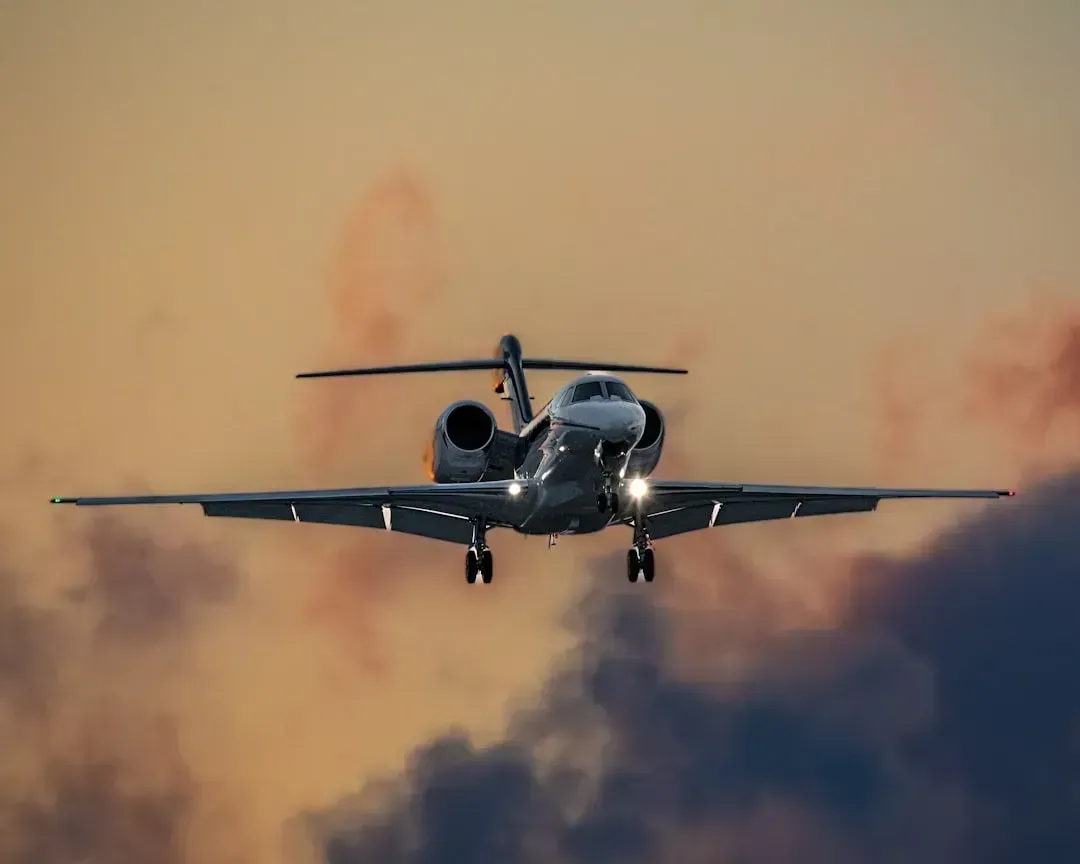
José Marengo took Salati’s early insights and gave them precise atmospheric mechanics. Working as a Brazilian meteorologist, he identified and named a critical piece of the Amazon’s moisture transport system. In 2004, Brazilian meteorologist José Marengo described these flows to South America, calling them low-level jets. This was a technical breakthrough that explained exactly how Amazon-generated moisture travels thousands of kilometers to water crops and cities in Argentina, Paraguay, and southern Brazil.
Marengo’s work later merged with the more publicly known “flying rivers” framing. In 2006, Marengo embraced the term Rios Voadores, when he worked with the aviator Gerard Moss on the project that adopted that name. The collaboration between rigorous atmospheric science and a more accessible public narrative helped move the flying rivers concept from a niche research topic into mainstream environmental awareness across Latin America.
5. Luciana Gatti – The Scientist Who Caught the Amazon Turning Into a Carbon Source
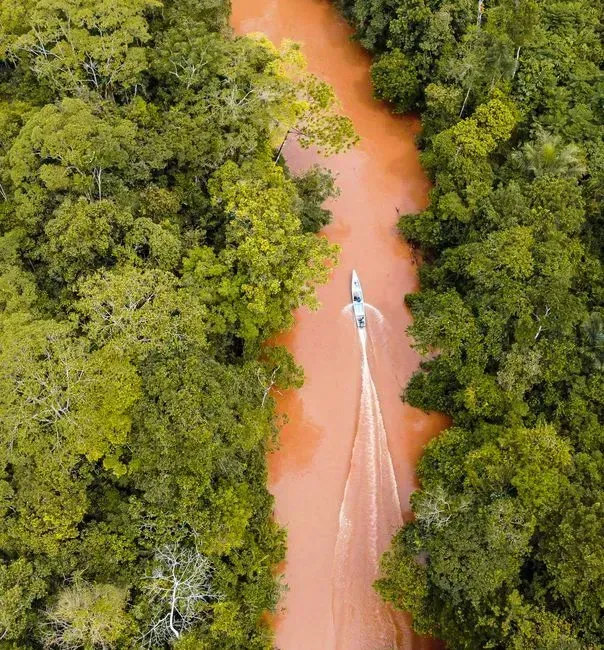
Few discoveries in recent Amazon science have been as alarming as the one made by Luciana Gatti and her team. Using aircraft to sample air chemistry directly above the canopy, she generated one of the most direct, physical measurements of the forest’s changing carbon balance. Since 2010, Gatti has collected air samples over the Amazon in planes to monitor how much carbon dioxide the forest absorbs, and in 2021, she reported data from 590 flights that showed that the Amazon forest’s uptake, its carbon sink, is weak over most of its area.
Her most striking finding concerned one particular region of the basin. In the southeastern Amazon, the forest has become a source of carbon dioxide rather than a sink, and the finding gained headlines around the world and surprised many scientists, who expected the Amazon to be a much stronger carbon sink. Gatti’s flight-based measurements gave policymakers something climate models alone could not, namely direct physical proof that parts of the world’s largest rainforest were already emitting more carbon than they absorbed.
6. Paulo Artaxo – Decoding the Amazon’s Invisible Atmospheric Chemistry
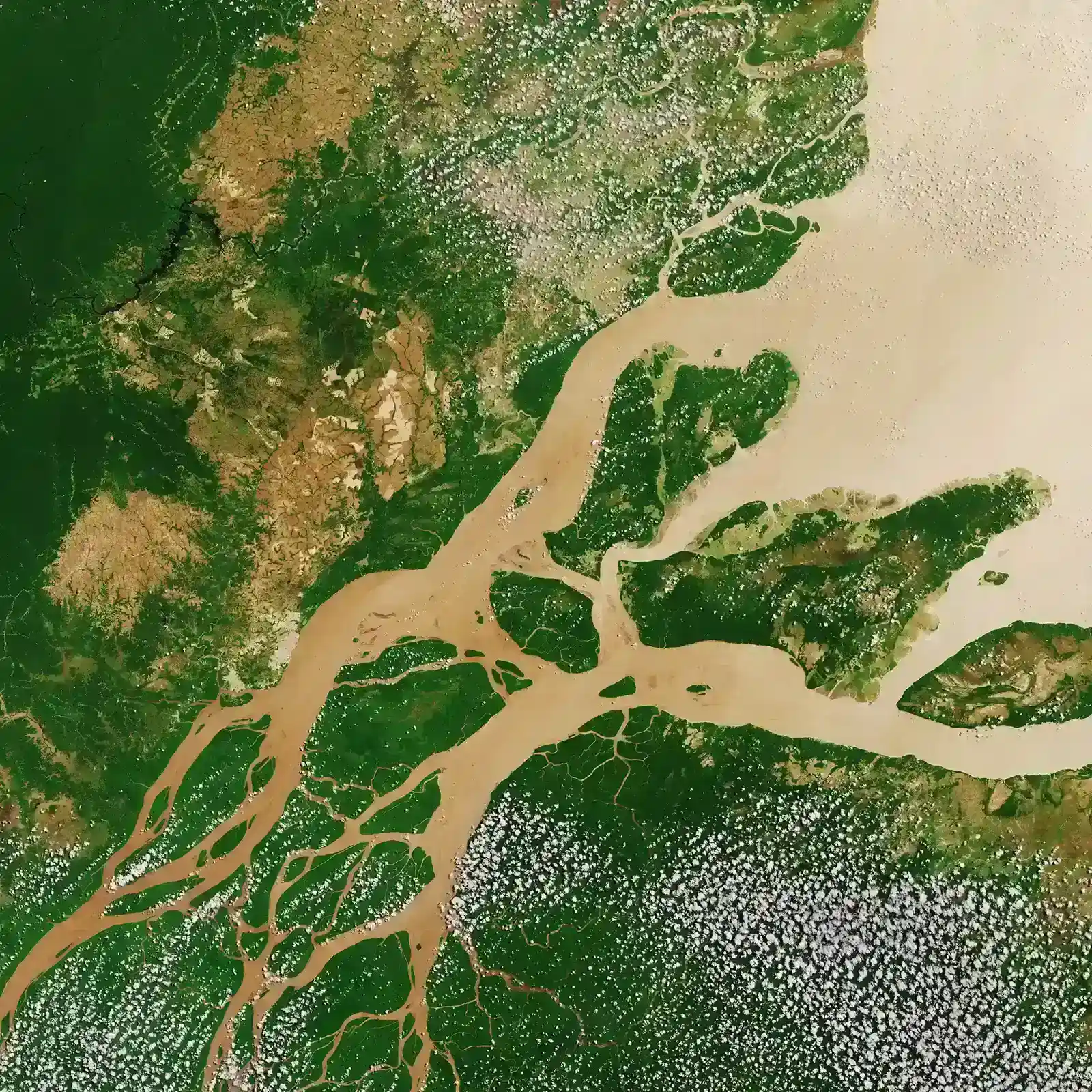
Paulo Artaxo built his career on something most people never think about, the tiny particles floating above the canopy that shape clouds, rainfall, and the forest’s own climate. Paulo Eduardo Artaxo Netto is a Brazilian atmospheric physicist whose decades of fieldwork turned the Amazon into one of the best-studied atmospheres on Earth. Artaxo works on climatic effects of aerosols in Amazonia, looking at how the forest interacts with atmospheric processes, including changes in the radiation balance, cloud properties and biogeochemical cycles, studying both natural biogenic aerosol particles and biomass burning emissions over Amazonia.
His research output has been extraordinary in scale and influence. He has published more than 540 scientific papers and presented more than 1200 papers at international scientific conferences. Today he directs a major research center focused on the region’s future. He is the Director of the Center for Sustainable Amazon Studies at the University of São Paulo, and he served on the COP30 Science Coordination Committee.
7. Thelma Krug – Building the Satellite Systems That Track Deforestation
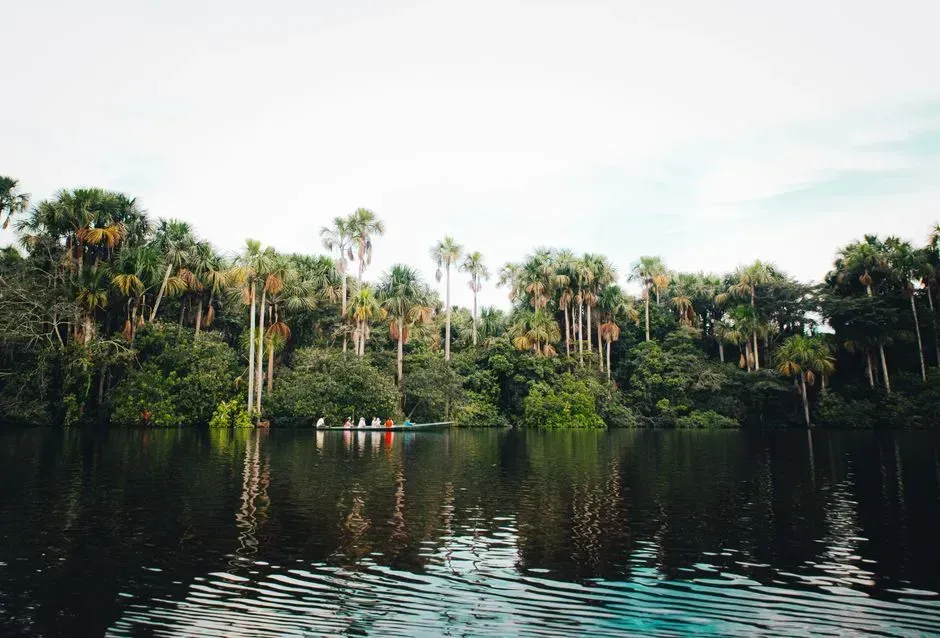
Thelma Krug approached the Amazon from a different angle entirely, using mathematics and satellite data to make deforestation visible and measurable. She holds a PhD on spatial statistics from the University of Sheffield, UK, and was the coordinator of Earth Observation at Brazil’s National Institute for Space Research, responsible for the official estimates of deforestation in Amazonia using remotely sensed data. That system became, and remains, one of the most important tools governments and scientists use to track forest loss in near real time.
Her technical contributions eventually elevated her into global climate diplomacy. She was elected Vice-Chair of the Intergovernmental Panel on Climate Change for the Sixth Cycle of the Panel from October 2015 to October 2022, after having been co-chair of the IPCC Task Force on National Greenhouse Gas Inventories from 2002 until 2015. Krug’s fingerprints are on the very satellite monitoring systems, PRODES and DETER, that journalists and scientists cite every year when reporting on Amazon deforestation rates.
8. Flávia Costa – Rethinking Which Parts of the Forest Might Survive Drought
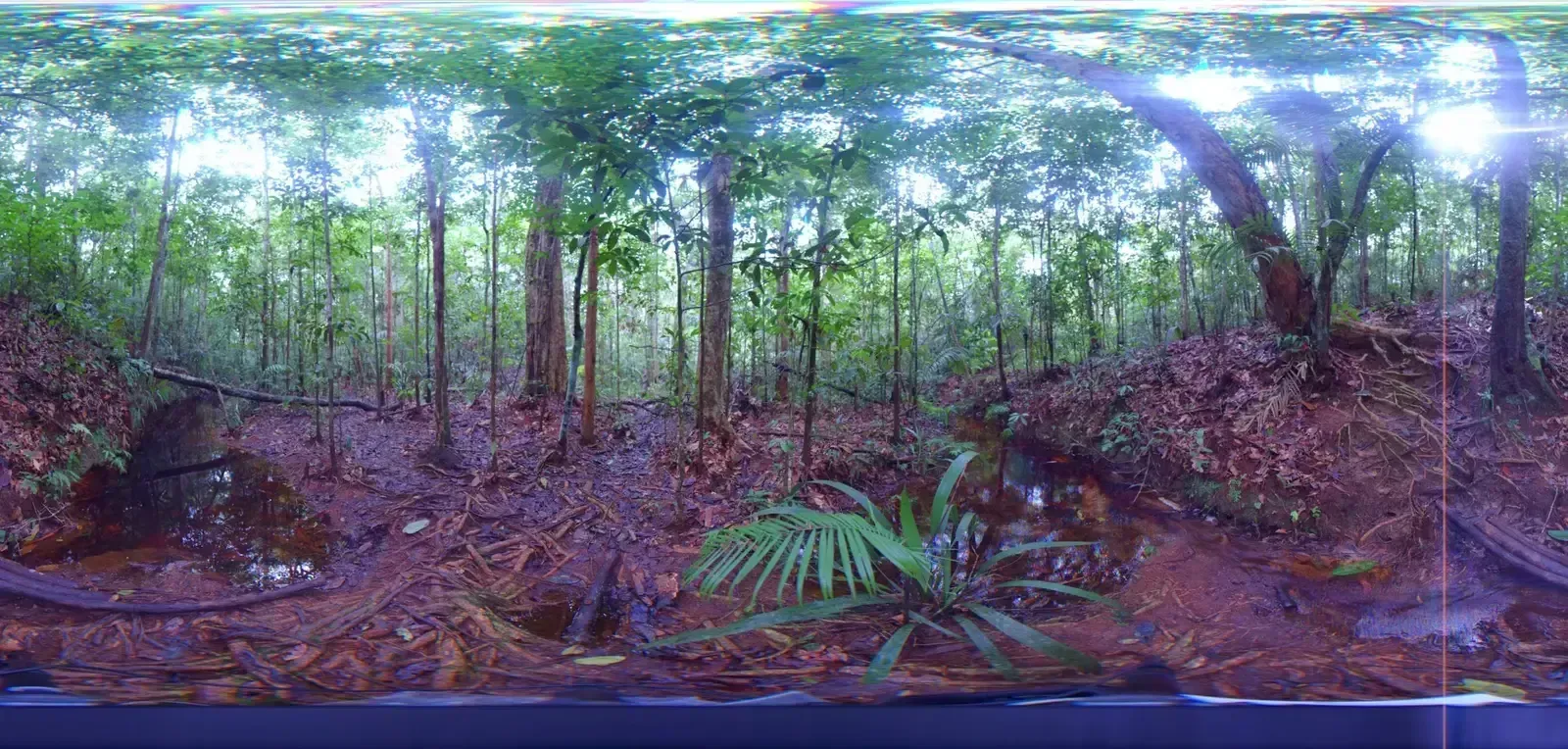
The newest name on this list reflects how Amazon science keeps evolving even now, in 2026. Flávia Costa’s fieldwork along a remote Brazilian highway transect has forced researchers to reconsider assumptions about which parts of the rainforest are most vulnerable to climate stress. Field researchers walk along the BR-319 highway that gives them access to a 600-kilometer transect deep inside the Amazon Rainforest, and starting in 2009 and continuing to today, the field team has regularly monitored palms and other trees growing in 25 plots in shallow water table forests to gauge how they’re responding to severe drought conditions.
Her results, published in 2026, complicate the simple narrative that the whole basin is equally at risk. Fellow researcher Enrique Ortiz praised the rigor of her methods, noting that “the beauty of this research is that it is based on fieldwork, actual measurements in the field, and not modeling.” Even Carlos Nobre, who reviewed her findings, acknowledged their importance while cautioning that severe droughts in recent years may still overwhelm any pockets of resilience, since he would not agree that low water table forests would help avoid the Amazon collapse due to the increase and severity of droughts, which have already pushed the biome “very close to the tipping point,” explaining that in the past there were severe droughts every two decades, but now there have been four severe droughts in two decades.
Together, these eight researchers represent nearly half a century of accumulated knowledge about the world’s largest rainforest. Their work spans satellite monitoring, aircraft-based carbon sampling, atmospheric chemistry, and long-term field ecology, yet it all points toward the same conclusion: the Amazon is a dynamic, interconnected system whose health depends on forces that scientists are still working to fully map. As drought conditions intensify and deforestation pressures persist into the late 2020s, the tools and warnings these scientists built decades ago have only become more urgent to heed.

- The 6 Coldest Inhabited Places on Earth – Ranked by Average Winter Temperature - September 12, 2026
- 8 South American Climate Scientists Who Changed How We Understand the Amazon - September 12, 2026
- 6 Countries in the Americas Where Plastic Waste Per Person Is Highest - September 11, 2026
