
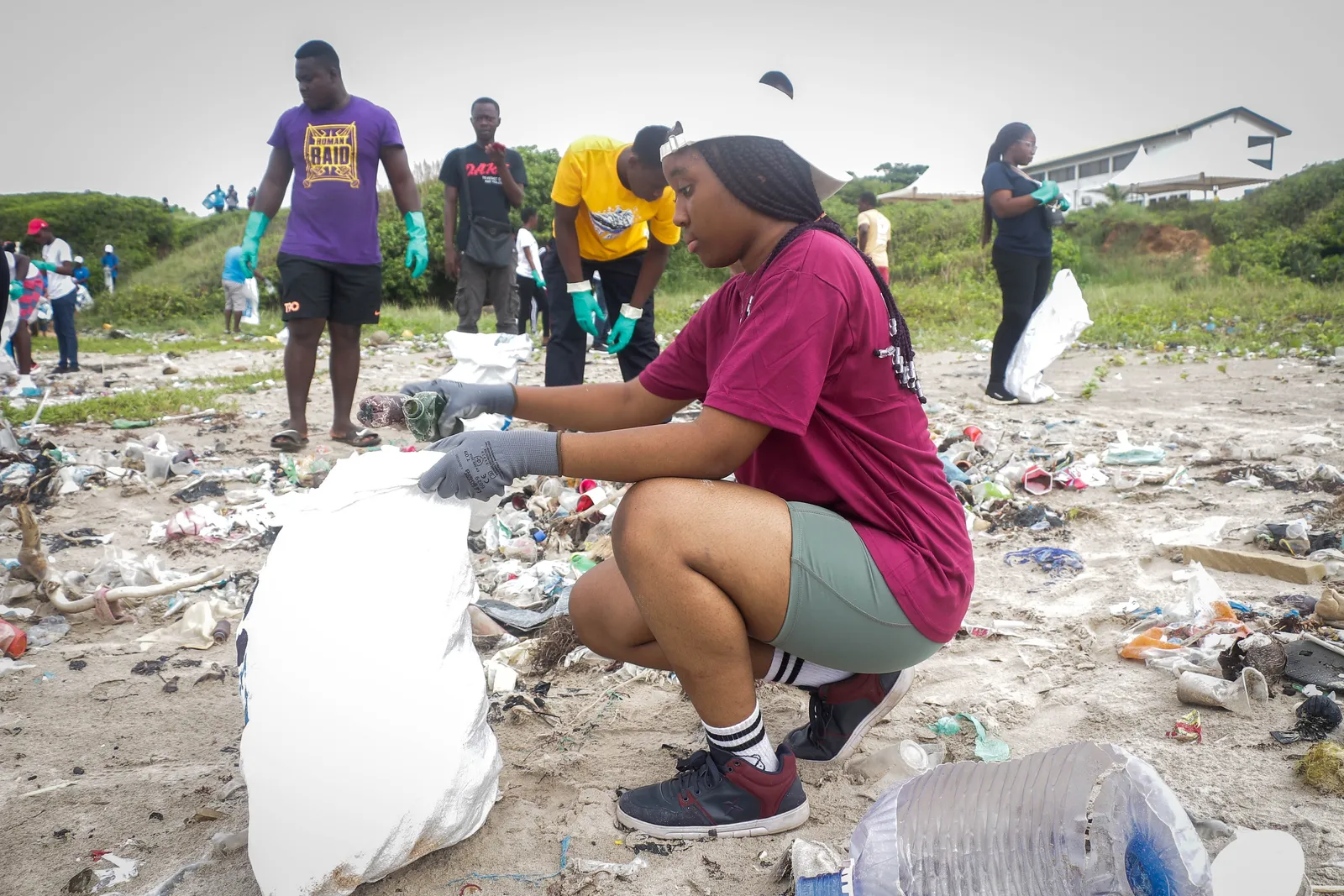
Plastic waste is one of those problems that looks very different depending on how you measure it. Total tonnage tends to favor huge, populous nations, but when you divide by population, a very different map appears. Across the Americas, from wealthy industrial economies to small island nations with fragile waste systems, several countries stand out for generating an outsized amount of plastic per resident.
Some of these countries produce enormous volumes of packaging and single-use items because of high consumption levels, while others struggle simply because their waste infrastructure cannot keep pace with imported goods and tourism. Either way, the per-person numbers tell a striking story about consumption, waste management, and the environmental pressure building across the region.
1. United States
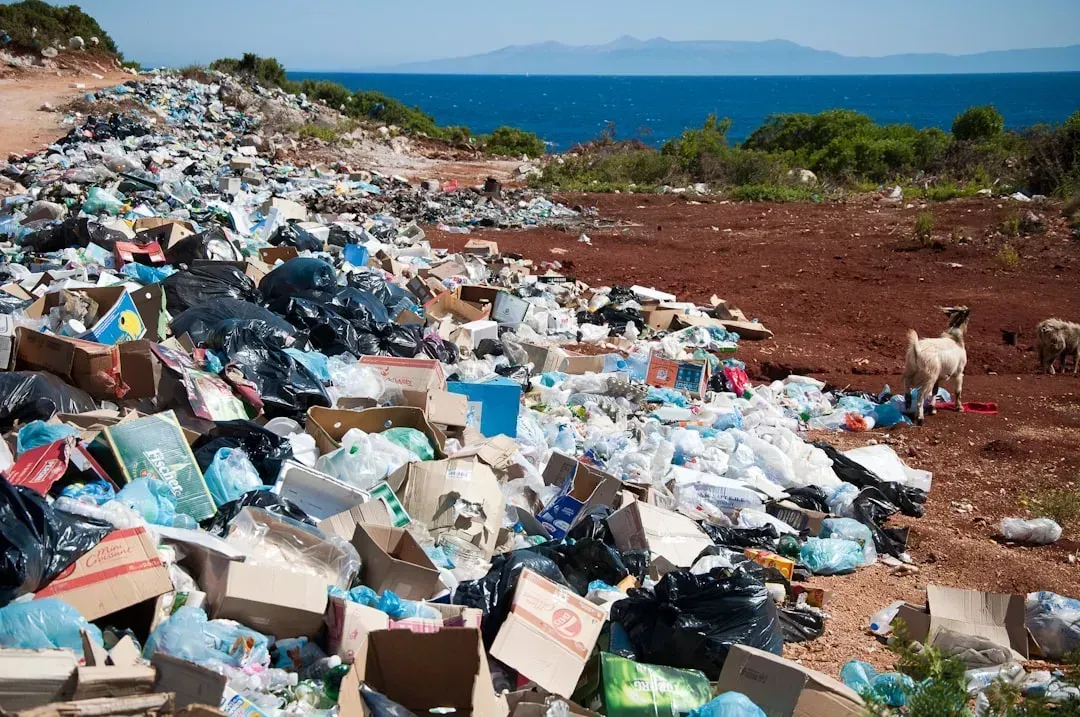
The United States has long topped global rankings for plastic waste generated per person, a pattern confirmed by multiple independent studies over the past several years. Researchers found that residents of the U.S. and the U.K. produce more plastic waste per person than any other nation, with Americans generating an average of 105kg (231lbs) of plastic per year. Other estimates that include a broader definition of plastic waste push the American per capita figure even higher. North America has the highest annual per capita plastic use at 139 kg, excluding fiber and rubber polymers, representing 19% of global production and 21% of use.
Much of this waste does not end up polluting oceans directly, largely because of geography rather than better habits. The United States is the highest per capita creator of plastic waste, but its plastic waste does not end up in the ocean because most of the country is landlocked and most of its plastic ends up in landfills. That distinction matters, because it means the American plastic problem is mostly a landfill and incineration story rather than a marine pollution one, though the sheer scale of waste generated remains historically unmatched.
2. Trinidad and Tobago
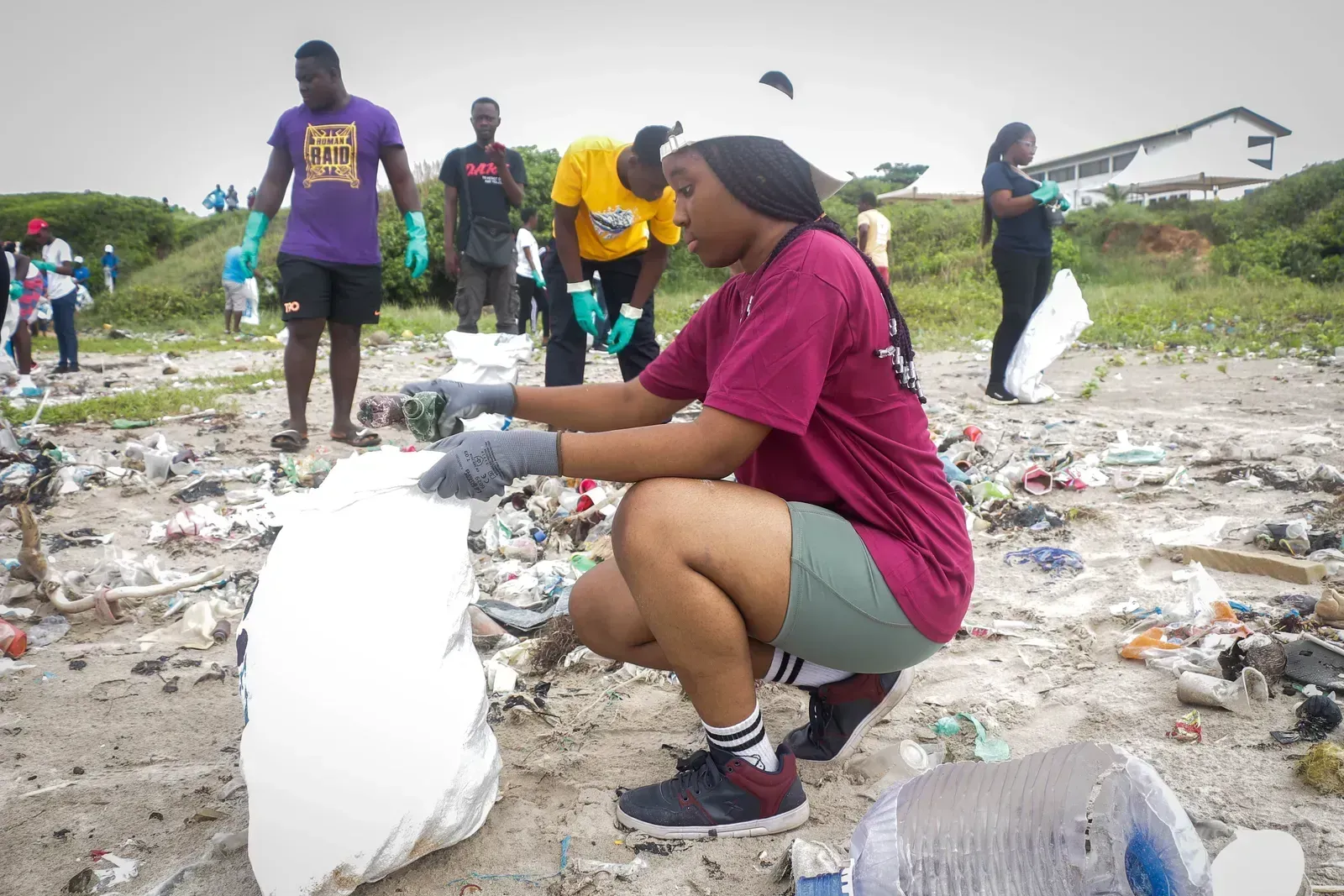
No country in the Americas, or arguably the world, generates more plastic waste per resident than this twin-island nation. The dual island nation reportedly produces 3.6 kilograms of plastic waste per capita per day, which is nearly six times more than distant second place culprit Kuwait. That figure, drawn from widely cited Forbes reporting, placed Trinidad and Tobago far ahead of any other country measured, including major industrial economies.
The consequences extend well beyond landfills. At least five percent of Trinidad and Tobago’s waste is almost guaranteed to end up in the ocean, making the nation responsible for more marine plastic per capita than 98 percent of the world. Local reporting has also pointed to inadequate waste management as the underlying cause, with an environmentalist quoted saying it’s very unfortunate the country is ranked number one in such a category, but people see it every day when rain falls and plastic bottles wash through the streets. Heavy reliance on imported packaged goods only adds to the pressure on an already strained collection system.
3. Canada
Canada rarely gets singled out the way its southern neighbor does, but it shares many of the same consumption patterns that drive high per capita plastic figures across North America. North America as a whole has the highest annual per capita plastic use at 139 kg, excluding fiber and rubber polymers, representing 19% of global production and 21% of use. Canada’s economy, retail habits, and packaging norms closely mirror those of the United States, which keeps it near the top of regional per capita consumption even though its total population is far smaller.
Where Canada differs is in how it handles the waste once generated. The country has increasingly relied on formal waste management systems and landfill disposal rather than allowing plastic to leak into waterways, a pattern noted among wealthier nations more broadly. When adjusted for population, countries across Europe, North America, and Oceania generate much more plastic waste per person than other regions, largely down to the effectiveness of waste management systems. That effectiveness reduces environmental leakage, but it does not change the underlying per capita generation rate, which remains among the highest anywhere in the hemisphere.
4. Guyana
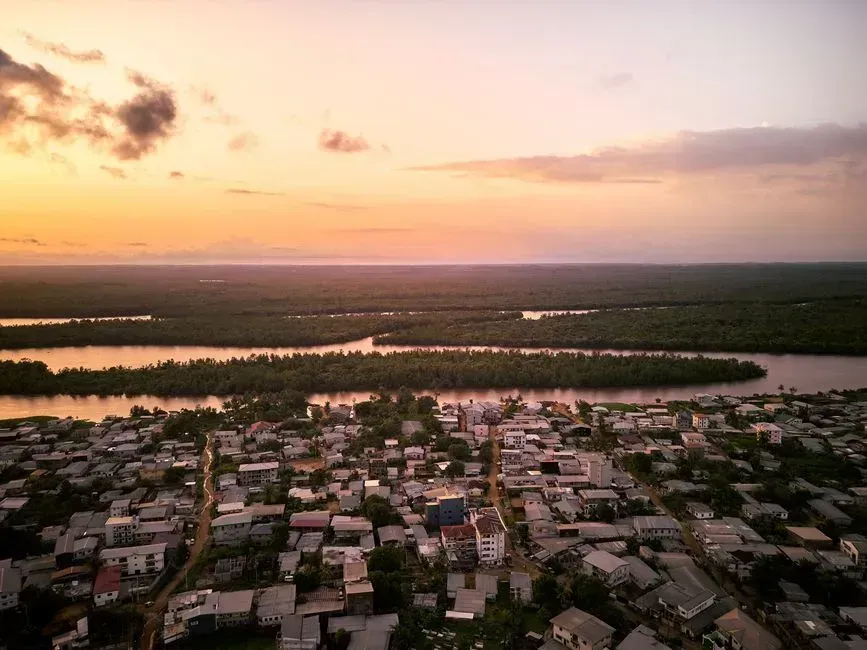
Guyana appears consistently in lists of the world’s top per capita plastic polluters, a surprising fact given its relatively small population and modest industrial base. Guyana is among the Caribbean nations named alongside Trinidad and Tobago, Antigua and Barbuda, St. Kitts and Nevis, Barbados, St. Lucia, Bahamas, Grenada, Anguilla and Aruba as leading per capita polluters. Together, this cluster of nations illustrates just how disproportionately small Caribbean and coastal South American states weigh in on a per person basis.
Part of the explanation lies in shared regional dynamics. Of the top thirty global polluters per capita, ten are from the Caribbean region, with Trinidad and Tobago in the lead. Guyana’s position within that group reflects heavy dependence on imported packaged goods combined with limited domestic recycling capacity, a combination seen throughout much of the wider Caribbean basin and its immediate mainland neighbors.
5. Bahamas

The Bahamas is another nation whose small population size makes its plastic footprint per resident appear especially large. The Bahamas is named among the Caribbean nations that rank among the top thirty global polluters per capita. Tourism plays a significant role here, since visitor numbers routinely dwarf the resident population, adding substantial packaging and single-use plastic demand that gets counted against a relatively small local base.
Waste management capacity across these island economies often struggles to keep pace with both residential and tourism-driven demand. Poor waste management is described as the root of the problem in the Caribbean, along with a lack of education about the dangers of plastic, with an estimated 322,745 tons of plastic going uncollected across the region every year. The Bahamas, like several of its neighbors, has responded with policy action. As of January 1st, seven Caribbean countries decided to ban single-use plastic, including the Bahamas, Barbados, and Belize.
6. Barbados
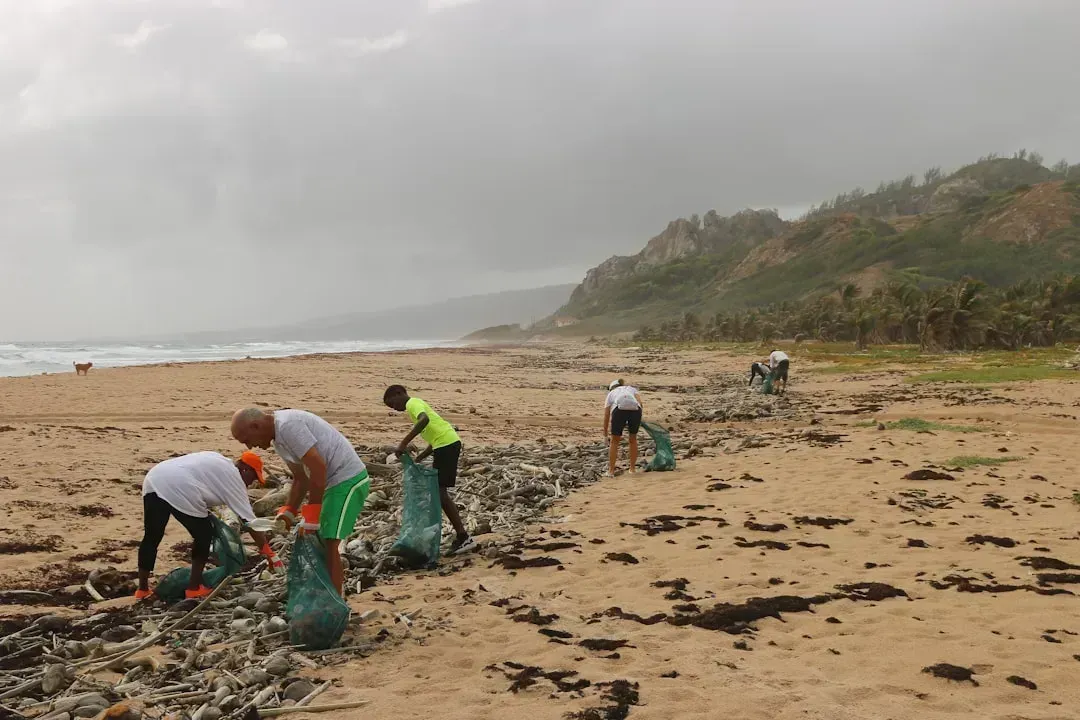
Barbados rounds out this list as another small island economy punching well above its weight in per capita plastic terms. Barbados is listed among the Caribbean nations that rank among the top thirty global per capita polluters, alongside Trinidad and Tobago, Antigua and Barbuda, St. Kitts and Nevis, Guyana, St. Lucia, Bahamas, Grenada, Anguilla and Aruba. As with its regional neighbors, a heavy reliance on imported consumer goods combined with a compact population base pushes the per person figures upward even though total volumes remain modest by global standards.
Barbados has taken some of the more proactive regulatory steps in the region to address the issue. The country is among the seven Caribbean nations that decided to ban single-use plastic, alongside the Bahamas and Belize. Whether these bans meaningfully reduce the per capita figures over time will depend on enforcement and on continued investment in collection and recycling infrastructure, something regional data suggests remains uneven across the Caribbean.
Taken together, these six countries show that plastic waste per person is not simply a story about wealthy nations consuming more, though that is certainly part of it. It is also a story about small populations absorbing outsized tourism demand, import dependence, and waste systems that were never built to handle modern packaging volumes. The United States and Canada highlight how high consumption in large economies drives massive per capita figures even when most waste stays contained in landfills. Trinidad and Tobago, Guyana, the Bahamas, and Barbados show a different pattern entirely, one where small, coastal, tourism-reliant nations end up carrying a disproportionate share of the world’s plastic burden per resident. Addressing either version of the problem will require different solutions, but both point toward the same uncomfortable truth: plastic consumption habits, wherever they occur, eventually show up somewhere on the ground, in a landfill, or in the ocean.

- The Shoreline Sucked Dry in Seconds – 5 Tsunami Signals Beachgoers Mistake for Low Tide - November 14, 2026
- 9 Dark-Sky Destinations Around the World Where the Stars Look Unreal - November 14, 2026
- The Fault Line That Never Slips – 7 Locked Seismic Zones Overdue for a Massive Release - November 14, 2026
