
Most of us have never seen a truly dark sky. Streetlights, glowing suburbs and phone screens wash out all but the brightest stars, so a clear night usually shows a few dozen points of light. Under properly dark conditions, the number climbs into the thousands, and the Milky Way can look like a cloud you could touch.
Some places have worked hard to keep that view alive. Groups such as DarkSky International certify parks, reserves and sanctuaries that protect their night skies through lighting rules and public education. These nine destinations are among the best known, and each one offers something a little different.
Aoraki Mackenzie Dark Sky Reserve, New Zealand
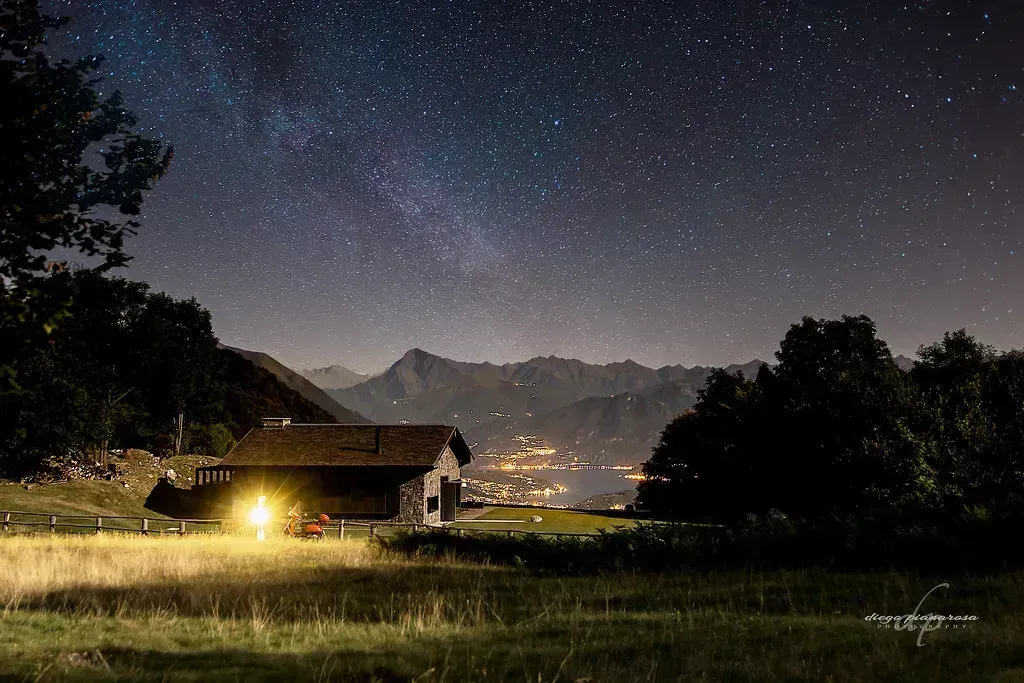
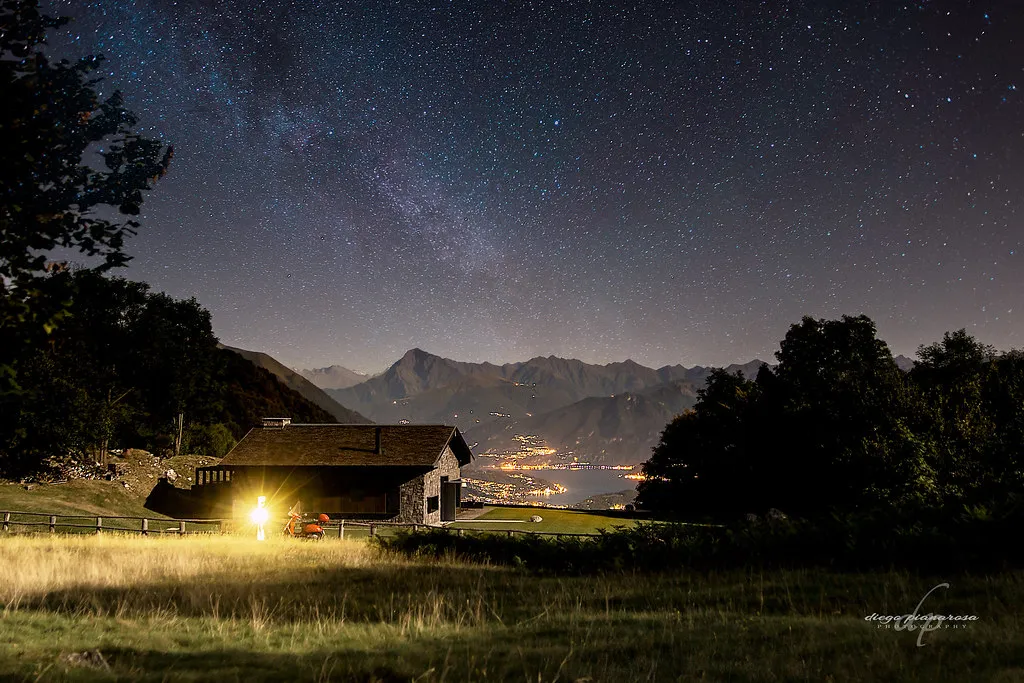
This reserve on New Zealand’s South Island was recognized by the International Dark Sky Association in 2012. It holds gold tier status and covers roughly four thousand square kilometers around Lake Tekapo and Aoraki Mount Cook. That makes it one of the largest reserves of its kind anywhere.
The town of Tekapo has strict rules on outdoor lighting, which is why its skies stay so dim. Mount John Observatory sits above the lake, and guided tours run there after dark. Southern Hemisphere visitors can also spot the Magellanic Clouds and the glowing core of the Milky Way.
NamibRand Nature Reserve, Namibia
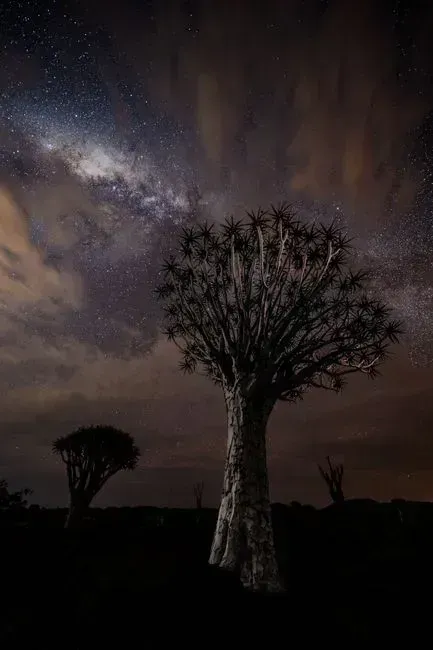
NamibRand was the first reserve in Africa to earn gold tier status from the International Dark Sky Association, in 2012. It’s a private reserve of around two thousand square kilometers along the edge of the Namib Desert. Few people live nearby, so there’s almost no artificial light for many miles.
Dry air and high desert elevation add to the clarity. Lodges within the reserve often provide telescopes and guides who point out constellations. Many visitors say the horizon to horizon spread of stars feels more like looking into a deep space than up at a ceiling.
Atacama Desert, Chile
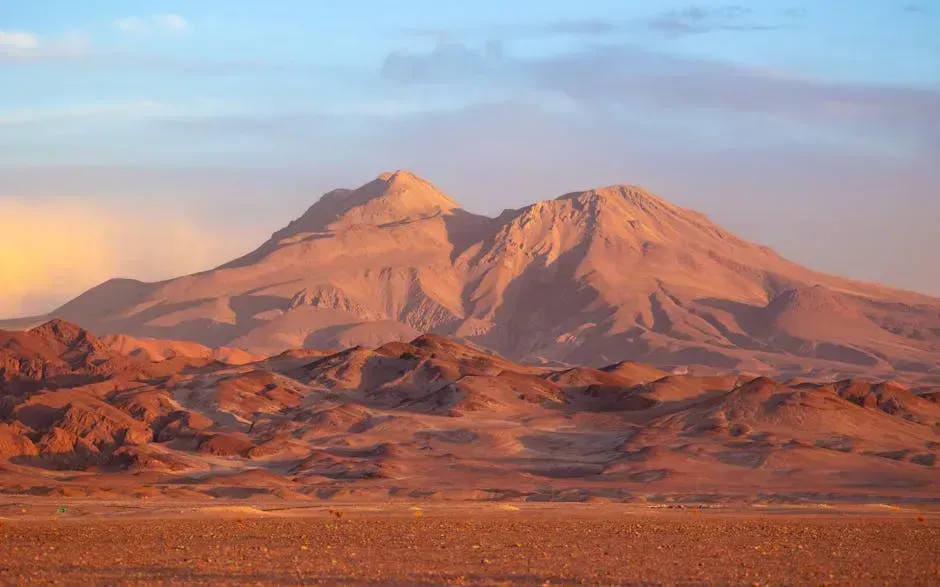
The Atacama is one of the driest places on Earth, and that dryness is exactly what astronomers want. Clouds are rare, and the thin, stable air at high altitude gives sharp views. The European Southern Observatory runs its Paranal site here, home to the Very Large Telescope.
The ALMA radio observatory also sits on a plateau at about five thousand meters. Travelers can base themselves in San Pedro de Atacama and join evening tours with telescopes. Some visits to the Paranal observatory are offered on set days, so it’s worth checking the schedule ahead of time.
Mauna Kea, Hawaii
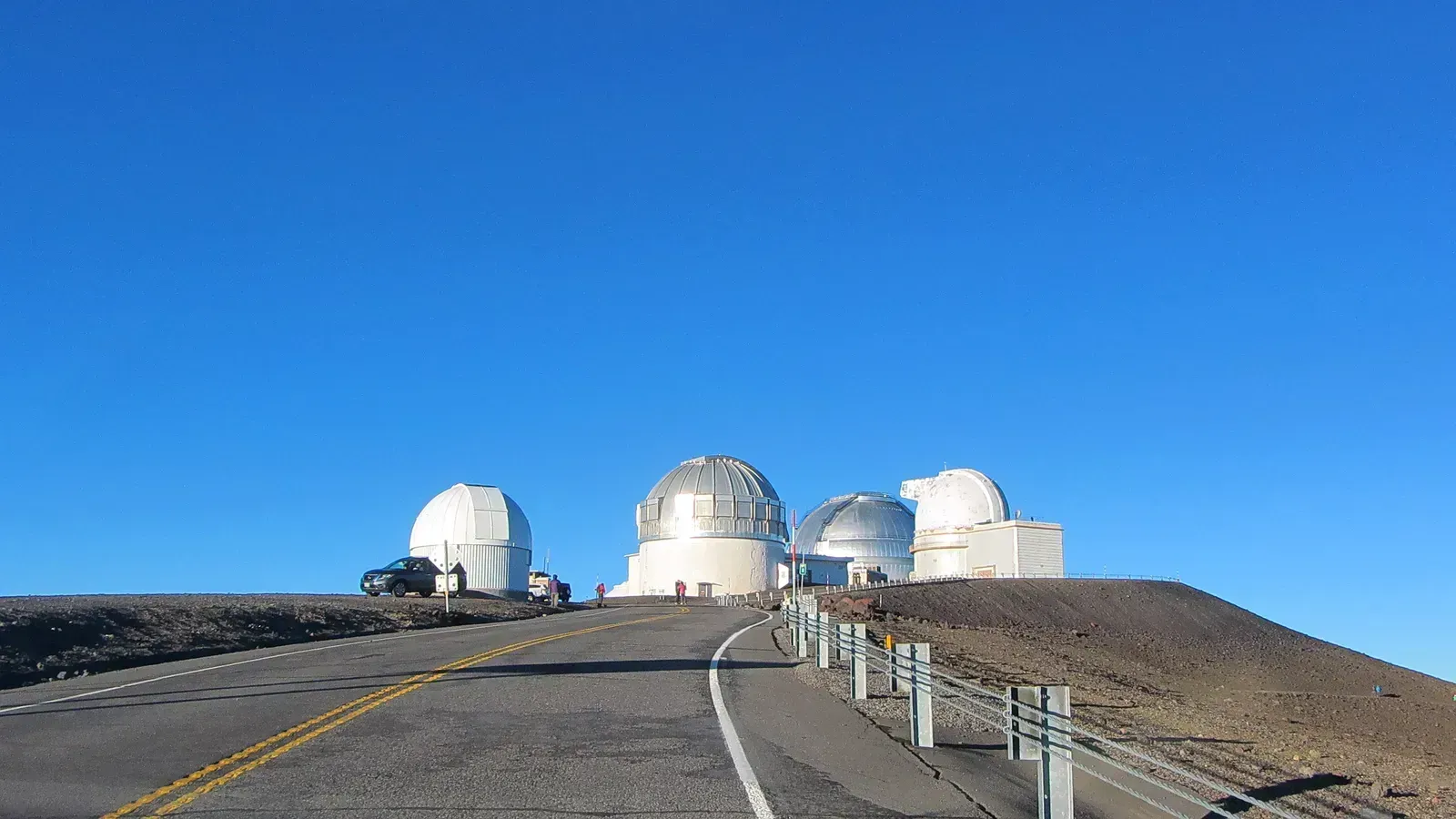
Mauna Kea rises to more than four thousand meters above sea level, and its summit hosts some of the world’s major observatories. Stargazing programs run from the visitor information station, which sits at roughly twenty eight hundred meters. At that height, you’re above a large share of the atmosphere’s moisture and haze.
The island of Hawaii also has outdoor lighting rules meant to protect the observatories’ work. That policy helps visitors too, because the nearby skies stay surprisingly dark for an inhabited island. Dress warmly, since the altitude can make evenings cold even in the tropics.
Natural Bridges National Monument, Utah, USA
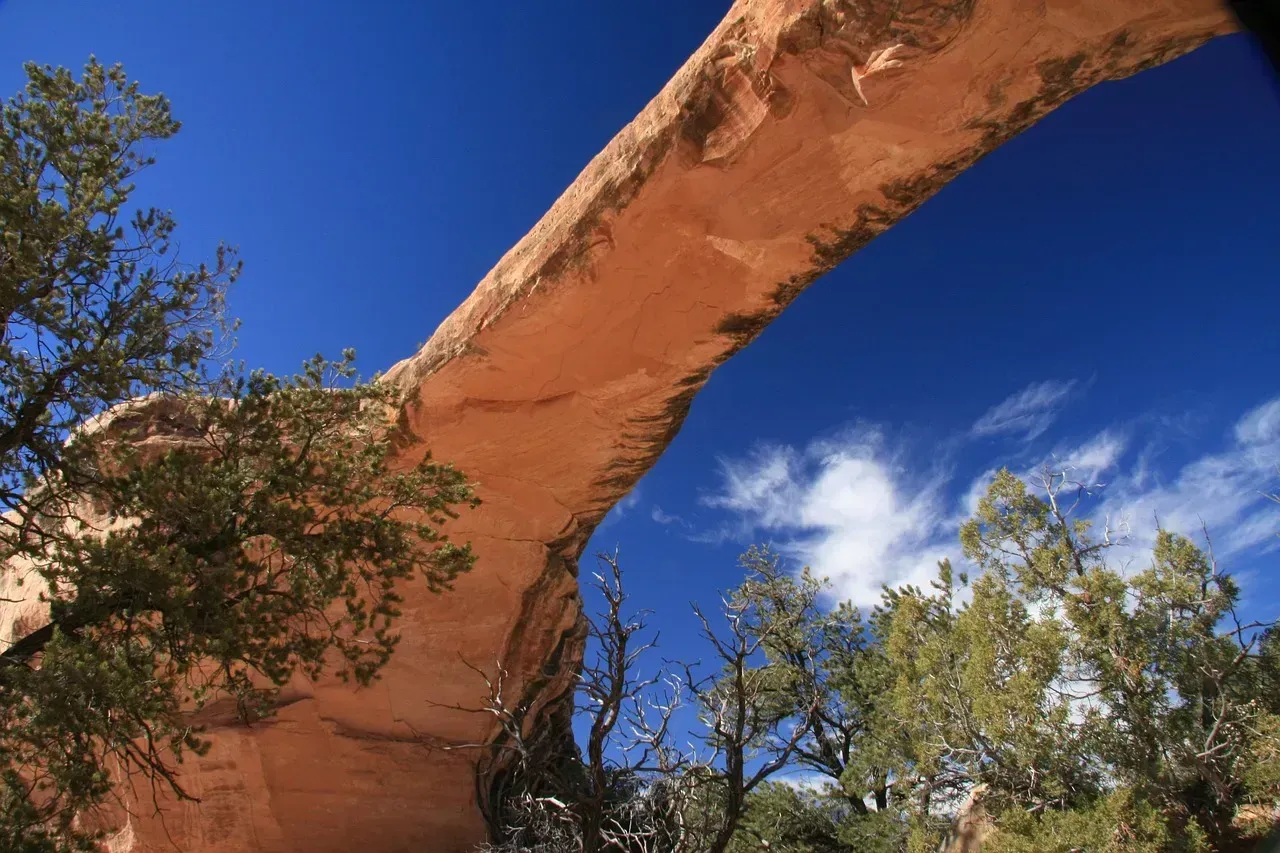
In 2007, Natural Bridges became the world’s first International Dark Sky Park. It’s tucked into the canyon country of southeastern Utah, far from any big city. Rangers have long described its skies as exceptionally dark, which is why it earned the distinction first.
The park’s three natural stone bridges make striking silhouettes against the Milky Way. Photographers love framing the arches with a star filled backdrop. The surrounding Colorado Plateau has many other dark sky sites, so it works well as part of a longer road trip.
Pic du Midi, French Pyrenees
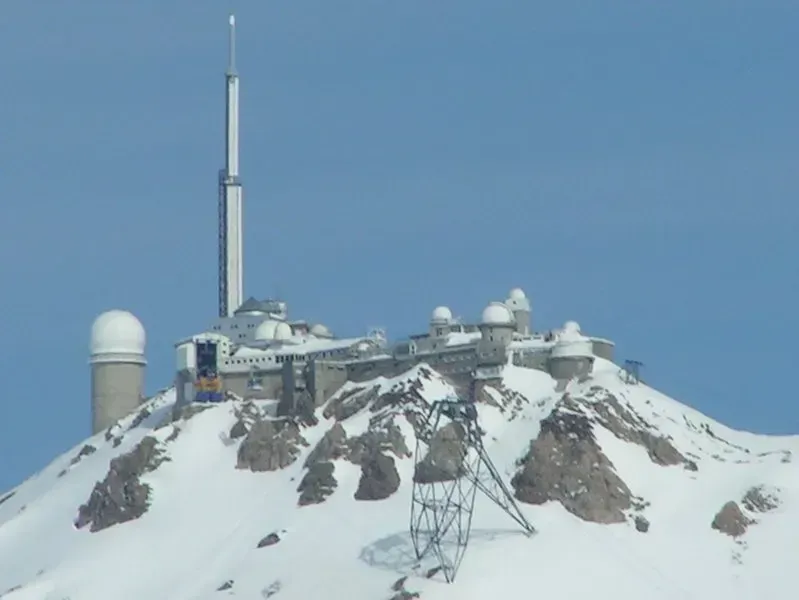
Pic du Midi de Bigorre became an International Dark Sky Reserve in 2013, the first in Europe. Its observatory stands at about twenty nine hundred meters, and visitors can reach it by cable car. The reserve extends across a broad stretch of the Pyrenees, with surrounding villages taking part in lighting reduction.
Overnight stays at the summit let guests observe with the staff’s telescopes. The mountain setting means the air is cool and often very clear. It’s a rare chance to sleep in a working observatory and wake up to the Pyrenees at sunrise.
Galloway Forest Park, Scotland
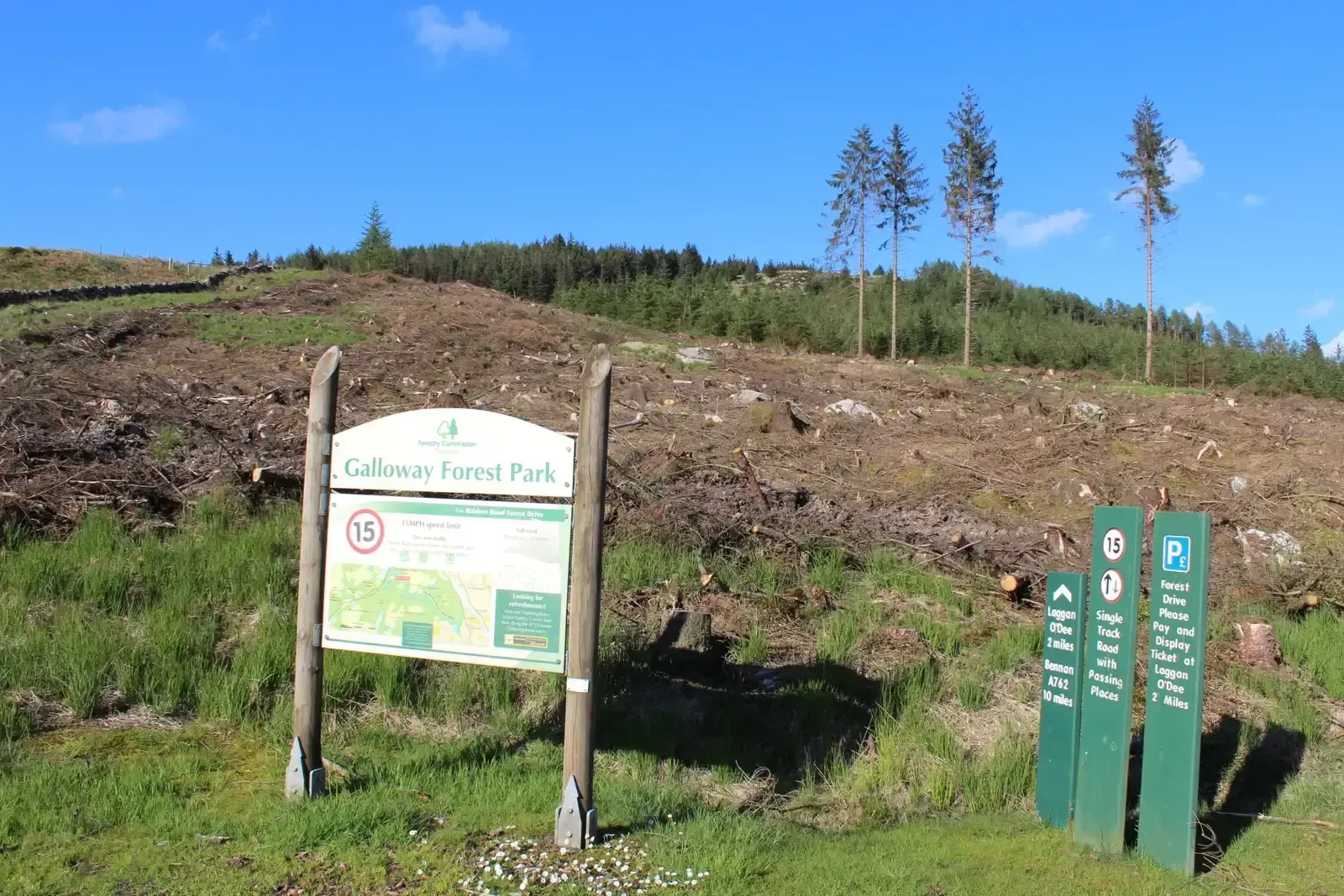
Galloway Forest Park in southwest Scotland was named the UK’s first Dark Sky Park in 2009. It covers a large area of hills, lochs and woodland with very few settlements. On clear nights, the Milky Way is plainly visible to the naked eye.
The park has visitor facilities, including an observatory at Craigengillan Estate nearby, and designated spots for viewing. Weather is the main obstacle, as Scottish clouds can close in quickly. Autumn and winter bring longer nights, and sometimes the northern lights too.
Jasper National Park, Alberta, Canada
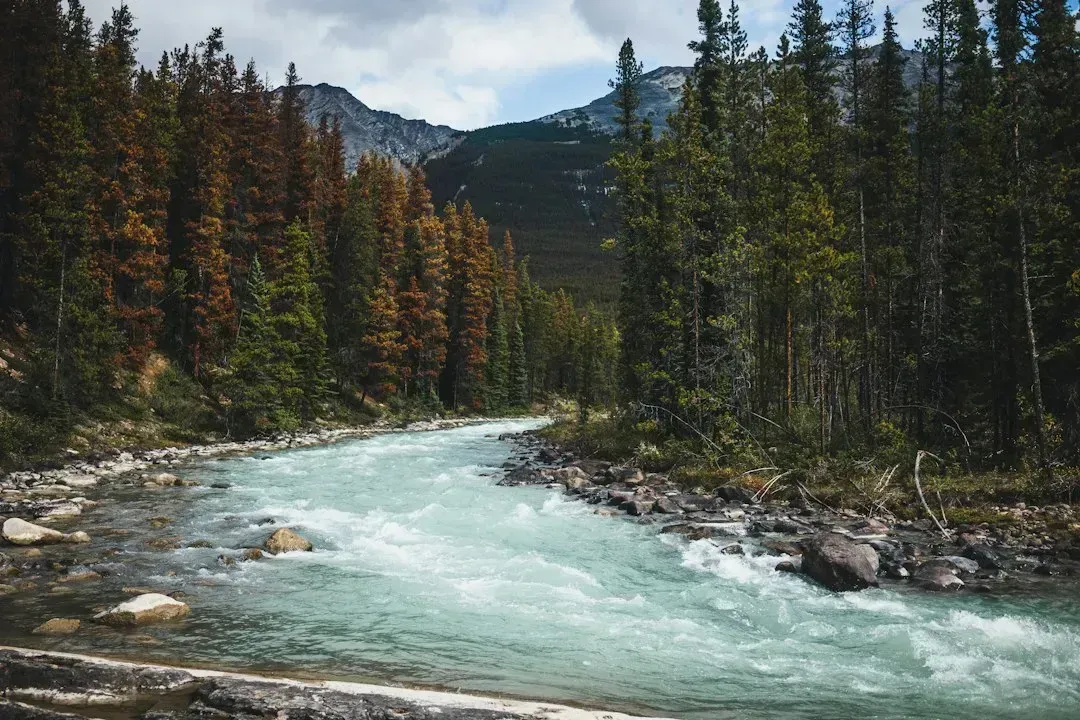
Jasper is a Dark Sky Preserve of about eleven thousand square kilometers in the Canadian Rockies. It’s among the largest accessible dark sky preserves in the world. Visitors can drive in and find dark spots without needing a long expedition.
Each October, the town hosts the Jasper Dark Sky Festival, with talks, stargazing and astrophotography workshops. Mountains and glacial lakes give the night photos a dramatic foreground. In winter, the aurora sometimes appears over the same landscapes.
Cherry Springs State Park, Pennsylvania, USA
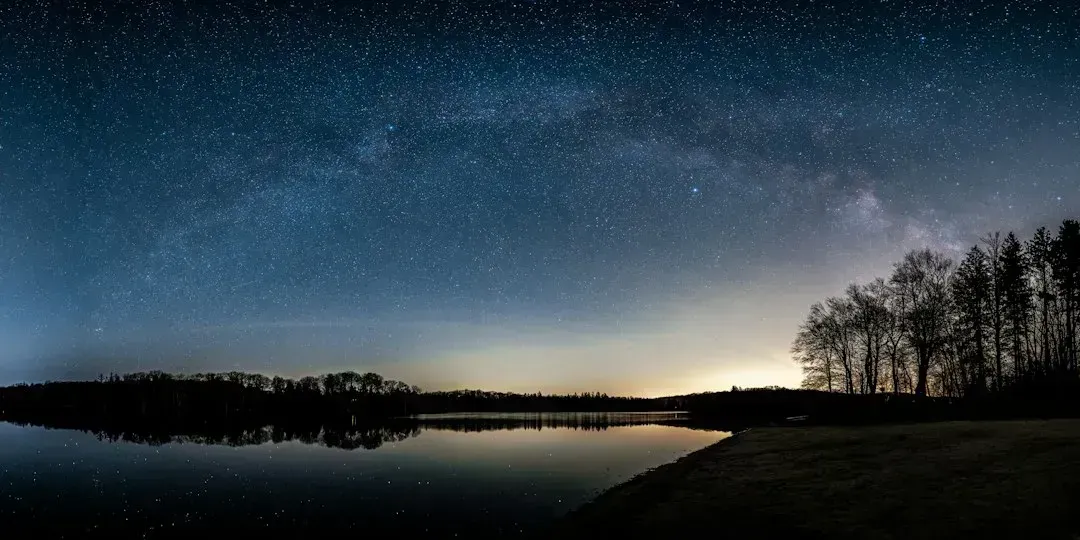
Cherry Springs sits in a remote part of north central Pennsylvania, within a day’s drive of many large eastern cities. The park became a certified International Dark Sky Park in 2008. It’s often called one of the best stargazing sites in the eastern United States.
A special Night Sky Public Viewing Area is set aside for observers, with red light rules to protect night vision. Astronomy clubs gather there on summer weekends, and the crowds can be large. For anyone who lives in the Northeast, it offers a taste of truly dark skies without a long flight.

- The Shoreline Sucked Dry in Seconds – 5 Tsunami Signals Beachgoers Mistake for Low Tide - November 14, 2026
- 9 Dark-Sky Destinations Around the World Where the Stars Look Unreal - November 14, 2026
- The Fault Line That Never Slips – 7 Locked Seismic Zones Overdue for a Massive Release - November 14, 2026
