

- Phantom Energy Sucking Power 24/7 – 7 Home Electronics Quietly Inflating Utility Bills - November 14, 2026
- A Million-Mile Storm Raging for Centuries – 6 Violent Weather Wonders in Our System - November 14, 2026
- Animals Flee Hours Before the Tremor – 7 Natural Warnings Before Disasters Strike - November 14, 2026
Earth’s worst hurricanes rarely last more than a couple of weeks. Out in the solar system, some storms have been turning for generations, and others wrap an entire planet in a matter of days.
These are six of the most striking examples of weather beyond our own atmosphere. Each one shows how differently air, heat, and rotation behave once you leave home.
Jupiter’s Great Red Spot
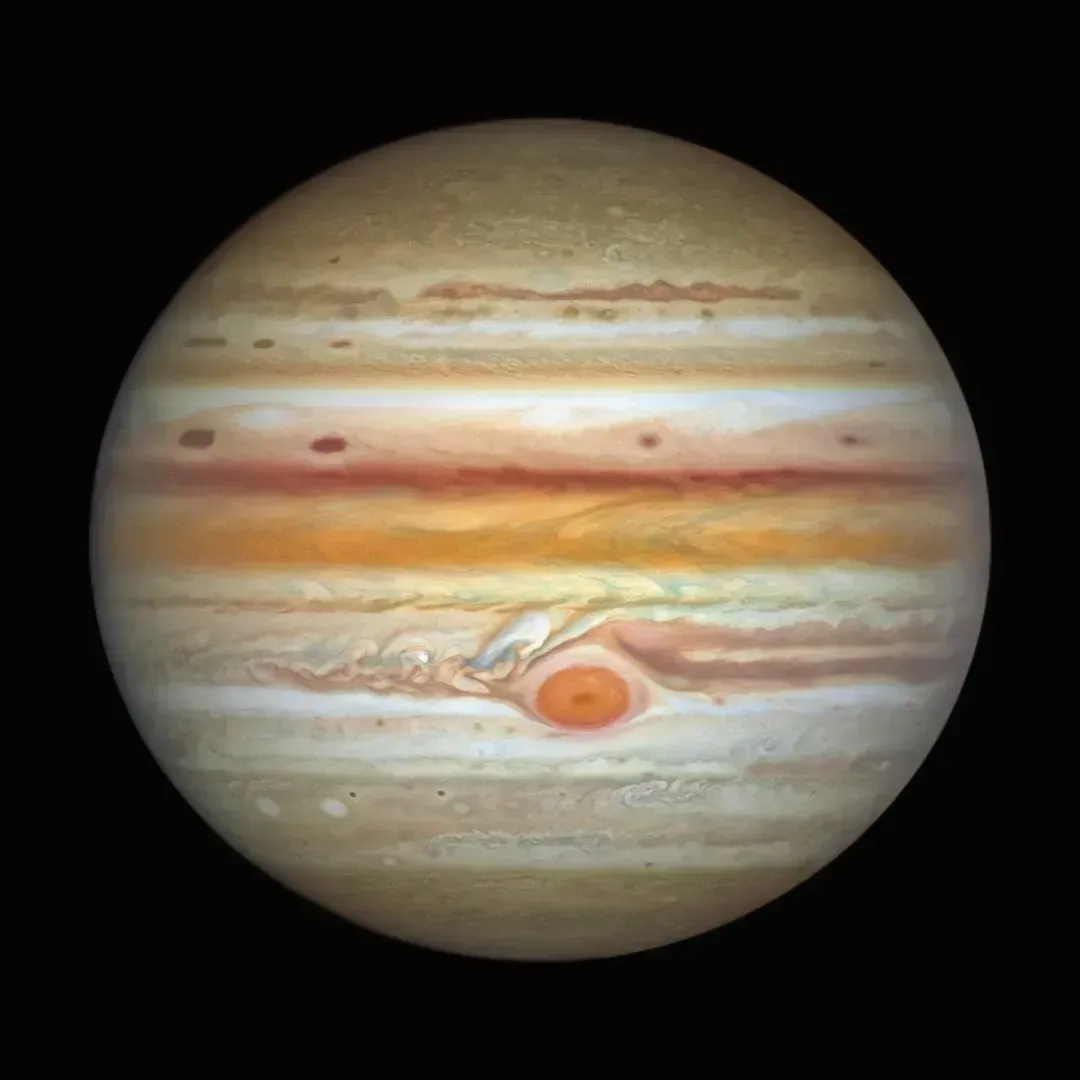
The Great Red Spot is an anticyclone, a high pressure vortex that spins counterclockwise in Jupiter’s southern hemisphere. Astronomers have tracked it continuously since the 1800s. Hubble measurements from 2017 put its width at about one and a third times the diameter of Earth, though it has been shrinking for decades.
Whether it’s the same storm Giovanni Cassini saw in the 1600s is still debated. Recent analysis of historical sketches suggests the modern spot probably formed later, in the 1800s. Winds along its edge are fast, reaching several hundred kilometers per hour, while the center is comparatively calm.
Saturn’s Hexagon at the North Pole
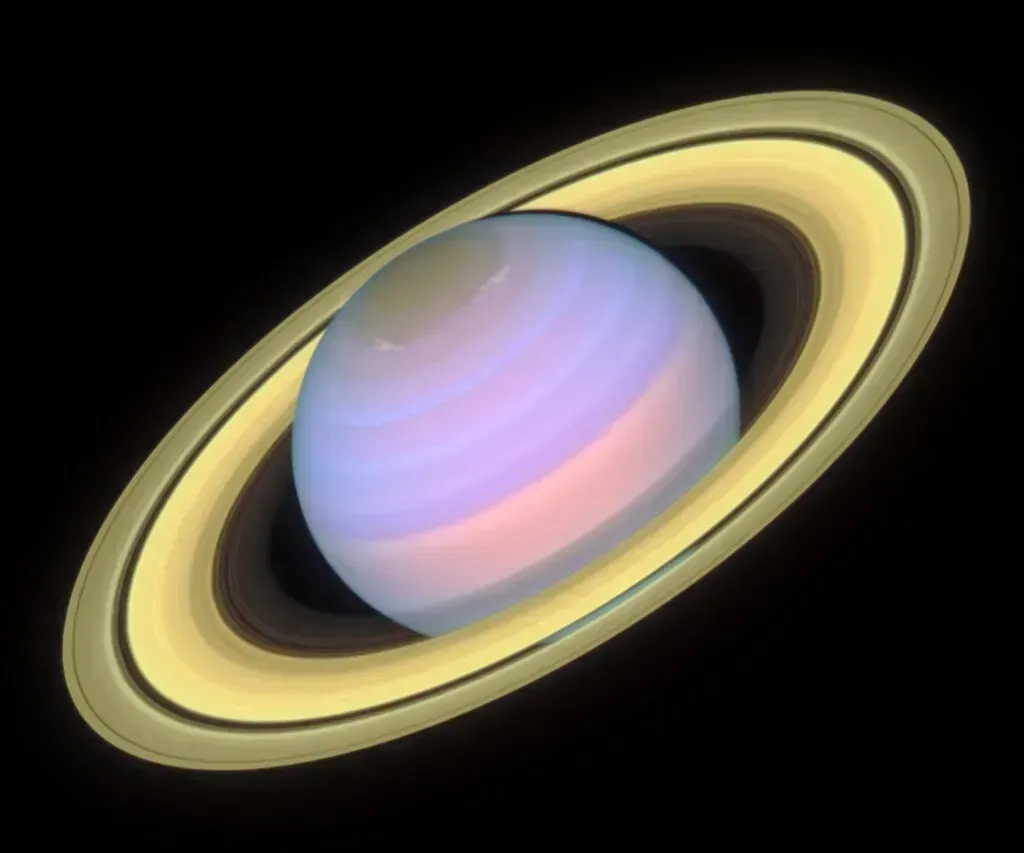
Saturn’s north pole is crowned by a jet stream that bends into a six sided shape. Voyager spacecraft first spotted it in the early 1980s. Decades later, NASA’s Cassini orbiter found it still there, which suggests the pattern is remarkably stable.
Each side is wider than Earth itself, and a swirling vortex sits at the center. Laboratory experiments with rotating fluids have reproduced similar polygon shapes, so the hexagon isn’t magic. It does remain one of the most geometrically odd features ever seen in an atmosphere.
Saturn’s Great White Storms
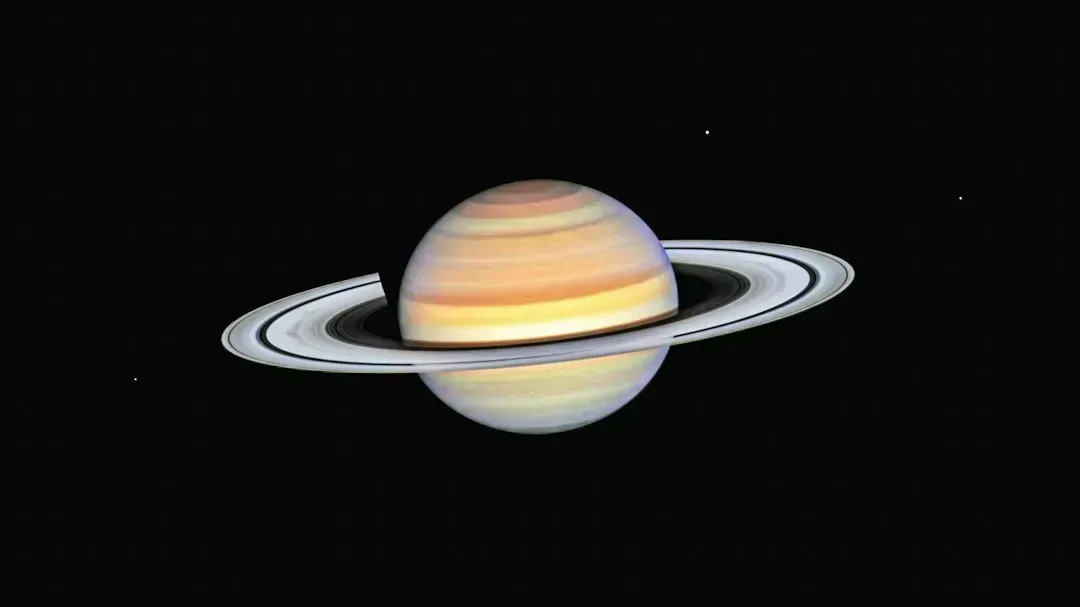
Roughly once every Saturnian year, which lasts about thirty Earth years, a giant storm erupts in the northern hemisphere. Astronomers call these Great White Spots. The one that appeared in late 2010 was watched by Cassini and grew until it encircled the whole planet.
Scientists think the storms are tied to seasonal changes, when warming and moisture build up in the deeper atmosphere. The 2010 outbreak left a long lasting disturbance that was still visible in temperature data for months afterward. Saturn’s next big seasonal storm isn’t expected for years.
Neptune’s Vanishing Dark Spots
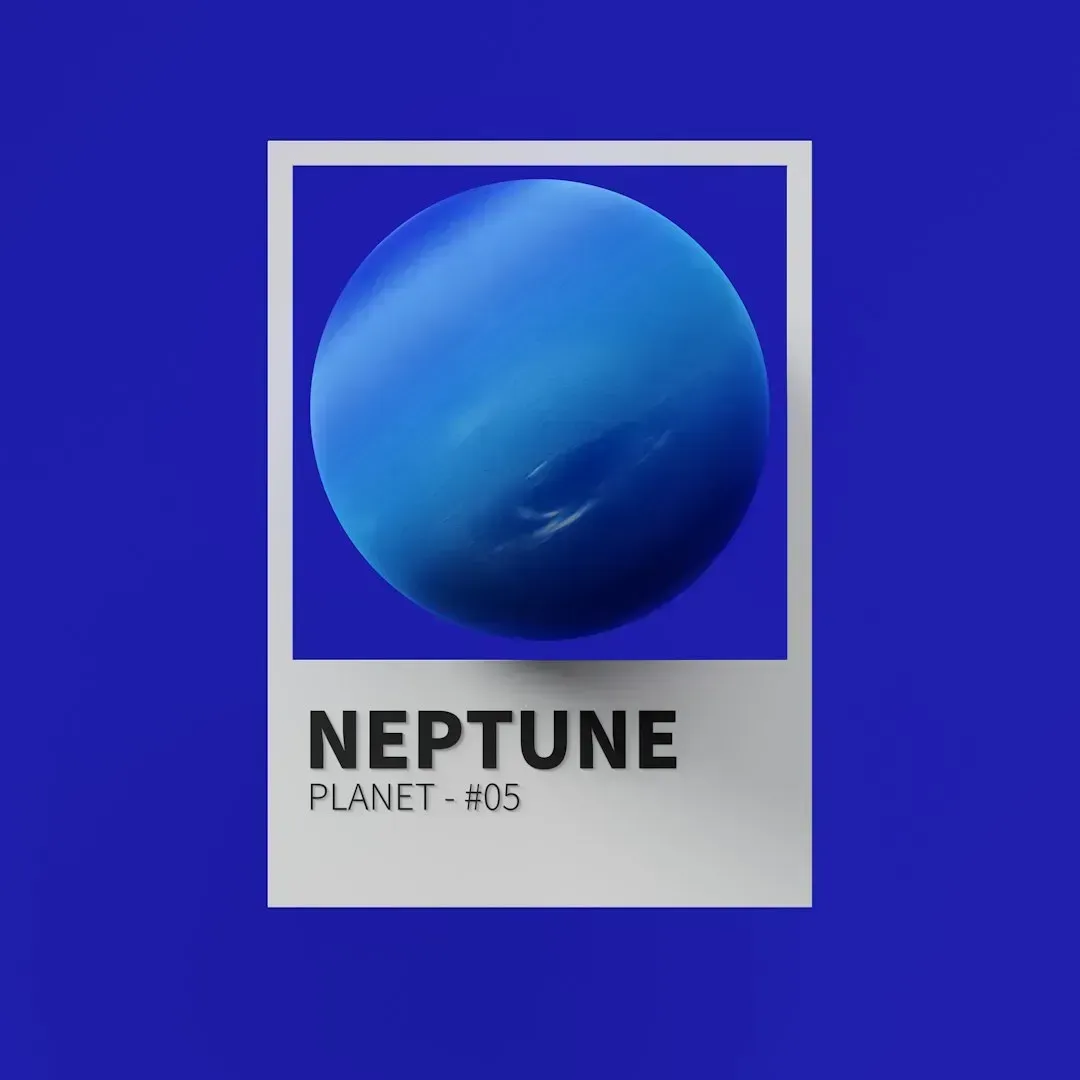
When Voyager 2 flew past Neptune in 1989, it photographed a dark oval storm comparable in size to Earth. When Hubble looked again in 1994, the Great Dark Spot was gone. Since then, Hubble has caught new dark spots appearing and fading, so Neptune’s storms seem to come and go rather than settle in for centuries.
The planet’s winds are among the fastest known, reaching roughly two thousand kilometers per hour in some places. That’s strange for a world so far from the Sun, with so little energy to drive weather. How Neptune sustains such speeds is still an open question.
Venus and Its Racing Atmosphere
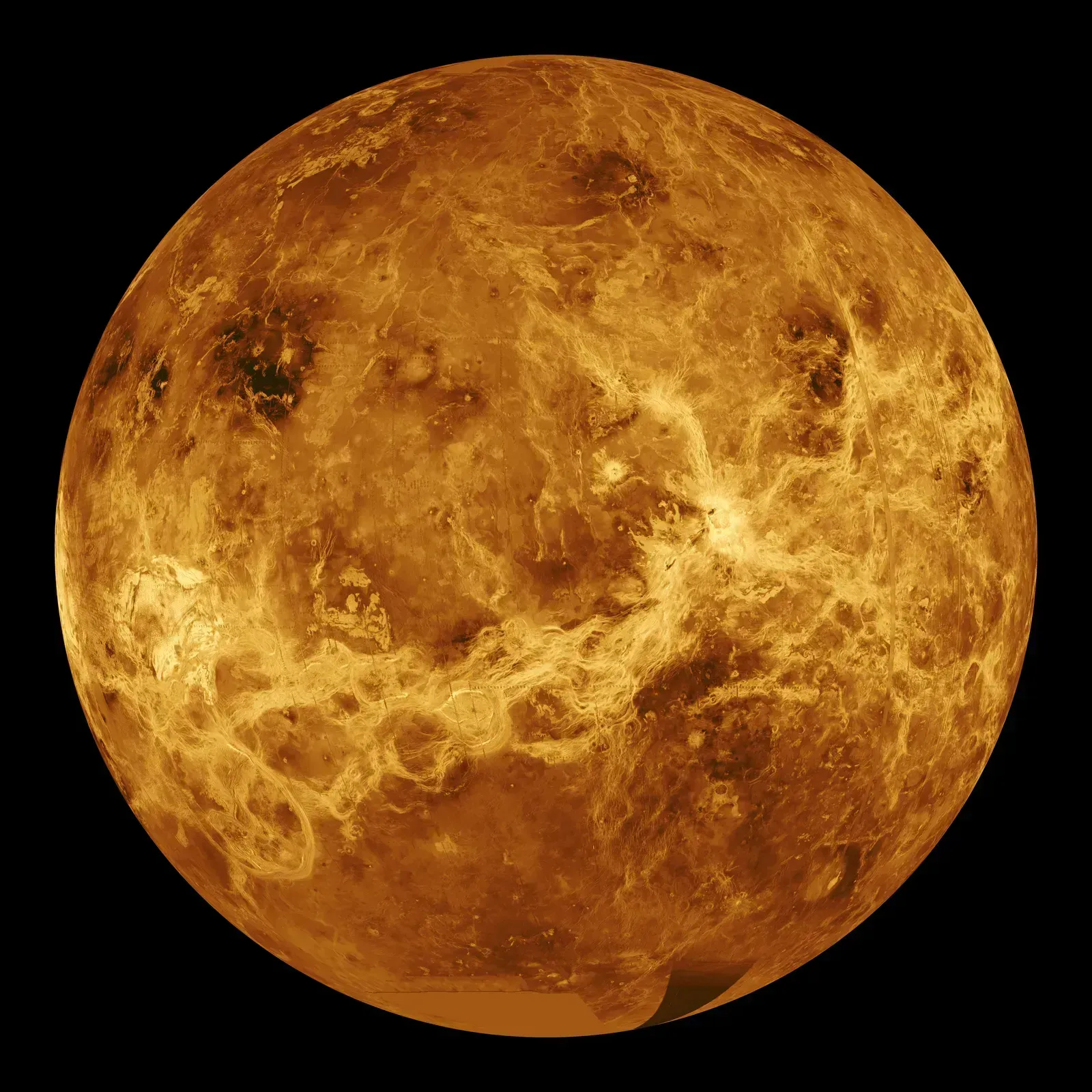
Venus turns extremely slowly, taking about 243 Earth days to rotate once. Its upper clouds, however, circle the planet in only about four Earth days, a phenomenon known as superrotation. Winds at the cloud tops blow at around three hundred and sixty kilometers per hour.
Those clouds are made largely of sulfuric acid, and the surface below is hot enough to melt lead. Researchers are still working out exactly how the atmosphere keeps itself spinning so fast. Data from orbiters and ground based telescopes continue to refine the models.
Mars and Its Planet Wide Dust Storms
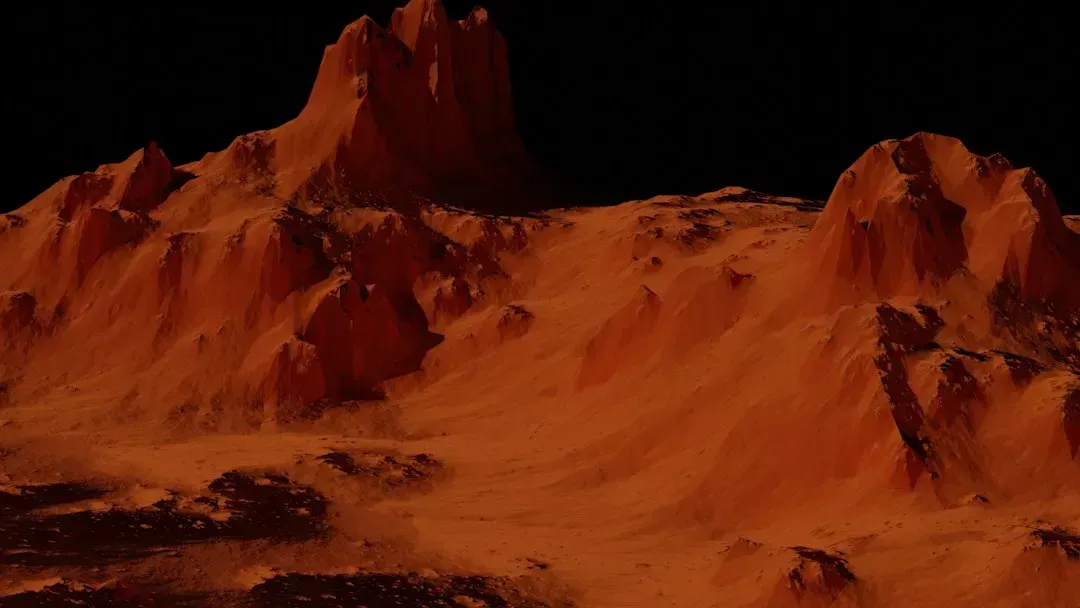
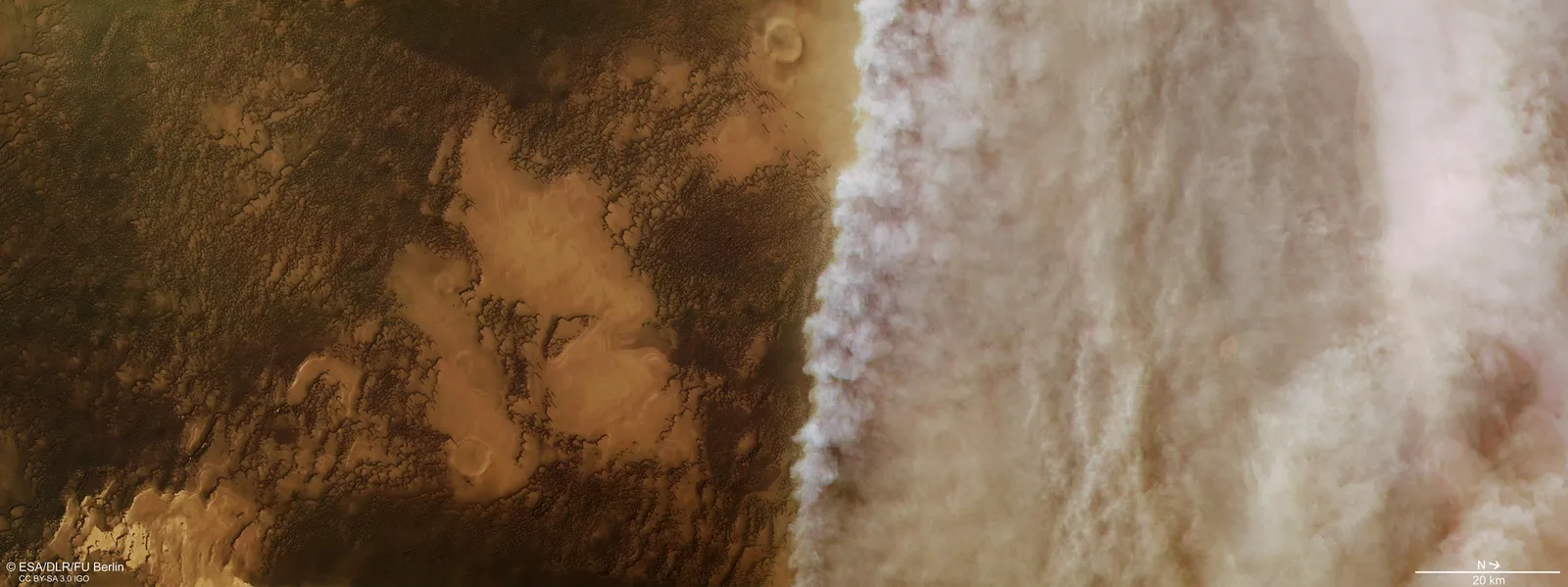
Mars has a thin atmosphere, so even its fastest winds carry little force. Still, its dust storms can be enormous. In 2018, a global storm blanketed the planet for weeks and blocked so much sunlight that NASA’s Opportunity rover never woke up again.
Such global events don’t happen every year, but regional storms appear regularly, especially in the southern spring and summer. Orbiters and rovers now monitor them closely, because dust affects solar power and the safety of future landings. Fine particles also lift into the high atmosphere, where they influence how Mars loses water over time.
Final Thoughts
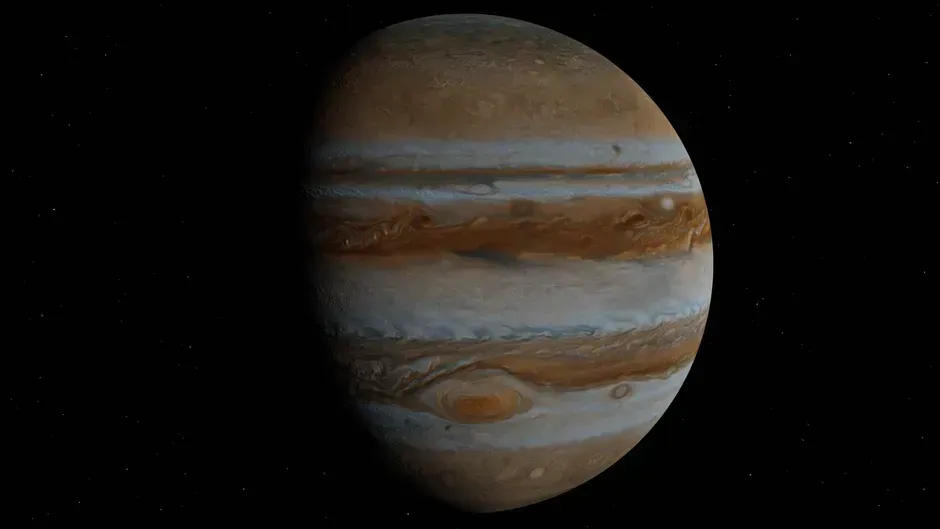
From Jupiter’s ancient vortex to Mars’s choking dust, each of these systems follows physics we recognize, just under extreme conditions. Spacecraft observations and telescopes like Hubble keep adding detail to all six.
