


- Phantom Energy Sucking Power 24/7 – 7 Home Electronics Quietly Inflating Utility Bills - November 14, 2026
- A Million-Mile Storm Raging for Centuries – 6 Violent Weather Wonders in Our System - November 14, 2026
- Animals Flee Hours Before the Tremor – 7 Natural Warnings Before Disasters Strike - November 14, 2026
In March 2009, a group of biologists in central Italy were watching common toads at a lake about 74 kilometers from the town of L’Aquila. Days later, an earthquake struck the region. The toads had mostly vanished from their breeding site before it happened.
Stories like this are old, and they’re easy to believe. Researchers have spent the last few decades trying to separate real signals from folklore. Here are seven animal behaviors that scientists have documented or seriously studied, along with what each one does and doesn’t prove.
Toads Abandoning Their Breeding Ground
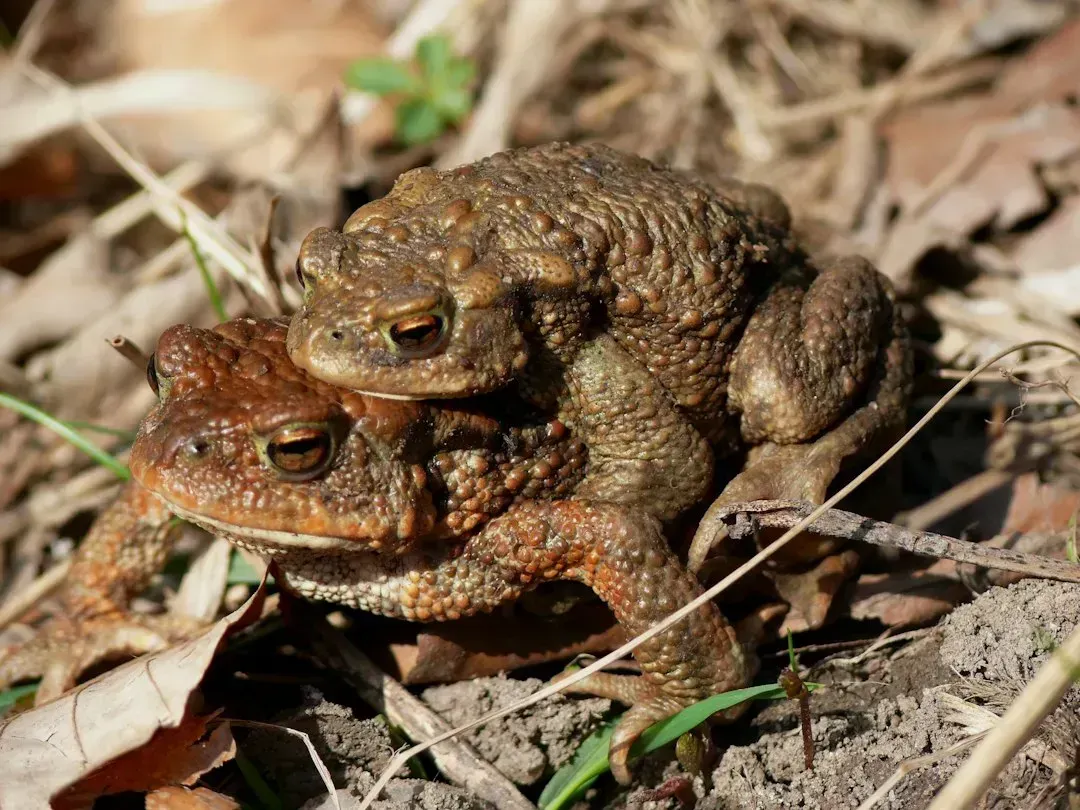
The L’Aquila toad study, published in 2010 in the Journal of Zoology, is one of the best known cases. Biologist Rachel Grant had been monitoring the toads for other reasons, so she had data on their numbers before the quake. Male toad numbers dropped sharply about five days before the main shock, and spawning stopped.
The finding is intriguing, yet it comes from a single site and a single event. The researchers suggested the toads may have reacted to changes in the environment, such as charged particles or gases released from rock. Nobody has confirmed that mechanism, and the study is still a case report, not proof of prediction.
Farm Animals Becoming Restless

In 2020, researchers from the Max Planck Institute of Animal Behavior published a study in the journal Ethology. They fitted cows, sheep and dogs on a farm in central Italy with motion sensors, and the region was then hit by a series of earthquakes. The animals showed unusually high activity in the hours before the quakes, and the effect grew stronger the closer the animals were to the epicenter.
It was a small study, and the authors were careful about its limits. Still, it was notable because it used measured movement rather than anecdotes. The team has continued working on larger tracking projects, including satellite based animal monitoring.
Snakes Leaving Their Winter Dens
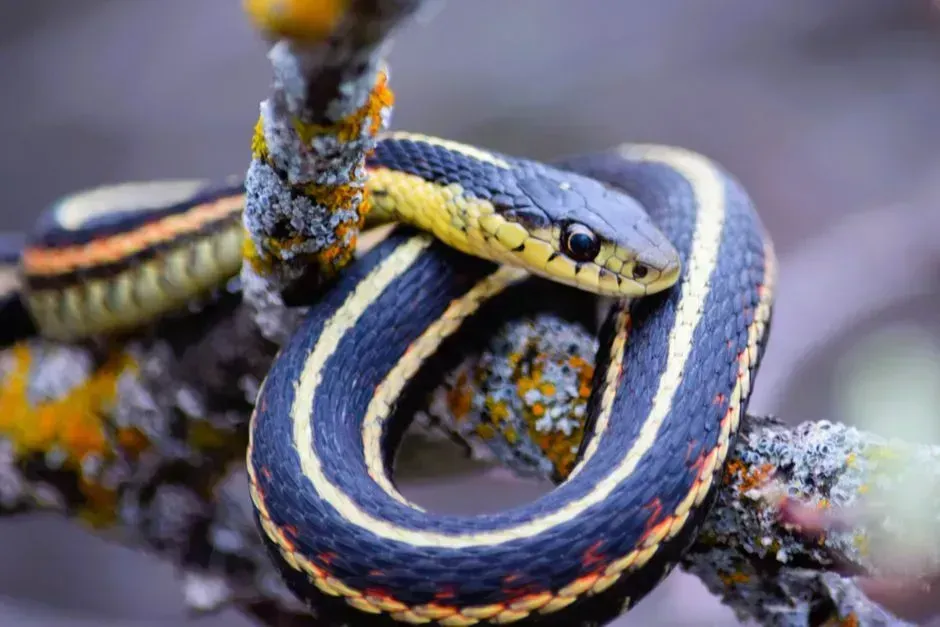
Before the 1975 Haicheng earthquake in China, officials reported odd animal behavior, including snakes emerging from hibernation in cold weather. Along with foreshocks, those reports contributed to an evacuation order that likely saved many lives. Haicheng is often cited as a rare successful warning.
Yet the next year the Tangshan earthquake hit without a comparable warning, and it killed hundreds of thousands of people. The U.S. Geological Survey says that no one has reliably predicted a major earthquake, including its exact time, place and size. Animal reports from Haicheng were gathered partly after the fact, which makes them hard to evaluate.
Sharks Heading for Deeper Water Before Storms

Storm warnings are one area where animal behavior has been measured reasonably well. In 2001, researchers at Mote Marine Laboratory in Florida tracked blacktip sharks in Charlotte Harbor. As Tropical Storm Gabrielle approached, the sharks moved to deeper water, and the shift seemed to come before the storm arrived.
The likely trigger is a drop in barometric pressure, which many marine animals can detect. It’s a plausible and testable explanation, which makes it more convincing than most claims about earthquakes. Pressure sensing is also something meteorologists already measure directly, so the animals aren’t ahead of the forecasts.
Warblers Dodging a Tornado Outbreak

In April 2014, a powerful tornado outbreak struck the southern United States. Researchers had earlier tagged golden-winged warblers with tiny geolocators in Tennessee. A 2018 study in Current Biology reported that the birds left their breeding grounds a day or two before the storms and flew hundreds of kilometers to avoid them.
The scientists proposed that the birds heard infrasound, very low frequency sound produced by severe storms that humans can’t hear. That idea fits what is known about how sound travels. It remains a hypothesis, though the timing of the birds’ departure was well documented.
Elephants and Wildlife Before Tsunamis

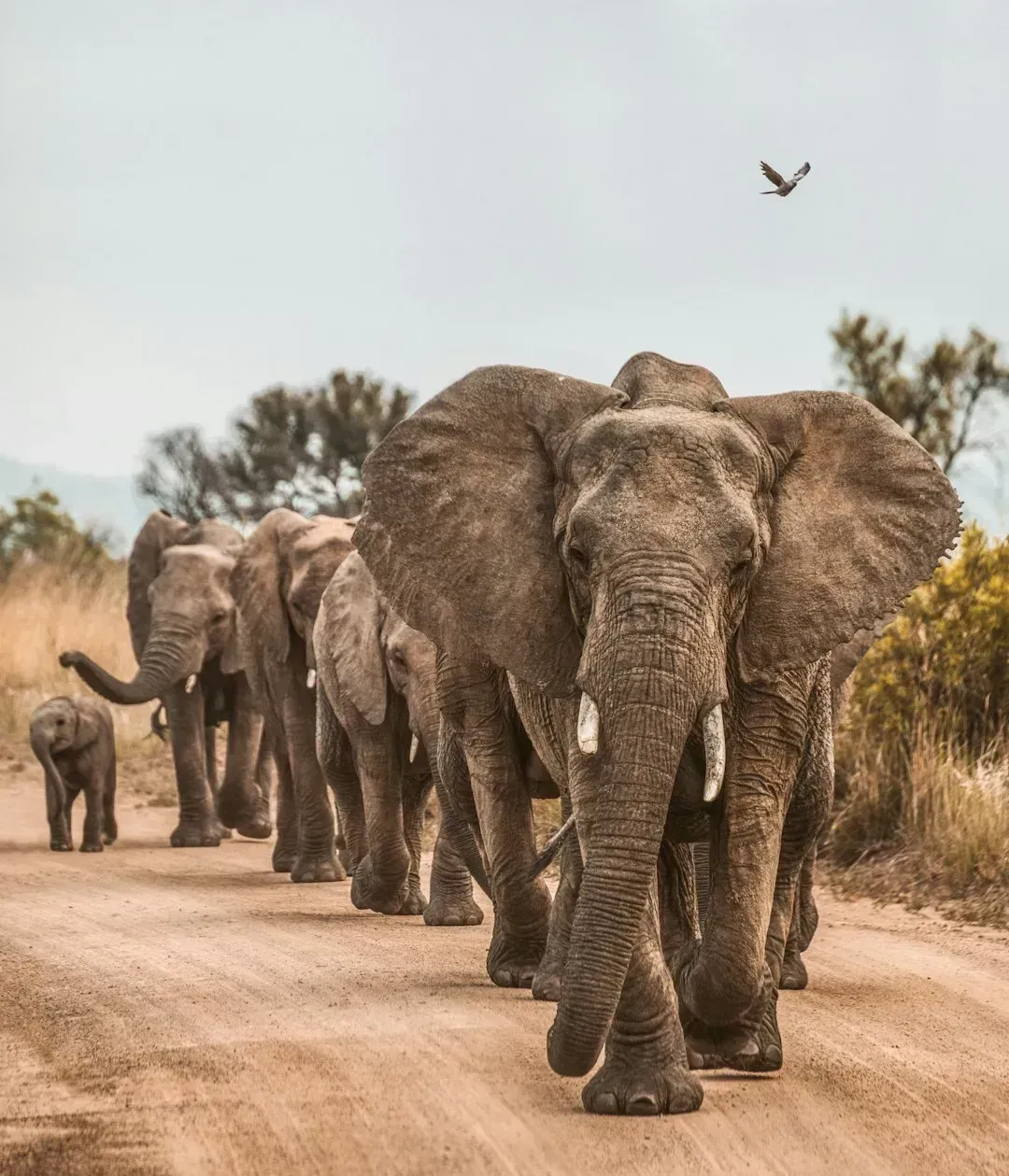
After the 2004 Indian Ocean tsunami, reports spread that elephants and other wildlife had moved to higher ground. Observers in Sri Lanka and Thailand described such behavior, and officials in Sri Lanka’s Yala National Park noted few animal deaths relative to the destruction. These accounts helped fuel the public belief in animal early warning.
Still, most of the evidence is anecdotal, and survivorship is hard to measure after a disaster. Some animals may simply have been in places that were less exposed. Wave arrival times also vary a lot, so any warning would likely come only minutes before impact.
Pets Reacting Seconds Before the Shaking

Earthquakes release different seismic waves. The faster P waves arrive first and are weak, while the slower S waves cause most of the damage. Some animals may sense the early waves and react in the few seconds before the strong shaking begins.
This explanation is more modest than hours of advance warning, and it doesn’t require any mysterious signal. Humans can sometimes feel the early waves too, though people often miss them. Earthquake early warning systems, such as those in Japan and on the U.S. West Coast, use this same timing gap with sensors.
What Researchers Still Can’t Say
Taken together, the evidence shows that some animals change their behavior before certain events. Weather related signals like pressure drops and infrasound have the strongest support. For earthquakes, the studies are suggestive but small, and no animal based system has been shown to work reliably.
That’s why agencies continue to rely on seismic networks, ocean buoys and weather forecasts for official warnings. Larger animal tracking projects may eventually test the idea more rigorously. Until then, unusual animal behavior is a curiosity worth recording, not a signal to act on alone.
