


- The Planet Where It Rains Liquid Glass – 7 Alien Worlds Defying Known Physics - November 14, 2026
- Stars Consuming Entire Worlds – 6 Planetary Systems Swallowing Their Own Worlds - November 14, 2026
- The Ground Liquefies Like Water – 6 Silent Fault Lines Geologists Watch Closely - November 14, 2026
A carbon-neutral label usually rests on a simple purchase. A company buys credits, retires them, and says its emissions have been cancelled out. Whether that claim holds depends almost entirely on what stood behind each credit.
Over the past two years, independent researchers have tested those credits against real-world data. Their findings point to six recurring weak spots, and the price of a credit often tells you something about which ones are present.
Projects That Would Have Happened Anyway

The core test for any offset is additionality. The emissions reductions from the project would not have occurred without the offset payment. If a wind farm or a forest was going ahead regardless, the credit pays for nothing new.
The evidence here is uncomfortable. One analysis of wind projects in India found that at least 52 percent of the projects are non-additional. A 2025 review in the Annual Review of Environment and Resources reached a similar conclusion, reporting that most offsets are tied to projects that would have occurred regardless. A buyer who purchases such a credit gets a certificate, but the atmosphere gets nothing extra.
Inflated Deforestation Baselines
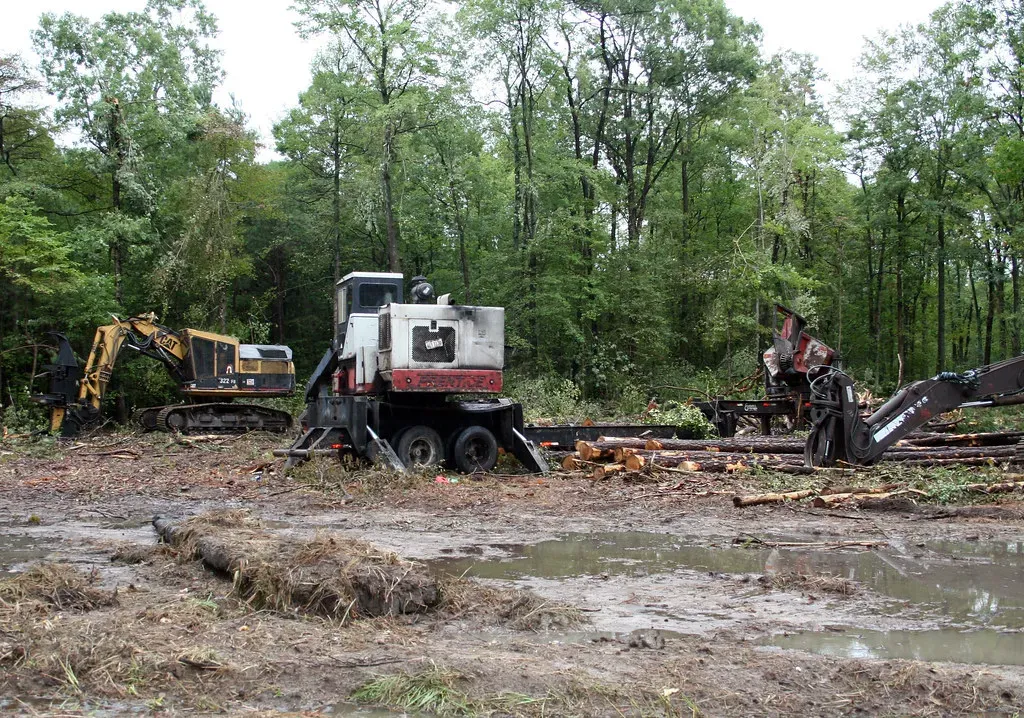
Avoided deforestation credits depend on a counterfactual, a guess about how much forest would have been cut without the project. If that guess is too gloomy, the project looks far more successful than it was. A 2025 synthesis of six independent evaluations covering 44 REDD+ projects tested this directly.
The result: most projects reduced deforestation, but they claimed an aggregate of 10.7 times more avoided deforestation than independent estimates justify. So the projects did something, just a small fraction of what was sold. The authors tied the gap to selection bias in control areas and modelling approaches, and they argued that ex post certification is needed.
Cookstove Credits Built on Generous Assumptions

Efficient cookstove projects sound like an easy win, since they cut fuel use in households that rely on wood or charcoal. The catch lies in the assumptions used to convert stove sales into tons of avoided carbon. A 2024 study assessed five cookstove methodologies and ran a full over and under crediting analysis.
It estimated that the project sample was over-credited 9.2 times. Some factors pushed the other way, such as ignoring non-CO2 gases in certain protocols, but the overall direction was clear. Overstated usage and fuel savings carried the most weight, which means the credit count can run well ahead of the real climate benefit.
Regional Averages That Overstate Forest Carbon

Not every loophole involves a distant rainforest. California’s compliance offset program, the largest forest offset market in the United States, has drawn heavy scrutiny. A study digitized comprehensive offset records and found that using coarse regional carbon averages led to systematic over-crediting of 29.4% of the credits analyzed.
That is nearly thirty percent, in a regulated program with official oversight. The US Government Accountability Office noted that all five studies in its review that assessed additionality or overcrediting estimated that some credits likely did not represent additional emissions reductions. Regulation, in other words, does not guarantee accuracy.
Leakage, or Emissions That Simply Move
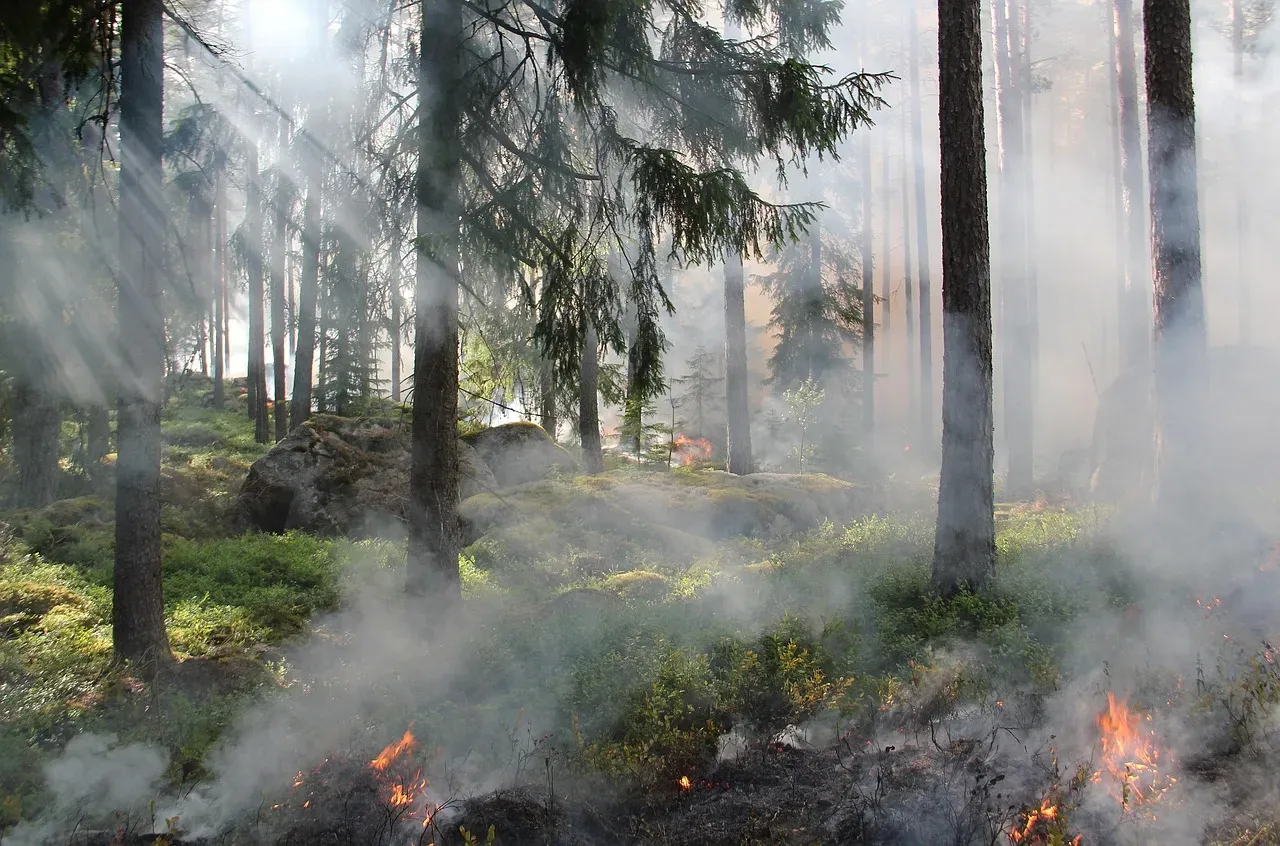
Protecting one patch of forest can push loggers or farmers to clear another. When that happens, the emissions haven’t disappeared, they’ve relocated. Researchers call this leakage, and it can quietly erase a project’s claimed benefit.
The 2025 review mentioned above notes that some forest offset projects fail to consider leakage, so emissions may shift elsewhere and lead to overcrediting. The cookstove research adds that uncertainties remain regarding leakage and black carbon. Buyers rarely see this accounting, because the credit only describes what happened inside the project boundary.
Cheap Prices and Weak Permanence
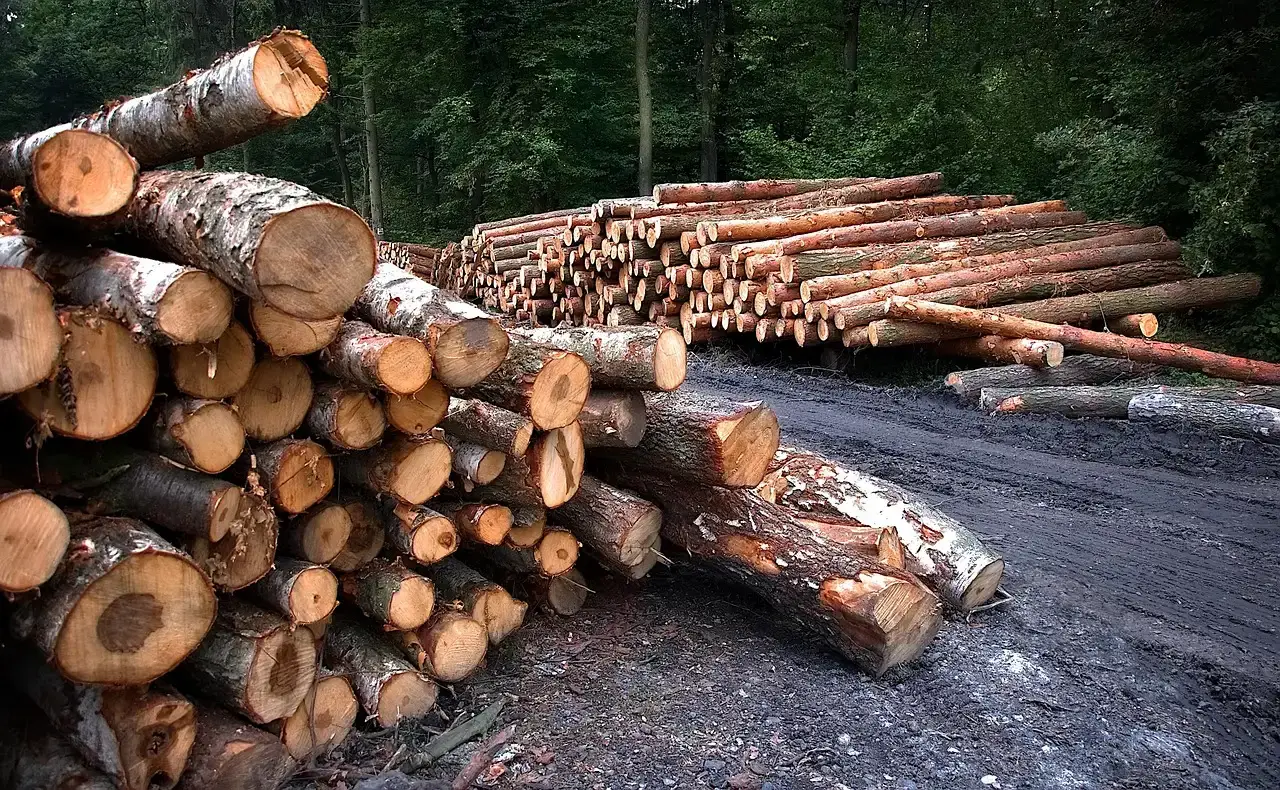
Price is the loophole that ties the others together. A Canadian study of working forests in New Brunswick found that at a carbon price of $8 per ton, the benefits of extra sequestration cannot offset the cost or lost timber income. At that level, real additionality is hard to buy, and projects lean on generous accounting to stay profitable.
Permanence is the second half of the problem. Published work on the California protocol finds over-crediting in additionality, baselines, leakage and reversal risks, and incentives that increase fire risk. The 2025 REDD+ authors argue that forest credits are underpriced relative to permanent removals, and fixing the base price would remove most of the financial pressure driving over-crediting.
What the Evidence Leaves Standing
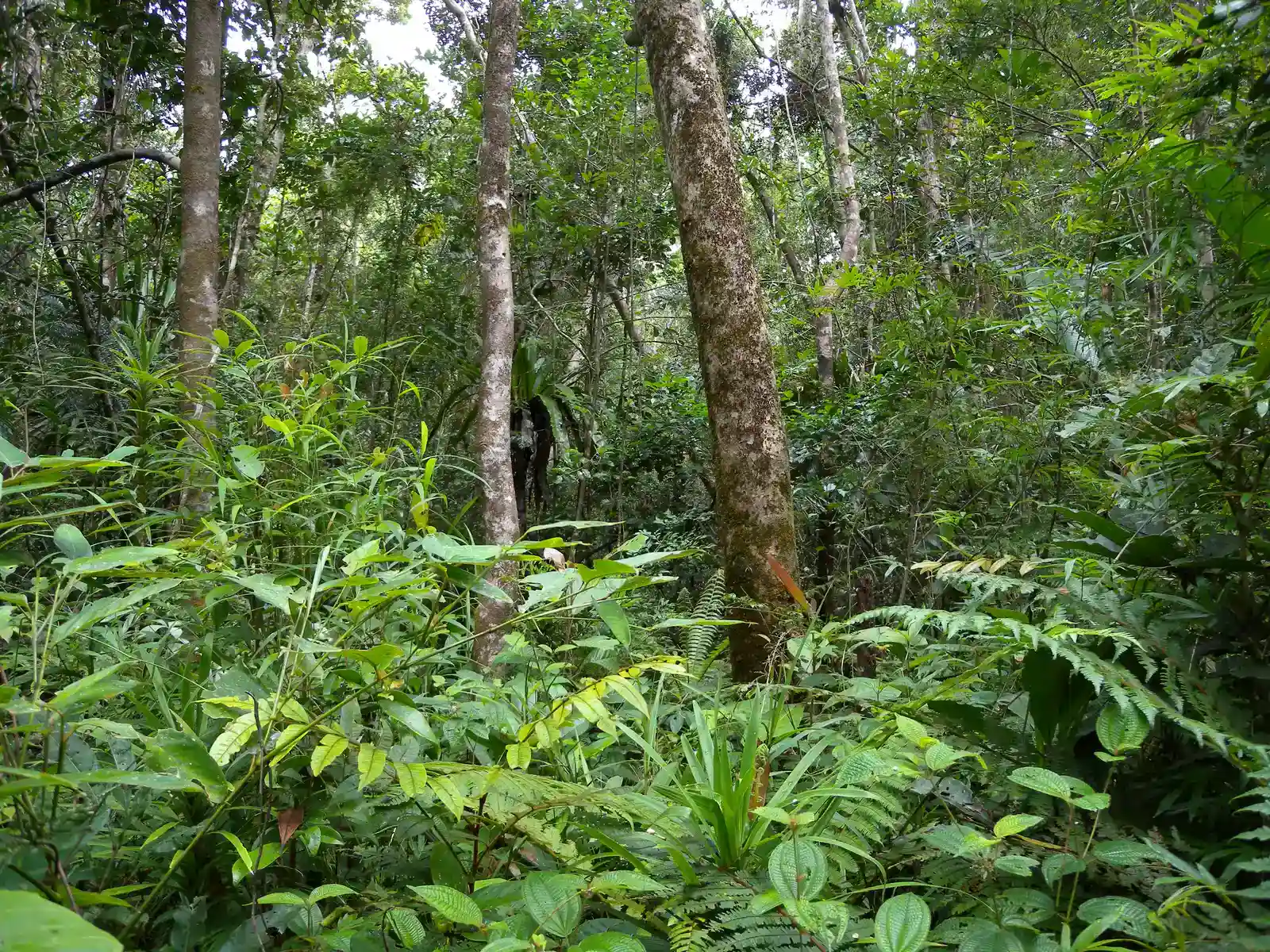
The research doesn’t say every credit is worthless. In the REDD+ synthesis, two projects from Madagascar and one from Peru had a mean over-crediting ratio below one. Most projects also did slow deforestation, just by less than certified.
That leaves a practical reading of any carbon-neutral claim. The questions that matter are whether the project was truly additional, how its baseline was set, whether leakage and reversal were counted, and what price was paid per ton.
