

- The Planet Where It Rains Liquid Glass – 7 Alien Worlds Defying Known Physics - November 14, 2026
- Stars Consuming Entire Worlds – 6 Planetary Systems Swallowing Their Own Worlds - November 14, 2026
- The Ground Liquefies Like Water – 6 Silent Fault Lines Geologists Watch Closely - November 14, 2026
Rain is one of the most ordinary things on Earth. Elsewhere in the galaxy, astronomers have found worlds where the same basic process of vapor cooling into droplets produces something far stranger. The droplets might be glass, iron, or something we haven’t pinned down yet.
None of these planets break the laws of physics. They stretch our intuition about what those laws can produce when a planet sits very close to its star. Here are seven worlds where the weather, density or surface seems wrong at first glance.
HD 189733 b, the glass rain world
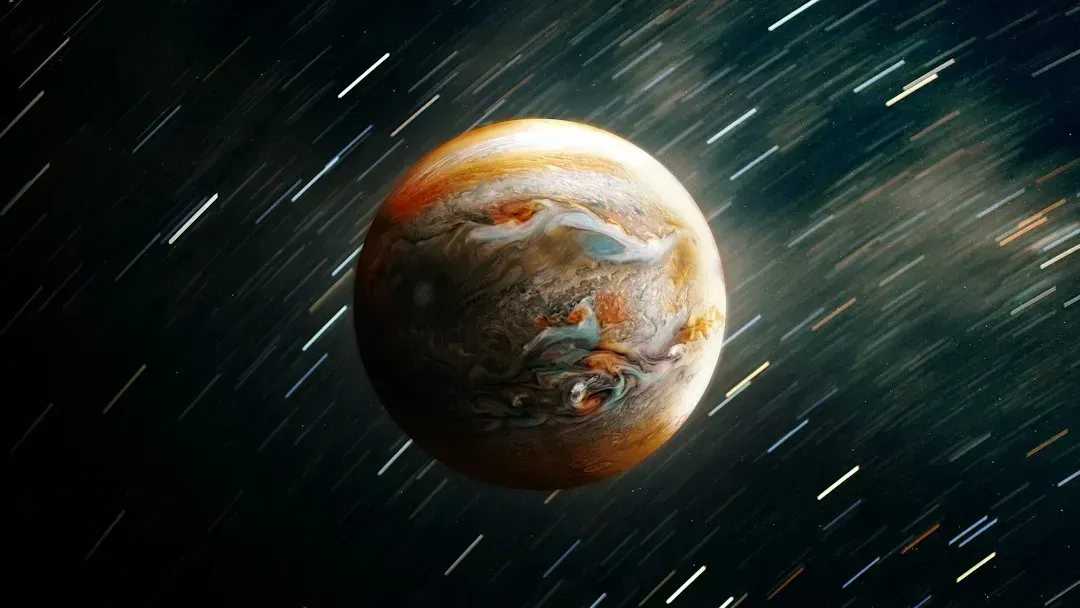
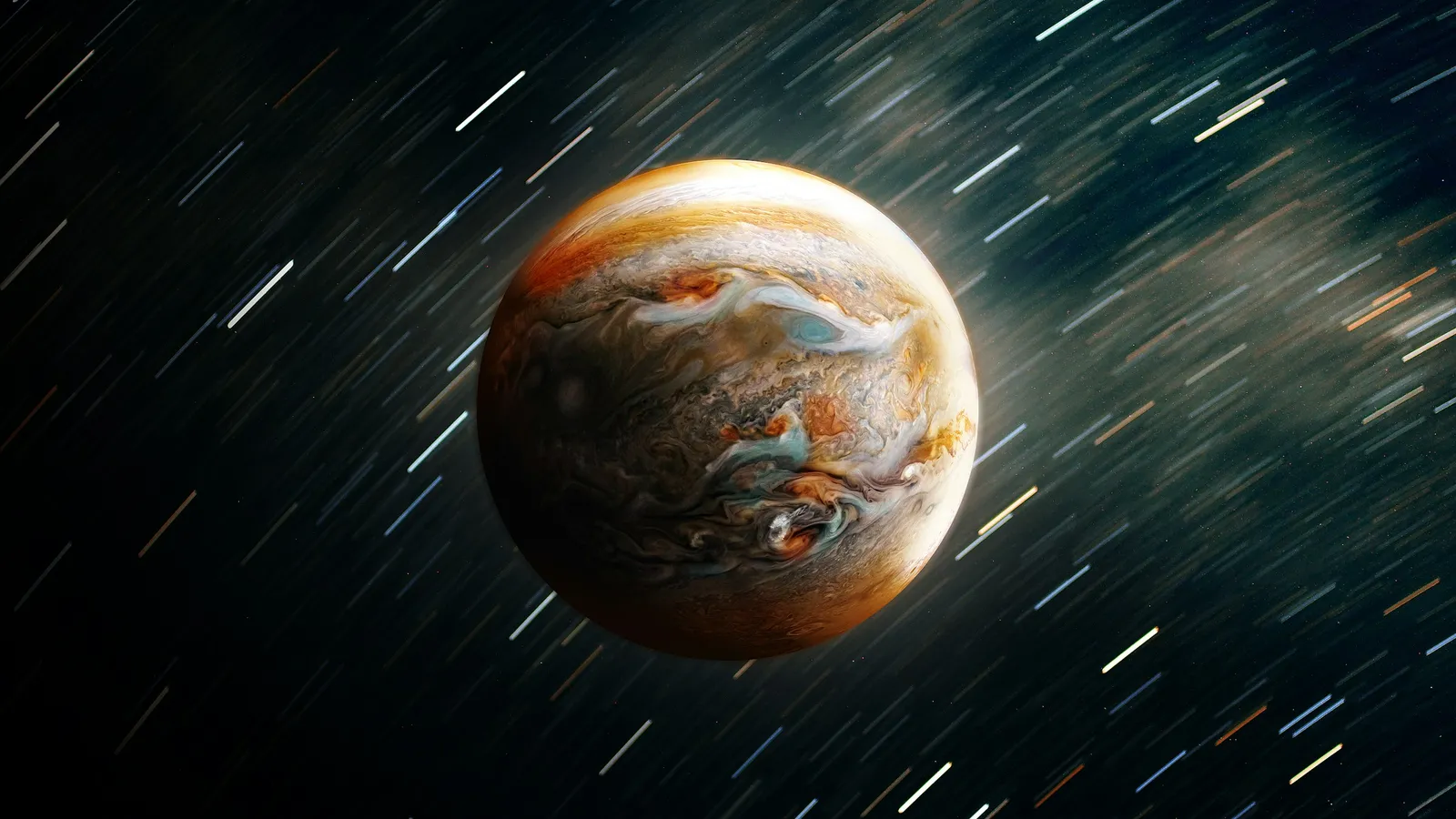
This planet is a gas giant in the constellation Vulpecula. It’s around 1.13 times the size and mass of Jupiter. Its hot atmosphere and glass laced clouds give it a deceptive blue and white marble look.
The weather comes from its orbit. It’s tidally locked, and the dayside heat is enough to vaporize glass. Winds of about 5,000 mph carry that vapor to the cooler nightside, where it condenses into glass rain. Because of those winds, the rain slices sideways at high speed instead of simply falling.
WASP-76 b, where iron falls from the sky
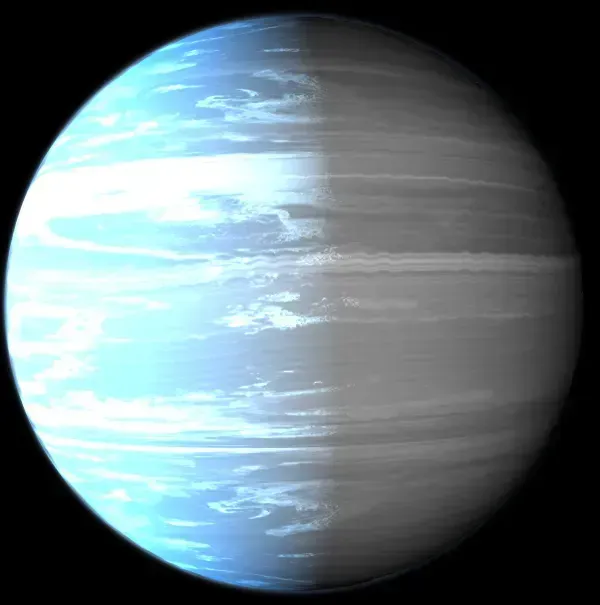
WASP-76 b is another tidally locked giant, about 640 light years away. Its day side gets so hot that iron evaporates into the atmosphere. Winds carry the iron to the night side, where it cools.
The detection came from the ESPRESSO instrument on the Very Large Telescope in Chile, reported in 2020. That instrument made the discovery. The evidence is chemical, since astronomers saw iron vapor on the hot side that was missing at the evening edge, so the rain itself is inferred rather than photographed.
WASP-193 b, the cotton candy planet
Not every oddity involves heat. Confirmed in 2023, WASP-193 b is one of the lightest, fluffiest planets ever observed. It’s roughly one and a half times Jupiter’s width yet carries only a small fraction of Jupiter’s mass.
That makes its average density lower than almost any known gas giant, closer to the texture of its nickname than to a typical planet. Researchers detailed the findings in Nature Astronomy, and a companion study in The Astrophysical Journal examined an extended, low density atmosphere around it. Standard models of planet formation and inflation have a hard time explaining such a puffy world.
55 Cancri e, a possible lava world
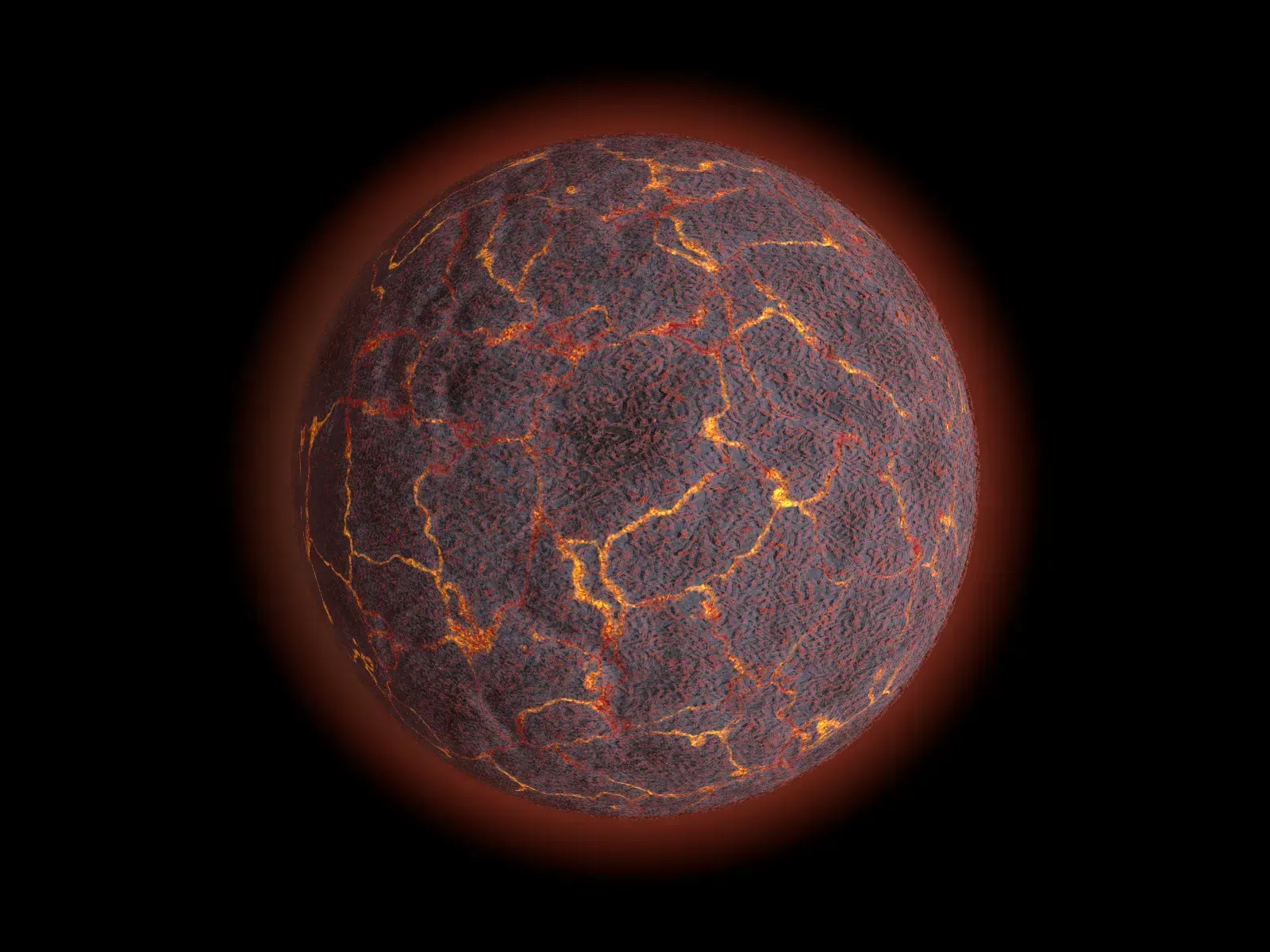
This one is small by comparison, a rocky super Earth. Located about 41 light years away, 55 Cancri e is masked by a thick atmosphere that may hide a surface covered entirely in lava. It circles its star in under a day, which is why conditions are so extreme.
The planet is useful because it’s one of the few rocky worlds where astronomers can study an atmosphere at all. Its brightness has been seen to vary over time, which fits the idea of shifting gas or molten surface activity. The picture isn’t settled, and the word may in the lava claim is doing real work.
HD 209458 b, the planet with a comet tail
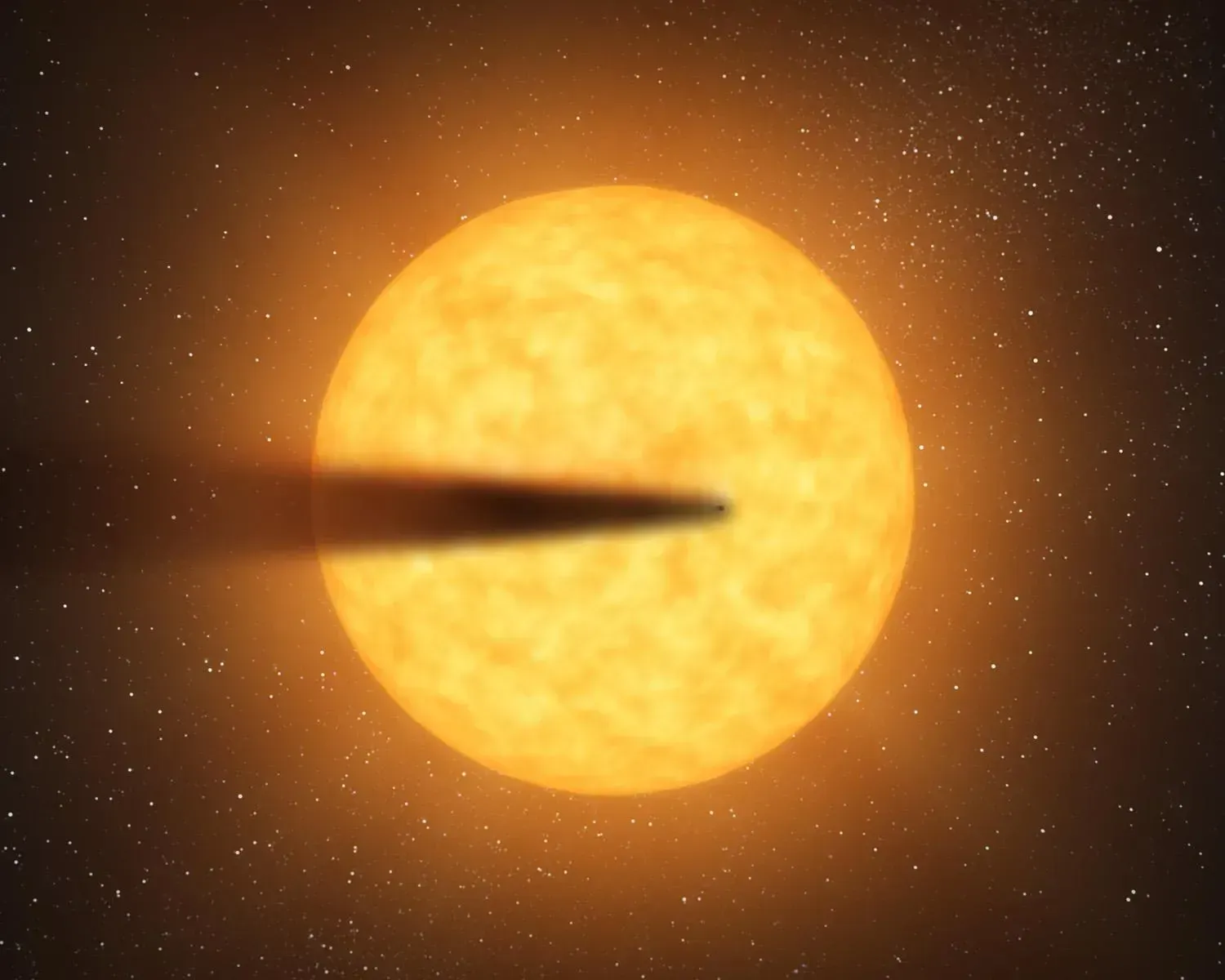
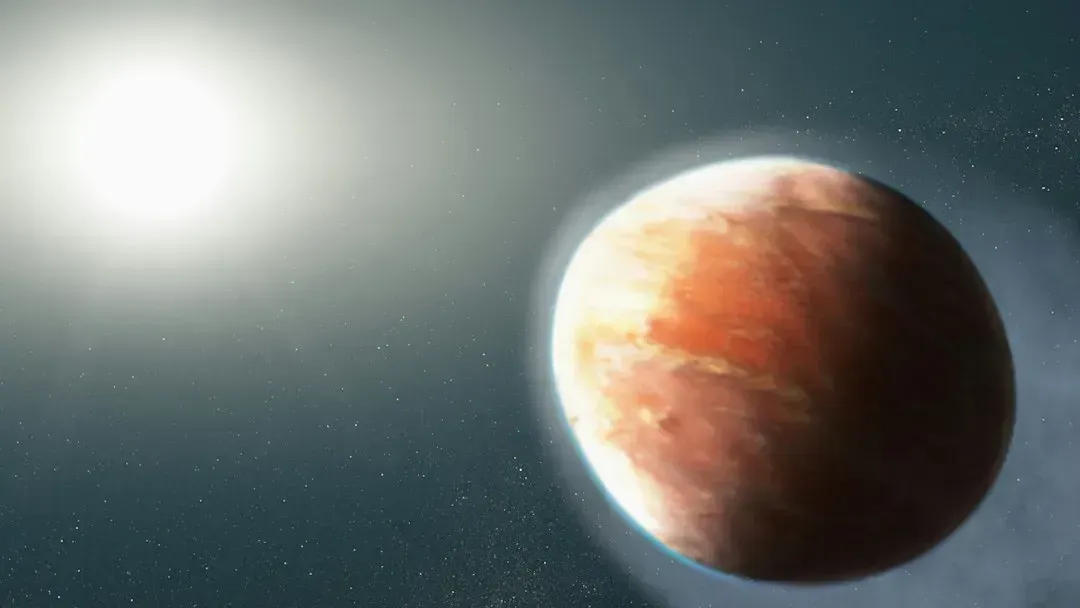
HD 209458 b was among the first planets studied closely this way. It orbits so close to its star that its thick atmosphere is evaporating, giving it a tail like a comet stretching behind it. That makes it a planet slowly losing material to space.
It also carries historical weight. It and HD 189733 b were the first two planets to be directly observed with spectroscopy. Much of what we know about how atmospheres escape started with this single target.
WASP-121 b, an ultra hot giant on a one day orbit
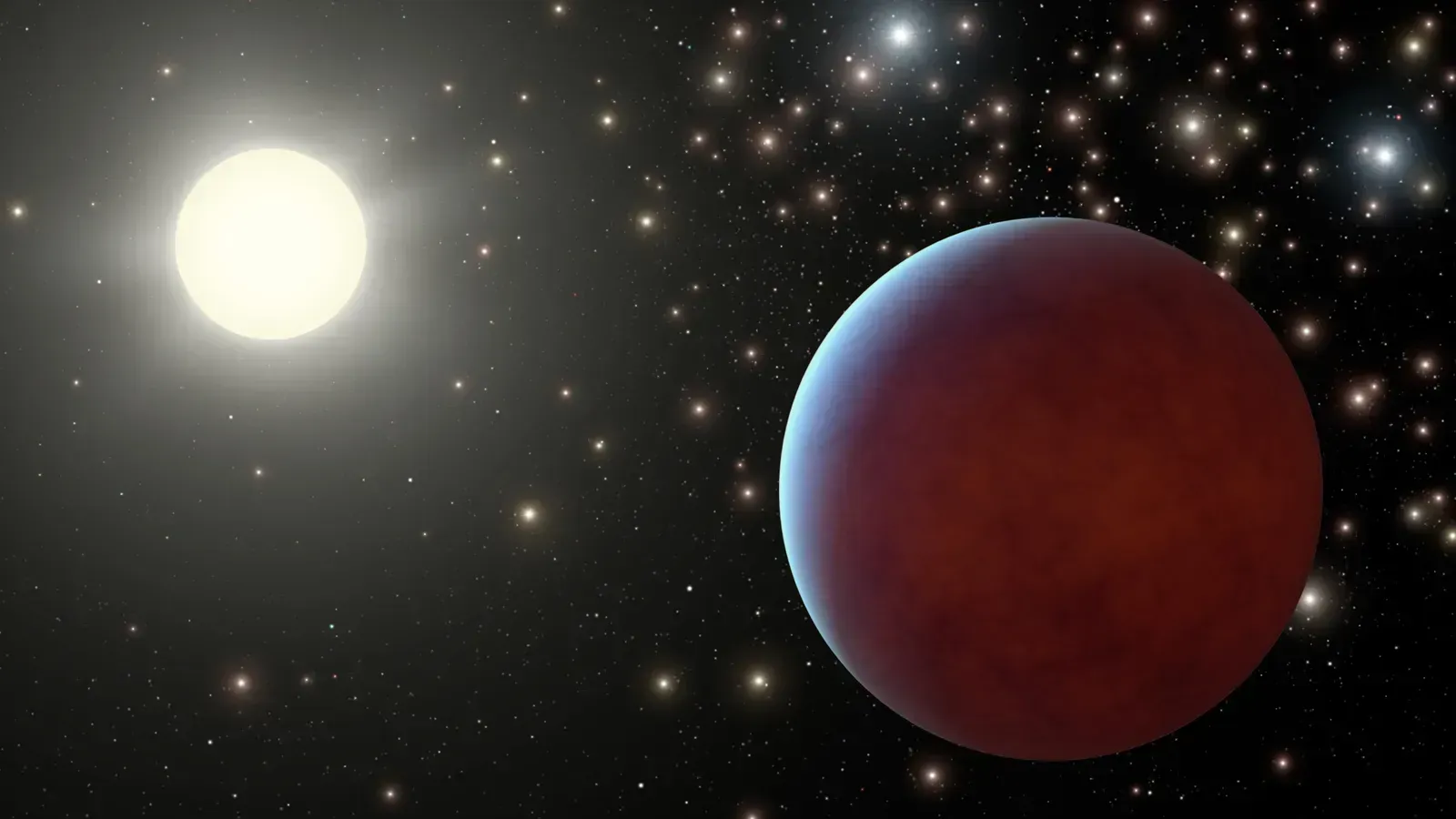
WASP-121 b is a gas giant sitting so near its star that a full year lasts only about one and a quarter Earth days. It sits roughly nine hundred light years from us. Its tidal stretching gives it a slightly lemon like shape in models.
Observations from several telescopes have found metals and other heavy ingredients in its atmosphere, a sign the dayside is hot enough to keep them as gas. Because it’s so extreme and so bright, it’s a repeat target for both ground based and space based instruments. I’d treat its specific chemical details as still being refined, since new measurements keep arriving.
KELT 9 b, hotter than many stars
KELT 9 b orbits a hot blue white star about 650 light years away. Its dayside temperature rises above four thousand degrees Celsius, which is hotter than the surface of many red dwarf stars. At that heat, molecules mostly can’t survive on the dayside.
Astronomers have detected ionized iron and titanium in its atmosphere, which shows how hot it really is. The planet is also believed to be slowly boiling away under intense ultraviolet light. It’s a clear case of a planet pushed close to the boundary between a planet and a star.
Where the Evidence Stands

Glass rain, iron rain and a lava surface are all conclusions drawn from light, not from direct imaging. Spectroscopy reveals which elements are present and where, and models fill in the weather. The James Webb Space Telescope has added detail, including hydrogen sulfide in the atmosphere of HD 189733 b.
Further observations will keep sharpening these pictures, and some details will likely change.
