

- The Planet Where It Rains Liquid Glass – 7 Alien Worlds Defying Known Physics - November 14, 2026
- Stars Consuming Entire Worlds – 6 Planetary Systems Swallowing Their Own Worlds - November 14, 2026
- The Ground Liquefies Like Water – 6 Silent Fault Lines Geologists Watch Closely - November 14, 2026
Drive across almost any desert and you’ll notice a pattern. The ground looks dry for miles, then a single green crown stands against the sand as if it had never heard of drought. That tree is rarely using what falls from the sky.
The answer sits well below the surface. Scientists call plants that tap permanent groundwater phreatophytes, and several desert species have evolved roots that run far deeper than the trees are tall. Here are seven that show how it’s done.
Mesquite, the Root Champion of the American Southwest
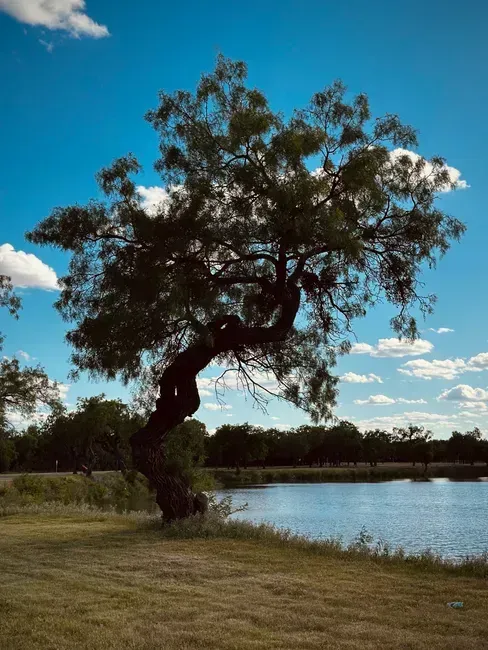
Mesquite trees (genus Prosopis) are the textbook case of deep rooting. Roots have been reported at depths beyond fifty meters, with the most cited records coming from excavations and mine shafts in the Sonoran Desert. That’s far deeper than most people would guess for a tree that often stays under ten meters tall.
Depth isn’t the whole story. Mesquite also grows a wide web of shallow roots that catch brief desert rainfall. This two layer system lets the tree switch between surface moisture and deep groundwater depending on the season.
Shepherd’s Tree, the Kalahari’s Quiet Survivor
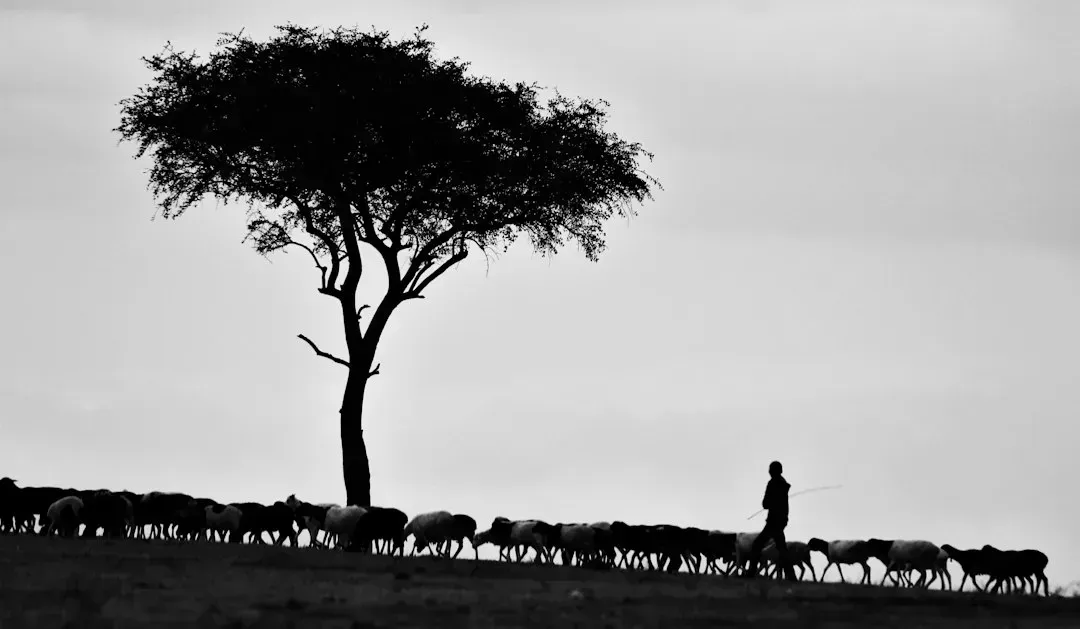
Boscia albitrunca grows across southern Africa, including the Kalahari, where surface water is scarce for most of the year. Its roots have been documented at around sixty eight meters, a figure often cited as one of the deepest measured for a living tree. The record came from a borehole, which is how many of these discoveries happen.
Above ground, the tree is modest, with a pale trunk and a dense evergreen crown. Animals depend on it heavily for shade and browse during dry spells. Its name comes from the shelter it gives herders and their flocks.
e
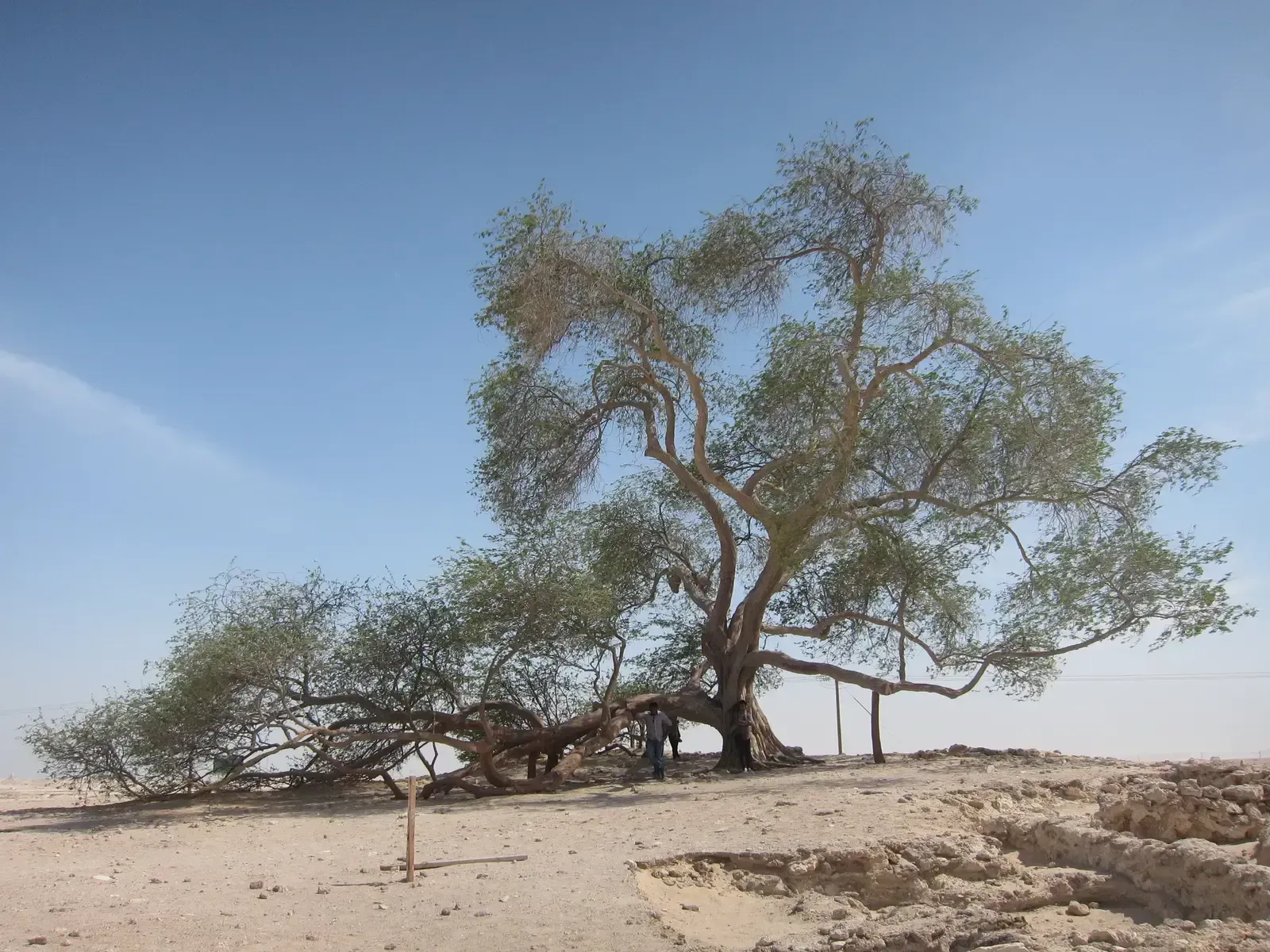
In the Arabian desert of Bahrain stands a lone Prosopis cineraria, commonly called the Tree of Life. It is often described as roughly four centuries old. Nothing visible nearby explains how it lives, which is part of why it draws visitors.
Researchers generally credit deep roots reaching groundwater, though the exact explanation is still discussed. The species, called ghaf in the Gulf, is also the national tree of the United Arab Emirates. It tolerates heat, salty soils and long dry periods, so it has been widely planted in restoration projects.
Acacia Tortilis, the Umbrella of the Sahel
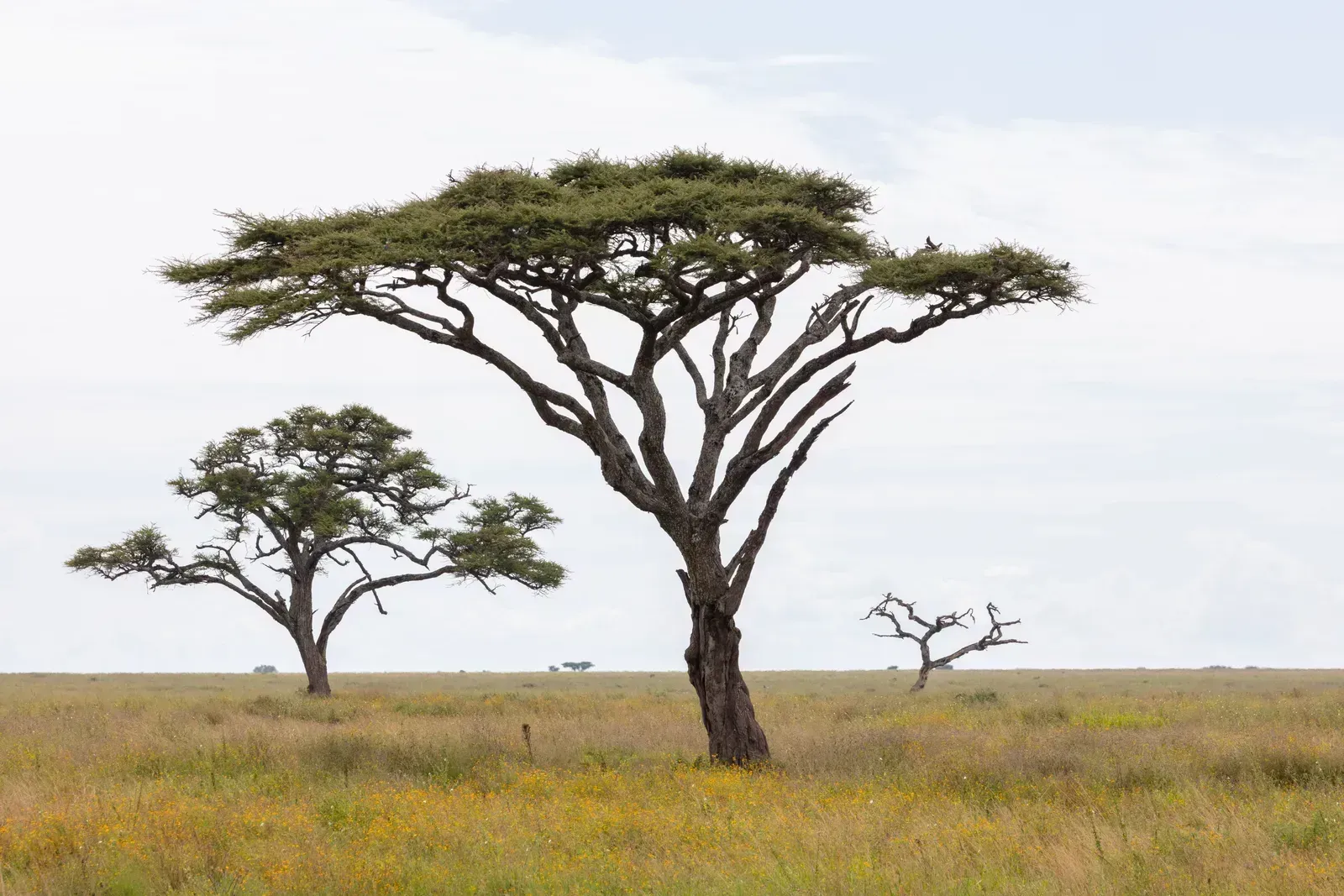
The flat topped umbrella thorn, now often classified as Vachellia tortilis, is the silhouette of African savannas and Arabian wadis. Its taproot can reach groundwater well below the surface, while lateral roots spread out to collect rain. In very dry regions, that mix keeps it alive when grasses have long since turned to dust.
Like mesquite, it is a legume and works with soil bacteria that fix nitrogen. That enriches the ground beneath the canopy, so small pockets of fertile soil form around each tree. Its pods and leaves feed livestock and wildlife in places with little else.
Saxaul, the Sand Binder of Central Asia
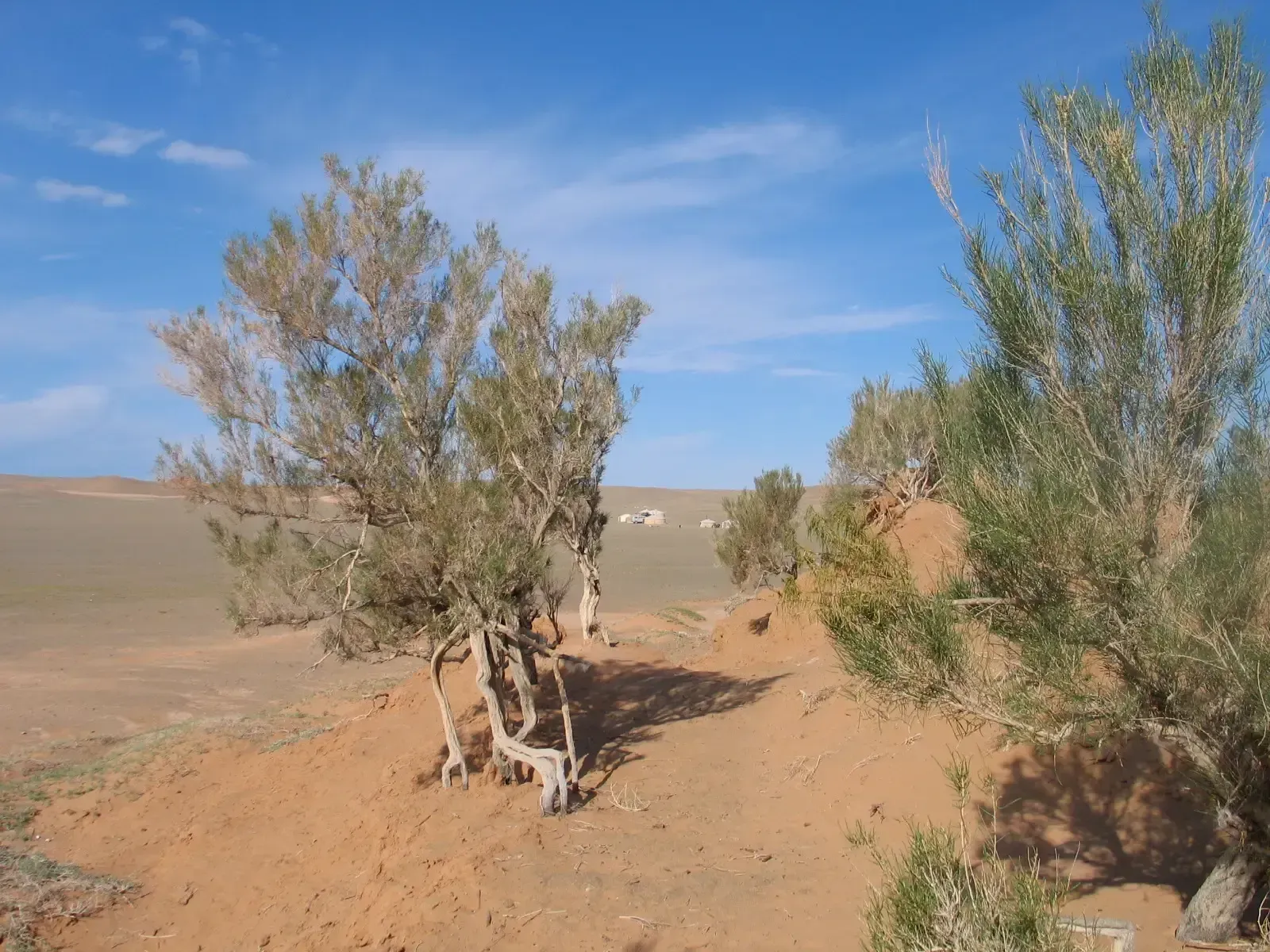
Haloxylon ammodendron grows in the deserts of Central Asia and northern China, including the Gobi. It’s a gnarled, leafless looking tree whose green twigs do the photosynthesis. Its deep roots reach groundwater, which helps it survive in some of the continent’s driest and coldest basins.
Saxaul is also valuable to people. It anchors moving dunes, so it has been planted in large scale sand control programs in China. Wild stands have still declined in many areas because of overgrazing and cutting for fuel.
Date Palm, the Oasis Builder
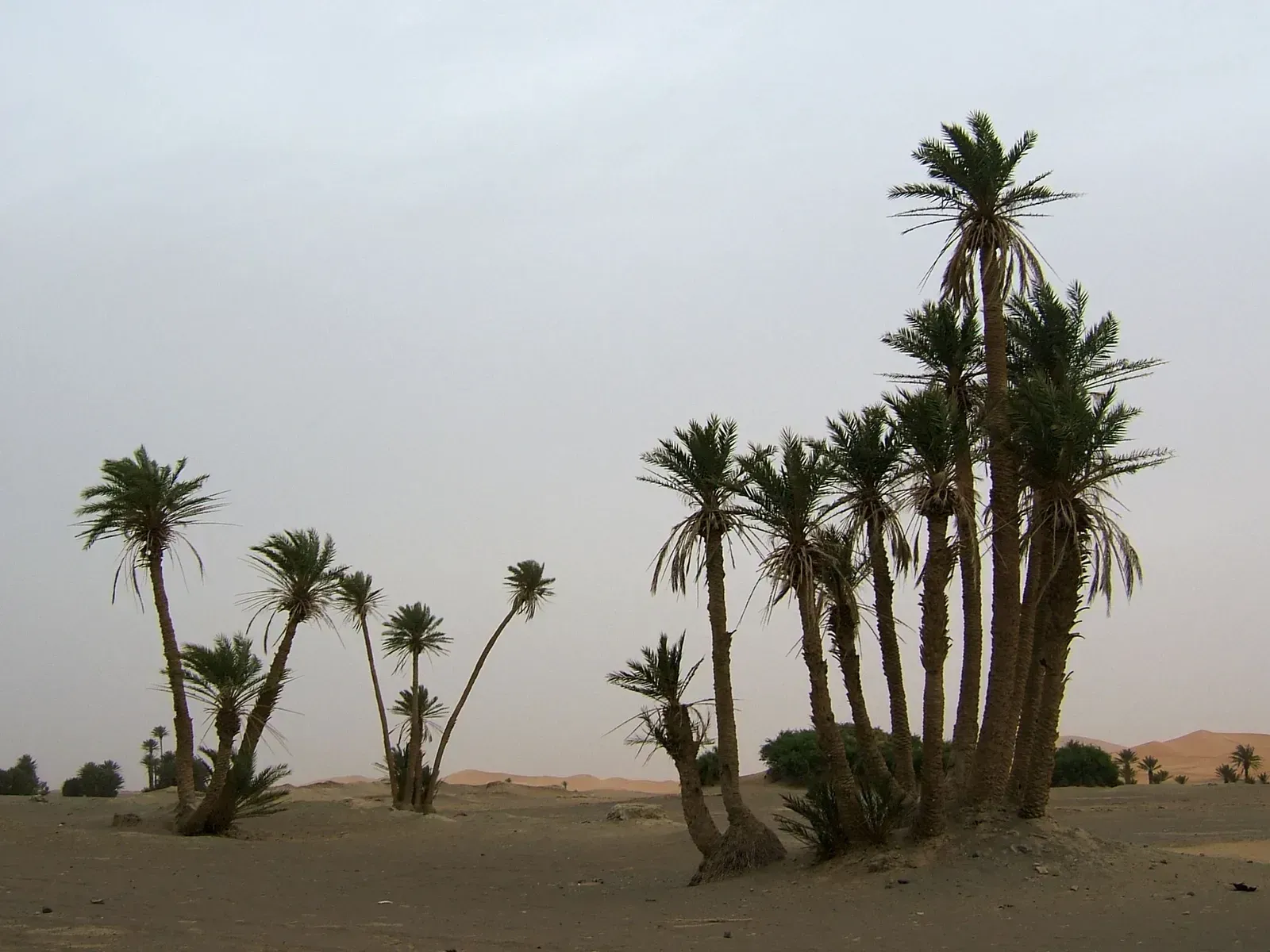
Date palms (Phoenix dactylifera) have shaped desert life for thousands of years. They grow best where groundwater is relatively close, such as oases and river valleys, and their fibrous roots spread to draw on that supply. They tolerate intense heat and fairly salty water better than most fruit crops.
Their shade creates a cooler microclimate underneath, so farmers can grow smaller crops beneath the fronds. Date palms remain a major crop across North Africa and the Middle East. Their dependence on groundwater makes falling water tables a real concern for oasis farming today.
Desert Ironwood, the Slow Keeper of the Sonoran
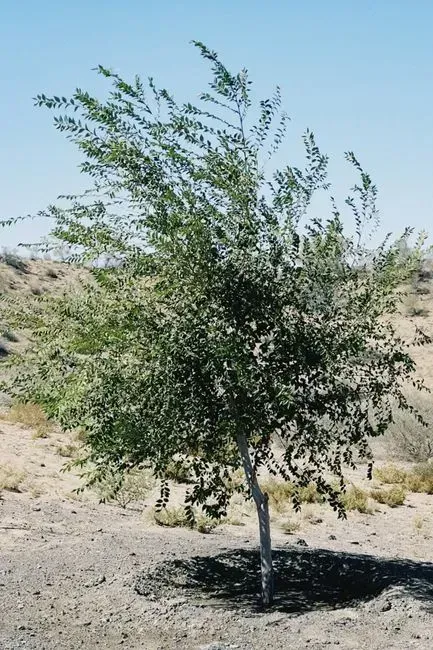
Olneya tesota grows in the Sonoran Desert of Arizona, California and Mexico, mostly along washes where water collects. It is slow growing and long lived, with individual trees often reaching many centuries in age. Its wood is so dense that it sinks in water, which gives the tree its name.
Ironwoods act as nurse trees, sheltering young cacti and other seedlings under their canopies. Hundreds of other species have been recorded living in association with them. In 2001, a large area of Arizona and California was protected as the Ironwood Forest National Monument and the Sonoran Desert National Monument to safeguard these stands.
