

- Phantom Energy Sucking Power 24/7 – 7 Home Electronics Quietly Inflating Utility Bills - November 14, 2026
- A Million-Mile Storm Raging for Centuries – 6 Violent Weather Wonders in Our System - November 14, 2026
- Animals Flee Hours Before the Tremor – 7 Natural Warnings Before Disasters Strike - November 14, 2026
Clean water sounds like a basic expectation, yet the reality on the ground varies wildly depending on where you happen to be born. In some nations you can fill a glass straight from the tap without a second thought, while in others families walk miles just to find a source that won’t make them sick. The gap between these two worlds hasn’t closed nearly as fast as most people assume, even in 2026.
This piece looks at both ends of that spectrum. First, three countries that consistently rank among the best in the world for water purity and infrastructure. Then, five nations where access to safe drinking water remains a daily struggle for a large share of the population, based on the most recent figures from organizations like WHO, UNICEF, and independent environmental researchers.
Iceland
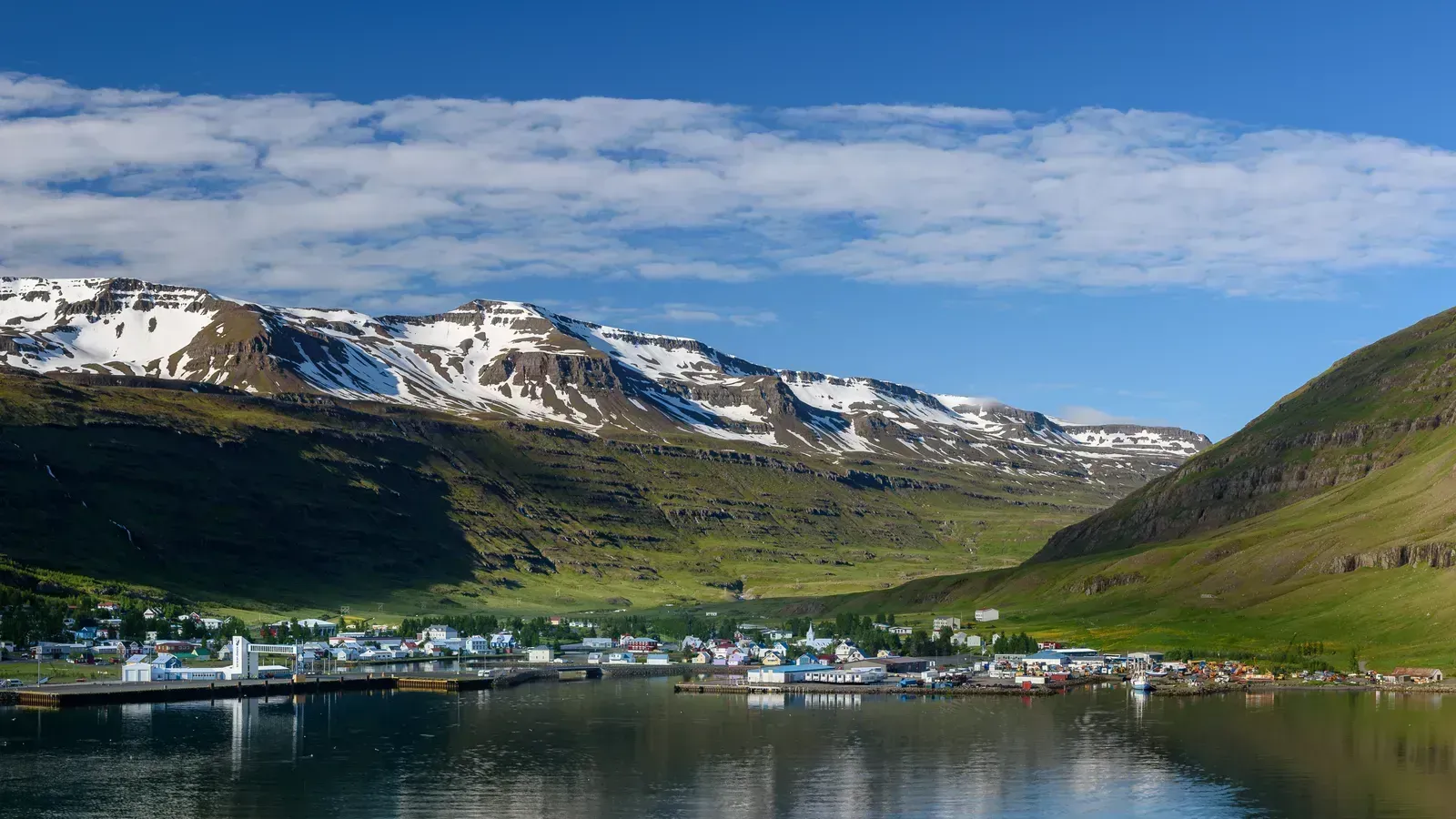
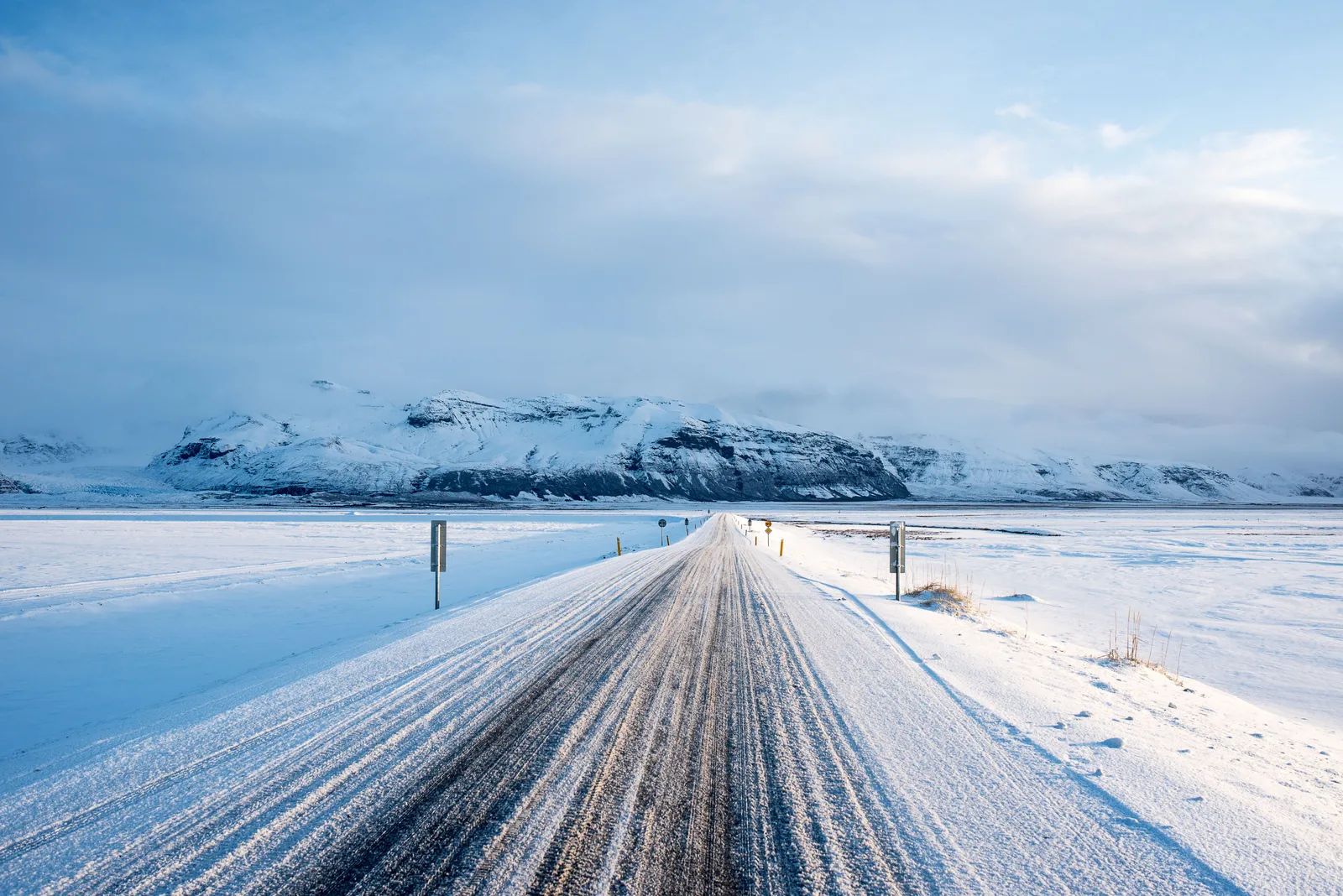
Iceland’s water story starts underground and rarely needs much human intervention. Most of Iceland’s drinking water comes from snow and rain, which filters through porous volcanic rocks underground and is easily accessible from mountain streams, with that natural process doing most of the heavy lifting before the water ever reaches a treatment facility. That’s a rare gift geologically speaking, and it shows in the numbers.
Given the purity of water in Iceland, it doesn’t even need to be treated, and according to Water Technology, only 0.9% of water is treated before it reaches consumers. A recent global cleanliness ranking backed this up further, as a 2025 global cleanliness assessment ranked Iceland as the cleanest country in the world, followed by Switzerland and New Zealand, with water quality as one of the core factors behind that score. Separate data on access confirms the country sits at essentially universal coverage for safe drinking water.
Singapore
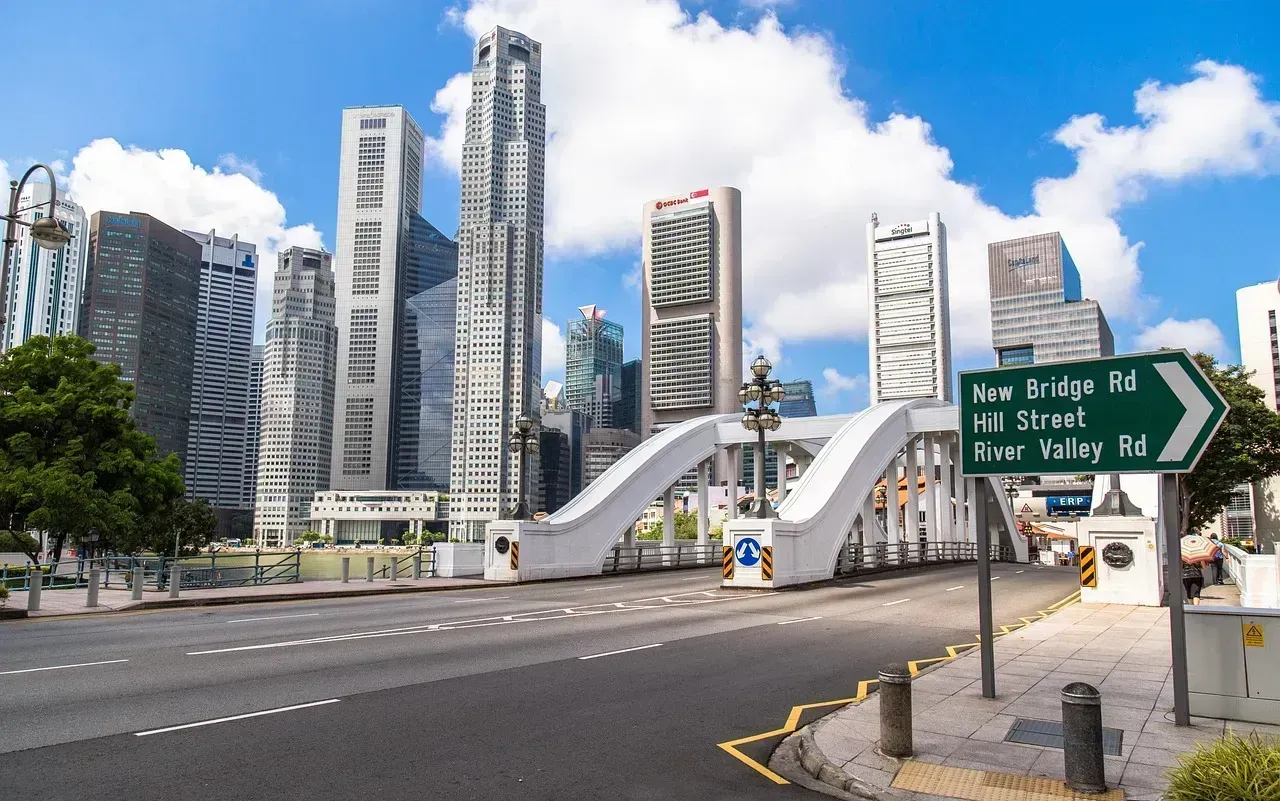
Singapore’s achievement is arguably more impressive than Iceland’s, precisely because it started with so little going for it naturally. The city-state has no major rivers or lakes of its own and limited land for reservoirs, yet it has still managed to guarantee safe water for every single resident.
According to data tracked by global access indicators, Singapore has reached full population coverage for safe drinking water, a rare feat for a country with such limited natural resources, proving that with enough investment, geography doesn’t have to be destiny when it comes to water security. Much of that success comes down to heavy investment in desalination and advanced water recycling systems. Desalination is widely used in Kuwait and Singapore to convert seawater into potable water, a strategy that has effectively turned a resource-poor island into a model for water self-sufficiency.
New Zealand
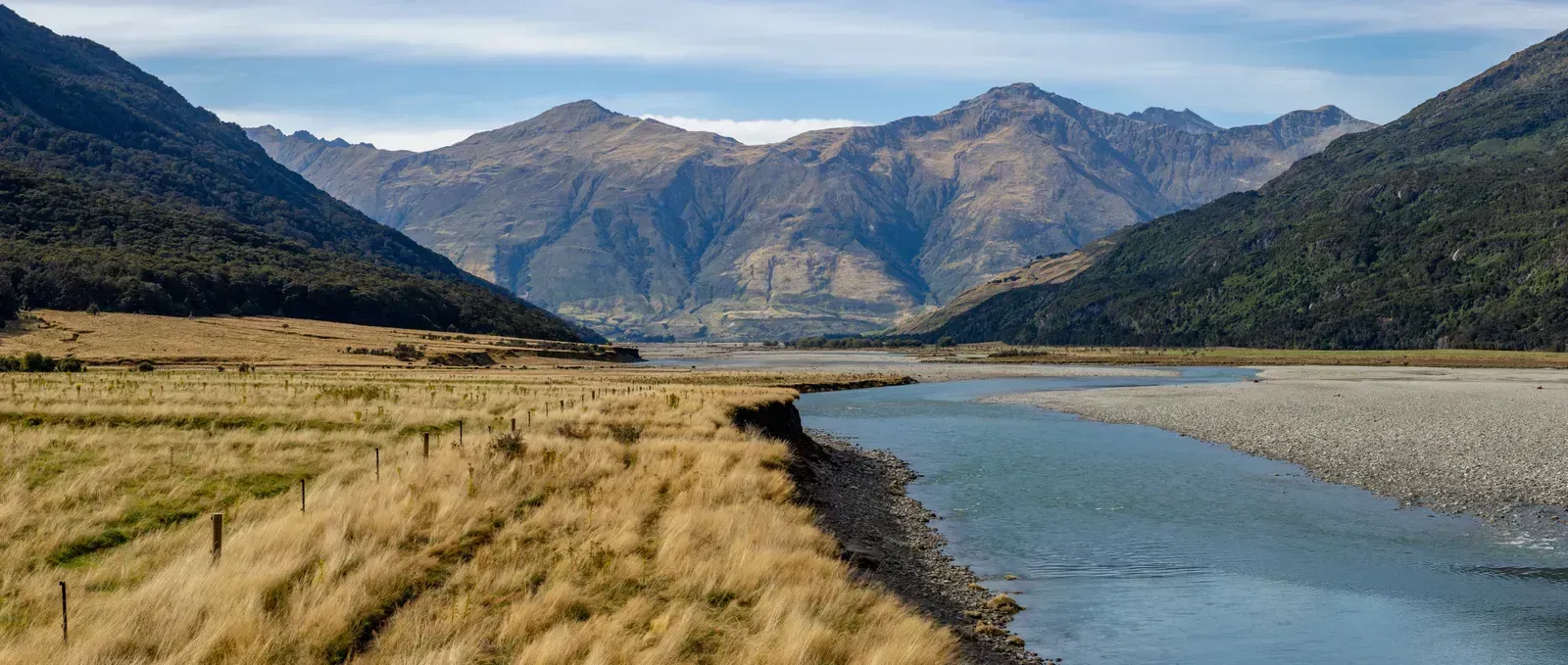
New Zealand benefits from something money can’t easily buy: distance. New Zealand’s isolation from major industrial centers works heavily in its favor, and surrounded by unspoiled natural landscapes, the country offers some of the cleanest water on the planet. Fewer factories and less heavy industry near major water sources mean fewer contaminants to filter out in the first place.
Population density plays a role too. Low population density across much of the country also means less pressure on natural water sources compared to more densely packed nations. Independent rankings have repeatedly placed New Zealand in the top tier globally, and data on access to safe drinking water shows the country effectively at full coverage, alongside places like Iceland and Singapore.
Central African Republic
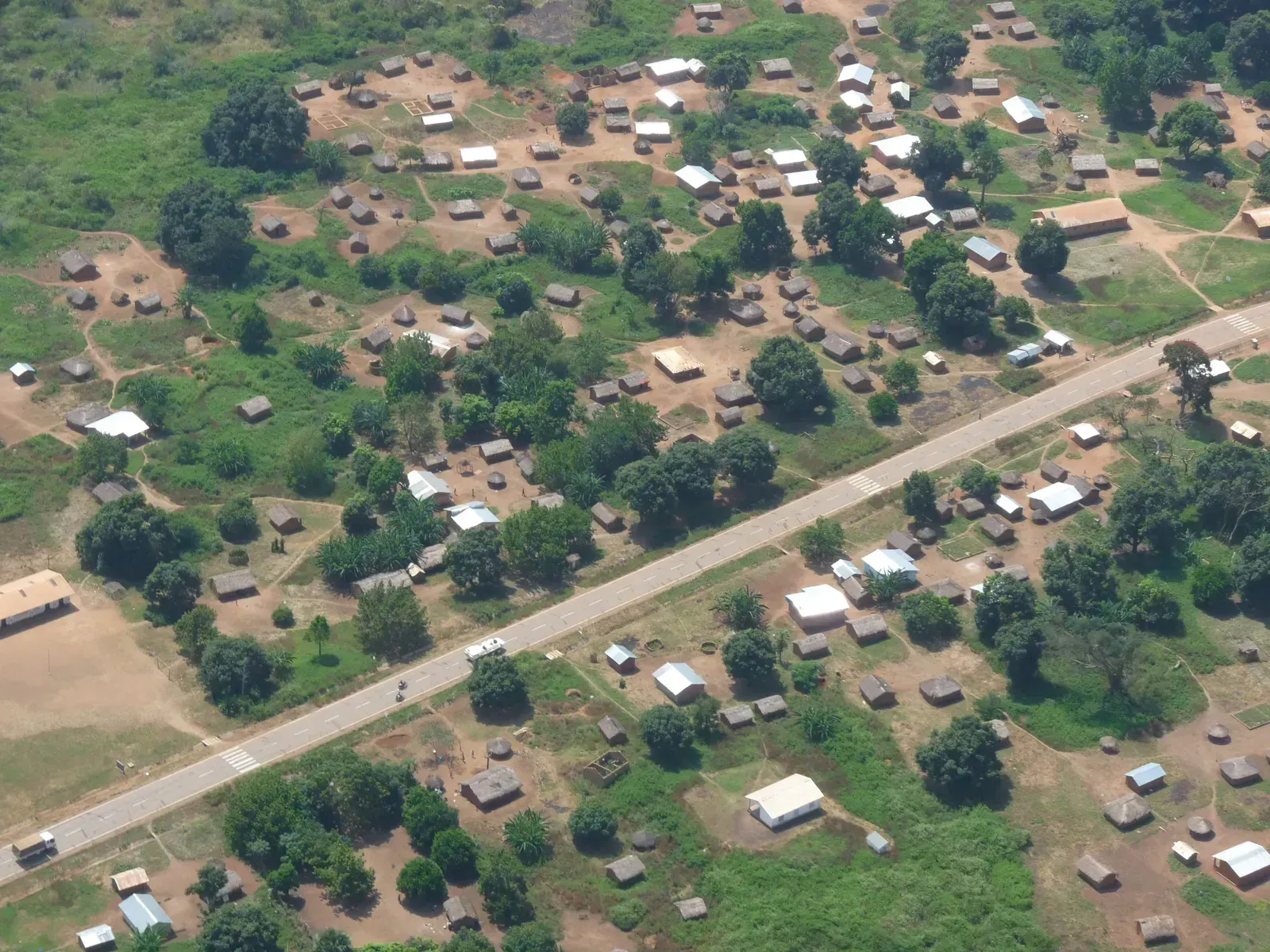
At the opposite end of the spectrum, the Central African Republic faces one of the most severe water crises anywhere in the world. In the Central African Republic and Chad, only six percent of the population has access to safely managed drinking water, making them the countries in the world where the lowest share of the population has access to clean drinking water. That figure alone puts the country near the very bottom of every global ranking on this issue.
Years of instability have made it difficult to build or maintain the infrastructure needed to fix this. The Central African Republic and Chad both reported a lack of access to safely managed drinking water for 93 percent of their respective populations in 2024. Rural communities in particular are left relying on unprotected wells and surface water that carries a constant risk of waterborne disease.
Chad
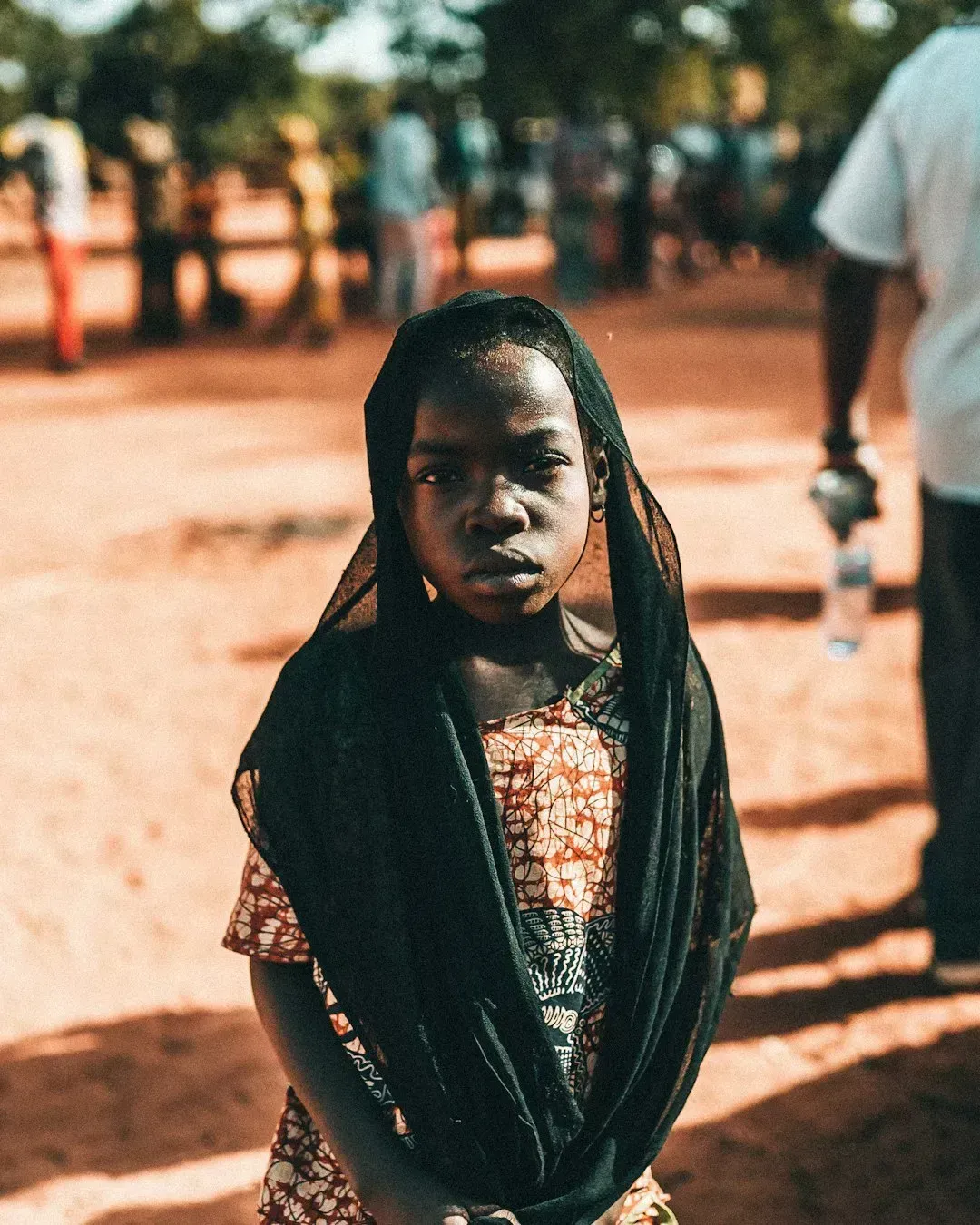
Chad shares almost identical numbers with its neighbor, and the human toll is just as heavy. In Chad, only 1 in 2 children can access clean drinking water, and access to improved sanitation is available to 1 in 10, according to UNICEF. That combination of poor water access and even worse sanitation creates conditions where preventable illnesses spread easily.
Aid organizations have made some inroads, though the scale of need still outpaces what’s being delivered. World Vision assisted 29,000 people in Chad in gaining access to clean drinking water, and 34 communities became certified as free of open defecation, work that included constructing more than four borehole wells for communities, schools, and health facilities. Given the country’s population, these gains, while meaningful, only chip away at a much larger problem.
Democratic Republic of the Congo
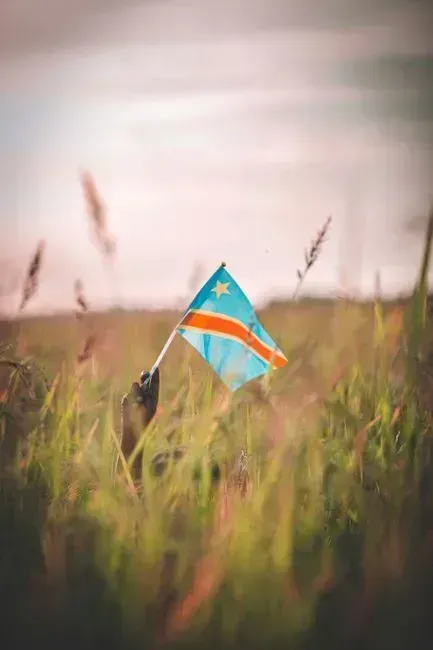
The Democratic Republic of the Congo has struggled for years with water access, and ongoing conflict has made the situation worse rather than better. With violence in eastern DRC increasing in late 2023 and continuing through 2025, aid groups have been responding by providing over 1.5 million litres of drinking water each day to civilians affected by the conflict. That’s an enormous humanitarian effort just to cover basic daily needs.
Infrastructure work continues alongside emergency relief, though the pace remains slow relative to the population’s needs. In 2019, World Vision built and rehabilitated 468 new wells and water points in the Democratic Republic of the Congo and helped more than 125,000 people gain access to clean water, while emergency WASH programs helped combat the spread of cholera through hygiene promotion and aid to schools and health centers. The combination of conflict, poverty, and geography makes the DRC one of the toughest places on earth to deliver consistent water infrastructure.
Ethiopia
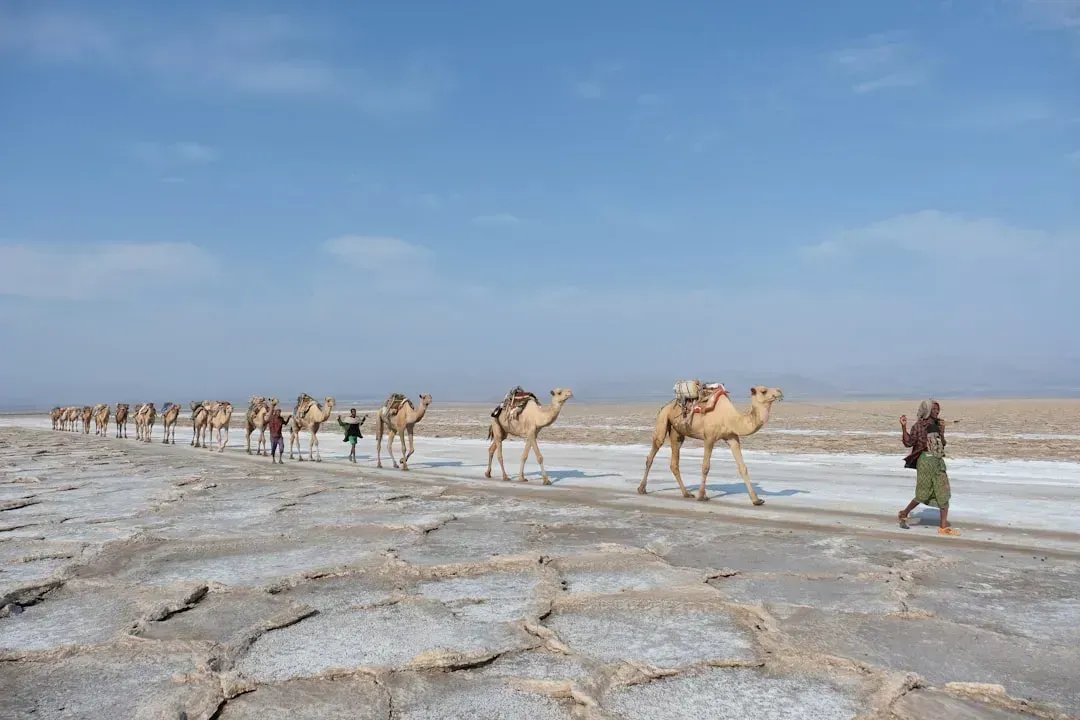
Ethiopia’s challenge is largely one of scale. With one of the largest populations on the continent, even modest percentage gaps translate into tens of millions of people going without. Ethiopia has Africa’s second highest population at 120 million people, and about 64 million of them lack basic access to clean water. That’s a staggering number by any measure.
Climate variability compounds the problem further. While Ethiopia’s northern highlands often receive plentiful rainfall, periods of severe drought and rainfall variability bring a measure of urgency to the delivery of sustainable water supplies, and this is especially true for rural people, who make up 80% of the population. Building reliable water systems that can withstand both drought years and flood years remains an ongoing challenge for the country’s infrastructure planners.
Indonesia
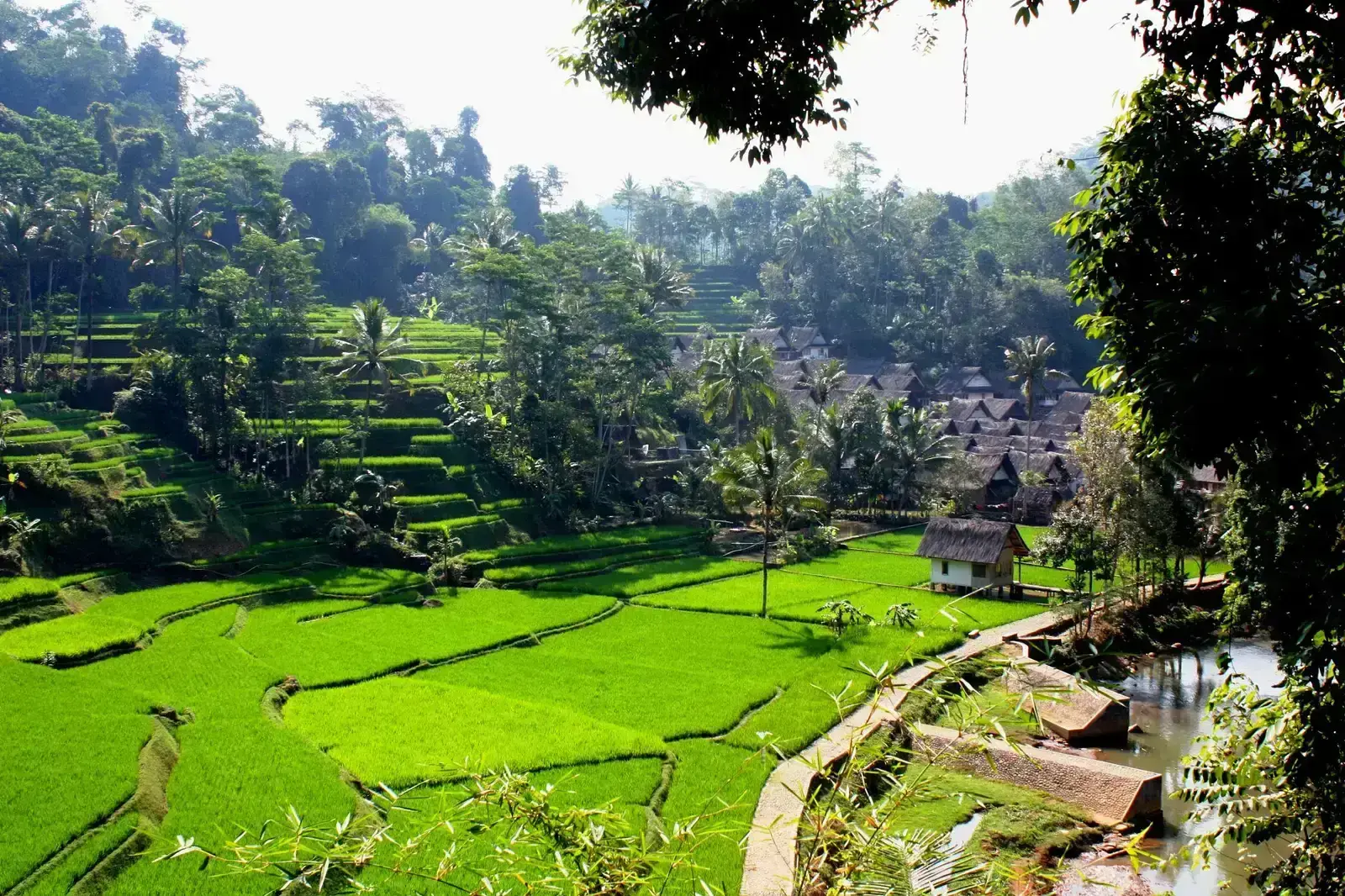
Indonesia’s water access gap might surprise people unfamiliar with the country’s rural-urban divide. In Asia, several countries reported more than half of their populations going without access to safe water in 2024, including Indonesia at 69.5 percent without access. For a country of Indonesia’s size and economic weight, that figure stands out as unusually high compared to neighboring nations.
Spread across thousands of islands, Indonesia faces logistical hurdles that many other countries simply don’t have to deal with. Delivering piped water infrastructure to remote island communities is far more expensive and complicated than doing the same on a contiguous landmass, and that geographic reality has slowed nationwide progress considerably. Coastal and rural regions in particular continue to lag well behind urban centers like Jakarta when it comes to safely managed water services.
Taken together, these stories make one thing clear: clean water is far from a solved problem, even decades into global development efforts. Despite the progress made over the past decade, 2.1 billion people around the world still lacked access to safe drinking water in 2024, according to a report by the World Health Organization and UNICEF. That’s roughly one in four people on the planet, a figure that hasn’t shrunk nearly as quickly as most would hope.
The contrast between Iceland’s untreated mountain streams and the CAR’s six percent coverage rate isn’t just a matter of geography or luck. It reflects decades of differing investment, governance, and stability. Progress is happening, slowly, but for millions of families the simple act of turning on a clean tap remains a goal still out of reach.
