
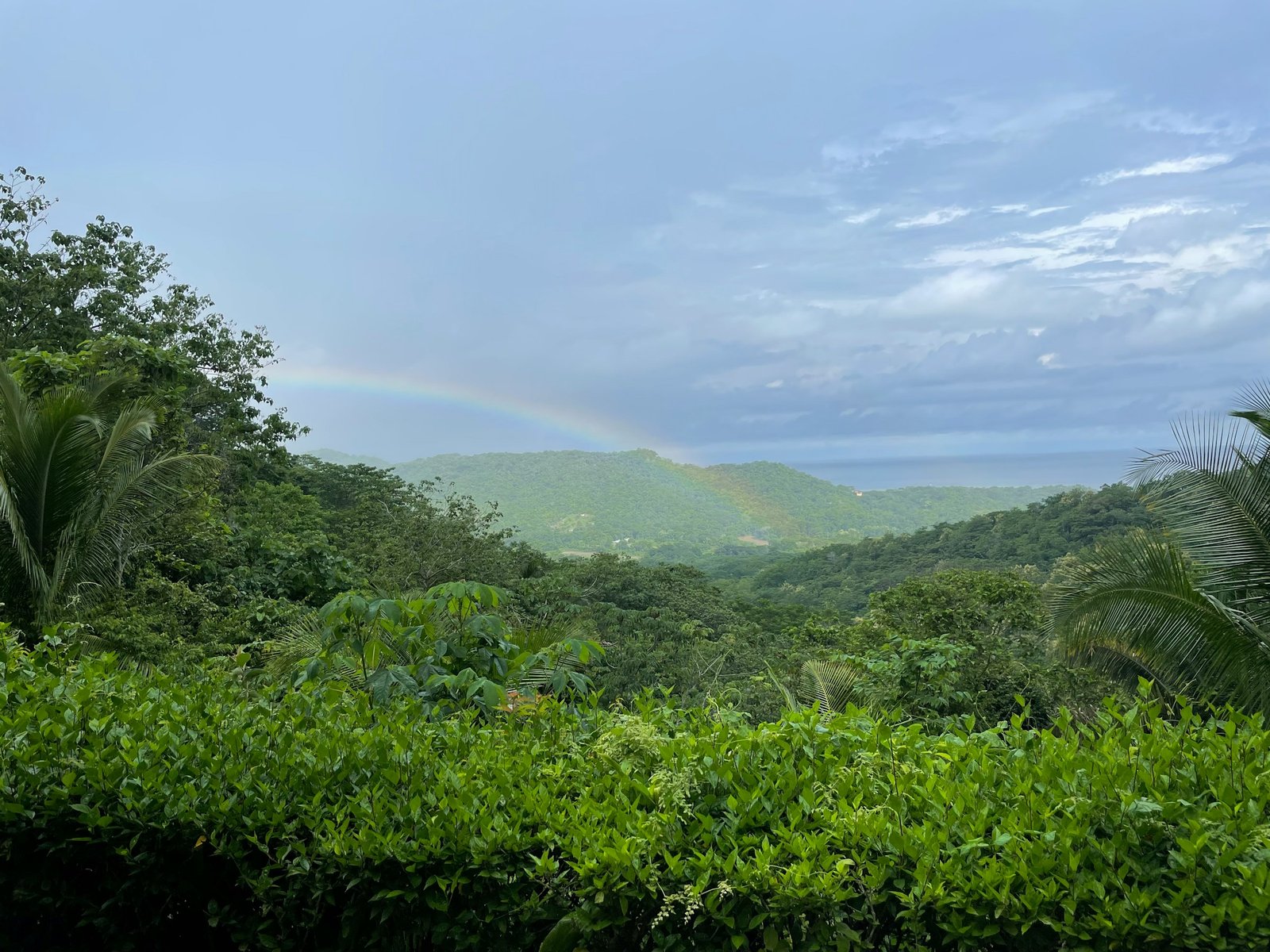

- 7 U.S. Cities Where Extreme Heat Could Make Summers Nearly Unbearable by 2050 - September 13, 2026
- Scientists Identify 9 Exoplanets With Conditions Similar to Earth - September 13, 2026
- NASA Issues Updated Advisory Following a Sudden Solar Flare Event - September 13, 2026
Stretch a map of the Western Hemisphere from Alaska to Patagonia, and you’ll notice something curious. Rainforests appear in far more places than most people expect, tucked into coastlines, mountain slopes, and river basins thousands of miles apart. Some of these forests get global attention, while others survive quietly, doing enormous ecological work with almost no public recognition.
Comparing them side by side reveals a lot about what makes a forest ecologically valuable, and why one system in particular still sets the benchmark for the rest of the continent.
The Amazon’s staggering scale and biological wealth
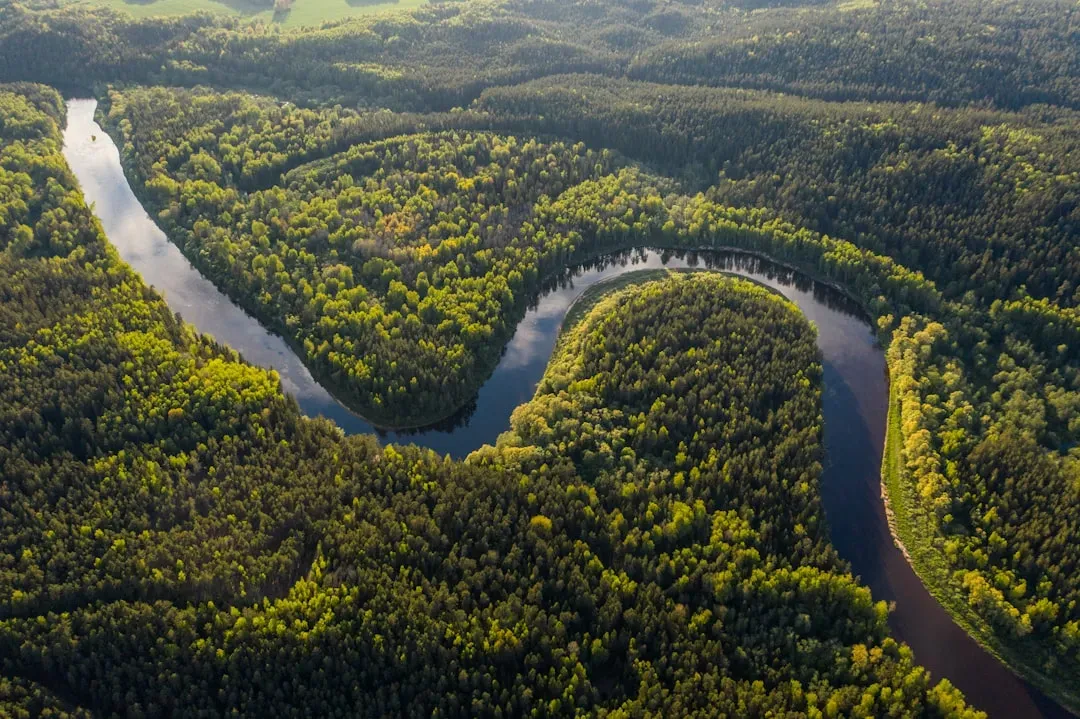
No other forest on the continent comes close to matching the Amazon’s raw dimensions. The Amazon Rainforest covers an area of 2,300,000 square miles (6,000,000 square km), spanning nine countries and forming the backbone of South America’s climate system. That scale alone gives it an outsized role in regulating rainfall, temperature, and carbon cycles across the entire hemisphere.
The numbers behind its biodiversity are just as striking. The Amazon is home to a stunning array of the world’s species: 9% of mammals; 14% of birds; 8% of amphibians; 13% of freshwater fish species; and 22% of vascular plant species. Scientists still haven’t finished cataloging what lives there either, since scientists estimate there are places in the Amazon where up to 90% of the species are yet to be discovered. That combination of size, species density, and scientific mystery is hard for any other rainforest in the Americas to rival.
The Atlantic Forest’s dense diversity packed into a smaller footprint
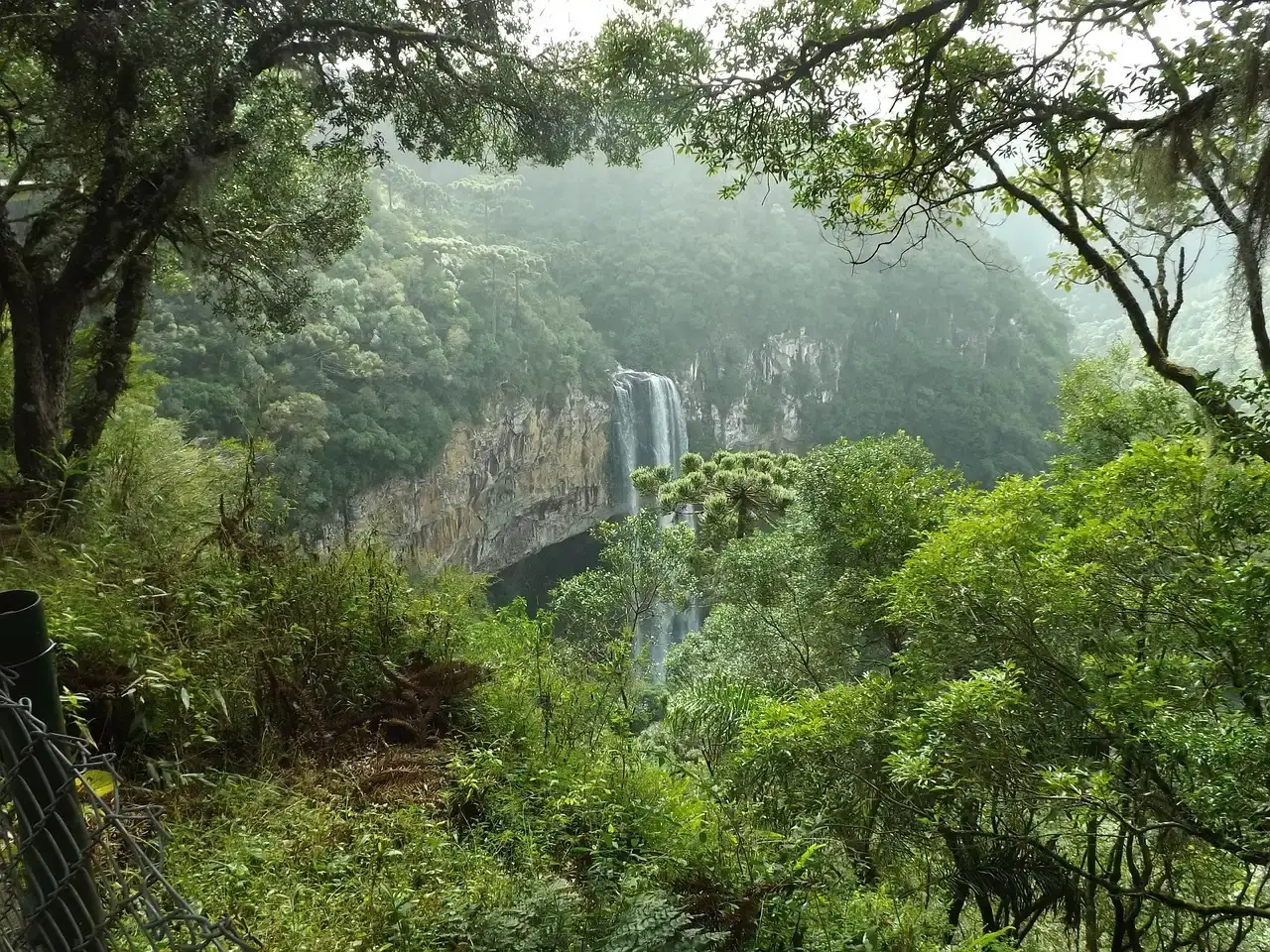
Brazil’s Mata Atlântica tells a different story. It’s a fraction of the Amazon’s size, yet although it is just a small fraction of the size of the great Amazon rainforest, the Atlantic Forest still harbors a range of biological diversity similar to that of the Amazon. That’s a remarkable feat for a forest that has been squeezed by centuries of coastal development.
The trouble is that most of what remains exists in fragments. The ecoregion covers an area of 1,315,460 square km and encompasses a variety of habitats including mangrove forests, shrublands, grasslands, and tropical forests, though vast tracts have been cleared for expanding human habitation and economic activities, leaving nearly 11,000 species that live in the region threatened with extinction. Its ecological value remains high, but its long-term resilience is far more fragile than the Amazon’s, largely because of how disconnected the surviving patches have become.
The Chocó’s rainfall-driven hyper-endemism
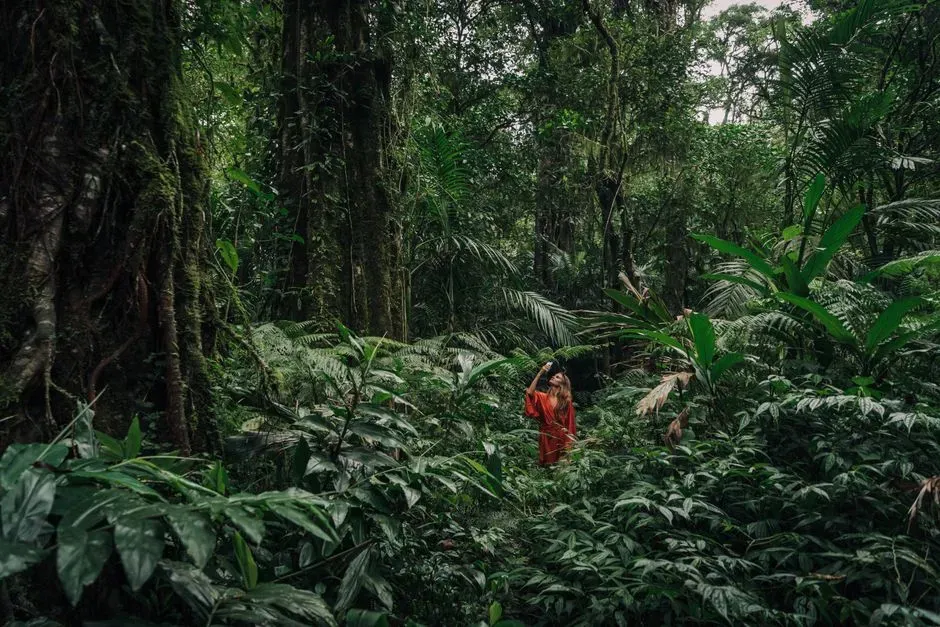
Along the Pacific coast running through Panama, Colombia, and Ecuador sits one of the wettest places on Earth. The Chocó rainforest extends from southern Panama and along the Pacific Coast of South America through Colombia and Ecuador, and it is the world’s wettest rainforest with the lowest deforestation rate of any of the major rainforest regions. That relentless rainfall has produced an extraordinary concentration of species found nowhere else.
Researchers who study the region consistently point to its unusual endemism rates. The Chocó’s degree of endemism surpasses even that of the Amazon, and it’s especially prevalent in the avifauna. The Chocó’s ecological value comes less from sheer scale and more from concentration, a smaller area producing a disproportionately high share of unique life forms.
Central America’s biological bridge
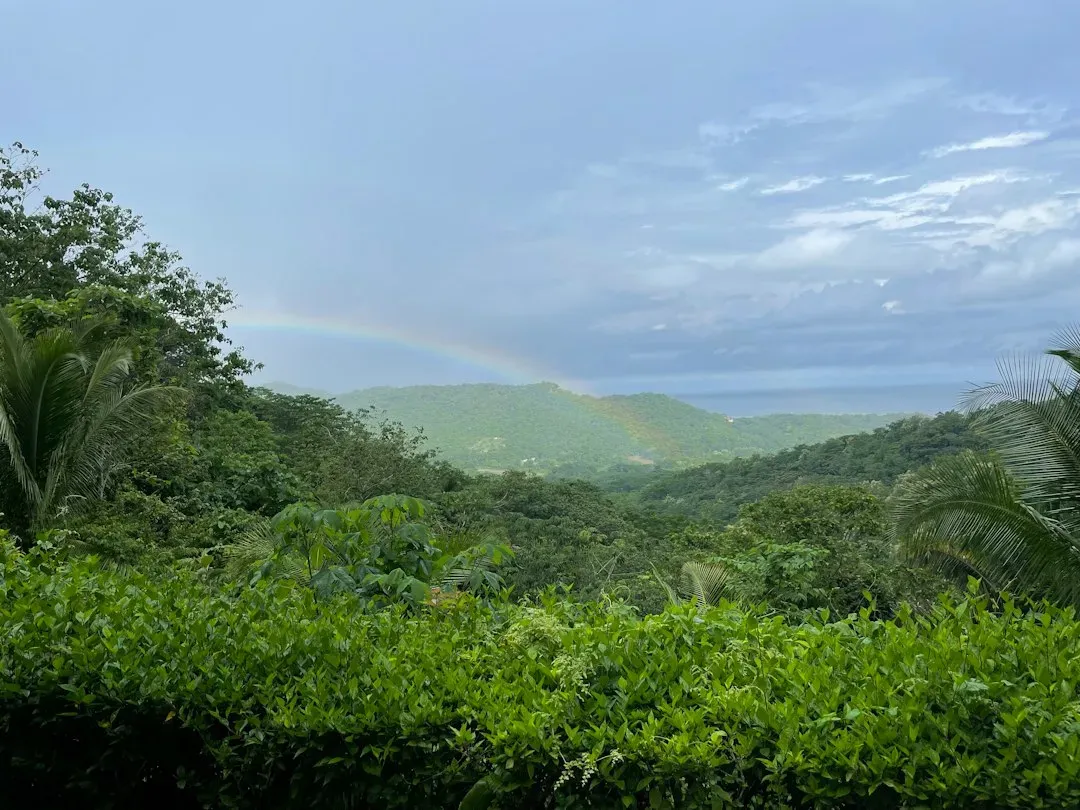
Central America’s rainforest belt, running through the Chocó’s northern edge and into the forests of Panama and Costa Rica, functions as a corridor rather than a single massive block. Species migrate through these forests as they move between North and South America, making the region a genetic bridge as much as a habitat. Historically, phylogenetic-based studies have heavily focused on a restricted subset of biogeographical regions or biodiversity hotspots within the American tropics, including Amazonia, tropical Andes, Central America, Brazil’s Cerrado and Atlantic forests, and Seasonally Dry Forests.
What makes this corridor ecologically significant isn’t raw species counts but connectivity. Without it, isolated populations elsewhere on the continent would lose genetic exchange that keeps them adaptable. It’s a smaller player in terms of carbon storage, but its role as a biological highway gives it outsized importance relative to its footprint.
The Andean cloud forests feeding the Amazon’s own weather
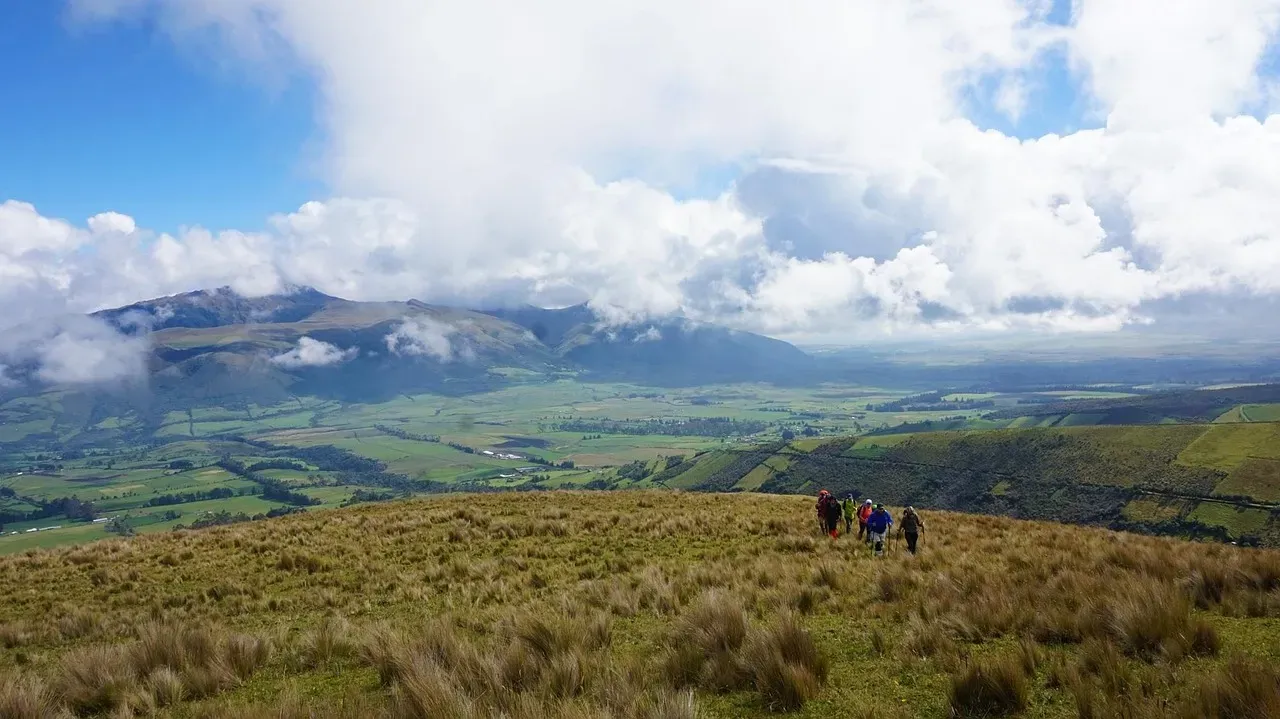
Higher up the mountain slopes, a different kind of rainforest takes shape. The cloud forests of the Andes are a type of mid-altitude tropical rainforest formed when humid air, transpired from the billions of trees in the lowland Amazon, moves west and up the mountain slopes, condensing as rain or remaining as low clouds and mist that settle directly onto the foliage. This is a rare example of one rainforest ecosystem literally generating the weather that sustains another.
Cloud forests occupy a narrower elevation band, typically extending from about 3,000 feet in elevation up to about 8,000 feet, with cooler temperatures than lowland rainforests. Their ecological value lies in that climatic dependency, since losing lowland Amazon cover upstream would eventually starve these highland forests of the moisture they need to survive.
Weighing carbon storage and climate leverage across the five
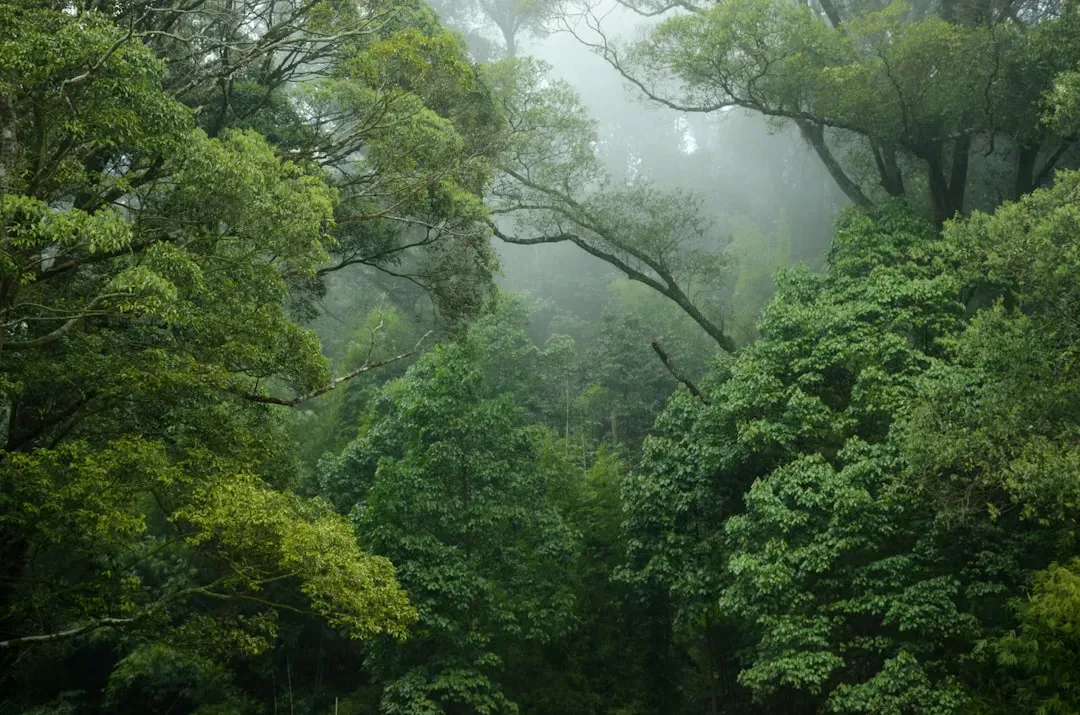
Ecological value isn’t only about species counts. Carbon storage and climate regulation matter just as much, and here again the Amazon dominates the comparison. The Amazon rainforest removes a yearly total of 1.2 billion metric tons of carbon from the atmosphere, a scale of climate leverage no other rainforest in the Americas approaches.
Its water cycle influence is equally outsized. The Amazon Rainforest stores 90 billion tons of carbon in its vegetation while releasing 500 billion tons of water annually through evapotranspiration. The Atlantic Forest, Chocó, and Central American corridor all contribute meaningfully to regional water and carbon cycles, but none operate at a scale that shifts hemispheric weather patterns the way the Amazon does.
Shared threats, uneven odds of recovery
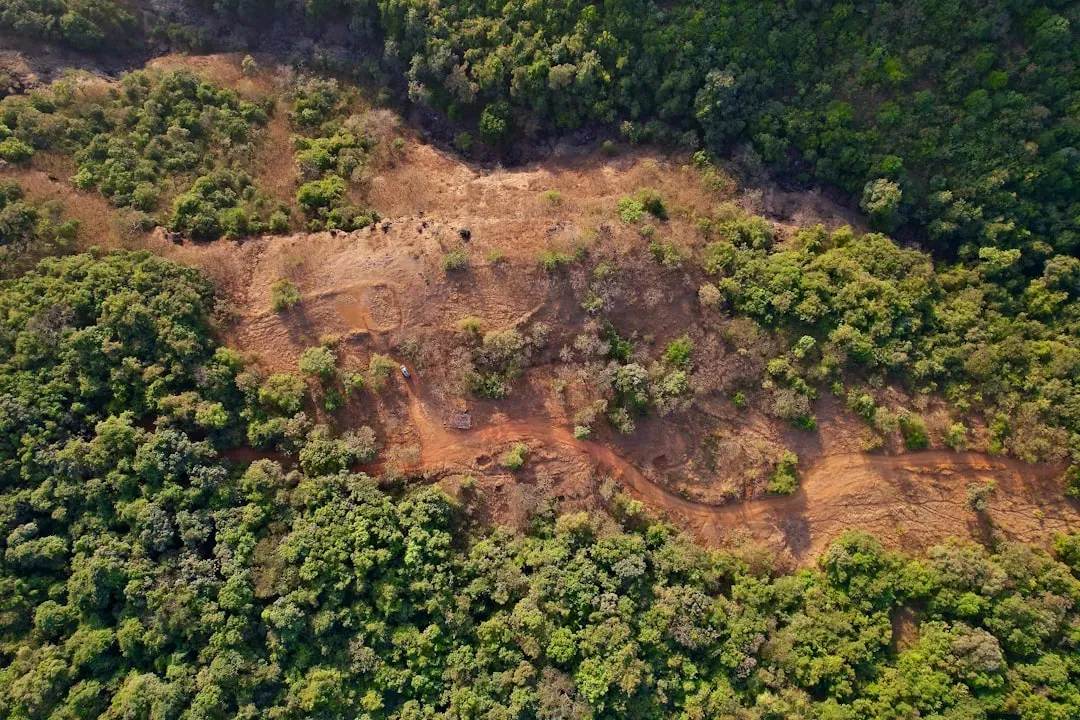
All five forest systems face pressure from logging, agriculture, and land conversion, though the intensity varies sharply. The Amazon itself is approaching a worrying threshold, with deforestation already at approximately 17%, close to the 20 to 25 percent range beyond which the region’s future for its people and biodiversity becomes harder to secure. The Atlantic Forest crossed a similar line long ago, and researchers now study it partly as a warning sign for what could happen to the Amazon.
Recovery timelines differ too. Some fragmented systems, like patches of the Atlantic Forest, may take decades to show meaningful regrowth even with active restoration. The Chocó’s low deforestation rate gives it a better starting position, while the Amazon’s sheer size means that even localized damage can ripple outward into neighboring ecosystems, including the Andean cloud forests that depend on its moisture.
Final thoughts
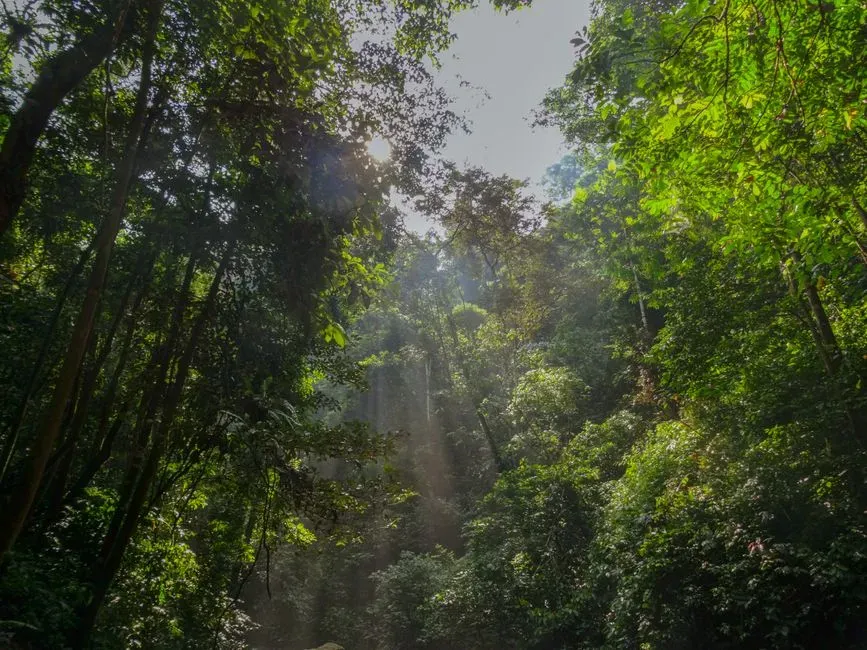
Ranking rainforests by ecological value isn’t really about crowning a winner. It’s about understanding what each forest contributes that the others can’t replace. The Amazon’s scale, species density, and carbon capacity put it in a category of its own among rainforests in the Americas, but the Atlantic Forest, Chocó, Central American corridor, and Andean cloud forests each hold pieces of the puzzle that a functioning hemisphere needs.
Losing any one of them wouldn’t just shrink a patch of green on a map. It would remove a working part of a larger system that has taken millions of years to balance itself.
