

- 7 U.S. Cities Where Extreme Heat Could Make Summers Nearly Unbearable by 2050 - September 13, 2026
- Scientists Identify 9 Exoplanets With Conditions Similar to Earth - September 13, 2026
- NASA Issues Updated Advisory Following a Sudden Solar Flare Event - September 13, 2026
1. Ash trees (Fraxinus species)
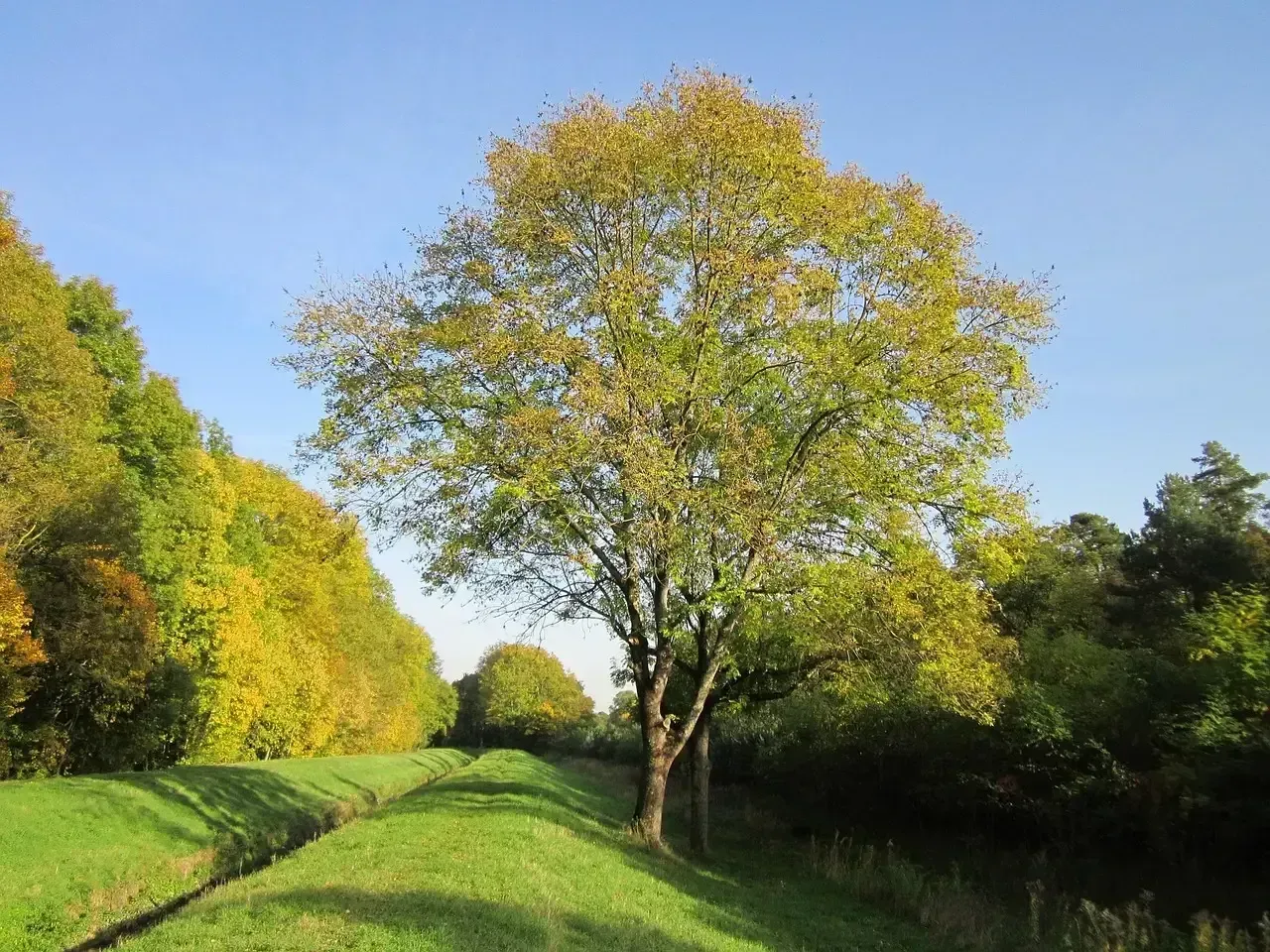
Ash has become something of a cautionary tale in North American forestry circles. Climate change and the emerald ash borer collectively pose a significant threat to North American ash tree species, an invasive beetle that has caused the destruction of millions of ash trees in the United States and Canada since its discovery in 2002. The insect itself is the immediate killer, but warming winters have made things worse rather than better.
Increasing temperatures worldwide have amplified the problem, since the emerald ash borer cannot withstand frigid temperatures, so as the number of cold days decreases, the beetle continues to thrive. In the Upper Midwest, Forest Service researchers found that many species currently dominating the Northwoods, including quaking aspen, balsam fir, and paper birch, may lose substantial habitat due to warming, while species like American elm, red maple, bur oak, and boxelder may be better suited to colonize the areas ash leaves behind. In parks around Washington D.C., monitoring showed the emerald ash borer killed a majority of the 300,000 ash trees in National Capital Region parks since 2014, with fewer than 80,000 living ash trees remaining by 2021.
2. Norway spruce (Picea abies)
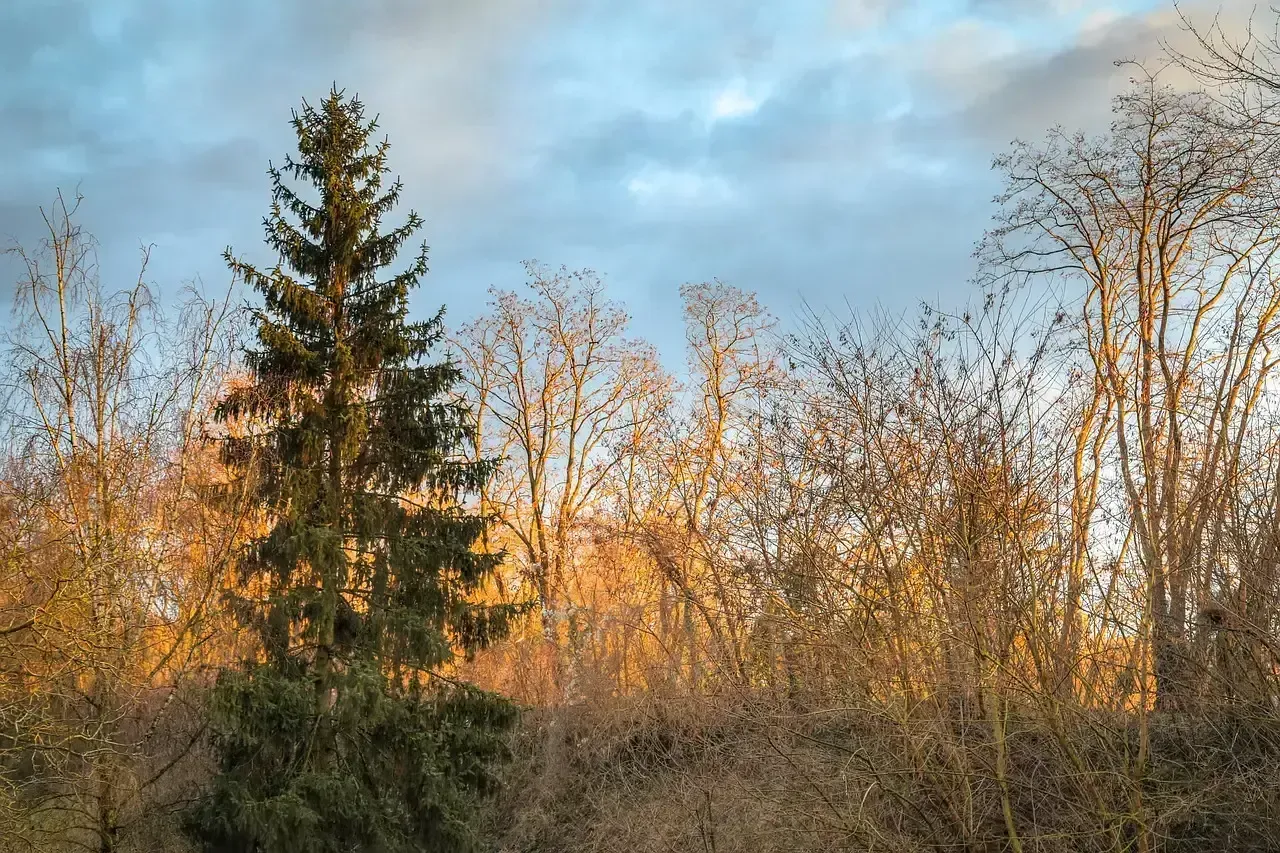
Central Europe’s most economically important conifer is losing its grip on the landscape it has dominated for centuries. Recent climate modeling has been fairly consistent on this point across multiple independent studies.
Studies projected several species to shift their distributional center northward, resulting in the decline of the widely abundant and economically important Norway spruce and Scots pine in Central Europe, which were partly projected to be replaced by Mediterranean tree species. On the ground, this isn’t just theoretical. The economically most important and spatially most abundant tree species of Scots pine and Norway spruce are regionally experiencing increased mortality rates as hotter, drier summers stress root systems and open the door to bark beetle outbreaks that spruce plantations are particularly vulnerable to.
3. Scots pine (Pinus sylvestris)
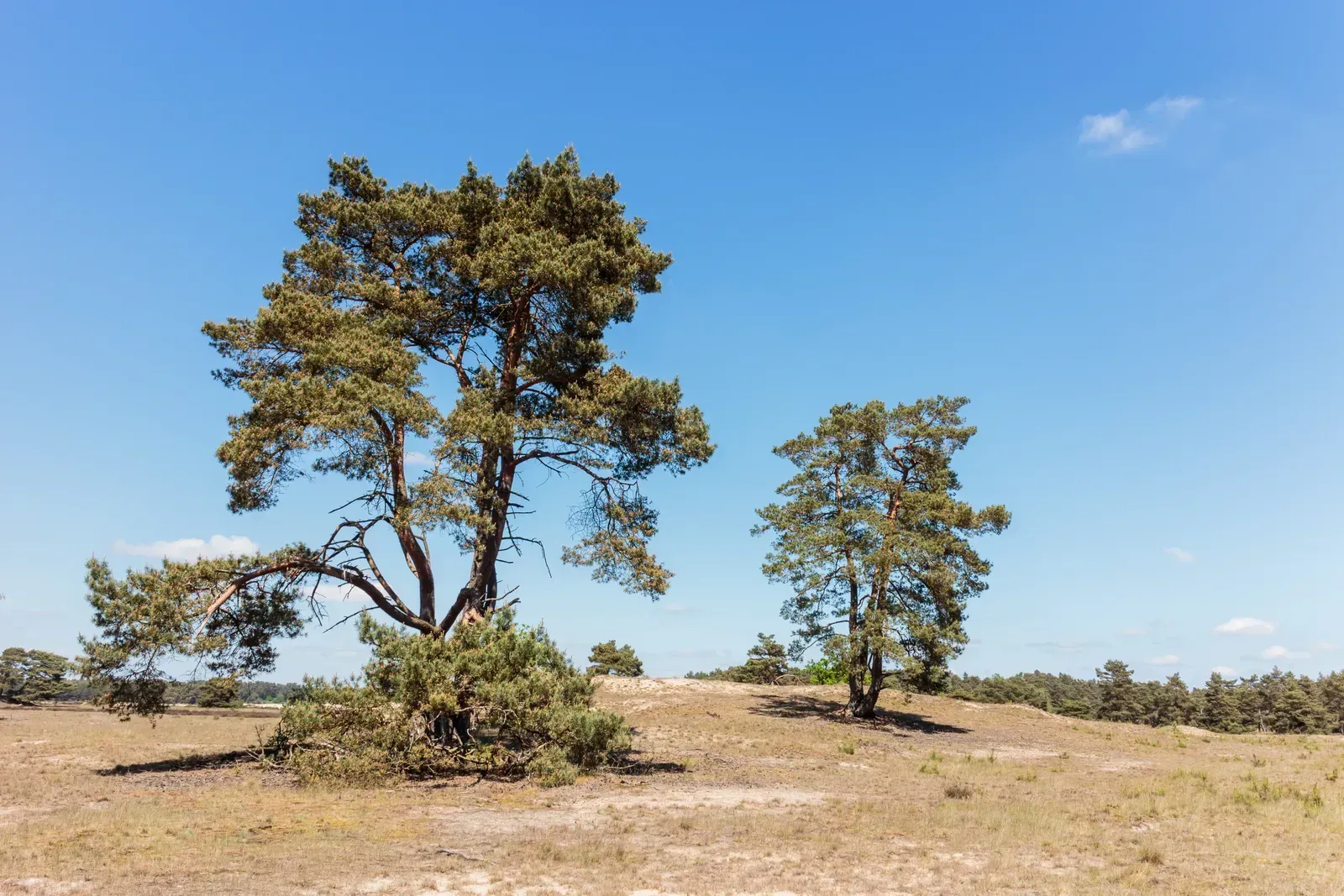
Scots pine has long been a workhorse species across northern and central Europe, valued for timber and its tolerance of poor soils. That tolerance, however, doesn’t extend indefinitely to heat and drought, and foresters are now watching it struggle in areas where it once thrived without issue.
Already the impact of hotter droughts on forests is visible, and researchers link this directly to rising mortality in pine stands across the continent. In combination with biotic pathogens, hotter droughts cause a higher tree vulnerability and thus mortality, a pattern that has pushed foresters toward planting more drought-tolerant alternatives in areas where Scots pine used to be the default choice. Interestingly, some research has flipped the script geographically. A study examining western redcedar alongside Scots pine and Port Orford cedar found that Scots pines also grew less during periods of summer drought, while the Pacific Northwest native performed well enough to be called a promising candidate for future planting under ongoing climate change in Central Europe.
4. Sugar maple (Acer saccharum)
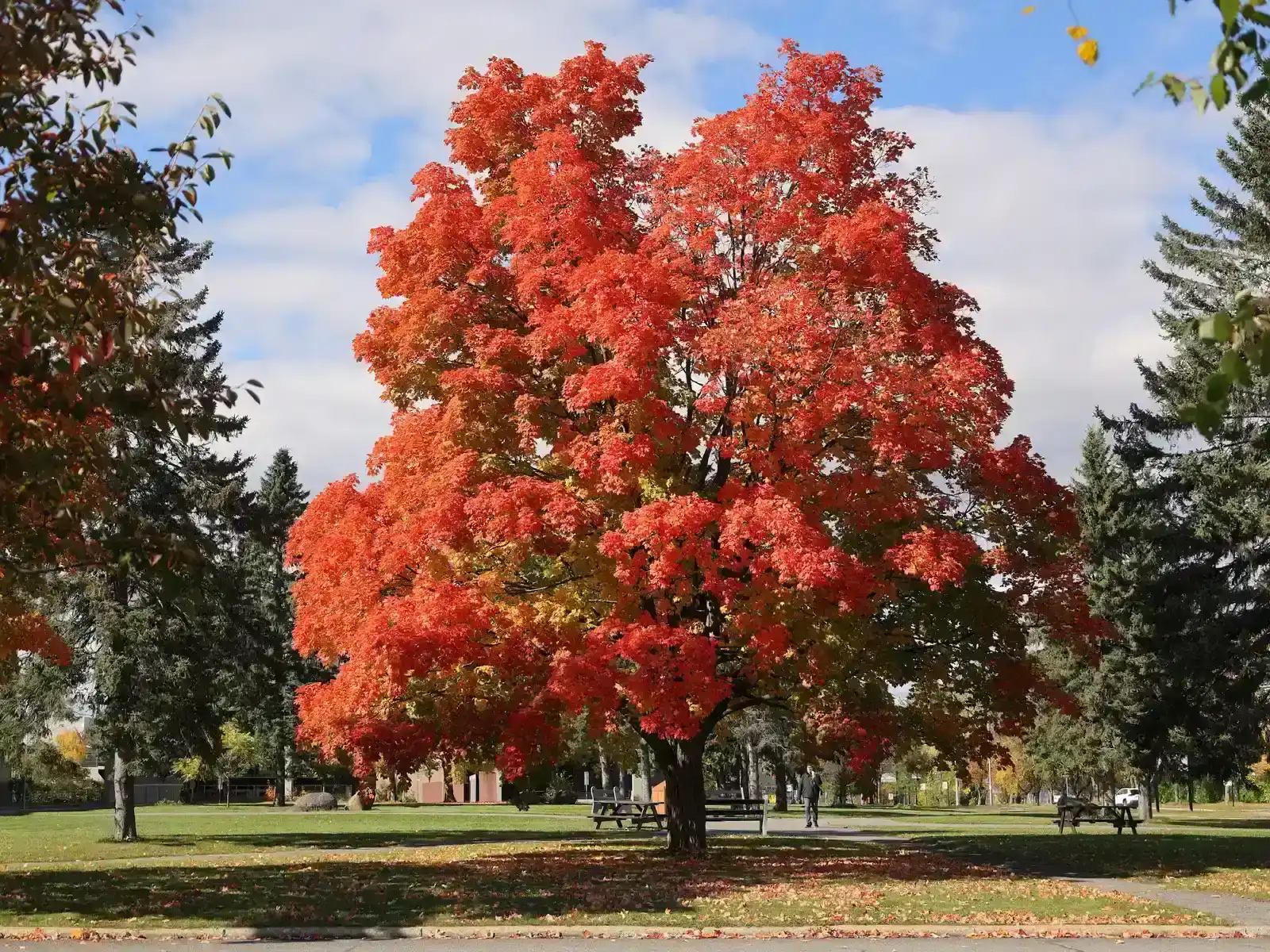
Few trees carry as much cultural weight in North America as the sugar maple, prized for its fall color and its role in maple syrup production. Yet in parts of its range, it’s quietly losing territory to a close neighbor that tolerates stress better.
Gradual replacement of sugar maple by American beech as the canopy dominant has been noted recently in northern hardwood forests. The reason comes down to resilience under stress. Beech has less exacting growth requirements than sugar maple, performing well across a broader range of soil moisture conditions, while chronic sub-optimal growing conditions from stressors and climate effects result in sugar maple’s well-known widespread decline and death, leaving beech unaffected and facilitating its proliferation. Sap production is affected too. Locations expected to have the maximum amount of maple sap flow are expected to shift northward by 400 kilometers, presently from near the 43rd parallel to the 48th parallel, by 2100.
5. Western red cedar (Thuja plicata)
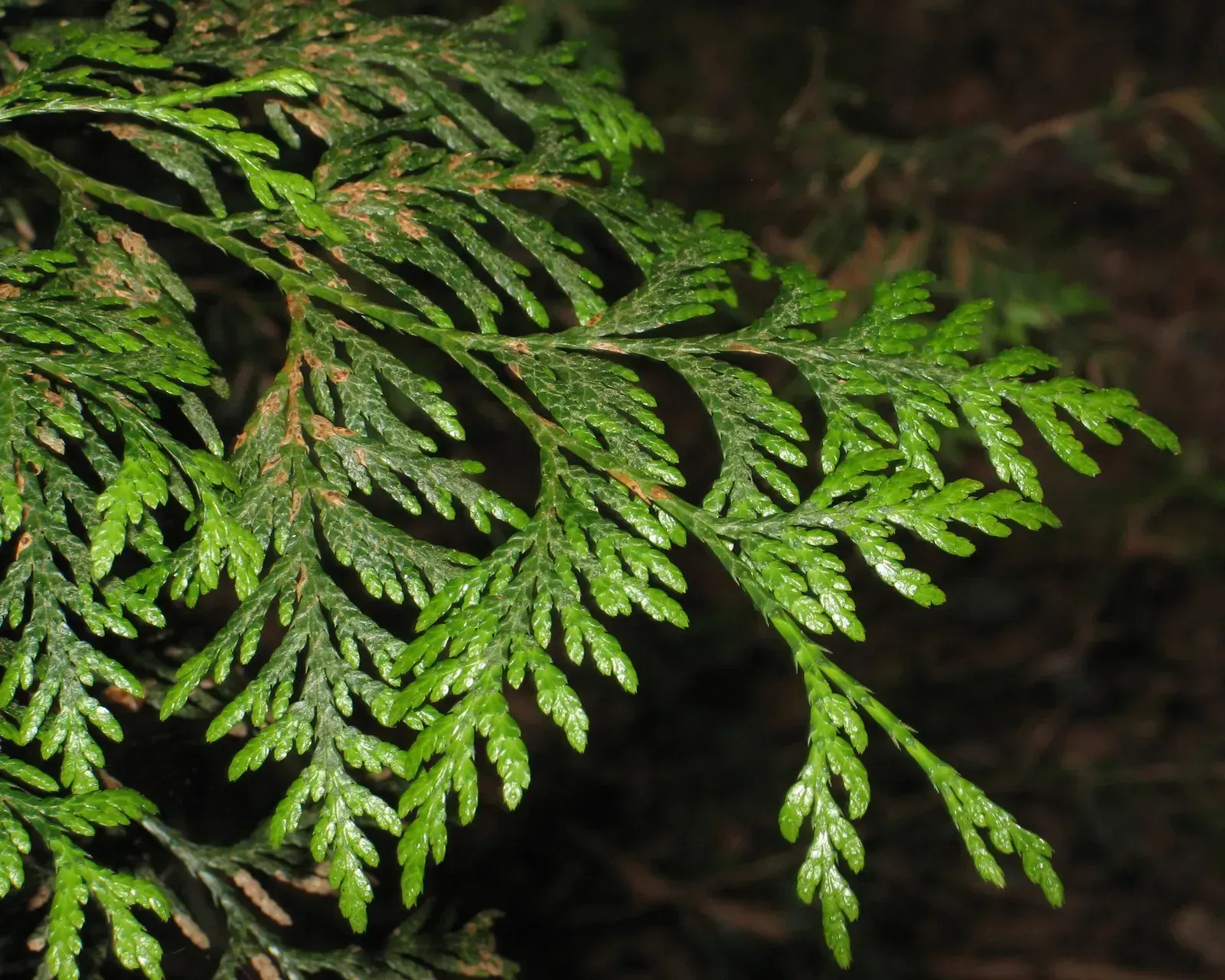
In the Pacific Northwest, western red cedar has stood as a cultural and ecological icon for generations. Recent years, though, have brought a dieback that forest health specialists describe as one of the clearest early warning signs of a changing climate in the region.
Drought and high temperatures are contributing to the dieback of Western redcedar trees, an iconic species in Pacific Northwest forests. A forest health specialist for the Oregon Department of Forestry put it bluntly: unless climate change is reversed, there is no reason to hope western red cedar is going to make a comeback. The scale of the problem is notable, since scientists have tied climate changes to growth declines and die-offs in at least 10 native tree species in the Pacific Northwest, with red cedar often cited as the most visible casualty. Foresters in the region are increasingly favoring other conifers, though as one lead forester noted, western hemlock, western red cedar and bigleaf maple are all dying off due to the changing climate, complicating simple substitution plans.
6. Yellow cedar (Callitropsis nootkatensis)
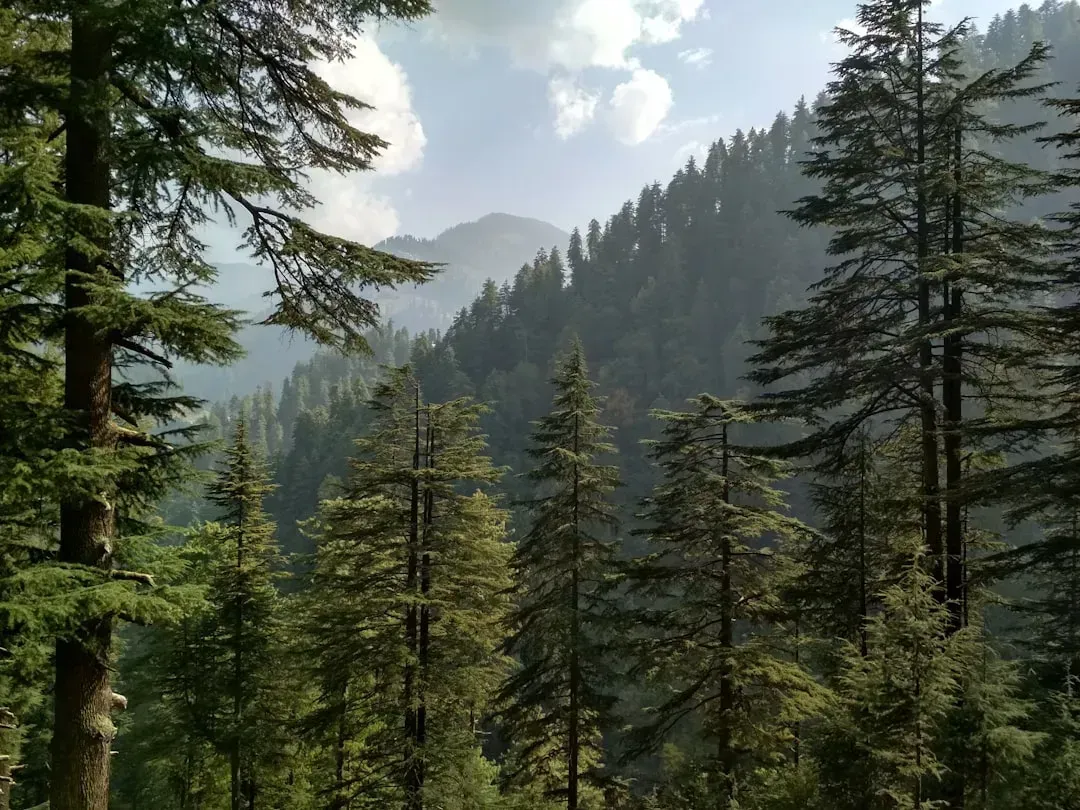
Yellow cedar decline tells a slightly different story than most entries on this list. Rather than drought, the culprit here is a lack of the very thing that used to protect the tree: consistent winter snowpack.
As snow cover thins in coastal Alaska and British Columbia, shallow yellow cedar roots become exposed to freezing damage during cold snaps that snow would once have insulated against. The silver lining, if there is one, is that another native species has been ready to step in. Following the decay of yellow cedar, western red cedar tends to succeed the dead forest, offering many of the same economic and ecological values, and areas of lower elevation in Southeast Alaska and British Columbia that have seen yellow-cedar decay have already been succeeded by red cedar. Foresters note that at a landscape level, areas with well-drained soils are most likely to host yellow cedar into the future, which is guiding where conservation efforts are concentrated as the species retreats from its former range. None of these shifts happened overnight, and none of them are finished playing out. What connects ash, Norway spruce, Scots pine, sugar maple, western red cedar, and yellow cedar is a simple pattern: conditions that once favored them no longer hold steady, and the species waiting to take their place are usually ones better suited to heat, drought, or shorter winters. Foresters aren’t abandoning these trees so much as acknowledging that the map they were planted on has changed underneath them.
