

- 7 U.S. Cities Where Extreme Heat Could Make Summers Nearly Unbearable by 2050 - September 13, 2026
- Scientists Identify 9 Exoplanets With Conditions Similar to Earth - September 13, 2026
- NASA Issues Updated Advisory Following a Sudden Solar Flare Event - September 13, 2026
1. San Francisco, California
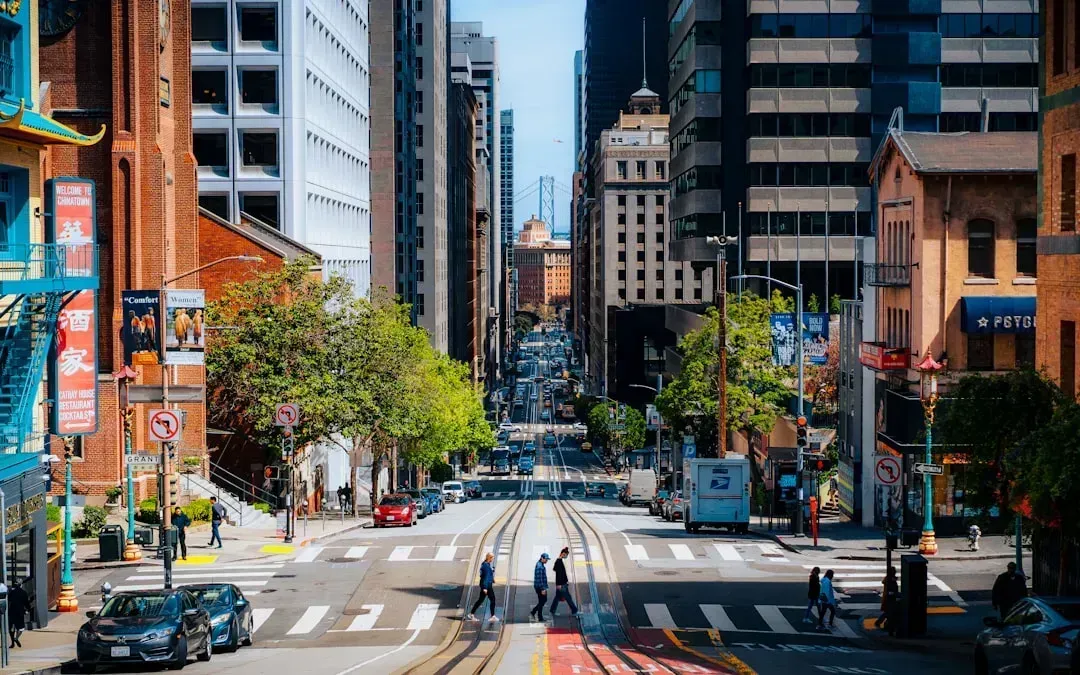
San Francisco has one of the longest track records of any American city on this list. San Francisco hit its peak greenhouse gas emissions in 2000 and has since reduced them by 30 percent from 1990 levels, even as the city’s economy grew 111 percent and its population 20 percent. That kind of decoupling, growth without a matching rise in carbon, is exactly what climate planners look for.
The city has kept pushing on the building side too. San Francisco’s Environment Department has required buildings larger than 500,000 square feet to use 100% renewable electricity by July 2024, and large commercial buildings of that size account for over 70% of electricity used by commercial buildings in the city. Programs like Hetch Hetchy Power and CleanPowerSF have made the switch to clean electricity fairly painless for both residents and businesses.
2. Boston, Massachusetts
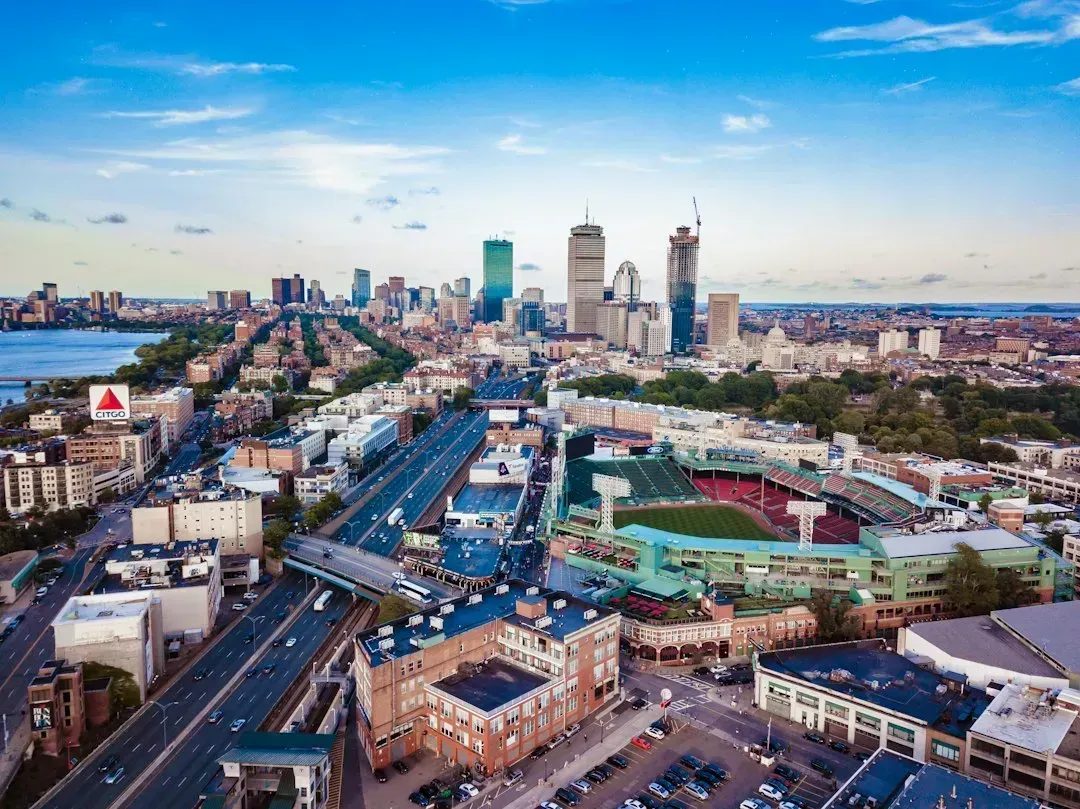
Boston set an emissions target and then blew past it. After meeting its 2020 carbon reduction goal five years early, Boston was able to reduce emissions by 60% more than planned. That’s a rare case of a city underpromising and overdelivering on climate policy.
Part of the reason is the way Bostonians get around. Boston is in the top 5% of the country for residents who commute using energy-efficient modes of transportation and is more walkable than all but two other cities in the country. A dense, walkable core paired with strong transit use keeps per capita emissions in check even as the metro area keeps adding residents.
3. Austin, Texas
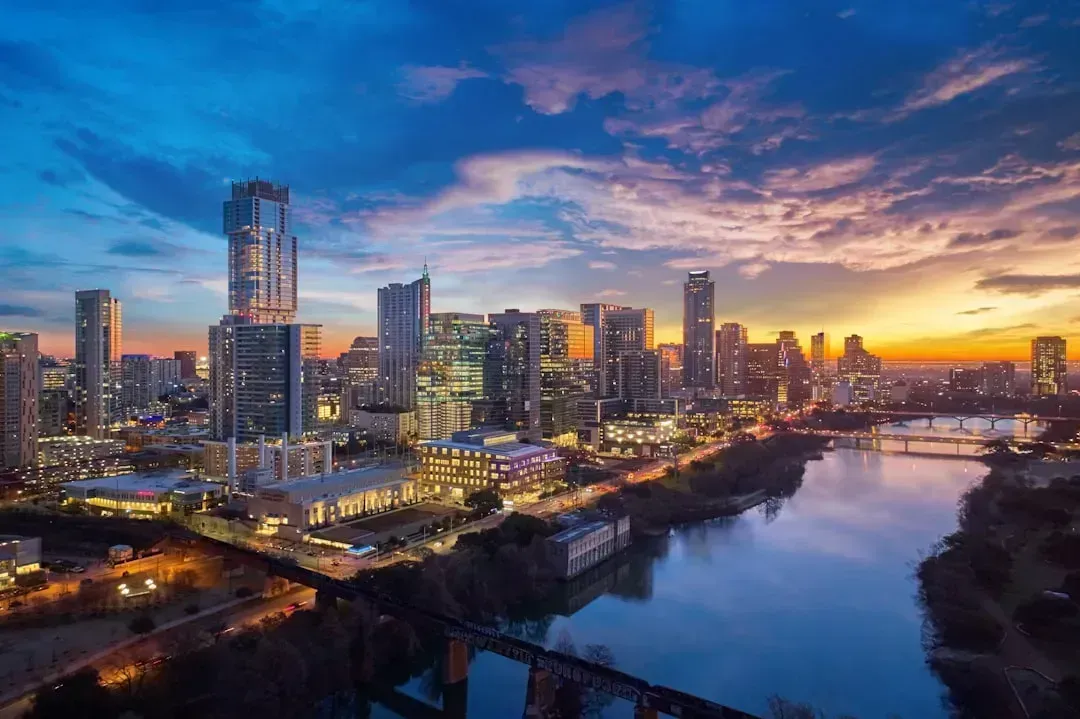
Austin stands out because it’s growing fast in a state not known for aggressive climate policy, yet the city keeps moving toward carbon-free power. Austin Energy created the Austin Energy Resource, Generation and Climate Protection Plan to 2030 with a goal for electric generation to be carbon-free by 2035. Austin Energy is meeting its annual 50% renewable energy standard with predominantly solar and wind, though more investment in renewables is still needed to reach the final goal.
Transportation is the other piece of the puzzle for a sprawling city like Austin. The city’s Climate Equity Plan aims to make progress on transportation emissions with a goal of having 50% of trips within the city using public transit, walking, biking or carpooling by 2030. New light rail lines and trail expansions are meant to give residents real alternatives to driving, something that matters a lot in a city adding tech workers and new subdivisions every year.
4. Seattle, Washington
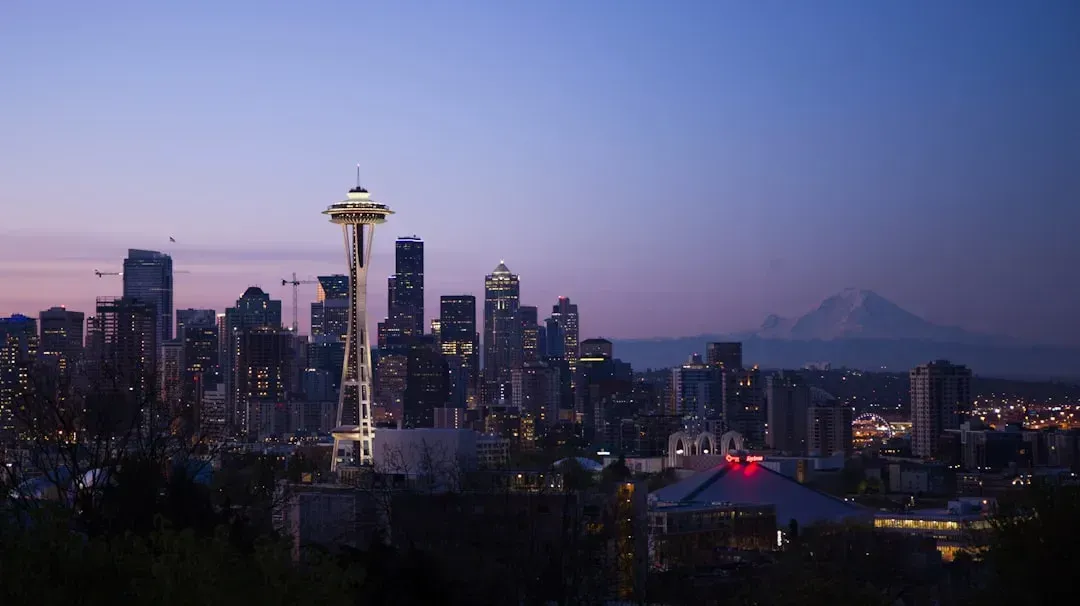
Seattle’s numbers are simply hard to beat. Among the major metros tracked in recent building-sector emissions research, Seattle’s greenhouse gas emissions per capita are the lowest, at 4.3 metric tons. That’s a fraction of the national average, even as the region has kept adding jobs and residents tied to its tech and aerospace industries.
Much of that advantage traces back to the region’s power supply, which leans heavily on hydroelectric generation rather than fossil fuels. That clean baseline gives Seattle room to keep growing without emissions climbing in step, something drier or coal-dependent regions don’t have the luxury of.
5. Washington, D.C.
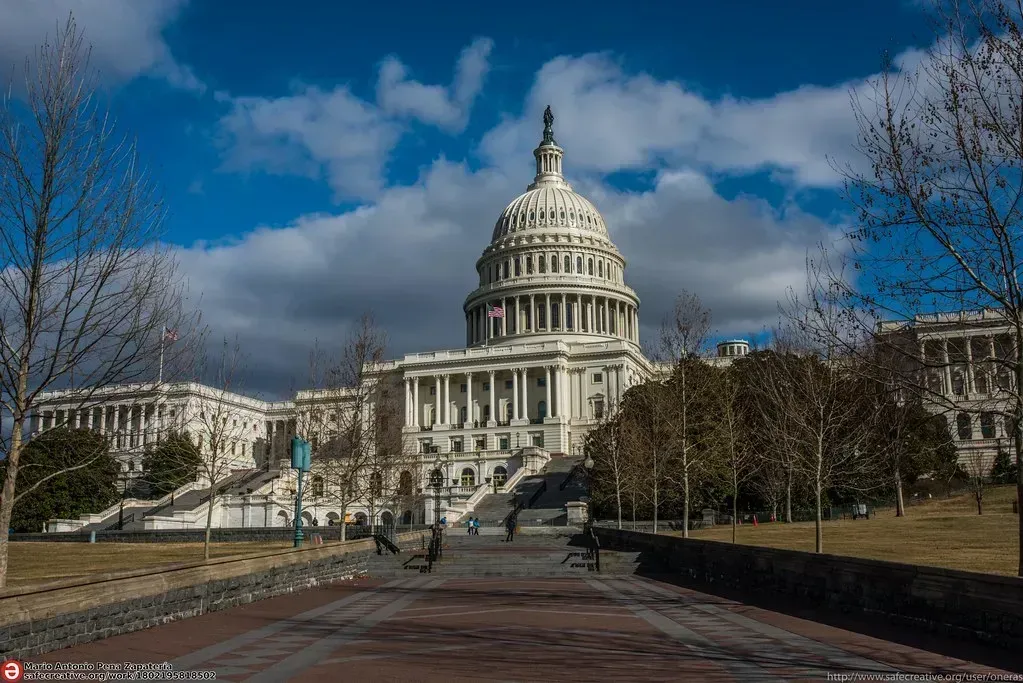
Washington has leaned on regulation as much as technology. New York and Washington D.C. have both mandated greenhouse gas reduction from buildings, a policy approach that targets one of the largest sources of urban emissions directly rather than waiting for market forces to do the work. Buildings are often the biggest single emissions category in dense East Coast cities, so tackling them head on tends to move the needle quickly.
The city also scores well on broader sustainability measures. Washington D.C. has a metro population of nearly 5 million, with 40.2% renewable energy and about 383 square feet of green space per person. That combination of clean power sourcing and green infrastructure gives the district a stronger baseline than many peer cities of similar size.
6. San Diego, California
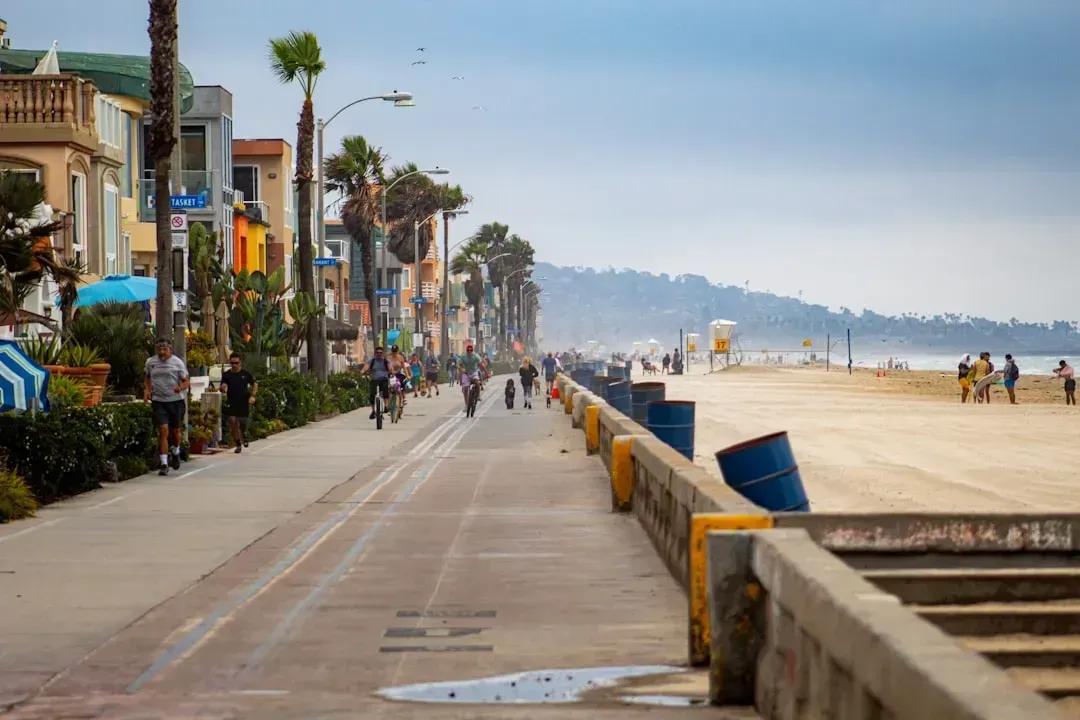
San Diego’s story involves a tradeoff that’s worth understanding. The city built a large-scale desalination plant to secure its water supply, a project that does increase greenhouse gas emissions, yet the city has still managed to decrease emissions by 25% in just under a decade. That’s a useful reminder that climate progress in a growing city rarely comes from a single clean win. It comes from cutting emissions faster in other areas than any new project adds.
San Diego’s desalination facility itself is no small operation. The plant processes 100 million gallons of salt water each day, providing San Diegans with 50 million gallons of potable water. Balancing that kind of infrastructure against a shrinking carbon footprint takes deliberate planning, and San Diego’s numbers suggest it’s working, at least so far.
Taken together, these six cities show that a growing population doesn’t have to mean a growing carbon footprint. Cleaner electricity, walkable neighborhoods, transit investment, and building codes that target emissions directly all show up again and again in the cities that manage to pull off both goals at once. None of them have finished the job, and each still faces real tradeoffs, from aging grids to sprawling suburbs to new infrastructure that carries its own carbon cost. Still, the direction of travel in these places offers a useful counterpoint to the assumption that growth and emissions have to rise together.