

- The 11 Best Countries for Scientific Research, Ranked From Worst to Best - September 18, 2026
- 3 Countries With the Lowest Emissions Per Capita – and 5 With the Highest - September 18, 2026
- 10 Countries Where Off-Grid Living Is Common - September 18, 2026
1. Democratic Republic of the Congo – the world’s lowest emitter
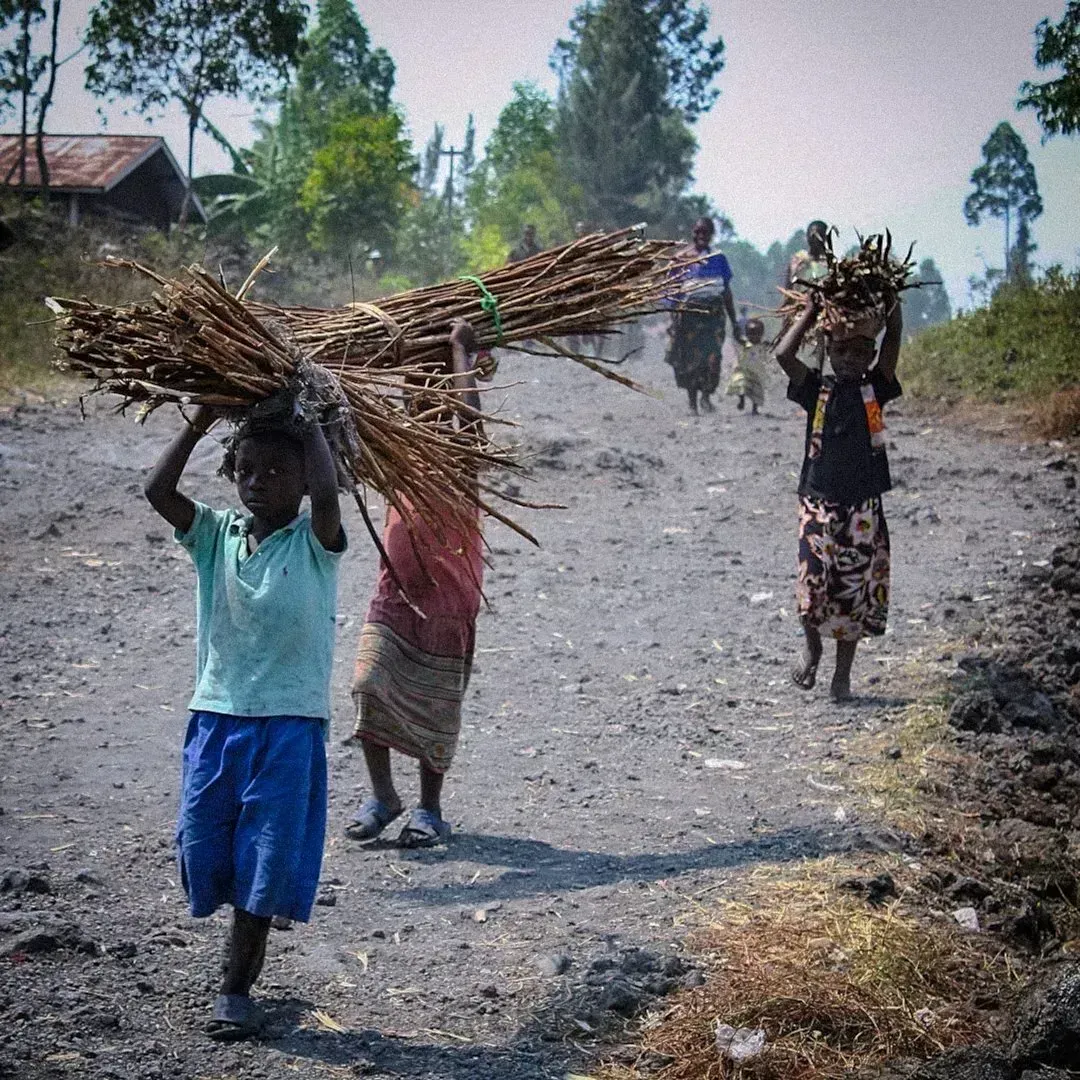
The Democratic Republic of the Congo consistently ranks as the country with the smallest carbon footprint per person on the planet. DR Congo records the lowest CO2 emissions per capita among all ranked countries, at around 0.04 tonnes, which is roughly 99 percent below the global median of about 4 tonnes. Earlier estimates put the figure even lower, with CO2 emissions per capita in the DR Congo equivalent to about 0.03 tons per person, based on a population exceeding 100 million people.
What drives this is not environmental policy but sheer lack of industrial and energy infrastructure. Most households rely on wood or charcoal for cooking rather than gas or electricity, and vehicle ownership remains extremely rare outside major cities. It is less a story of restraint and more one of limited access to modern energy altogether.
2. Burundi – energy poverty in numbers
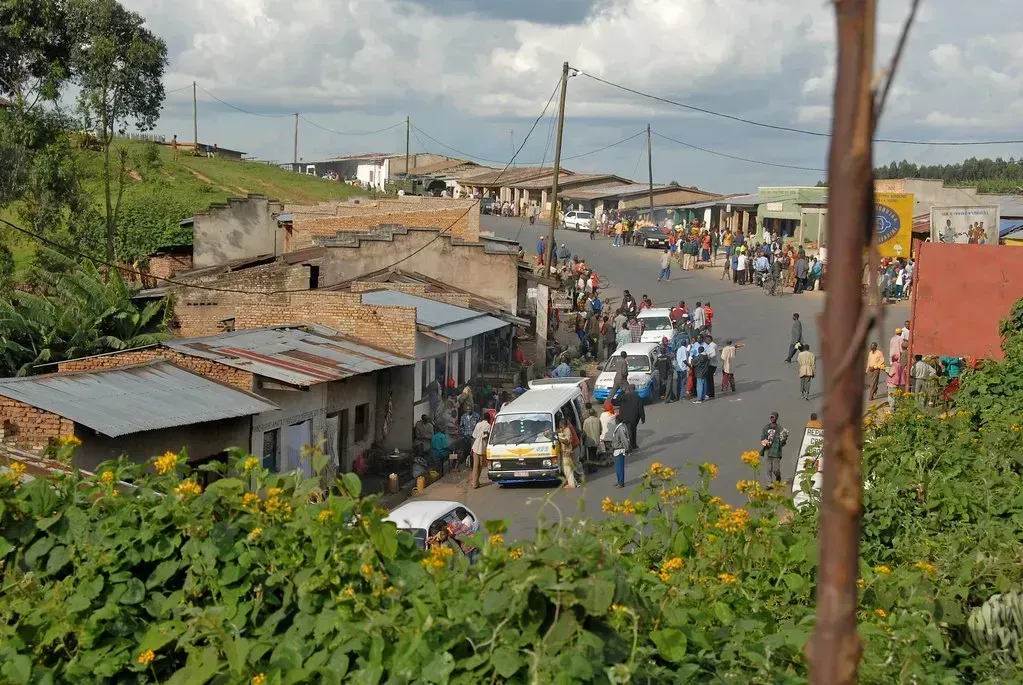
Burundi sits right alongside DR Congo near the bottom of every global ranking. Burundi has one of the world’s lowest per capita emissions, standing at a mere 0.06 metric tons of CO2 equivalent in 2023, compared to the global average per capita emission of 4.76 metric tons. That gap is enormous when you consider it means the average Burundian produces less than two percent of the carbon footprint of the average person worldwide.
The country’s total emissions have crept upward over the decades but remain negligible on a global scale. Despite the small increase in emissions over the past three decades to over 4,000 kt in 2020 from a meager 1,508 kt in 1990, the overall contribution of the nation to global emissions remains insignificantly small. Burundi accounts for less than 0.02% of global greenhouse gas emissions. Ironically, the country is also highly vulnerable to the climate impacts driven by emissions it barely contributes to.
3. Somalia – minimal footprint, maximum vulnerability
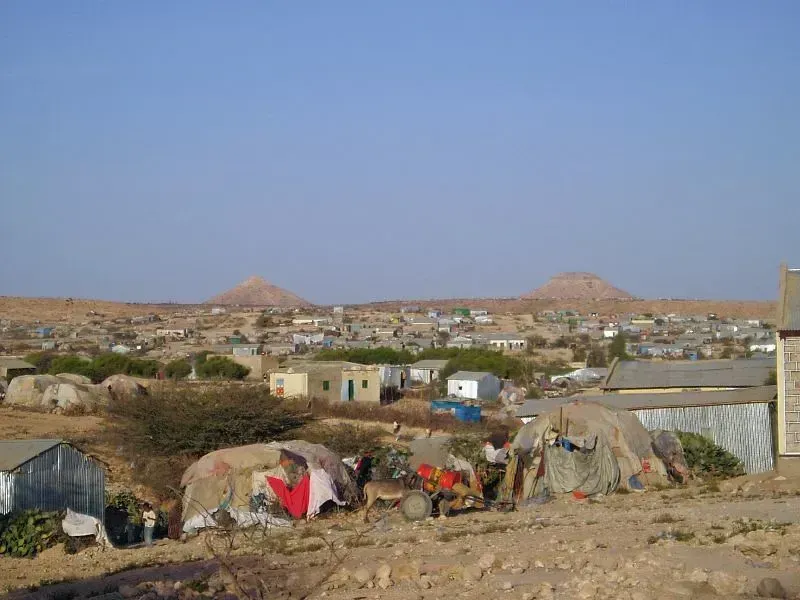
Somalia rounds out the trio of countries with the smallest per capita carbon footprints. According to global emissions mapping data, Democratic Republic of the Congo has the lowest carbon emission per capita, followed by Somalia and Burundi, all measured in fractions of a tonne per year. These figures place Somalia firmly among the handful of nations with emissions well under a tenth of a tonne annually per resident.
As with its low-emission peers, this outcome traces back to structural rather than deliberate environmental factors. Countries such as DR Congo, Somalia, and Burundi have virtually no large-scale industrial activity, with most emissions coming from household activities like cooking with firewood or charcoal, while facing significant poverty and underdevelopment that limits energy consumption. The pattern across all three nations is the same: minimal fossil fuel use born from scarcity, not policy choice.
4. Qatar – the world’s highest per capita emitter
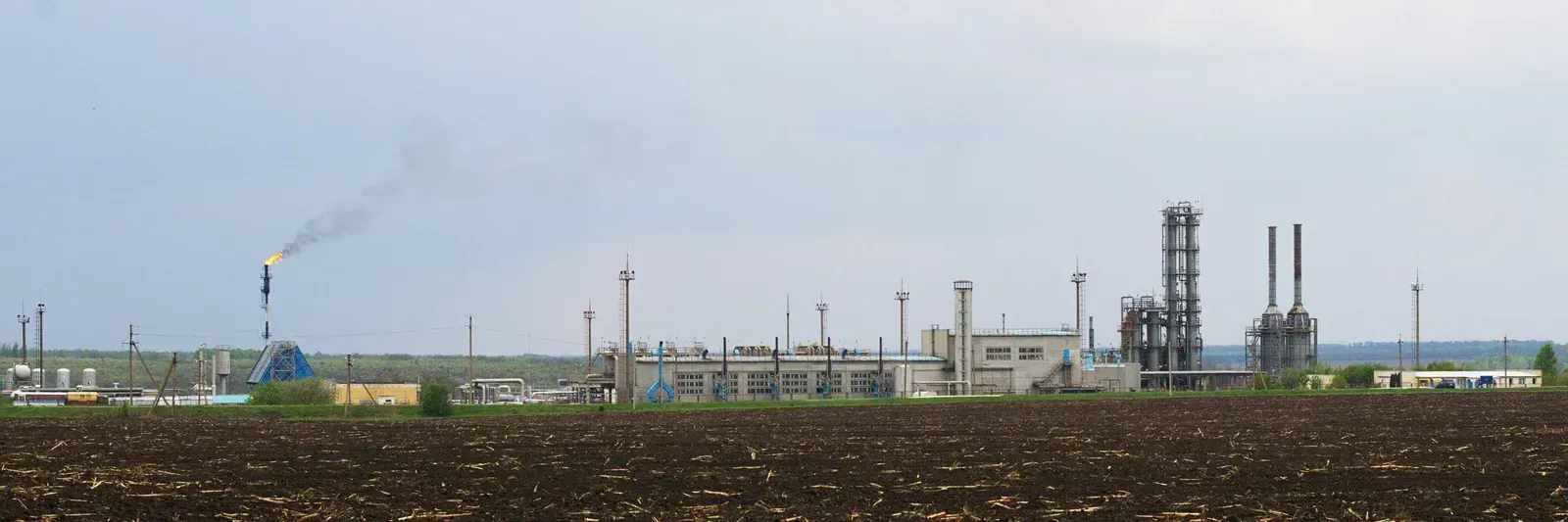
At the opposite extreme sits Qatar, a country that has topped global per capita emissions rankings for years running. With a population of under three million, Qatar has the highest per capita emissions of any country in the world, producing an average of roughly 39 tonnes of carbon dioxide equivalent per person. Some sources place the figure even higher when accounting for total greenhouse gases rather than CO2 alone, noting that in 2024, the average person in Qatar emitted 49 tonnes of carbon dioxide equivalents.
Qatar’s numbers reflect an economy built almost entirely around natural gas extraction and export. The large majority of emissions come from fossil CO2, led by gas combustion, with oil combustion also a substantial contributor. Add in a punishing desert climate that demands constant air conditioning and energy-hungry desalination for drinking water, and the country’s per capita numbers make more sense even if they remain dramatically out of step with the rest of the world.
5. Kuwait – oil wealth and a small population
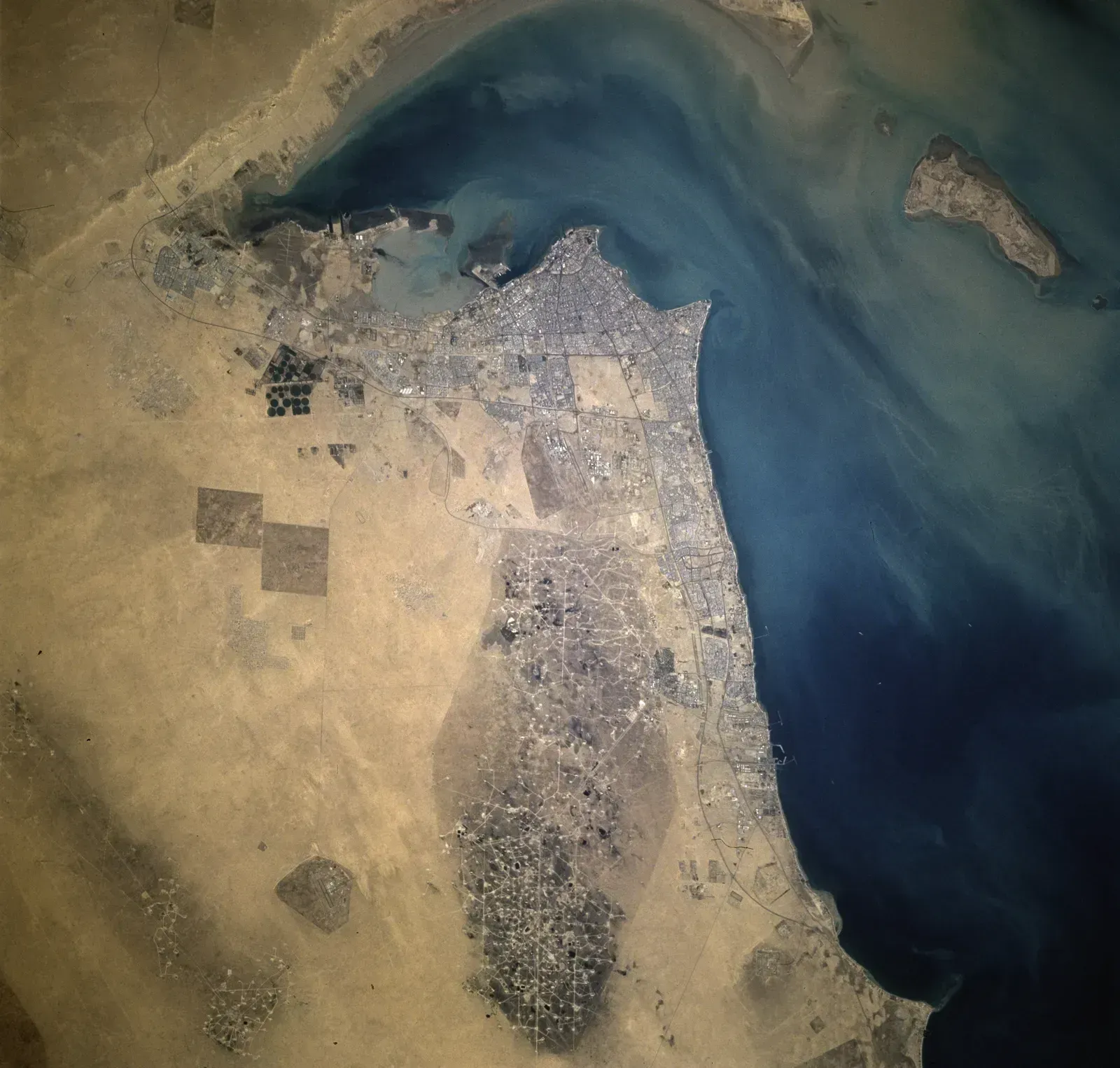
Kuwait follows a similar template to Qatar: a small population sitting atop enormous fossil fuel reserves. Recent country comparisons show Kuwait’s per capita emissions reaching around 23 metric tons in 2023, among the highest figures recorded globally. That places it consistently in the same tier as its Gulf neighbors.
The explanation echoes what drives Qatar’s numbers. Qatar, Bahrain, Kuwait, and the United Arab Emirates are all located in the Middle East and derive significant wealth from fossil fuels, with high emissions per capita attributed to energy-intensive industries, lack of renewable energy infrastructure, and high-energy lifestyles including air conditioning and desalination plants in arid climates. Kuwait’s oil-driven economy, combined with heavily subsidized domestic energy prices, has historically discouraged conservation at the household level.
6. Bahrain – a small island with an outsized footprint
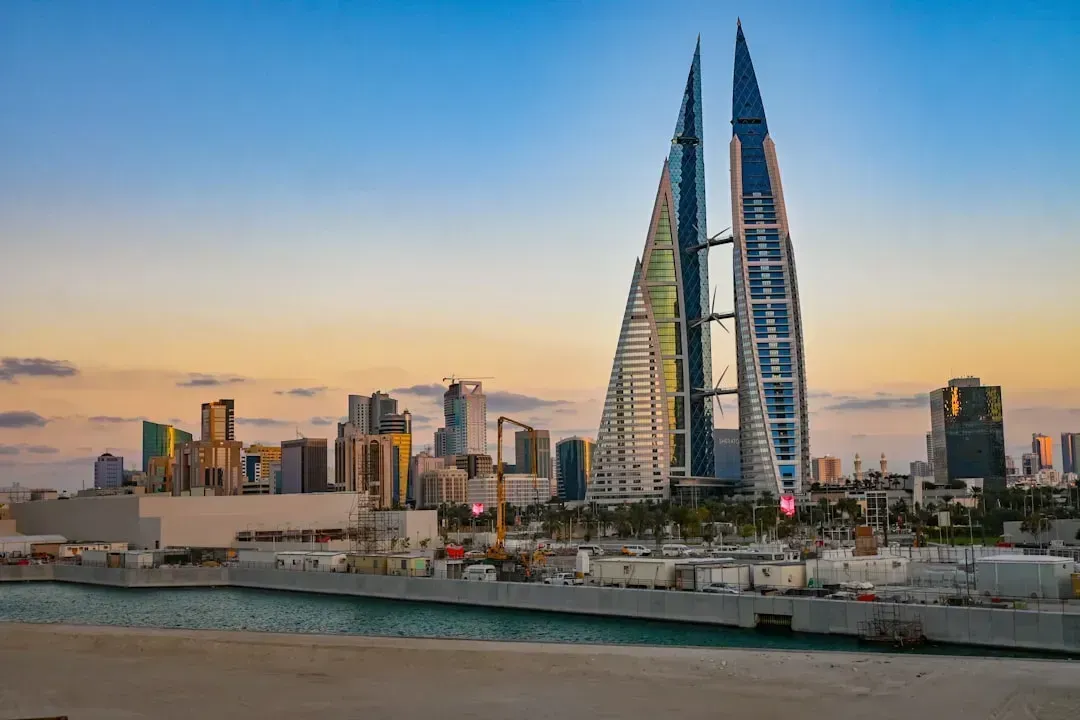
Bahrain is another Gulf state that punches well above its geographic weight in emissions terms. Country-level data places Bahrain as the second-ranked country globally at around 25.7 tonnes per capita, trailing only Qatar by a notable but not enormous margin. Given that Bahrain is one of the smallest nations in the world by land area, this concentration of emissions per resident is striking.
Much like Qatar and Kuwait, Bahrain’s economy leans heavily on petroleum refining and petrochemical industries, both of which are extremely energy intensive. The island’s climate also demands near constant cooling for much of the year, adding a steady baseline of electricity demand that shows little seasonal variation. Renewable energy adoption remains limited across the region, meaning natural gas and oil continue to fuel most of the electricity grid.
7. United Arab Emirates – growth built on fossil fuels
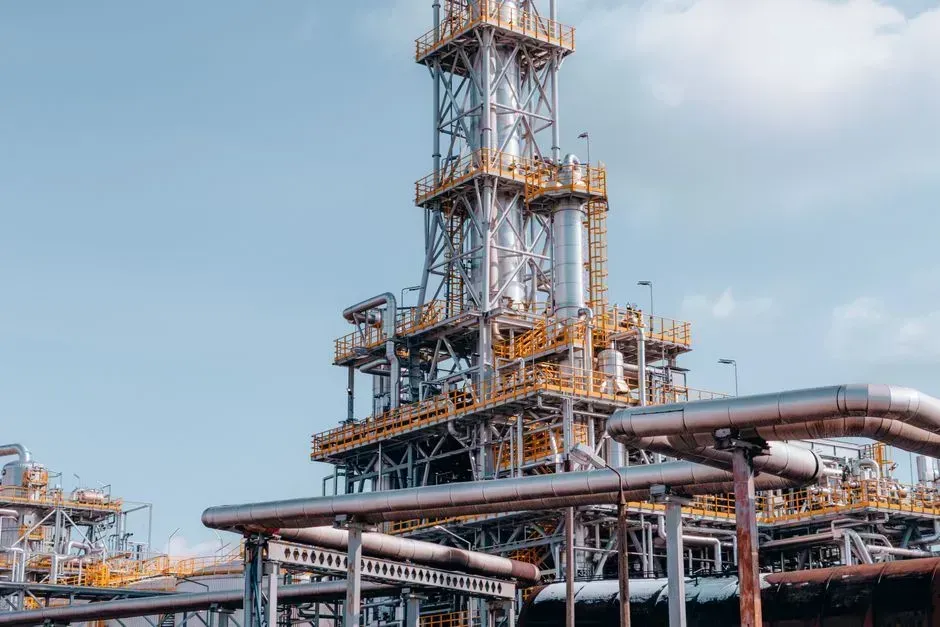
The United Arab Emirates rounds out the Gulf cluster among the world’s highest per capita emitters. Historical data shows the UAE’s emissions at around 24.1 metric tons per person in 2023, a figure that has remained elevated for well over a decade. The country’s rapid urbanization, including energy intensive megaprojects and a booming aviation and logistics sector centered on Dubai, has kept demand for fossil fuel based power consistently high.
Broader industry analysis groups the UAE with its regional peers for good reason. Some of the Middle East’s largest oil producing countries, including Qatar, the United Arab Emirates, and Saudi Arabia, are among the world’s largest carbon dioxide emitters per capita. While the UAE has made public commitments to solar energy and nuclear power investment in recent years, those efforts have not yet meaningfully shifted the country’s per capita standing.
8. Saudi Arabia – the region’s largest economy, a familiar pattern

Saudi Arabia closes out the list of the five highest per capita emitters, and its trajectory tells its own story. Per capita emissions in Saudi Arabia have grown by roughly 75 percent since 1990, one of the steepest increases among major oil producing nations. That climb reflects decades of rapid industrialization, population growth, and heavily subsidized domestic fuel prices that have long discouraged efficiency.
As the largest economy in the Gulf, Saudi Arabia’s emissions profile carries more global weight than its smaller neighbors simply due to scale. The kingdom has announced ambitious renewable energy targets under its long-term economic diversification plans, including large solar and wind projects. Still, oil and gas remain the backbone of both its export economy and domestic power generation, keeping per capita figures firmly in the double digits.
The contrast between these two groups of countries is not really about virtue or failure. It reflects, more than anything, how deeply carbon emissions are tied to energy access, industrial structure, and climate. Nations at the bottom of the ranking often have the least capacity to adapt to a warming world, even though they contribute almost nothing to causing it, while the highest emitters tend to be small, wealthy, and heavily reliant on the very fossil fuels that built their economies.