
- Common Nutrition Myths That Scientists Say Are Wrong - September 24, 2026
- 8 Island Nations Most at Risk of Disappearing This Century - September 24, 2026
- 9 Everyday Choices That Can Reduce Household Waste Without Much Effort - September 24, 2026
Eating at night causes weight gain

This one refuses to die, partly because it feels intuitively true. But the research tells a more nuanced story. Studies consistently show that nighttime eating does not actually cause weight gain if you stay within your body’s daily caloric needs. The USDA’s own guidance backs this up directly, noting that “it does not matter what time of day you eat. It is what and how much you eat and how much physical activity you do during the whole day that determines whether you gain, lose, or maintain your weight.”
Where the myth gets a little more complicated is behavior, not biology. One study found that people who ate between 11 p.m. and 5 a.m. consumed roughly 500 more calories per day than those who limited their intake to daytime hours. That’s less about the clock and more about mindless snacking, boredom eating, and the tendency to reach for calorie-dense comfort food late in the evening. So the real culprit is overeating, not the hour on the microwave display.
All carbohydrates make you fat

Carbs have taken more blame for weight gain than almost any other food group, but the science doesn’t support treating them as uniformly bad. Carbohydrates are often seen as the enemy, but they’re not the villain when it comes to weight gain. Like anything, it’s all about balance and choosing the right kind. The type of carbohydrate matters far more than simply avoiding the category altogether.
Weight gain happens when we eat more calories than we burn, whether they come from carbs, protein, or fats. High-fiber sources like whole grains, legumes, and vegetables behave very differently in the body than refined sugar or white bread. Lumping oatmeal and candy into the same nutritional bucket simply because both contain carbohydrates ignores decades of research on fiber, blood sugar response, and satiety.
Frozen and canned produce is nutritionally inferior
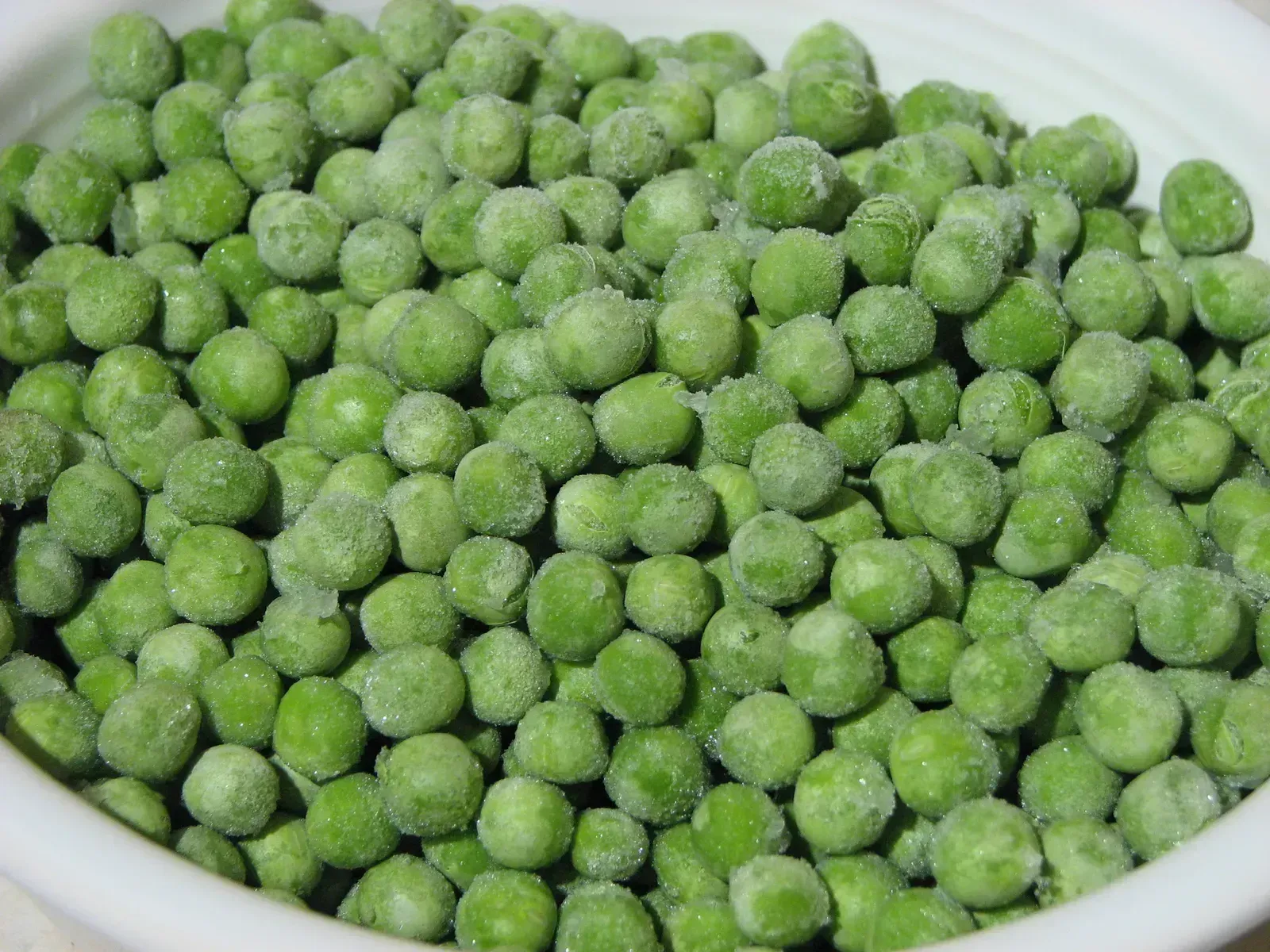
There’s a persistent assumption that fresh fruit and vegetables sitting in a produce aisle are automatically superior to anything found in the freezer section. Nutrition researchers who’ve actually compared them disagree. While there is a longstanding belief that “fresh is best,” research suggests that frozen, canned, and dried fruits and vegetables can provide just as much nutrition as fresh produce.
There’s a practical upside here too. Frozen produce is typically picked and processed at peak ripeness, which can actually preserve certain nutrients better than produce that travels long distances before reaching a shelf. Sara Bleich, the outgoing director of nutrition security and health equity at the U.S. Department of Agriculture and a professor of public health policy at the Harvard T.H. Chan School of Public Health, has pointed out that frozen and canned options can also be more affordable and convenient for households trying to keep produce on hand consistently.
Seed oils are secretly harmful
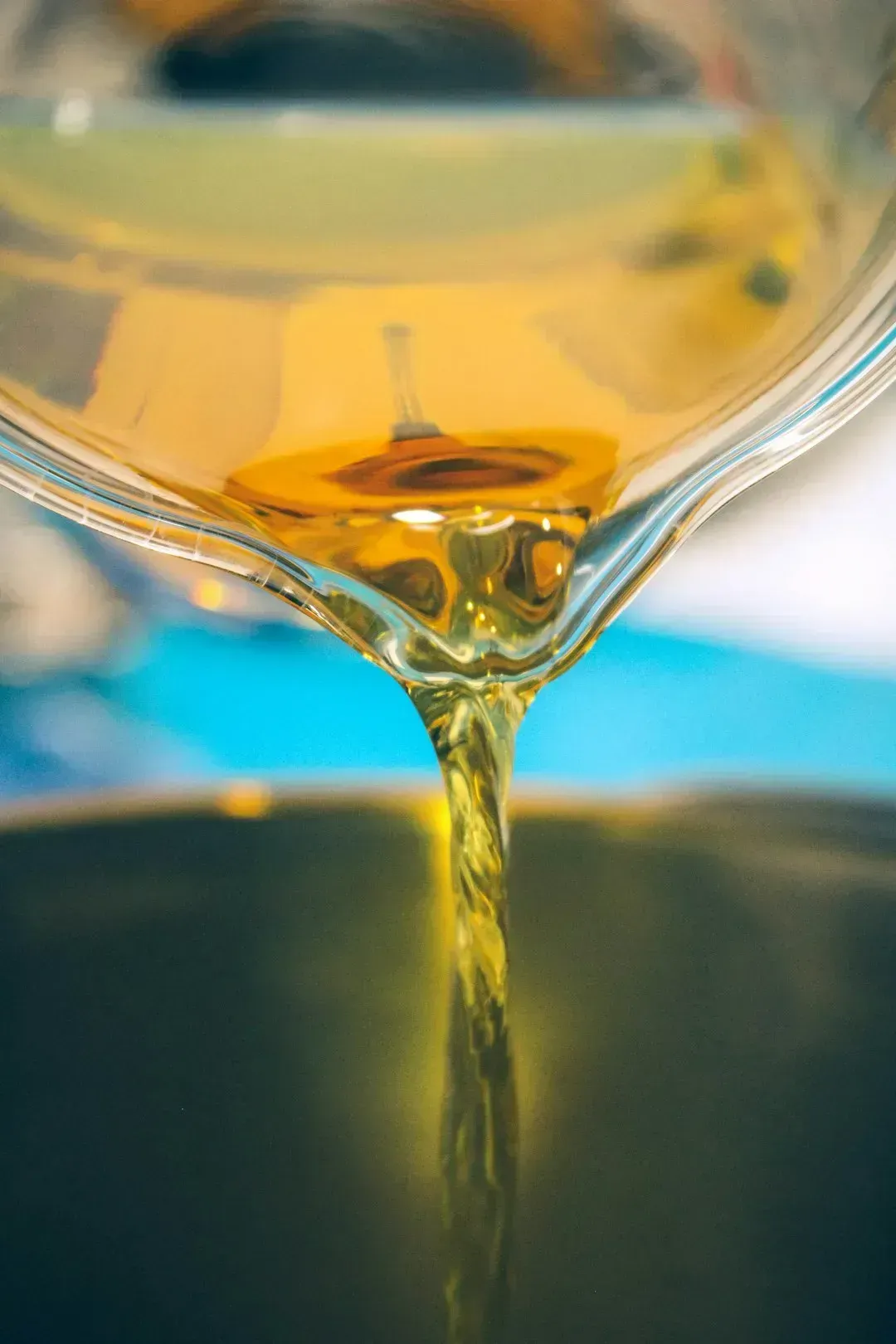
Seed oils, things like canola, sunflower, and soybean oil, have become an unlikely target of online health discourse in recent years, with claims that their omega-6 content drives inflammation and chronic disease. The research doesn’t back this narrative. Seed oils support heart health; despite claims about inflammation, their omega-6 fats don’t increase chronic disease risk.
This doesn’t mean every fat source is equal, but it does mean the specific fear around seed oils causing widespread harm isn’t supported by the current body of evidence. Context still matters, including how these oils are used, how often they’re heated to high temperatures, and what else makes up a person’s overall diet. Singling out one ingredient as uniquely dangerous tends to oversimplify a much more complicated picture.
Coconut oil is a health food

Coconut oil enjoyed a reputation boost during the height of the low-carb and keto movements, often marketed as a heart-healthy alternative to butter or vegetable oils. The nutritional reality is less flattering. Coconut oil is very high in saturated fats.
That doesn’t mean it needs to disappear from the kitchen entirely. It’s fine occasionally, but unsaturated oils like olive or rapeseed oil are healthier everyday choices. The distinction matters for anyone trying to manage cholesterol or reduce cardiovascular risk over the long term, since saturated fat intake remains one of the more consistently studied dietary risk factors.
Low-fat and fat-free labels mean healthier

Packaging that highlights “low-fat” or “fat-free” often gets treated as a shortcut for healthy, but that shortcut can be misleading. “Low-fat” or “fat-free” labels do not guarantee a healthier choice. Manufacturers frequently compensate for reduced fat by adding extra sugar or salt to maintain flavor and texture, which can leave a product no better, and sometimes worse, nutritionally than the full-fat version.
This is one of those cases where reading beyond the front of the package actually matters. A flashy claim in bold letters doesn’t say much about the ingredient list underneath it. Checking sugar content, sodium levels, and overall calorie density gives a far more accurate picture than any single marketing phrase ever could.
All ultra-processed foods are equally bad

Ultra-processed foods have become a catch-all villain in nutrition conversations, but the category itself is far too broad to make blanket judgments. Many ultra-processed foods, like whole grain breads and fortified foods, can be part of a healthy diet. Ultra-processed foods vary widely in their nutritional value.
A fortified whole grain bread and a bag of neon-colored candy might technically fall under the same processing classification, yet they couldn’t be more different nutritionally. This doesn’t erase legitimate concerns about certain heavily processed snack foods and their links to poor diet quality. It does mean the term itself isn’t a reliable stand alone signal for whether a food deserves a place in a healthy diet.
Eating more frequent small meals boosts metabolism

The idea that grazing throughout the day keeps your metabolic fire burning has been repeated in fitness circles for years, often tied to the thermic effect of food. Current research doesn’t really support it as a meaningful metabolic advantage. Meal frequency has a negligible effect on total daily energy expenditure, and the theory was that eating keeps the metabolic fire burning via the Thermic Effect of Food.
In other words, whether someone eats three larger meals or six smaller ones across the same day, the total calorie burn from digestion ends up roughly similar. What tends to matter more is whether a particular eating pattern helps someone manage hunger, avoid overeating later, and stick with their overall dietary goals. Meal frequency looks more like a personal preference than a metabolic lever.
Microwaving destroys nutrients in food

Microwaves get an unfairly bad reputation, often dismissed as a shortcut that strips food of its nutritional value compared to stovetop or oven cooking. That assumption doesn’t match what nutrition scientists have found. Is microwaving food bad for nutrients? No. In fact, microwaving can be one of the best methods for preserving certain vitamins, particularly in vegetables.
The reasoning comes down to cooking time and water exposure. Because microwaving typically cooks food faster and often with less added water than boiling, water soluble vitamins like vitamin C and various B vitamins have less opportunity to leach out or break down from prolonged heat exposure. It’s a case where an appliance associated with convenience actually holds its own against more traditional cooking methods.
Nutrition science keeps flip flopping, so none of it can be trusted

It’s a common frustration: butter was bad, then margarine was worse, then butter was fine again. This back and forth understandably makes people skeptical of nutrition guidance altogether. But shifting recommendations aren’t necessarily a sign of unreliable science.
The landscape of nutrition is constantly evolving, and a fact today may become a myth in ten years as measurement tools improve and long-term studies conclude. This does not mean science is broken; it means it is working. Long-term epidemiological studies take years to produce meaningful data, and refining conclusions as better tools and larger datasets become available is simply how science is supposed to function. The real danger, according to researchers who study this pattern, isn’t updated guidance itself but treating any single dietary rule as an unshakeable law rather than part of an evolving picture.
The takeaway