


- Common Nutrition Myths That Scientists Say Are Wrong - September 24, 2026
- 8 Island Nations Most at Risk of Disappearing This Century - September 24, 2026
- 9 Everyday Choices That Can Reduce Household Waste Without Much Effort - September 24, 2026
1. Plan meals before grocery shopping
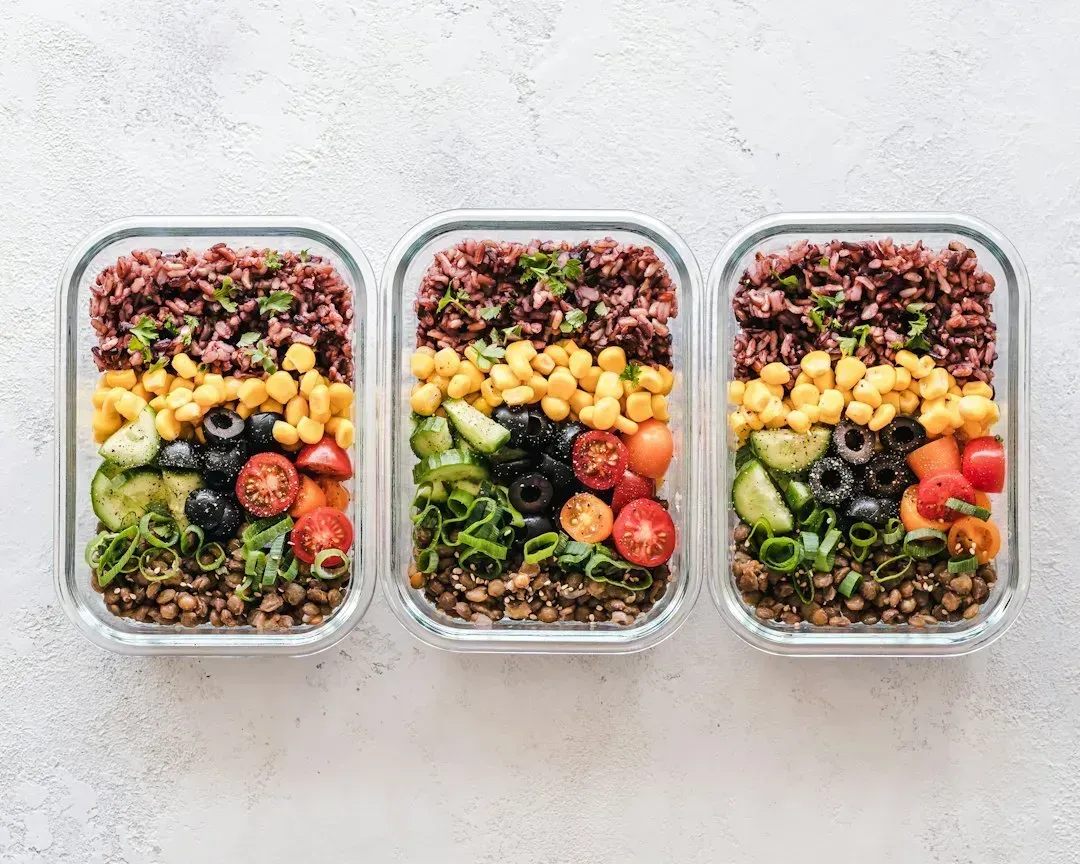
Food waste is one of the biggest contributors to household trash, and much of it starts with impulsive grocery trips. The US Environmental Protection Agency estimated in a 2025 report that wasted food costs the average US consumer about $728 per year, which for a household of four works out to roughly $2,913 annually. That’s real money disappearing into the compost bin or, worse, the landfill.
Sitting down for ten minutes before a shopping trip to sketch out three or four meals for the week solves a lot of this. It naturally limits impulse buys and duplicate purchases, since you already know what’s needed. Checking the fridge and pantry first also prevents buying something you already own, which happens more often than most people admit.
2. Store fruits and vegetables the right way

A shocking share of produce ends up wilted or moldy simply because it was stored incorrectly. Potatoes and onions kept together speed up spoilage, while apples release ethylene gas that ripens nearby produce faster than intended. Small adjustments, like keeping herbs in water rather than a plastic bag, can extend freshness by days.
Dairy products account for roughly 15 percent of household food waste, meat and fish make up another 8 to 10 percent, and prepared or leftover meals contribute about 8 percent of what’s wasted. Much of that could be avoided with basic storage awareness, like keeping dairy on colder interior shelves rather than the door, where temperatures fluctuate every time it opens.
3. Switch to reusable shopping and produce bags

The plastic bag question has gotten more complicated than it used to be, but the basic habit of bringing your own bags still helps. Adopting a ban on single-use plastic bags similar to existing policies could be expected to eliminate roughly 300 single-use plastic bags per person per year, on average. That number reflects entire regions, but it scales down neatly to a single household that simply stops grabbing new plastic bags every visit.
There’s a caveat worth knowing. Researchers found that while the number of plastic bags distributed by retailers dropped by 50 percent under one state’s ban, the reduction in bag count was more than offset by the thickness of reusable plastic bags, and by weight, plastic use actually increased by 17 percent. The lesson isn’t that reusable bags fail, it’s that the same tote or basket needs to be reused dozens of times, not tossed after a couple of trips, for the swap to actually reduce waste.
4. Start composting food scraps
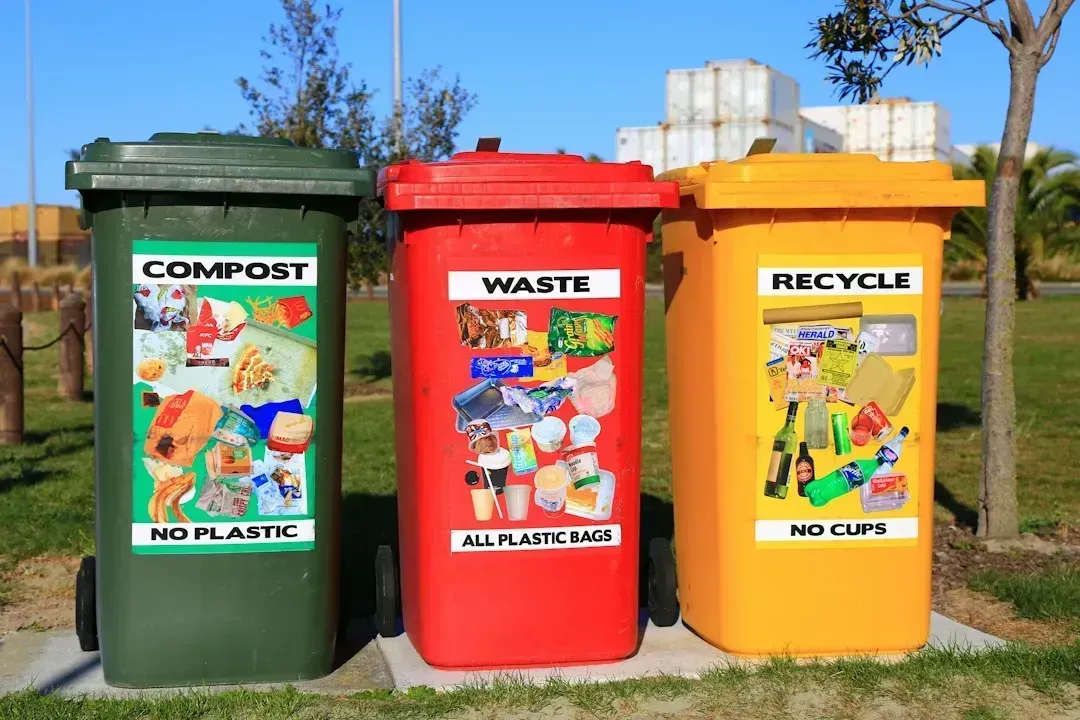
Composting sounds like a project for people with big backyards, but small countertop bins and even some municipal pickup programs have made it accessible to apartment dwellers too. Coffee grounds, vegetable peels, and eggshells that would otherwise rot in a landfill and release methane can instead become useful soil.
Composting just the food scraps from one household can offset approximately 0.39 metric tons of CO2 equivalent per year, and scaled across hundreds of thousands of homes, that math becomes transformative. It’s a low-effort habit once the routine is set, usually just a covered bin under the sink and a weekly trip outside.
5. Buy in bulk where it makes sense
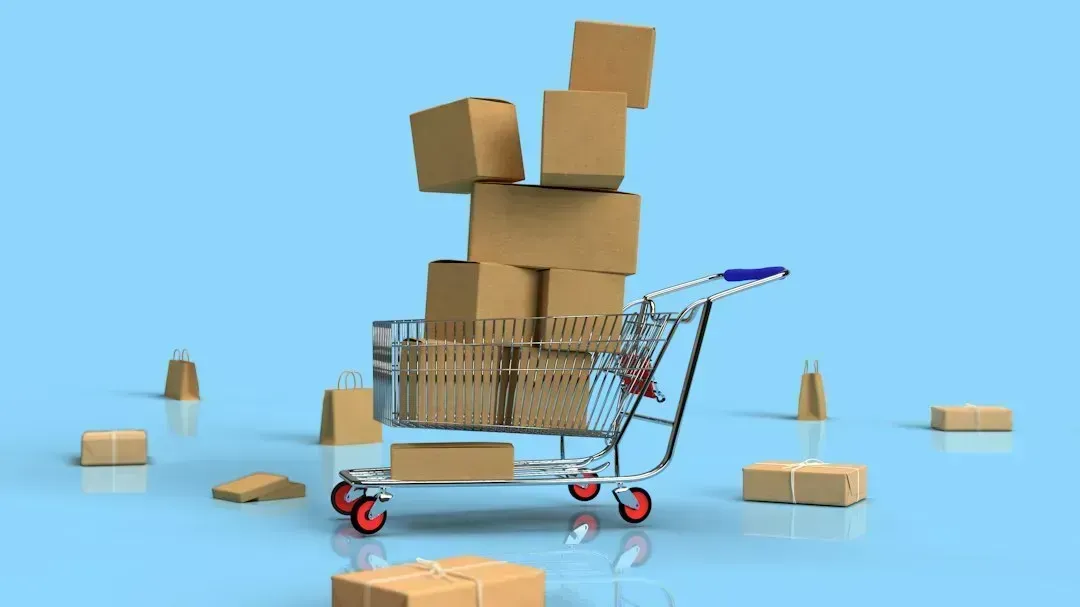
Bulk buying gets a mixed reputation, partly because it can encourage overbuying items that spoil before they’re used. Used correctly, though, it cuts down significantly on packaging waste for shelf-stable goods like rice, oats, pasta, and cleaning supplies. Refillable bulk bins at grocery stores let shoppers bring their own containers, skipping individual plastic packaging entirely.
The trick is applying bulk buying selectively. Perishables still benefit from smaller, more frequent purchases, while pantry staples with long shelf lives are ideal candidates for buying larger quantities less often, which reduces both packaging and the number of shopping trips.
6. Repair instead of replace

Small appliances, torn clothing, and worn furniture often get discarded the moment something goes slightly wrong, even when a fix is simple and cheap. A loose button, a frayed cord, or a wobbly chair leg rarely require professional help. Basic sewing kits and a small set of tools can handle most household repairs without special training.
The so called right to repair movement has picked up steam over the past couple of years, with more manufacturers publishing repair guides and offering spare parts directly to consumers. This shift makes it easier than it used to be to fix electronics and appliances rather than tossing them the moment a warranty expires.
7. Rethink single use kitchen items
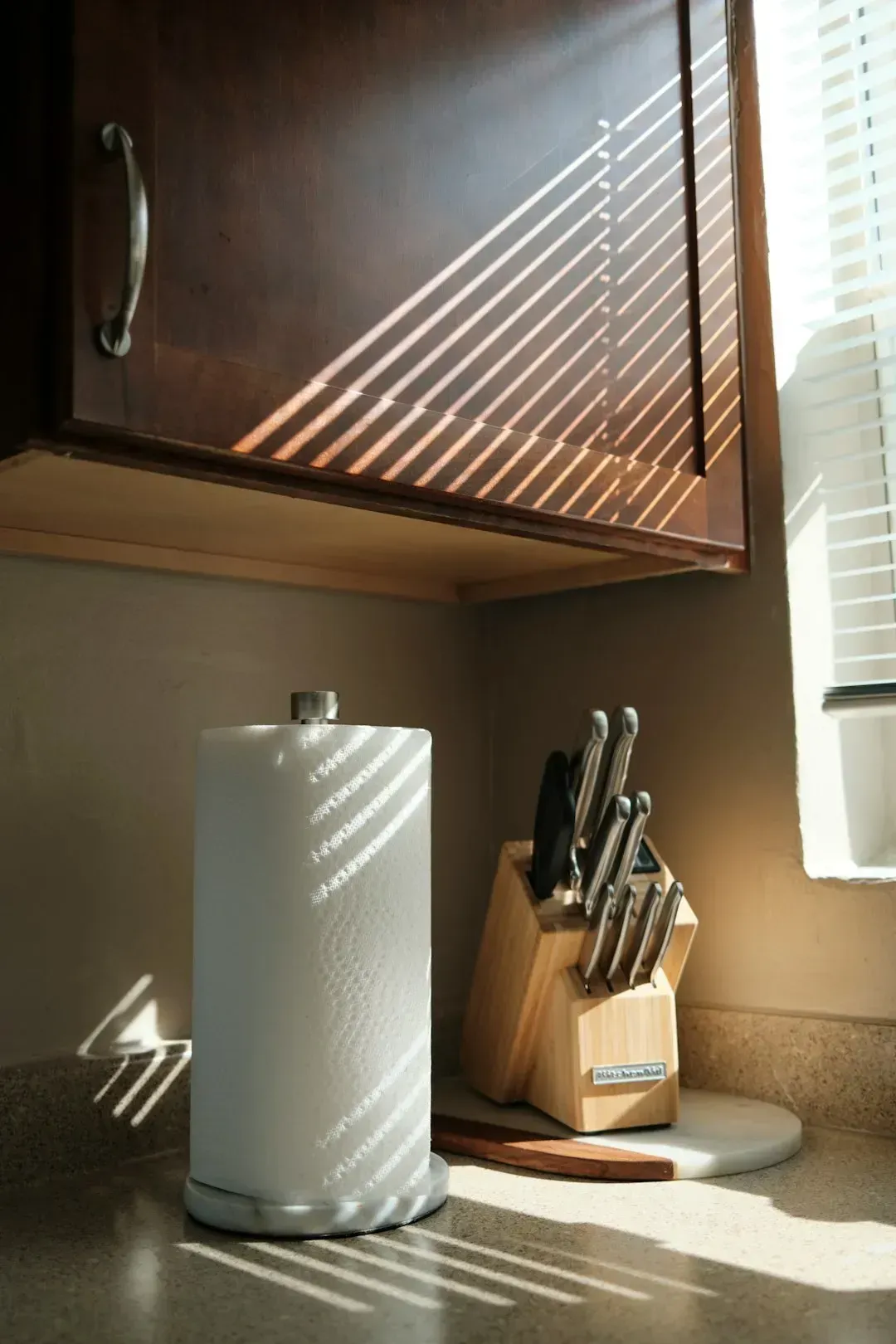
Paper towels, plastic wrap, and disposable cutlery are conveniences most kitchens run through quickly, generating a steady stream of waste that’s easy to overlook. Swapping in cloth napkins, beeswax wraps, or silicone lids doesn’t eliminate the habit instantly, but it chips away at it meaningfully over months.
None of these swaps require buying anything expensive or trendy. An old t-shirt cut into rags does the same job as a roll of paper towels for most spills, and reusable containers already sitting in a cabinet can replace cling film for leftovers.
8. Donate or repurpose instead of tossing
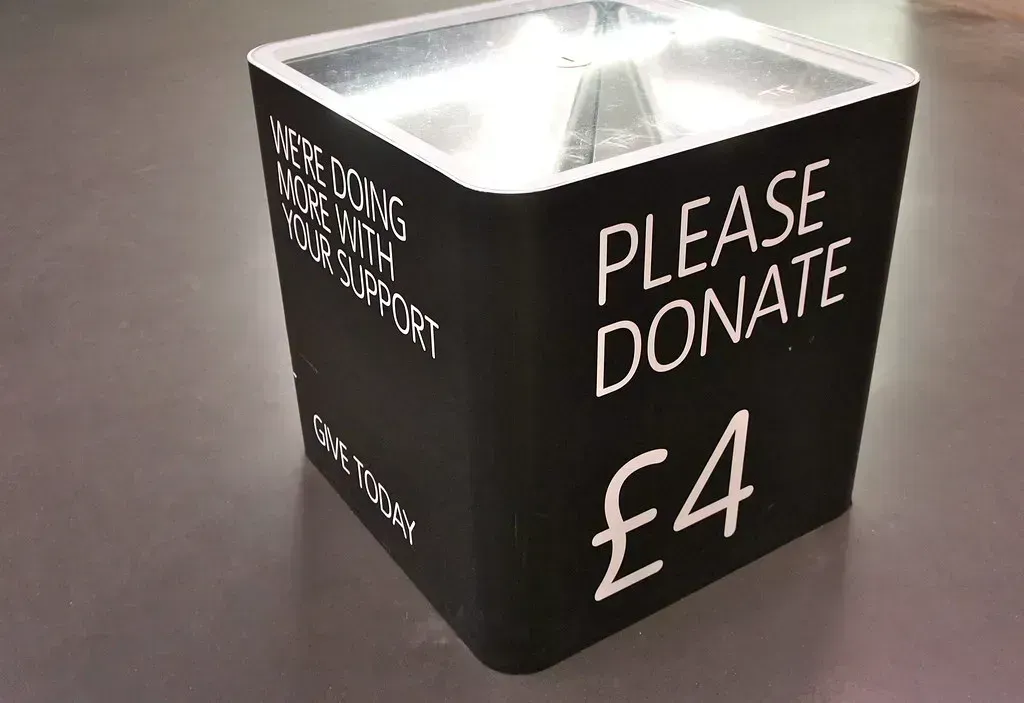
Clothing, furniture, books, and electronics that no longer serve a purpose at home often still have plenty of life left in them. Local donation centers, thrift stores, and community swap groups exist specifically to keep usable items out of landfills. Even broken electronics frequently qualify for recycling programs that recover valuable materials.
This habit takes barely more effort than throwing something away. Keeping a designated donation box in a closet, and dropping it off during a routine errand, turns what would be trash into something useful for someone else without adding a special trip to the schedule.
9. Reduce mail and paper clutter

Junk mail, catalogs, and unwanted paper receipts pile up quietly, and most of it never gets opened before being tossed. Requesting removal from mailing lists and switching to digital statements for banking, utilities, and subscriptions cuts this waste stream dramatically over time. Many services now default to paperless billing, and opting in takes only a couple of minutes per account.
Digital receipts have also become far more common at checkout counters, offered as an alternative to the small paper slips that used to pile up in drawers. Choosing that option, along with unsubscribing from a handful of catalog mailers each month, adds up to a noticeably lighter recycling bin over a year.
None of these nine habits demand major sacrifice or a big upfront investment. They work because they slot into routines people already have, whether that’s grocery shopping, cooking, or sorting mail. Taken together, they show that reducing household waste is less about a single dramatic change and more about a series of small, steady adjustments that quietly compound over time.