

- The Compostable Cup Left Intact for Years – 5 Backyard Composting Failures - November 15, 2026
- Fast-Fashion “Conscious” Lines Under Scrutiny – 5 Red Flags in Eco-Clothing - November 15, 2026
- Space Engineers Explain 5 Quiet Changes Making Rocket Launches Safer Than Ever - November 15, 2026
Most people picture rocket safety as something dramatic, like a capsule escape system or a last second abort. The bigger gains lately have come from less visible places, such as onboard software, shared data feeds and rewritten paperwork. None of it makes for a great video clip.
Launch rates have climbed sharply, and that pressure has pushed engineers and regulators to rethink how risk is managed. The changes below are drawn from NASA, FAA and Space Force material from 2024 through 2026.
Rockets Now Make Their Own Safety Calls
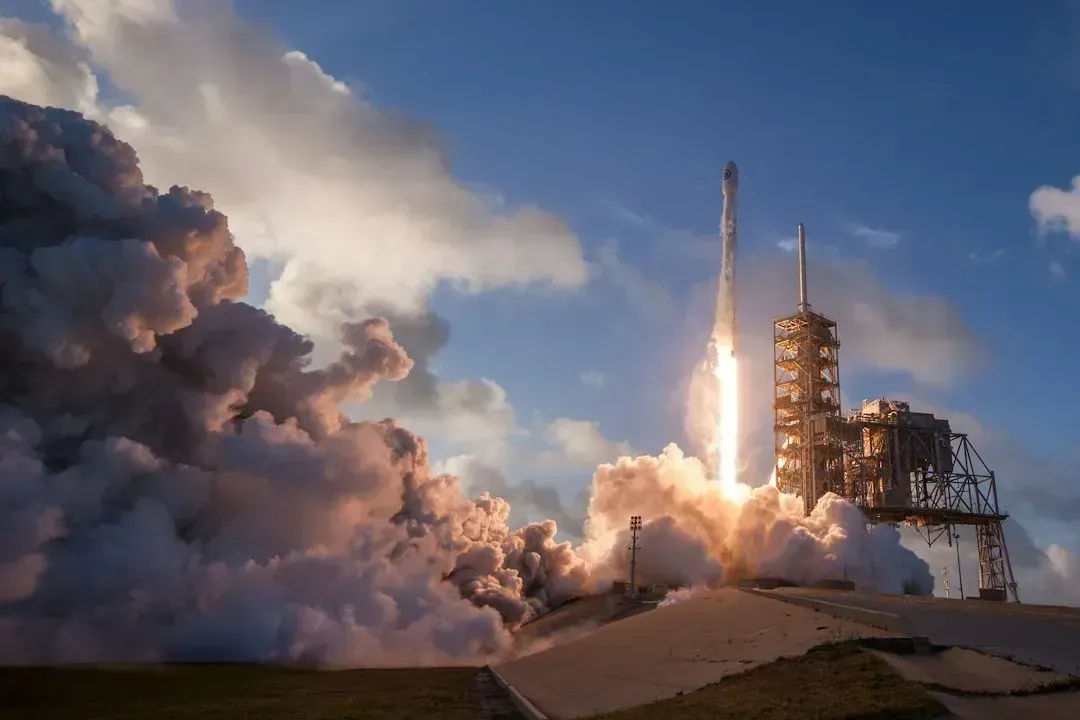
Traditionally, a range safety officer on the ground watched tracking data and sent the destruct command if a rocket veered off course. An autonomous system makes that decision onboard, using the rocket’s own sensors. The hardware and software compare in flight data against mission specific parameters, then execute a termination when problems can’t be corrected.
The shift is meant to be universal. Starting in 2025, any vehicle launching from a federal range is required to install and use an autonomous flight termination unit. When several rockets are in the air at once, each one runs its own program to evaluate conditions, which protects the public.
A Shared Standard Is Replacing One Off Designs
Early autonomous systems were mostly proprietary, which made life hard for smaller launch companies. NASA’s answer was a reusable option. Its NAFTU system is designed to be customizable and to support a wide array of launch vehicles at any launch range.
Rocket Lab was among the first to use it. Its mission from Virginia was the first space launch to use this NASA developed flight safety system. Standards have kept evolving too. The June 2025 update to the Range Commanders Council flight termination standard added autonomous flight termination system telemetry data.
Air Traffic Controllers Can Now See Rockets Almost Live
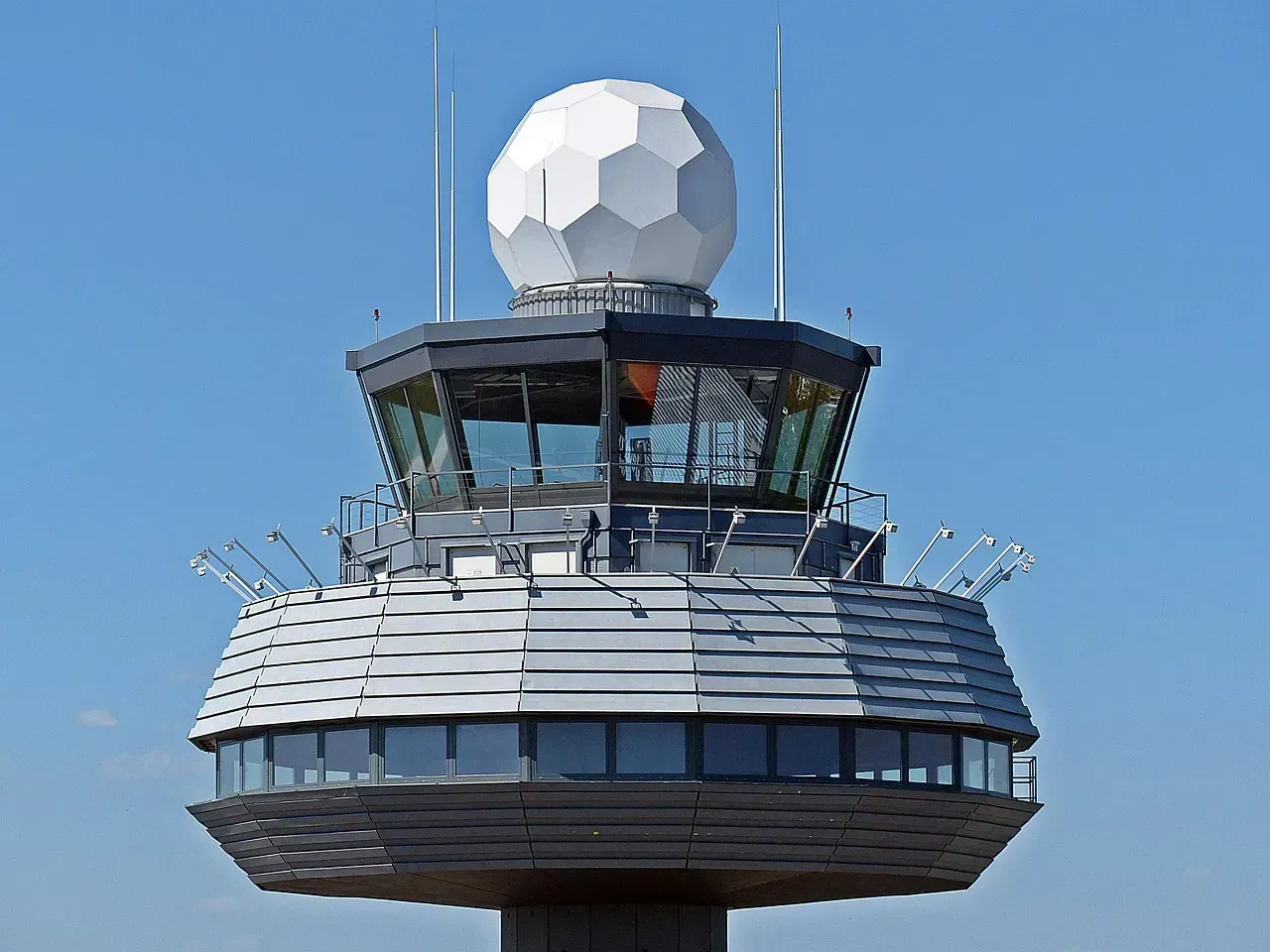
A rocket doesn’t only threaten people on the ground. It also crosses busy airspace, and that used to rely on slow, manual handoffs. The FAA has acknowledged it relied heavily on manual processes to retrieve and communicate space data.
The Space Data Integrator changed that. It takes trajectory data from launch companies and puts it on a screen so FAA officials can see where a rocket is, where it’s headed and when it has cleared closed airspace. The shared data includes position, altitude and speed, plus indicators if the vehicle deviates from its expected path.
Airspace Closures Are Getting Smaller and Shorter
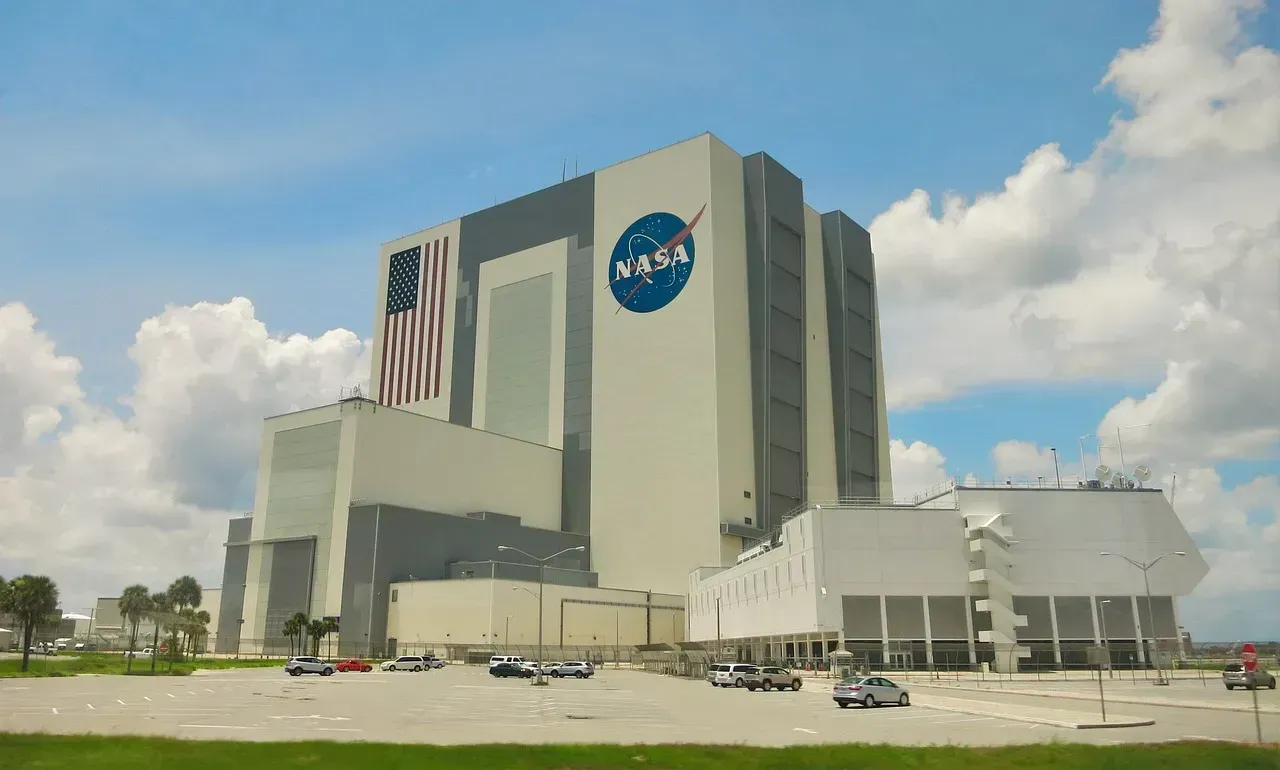
Better data lets planners draw tighter boundaries instead of closing everything to be safe. Until 2023, the FAA closed an entire cone of airspace around Kennedy Space Center and Cape Canaveral for every launch. After reviewing the evidence, the agency determined those restrictions for most Florida launches were too large and could be safely reduced.
The time savings are real. The FAA says it has been able to close less airspace for a shorter time, and reopen all airspace as quickly as three minutes after a launch. The pressure to keep improving remains, since the FAA approved a record 148 licensed commercial space operations in 2024.
One Licensing Rulebook Replaced a Patchwork
The least glamorous change may be the most far reaching. All FAA licensing now occurs under the Part 450 rule, which consolidates four old rules into one. For five years, the old and new regulations were in effect at the same time to give operators a transition period.
Part 450 focuses on outcomes, not rigid checklists. It reduces how often an operator needs license approval and allows one license for a portfolio of operations, vehicle configurations and launch sites. Refinement continues. On 5 October 2026, the Federal Register carried five proposed rules aimed at the licensing regime. The proposal would not eliminate safety reviews, but would simplify how companies demonstrate compliance.
Where These Changes Leave Launch Safety

Together, these changes move safety decisions closer to the rocket, give controllers better information and put clearer rules behind it all. There were nearly 200 licensed launches in 2025, compared with fewer than ten in 2015. Keeping that pace safe depends on the same quiet work that rarely makes the headlines.
