


- The Compostable Cup Left Intact for Years – 5 Backyard Composting Failures - November 15, 2026
- Fast-Fashion “Conscious” Lines Under Scrutiny – 5 Red Flags in Eco-Clothing - November 15, 2026
- Space Engineers Explain 5 Quiet Changes Making Rocket Launches Safer Than Ever - November 15, 2026
You’ve probably seen it, or you’ve heard a story like it. Someone digs into a bin they’ve tended for a season or two and finds a “compostable” cup sitting there, looking close to the day it went in. It’s a small, odd moment, and it points to a bigger gap between what a label promises and what a backyard pile can actually do.
The cup is only one of several ways a home compost setup can quietly fall short. Here are five failures worth understanding, along with what the available research and industry sources say about each.
Mistaking Industrial Compostable for Home Compostable
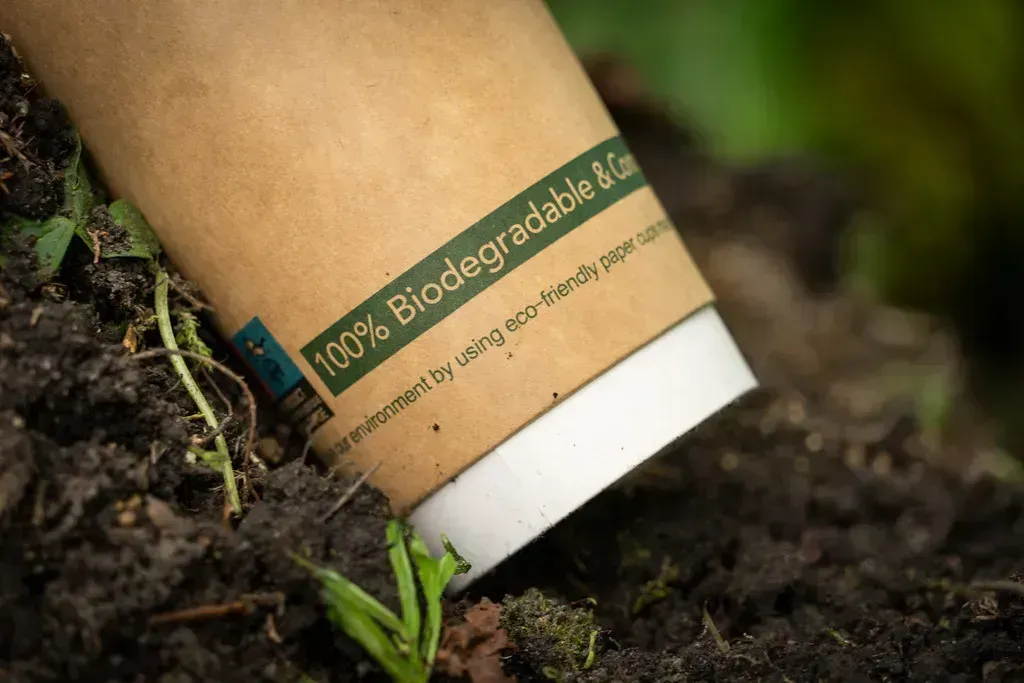
This is the root of the intact cup problem. PLA is designed for industrial composting and only breaks down meaningfully at high temperatures. The leaf logo and the word “compostable” on a cup often refer to that kind of facility, not your garden bin.
Labels do offer clues if you know where to look. The OK compost HOME mark covers home composting at ambient temperatures, while ASTM D6400 refers to industrial or municipal composting. If a cup carries only the second kind of claim, it wasn’t built for your backyard.
Expecting a Backyard Pile to Run Hot Enough
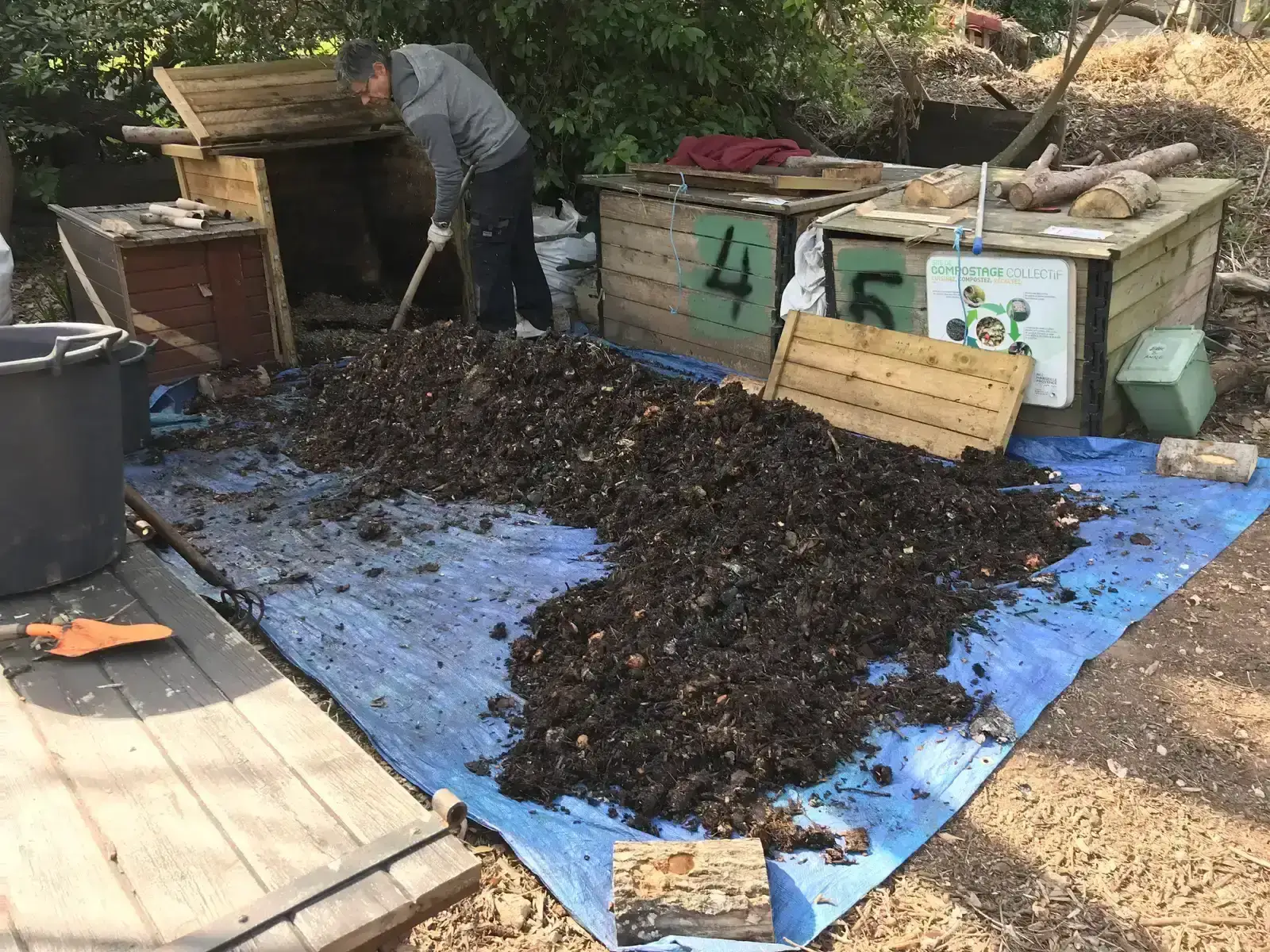
Temperature is the main reason these cups stall. One supplier guide says PLA needs industrial facilities that hold 140°F or more, while home compost rarely exceeds 130°F. That’s a vendor’s figure rather than a lab result, but it matches the general picture from other sources.
A trade publication example makes the point in real life. The executive editor of BioCycle magazine reported that tossing a PLA cup into a home pile won’t break it down, and that cups she added to her own compost were still there months later. Her explanation was that the cups need specific microorganisms used in industrial composting, which thrive at temperatures well above what most backyard heaps reach.
Trusting Vague Labels Like Biodegradable
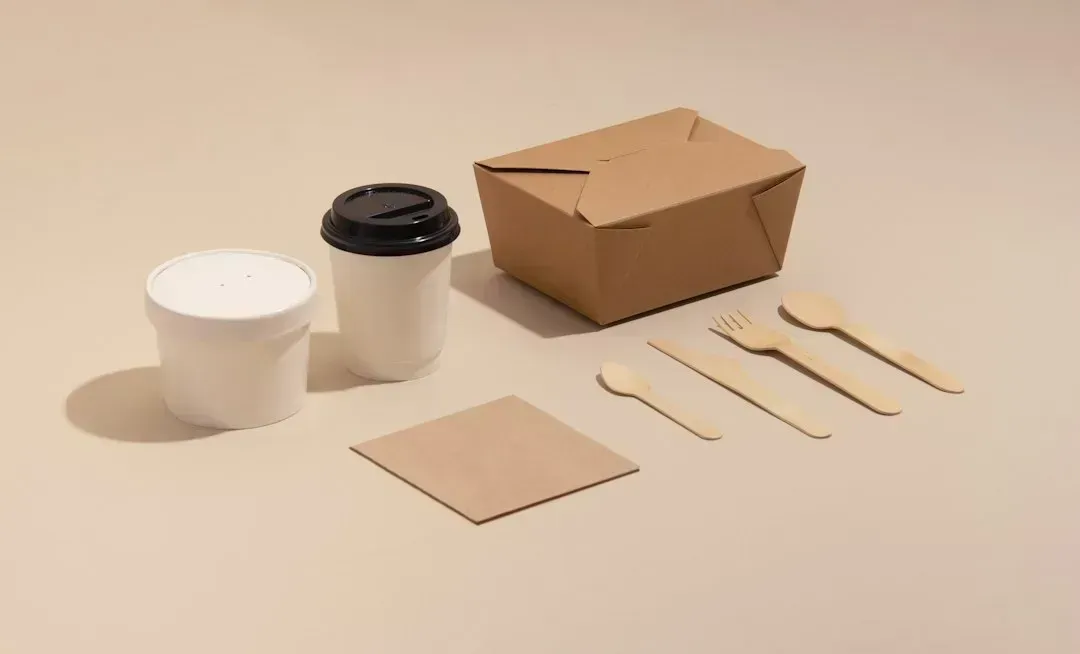
“Biodegradable” sounds reassuring, but it doesn’t say how fast or under what conditions. A study in a peer reviewed journal tested single use products sold in Poland that were labeled “biodegradable” but carried no certifications or information about specific components. The products included PLA cups, sugarcane cups and cellulose plates.
The researchers wanted to know whether such items could degrade in compost stabilized by backyard composting. Their findings point to a recurring theme: the conditions these materials need, such as sufficient oxygen, are rarely found in home composting but are found in industrial facilities. A vague label can’t tell you whether your pile qualifies.
Assuming Paper Cups With Linings Are Safe to Add
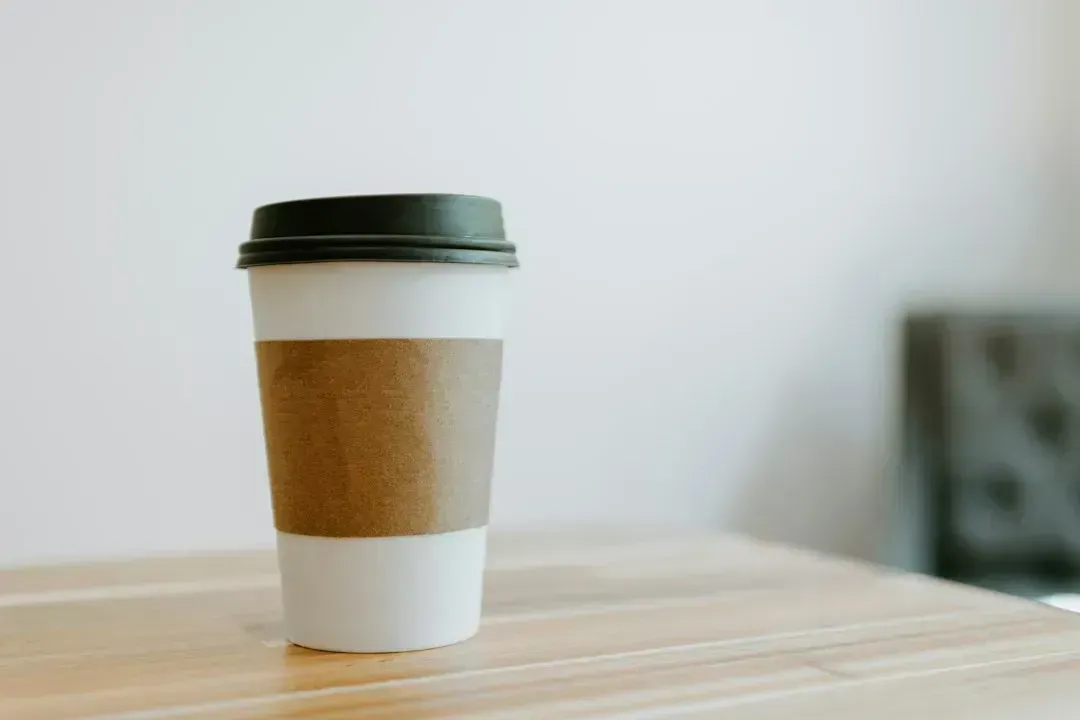
A paper cup seems like an easy call for the compost bin. Yet many are lined, and the lining matters. Standard coffee cups are made from paper with a thin layer of plastic, while compostable versions tend to use PLA. Neither lining is a guarantee of backyard breakdown.
Certification standards reflect this split. ASTM D6868 covers industrial composting of compostable coatings on items like paper cups. So even a paper cup with a compostable coating is aimed at a commercial system, and a home pile may leave the lining behind as fragments.
Skipping the Local Facility Check
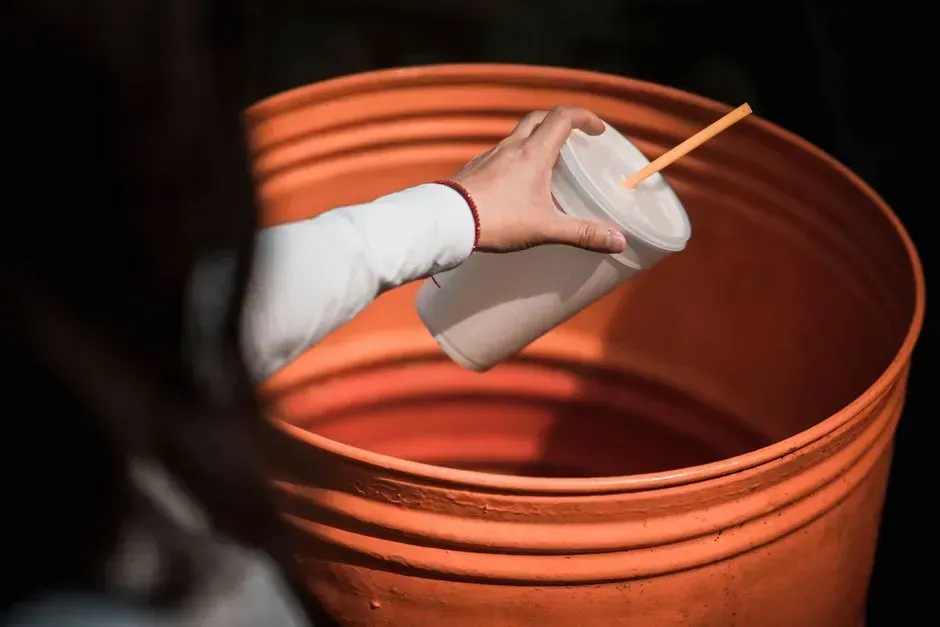
When a cup can’t go in the backyard bin, the next step is a facility that can handle it. That isn’t always available. One guide notes that composting facilities vary in what they accept, so a PLA item often ends up in the trash anyway.
The practical move is to ask before you toss. The best option is to check whether your local composting program accepts commercially compostable products. If it doesn’t, follow local waste guidelines instead of guessing, and keep the item out of your garden compost so it doesn’t linger in the finished soil.
Where This Leaves Your Bin
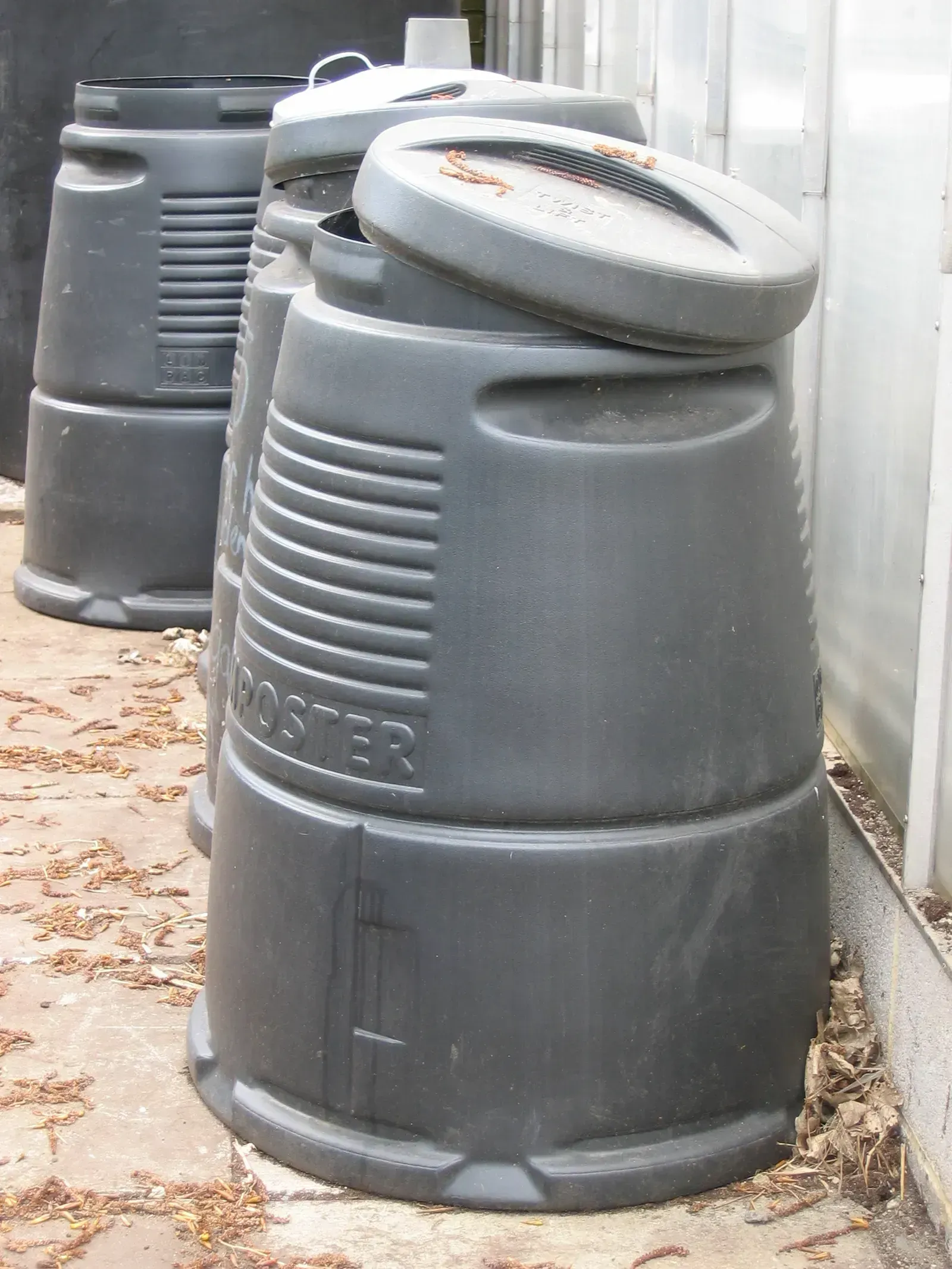
Keep certified home compostable items and plain food scraps in the backyard pile, and send industrial only cups to a program that accepts them. If a cup carries no clear home compostable mark, treating it as a trash or facility item is the safer call.
