

Astronauts on the International Space Station still brush their teeth, eat lunch and go to bed. The way they do those things looks very different from life on the ground. Gravity quietly shapes nearly every habit we have, and in orbit it’s mostly missing.
What follows are eleven ordinary tasks that the crew handles as routine. Each one has a practical reason behind it, usually tied to water, air, safety or floating objects.
Sleeping Zipped Into a Bag on the Wall
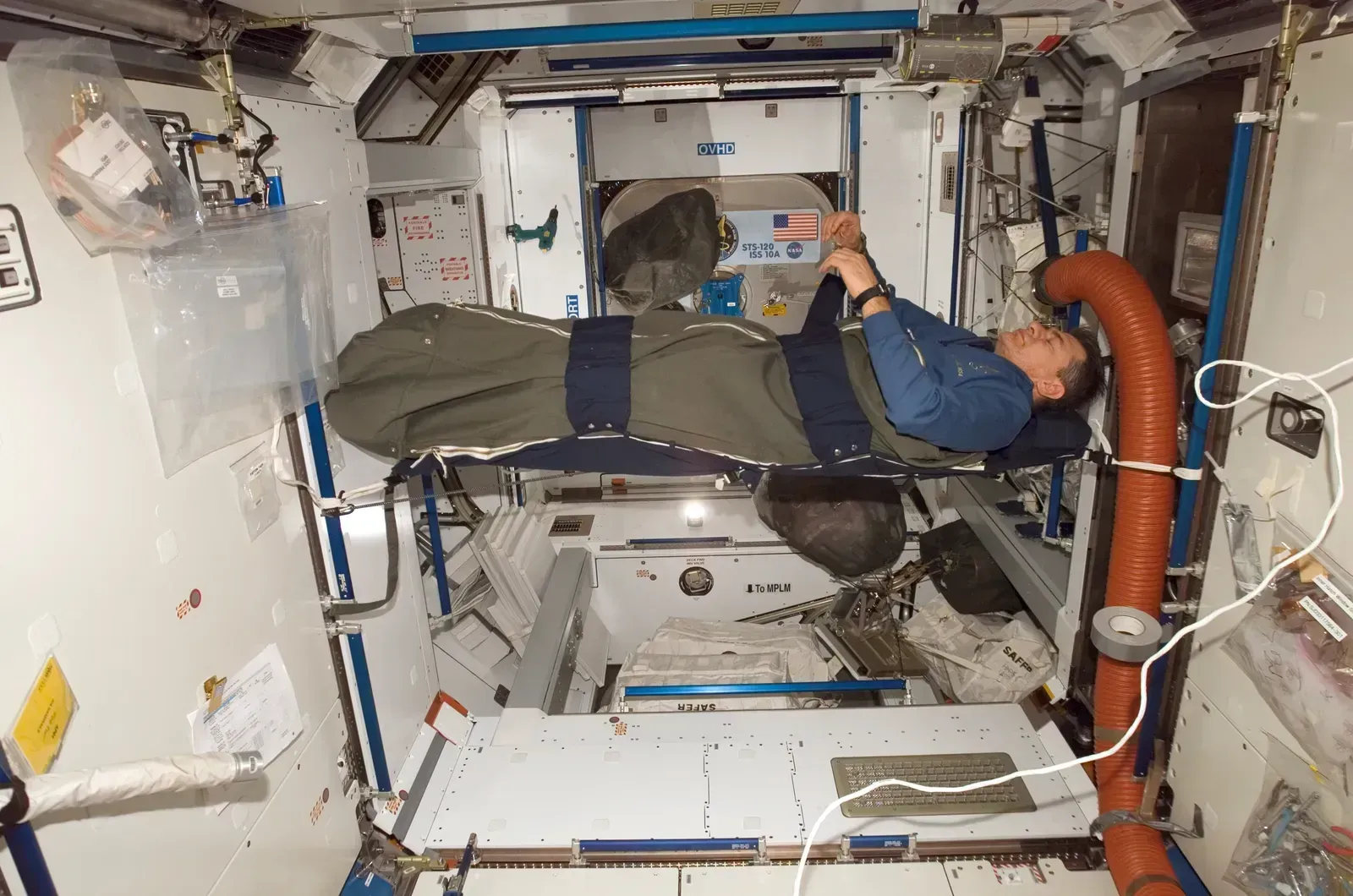
Astronauts don’t lie in beds. Each crew member sleeps in a sleeping bag tied to a wall or a small private cabin. Without gravity there’s no up or down, so the bag simply keeps a sleeper from drifting into equipment.
Many astronauts also strap their arms in so they don’t float up while they rest. NASA has noted that a sleeper’s body doesn’t press into a mattress, so the position feels unusual at first. Most crews adapt within a few days.
Watching Sixteen Sunrises Every Day
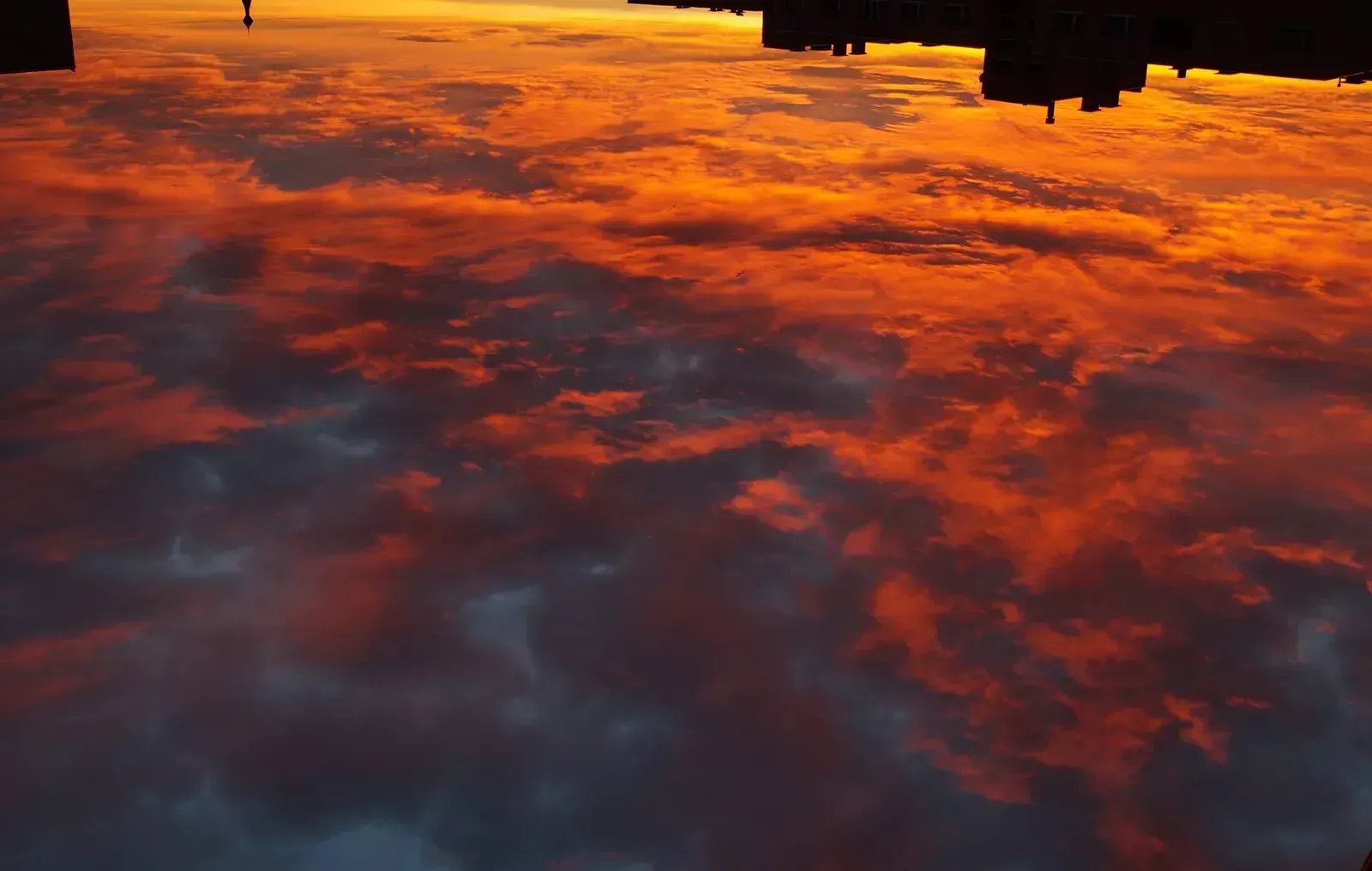
The station circles Earth roughly once every ninety minutes. That means the crew sees about sixteen sunrises and sixteen sunsets in a single day. A normal day and night cycle doesn’t exist out there.
To stay organized, the crew follows Coordinated Universal Time, which keeps them in step with mission control teams on several continents. Sleep schedules are set by the clock, not by the light outside the windows. Covers and sleep masks help block the constant flashing of daylight.
Drinking Water That Used to Be Urine
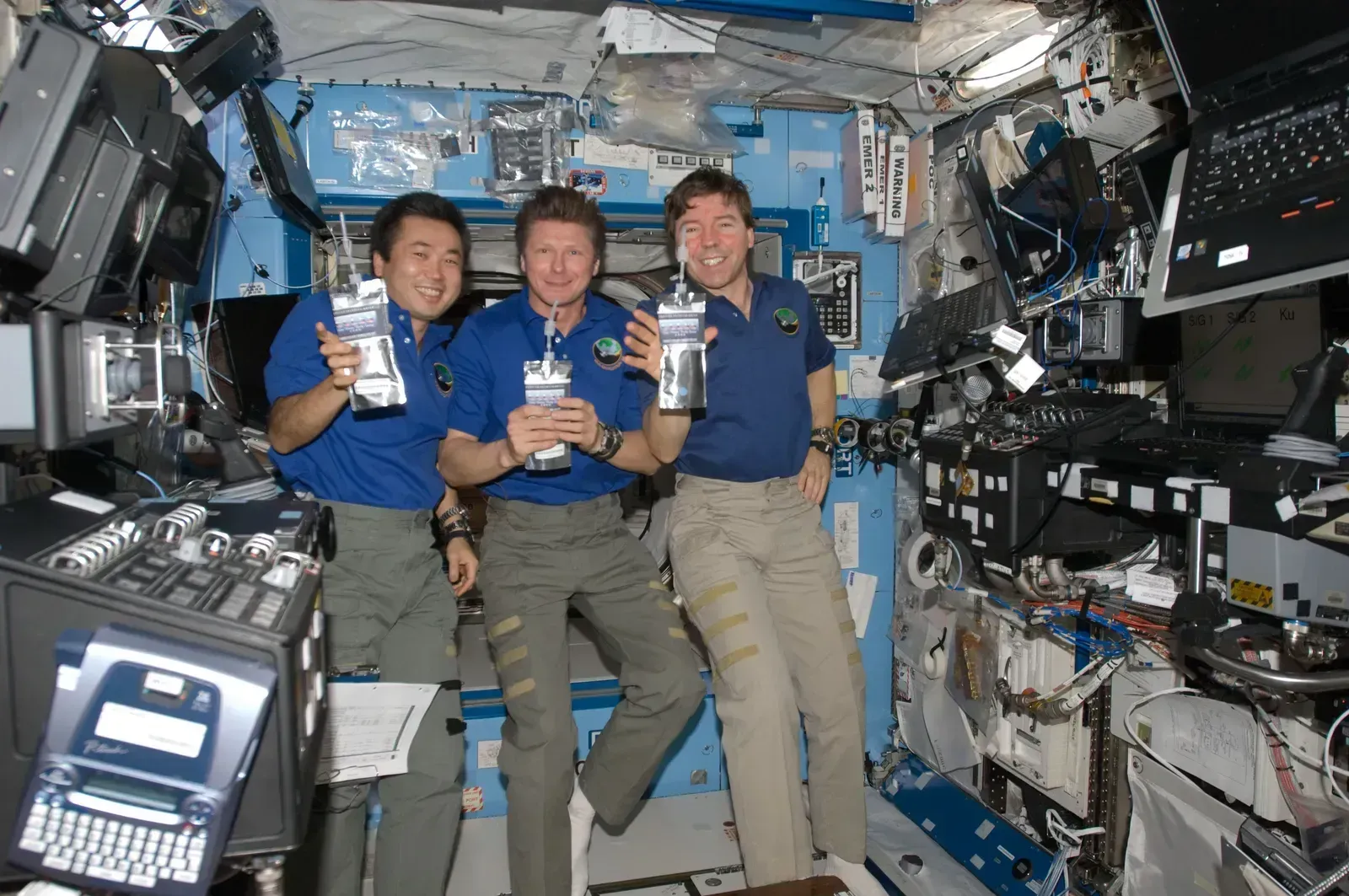
Shipping water to orbit is expensive, so the station recycles it. Its water recovery system collects moisture from the air, along with wastewater and urine, and turns it into drinking water. In 2023 NASA announced the system had reached a recovery rate of about ninety eight percent.
That figure means very little water is wasted. The process involves distillation and filtration, and the output is tested before anyone drinks it. Astronauts have said it tastes like ordinary water, which is the whole point of the engineering.
Washing Hair Without a Shower
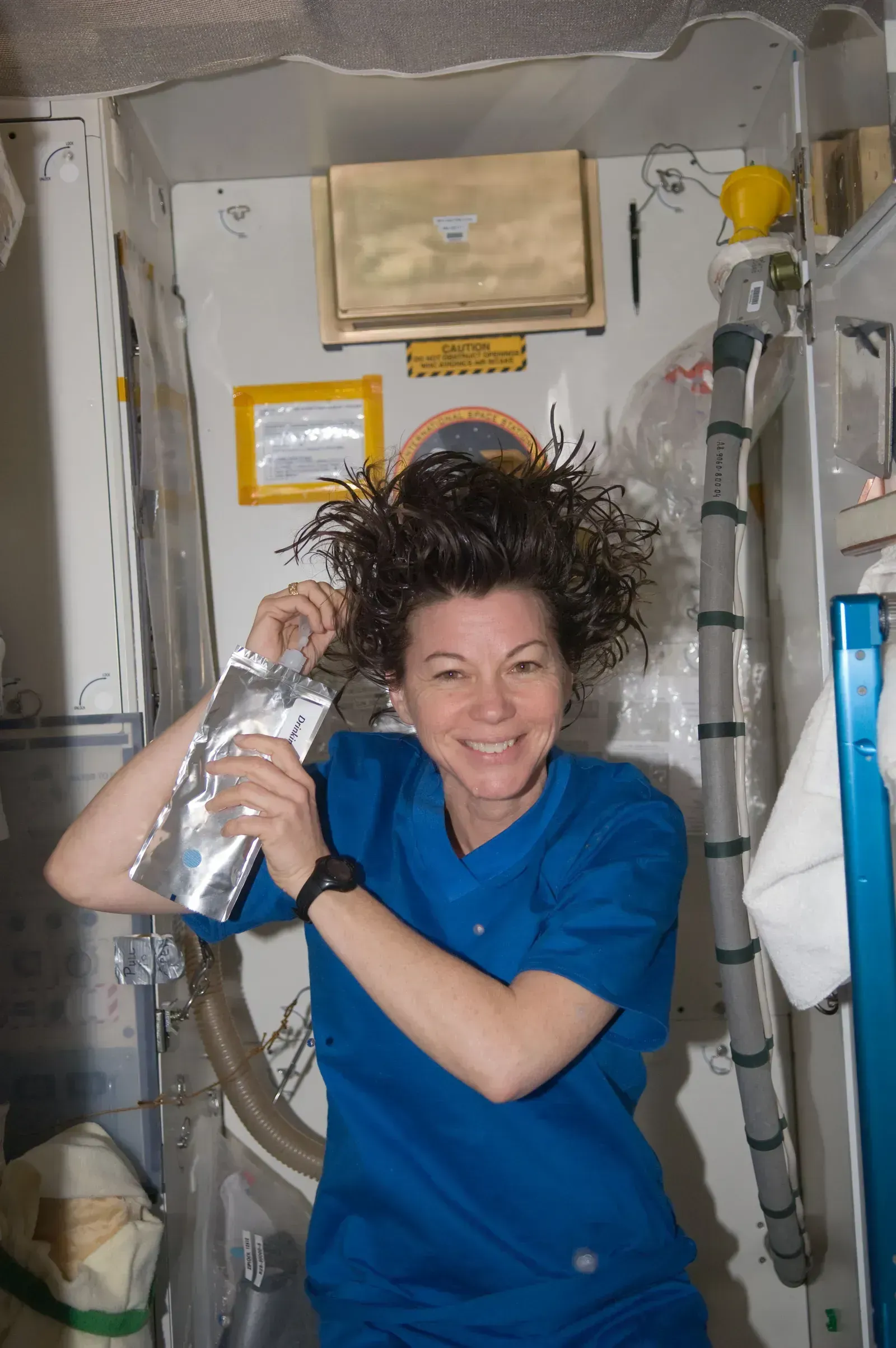
Showers don’t work in weightlessness, because water would break into floating blobs and drift into electronics. Astronauts clean up with rinseless shampoo, wet towels and no rinse body wipes. They squeeze water from a pouch onto their hair and then work the shampoo in by hand.
A towel does most of the drying, and it also soaks up stray water. Careless washing risks loose droplets, which can irritate eyes or get into equipment. So the process is slow, tidy and a little fussy.
Swallowing or Wiping Away Toothpaste
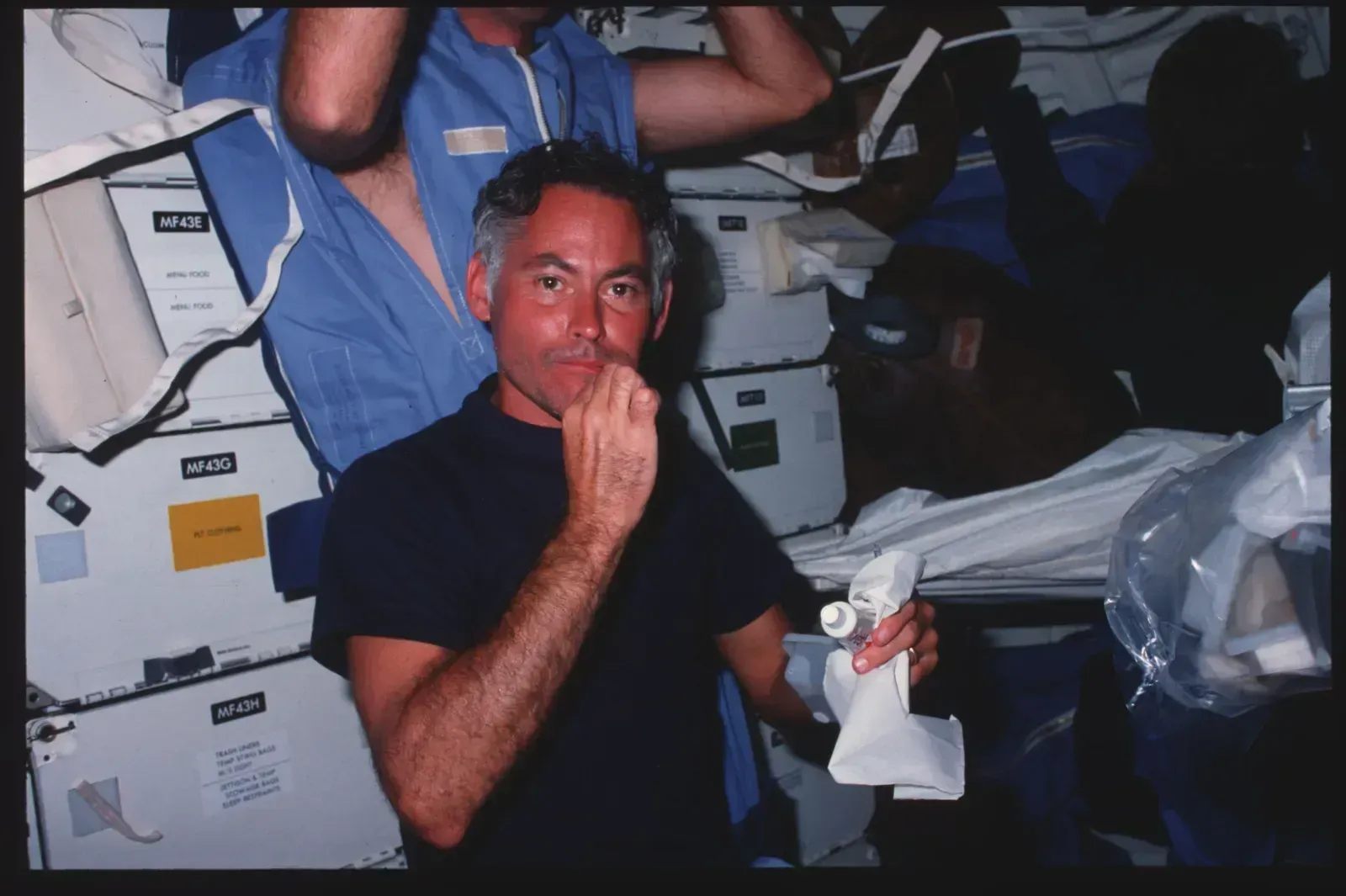
There’s no sink on the station for spitting. Astronauts brush normally, then either swallow the toothpaste or spit it into a towel. Some use edible toothpaste, though plenty of crew members simply use regular paste.
The routine matters as much as it does on Earth, since a dental problem in orbit would be hard to treat. Crews get dental checks before launch. Brushing in space is just brushing, with a smaller margin for mess.
Exercising for About Two Hours a Day
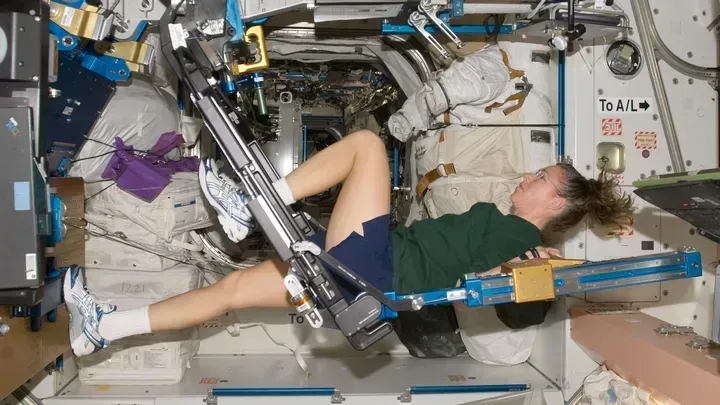
Muscles and bones weaken when they don’t have to work against gravity. To counter that, astronauts on long missions typically exercise about two hours a day. They use a treadmill, a stationary bike and a resistive exercise device that simulates weightlifting.
The equipment is fastened with harnesses or bungee cords so the user stays in place. NASA has documented that astronauts can lose bone density at a noticeable rate without this routine. Workouts are scheduled just like any other task.
Using Tortillas Instead of Bread
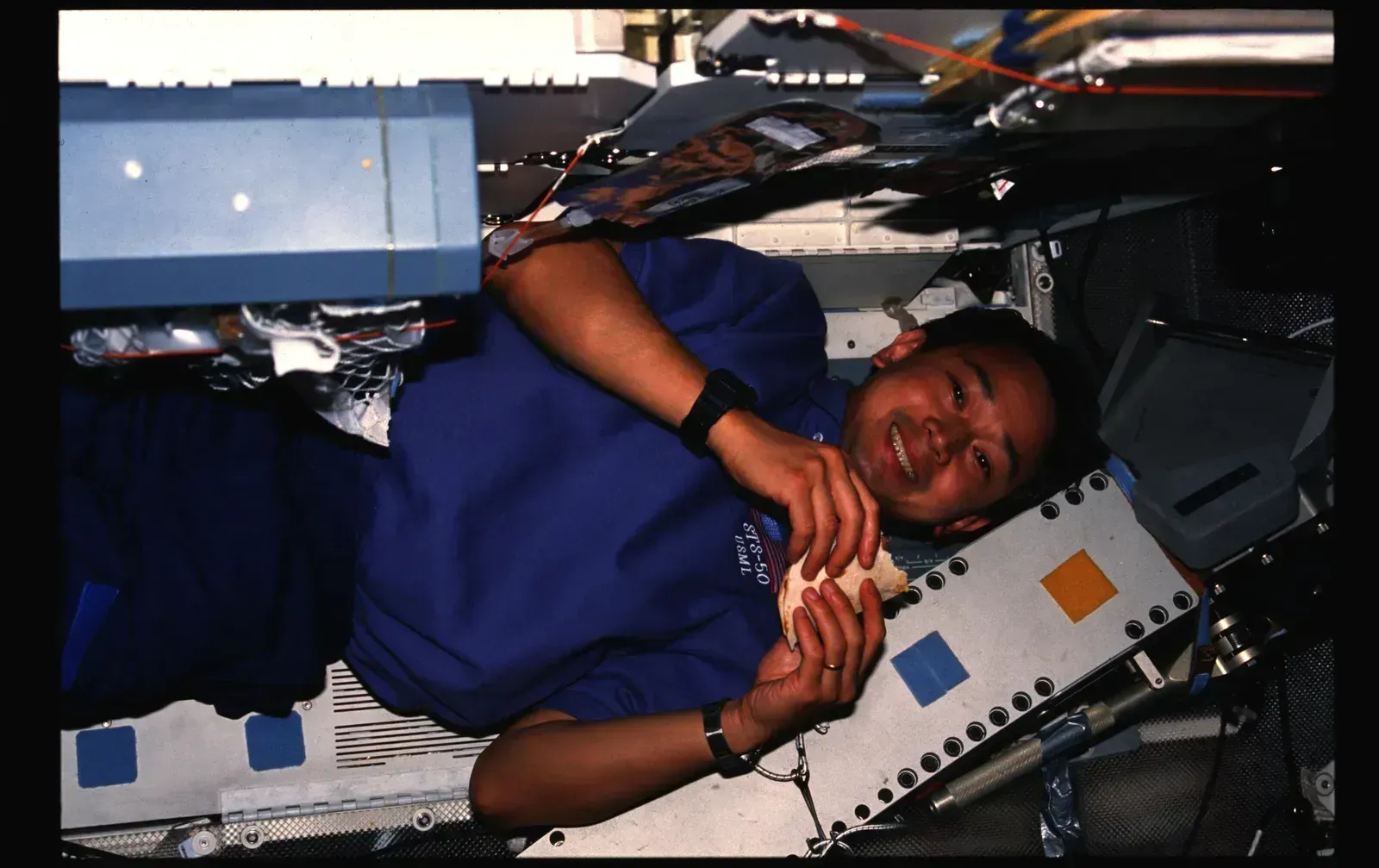
Crumbs are a real problem in orbit. They float, drift into vents and can get into equipment or eyes. That’s why NASA has used tortillas for years as an easy stand in for sliced bread.
Salt and pepper are also supplied in liquid form for the same reason, since loose grains would scatter through the cabin. Many foods come in pouches or are rehydrated with water. Eating is manageable, but it takes more care than a simple sandwich on the ground.
Sticking Everything Down With Velcro
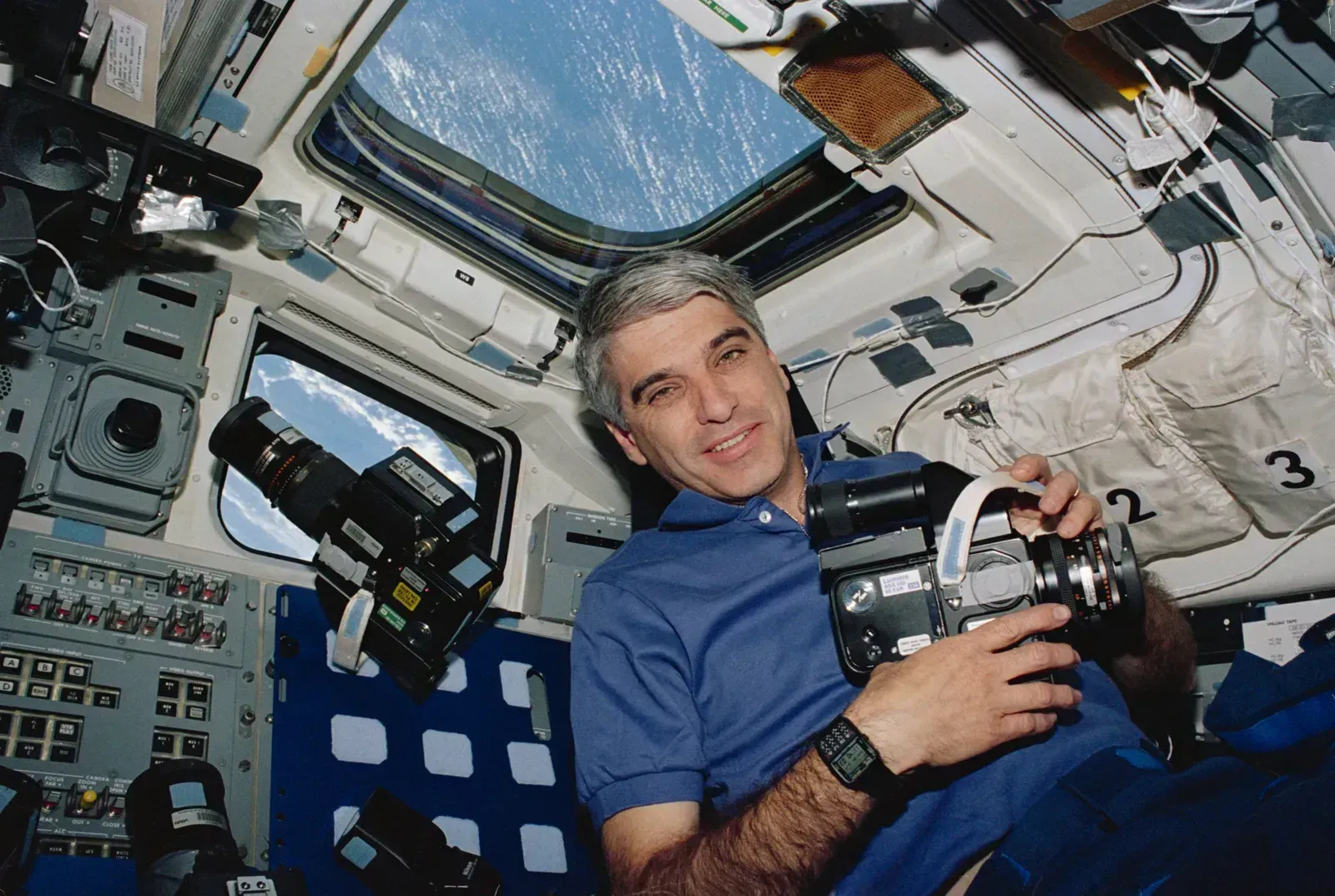
Anything not secured will float away. Astronauts use Velcro, magnets, clips and bungee cords to hold tools, food packets, tablets and even their own bodies in place. Tethers keep small items attached so they don’t wander off.
Lost objects usually end up near air vents, where airflow pushes them against filters. Crew members have found missing items there more than once. The habit of attaching things is automatic after a few weeks.
Using a Toilet That Works by Airflow
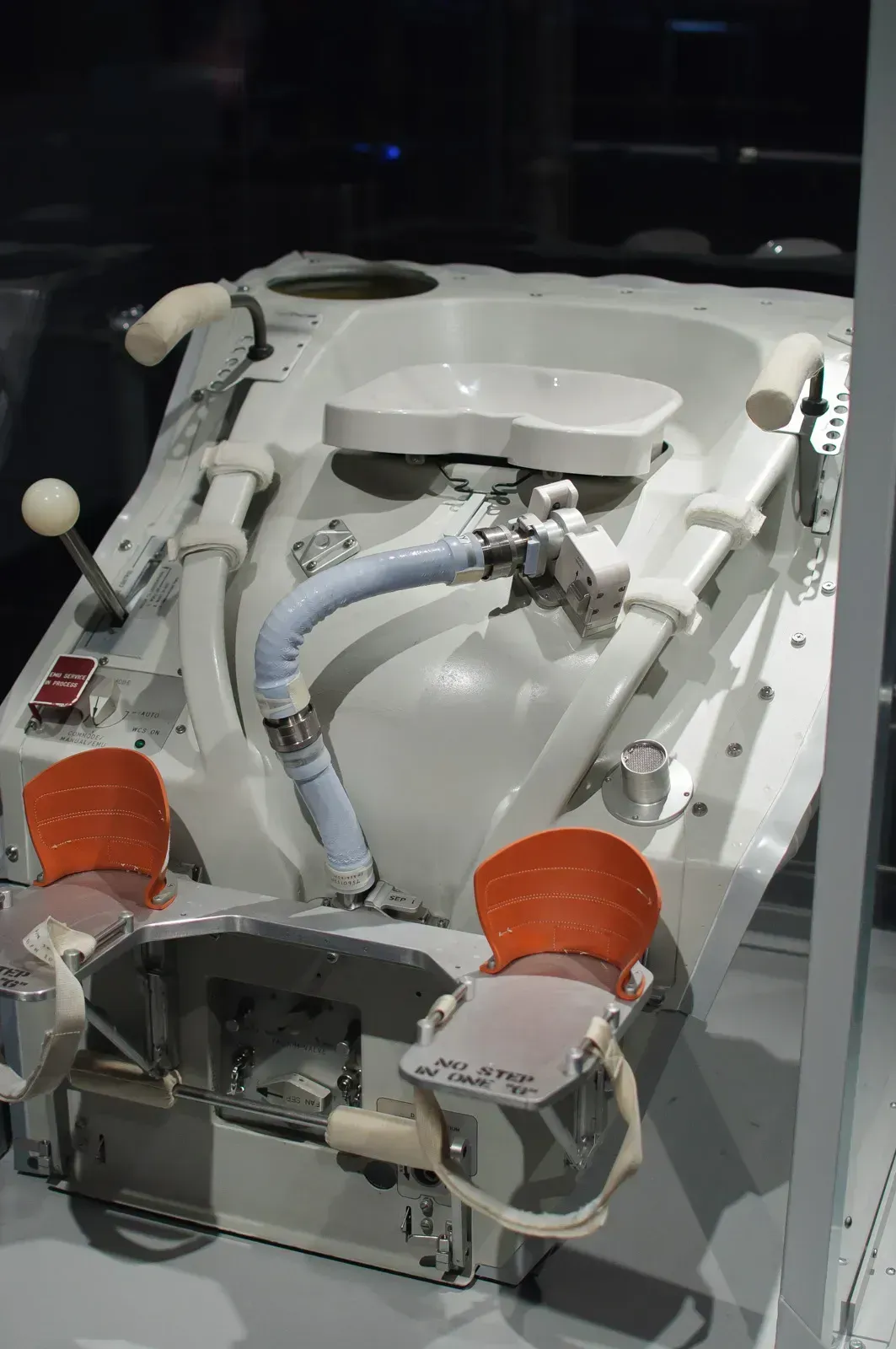
Space toilets can’t rely on gravity, so they use suction. Fans pull air and waste away from the user, and astronauts use foot restraints and thigh bars to stay seated. Urine goes to the water recycling system, and solid waste is stored for disposal.
NASA installed a newer system, the Universal Waste Management System, on the station in 2020. It was designed to be more compact and more comfortable, and it also informed plans for later spacecraft. The basic principle is still airflow doing what gravity does at home.
Cutting Hair With a Vacuum Attached
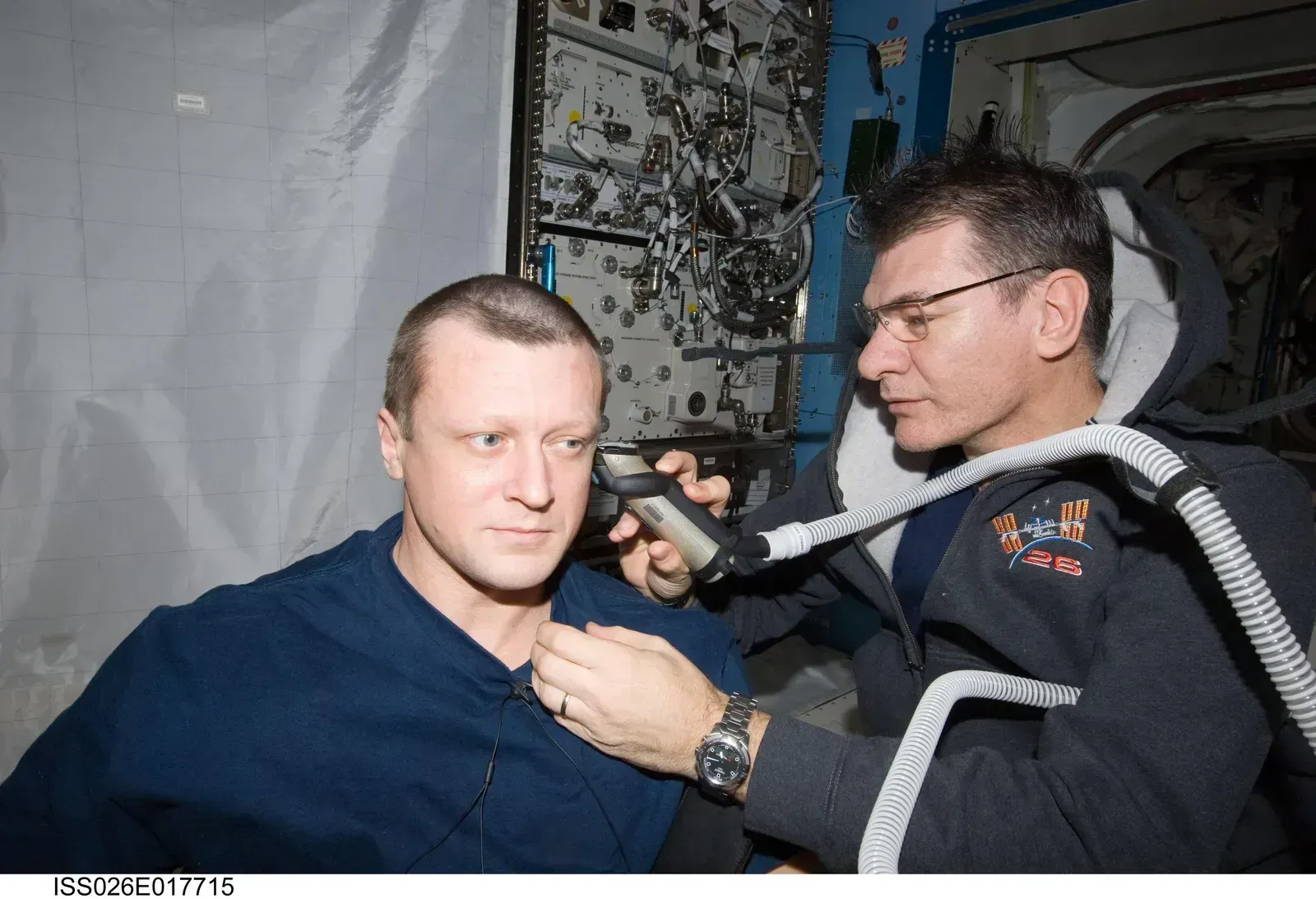
Loose hair clippings would float everywhere, so haircuts are done with clippers connected to a vacuum. The vacuum collects the trimmed hair right away. Crew members commonly cut each other’s hair, and astronauts have shared their own haircuts in videos.
It’s a practical solution to a simple problem, since stray hair can clog filters or irritate eyes and lungs. A haircut that takes minutes on Earth takes careful setup in orbit. Cleanup is basically built into the tool.
Wearing Clothes for Days Between Changes
The station doesn’t have a washing machine. Water and cargo space are limited, so astronauts wear clothes for longer than most people would on the ground, with exercise clothing changed more often than casual wear. Worn items are packed up as trash.
That trash is loaded onto a departing cargo spacecraft, which burns up on reentry through the atmosphere. Fresh clothing arrives on supply missions. It’s a very different approach from tossing a load in the washer.

- Crows Remembering Human Faces for Decades – 6 Bird Behaviors Far Smarter Than We Knew - November 15, 2026
- 8 Things Astronauts Do on Their First Day in Orbit That Rookies Find Strange - November 15, 2026
- 11 Everyday Routines That Are Completely Normal on the Space Station but Baffle Everyone on Earth - November 15, 2026
