
Walk past the same park tree every morning and a crow may be keeping notes on you. It won’t be tracking your schedule, exactly, but it may be filing away your face and whether you were a threat. Researchers have spent years testing this, and the results keep getting harder to wave off as coincidence.
Birds have long been dismissed as simple creatures, partly because their brains look so different from ours. Their brains are small and built without the layered cortex mammals have. Yet experiments across several species show planning, counting, tool making and even self recognition. Six of the clearest examples follow.
Crows Remember Faces for Years
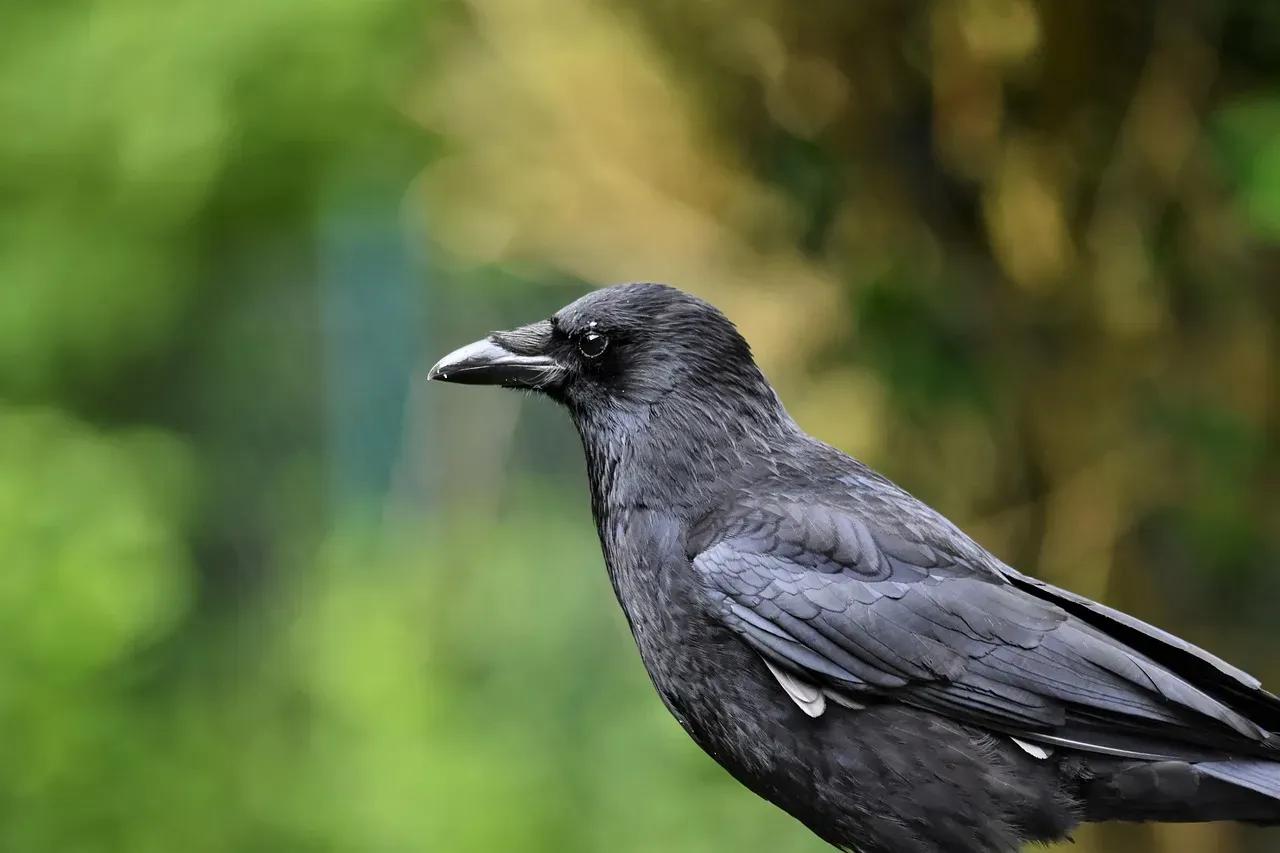
The best known work comes from wildlife biologist John Marzluff at the University of Washington. Starting in 2006, his team trapped and banded wild crows while wearing a particular rubber mask. Later, people wearing that same mask walked through the area without bothering any birds, and the crows scolded them anyway.
Other masks drew little reaction. The crows were clearly picking out the face tied to the unpleasant experience. Marzluff has reported that some of these birds kept responding to the mask for well over a decade, which is why “decades” is a fair description of how long a crow’s memory of a person can last.
Grudges Spread Through the Flock
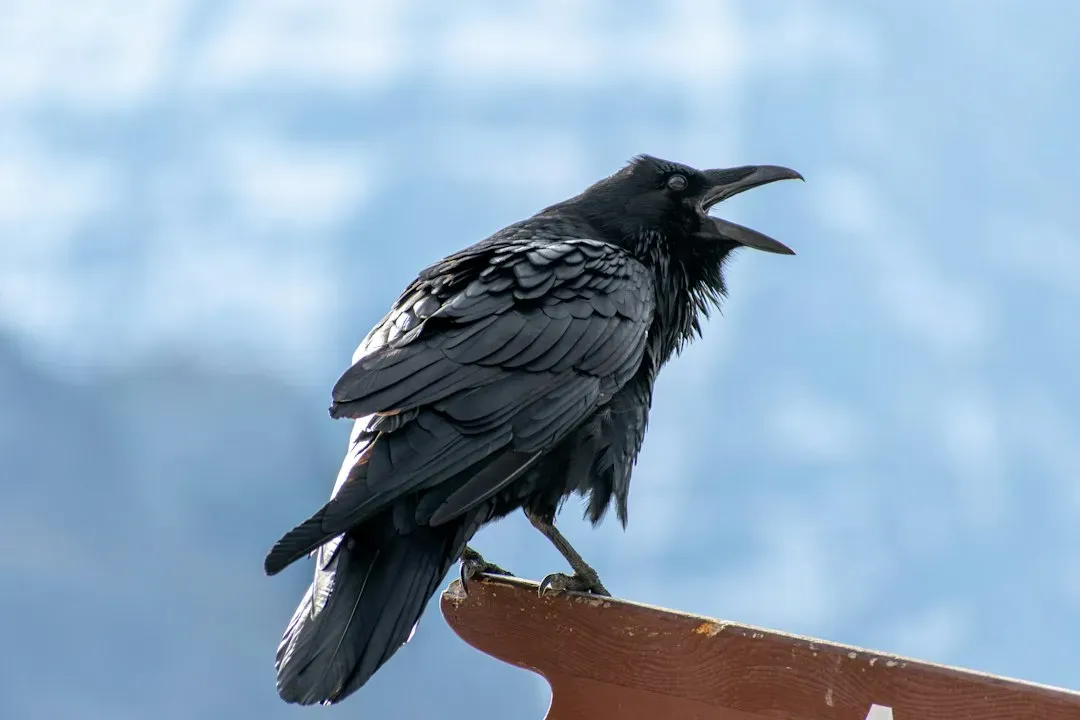
What makes the mask studies stranger is that the scolding spread. Crows that were never trapped began harassing the masked person too. Some were young birds that hadn’t even hatched when the original event took place.
Marzluff’s group explained this as social learning. Crows watch the alarm calls and behavior of their neighbors, then connect a face with danger. A reputation, in other words, can be passed from one crow to another and across generations.
Carrion Crows Count Out Loud
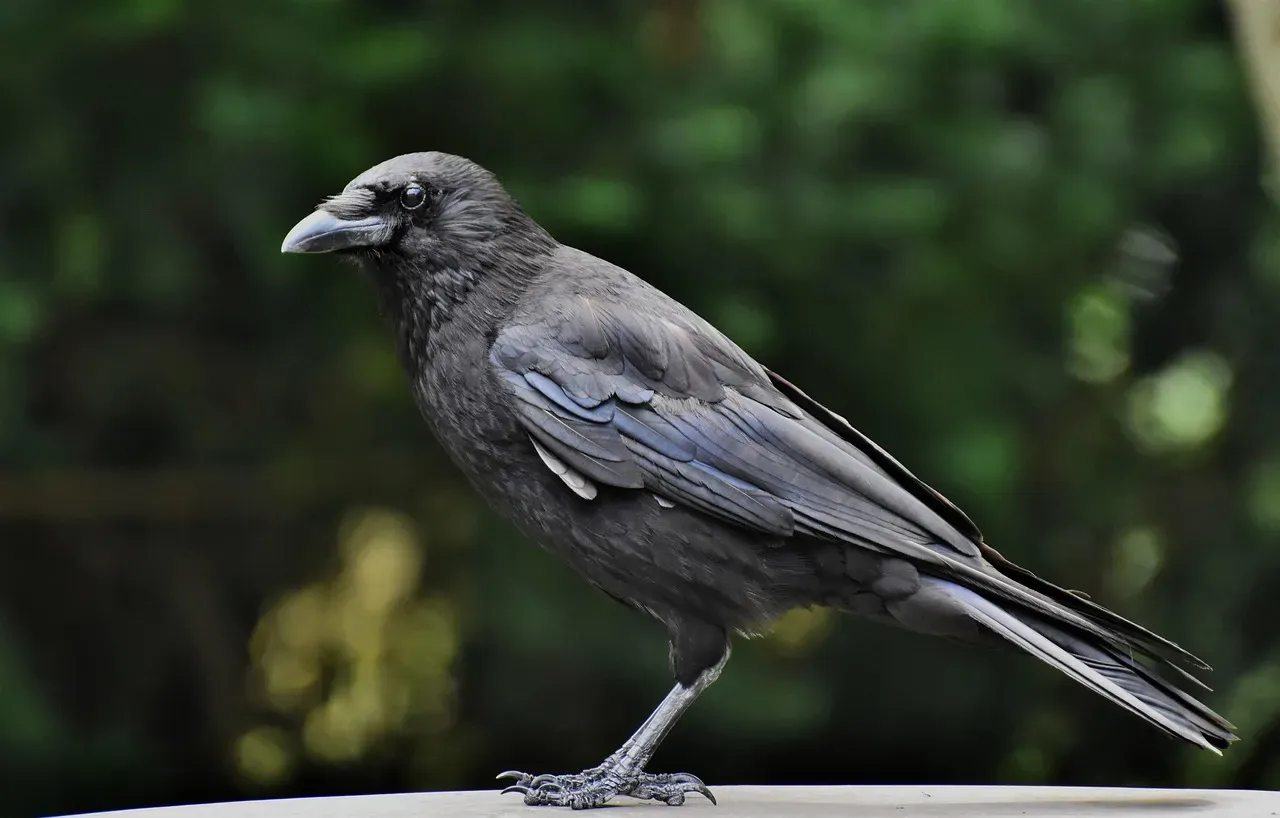
In 2024, a team led by neuroscientist Andreas Nieder at the University of Tübingen published a study in Science on carrion crows. The birds were trained to produce a set number of caws, between one and four, in response to visual cues or sounds. They had to plan each call deliberately instead of just vocalizing on impulse.
That matters because it resembles a stepping stone to human counting. The crows produced the right number of calls rather than a random burst, which suggests they could assign a number to each vocal act. Humans are the only animals widely known to count aloud in a structured way, so the finding narrowed the gap a little.
New Caledonian Crows Build Their Own Tools
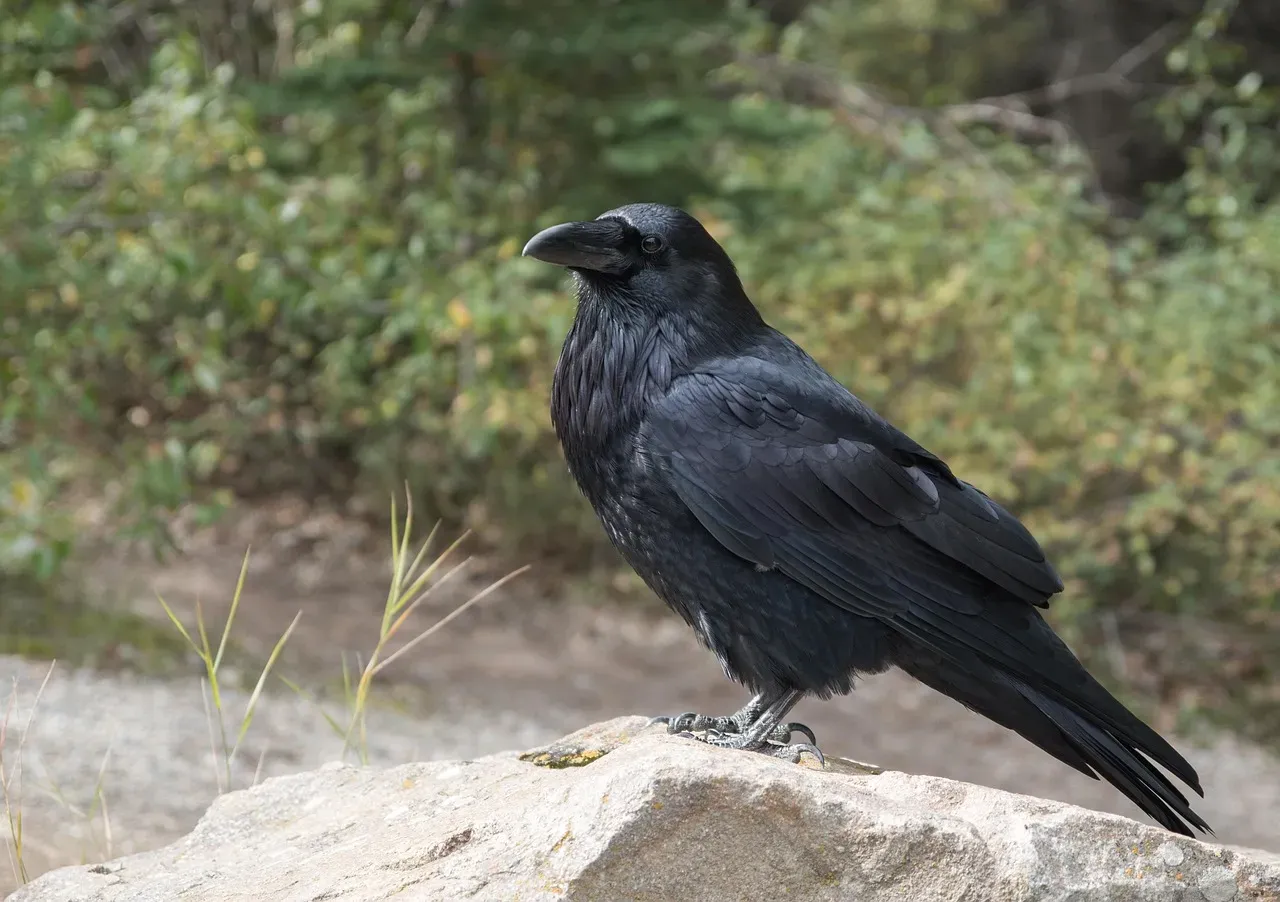
On the Pacific island of New Caledonia, wild crows shape twigs and leaves into tools for pulling insects from crevices. They trim hooks into the ends of twigs and cut barbed strips from stiff pandanus leaves. Each style is made with some consistency, and it appears to spread through local populations.
In 2002, a captive crow named Betty became famous after she bent a straight piece of wire into a hook to lift a small bucket of food. Later experiments by researchers at the University of Oxford found that these crows can even use one tool to obtain another. That kind of metatool use is rare among animals.
Ravens Plan for the Future
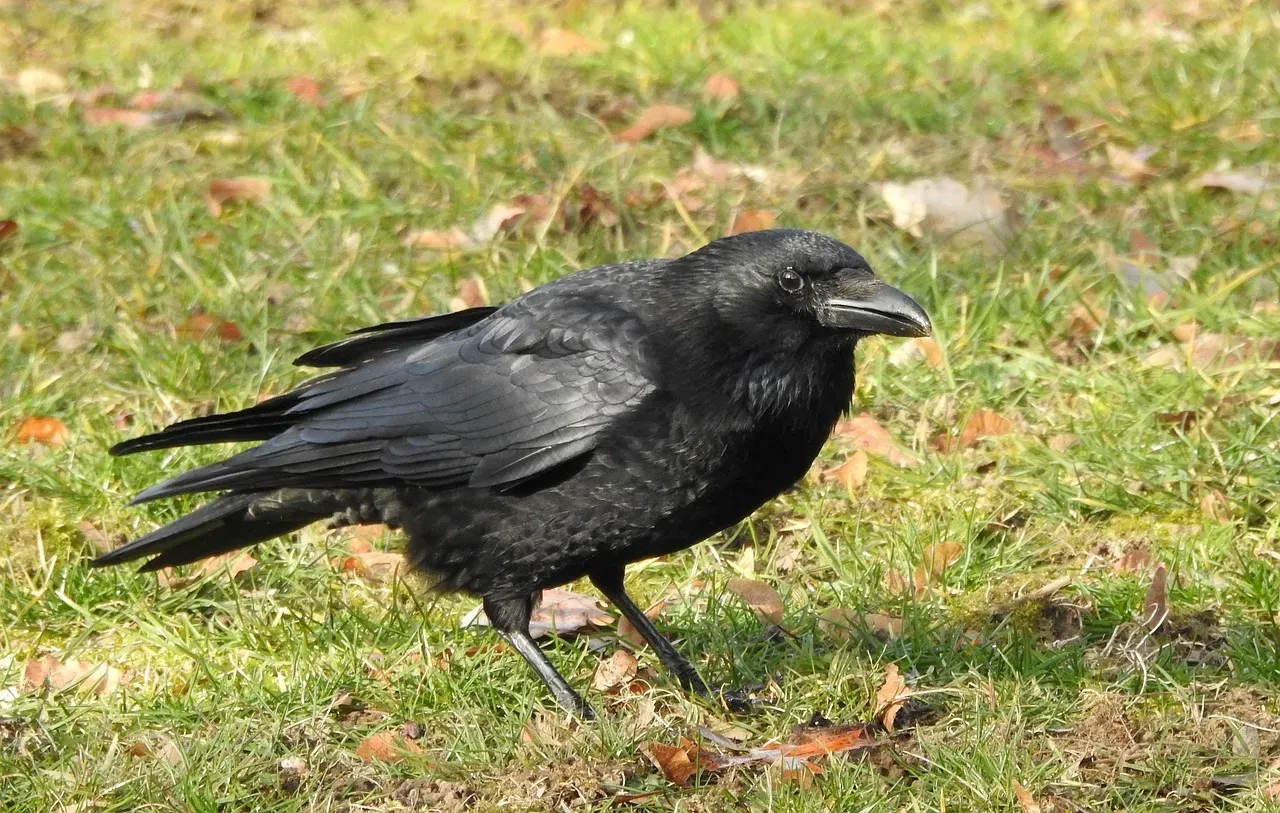
In 2017, Mathias Osvath and Can Kabadayi of Lund University published a study in Science on common ravens. The birds were trained to use a tool to get a reward from a puzzle box. Later, they were offered several objects and picked the right tool even though the box wouldn’t appear for another fifteen minutes.
They also chose a token that could be traded for food over a smaller treat available immediately, and they did so a day ahead of time. This kind of choice requires imagining a future need that doesn’t exist in the moment. Planning of this sort was once thought to be mostly a primate talent.
Magpies Recognize Themselves in a Mirror
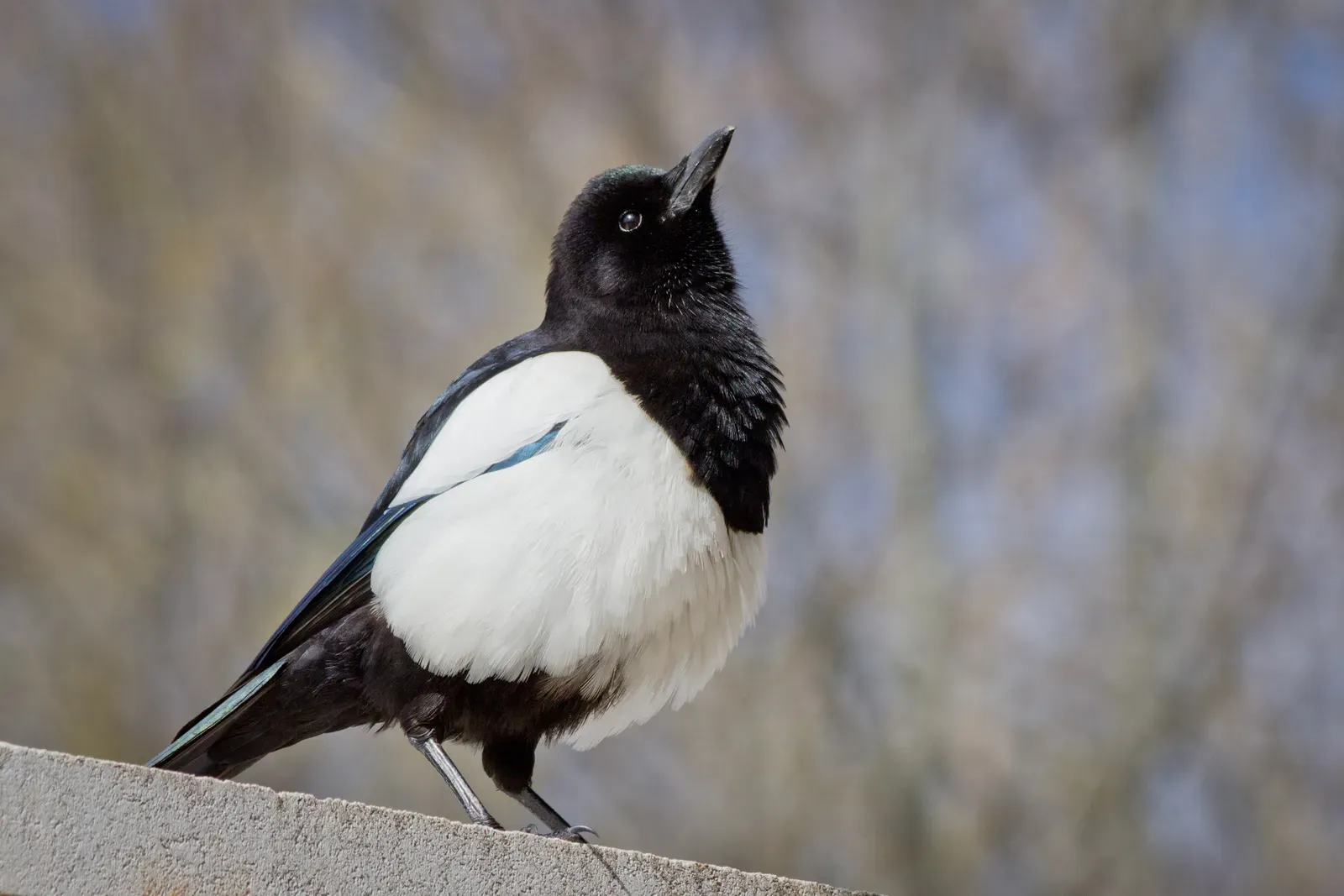
Few animals pass the mirror mark test, in which a colored spot is placed somewhere the animal can see only in reflection. In 2008, a team led by Helmut Prior at Goethe University Frankfurt reported in PLoS Biology that European magpies attempted to remove marks on their throats after seeing them in a mirror. Without a mirror, they didn’t show the same behavior.
The result was striking because birds have no neocortex, the structure often linked to self awareness in mammals. Not every magpie passed, and researchers still debate exactly what the test proves. Still, it showed that self recognition isn’t limited to great apes, dolphins and elephants.
What These Birds Show
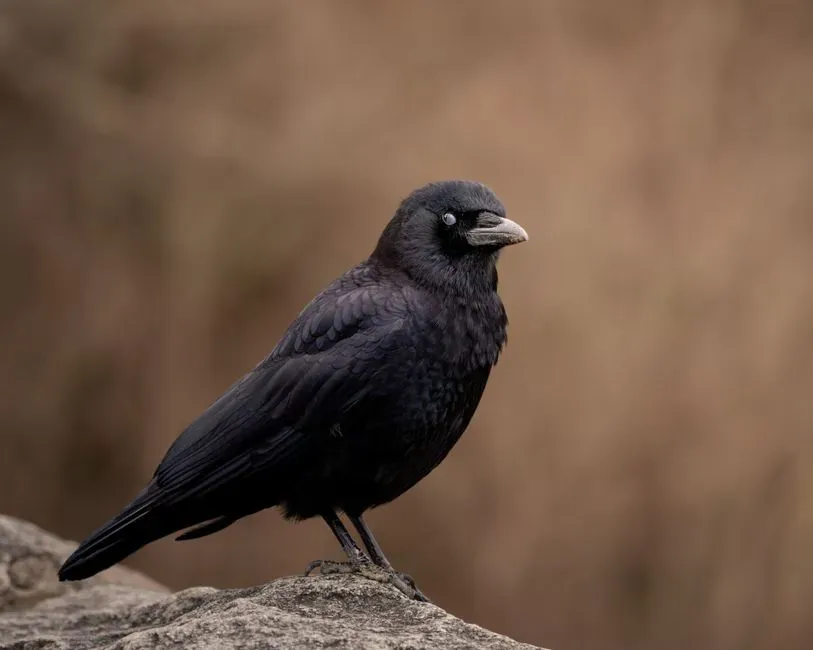
Faces held in memory for years, calls counted on purpose, tools shaped to order, and plans made for tomorrow all point the same way. Corvids and their relatives solve problems with brains that look nothing like ours.
Intelligence, it turns out, doesn’t depend on one particular brain design. A crow watching you from a lamppost may know more about you than you’d guess.

- Crows Remembering Human Faces for Decades – 6 Bird Behaviors Far Smarter Than We Knew - November 15, 2026
- 8 Things Astronauts Do on Their First Day in Orbit That Rookies Find Strange - November 15, 2026
- 11 Everyday Routines That Are Completely Normal on the Space Station but Baffle Everyone on Earth - November 15, 2026
