
Picture a road that looks fine at sunset. The pavement is dark, a little damp in places, and traffic moves at its usual pace. Then the temperature slips, and the surface changes while nobody is watching it.
The exact time it takes varies a lot with the weather, the road and the moisture on it. The twelve minute figure in the headline is best read as a vivid way to describe how little warning drivers can get, not as a fixed rule. What follows is what the science and the road safety sources say about why a flash freeze catches people off guard.
What a Flash Freeze Actually Is
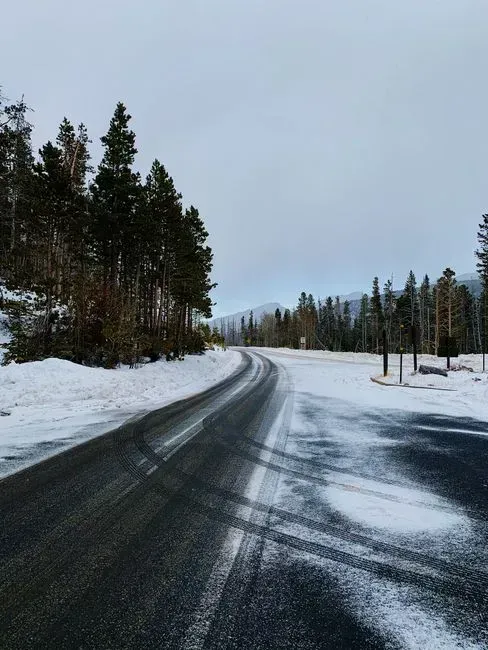
A flash freeze happens when the temperature falls quickly below freezing and anything wet on the ground turns to ice. It creates a thin coat of highly transparent ice that blends in with the colour of the pavement, and it is often called black ice.
Weather services treat it as a distinct hazard. A flash freeze warning is issued when significant ice is expected to form on roads, sidewalks or other surfaces because of a rapid temperature drop. The warning exists because the change can outpace what a driver notices from the seat.
Why Black Ice Looks Like Plain Wet Pavement
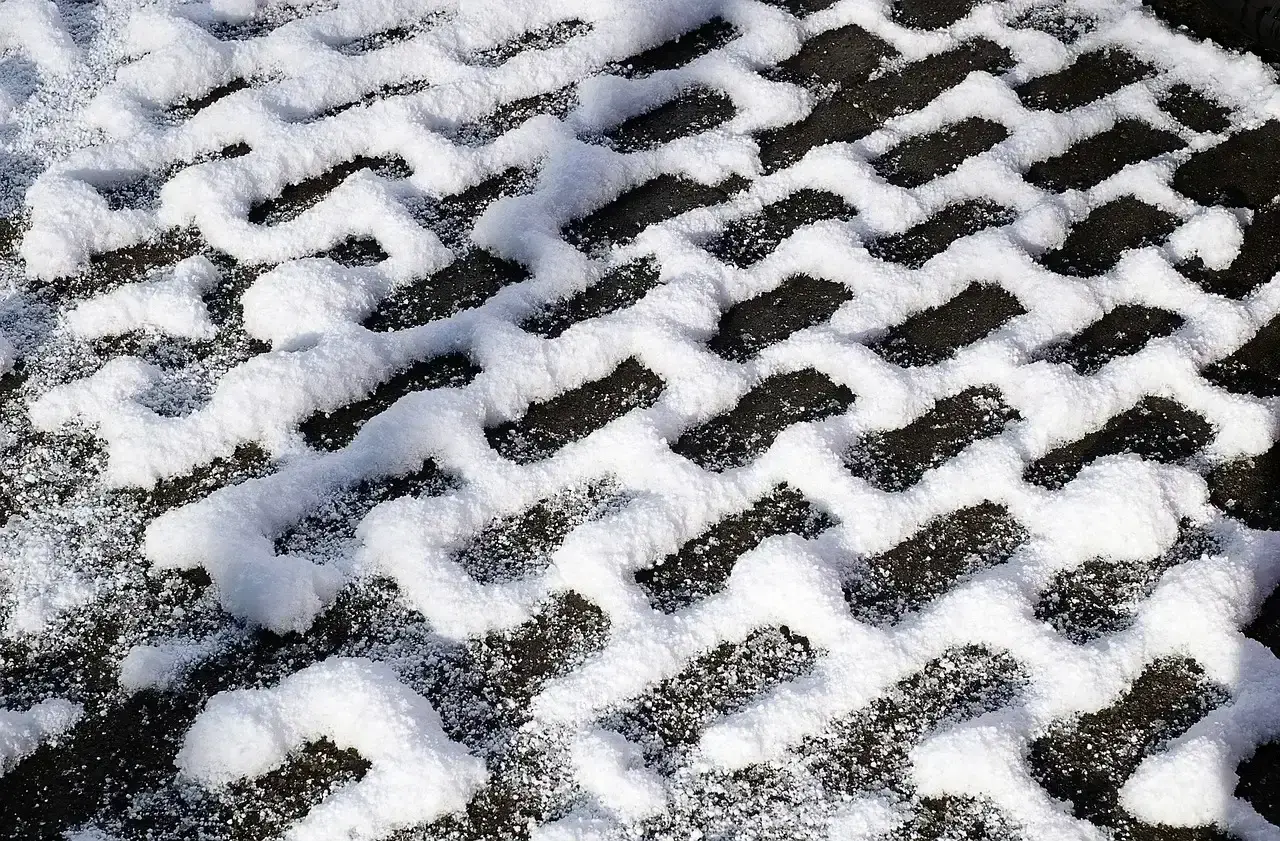
The name is slightly misleading. The ice itself is not black, but visually transparent, so the road underneath shows through. Your eyes take in a dark, glossy surface and read it as water.
The thinness adds to the problem. Water settles gently on the pavement and freezes in a thin layer, which makes the ice even harder to see. A road that looks wet in freezing conditions deserves suspicion for that reason.
The Cold Front Scenario That Sets the Trap
Environment Canada style forecasts often describe the classic setup. A weak warm front brings a little rain and mild afternoon temperatures, then a fast moving cold front drops the temperature well below zero overnight, so wet roads quickly freeze.
That sequence explains why a commute can start on harmless wet pavement and end on glaze. Moisture left from earlier hours is enough. A road that was wet at 2 PM can have black ice by midnight if the temperature drops far enough.
Pavement Temperature Matters More Than the Dashboard
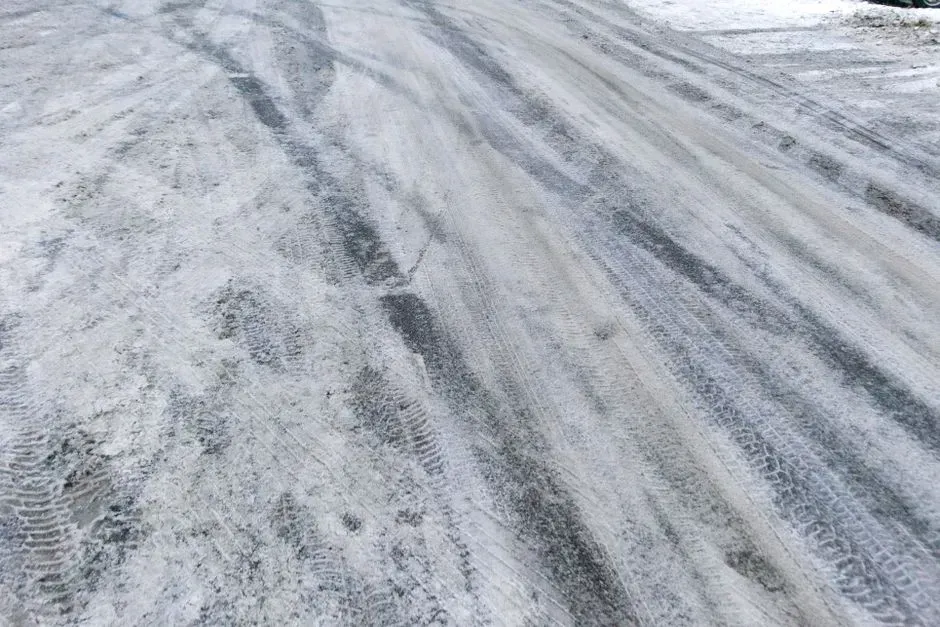
Your car’s thermometer measures air, and the tires meet the road. Surface temperature matters more than air temperature, so pavement and especially bridges can ice over when the thermometer reads a degree or two above freezing.
There’s also a measurement gap in the forecast itself. Official temperatures are taken about five feet above the ground, so a reported 37 degrees Fahrenheit can coincide with a road surface at freezing. Clear skies widen the gap. On clear nights, a road surface can cool 2 to 5 degrees Celsius below the air temperature.
Bridges and Overpasses Go First
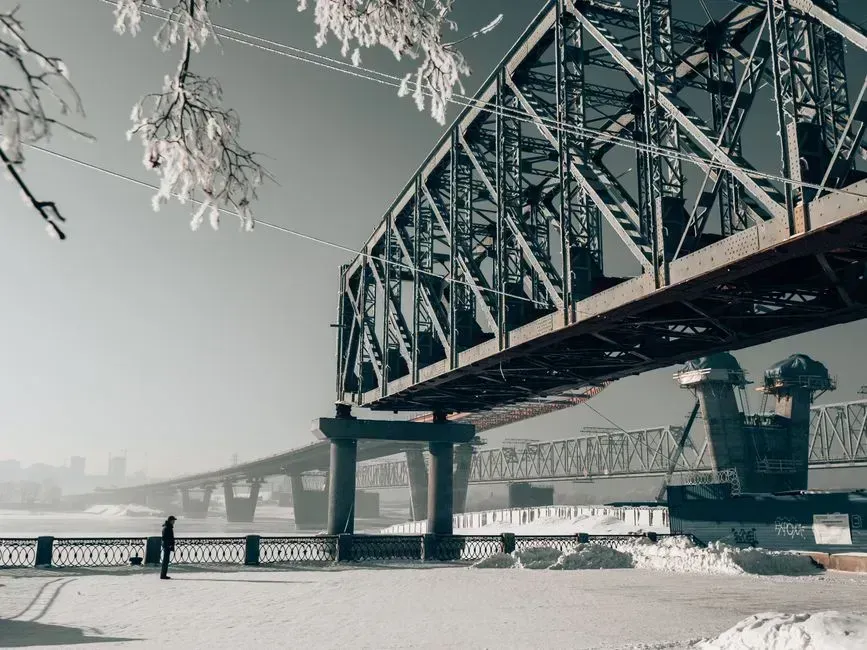
Those road signs warning that bridges freeze before roads are accurate. Air circulates both above and below an elevated roadway, so its pavement temperature falls rapidly when the air cools.
A normal road has the ground beneath it to hold heat. A bridge has no insulating ground below, and cold air and wind move all around it. A driver can leave a clear highway and hit ice on a span within seconds.
Patches, Shade and Low Spots
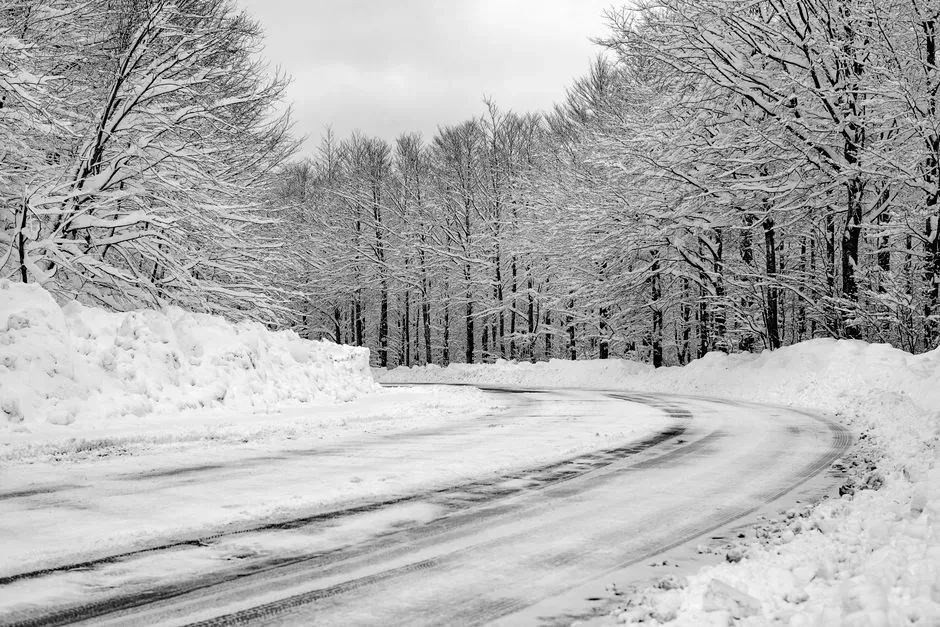
Black ice rarely covers a whole road evenly. You can have dry road, then a patch of ice, then dry road again, with no visible boundary.
Light and terrain drive much of that pattern. Black ice is common after nightfall and in early morning, particularly on stretches shaded from sunlight. Morning is risky for a second reason. The sun hasn’t yet warmed the road, and any moisture has had all night to freeze.
Other Ways Moisture Reaches a Cold Road
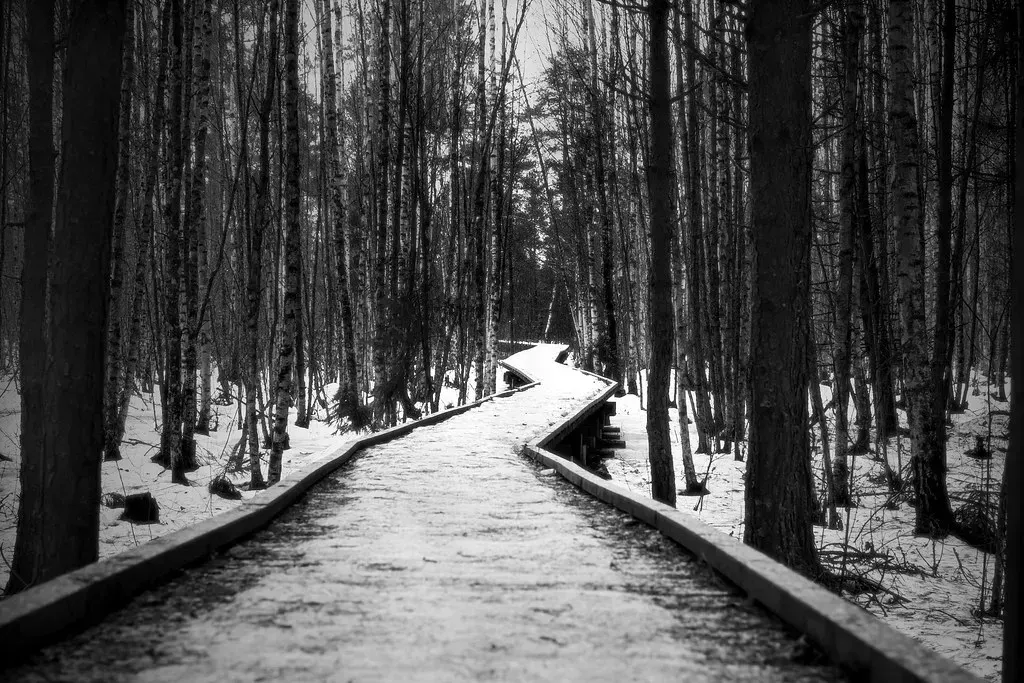
Rain isn’t the only source. Fog or mist can condense and freeze on cold pavement, and so can exhaust vapor where cars idle, such as intersections.
Salt can also fail in a surprising way. When roads carry only dilute brine, added water from an ice storm or light snow can raise its freezing point above the air temperature. The result tends to be black ice in patches, over short lengths of road.
How Road Crews Try to Stay Ahead of It
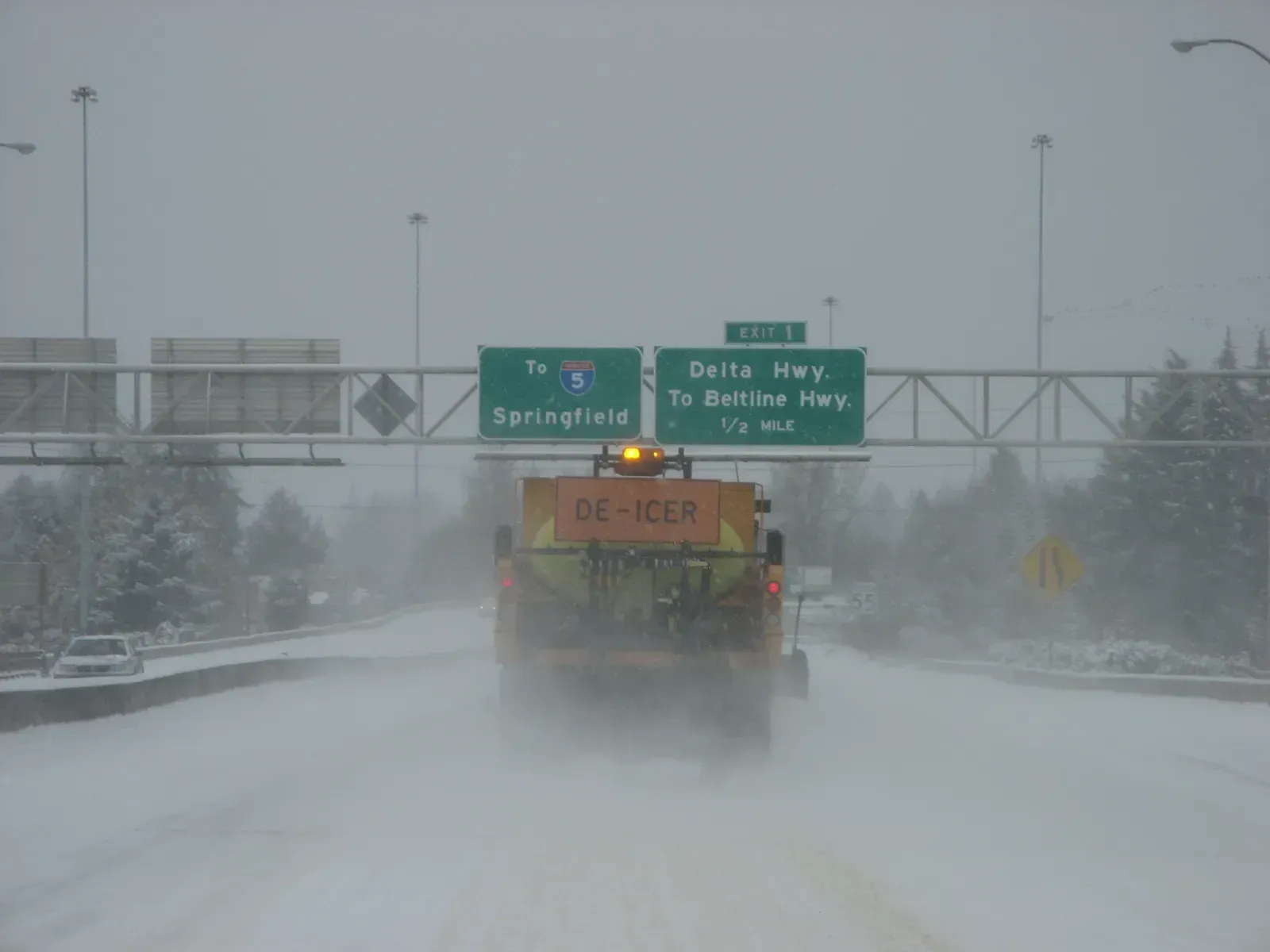
Transport agencies rely on sensors rather than guesswork. They use networks of road weather stations to monitor pavement temperature and apply de-icing chemicals before the freeze occurs.
Pre-treatment works because of how brine behaves. A small amount of salt or concentrated brine put down before icing keeps the freezing point low, so the ice can’t bond to the pavement. A saturated salt solution doesn’t freeze until about minus 21 degrees Celsius. Crews can’t treat every road at every moment, though, which is why drivers still meet bare ice.
What Drivers Can Do When Conditions Line Up
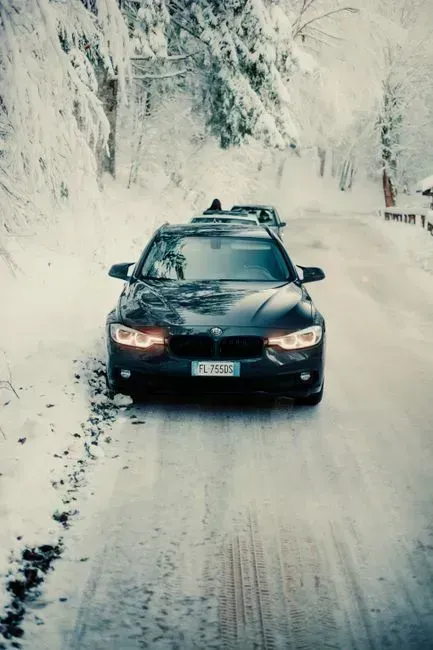
The safest habit is to assume ice is possible whenever conditions suggest it. When roads are wet and temperatures hover around freezing, experts say drivers should assume black ice is possible. Treat bridges, shaded curves and early morning drives with extra caution.
Tires help, though they have limits. A full sheet of black ice can make traction nearly impossible, but winter tires are better equipped to handle ice. Check the forecast for a sharp overnight drop before you leave, and slow down before the road changes rather than after.

- Scientists Warn Climate Change Is Accelerating Faster Than We Can Respond - November 17, 2026
- Ocean-Sized Rivers in the Sky – Why This Season’s Rain Corridors Are Drenching Coasts Twice as Hard - November 17, 2026
- Dry Asphalt to Pure Black Ice in 12 Minutes – The Fast-Moving Flash Freeze Drivers Never See Coming - November 17, 2026
