
Someone born in the 1940s grew up before the first satellite had left the ground. Rockets were mostly a thing for pulp magazines. The idea that ordinary people might one day scroll through photos from another world on a phone would have sounded absurd.
Plenty has changed since then, and a lot of it has happened within the last few decades. Here are nine discoveries and milestones that would have seemed like fiction to the generation before us, along with what’s actually been confirmed.
Planets Around Other Stars
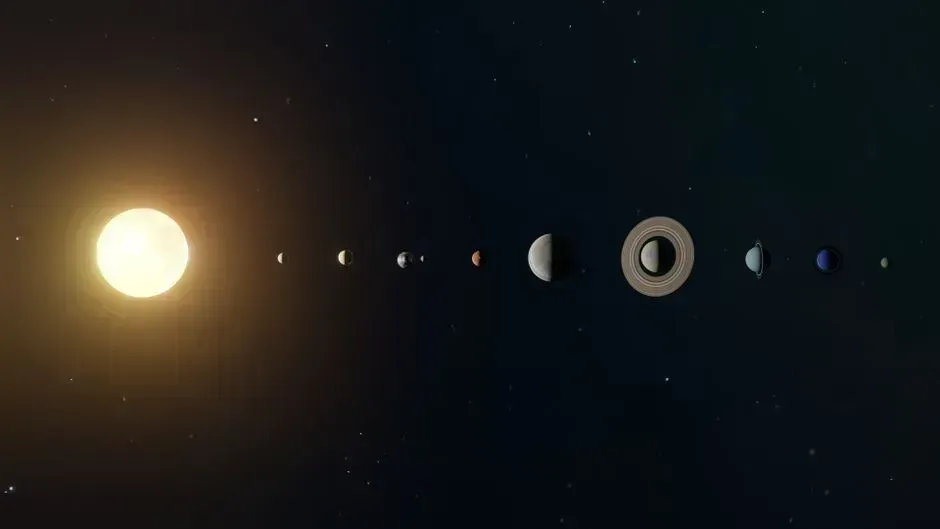
For most of history, nobody knew whether our Solar System was typical or a rare accident. That changed in 1995, when astronomers announced a planet orbiting 51 Pegasi, a star similar to our Sun. The discovery later contributed to a Nobel Prize in Physics in 2019.
The count has grown fast since then. NASA marked more than six thousand confirmed exoplanets in 2025. They include worlds covered in lava, planets orbiting two stars, and rocky planets in the temperate zone around their stars.
The First Picture of a Black Hole
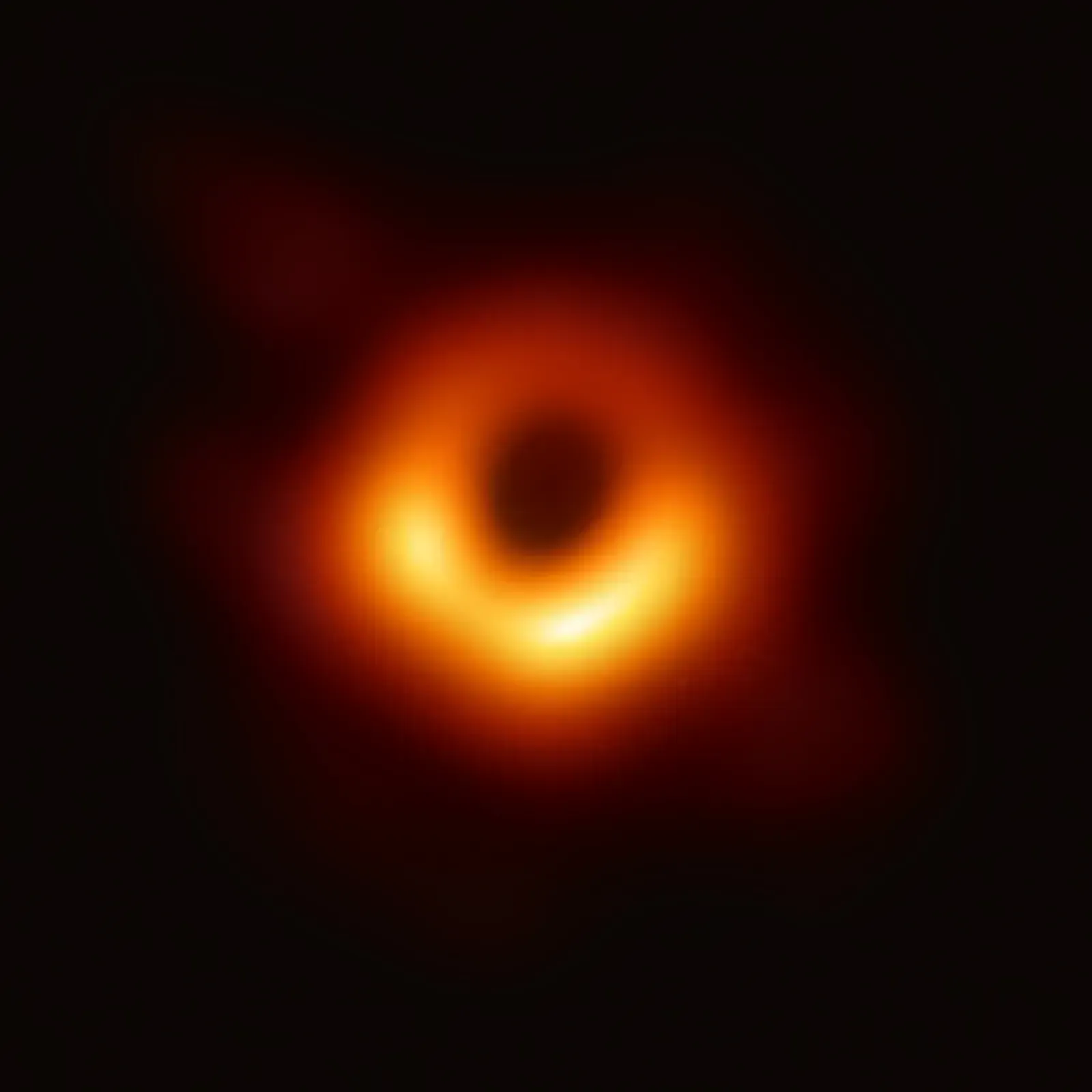
Black holes were once a theoretical curiosity that Einstein himself doubted. In 2019, the Event Horizon Telescope collaboration released an image of the glowing ring around the supermassive black hole in the galaxy M87. It was made by linking radio dishes across the globe into one Earth sized instrument.
In 2022, the same team followed up with an image of Sagittarius A*, the black hole at the center of our own Milky Way. Seeing both gave scientists a direct way to test Einstein’s predictions in extreme gravity. Neither picture is a photograph in the usual sense, but both are built from real observational data.
Ripples in Spacetime
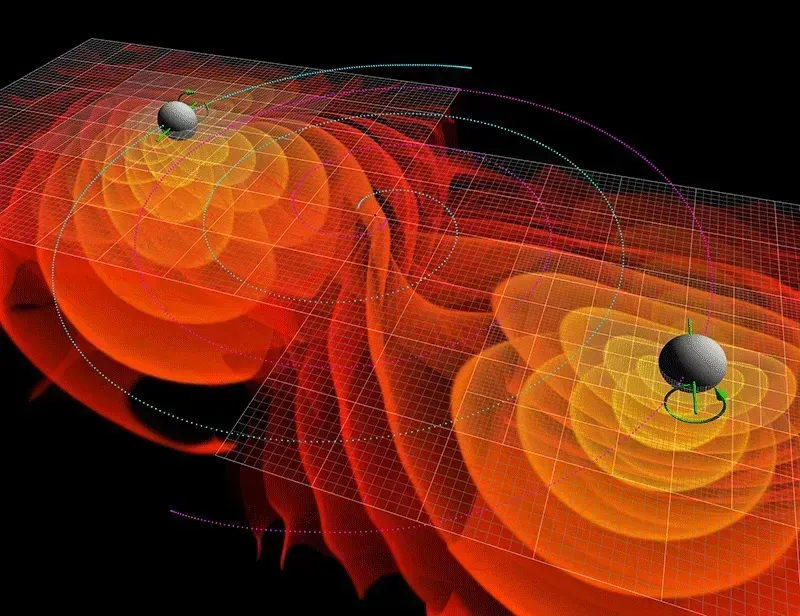
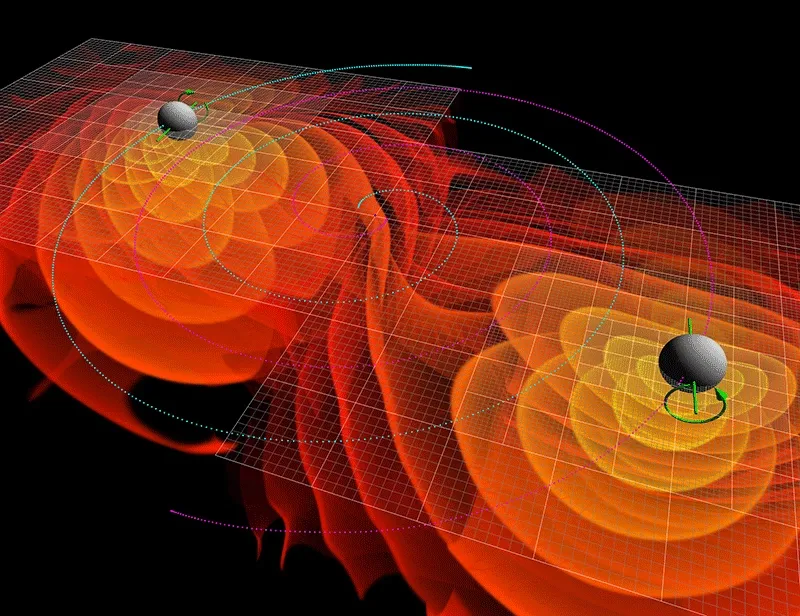
In September 2015, the LIGO detectors in the United States picked up gravitational waves from two black holes that had merged more than a billion years earlier. Einstein had predicted such waves a century before. The signal stretched space by an amount far smaller than the width of a proton.
The finding led to the 2017 Nobel Prize in Physics. Since then, detectors in the United States, Italy and Japan have recorded many more mergers, including collisions of neutron stars. Astronomers now have a way of observing the universe that doesn’t depend on light at all.
Galaxies From the Dawn of the Universe
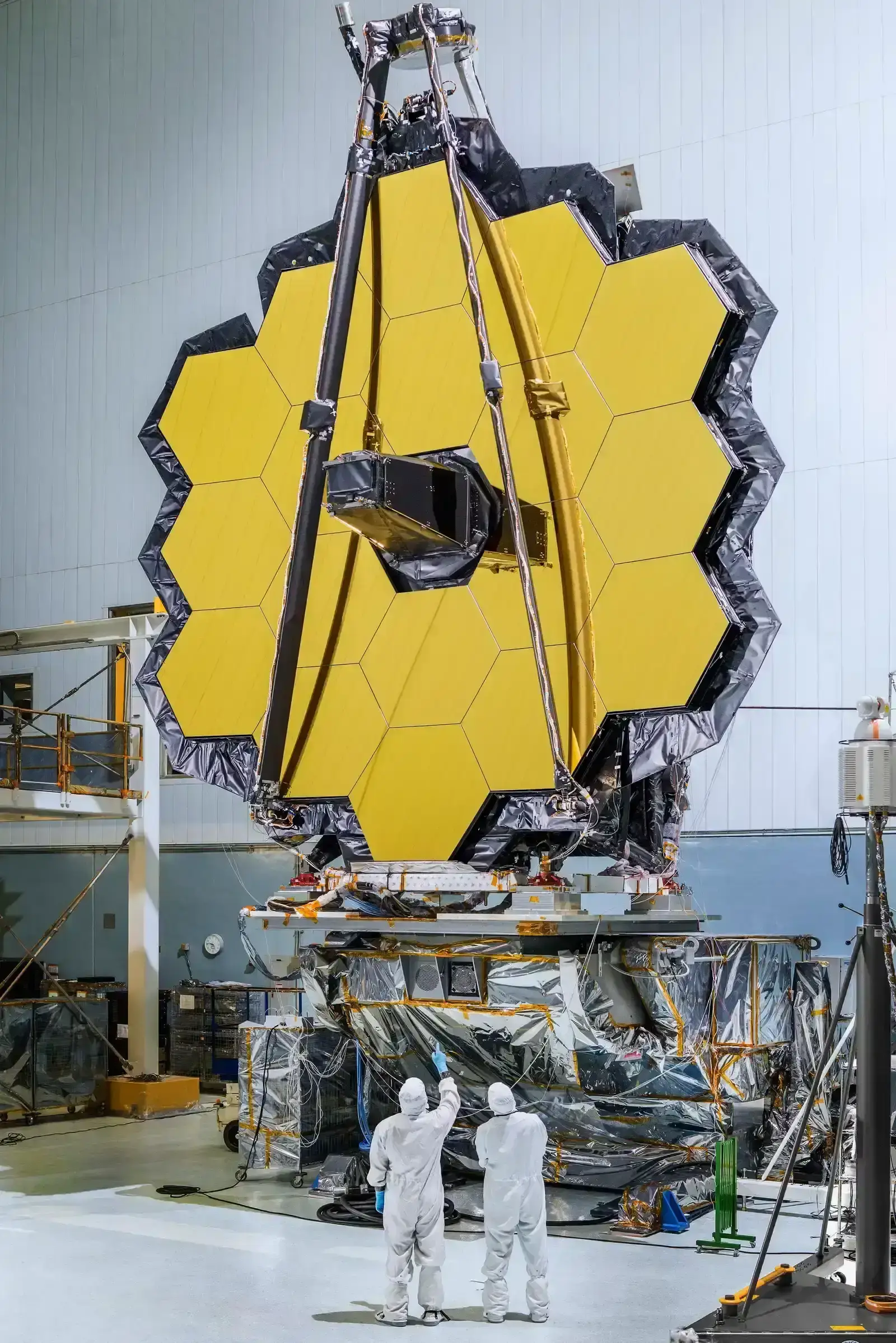
The James Webb Space Telescope launched on Christmas Day 2021 and began science operations in 2022. Its infrared instruments can see light that has traveled for more than thirteen billion years. Early on, it found galaxies that appeared surprisingly bright and developed so soon after the Big Bang.
Those results have pushed astronomers to rethink parts of their models of how quickly early galaxies grew. Webb has also analyzed the atmospheres of distant planets, detecting molecules such as carbon dioxide. Our grandparents would have found it hard to believe that a telescope a million miles away could tell us what the air is made of on another world.
A Rover Hunting for Signs of Ancient Life
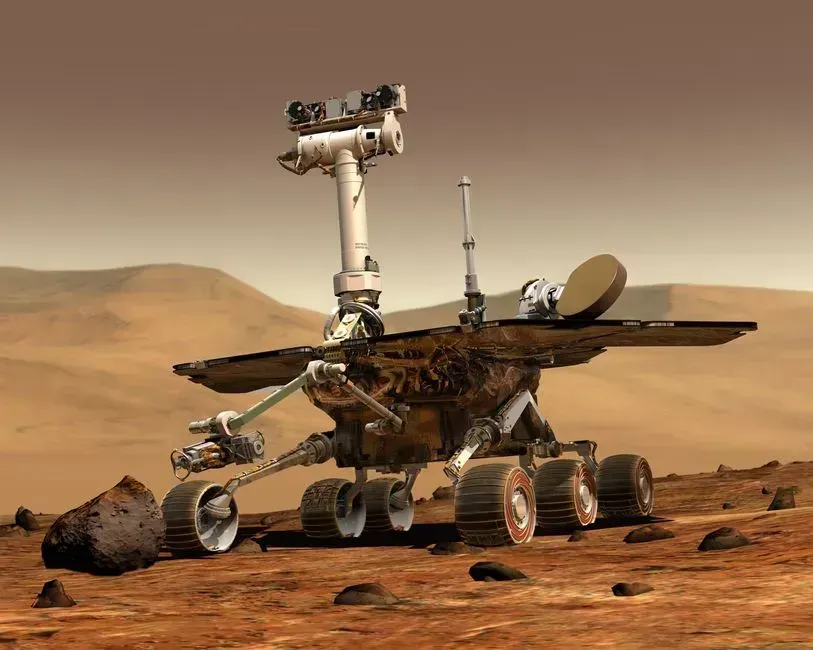
NASA’s Perseverance rover landed in Jezero Crater on Mars in February 2021. The crater once held a lake and a river delta, which makes it a promising place to look for traces of past life. The rover has been drilling rock cores and sealing them in tubes for a possible future return to Earth.
In 2025, a team reported in the journal Nature on a rock called Cheyava Falls, which showed small spots and chemical features that could be a potential biosignature. NASA was careful to say this is not proof of life, since non living processes could also explain the patterns. Confirming either way would likely require lab analysis of the samples back on Earth.
A Helicopter Flying on Another Planet
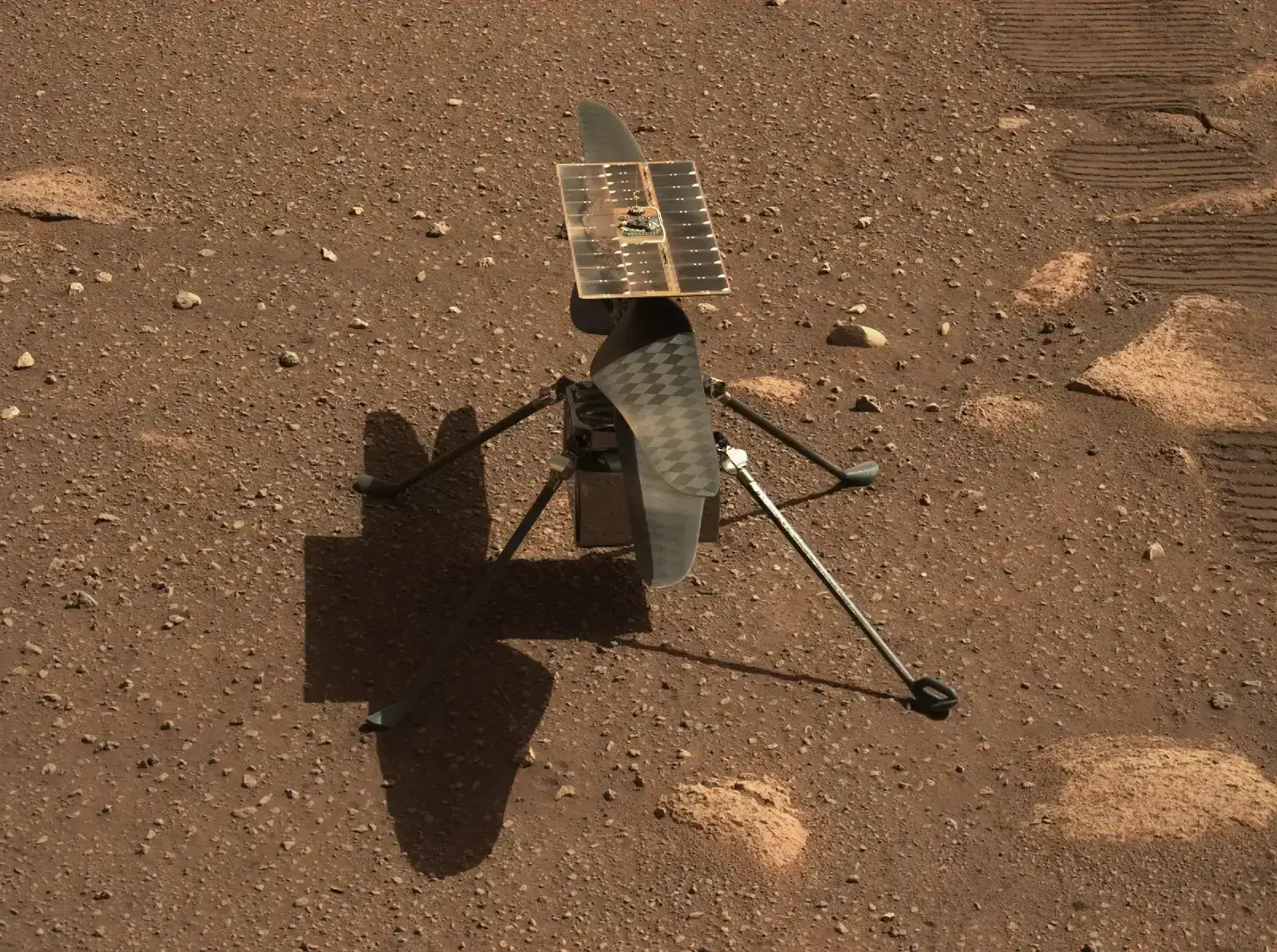
On April 19, 2021, a small helicopter named Ingenuity made the first powered, controlled flight on another planet. Mars has an atmosphere roughly one percent as dense as Earth’s, so the rotors had to spin much faster than they would here. The first hop lasted about thirty seconds.
The little craft was only meant to manage a handful of test flights. It ended up completing seventy two flights before rotor damage ended its mission in January 2024. Its success proved that aircraft can scout terrain on other worlds, an idea already shaping future mission designs.
Samples Brought Home From an Asteroid
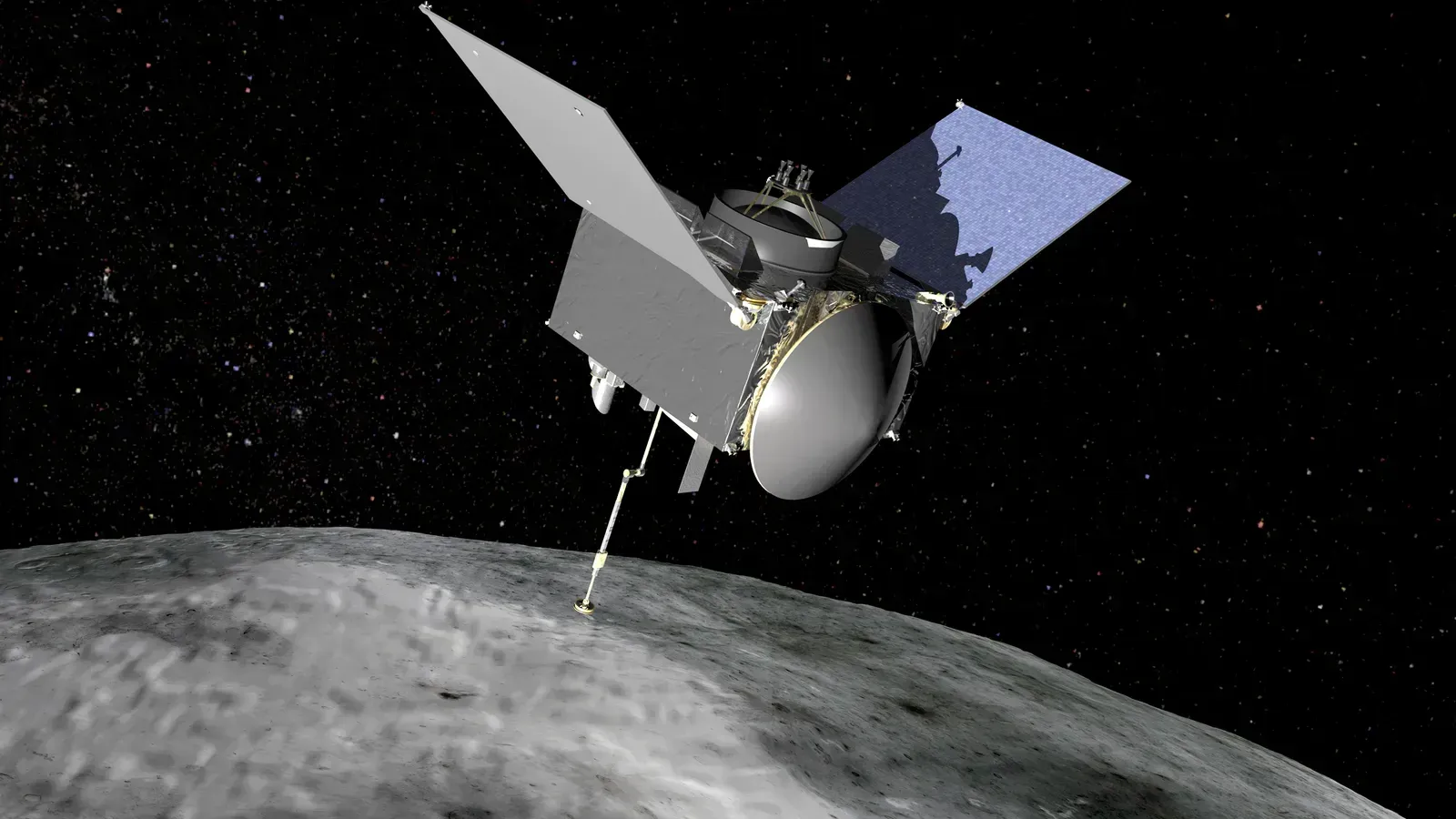
In September 2023, NASA’s OSIRIS REx spacecraft dropped a capsule into the Utah desert carrying material from the asteroid Bennu. Analysis published in 2025 found that the sample contained amino acids, including many of the types life on Earth uses to build proteins. It also held all five nucleobases found in DNA and RNA, plus salts that formed when water evaporated long ago.
None of this means life existed on Bennu. It does suggest that some of the basic ingredients for life were widespread in the early Solar System. Meanwhile, NASA’s DART mission showed in 2022 that a spacecraft could change an asteroid’s orbit by deliberately crashing into it.
Rockets That Land and Fly Again
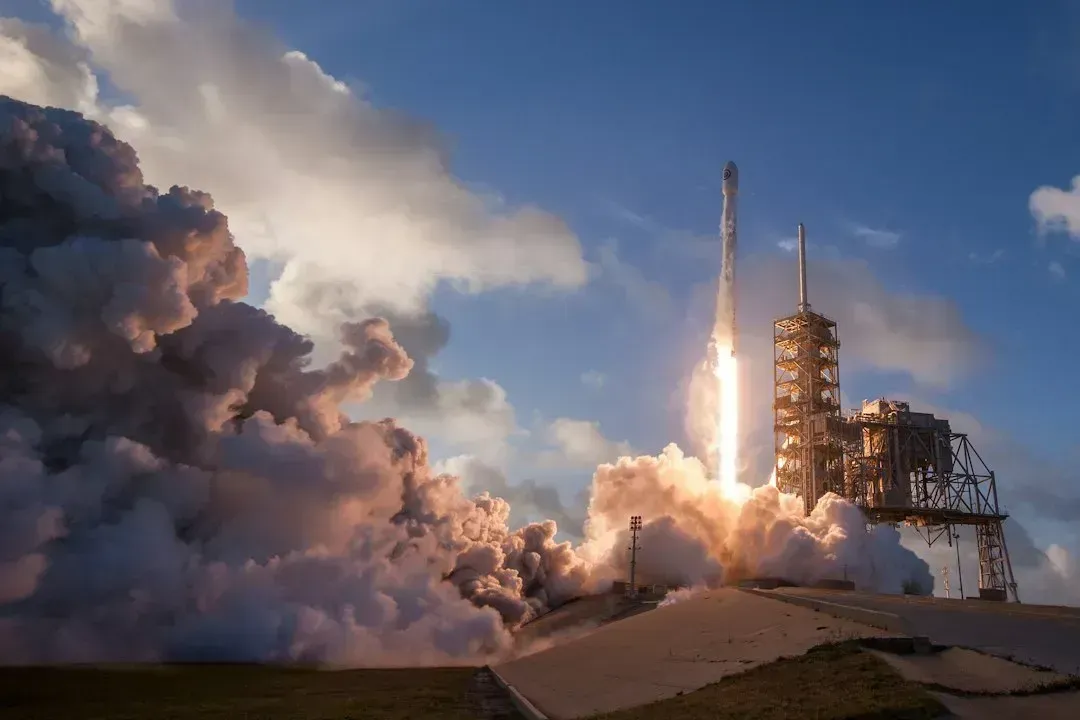
For decades, rockets were thrown away after a single launch, like a plane scrapped after every flight. In December 2015, SpaceX landed a Falcon 9 first stage upright after delivering a payload to orbit. Reuse has since become routine, and it has pushed launch costs down and launch rates up.
In October 2024, SpaceX went a step further during Starship’s fifth test flight. It caught the giant Super Heavy booster in mechanical arms on the launch tower. The flight was still a test, and Starship remains under development, but the catch showed a very different way of thinking about spaceflight.
Rocks From the Far Side of the Moon
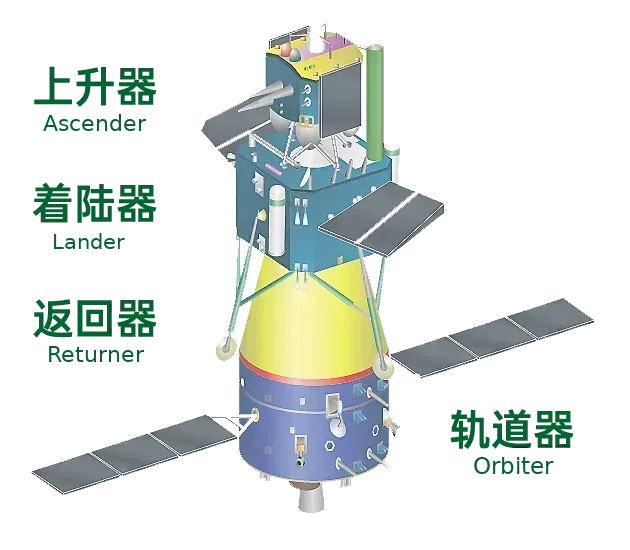
The Moon always shows us the same face, so the far side stayed hidden until a Soviet probe photographed it in 1959. In June 2024, China’s Chang’e 6 mission returned to Earth with the first samples ever collected from that hemisphere. The probe had landed in the South Pole Aitken basin, one of the largest known impact craters in the Solar System.
Early studies of the material have suggested that the far side’s interior differs from the near side’s, including in its volcanic history. Researchers are still analyzing the samples, and the findings are being shared with laboratories in several countries. It was a mission that, in the 1960s, nobody could have realistically planned.

- 9 Space Discoveries Our Grandparents Never Imagined Would Happen - November 16, 2026
- Scientists Warn: This Cosmic Radiation Risk Could Limit How Far Humans Can Travel - November 16, 2026
- Recyclable Labels That Mean Landfill-Bound – 7 Packaging Tricks Decoded - November 16, 2026
