

- 12 Things You Can Reuse Around the House Before Throwing Them Away - September 23, 2026
- Where Do Lightning Strikes Kill the Most People in the U.S.? - September 23, 2026
- 9 Simple Home Changes That Can Make a Big Difference for the Planet - September 23, 2026
Most households throw away more usable material than they realize. Glass jars, cardboard boxes, worn towels, and even dryer lint often end up in the trash within minutes of being “finished” with their original job, when in fact they still have plenty of life left in them. With landfill space shrinking and household waste costs climbing in many parts of the country during 2025 and 2026, a growing number of people are taking a second look at what they toss.
None of this requires special skills or a trip to the hardware store. It just takes a small shift in habit, pausing for a moment before something hits the bin. Here are twelve everyday items worth a second look before you let them go.
1. Glass jars
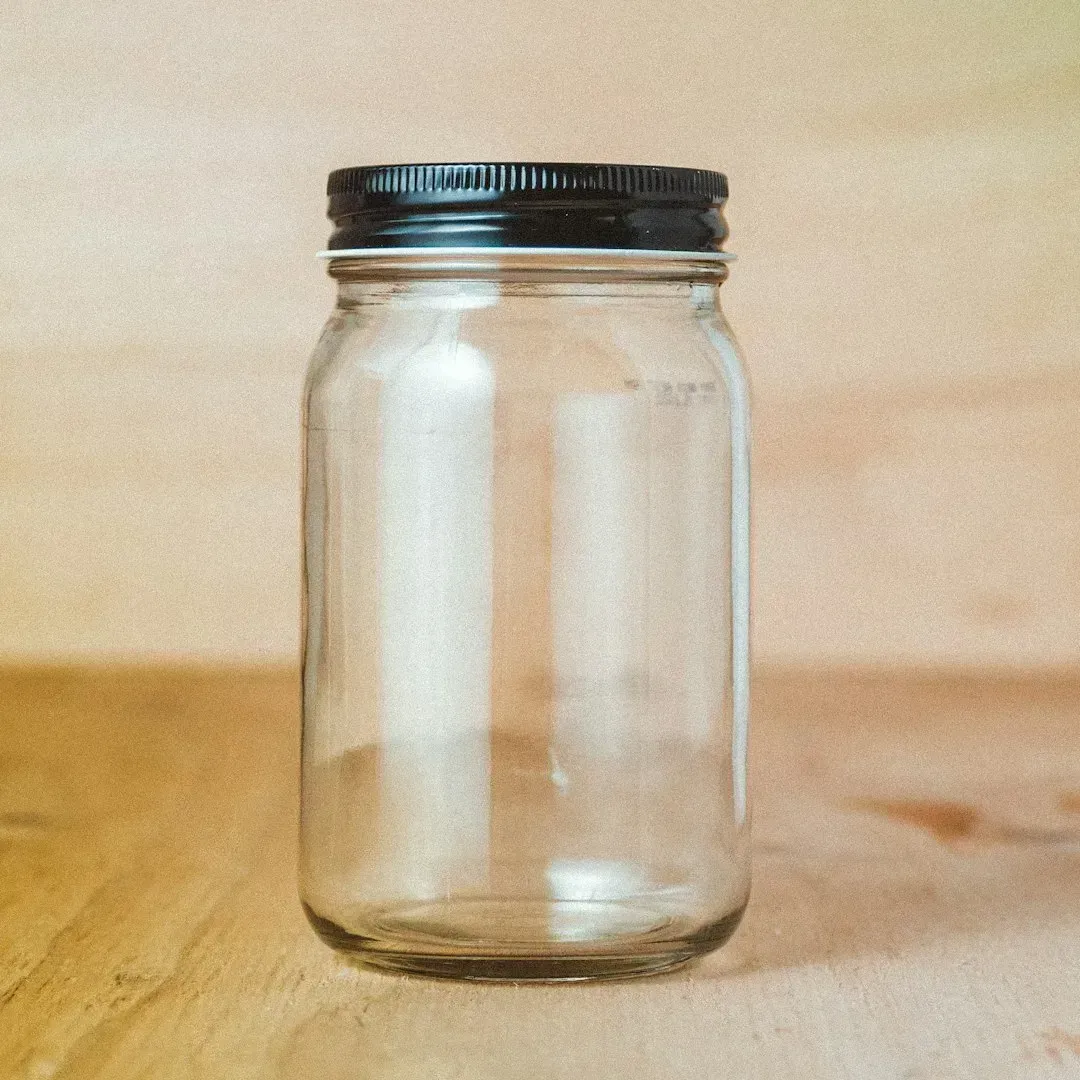
Pasta sauce jars, pickle jars, and jam containers are some of the most durable packaging most people bring into their homes, yet they’re routinely tossed after a single use. Once cleaned, they work well as storage for dry goods like rice, beans, spices, or homemade granola, and they hold up far better than most plastic containers over time.
Glass doesn’t absorb odors or stains the way plastic does, which makes it a practical choice for anything with strong scents, like coffee grounds or pickled vegetables. Many people also use them for organizing small hardware, craft supplies, or bathroom items like cotton swabs and hair ties.
2. Cardboard boxes
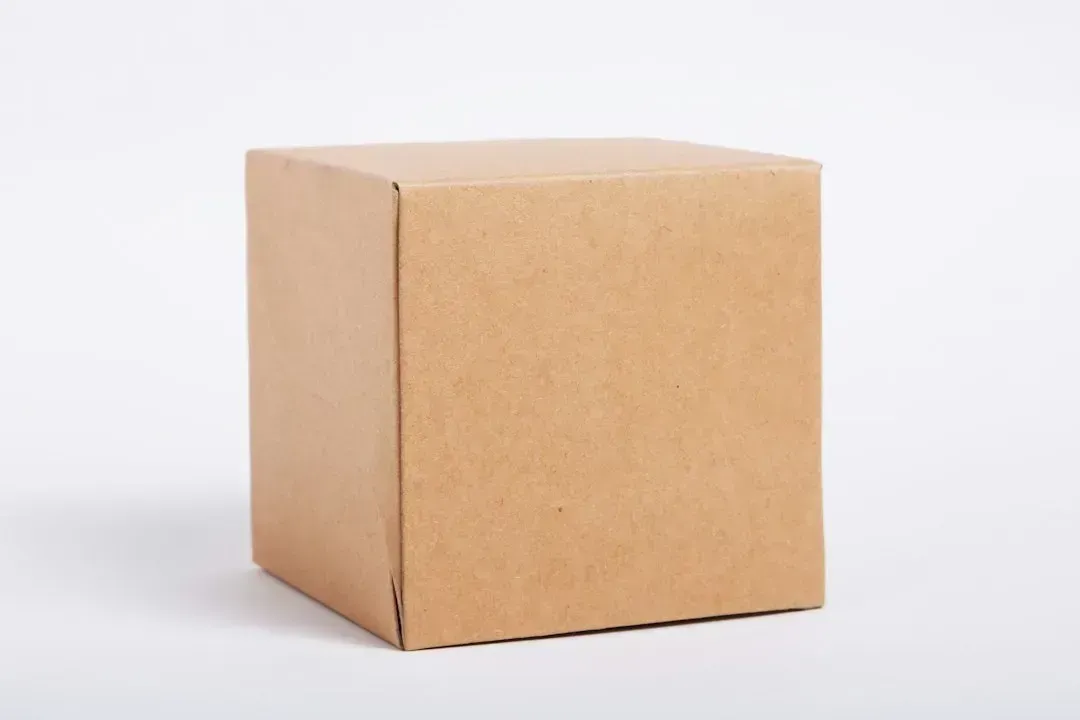
Shipping and packaging boxes pile up fast, especially with the continued growth of online shopping. Rather than flattening every box for recycling right away, sturdy ones can be repurposed as drawer organizers, storage bins for closets, or even makeshift filing systems for paperwork.
Smaller boxes are useful for organizing kids’ toys, seasonal decorations, or garage supplies before they eventually get recycled. Cardboard is also a solid weed barrier in gardens, since it breaks down slowly and blocks sunlight from reaching unwanted growth underneath.
3. Old towels and bed sheets
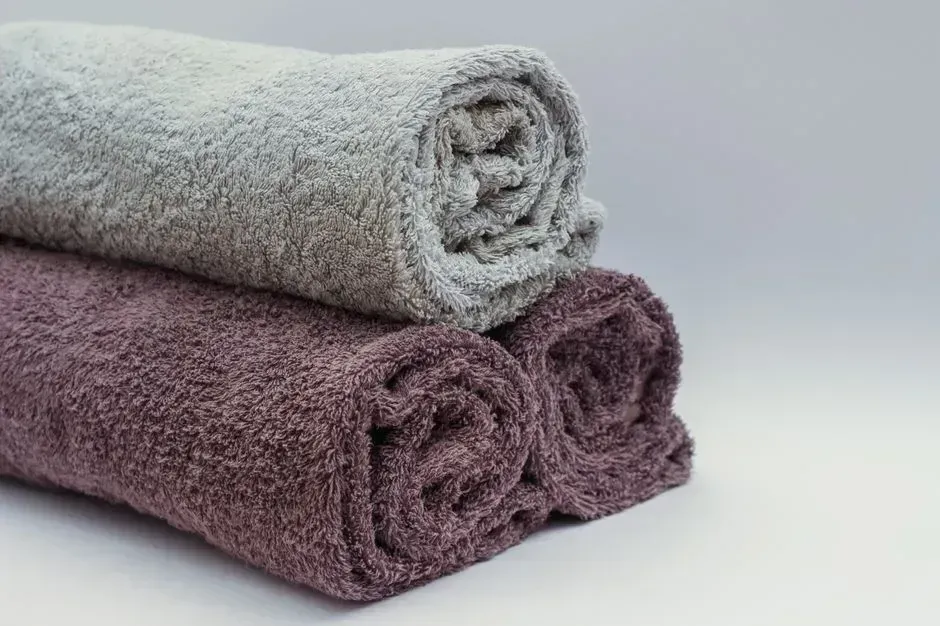
Towels that have gotten too thin or stained for the bathroom still have plenty of use left. Cut into smaller pieces, they make excellent rags for cleaning, car washing, or wiping up spills without wasting paper towels.
Old bed sheets can be repurposed as furniture covers during painting projects, dust covers for stored items, or even as material for pet bedding. Fabric like this tends to be more absorbent and durable than most disposable cleaning products, which makes it a practical swap for household cleaning routines.
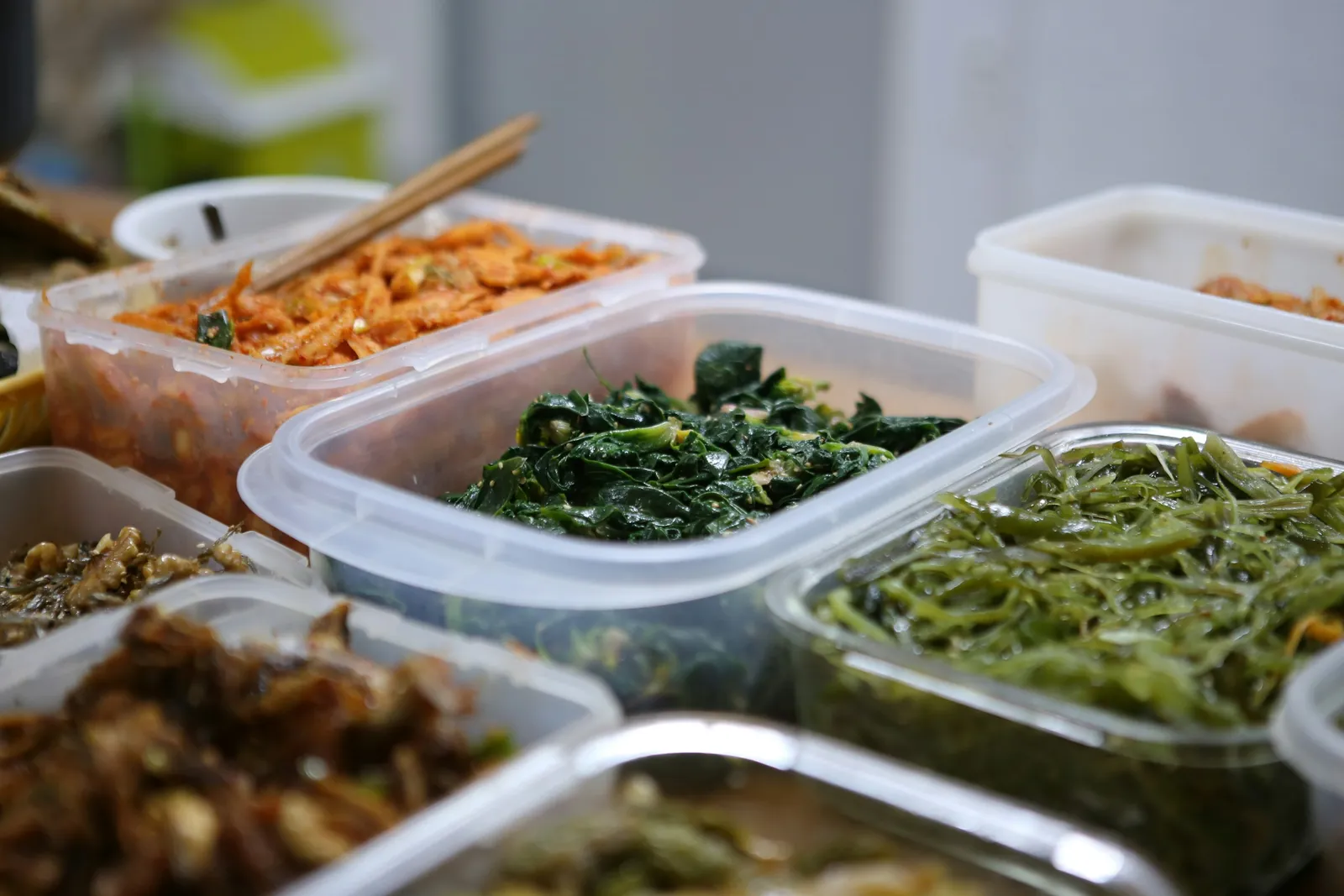
4. Plastic takeout containers
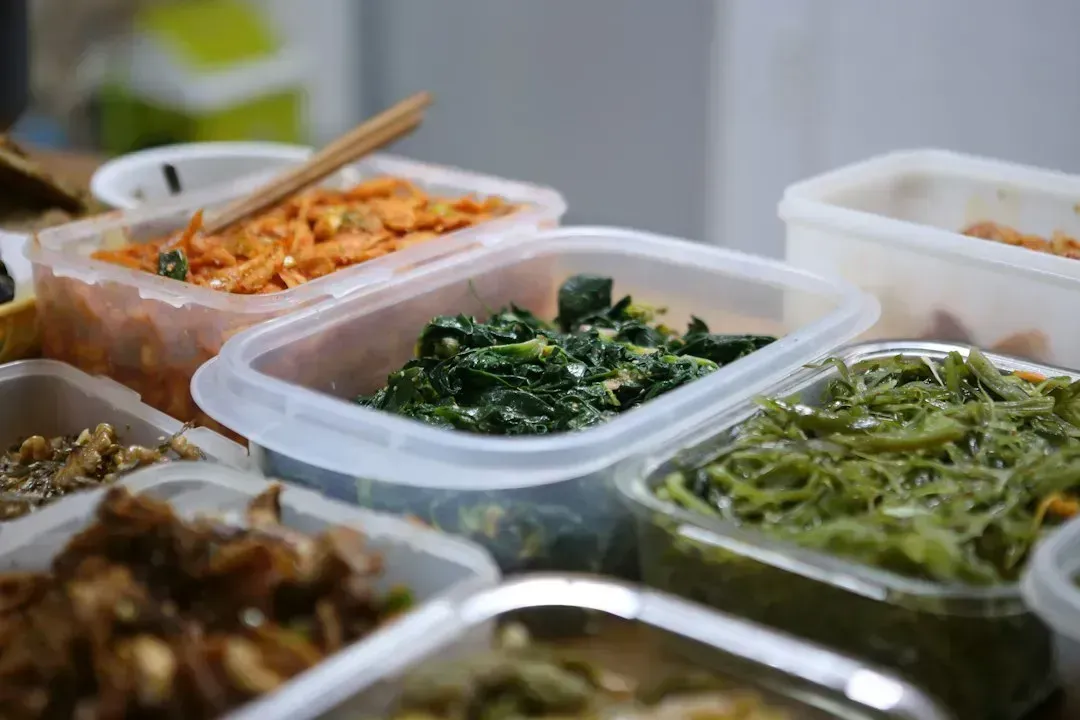
Takeout containers, especially the sturdier ones with tight-fitting lids, are essentially free storage containers. They work well for leftovers, meal prep, or organizing small items in drawers and craft stations.
Because many of these containers are labeled with recycling codes, it’s worth checking local guidelines before reusing them for food storage repeatedly, particularly if they’ve been microwaved often. Still, for short-term use or non-food storage like nails, buttons, or office supplies, they hold up quite well.
5. Wine corks
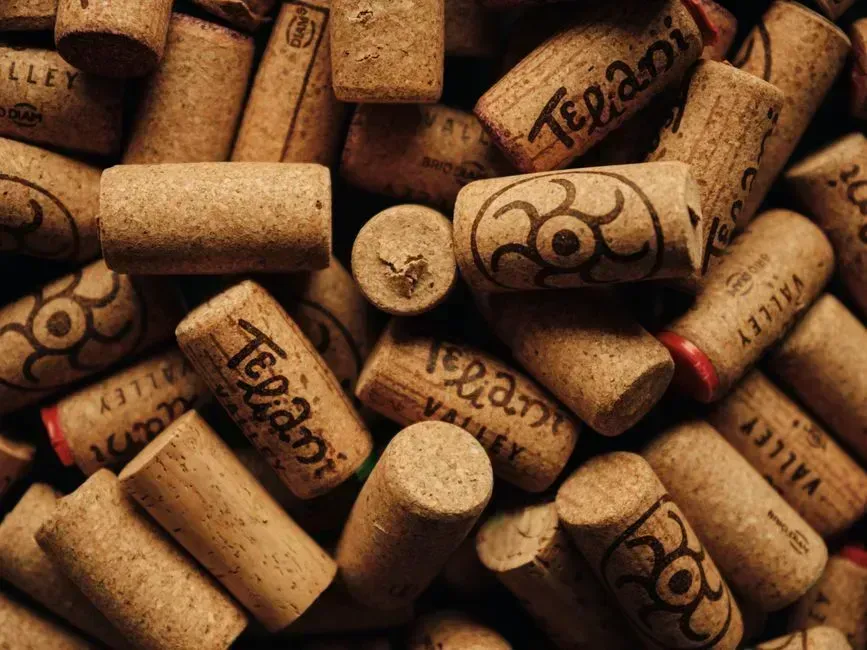
Natural wine corks are surprisingly versatile once the bottle is empty. They work as small pin cushions, drawer fresheners when infused with a few drops of essential oil, or as material for simple garden markers.
Because cork is naturally buoyant and slightly spongy, it’s also useful as a cushioning material for protecting furniture legs or small breakable items during a move. Several craft communities have documented cork reuse projects, from coasters to bulletin boards, showing just how much life remains in something usually tossed within minutes of opening a bottle.
6. Egg cartons
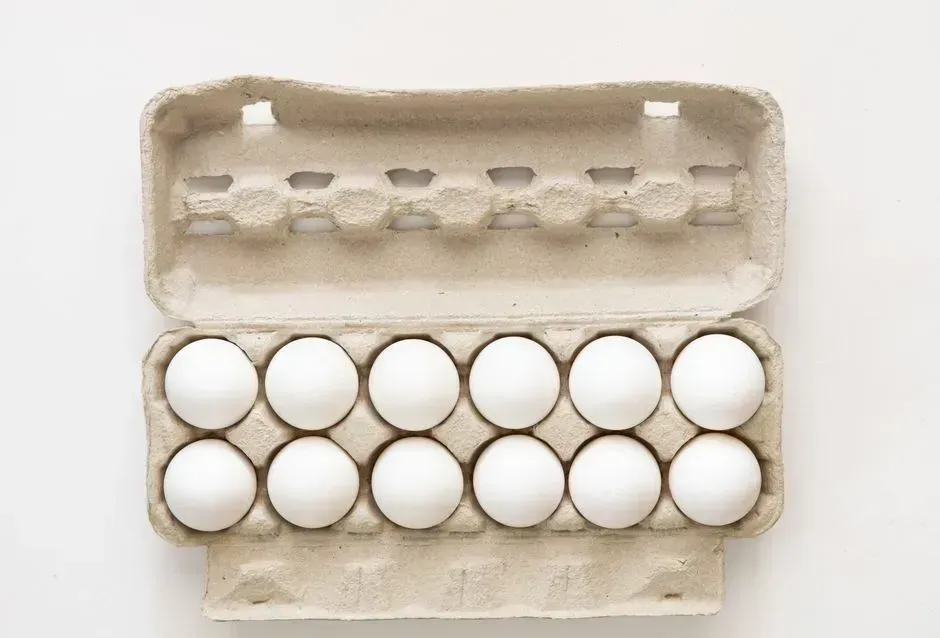
Egg cartons, particularly the cardboard kind, are handy for more than just holding eggs. They work well as seed-starting trays for gardeners, since each compartment holds a small amount of soil and a single seedling.
They’re also useful for organizing small items like jewelry, screws, or craft supplies, especially in drawers where things tend to roll around. Foam cartons, while less biodegradable, can be reused several times before they wear out.
7. Newspaper

Even with print subscriptions declining nationally, newspapers still show up in many households through mail inserts or local deliveries. Instead of recycling immediately, newspaper works well as packing material for fragile items, especially when moving or shipping breakables.
It’s also useful for cleaning glass and mirrors, since the fibers leave less lint than paper towels. Gardeners often use layers of newspaper as a base for mulch, since it suppresses weeds while breaking down naturally over the growing season.
8. Dryer lint
Dryer lint is one of the more overlooked reusable materials in most homes. It’s highly flammable in a controlled way, which makes it useful as fire-starting material for campfires or fireplaces when mixed with a bit of wax or stored in a cardboard egg carton compartment.
Some people also use dryer lint as a lightweight filler for stuffed items like pet beds or draft stoppers. It should never be composted in large amounts if the fabric contains synthetic fibers, since those don’t break down the way natural fibers do.
9. Plastic bags
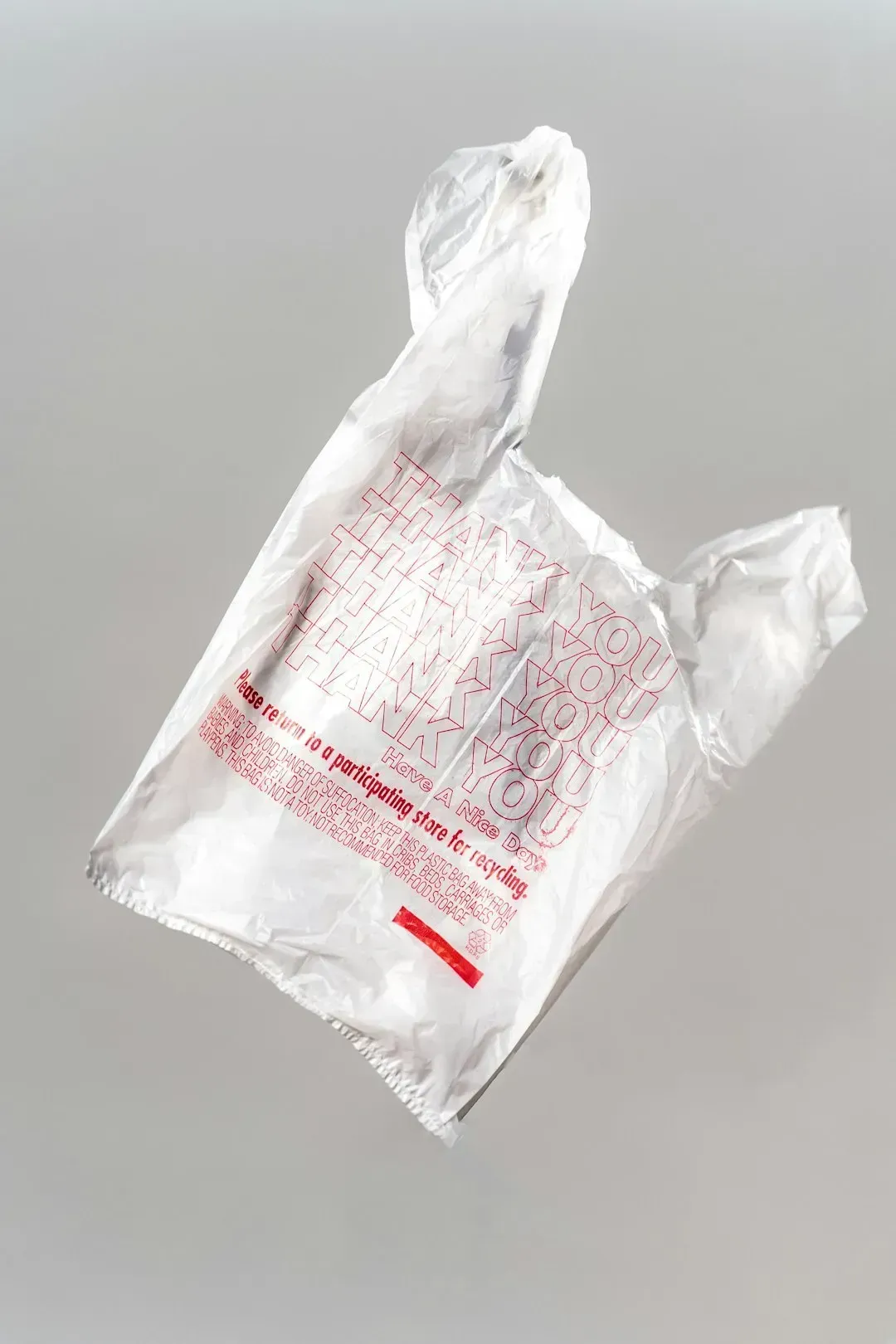
Grocery and produce bags are increasingly restricted or taxed in cities across the U.S. as of 2025 and 2026, which has pushed many households to hold onto the ones they already have rather than requesting new ones. These bags work well as small trash can liners, especially in bathrooms or home offices where a full-size liner isn’t necessary.
They’re also useful for storing wet or muddy items like shoes and sports gear during travel. Many grocery chains still offer plastic bag recycling drop-off bins, but reusing them at home first extends their usefulness before they’re eventually recycled.
10. Empty candle jars
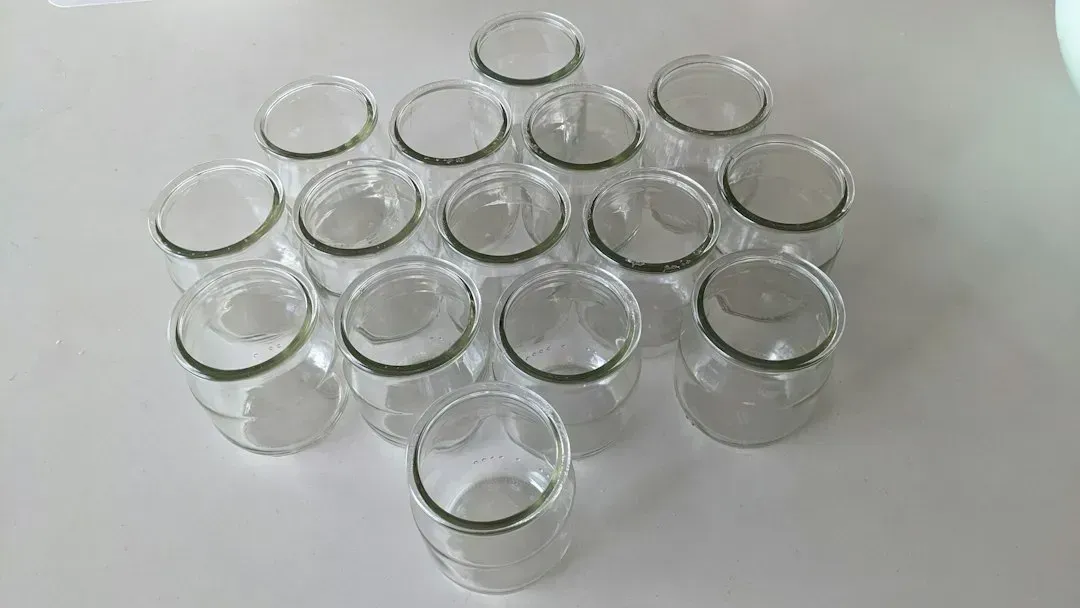
Once a candle burns down, the glass jar underneath often has plenty of life left. After removing leftover wax with hot water or a quick freezer trick, these jars work well for organizing bathroom items, storing cotton balls, or holding small kitchen utensils near the stove.
Because many candle jars come in decorative shapes and finishes, they also double as small vases for cut flowers or succulents. It’s a simple way to get more use out of something that otherwise ends up in the trash the moment the wick disappears.
11. Worn-out clothing
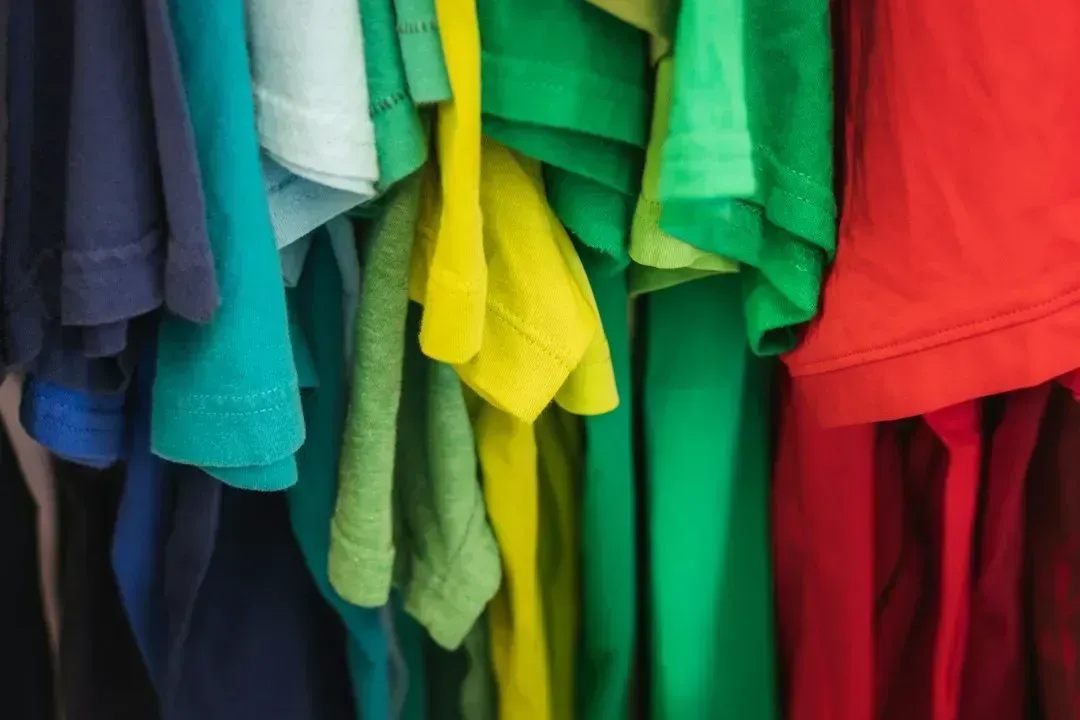
Clothes that are too worn or stained for donation still have practical uses at home. Cotton t-shirts, in particular, make excellent cleaning rags, since the fabric is soft enough not to scratch surfaces like countertops or car exteriors.
Old clothing can also be cut into strips for craft projects like braided rugs or fabric ties for gardening. According to the EPA, textile waste remains one of the largest contributors to municipal landfills in the United States, which makes reusing fabric at home a small but meaningful way to reduce that footprint.
12. Plastic bottles
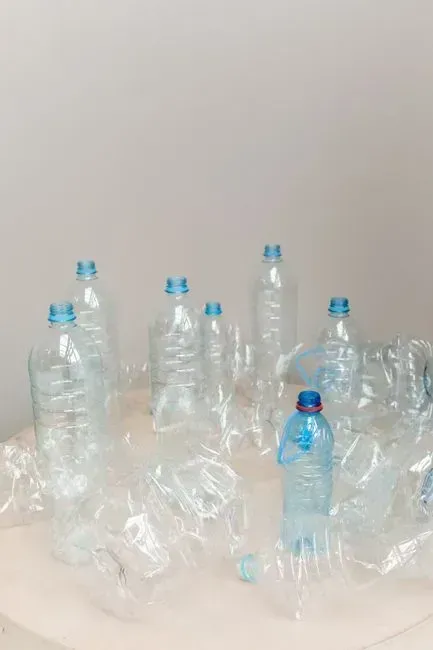
Plastic bottles, especially sturdier ones like laundry detergent or shampoo containers, can be repurposed for a surprising range of tasks. Cut and cleaned properly, they work as funnels, small planters, or storage containers for garage and workshop supplies.
Some people use larger bottles as makeshift watering cans for houseplants by poking small holes in the cap. While curbside recycling remains the better long-term option for most plastic bottles, getting a second use out of them first stretches their value before they’re processed.
Reusing what’s already in the house doesn’t require a dramatic lifestyle change. It’s mostly about pausing for a few seconds before something goes into the trash and asking whether it still has a job to do. Small habits like these add up over a year, especially in households that go through jars, boxes, and bottles at a steady pace.
