

Most travelers still picture the same handful of mega hubs when they think about American aviation. Atlanta, Dallas, Denver, the usual suspects that dominate headlines and holiday travel warnings. Yet away from that spotlight, a different story has been unfolding at regional airports scattered across the Sun Belt, the mountain West, and the mid South.
These are not the airports that make national news for delays or record crowds, at least not yet. But passenger counts have been climbing at rates that outpace many of the giants, driven by new routes, population shifts, and airlines chasing growth wherever they can find it. Here are nine of them, each with its own reason for suddenly mattering more than it used to.
1. McGhee Tyson Airport, Knoxville, Tennessee

Out of the top 100 major US airports, McGhee Tyson Airport (TYS) is the fastest-growing airport by passenger percentage increase for Calendar Year 2024, according to the U.S. Department of Transportation. In 2024, McGhee Tyson set a passenger record by hosting 3,256,953 million annual passengers for the first time in its 87-year history. That is not a small bump. It is nearly two decades of typical growth compressed into a single year.
Passenger traffic at McGhee Tyson increased over 18% in 2024 vs 2023, is expected to continue growing in 2025 with new flights to Sarasota, FL, Gulf Shores, AL, and Washington, D.C. added this spring. The airport now offers 32 nonstop destinations and averages 130 daily flights. Knoxville’s proximity to the Great Smoky Mountains and a steadily growing metro area seem to be feeding the surge. What used to feel like a sleepy regional stop now runs like a small hub with big-city ambitions.
2. Columbia Regional Airport, Columbia, Missouri
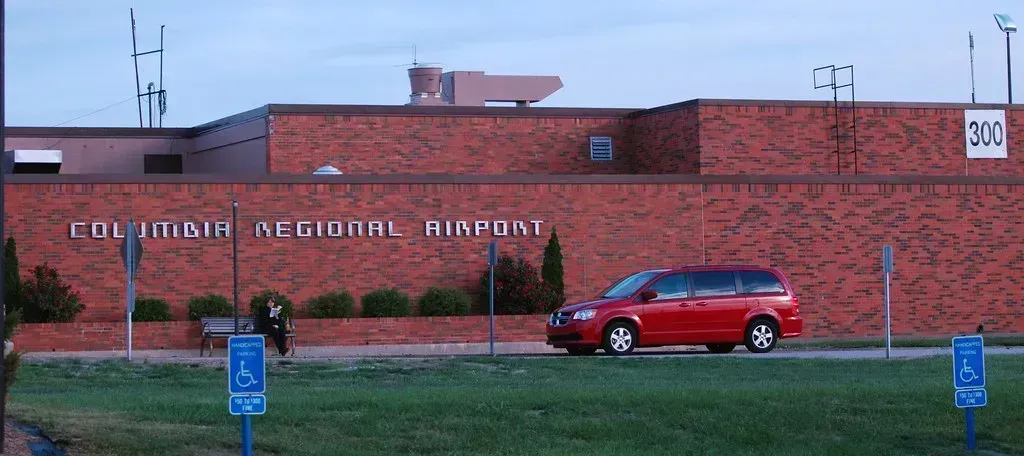
Few people outside mid Missouri would guess that a college town airport could post one of the country’s sharpest growth curves, yet Columbia Regional has done exactly that. The growth follows a record-breaking year in 2025, when the airport welcomed more than 242,000 passengers, representing a 17% increase compared to the previous year. For an airport of that size, those numbers represent a genuine shift in how residents travel.
The momentum has not gone unnoticed by local officials. To support rising passenger volumes, the Columbia City Council has approved a series of infrastructure improvements. These include the addition of approximately 600 new parking spaces south of the terminal, alongside upgrades to access roads to improve traffic flow and reduce congestion. Meanwhile, airline expansion has also played a key role in the airport’s growth. United Airlines resumed services in 2025 with daily flights to major hubs, while American Airlines is set to launch new daily service to Charlotte in 2026. In addition, Allegiant Air has introduced new leisure routes, further expanding connectivity.
3. Daytona Beach International Airport, Florida
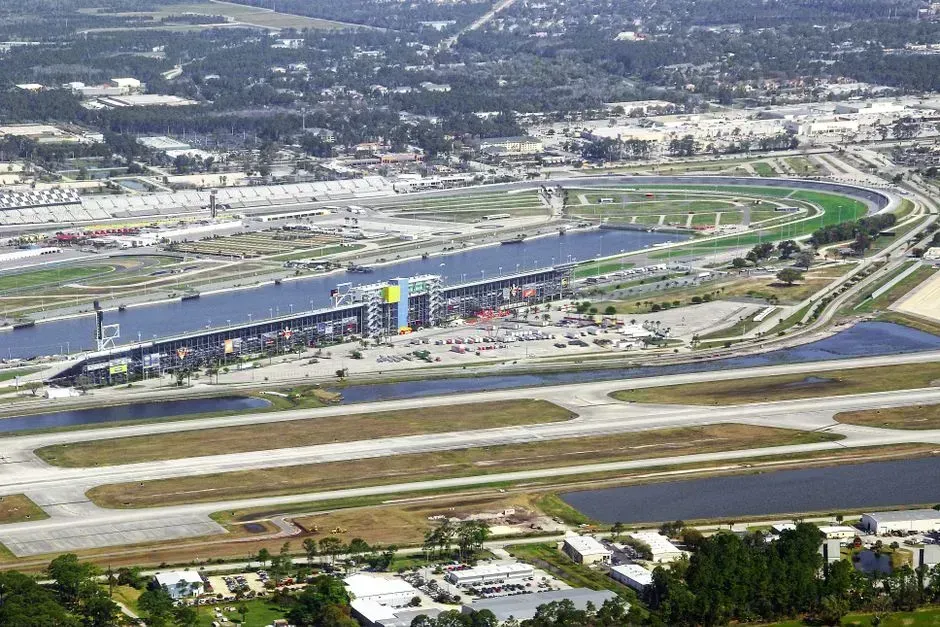
Daytona Beach has long lived in the shadow of Orlando’s massive air travel machine, but its own airport quietly hit a milestone in 2025. Daytona Beach International Airport set a passenger traffic record in 2025, serving 772,170 travelers. This figure shows an 11% increase from 2024 and is the highest passenger count at the airport since 1997. That is a stretch of nearly three decades without matching this level of demand.
New service has clearly been the driving force. JetBlue Airways launched daily nonstop flights to New York City and Boston, carrying over 10,600 passengers in December alone. Breeze Airways also added four new nonstop routes to Providence, R.I.; Hartford, Conn.; Raleigh/Durham, N.C.; and Akron/Canton, Ohio. Established carriers pitched in too, since DAB gained increased support from Delta Air Lines and American Airlines, which have served the airport for 46 and 17 years, respectively. In response to travel demand for events like the Daytona 500, Delta added nonstop flights to New York City and Detroit.
4. Punta Gorda Airport, Florida
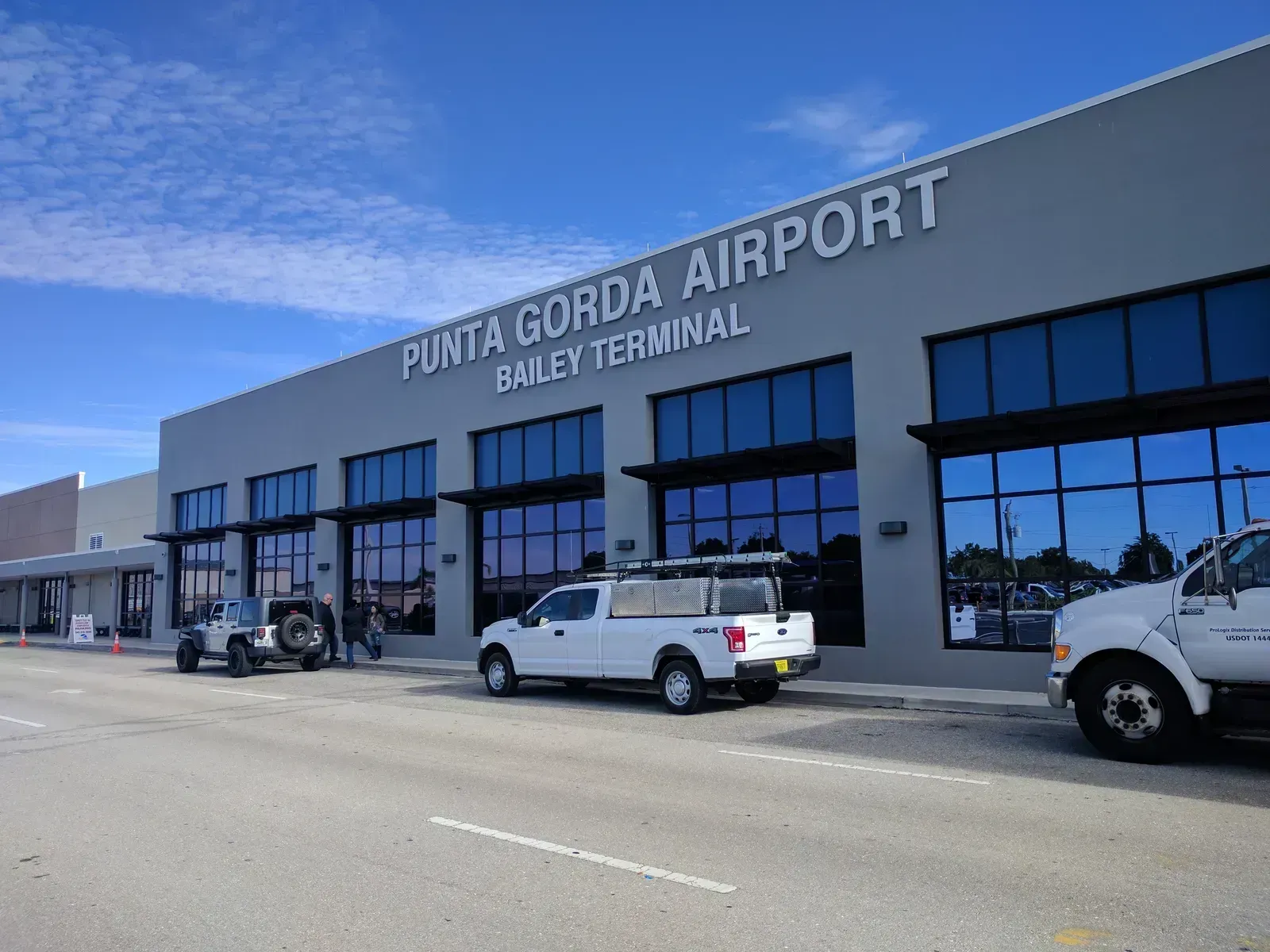
Punta Gorda sits between Sarasota and Fort Myers, a spot that used to be more retirement community than travel hotspot. That has changed fast. Punta Gorda Airport set a new annual record in 2025 by welcoming over 2.28 million passengers, marking an increase of 18.5% compared to the previous year. For an airport this size, that kind of jump is hard to overstate.
The airport is not just absorbing the growth, it is building for more of it. PGD is progressing on a 50,000 square foot expansion of the Bailey Terminal, which is expected to open in 2027 with additional gate space, dining and amenities. Allegiant currently provides low-cost, nonstop roundtrip service to 50-plus destinations from PGD, with Sun Country providing seasonal service to and from Minneapolis. Six new gates numbered 7 through 12 have already opened as part of that project, giving the terminal noticeably more breathing room.
5. Bozeman Yellowstone International Airport, Montana

Bozeman is proof that scenery sells tickets. Throughout 2025, BZN welcomed a record-breaking 2,809,419 passengers which is a 6.3% increase over the 2,642,707 recorded in 2024. That is a striking number for an airport serving a state better known for cattle ranches than jet bridges, and it’s Montana’s busiest airport since 2013.
The growth has forced real infrastructure decisions. To accommodate this growth, the airport has initiated the East Terminal expansion project, which will include more security checkpoints, gates, baggage claim areas, and amenities. The expansion project is budgeted at $190 million, and the first phase is expected to finish this year. Airport leadership has been candid about the strain, noting that being one of the fastest growing airports in the country brings its own set of choke points to solve.
6. Myrtle Beach International Airport, South Carolina
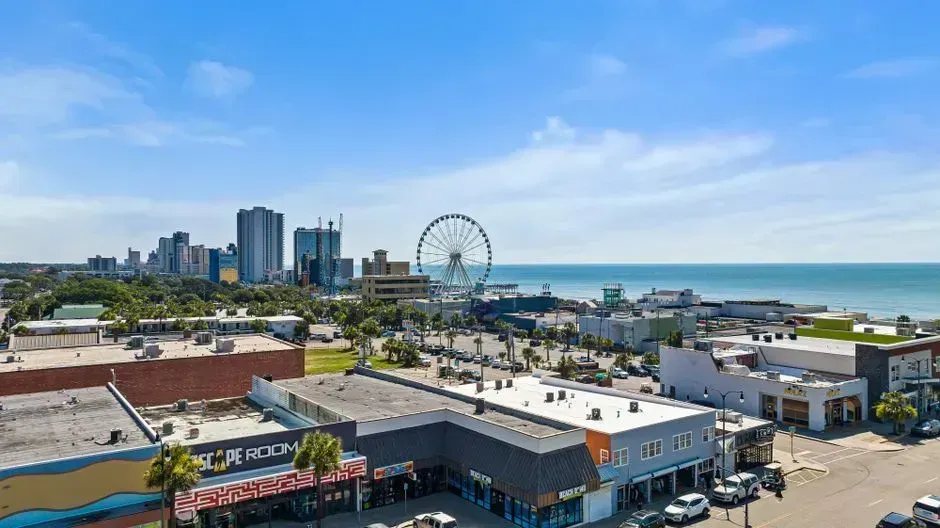
Coastal South Carolina has quietly become one of the more dependable growth stories in American air travel, and Myrtle Beach sits near the top of that list. Among the fastest growing airports ranked in the nation’s top 100 for 2024, the other fastest growing airports in the top 100 were: Myrtle Beach, South Carolina – 14.6%. That figure places it ahead of many far larger hubs for percentage growth.
Much of the momentum traces back to the region’s enduring popularity as a beach destination for East Coast travelers who increasingly prefer flying over long highway drives. Low cost carriers have leaned into that demand, adding seasonal and year round routes that make the drive to the airport, rather than the destination itself, the shorter part of the trip. The result is a facility that behaves less like a sleepy coastal airport and more like a seasonal workhorse.
7. Providence T.F. Green International Airport, Rhode Island
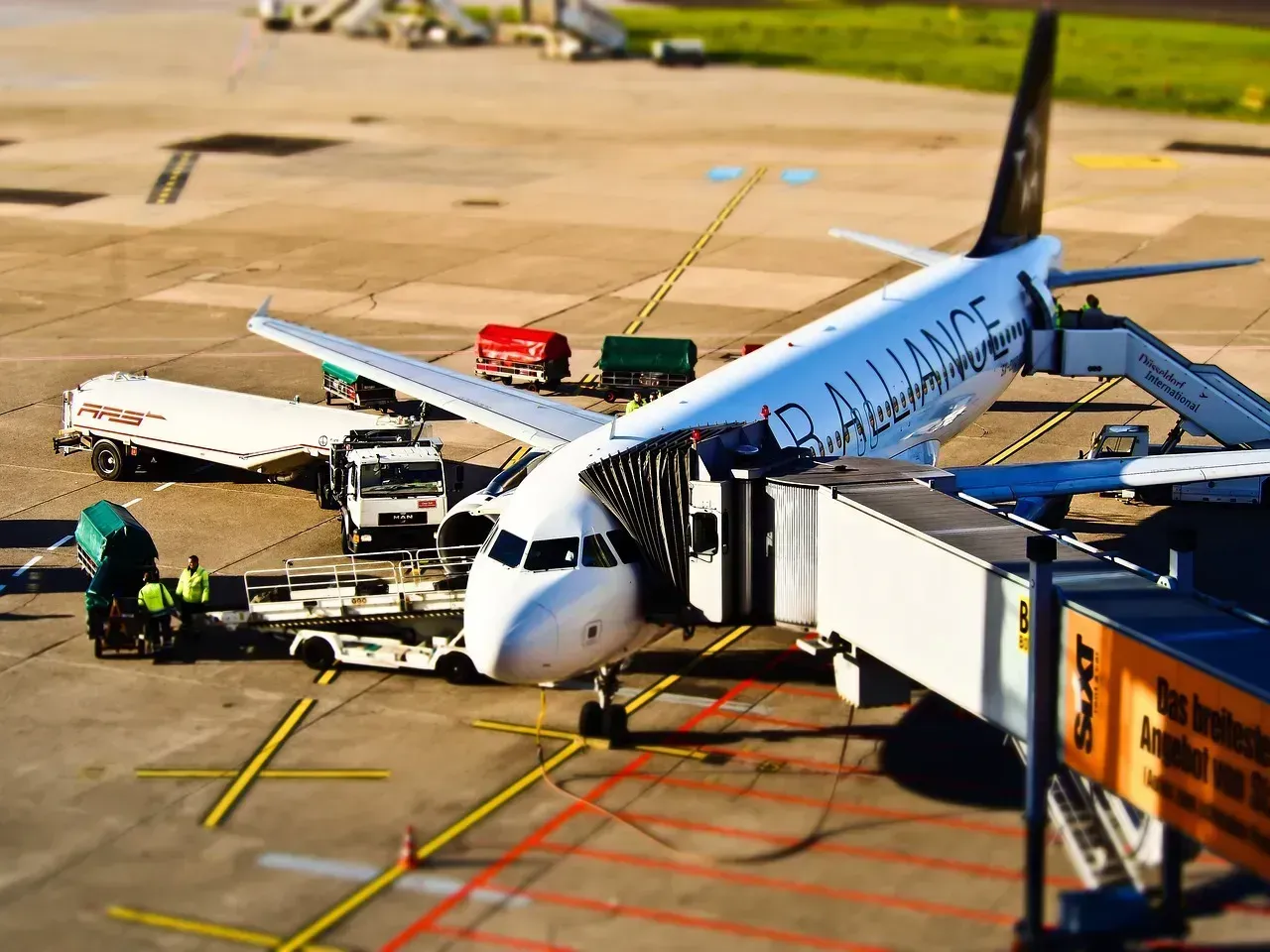
Providence has spent years positioned as the practical alternative to Boston’s more congested Logan Airport, and that positioning has started to pay off. Providence, Rhode Island posted growth of 14.2% among the top 100 airports in the country. For New England travelers tired of Logan’s traffic and security lines, that shift in preference has been building for a while.
Smaller regional airports near major metro areas often benefit when travelers realize the time saved getting to a less crowded terminal outweighs any difference in flight options. Providence appears to be riding exactly that wave. Its growth reflects a broader pattern across the Northeast, where secondary airports are absorbing demand that once flowed almost automatically to the biggest nearby hub.
8. Greenville-Spartanburg International Airport, South Carolina

The Upstate region of South Carolina has been one of the more consistent population growth stories in the American South, and its airport has kept pace. Greenville/Spartanburg, South Carolina recorded growth of 12.4% among the country’s top 100 airports. That kind of increase tends to reflect deeper economic shifts rather than a single new flight route.
Greenville and Spartanburg have both attracted manufacturing investment and corporate relocations over the past several years, and business travel typically follows those trends closely. As more companies set up regional operations in the area, the airport has become less of a convenience and more of a necessity for the local economy. It is a pattern worth watching, since airports that grow alongside industrial investment tend to sustain that growth longer than those relying purely on tourism.
9. Pensacola International Airport, Florida

Pensacola rounds out this group with a growth rate that outpaced most of the country’s largest airports in the same period. Pensacola, Florida saw growth of 12.2% among the nation’s top 100 airports. That puts it in the same conversation as far bigger Florida hubs like Orlando and Tampa, at least in terms of pace.
Florida’s Panhandle has been drawing steady interest from both retirees and remote workers looking for coastal living without the price tag of South Florida. Airlines have responded with expanded seasonal service, and the airport has become a genuine gateway rather than a backup option for travelers connecting through Atlanta or Houston. The trend lines suggest this is not a temporary blip tied to a single new route, but a slower structural shift in where people want to land.
Taken together, these nine airports tell a story that rarely makes the evening news. Growth in American aviation is no longer confined to the handful of mega hubs that dominate headlines. It is spreading into college towns, ski valleys, beach communities, and manufacturing corridors, often faster than the infrastructure built to handle it. Whether that pace holds through 2026 and beyond will depend on continued airline investment and the terminal expansions many of these airports are racing to finish.
