
- What Stargazers Should Know as Light Pollution Increases Nationwide - September 15, 2026
- 8 Glaciers Melting Faster Than Scientists Predicted This Decade - September 15, 2026
- The 9 Most Remote Mountain Peaks Ranked by Climbers Who Know Them Best - September 15, 2026
1. The Amazon Rainforest
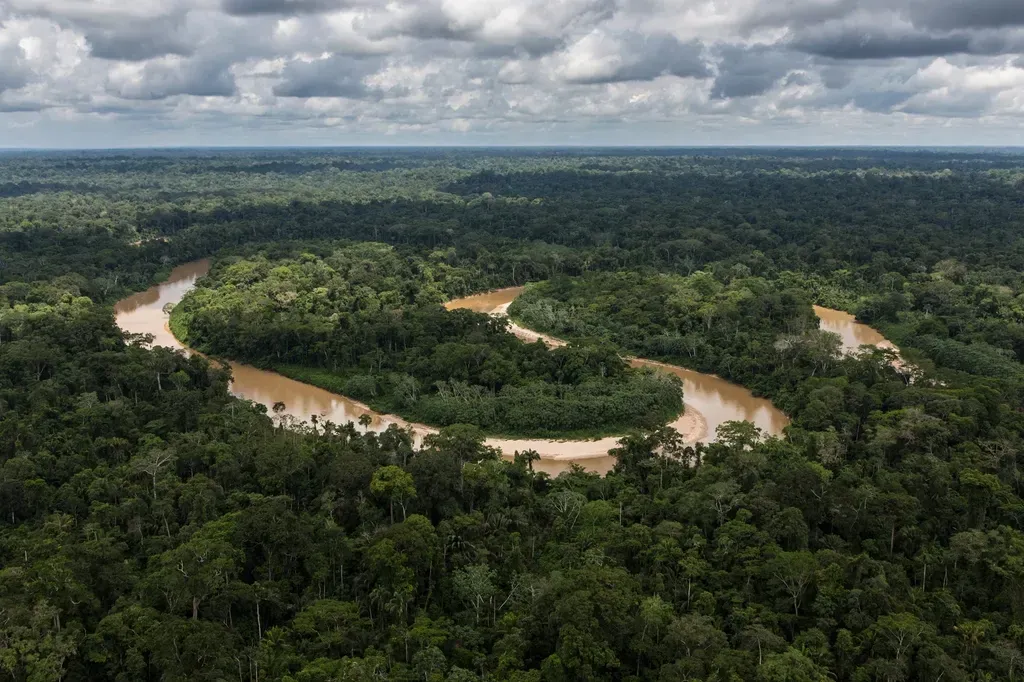
The Amazon remains the undisputed giant, and it is not particularly close. It covers about 80% of the Amazon basin, which spans at least 2.3 million square miles (6 million square kilometers), stretching across nine countries in South America. The Amazon is spread across nine countries in South America: Brazil, Peru, Colombia, Ecuador, Bolivia, Venezuela, Guyana, French Guiana and Suriname. Its scale is genuinely hard to grasp: it is more than half the size of the U.S. and three times bigger than the next-largest rainforest.
This forest is also having a rough decade. We are currently at 1.4°C of global heating and about 17 or 18% of the Amazon rainforest has been deforested, with a tipping point possible at global heating of 1.5 to 1.9°C and deforestation of 22 to 28%. There is some good recent news, though: in 2025 the loss of tropical rainforests globally fell by 36%, though this was from a record high in 2024, and Brazil’s deforestation fell by 41% from the previous year. Even with that improvement, 1.94 million hectares of forest in the Amazon basin was lost that year, a reminder that “slower” destruction is still destruction.
2. The Congo Basin Rainforest
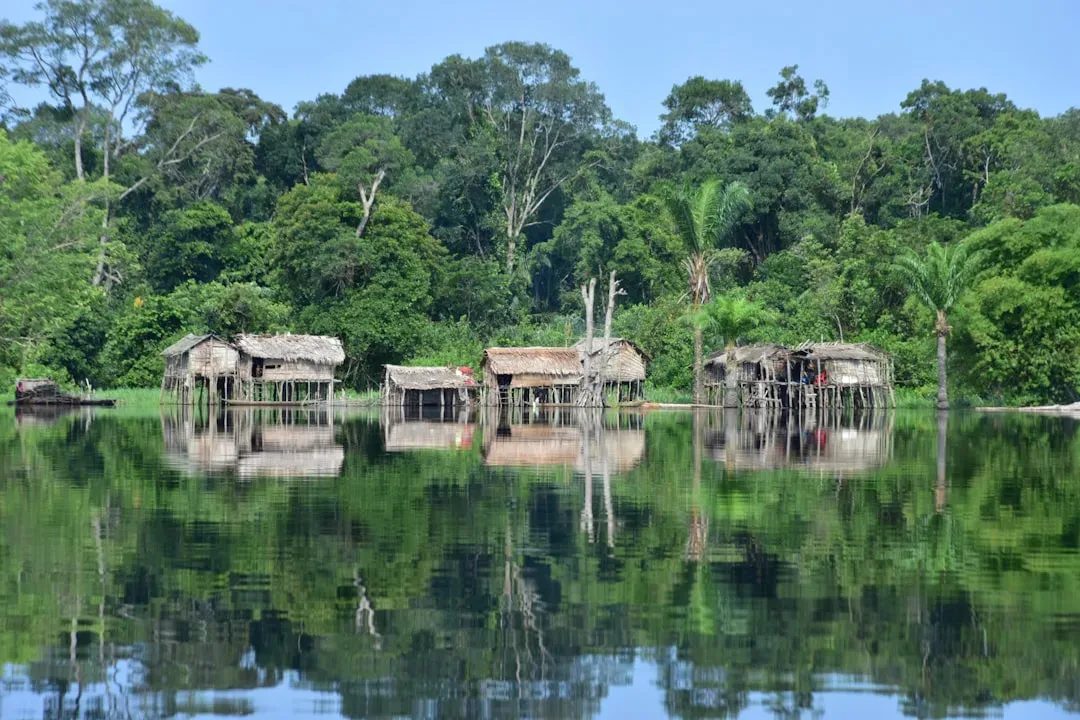
Central Africa’s great forest is the world’s second largest, and by a wide margin. As measured by primary forest extent, the Amazon rainforest is more than three times larger than that of the Congo Basin, the world’s second largest rainforest. In raw numbers, about 2.87 million square kilometers of the basin is forested, of which 1.68 million is considered primary forest as of 2020, making the Congo rainforest nearly the size of India’s land mass.
Politically the region is a patchwork. The majority of the Congo rainforest lies within the Democratic Republic of the Congo, Gabon, Republic of the Congo, Cameroon, Central African Republic, and Equatorial Guinea, with about 60% of the region’s primary forest found in DRC. Unlike the Amazon’s recent slowdown, the trend line here is heading the wrong way: deforestation in the Congo Basin is currently trending higher, with nearly all primary forest loss occurring in DRC.
3. The New Guinea Rainforest
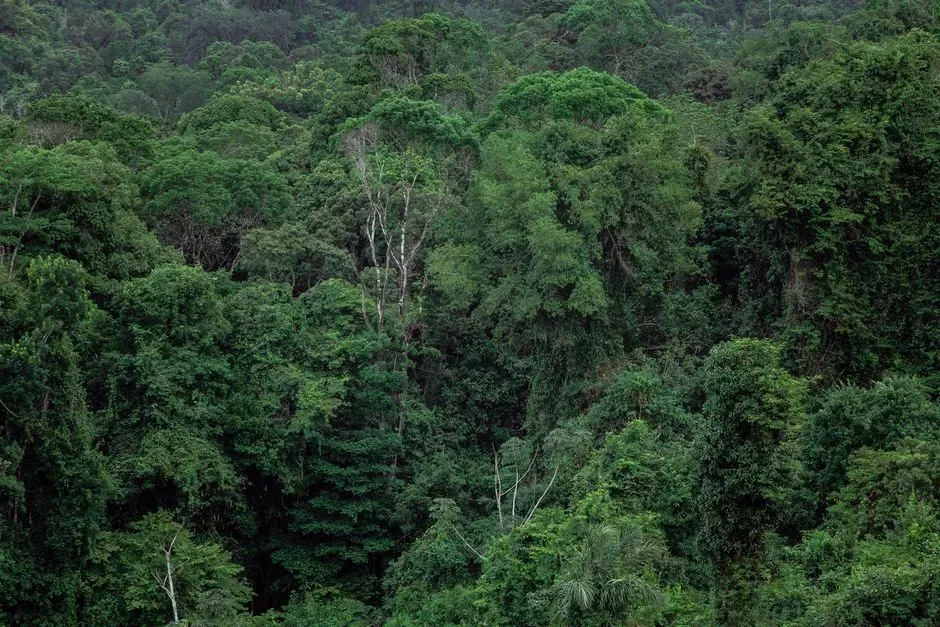
New Guinea rarely gets the attention it deserves, but it hosts one of the planet’s most biologically rich rainforests. New Guinea is the second-largest island in the world, and the rainforest here comprises 65 per cent of the land on the island. Despite its size relative to Australia, the diversity of plant and animal life is incredible, and just as diverse as nearby Australia, despite being one-tenth of the size.
The wildlife roster reads like a checklist of evolutionary oddities. Creatures like the long-beak echidna, the tree kangaroo and the flying fox all call this amazing place home. It is also, somewhat charmingly, the habitat of the world’s largest butterfly, the Queen Alexandra birdwing, which can have a wingspan of up to 250mm. That kind of endemic richness makes New Guinea a conservation priority even though it does not command the same global headlines as the Amazon or Congo.
4. The Sundaland Rainforest
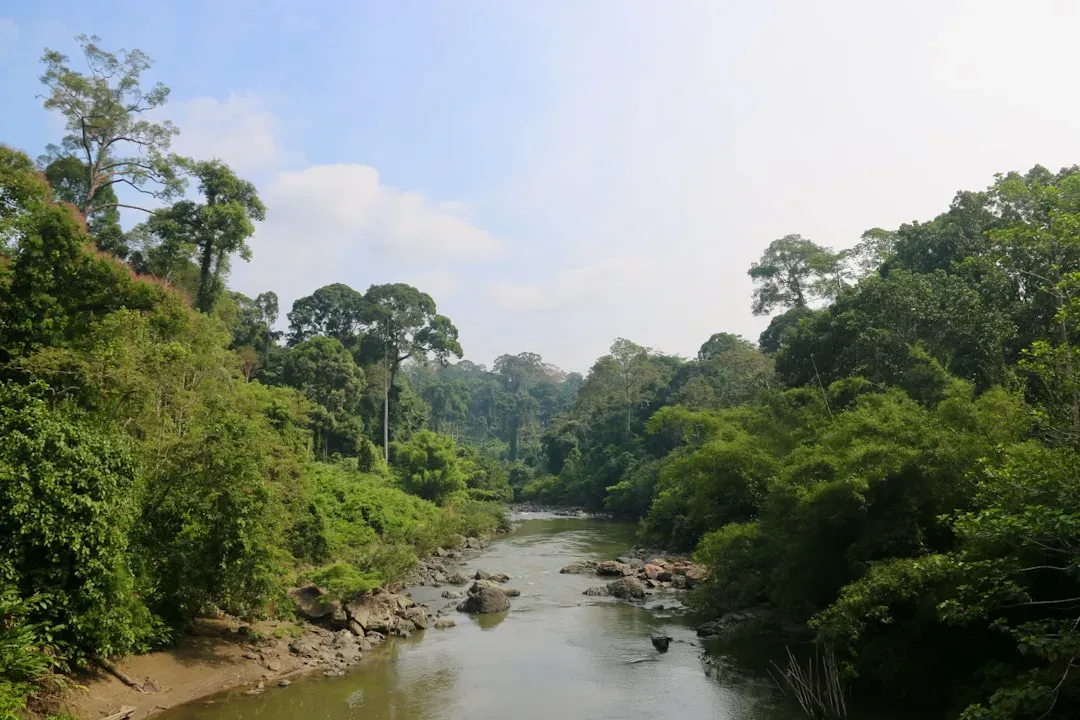
Sundaland stretches across mainland and island Southeast Asia, and it holds the unfortunate distinction of losing forest faster than almost anywhere else. The Sundaland rainforest is the fourth-biggest rainforest in the world, at about 197,000 square miles, and it includes the Malay Peninsula on mainland Southeast Asia and the nearby islands of Sumatra, Java and Borneo. Most of what remains sits on Borneo. Most of the region’s remaining forest is on the island of Borneo, which is divided politically between Indonesia, Malaysia, and Brunei.
The scale of recent loss here is striking. Sundaland lost the world’s largest share of primary forest cover between 2002 and 2019, with Borneo losing 15% of such forests, while Sumatra lost 25%. The region is famous for its wildlife oddities too, including the corpse flower, which smells like rotten flesh when it blooms, and orangutans, which also roam the Sundaland rainforest. Palm oil expansion and logging roads continue to fragment what is left, making this one of the more urgent conservation fronts on the planet.
5. The Valdivian Temperate Rainforest
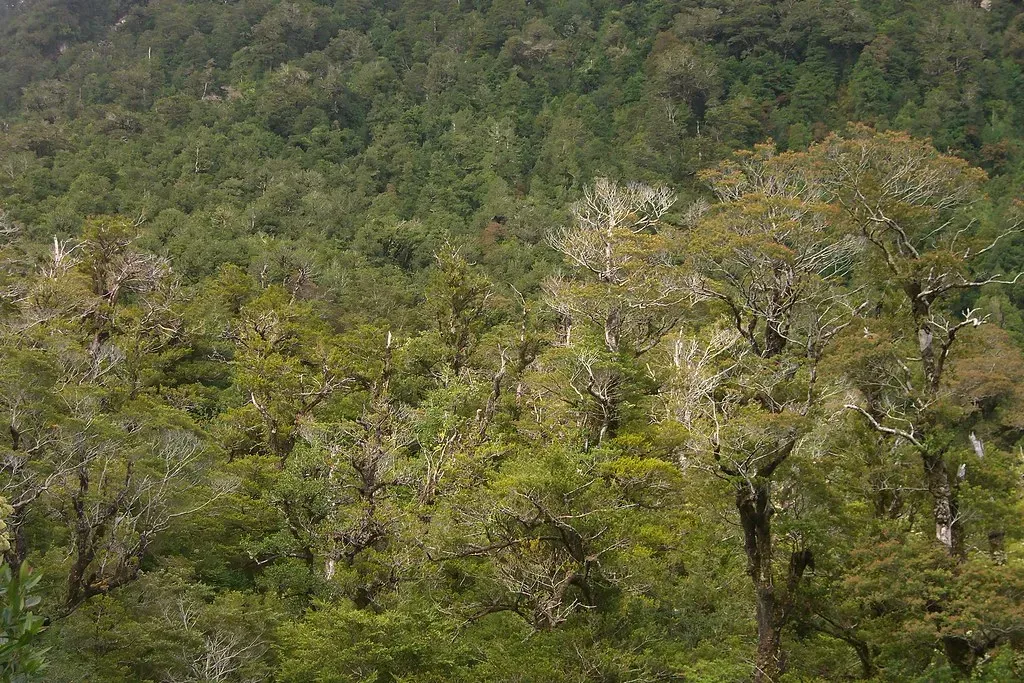
Not all major rainforests are tropical. The Valdivian forest, tucked into southern Chile and Argentina, is one of the largest temperate rainforests anywhere. It covers 95,000 square miles and is characterized by ancient, towering trees such as the alerce, which can live for over 3,600 years, alongside lush understories of mosses and ferns.
Its wildlife feels almost fantastical for a temperate zone. Some of the unique mammals here are the southern pudú, the world’s smallest deer, the monito del monte, an adorable tree-dwelling marsupial, and the kodkod, a wild cat that looks like a leopard but is the size of a house-cat. Because it grows in a cooler, wetter climate rather than the tropics, the Valdivian forest stores carbon differently than the Amazon or Congo, but it still plays a meaningful role in regional rainfall and soil stability.
6. The Eastern Himalayas Rainforest
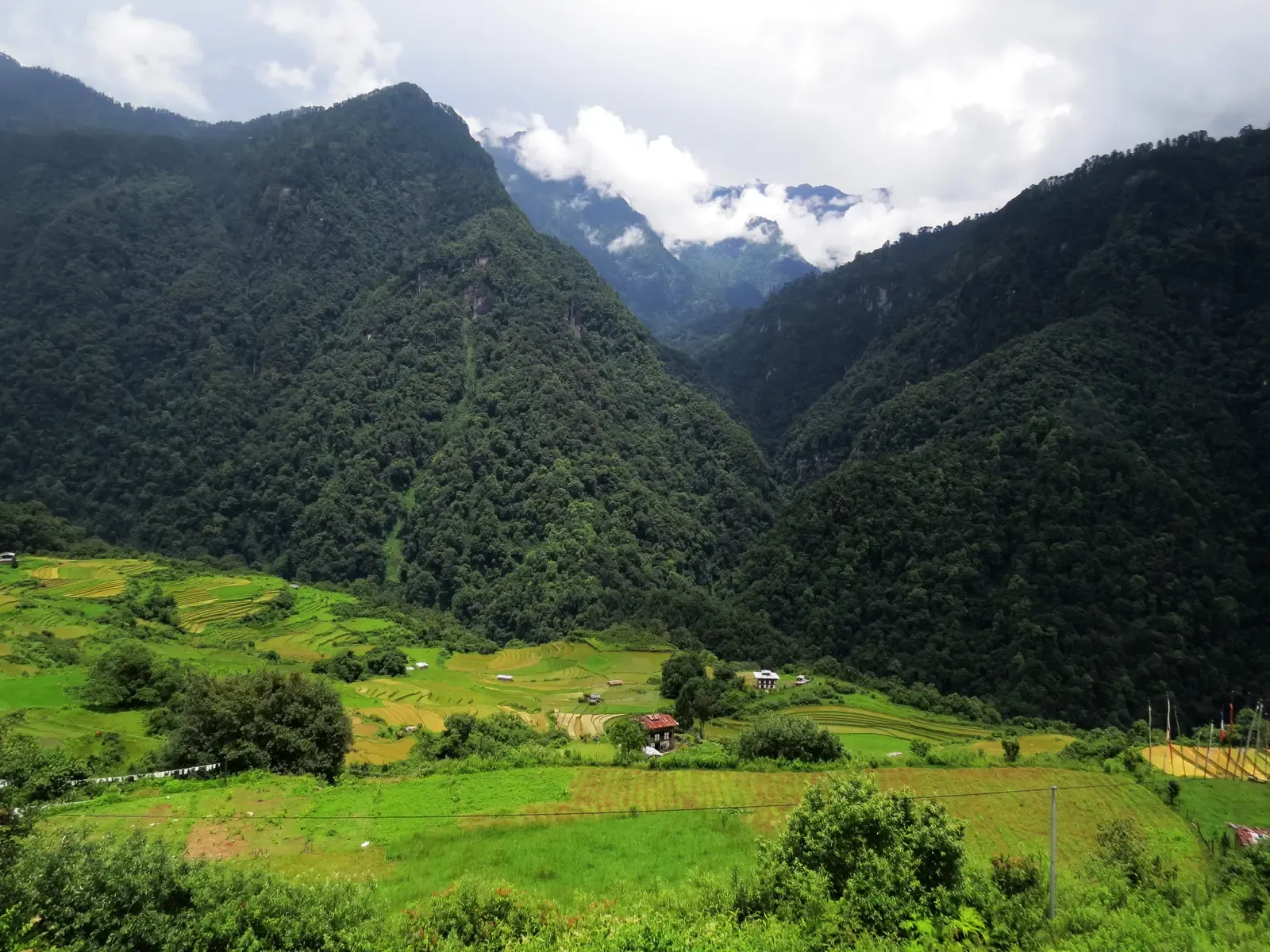
The forests wrapping around the eastern Himalayas form a transitional zone unlike anything else on this list, mixing lowland tropical growth with cooler alpine belts as elevation climbs. The Eastern Himalayas cover roughly 143,000 square miles and host a mix of tropical and alpine rainforest zones. This vertical layering creates habitat niches packed close together, from steamy river valleys to misty highland ridges just a short distance away.
Because the region spans parts of northeastern India, Bhutan, Nepal, and southern China, protection efforts are split across multiple governments with different capacities and priorities. That fragmentation makes coordinated conservation harder than in a single-country forest, even though the ecological stakes, including watershed protection for hundreds of millions of people downstream, are enormous. The region rarely appears in mainstream climate coverage, but its glaciers and forests together regulate water supplies for a huge swath of South and Southeast Asia.
7. The Atlantic Forest (Mata Atlântica)
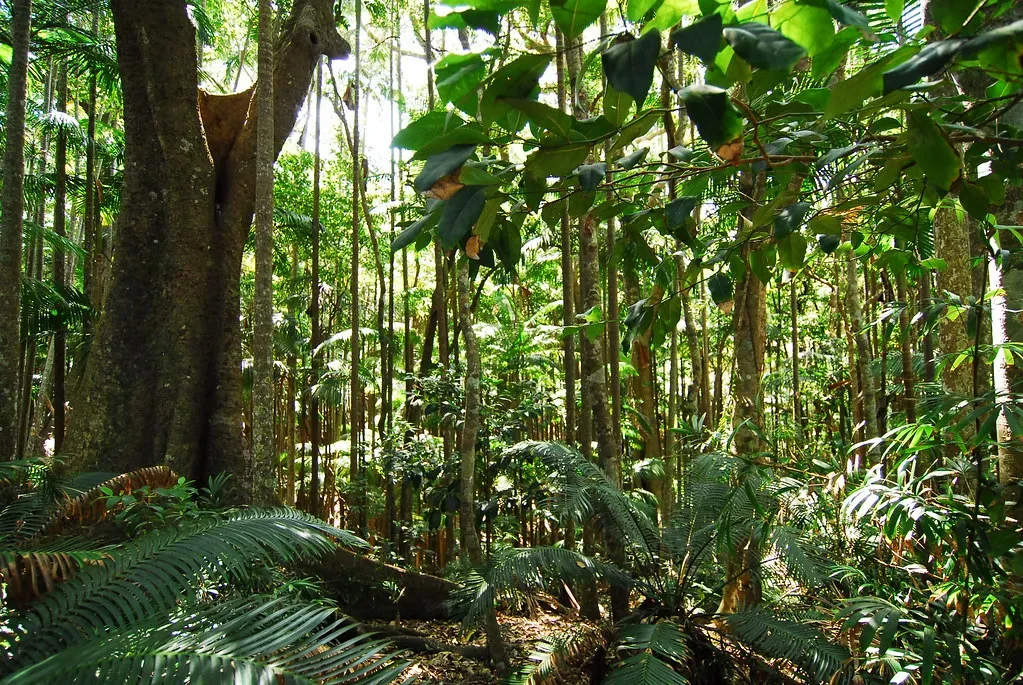
Brazil’s other major rainforest, separate from the Amazon, once blanketed a huge stretch of the country’s coast before agriculture and urban growth caught up with it. The Atlantic Forest originally covered about 460,000 square miles but is now vastly fragmented within Brazil. What remains is scattered across isolated patches rather than one continuous block, which is precisely why it belongs on a list about climate stakes rather than sheer intact size.
Fragmentation carries real consequences: isolated forest patches lose species faster, dry out more easily, and store less carbon per hectare than continuous cover. The Mata Atlântica is often cited by conservation biologists as a cautionary tale, showing what can happen to an even larger rainforest system if deforestation pressure continues unchecked. Restoration projects have picked up in recent years, replanting corridors to reconnect fragments, but the forest is nowhere close to its historical footprint.
Why These Forests Matter for the Climate
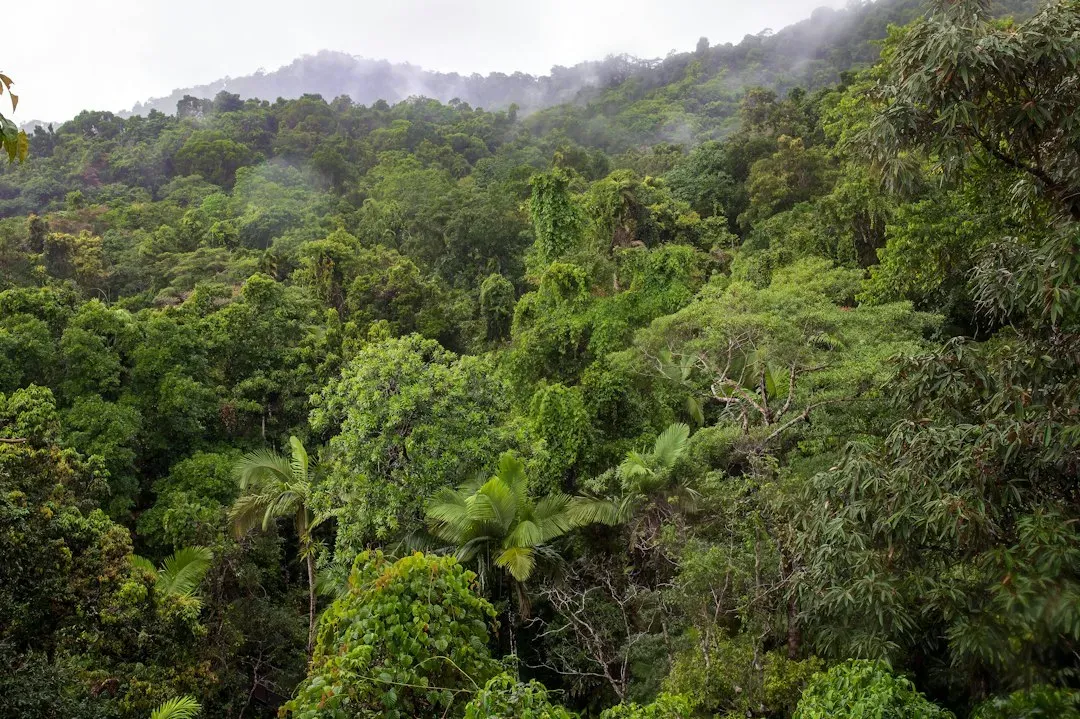
The climate math behind these forests is not abstract. The world’s forests, which cover about 30% of Earth’s land, absorbed approximately 7.2 billion more tonnes of CO2 per year than they emitted between 2001 and 2021, about twice as much carbon as they released. That net absorption is quietly doing a lot of work to slow the pace of warming, and the seven forests above account for a disproportionate share of it.
The trouble is that this buffer is not guaranteed to last. Deforestation, degradation and other disturbances have already turned some of the world’s most iconic forests into carbon sources and threaten to convert others, and the Amazon, the world’s largest tropical forest, remains a net carbon sink, but it teeters on the edge of becoming a net source. Parts of it have already crossed that line: southeastern Amazonia already emits more carbon than it sequesters. When a forest that size flips from absorbing carbon to releasing it, the effect ripples well beyond the region it sits in.
The Takeaway