

The Atacama Desert in northern Chile has long been known for its extreme dryness and stark beauty. In recent years it has gained another distinction as a vast repository for discarded clothing from around the world. Mountains of unwanted garments now stretch across the landscape near Alto Hospicio, visible even in satellite images.
This accumulation stems from the global trade in used and unsold apparel. Much of it arrives through a single port and ends up abandoned when it cannot be resold. The result is one of the most striking examples of how consumer habits in wealthier nations create environmental burdens far from home.
The Scale of the Accumulation
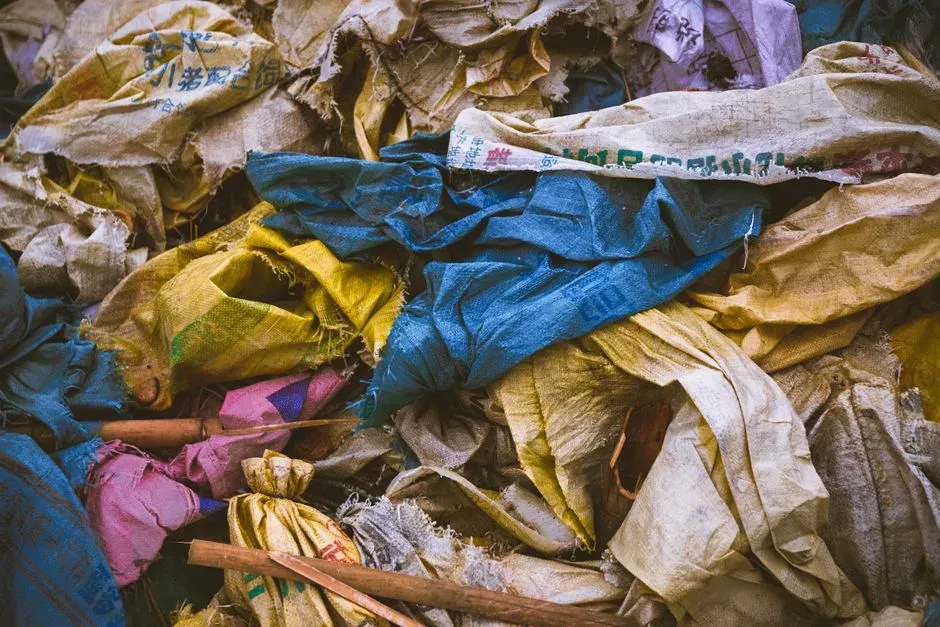
Estimates place the total discarded textiles in the Atacama at more than 60,000 tons. The pile continues to grow each year as new shipments arrive. Satellite observations have confirmed its visibility from space for several years now.
Local reports describe the waste covering hundreds of hectares around Alto Hospicio. The dry climate prevents natural breakdown, so the material simply stays in place. This steady buildup has turned a remote desert area into a prominent symbol of textile overconsumption.
Imports Through the Iquique Port
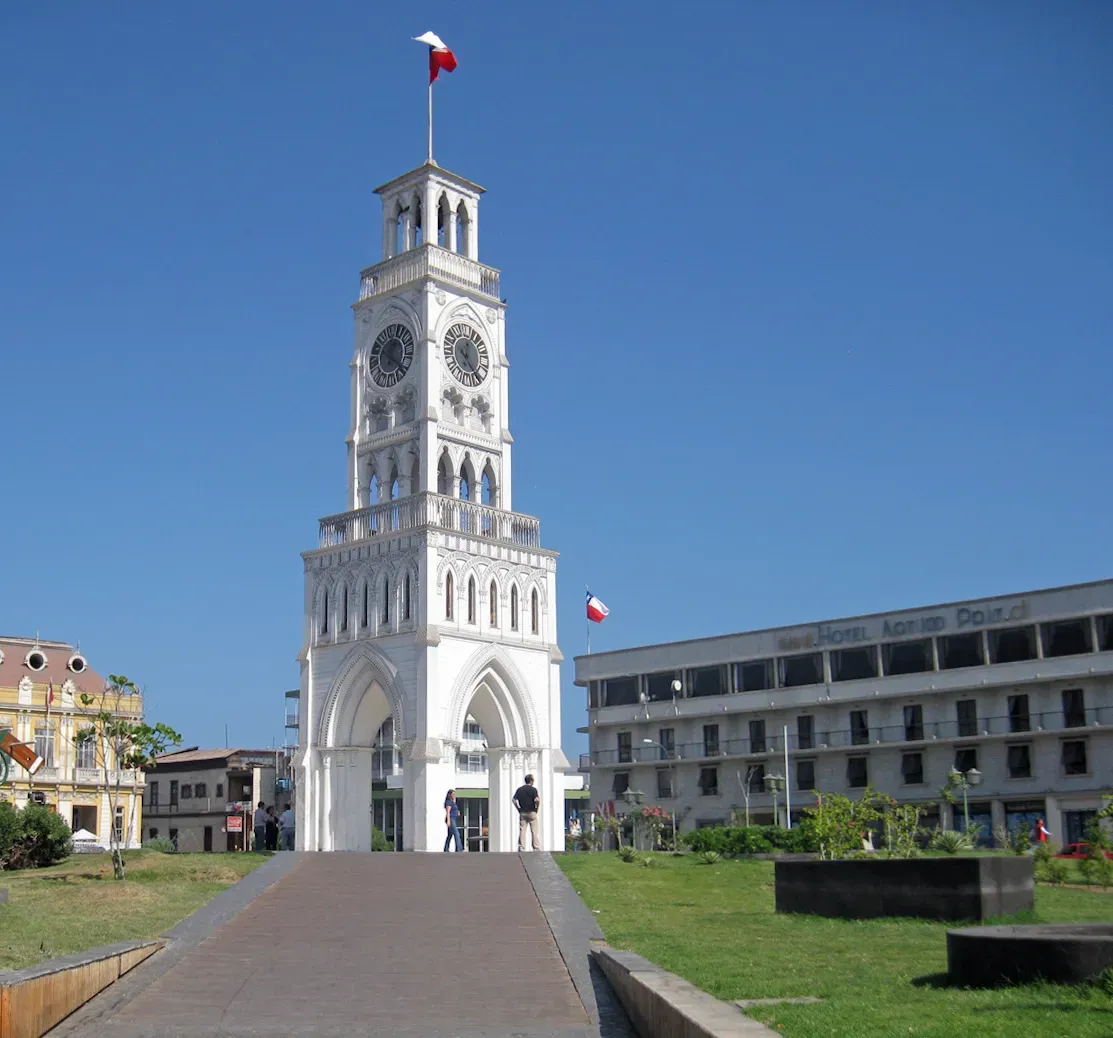
Chile receives between 120,000 and 180,000 tons of used clothing annually through the Iquique free trade zone. The country ranks as the fourth largest importer of secondhand textiles worldwide. Most shipments originate from Europe, the United States, and parts of Asia.
Traders sort the bales inside the duty-free area. Higher quality items are resold across Latin America. The remainder, often estimated at 60 percent or more, has no market and gets trucked into the desert instead.
Fast Fashion Overproduction at the Root

Global clothing production has expanded dramatically in recent decades. Brands release new styles at a rapid pace, encouraging frequent purchases and quick disposal. Many garments are worn only a handful of times before being discarded.
Trade data shows the international flow of used clothing has increased sevenfold over the past forty years. Much of this surplus reaches Chile because formal disposal options remain limited and costly. The system effectively shifts the waste burden to regions with fewer resources to manage it.
Recognizable Brands in the Piles
Investigations by environmental groups have identified labels from major retailers among the desert waste. Items from H&M, Zara, Adidas, Nike, Levi’s, Old Navy, Hugo Boss, Under Armour, and Tommy Hilfiger appear regularly. These findings illustrate how widely distributed fast fashion products have become.
Both mass-market and some higher-end pieces end up in the same locations. The presence of well-known names highlights the reach of global supply chains. Unsold stock and returned items from distant markets contribute to the volume that never finds a second buyer.
Environmental Persistence of Synthetic Fibers

Most modern clothing contains polyester and other petroleum-based materials that resist biodegradation. In the arid Atacama conditions these fabrics remain intact for decades or longer. The piles therefore expand rather than shrink over time.
When waste is burned to reduce volume, the combustion releases toxic compounds into the air and soil. Microplastics from the fibers can also spread through wind and occasional runoff. These effects compound the landscape alteration already visible from above.
Impacts on Nearby Communities
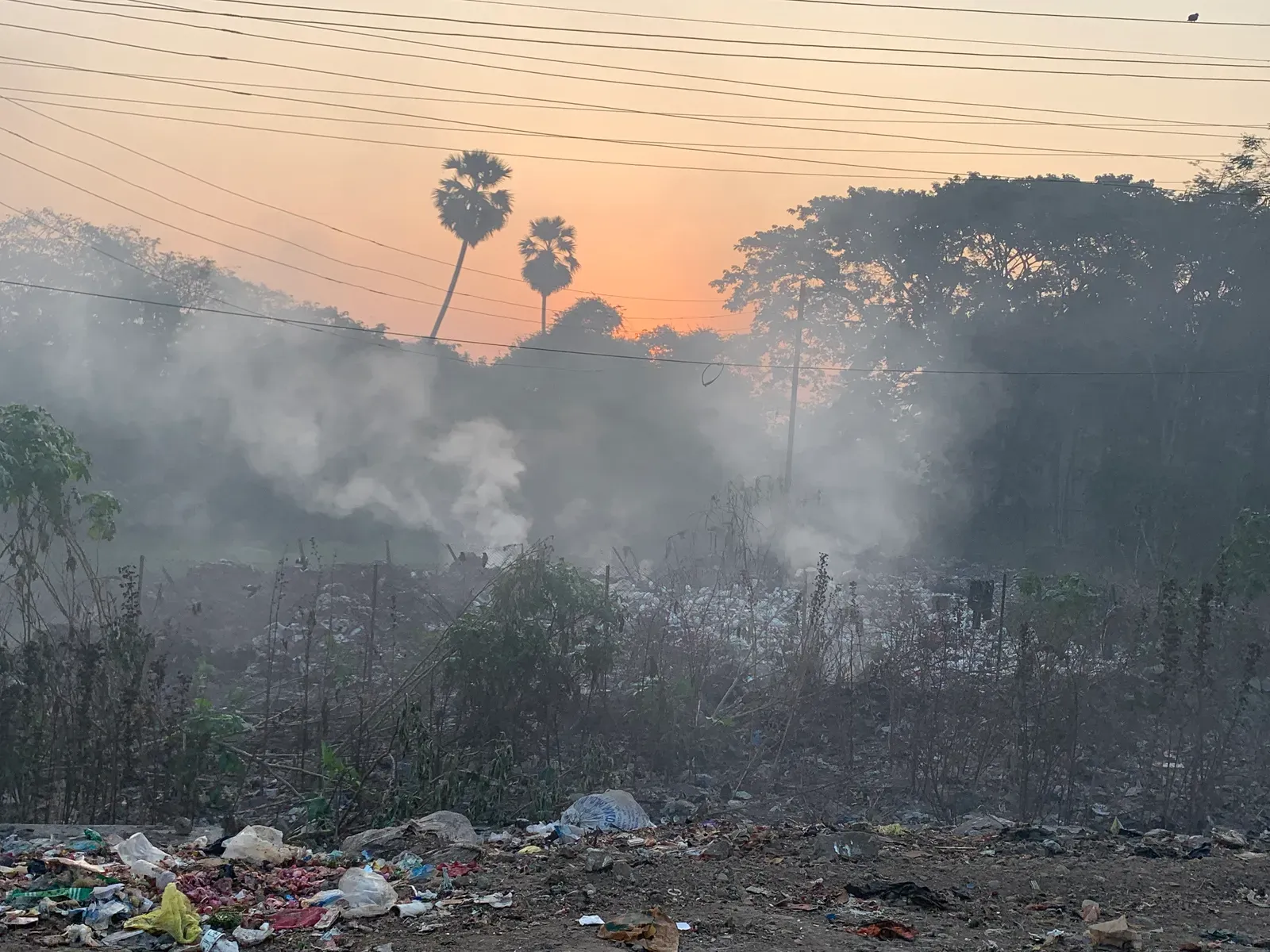
Residents of Alto Hospicio live close to the accumulating waste. Open burning creates smoke that affects air quality in the surrounding area. The sight and smell have become part of daily life for people in this northern Chilean region.
Local organizations have documented the spread of informal dump sites across roughly 300 hectares. The problem affects both the natural environment and the quality of life for those nearby. Cleanup efforts remain limited while new material continues to arrive.
Legal Actions and Emerging Regulations
In 2025 Chile’s First Environmental Court recognized state responsibility for inadequate oversight of the dumps. The ruling called for a remediation plan to address soil damage and landscape restoration. The decision remains under appeal at higher levels.
Chile has also incorporated textiles into its extended producer responsibility framework. This step requires importers and sellers to take greater accountability for end-of-life management. A national circular economy strategy for textiles aims to set collection and recycling targets through 2040.
Recycling Initiatives and Future Outlook
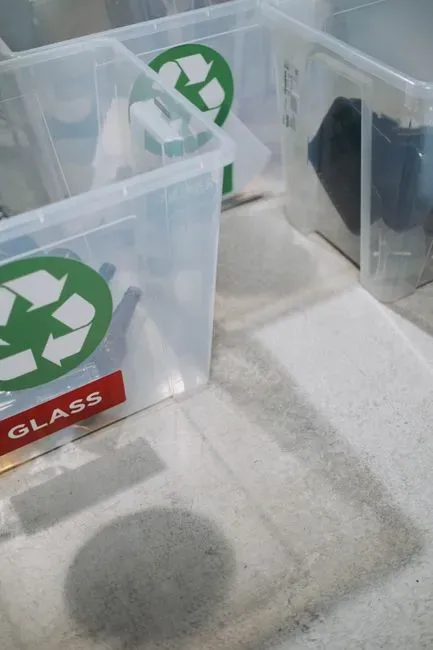
Some entrepreneurs have begun building facilities to process textile waste into industrial fibers. One project near the desert plans to convert discarded garments into materials for mattresses, insulation, and automotive uses. Such efforts could divert a portion of the flow away from open dumping.
Broader change depends on reducing overproduction at the source and improving global sorting and reuse systems. Without shifts in manufacturing volumes and consumer behavior, the pressure on places like the Atacama is likely to continue. The desert serves as a stark reminder that every garment eventually goes somewhere.
A Call for Systemic Change
The clothing graveyard in the Atacama Desert did not appear overnight. It reflects decades of accelerating production, shortened garment lifespans, and uneven responsibility for waste. Addressing the root causes requires coordinated action across borders and industries.
Small steps in recycling and regulation offer hope, yet the scale of the challenge remains large. Consumers, brands, and governments each hold part of the solution. Only sustained attention to the full lifecycle of clothing can prevent similar sites from forming elsewhere.

- The Quiet Disappearance: 13 Animal Species and Why Their Numbers Declined - September 21, 2026
- The Dark Side of Fast Fashion: Why Textile Waste Is Piling Up in the Atacama Desert - September 21, 2026
- 8 Space Missions Many Think Were American – But Weren’t - September 20, 2026
