

- Meet the New Air Quality Danger Zone: The Region Nobody Saw Coming - September 2, 2026
- 8 Weather Events That Can Transform a City Almost Overnight - September 2, 2026
- Urban Planners Just Changed Their Mind About Which Cities Will Boom Next – Here’s Why - September 2, 2026
For years, the safe bet in urban growth was obvious: coastal metros, tech hubs, and a handful of Sun Belt giants would keep absorbing the bulk of American migration. That assumption is quietly falling apart. New population data, migration surveys, and infrastructure spending patterns from 2025 and 2026 are pointing planners toward a very different map, one filled with names that would have sounded like punchlines a decade ago.
The shift isn’t cosmetic. It’s showing up in Census estimates, moving company forecasts, and the zoning decisions cities are making right now to prepare for residents who haven’t even arrived yet. Here’s what’s actually driving the reshuffle.
Why planners are rethinking growth models
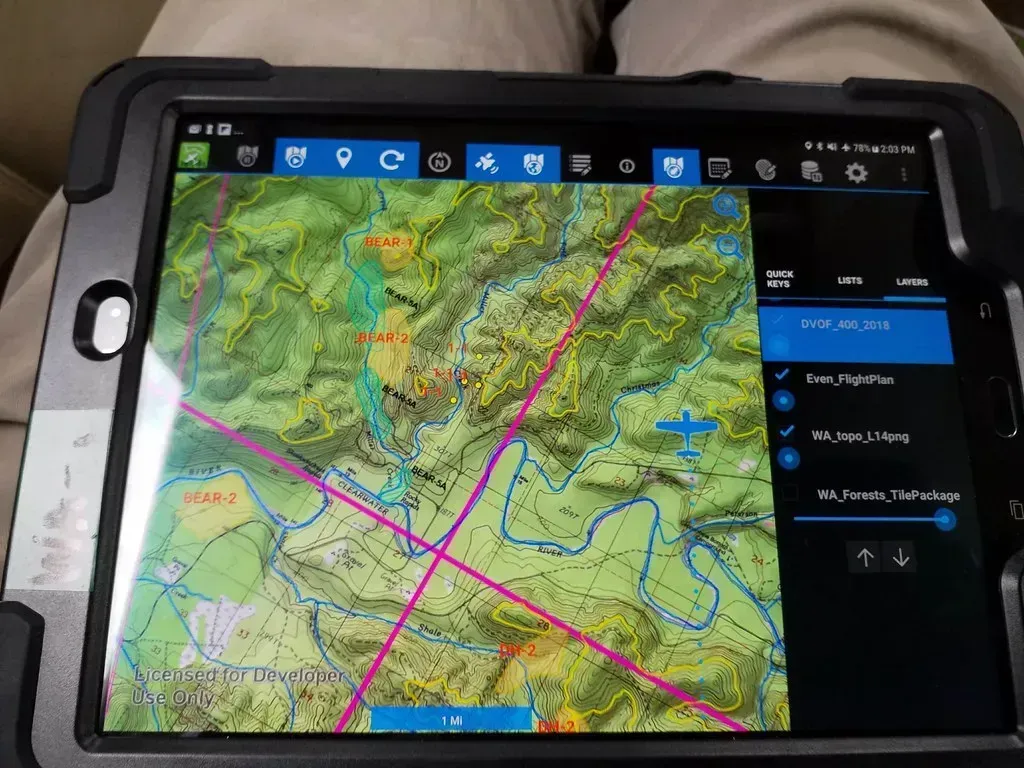
The old rulebook for predicting urban growth relied heavily on job counts and coastal appeal. That model is being replaced by something messier and more data intensive. Planners increasingly use GIS mapping, digital twins, and AI simulations to create responsive cities, with digital modeling helping forecast climate risks, traffic patterns, and population growth.
This matters because the tools themselves are changing what shows up on the radar. Places that never generated much analyst attention are now flagged early because sensors, permitting data, and real time migration tracking catch momentum faster than a five year census cycle ever could. It’s less about gut instinct and more about pattern recognition across thousands of small signals.
Midsize university towns move to center stage
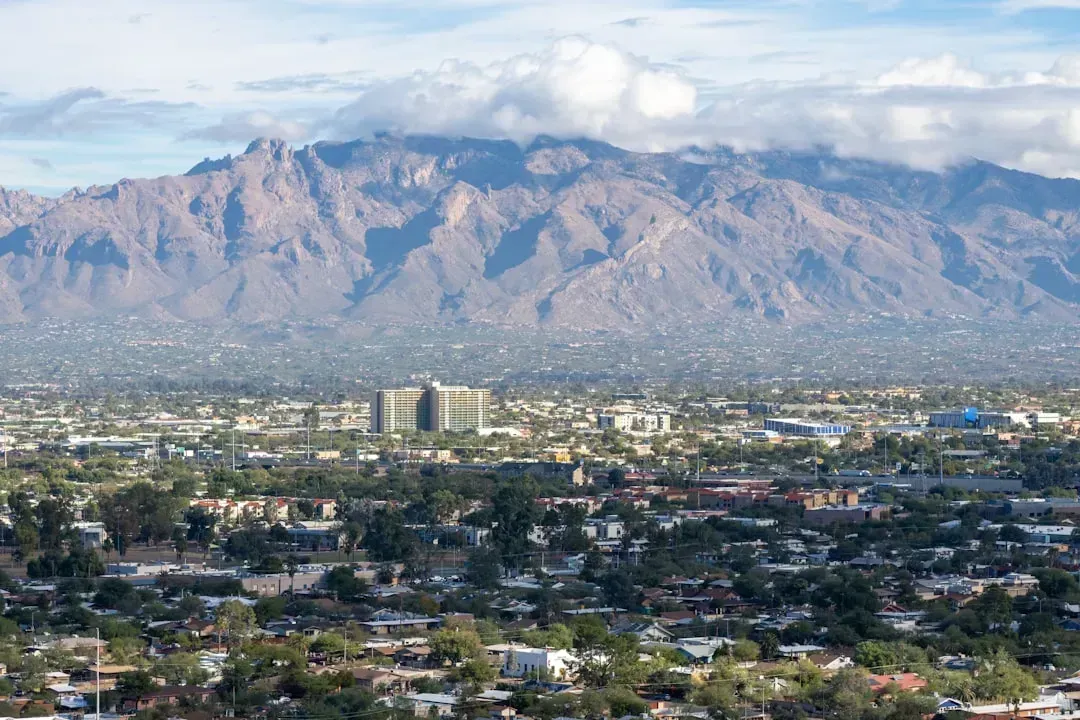
One of the more surprising pivots involves college towns, particularly in the South and Southwest. A new analysis of moving trends suggests American relocation patterns will diverge sharply from both the pandemic era boom in small towns and the long standing appeal of coastal metros, with midsize university towns forecast to attract the most new residents.
These places offer something increasingly rare: steady institutional employment, built in cultural amenities, and housing that hasn’t yet priced out newcomers. Universities also anchor healthcare systems and research spinoffs, which gives these towns an economic base that doesn’t evaporate during downturns the way tourism dependent cities sometimes do.
Celina, Texas and the exurban boom nobody predicted
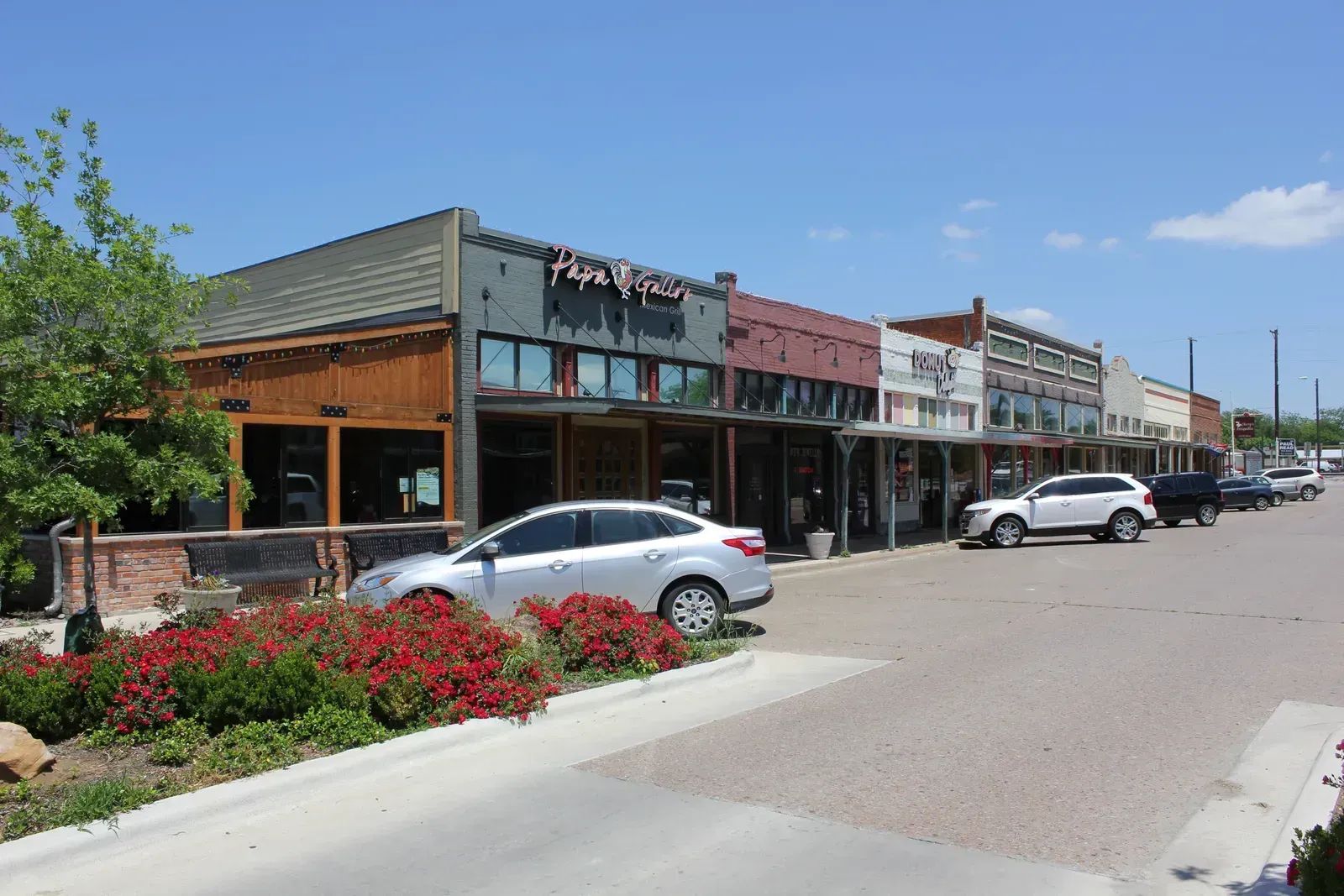
Few places illustrate the speed of this shift better than Celina, just north of Dallas. Celina posted a jaw dropping 24.6 percent population increase in a single year, making it the fastest growing city in the entire country among places with at least 20,000 residents.
That kind of expansion doesn’t happen quietly. That kind of growth does not happen by accident, as builders have been racing to keep up with demand, throwing up new neighborhoods faster than road signs can be installed. Planners now treat rapid exurban growth corridors like this as their own category, distinct from either big city expansion or classic suburban sprawl.
Princeton, Texas and the exurb of exurbs phenomenon
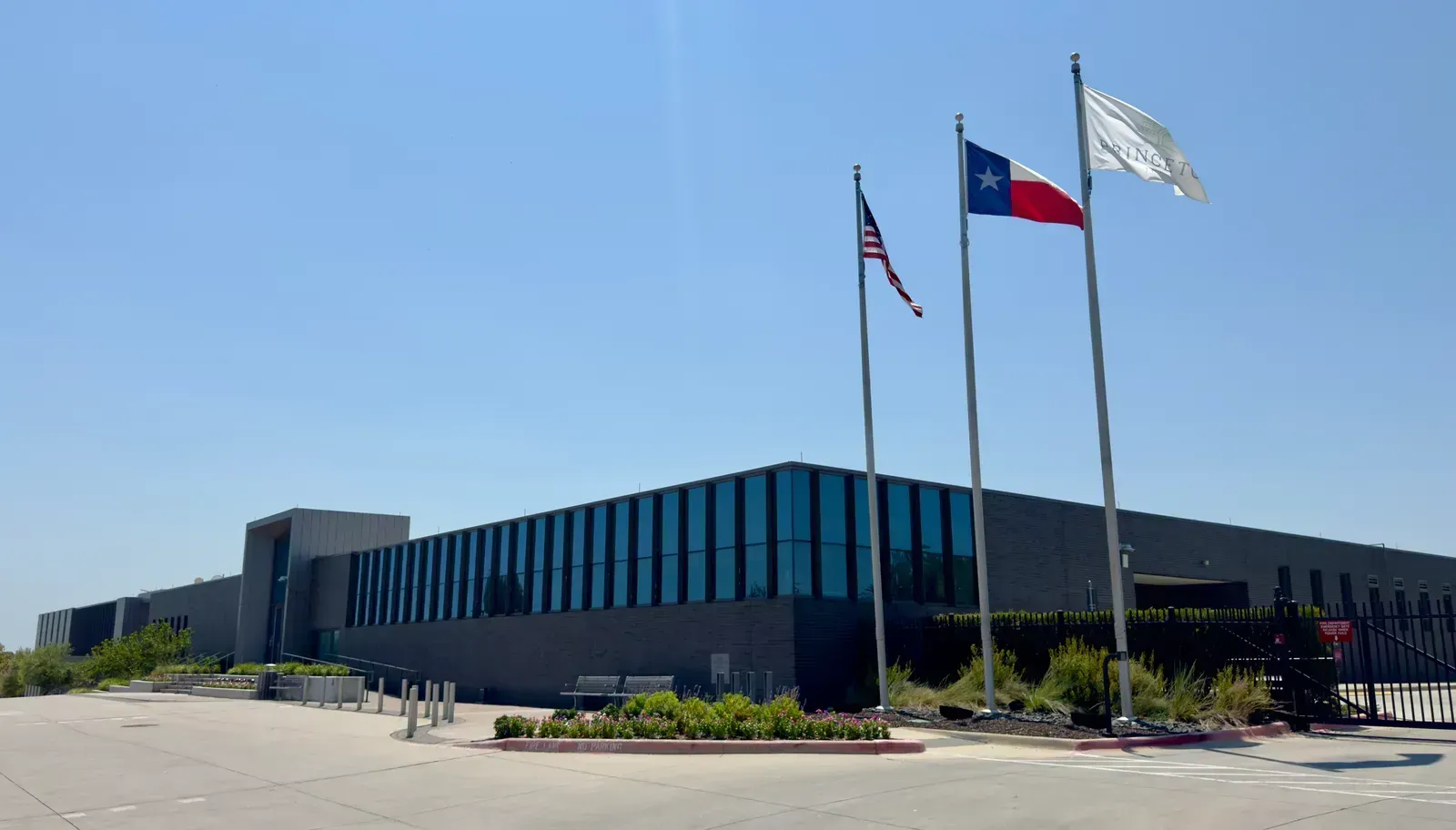
Just southeast of Celina sits another example of the same trend playing out at scale. According to Census Bureau data, Princeton, Texas is America’s fastest growing city, and it’s easy to see why once you look at what’s being built there.
The city isn’t just adding rooftops. Millions have been allocated toward upgrading infrastructure in 2026, from sidewalk repairs to flood reduction programs, with plans to increase the availability of affordable housing, alongside mixed use developments blending living, commercial, and community spaces. That combination of housing supply and deliberate infrastructure spending is exactly the pattern planners now look for before calling a place a genuine boomtown rather than a temporary spike.
Tulsa’s remote work bet pays off

Tulsa’s rise wasn’t an accident of geography so much as a deliberate marketing and incentive strategy that started years ago and is now paying dividends. The moving incentive offered by Tulsa Remote, which promises up to $10,000 to digital nomads looking for a place to settle down, helps explain why this Oklahoma city is up and coming.
The economic data backs up the buzz. Tulsa is predicted to be one of the top cities of 2026, and job growth there has even outpaced Oklahoma City, the state’s capital. For planners, Tulsa has become something of a case study in whether cash incentives can actually seed durable population growth rather than just a temporary influx of remote workers who leave once the novelty fades.
Lancaster, Pennsylvania quietly becomes a tech hub
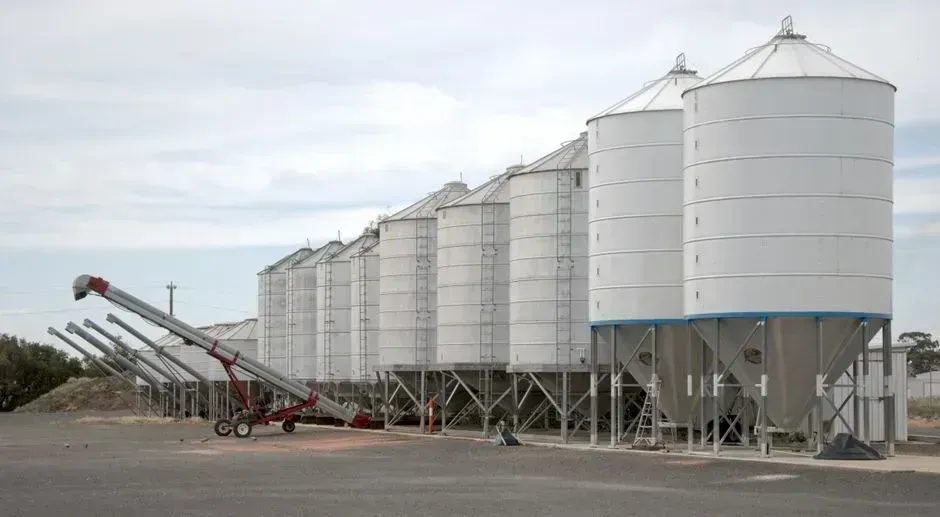
Lancaster doesn’t fit the usual boomtown profile, and that’s part of why planners overlooked it for so long. Pronounced Lang kis ter by locals, this Pennsylvania community is often associated with its Amish markets and towering grain silos, but there’s a lot more going on here than meets the eye.
Behind the pastoral image, real infrastructure investment is underway. The area is an East Coast tech capital, with companies like Lancaster Laboratories bringing hundreds of jobs to the region, and two major data centers are in the works. That mix of legacy agricultural identity and quiet tech investment is exactly the kind of layered growth story that data driven forecasting models are now built to catch.
Saint Paul’s surprising comeback
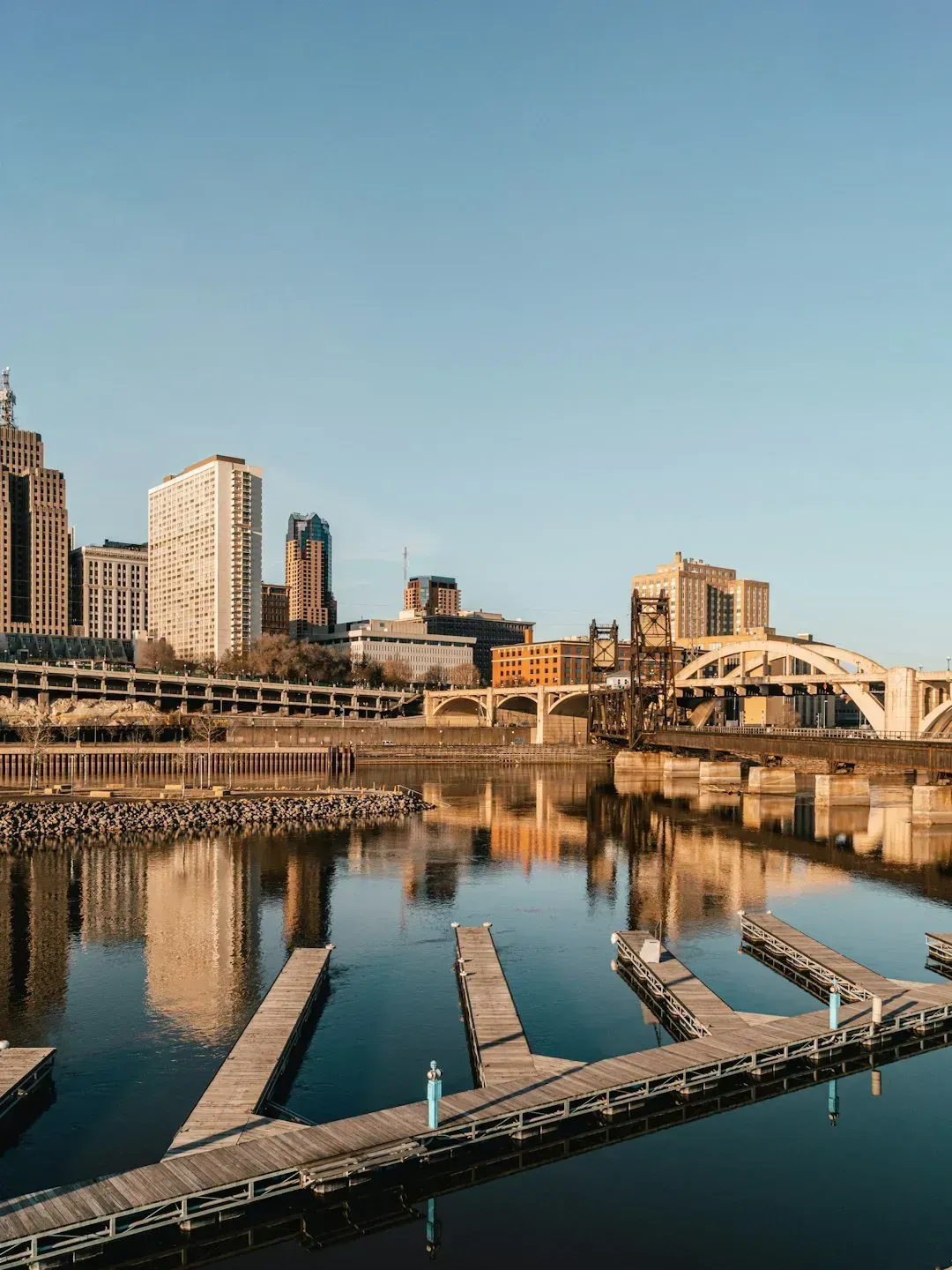
Not every rising city is a Sun Belt exurb. Saint Paul, Minnesota, has re entered the conversation in a way few would have predicted just a few years ago. The city has seen a 122 percent increase in inbound interest over five years, the highest among large U.S. metros.
Cold weather cities have long struggled to shake a reputation problem in growth rankings, regardless of their actual livability or job markets. Saint Paul’s numbers suggest that reputation is starting to lag behind reality, and planners are taking note of what a genuine northern comeback city looks like on paper.
Nashville and West Palm Beach rewrite downtown density
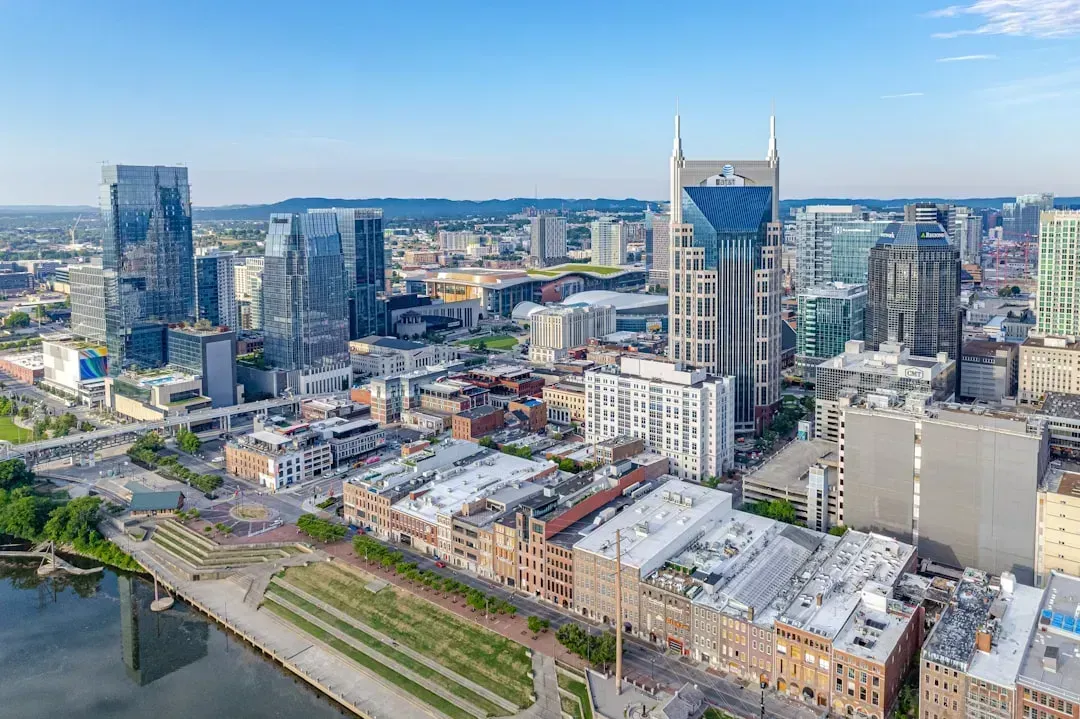
Beyond raw population numbers, the physical shape of growth is changing too. Development in 2026 is continuing to focus on walkable, mixed use urbanism and adaptive reuse, with recent redevelopment in Nashville, Tennessee, and West Palm Beach, Florida showing a concentration of height and density to support reinvestment.
This isn’t just about adding taller buildings. Recent projects in Nashville and West Palm Beach concentrate height and density while carving out shaded plazas and ground level public spaces, relying on mixed use blocks, shorter car trips, and cooler streets to support both sustainability and public life. Planners increasingly view this template, dense but walkable, climate aware but commercially viable, as the model other rising cities will be measured against.
Climate resilience becomes a growth factor, not an afterthought
Climate considerations used to be treated as a compliance checkbox tacked onto growth plans after the fact. That’s no longer how forward looking planners operate. Business forecasts consistently point to transit access, green building standards, and digital infrastructure as magnets for investment, and cities that align their planning codes with these signals are likely to attract both employers and residents seeking climate aware places to live.
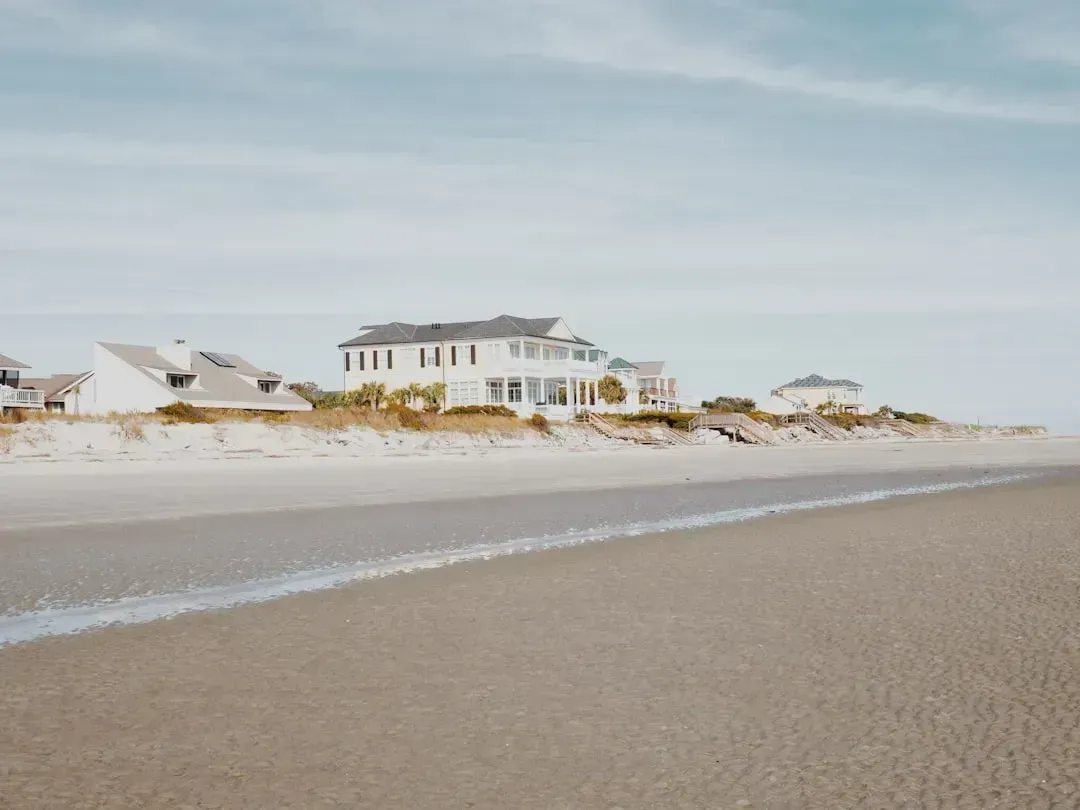
Coastal and Gulf towns are adapting fastest simply because they have the most at stake. Hilton Head has issued a long term Strategic Action Plan meant to protect the area’s natural resources and balance the city’s booming population with environmental protection. That kind of proactive planning, done before a crisis rather than after one, is increasingly what separates a durable boomtown from a place riding a short lived wave.
The affordability tightrope planners must walk
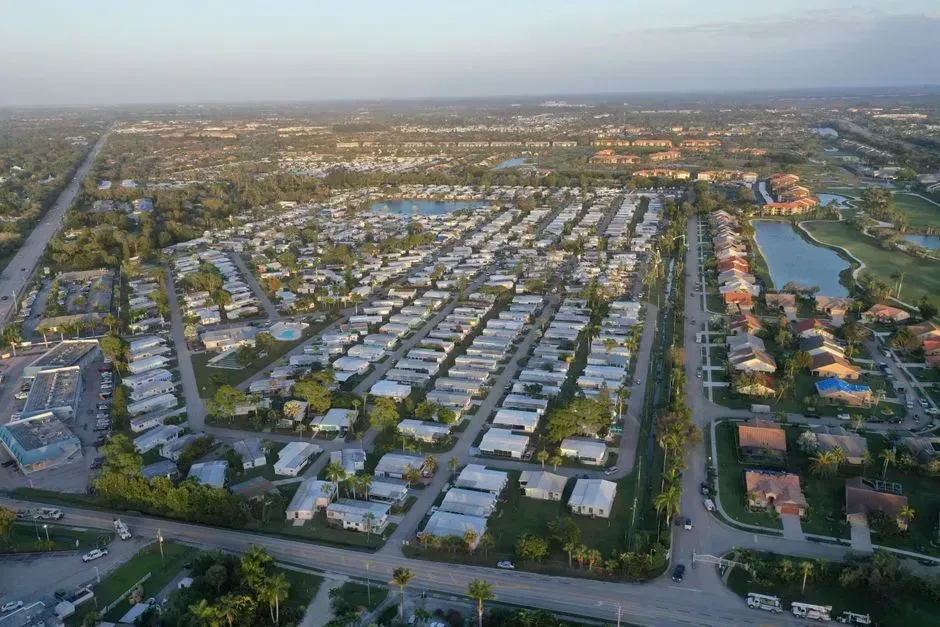
Rapid growth brings its own headaches, and planners are increasingly candid about the trade offs involved. Without data backed population forecasting, mayors and planners risk building long term facilities expecting modest growth while the actual population grows faster, straining infrastructure and pushing housing costs beyond what residents can afford.
Some fast growing places are trying to get ahead of the problem rather than react to it after prices spike. Local leaders in Haines City have been proactive about planning for growth, investing in road expansions and utility upgrades before the need becomes a crisis. That kind of anticipatory investment, rather than reactive scrambling, is becoming the clearest dividing line between cities planners now trust to sustain their boom and those they suspect might stall out.
