

- 9 Surprising Things Scientists Learned From Tree Rings - May 11, 2026
- 7 Rivers That Have Changed Course in the Last Decade - May 9, 2026
- 10 Climate Predictions From the 1990s – And What Actually Happened - May 8, 2026
1. They Can Track the Rise and Fall of Entire Empires
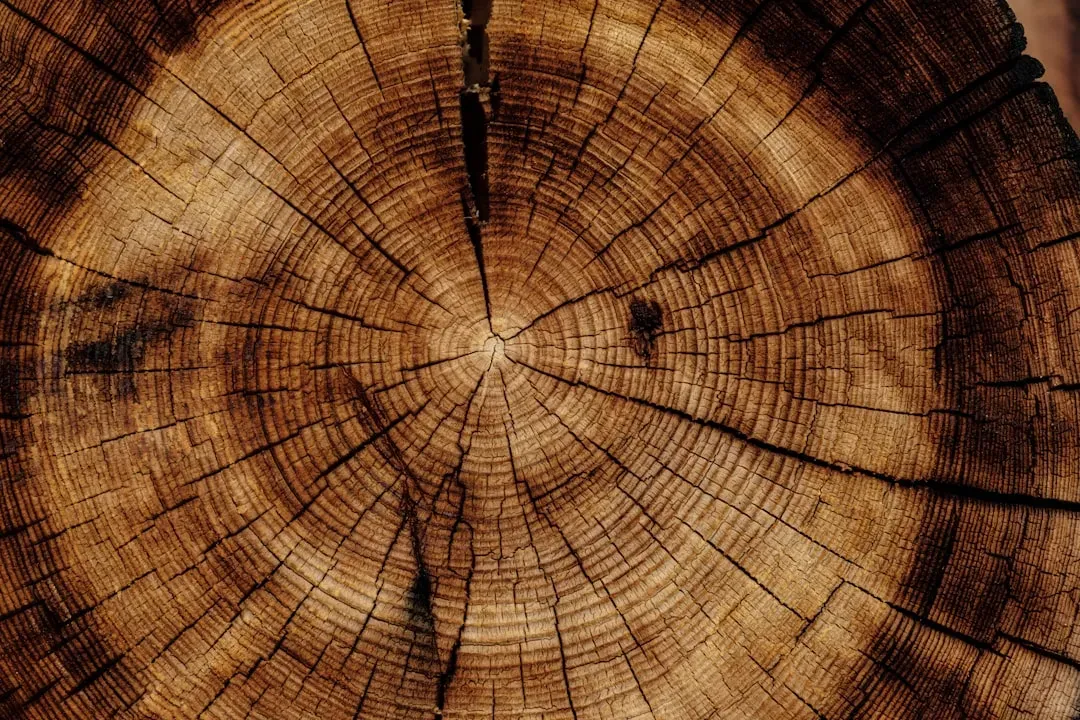
Tree rings don’t just capture weather. They capture the environmental backdrop against which human civilizations lived and collapsed. Dendrochronologists have sampled old wood from Roman times in Europe and compared it to wood from living trees and historical buildings to develop a climate reconstruction going back roughly 2,500 years. They discovered that the reign of the Roman Empire was a period of severe climate change. Wet decades followed dry ones in cycles that placed enormous strain on agriculture and social stability.
On the other hand, dendrochronologists studying trees in Mongolia discovered that the period when Genghis Khan established the Mongol Empire was one of the wettest periods in Mongolian history. It’s almost the opposite of the story of the Roman Empire, where climate helps to explain the fall of Rome. In Genghis Khan’s case, the really good climate conditions helped him build and expand his empire. The same scientific tool that reveals environmental stress in one empire reveals unusual abundance in another.
2. Trees Recorded Ancient Volcanic Eruptions With Stunning Precision
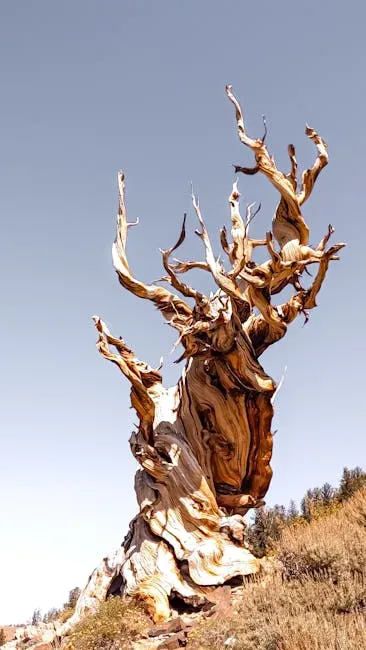
Researchers discovered that a light ring in an ancient tree might mark the very year that the Thera volcano on the Greek island of Santorini erupted over the ancient Minoan civilization. The date of the eruption, one of the largest humanity has ever witnessed, has been debated for decades. Scientists used a hybrid approach combining ring chemistry, radiocarbon data, and frost ring patterns to narrow the date to a specific year around 1560 BCE.
When there are large volcanic eruptions, it often scars bristlecone pines by freezing during the growing season, creating a frost ring. Researchers then compared the dates of the frost rings with Mediterranean trees, which respond to volcanoes by growing wider rings. Studies also confirm abrupt changes to growing seasons following the large volcanic eruptions in AD 536 and 541 to 544 in the form of cooling and strong reduction in incoming solar radiation, with impacts likely affecting food security and the human immune system.
3. They Helped Pinpoint Exactly When the Vikings Reached America
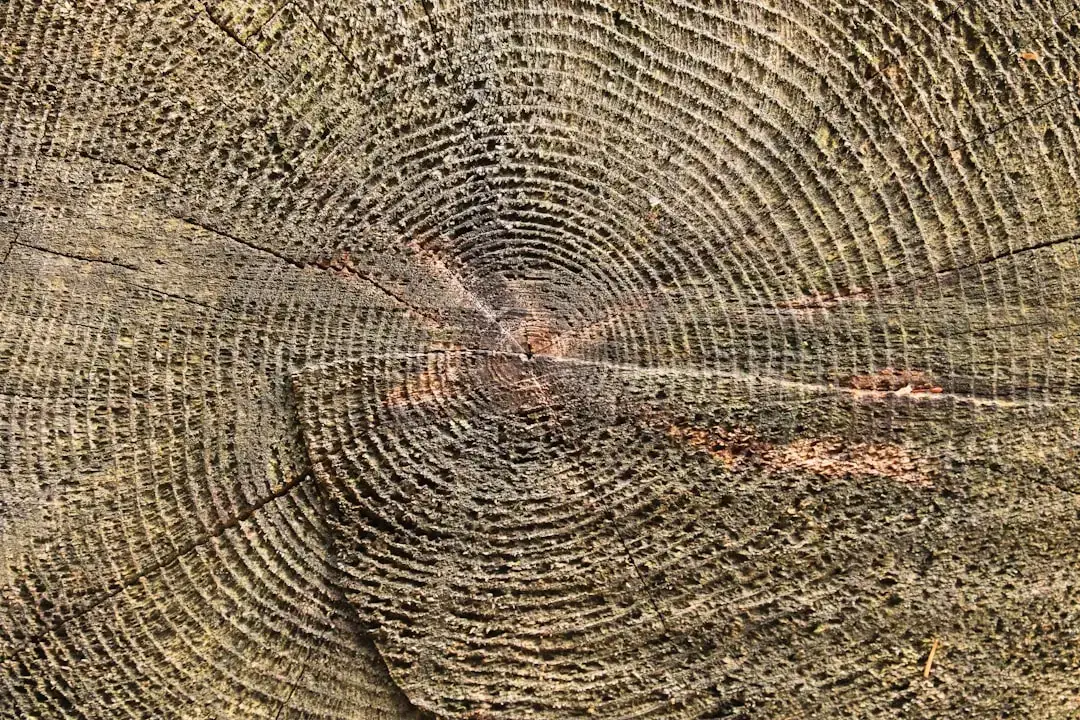
For years, historians knew the Vikings made it to North America, but pinning down the exact year remained frustratingly elusive. Tree rings helped scientists precisely date the Viking settlement at L’Anse aux Meadows in Canada to exactly 1021 CE. The technique works by identifying a sharp spike in radiocarbon levels caused by a known solar storm, which left a distinct chemical signature in tree rings worldwide that year.
Dendrochronology has been used to determine when the Vikings were present in the Americas, to authenticate the provenance of rare Stradivarius violins, and even to reveal the likely identity of the master violin maker under whom Antonio Stradivari apprenticed. The Viking date stands out as one of the most dramatic examples of the technique delivering a historically precise answer from a biological source.
4. Trees Captured Solar Storms From Thousands of Years Ago
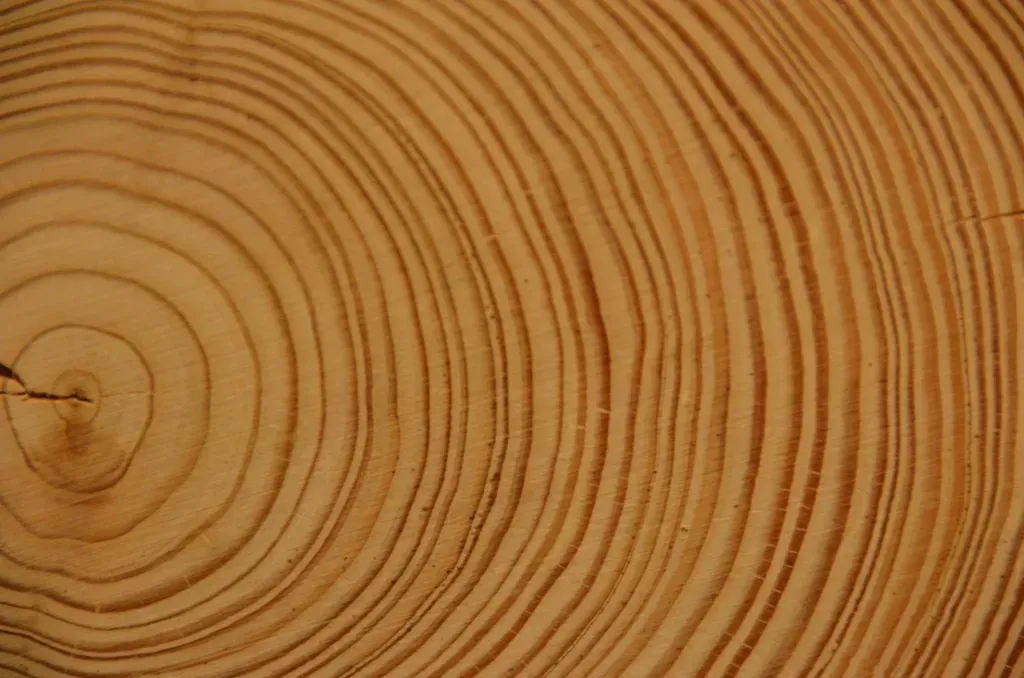
Each year, trees produce a new layer of concentric growth, called a tree ring, which can record information about rainfall, temperature, wildfires, soil conditions, and more. Trees can even record solar activity as it waxes and wanes. This happens because intense bursts of solar energy alter the ratio of carbon isotopes absorbed by trees, leaving a detectable chemical fingerprint in the wood of that specific year.
By analyzing annual carbon-14 concentrations in tree rings from Switzerland, Germany, Ireland, Russia, and the United States, researchers discovered two spikes in atmospheric carbon-14 occurring in 7176 and 5259 BCE. Two extreme solar energetic particle events were found by carbon isotopes measured in ancient tree rings. Events like these, now known as Miyake events, are so precise that they effectively serve as global time stamps embedded inside wood.
5. They Revealed a Link Between Drought and Dynastic Collapse in China
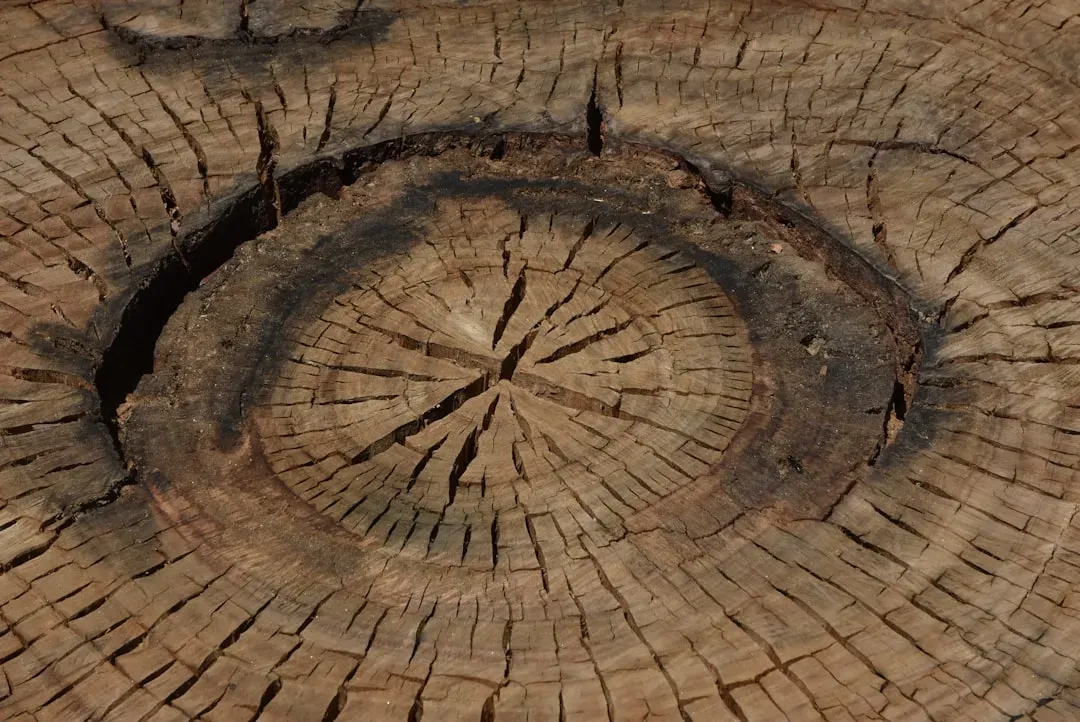
China’s long history of dynastic change has fascinated historians for centuries. Tree rings are now offering a climatic explanation. A study tracking rainfall patterns over thousands of years found that more arid periods coincided with ages of dynastic turmoil in China, highlighting a historical link between climate stress and social unrest. The rings provide a long-term precipitation record that written histories simply cannot match.
The late Ming megadrought across north-to-south China, lasting from 1625 to 1644 CE, was influenced by Pacific sea surface temperature anomalies, weakened solar activity, and volcanic eruptions, according to reconstruction of the Yangtze River’s water balance using tree-ring chronology. Results indicate the drought occurred in both the northern and southern parts of the East Asian monsoon region. The Ming Dynasty collapsed in 1644, at the very end of this reconstructed drought period.
6. They Proved the 2021 Western North America Heat Wave Was Unprecedented in Over 1,000 Years
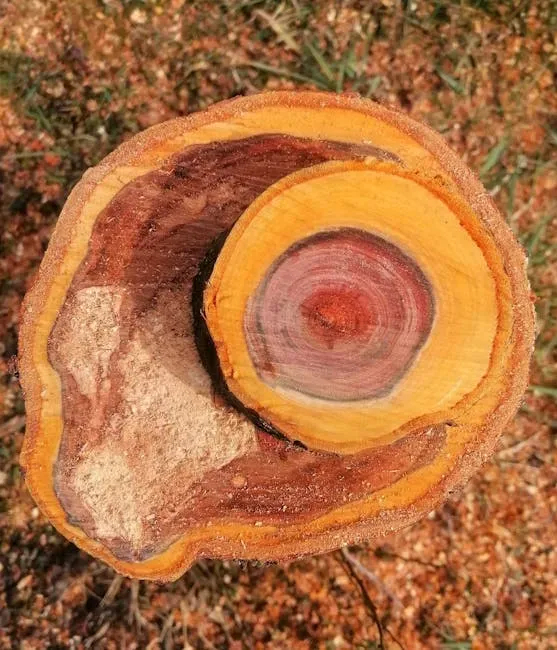
When a catastrophic heat dome settled over western North America in the summer of 2021, scientists quickly suspected it was unlike anything in recorded history. Tree rings confirmed it. A study of tree rings from the region shows that the event was almost certainly the worst in at least the past millennium. The research established a year-by-year record of summer average temperatures going back to the year 950.
Summer 2021 held the annual record at 18.9 degrees Centigrade, or about 66 degrees Fahrenheit. By contrast, the hottest summer in prehistoric times was in 1080, at 16.9 degrees C, or 62.4 degrees F. That gap of two full degrees might not sound like much in isolation, but in the context of regional climate history, it represents a profound and unusual departure from everything trees had previously recorded.
7. They Can Authenticate Famous Paintings and Rare Violins
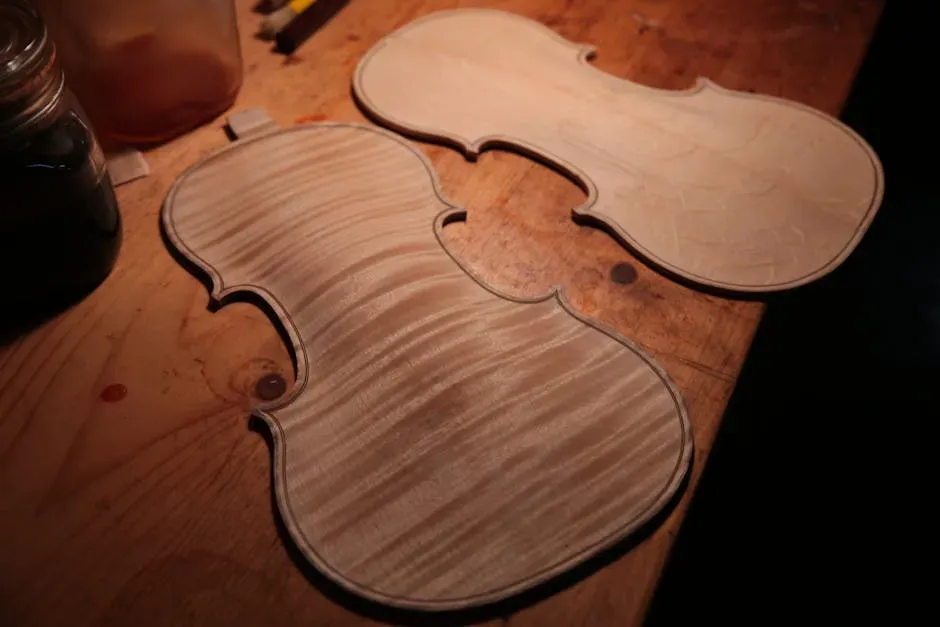
The idea of using a biological clock to settle art-world disputes sounds improbable, but it works. As a result of establishing numerous ring sequences, it was possible to date roughly 85 to 90 percent of the 250 paintings from the fourteenth to seventeenth century analyzed between 1971 and 1982. A portrait of Mary, Queen of Scots in the National Portrait Gallery, London was believed to be an eighteenth-century copy. However, dendrochronology revealed that the wood dated from the second half of the sixteenth century.
String instruments are among the most valued works of art, particularly those made by the old violin-making masters of northern Italy in the late 17th and early 18th centuries. It is difficult to verify the authenticity of string instruments on the basis of style and design alone, as these are often copied or forged. Uncertainties related to craftsmanship can lead to financial and legal controversy, sometimes with even millions of dollars at stake. Some of the wood used in Stradivarius violins came from trees that grew during a period of unusually slow growth caused by the Little Ice Age, and this dense “moon wood” has special acoustic properties.
8. They Extended Climate Records Back More Than 10,000 Years
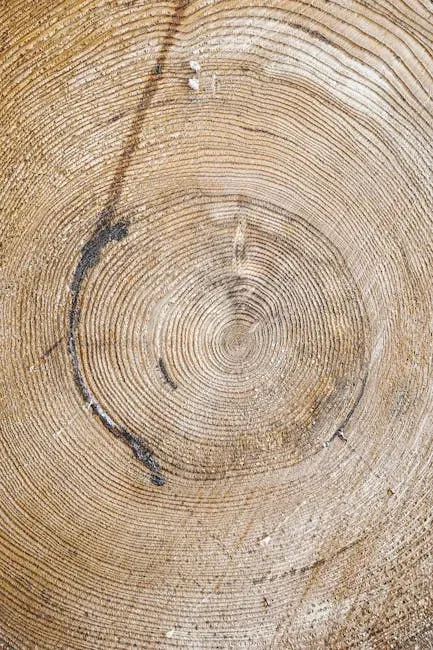
Weather stations have only existed for a tiny sliver of Earth’s history. Tree rings fill in much of the gap. Climate scientists typically work with trees that are not particularly long-lived and extend their tree ring records back more than 10,000 years by comparing ring patterns of living trees with the rings in dead but not-yet-decayed trees that have fallen. Scientists match patterns from the early stages of a living tree’s rings with the sequence formed in the latter parts of the lives of older, dead trees to assemble an unbroken paleoclimate record extending back thousands of years.
As of 2023, securely dated tree-ring data for Germany, Bohemia, and Ireland are available going back 13,910 years. Beams from old buildings or ruins, samples from wooden frames of old paintings, and the wood from violins have all been used to add tree ring samples to climate records. Every old piece of wood becomes a potential data point, extending the archive further into the past and making the reconstruction more accurate.
9. They Are Now Helping Predict Future Extreme Weather Events
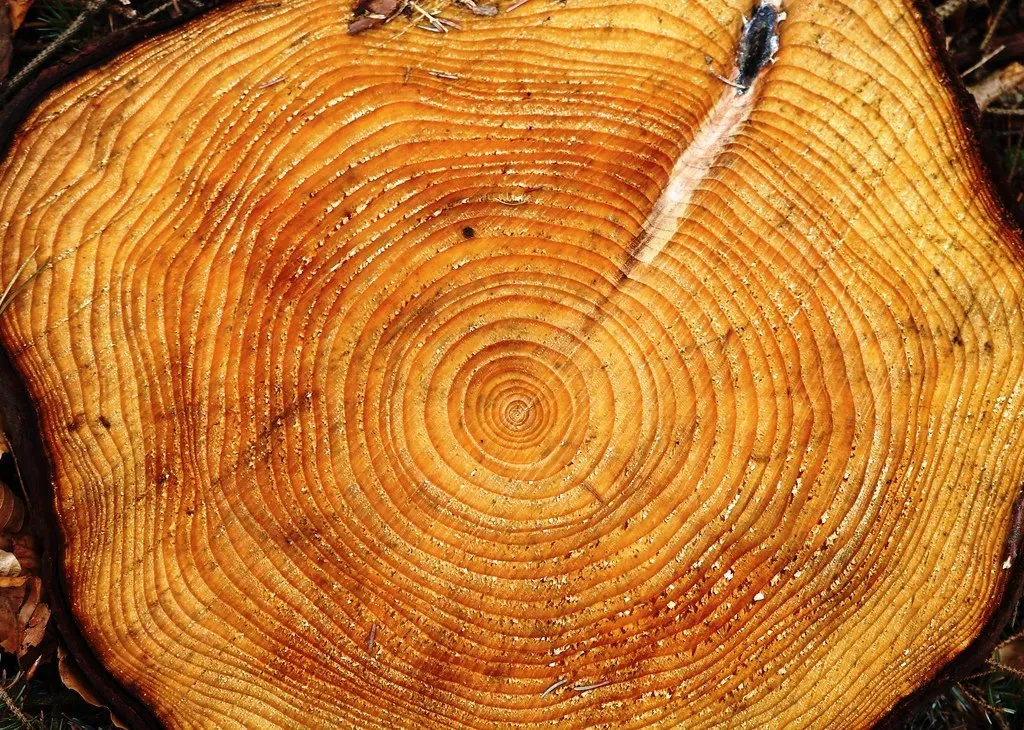
Perhaps the most forward-looking application of tree ring research is its role in early warning systems. A study led by scientists at the University of Arizona used historical tree-ring data to study a key driver for widespread, extreme summer weather events: locked jet stream wave patterns that are often preceded by winter La Niña conditions in the Pacific. The results are poised to inform early warning systems that could better predict extreme weather events that present risks to agricultural crops, food supply, infrastructure, and vulnerable populations.
Satellite sensors, supercomputers, and models will help pave the path forward on land surface change and future projections, but tree rings can help benchmark the historical range of climate variability and inform scientists on what they should be looking for. The ratios of certain carbon and oxygen isotopes locked in the wood reflect temperature, humidity, and even the source of the rainfall the tree absorbed. Together, these proxies allow scientists to reconstruct regional climate conditions year by year, sometimes season by season, for millennia before weather stations existed.
There’s something quietly remarkable about the fact that trees have been keeping meticulous records all along, long before any human institution thought to do the same. Each ring is a year lived, a drought endured, a volcanic winter survived, a solar storm absorbed and filed away. What scientists have uncovered so far is likely just a fraction of what still waits inside the world’s oldest living archives.
