
Late in the day, the sun slips behind a ragged bank of cumulus, and the sky fills with pale spokes fanning outward from the gap. People stop on sidewalks to take photos. The effect has a name, crepuscular rays, and the physics behind it is older than any camera.
The beams aren’t solid objects in the air. They’re a pattern of light and shadow made visible by tiny particles, and the way those particles behave explains why some evenings look dramatic while others look flat.
Light That Only Shows Up When It Hits Something
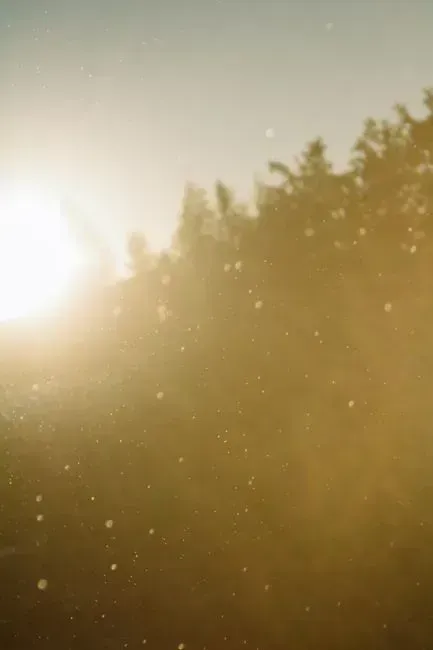
Sunlight traveling through perfectly clean, empty space would be invisible from the side. You see a beam only when something redirects a bit of that light toward your eyes. In the atmosphere, that something is air molecules, water droplets, dust, smoke, and other suspended particles.
So the rays you see are really scattered light. The brighter streaks mark sunlit air, and the darker streaks mark air that sits in the shadow of cloud.
Shadows Do Half the Work
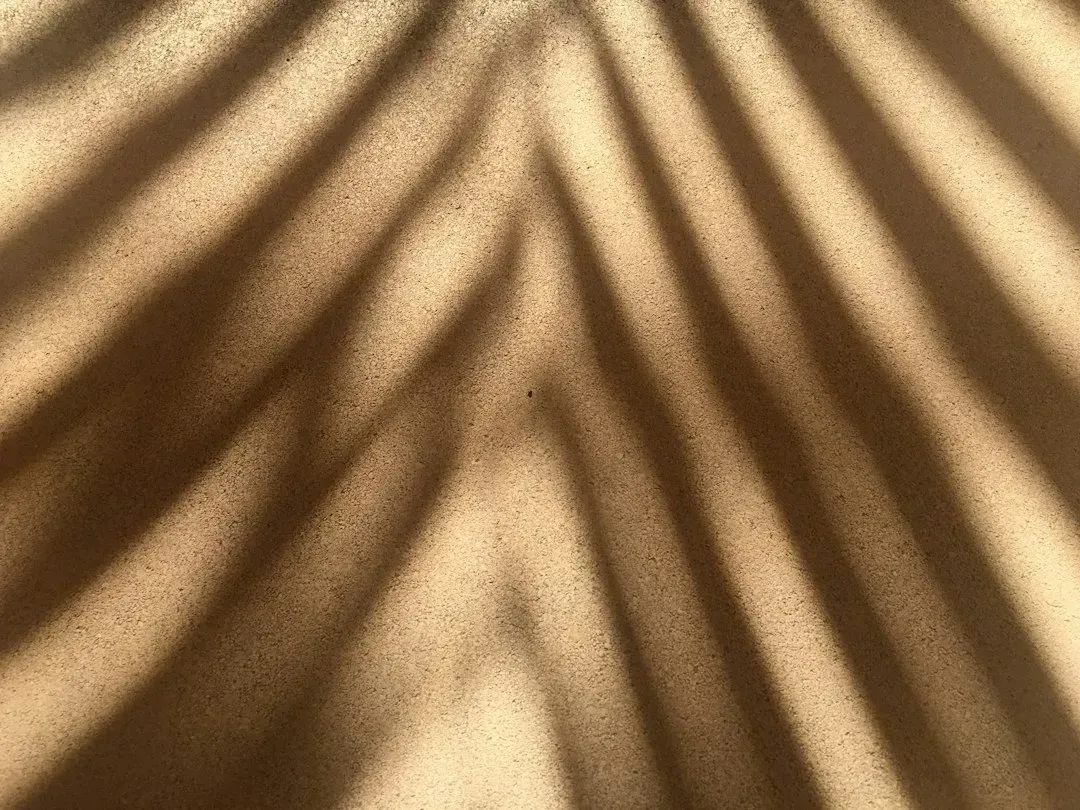
Clouds punch holes in the sunlight. Where a gap lets light through, a column of illuminated air forms, and where thick cloud blocks the sun, a column of shadow forms beside it. The contrast between the two is what your eye reads as separate beams.
That’s why the technical explanation often sounds backward. The spokes are as much about missing light as present light, and the dark bands matter just as much as the bright ones.
Why the Rays Seem to Fan Out

The beams are almost perfectly parallel because the sun is so far away. They appear to spread from a single point for the same reason railway tracks seem to converge in the distance, which is perspective. NASA and other science outlets describe the effect this way.
If you could view the scene from far off to the side, the shafts would run side by side rather than radiating. This is also why the rays can appear to stretch across the whole sky, converging again on the opposite horizon in the rarer case called anticrepuscular rays.
Mie Scattering and Particle Size
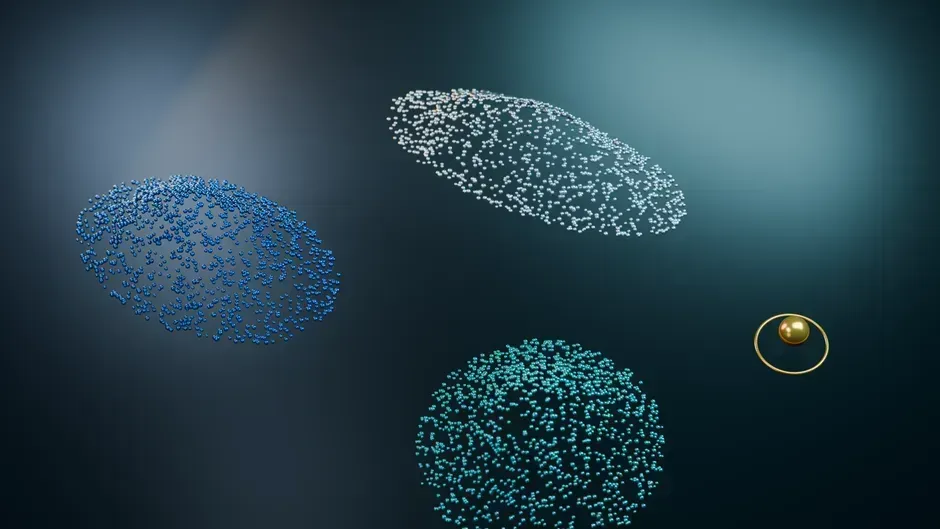
The key process is Mie scattering, which applies when particles are comparable in size to the wavelength of light. Water droplets in haze and cloud edges, along with larger aerosols, fit that range. Unlike the scattering that makes the daytime sky blue, Mie scattering affects all visible colors fairly evenly and sends much of the light forward.
That forward bias is useful for beam watchers. When you look toward the sun, the scattered light heading your way is strong, so rays read best when you face the light source rather than turn away from it.
Rayleigh Scattering and the Warm Colors
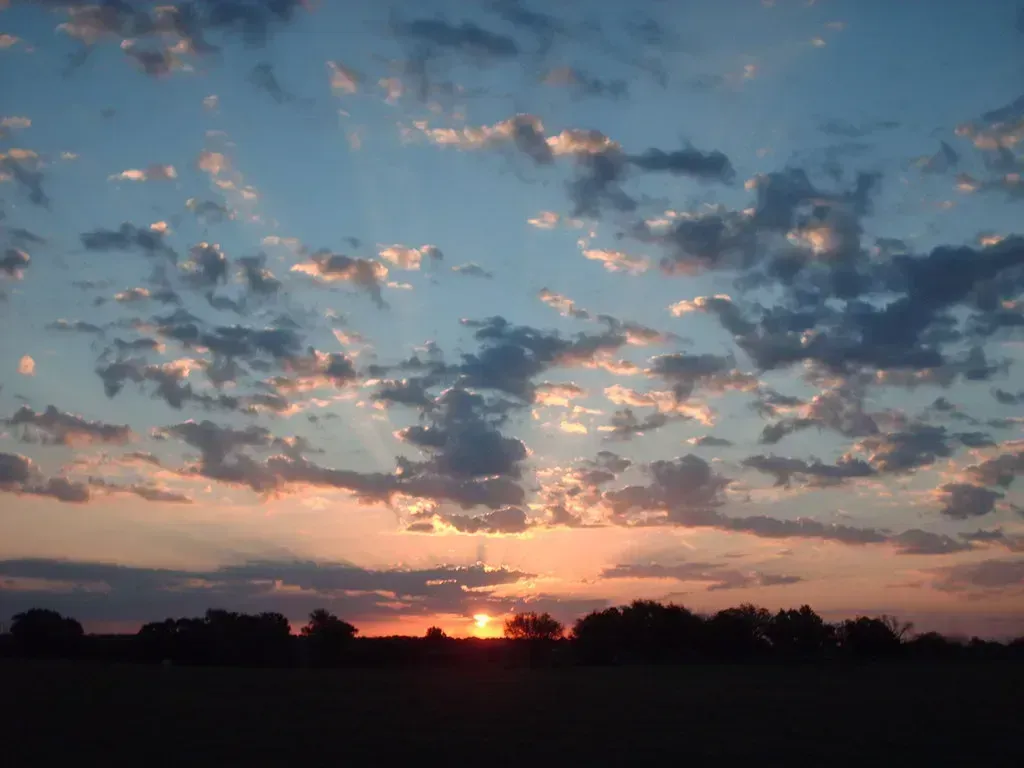
Air molecules are much smaller than light wavelengths, and they scatter by a different rule called Rayleigh scattering. It favors shorter wavelengths, which is why the midday sky looks blue. Near sunset, sunlight crosses a much longer path through the atmosphere, so much of the blue gets scattered out of the direct beam.
What remains is richer in orange and red. That’s the reason evening rays often glow golden or pinkish rather than white.
Why Low Clouds and Low Sun Make the Best Show
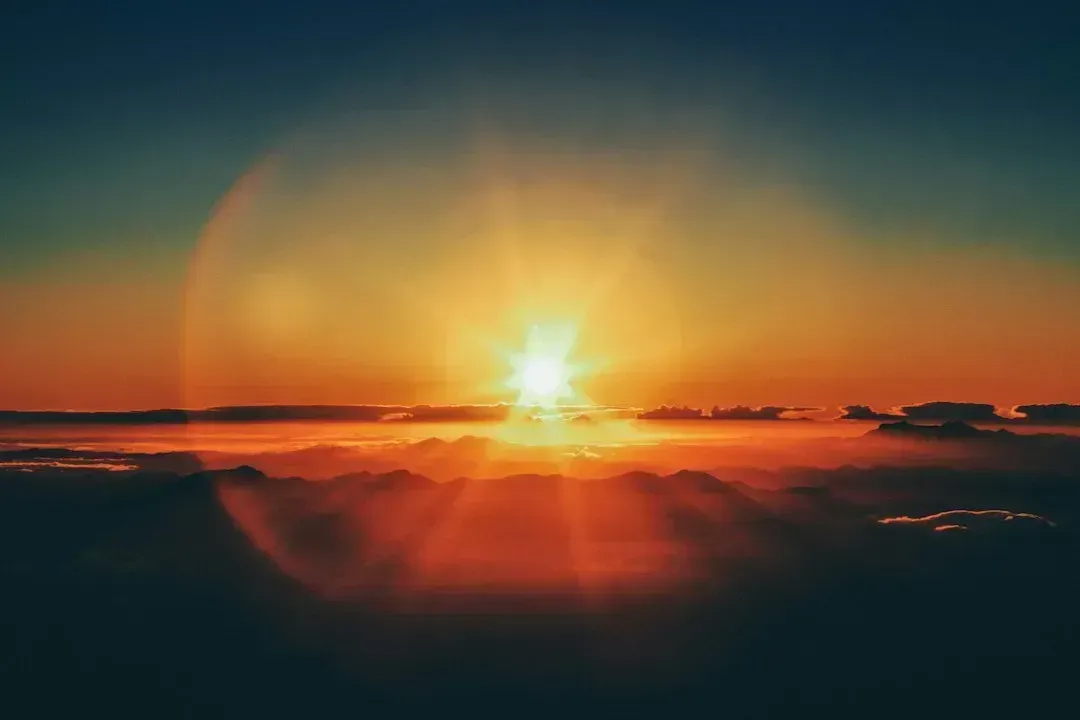
Crepuscular means twilight, and the name fits. A sun near the horizon sends light at a shallow angle, so the beams travel sideways through a thick layer of the lower atmosphere, where particles are most concentrated. Broken cumulus or stratocumulus provides the gaps.
You can get rays at other times too, including mid morning, when the sun peeks through towering clouds. The low sun simply lengthens the shafts and warms their color.
Humidity, Haze, and Smoke Change the Look

More suspended material means more scattering, so the beams look sharper and brighter on hazy or humid days. Very clean, dry air can leave rays faint or invisible even when the cloud gaps are there. Mist after rain and dust blown from distant deserts both tend to help.
Wildfire smoke can do the same, though with a trade off. Heavy smoke can dim and redden the sun so much that the beams turn murky instead of crisp. Air quality agencies treat such conditions as a health concern, so a vivid sunset isn’t always a good sign.
Related Rays You Might Confuse With Them
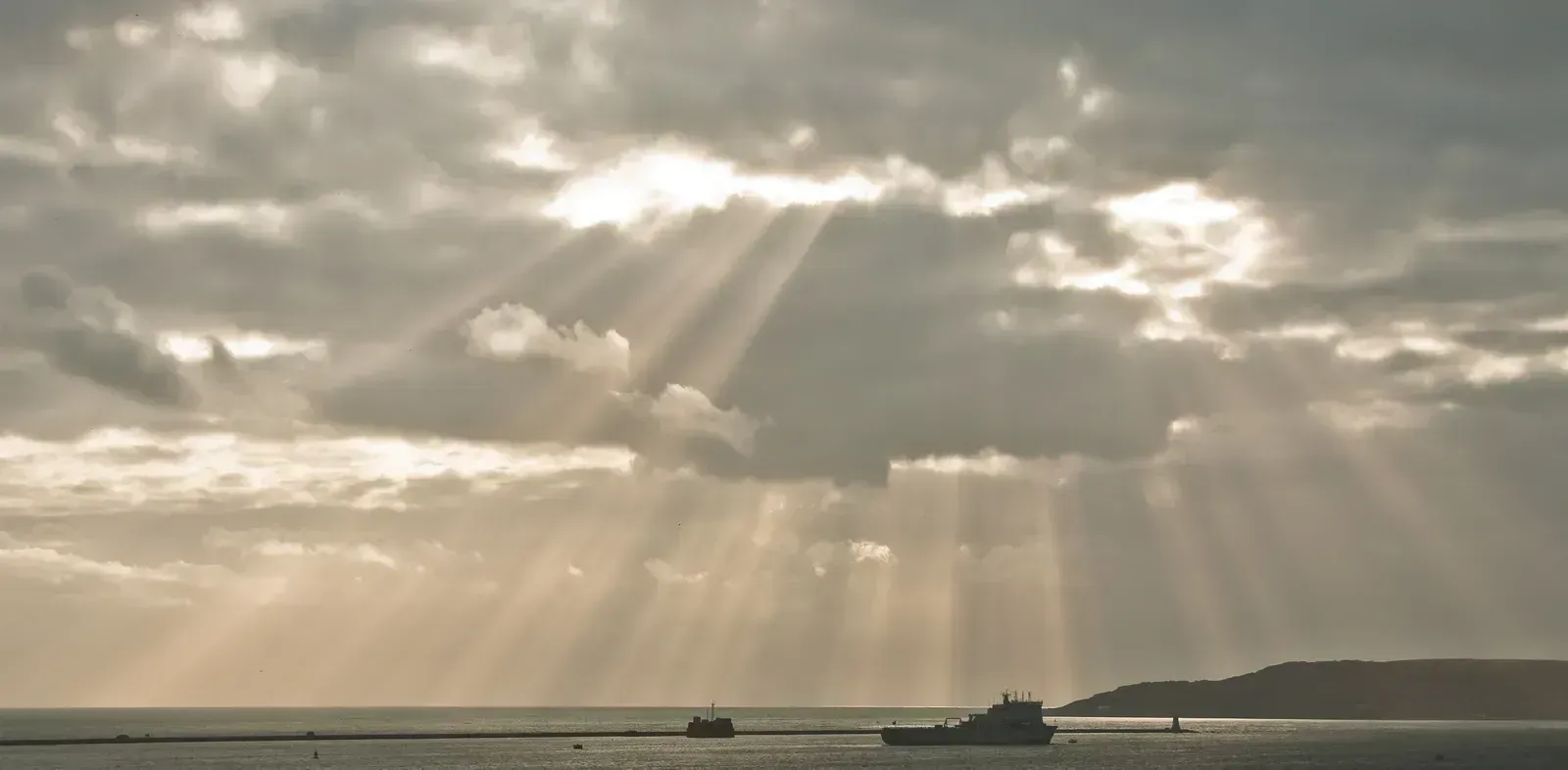
Crepuscular rays shine through gaps in clouds. Rays that slant down through gaps in trees or from windows are often called light shafts, and they use the same scattering in a smaller scene. Another relative is the shaft of light beneath a cloud called a sunbeam through a rain shower, where the droplets themselves scatter the light.
Anticrepuscular rays appear opposite the sun, and they look like they converge toward the antisolar point. Meteorological references note that they come from the same parallel beams seen in perspective.
How to Photograph and Spot Them

Look for broken cloud with the sun low and partly hidden, and position yourself so the sun sits near the edge of the frame or behind a cloud. Underexposing slightly protects the bright sky and deepens the dark bands. A small aperture, such as f/11, also tends to give cleaner shapes around the sun.
Check the forecast for scattered cumulus and moderate humidity. Evenings after a front passes often combine moving cloud with clearer air, and the rays can last only a few minutes before the clouds shift.

- Sunbeams Piercing Low Clouds – The Particle Scattering Behind Crepuscular Rays - November 18, 2026
- If You Secretly Do These 10 Things Before Winter, You’re Probably More Prepared Than Most - November 18, 2026
- Cold Spots in Your Living Room – How Micro-Drafts Follow Window Pressure - November 18, 2026
