
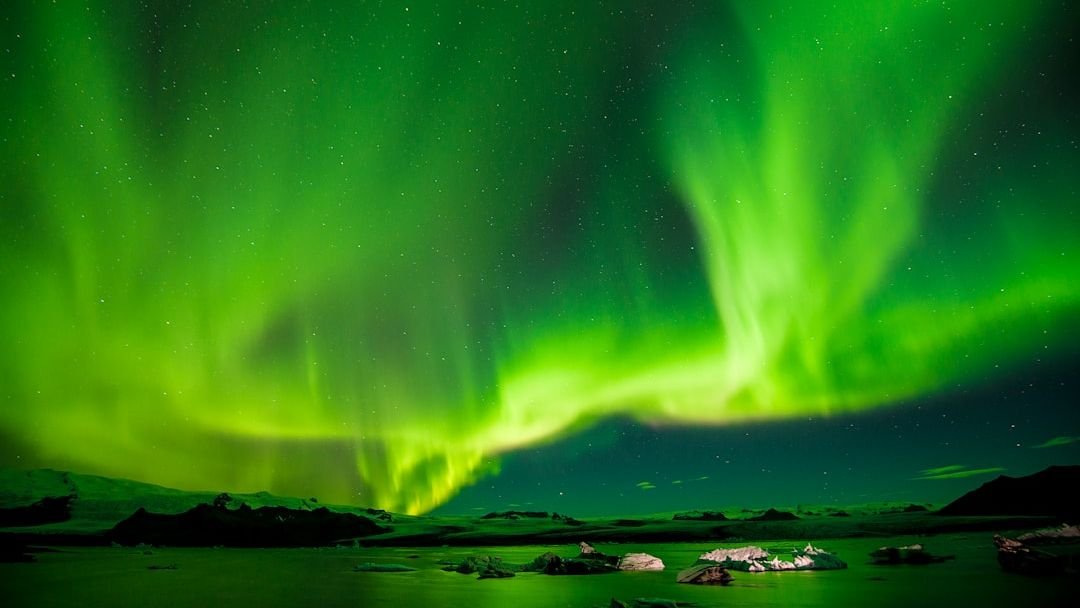

For most of human history, the northern lights were a privilege of the far north. People in Iceland, Norway, and northern Canada could count on them. People in Spain, Florida, or northern India could not. That understanding held reasonably well for generations. Then came 2024, and suddenly the lights were rippling above the Florida Keys, above the Yucatán Peninsula, above northern India and the Canary Islands off the coast of Africa.
This isn’t a glitch or a fluke of photography. There are real, well-understood reasons why auroras have been pushing deeper into the mid-latitudes with unusual frequency, and they come down to a combination of solar physics, an unexpectedly powerful cycle, and a few mechanisms that turn ordinary storms into spectacular ones. Here’s the full picture.
A Sun More Active Than Anyone Predicted
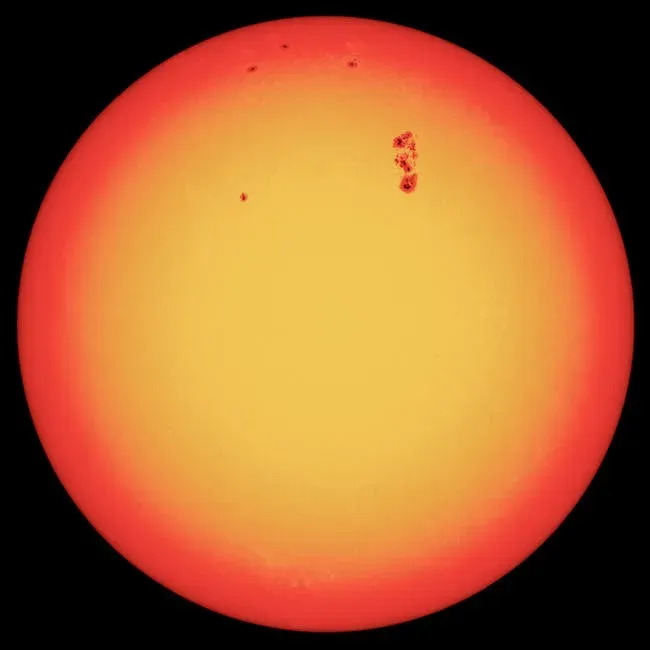
According to NASA and NOAA tracking data, Solar Cycle 25 began in December 2019 with the previous solar minimum, and the cycle’s peak – the solar maximum – occurred in October 2024, with the highest 13-month smoothed sunspot number recorded that month. That alone would make it a significant period for auroras.
What made it remarkable is that this was significantly stronger than scientists had originally predicted. Early forecasts in 2019 and 2020 had suggested Solar Cycle 25 would be relatively mild, but it has consistently outperformed those predictions since 2022. Scientists have noted that Solar Cycle 25 is on track to exceed the expected performance of the previous Solar Cycle 24, and perhaps even Solar Cycle 23, which was already considered a strong cycle for auroras.
What the Solar Cycle Actually Does to the Aurora
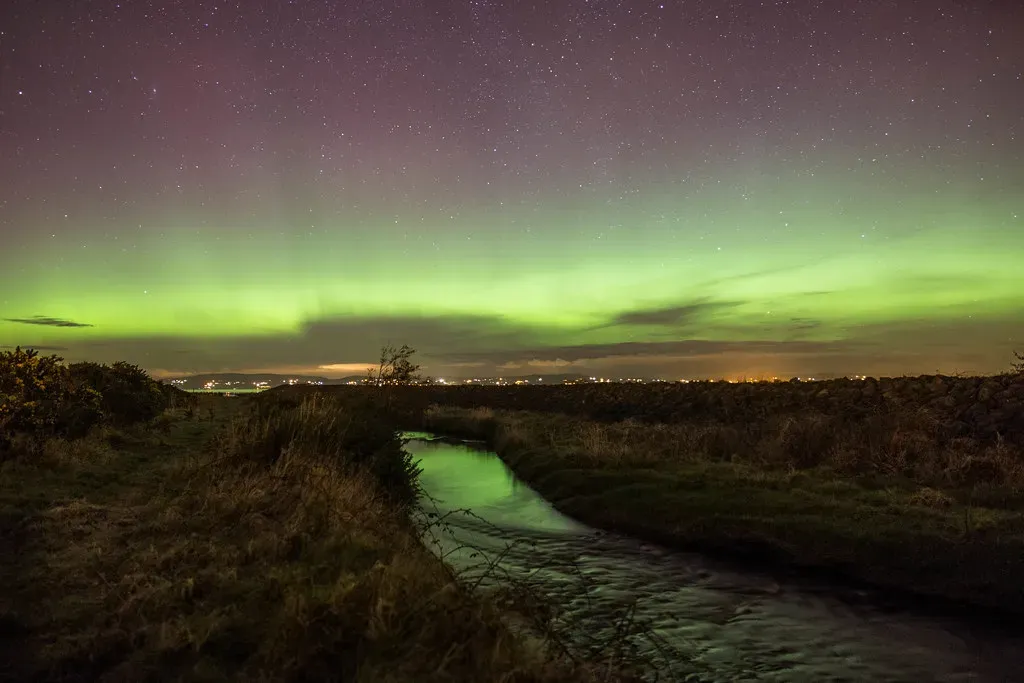
The northern lights appear in a region around Earth’s magnetic pole called the “auroral oval” or “auroral zone,” but that region shifts and fluctuates constantly, depending on the strength of solar wind – a stream of charged particles from the sun’s atmosphere that can be strengthened by storms. Think of it as a ring of light that can shrink tight around the poles during quiet periods, or expand dramatically during active ones.
Solar maximum means more storms, and during storms northern lights occur more often, are more intense, last longer, and can extend to lower latitudes than usual. During high solar activity like the current solar maximum, flares and coronal mass ejections become more frequent, sending even more energetic particles toward Earth – and that means brighter auroras can show up farther from the poles, sometimes even in places where they’re rarely seen.
Coronal Mass Ejections: The Real Engines Behind Southern Sightings
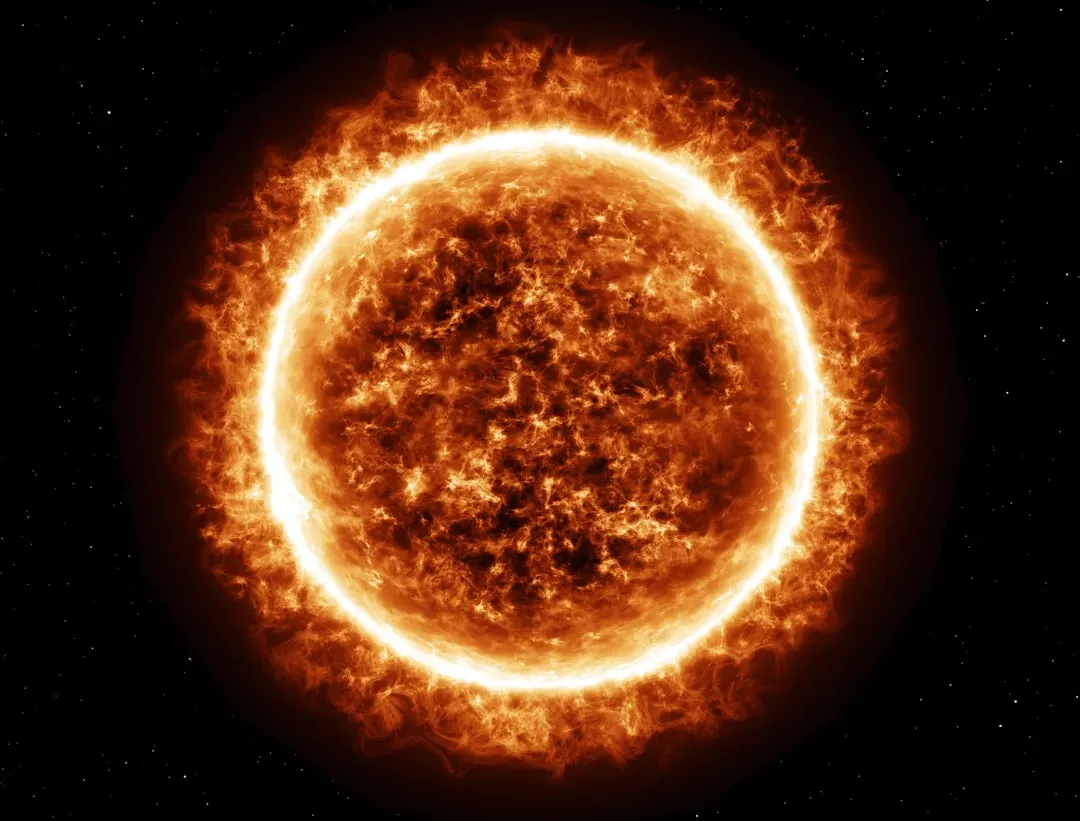
Coronal mass ejections, or CMEs, are large expulsions of plasma and magnetic field from the sun’s corona. They can eject billions of tons of coronal material and carry an embedded magnetic field stronger than the background solar wind. CMEs travel outward from the sun at speeds ranging from under 250 kilometers per second to nearly 3,000 kilometers per second.
When a CME or high-speed solar wind stream reaches Earth, it can compress and distort the magnetosphere, injecting energy and particles into the upper atmosphere. The result is elevated geomagnetic activity measured on the Kp index, and for aurora hunters, visible northern and southern lights at lower latitudes than usual. A G5 storm, the strongest category, pushes aurora to below 30 degrees magnetic latitude, making it visible from Spain, Texas, Japan, and North Africa.
The Gannon Storm: A Once-in-a-Generation Event

The solar storms of May 2024 were a series of powerful solar storms with extreme solar flares and geomagnetic storm components that occurred from May 10 to 13, 2024, during Solar Cycle 25. They are also known as the Mother’s Day solar storm or the Gannon storm, after space physicist Jennifer Gannon. The geomagnetic storm was the most powerful to affect Earth since March 1989, and produced auroras at far lower latitudes than usual.
In North America, auroras were seen across the United States as far south as the Florida Keys, as well as from the Yucatán Peninsula in Mexico, the Bahamas, Jamaica, and Puerto Rico. The aurora was also seen in Hawaii. Across Europe, it appeared from as far south as Ireland, Portugal, Spain, and Sardinia. Auroras were also visible in Algeria and the Canary Islands in Africa, and tens of millions of people photographed the aurora that weekend who had never seen one before.
Why Some Storms Push Auroras Farther Than Others

The key driver of storm intensity is the magnetic orientation of the CME’s internal field when it arrives. If the CME’s magnetic field points southward (negative Bz), it connects efficiently with Earth’s northward-pointing magnetosphere through a process called magnetic reconnection, injecting enormous amounts of energy. Not every strong storm delivers on that potential, which is why two storms of identical Kp ratings can look completely different in the sky.
Every step up the Kp scale pushes the auroral oval approximately two degrees of magnetic latitude farther south. Scientists analyzing the Gannon Storm found that the May 2024 superstorm was produced by a pileup of coronal mass ejections, rather than a single CME – essentially a “perfect storm,” a combination of circumstances resulting in an event of unusual magnitude.
A Cycle That Came Back Stronger After a Very Quiet Previous Peak
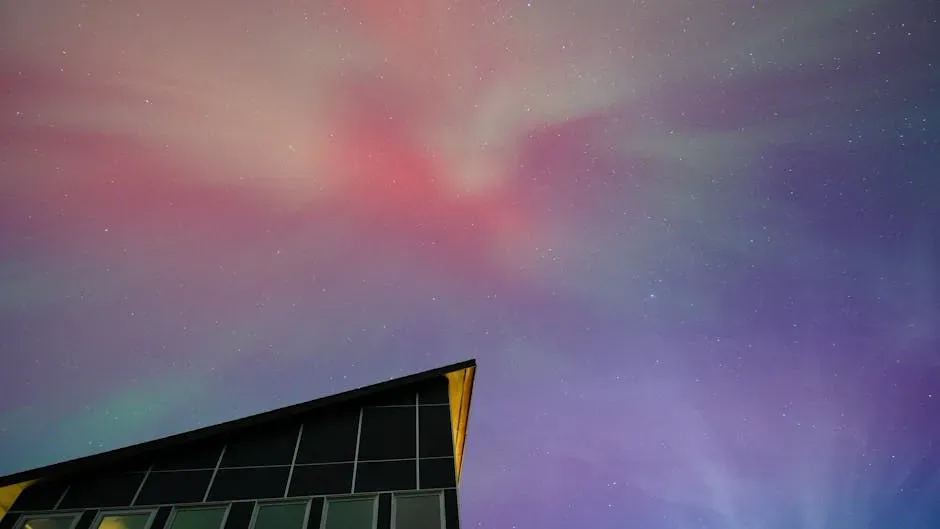
The sun is reaching the peak of its roughly 11-year cycle, in which solar activity is greatest. This maximum has more excitement around it than usual because the last one in 2014 was the weakest in a century. That prolonged quiet period meant a generation of sky-watchers had essentially never experienced a strong solar maximum in their lifetimes.
Data collected during the 2014 to 2015 solar maximum turned out to be relatively “wimpy,” according to space scientist Liz MacDonald at NASA’s Goddard Space Flight Center. The contrast with Solar Cycle 25 is stark. NASA has said May 2024 saw one of the strongest aurora events in 500 years, with the sun’s solar maximum making northern lights reach farther south.
The Colors You’re Seeing and What They Mean
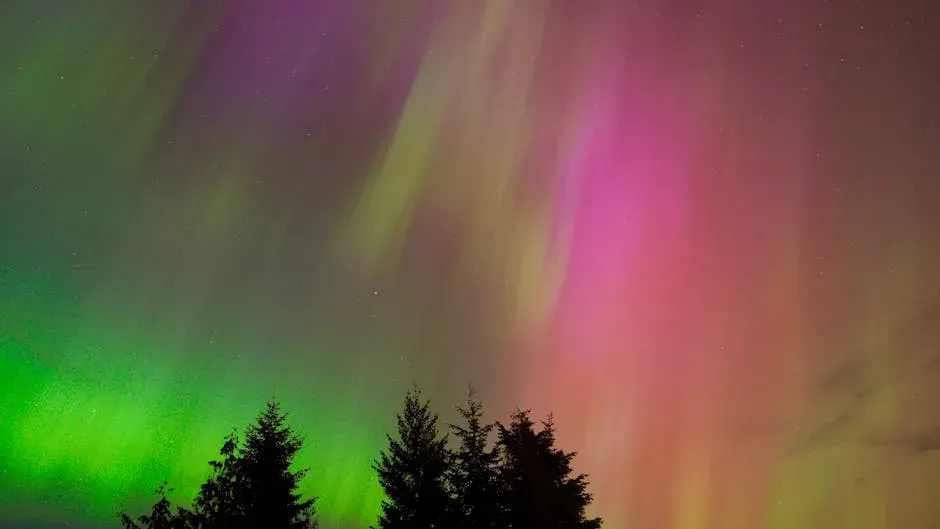
Oxygen gives off green light when it is hit around 100 kilometers above the Earth, but at 160 to 320 kilometers altitude, it produces all-red auroras, which are a rare sight. Nitrogen causes the sky to glow blue, and when higher in the atmosphere, the glow shifts to a purple hue. Seeing vivid red auroras at lower latitudes is actually a sign that the storm is particularly energetic, since those high-altitude oxygen emissions require much stronger particle interactions.
Camera technology has improved considerably since the last G5-class geomagnetic storm in 2003, with even standard cell phone cameras having enough sensitivity to pick up the colors of an aurora. As a result, images of auroras were spread widely across social media, with significant public excitement generated during the event. In other words, some auroras that cameras are capturing now would have gone largely undocumented a decade ago.
The Equinox Effect: When Timing Amplifies Everything

Geomagnetic storms – the events that produce the most spectacular auroras – historically occur two to three times more frequently during the periods around the spring and autumn equinoxes. This is sometimes called the Russell-McPherron effect, and it relates to the angle between Earth’s magnetic field and the solar wind at those times of year, which makes energy transfer more efficient.
On average, auroras are more frequent around the March and October equinoxes, according to Magnus Wik, a space weather scientist at the Swedish Institute of Space Physics. That means anyone hoping to catch the lights farther south than usual has the best statistical odds in late March and again in early October, especially when combined with an already-active solar period like the present one.
The Double Peak Pattern and What It Means for 2026
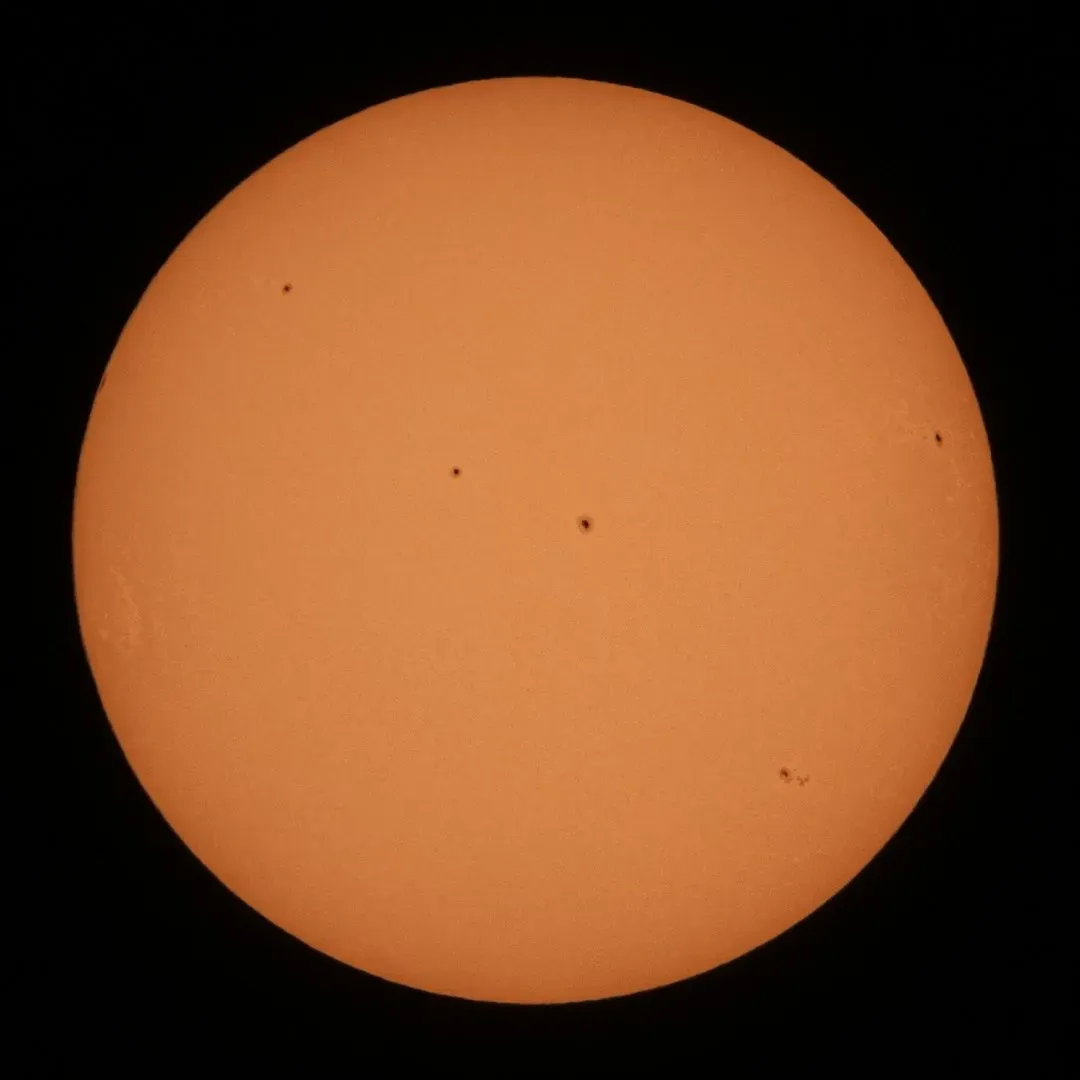
Solar physicists tracking the cycle for the Norwegian Space Agency and NOAA’s Space Weather Prediction Center have identified that Solar Cycle 25 appears to be following a “double peak” pattern. This occurs when the sun’s northern and southern hemispheric magnetic fields don’t peak simultaneously – instead, they peak separately, creating two waves of intense activity. The result is that strong solar activity extends well into 2026, rather than dropping immediately after the October 2024 peak.
The declining phase can produce powerful storms. Some of the most intense geomagnetic events in history have occurred not at solar maximum but one to two years after, when the sun’s magnetic field configuration creates favorable conditions for Earth-directed CMEs. The notorious 2003 Halloween storms, for example, occurred during the declining phase of Solar Cycle 23. With the sun in solar maximum through 2026, this is one of the best multi-year stretches in two decades to see the lights, and the geographic window for viewing is unusually large.
What It Takes to Actually See Them From Lower Latitudes

According to NOAA forecasts, geomagnetic storms reaching Kp 7 or higher on the zero to nine scale can produce visible auroras as far south as Pennsylvania, Iowa, and northern California. That’s still well north of the subtropical belt, but it’s a significant expansion from the auroral oval’s quiet-time position. The key is knowing when conditions are favorable before they fade.
Apps like My Aurora Forecast, Aurora Alerts, and Hello Aurora can provide real-time alerts for unusual activity. Clear, dark skies away from light pollution remain non-negotiable regardless of how strong the solar event is. After the current elevated period, the next solar maximum won’t arrive until roughly 2035 to 2036 – making the present window genuinely rare for anyone living between the 40th and 50th parallels who wants to see the northern lights without booking a flight to Tromsø.
