

- The 9 Most Notable Missions in Space Exploration History - September 26, 2026
- The 7 Most Humid Regions in the U.S., Compared - September 26, 2026
- 8 Household Items That Take Decades to Decompose - September 26, 2026
Chasing the aurora borealis is part science, part patience, and a little bit of luck. The lights themselves are always flickering somewhere above the Arctic, driven by solar particles colliding with Earth’s magnetic field, but seeing them depends entirely on when you show up. Some months offer longer darkness, others line up with quirks of Earth’s orientation to the sun, and a few benefit from where we currently sit in the eleven-year solar cycle.
Right now, in 2026, that timing question matters more than usual. Solar Cycle 25 reached its peak around October 2024, and while activity is easing off, forecasters still describe the next couple of years as an unusually strong window for sightings. Here’s a season-by-season breakdown of when your odds are genuinely best.
Late August to Early September
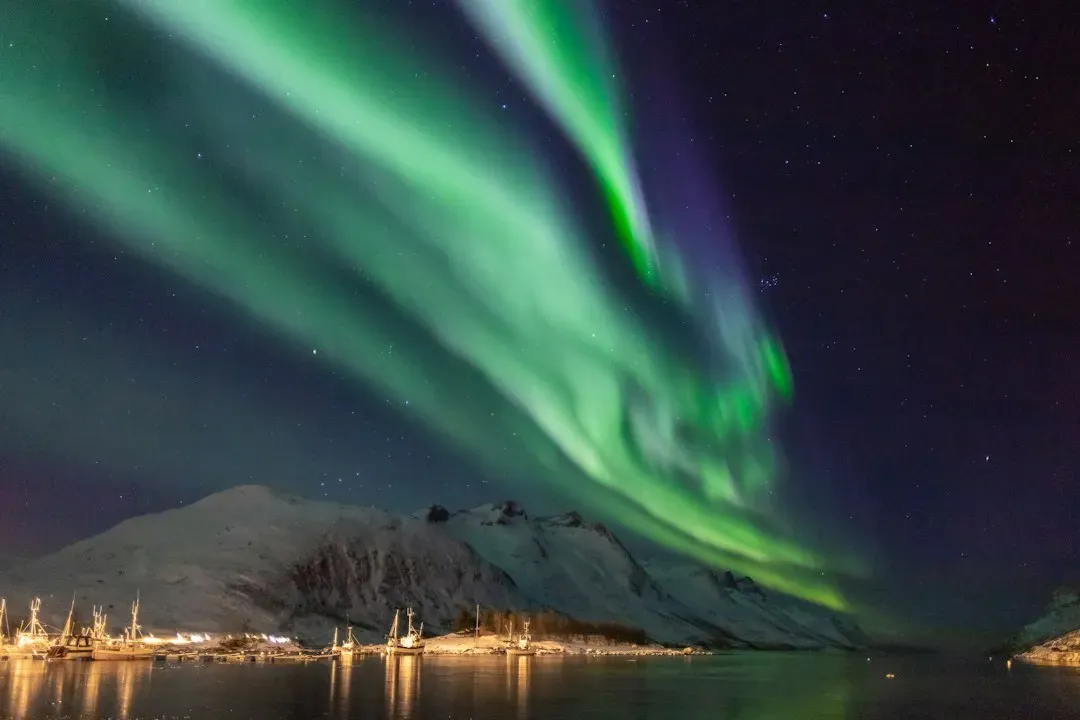
This is the quiet opener to aurora season, and it’s easy to miss if you’re not paying attention. It is not unusual to spot early-season displays in late August around places like Tromsø, but September onwards offers much more reliable darkness. The nights are still fairly short this far north, so you’re working with a narrow window of true dark sky, usually just a few hours around midnight.
Still, there’s a reason seasoned aurora chasers keep an eye on this stretch. The auroras may still be seen in late August and early September, particularly around the equinox when the solar activity is likely to be high. If you’re already in northern Scandinavia or Iceland for other reasons, it costs nothing to step outside after dark and check the sky.
Late September, the Autumn Equinox
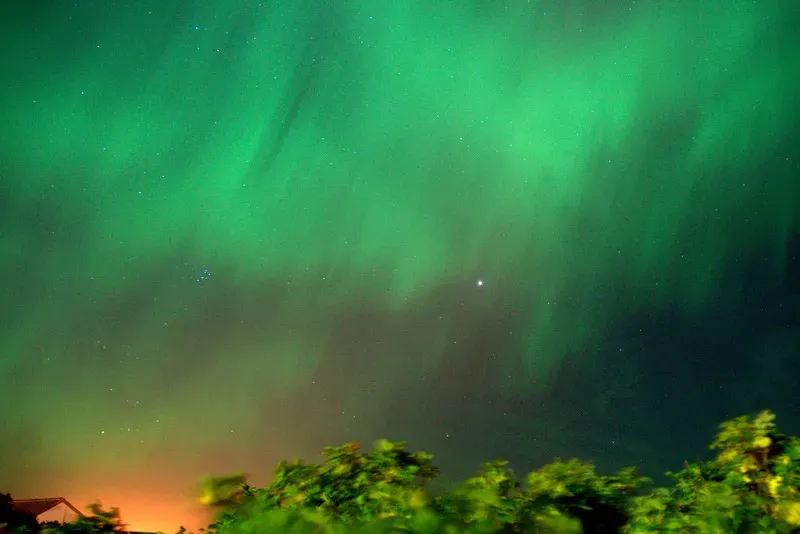
This is where things get genuinely interesting, and not just because the nights start getting properly long. The equinox effect makes geomagnetic storms nearly twice as likely in late September-October and February-March. That’s not folklore, it’s a documented pattern tied to how Earth’s magnetic field lines up with the solar wind near the equinoxes.
Weather cooperates too. March and late September stand out as the best month for clear sky and higher activity, thanks to the equinox effect and generally calmer weather. Combine that with darkness returning fast at high latitudes, and late September earns its reputation as one of the two strongest windows of the entire year.
October
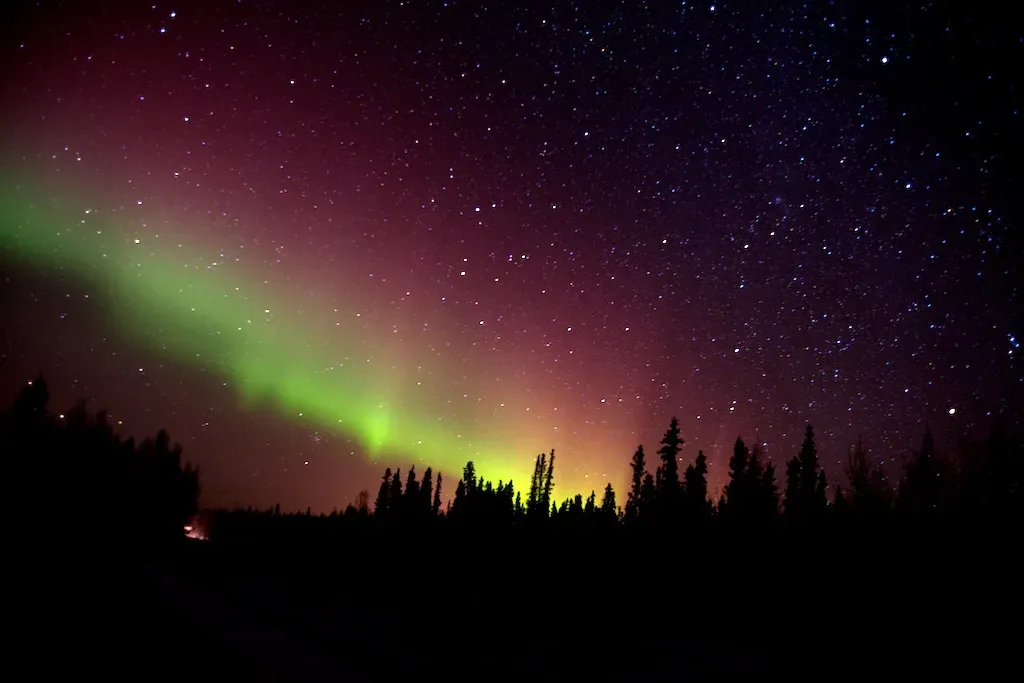
October keeps the equinox momentum going while adding something the late September crowd doesn’t always get, longer stretches of true night. Skies tend to be clearer than the often-overcast depths of winter, and the aurora oval frequently dips far enough south to be visible from mid-latitude spots on a strong night. October also happens to sit close to the anniversary of a particularly notable event.
Solar Cycle 25’s confirmed peak landed in this exact month two years ago. Solar Cycle 25 reached its maximum in October 2024, when NASA and NOAA jointly confirmed the Sun had peaked in its roughly 11-year cycle. Some forecasters specifically flag this month in 2026 as worth waiting for if earlier trips don’t pan out, calling it a solid fallback option for hunters still chasing their first sighting.
November Through January, the Deep Winter Stretch
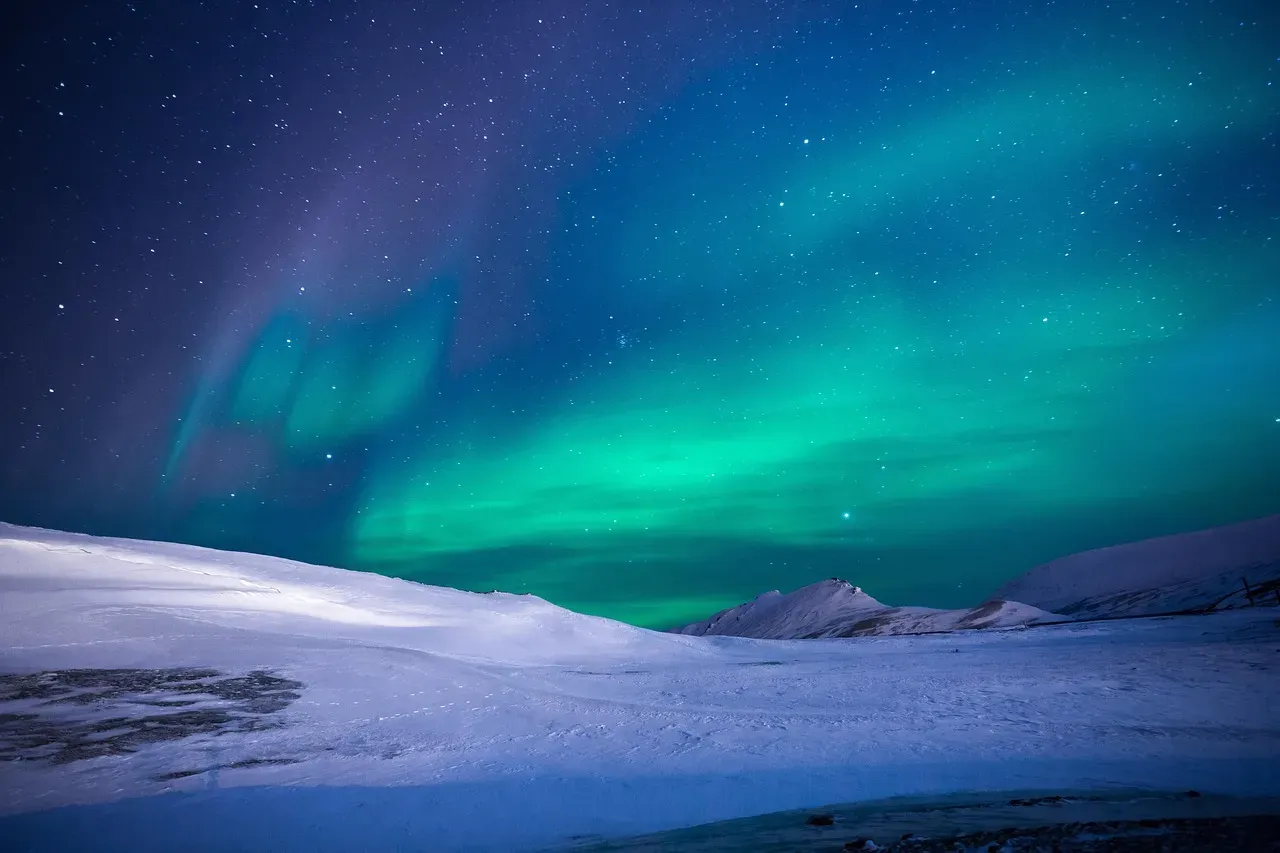
If darkness alone decided the outcome, this would be the undisputed champion. The core peak is November, December and January, when nights are longest and darkest. Places like Yellowknife, Fairbanks, and the northern tips of Scandinavia can offer well over half a day of usable darkness, which simply gives the aurora more chances to appear whenever conditions align.
The tradeoff is comfort and weather variability. These months offer the longest stretch of darkness for maximum viewing hours, upwards of 12 to 15 hours. Cold snaps often bring the clearest, driest air though, which actually helps visibility, so bundling up properly turns into part of the strategy rather than an afterthought.
February
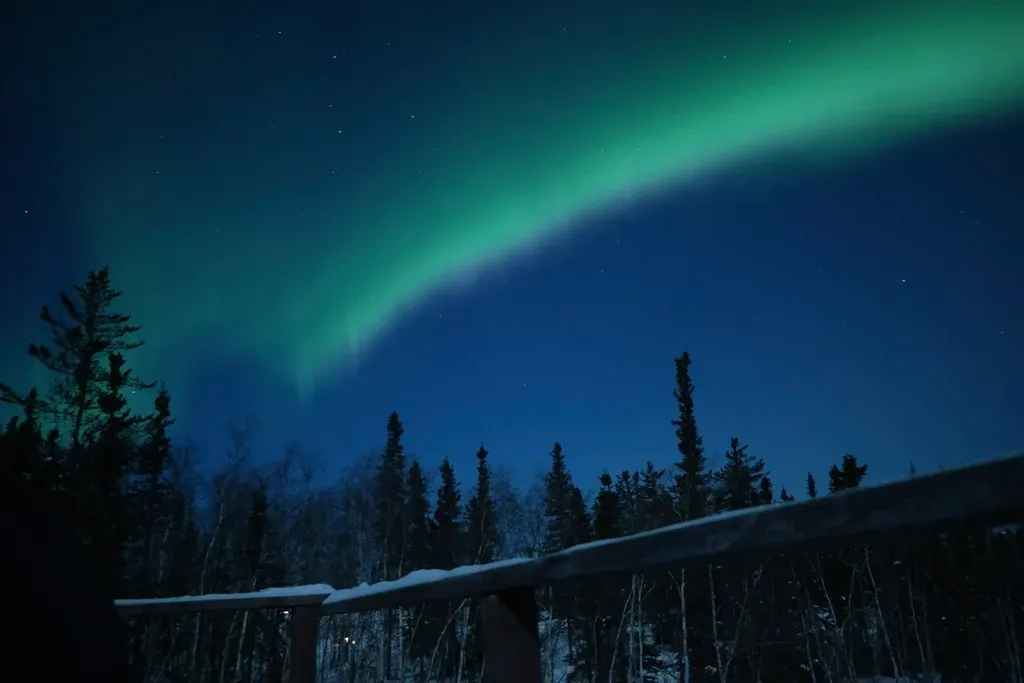
February tends to get overlooked, sitting between the deep-winter darkness of January and the equinox buzz of March, but it deserves more credit than it gets. Nights are still long, cold air keeps skies crisp, and the approach toward the spring equinox starts nudging geomagnetic activity upward again. Many aurora lodges in Norway and Finland quietly consider this one of their most reliable stretches, without the crowds that pile in around the more famous equinox weeks.
It’s also a smart month if flexibility matters to your trip. Peak nightly viewing window: 10 PM to 2 AM local time, expanding during active storms. A February trip built around that nightly window, with a few extra days padded in for cloud cover, tends to pay off more consistently than people expect.
March, the Spring Equinox
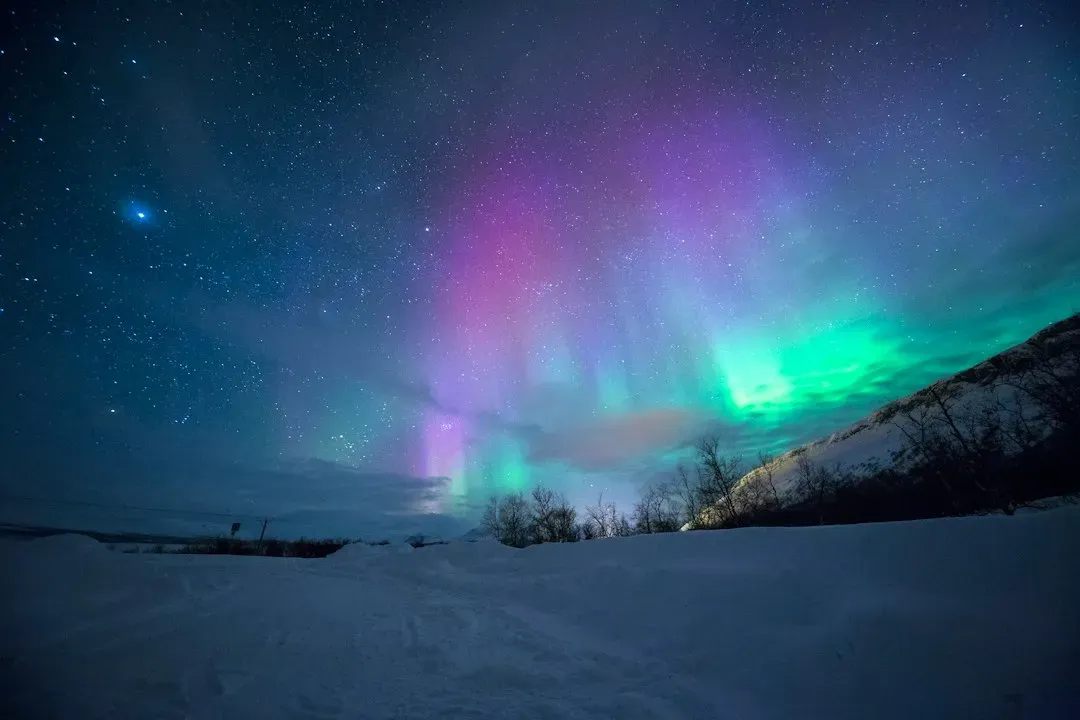
March closes out the strongest run of the year, mirroring its September counterpart almost exactly. March aligns with the equinox effect, when the Earth’s magnetic field is best poised for solar particles due to the Russell-McPerron effect. That’s the same physical mechanism boosting activity in September, just on the opposite side of Earth’s orbit.
Practically speaking, March also offers a comfort advantage that autumn doesn’t. March is a great month to view, as the temperatures are a bit warmer and the spring equinox makes aurora viewing better. Standing outside for hours waiting on a display is a lot easier when the deep freeze of January has started to loosen its grip, which is why plenty of seasoned chasers rank late March right alongside late September as the two best bets of the entire year.
