

- The 7 Ways the Jet Stream Shapes Weather Across the Country - September 27, 2026
- The 8 Planets in Our Solar System, Ranked by Size - September 27, 2026
- The 5 Longest Solar Eclipses Ever Recorded - September 27, 2026
Of all the planets in our solar system, Mars is the one that keeps coming back into the conversation. Not because it’s easy to get to, or because life there would be comfortable in any recognizable sense, but because when you weigh the options carefully, nothing else comes close. It has water, it has a day cycle almost identical to ours, it has an atmosphere of sorts, and it sits close enough that reaching it with existing or near-future technology is genuinely plausible.
The case for Mars isn’t made of wishful thinking. It’s built on decades of robotic exploration, hard scientific data, and a growing body of research into how humans might actually survive there. The challenges are enormous, no question about that. Exposure to high levels of radiation, extreme temperatures, and a thin atmosphere all significantly impact human health and the feasibility of colonization. Still, Mars remains the most concrete destination we have. Here’s why.
Proximity: The Nearest Realistic Option
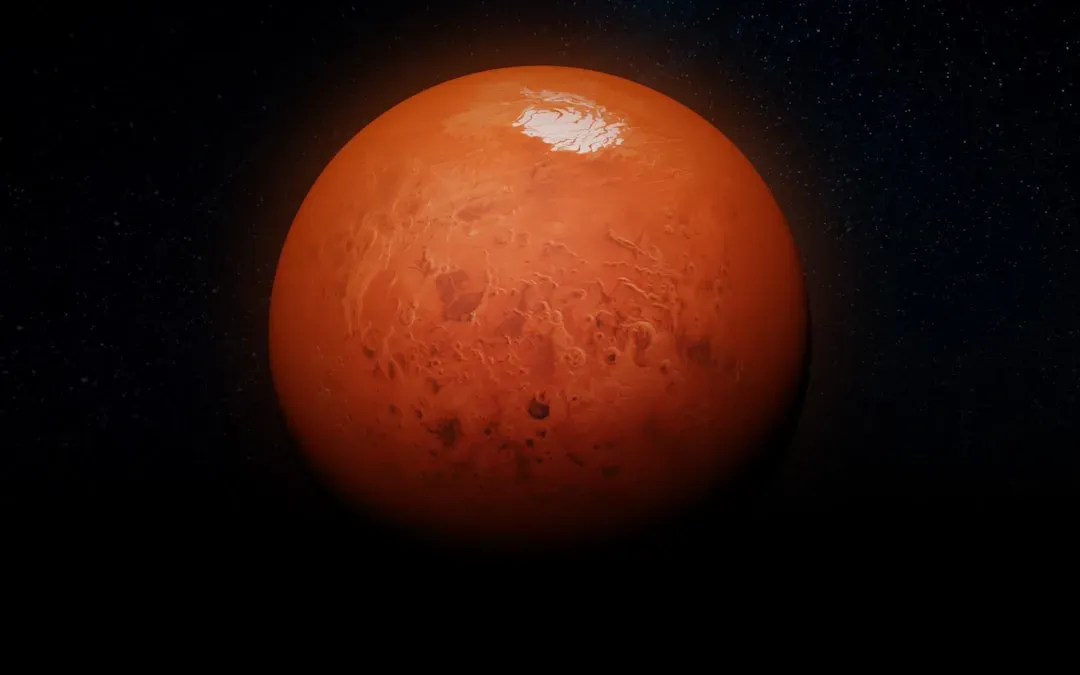
Mars’s orbit is the third closest to Earth’s orbit, though far enough from Earth that the distance would present a serious obstacle to the movement of materiel and settlers. That said, compared to the outer planets or deep space, the distance is workable. Mars is between 54 and 401 million kilometers from Earth depending on orbital alignment. For travel, this means a months-long trip; for communication, it means delays of up to 24 minutes one way.
Mars is considered the most accessible planet in the solar system, and the alignment of Earth and Mars creates periodic launch windows roughly every 26 months, giving mission planners a predictable rhythm to work with. Research published in 2025 found trajectories that allowed transfer to Mars in as few as three months, though those calculations depend on assumptions about propellant capacity that are still being refined. Even so, the trajectory problem has real, engineering-level solutions on the table.
A Day That Feels Almost Familiar
Mars completes one rotation every 24.6 hours, which is very similar to one day on Earth at 23.9 hours. This is not a small detail. Human biology, sleep cycles, circadian rhythms, and the entire architecture of how we structure daily life is built around a roughly 24-hour day. No other candidate planet or moon in our solar system comes anywhere close to matching this.
Because of the similar tilts of their rotating axes, Mars’s seasons are the most equivalent to Earth’s among any of the planets in the solar system. Since Mars is farther from the Sun, its seasons are nearly twice as long as Earth’s, and the Martian year is roughly twice as lengthy as Earth’s. The longer seasons do create logistical challenges, but the fundamental rhythm of the Martian day reduces one major biological stressor that colonists on any other world would face.
Water: Frozen But Present
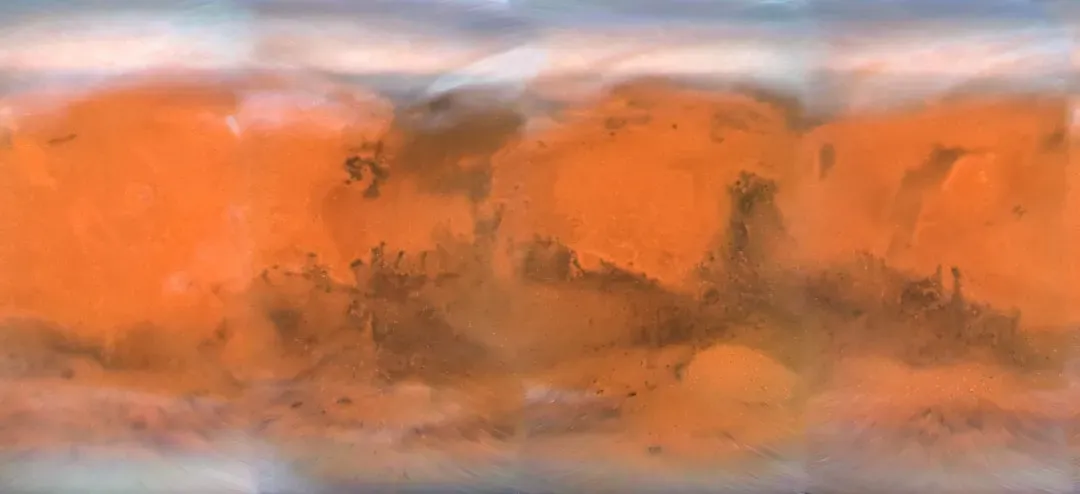
More than 5 million cubic kilometers of ice have been detected at or near the surface of Mars, enough to cover the planet to a depth of 35 meters. Even more ice might be locked away in the deep subsurface. Water is the baseline requirement for human survival, and Mars has it in enormous quantity. It’s just not liquid on the surface.
There is water on Mars today, but the Martian atmosphere is too thin for liquid water to exist for long on the surface. Today, water on Mars is found in the form of water-ice just under the surface in the polar regions as well as in briny water, which seasonally flows down some hillsides and crater walls. This ice shows that water does exist on Mars and could potentially be used by human explorers for drinking and to create hydrogen-based fuels. For a colony, that distinction between frozen and liquid matters less than the fact that the resource is there at all.
Raw Materials for Survival and Fuel
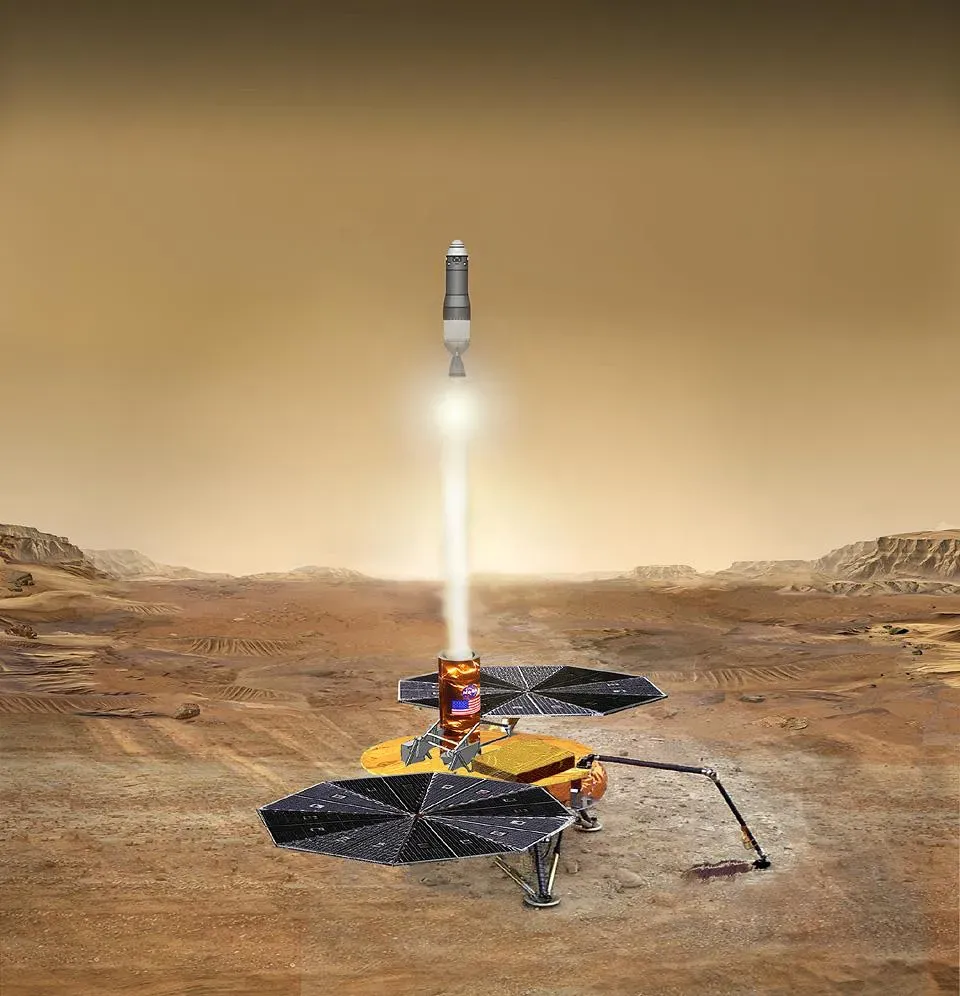
Mars has all the raw materials required to support life, including carbon, nitrogen, hydrogen, oxygen, water ice, and permafrost. Analysis of Martian soil samples by rovers like Curiosity has revealed the presence of essential elements for life, such as carbon, hydrogen, nitrogen, oxygen, phosphorus, and sulfur. These elements are fundamental building blocks for organic molecules and are necessary for life processes.
The Starship is designed to run on liquid methane and liquid oxygen because these can be manufactured on Mars using the Sabatier reaction. By combining Martian sub-surface water ice with the CO2 in the atmosphere, SpaceX can create the fuel needed to fly the ships back to Earth. That closed loop, making fuel on Mars rather than hauling it from Earth, is central to any plan for a sustainable colony. It’s what separates Mars from essentially every other destination.
The MOXIE Breakthrough: Oxygen From Thin Air
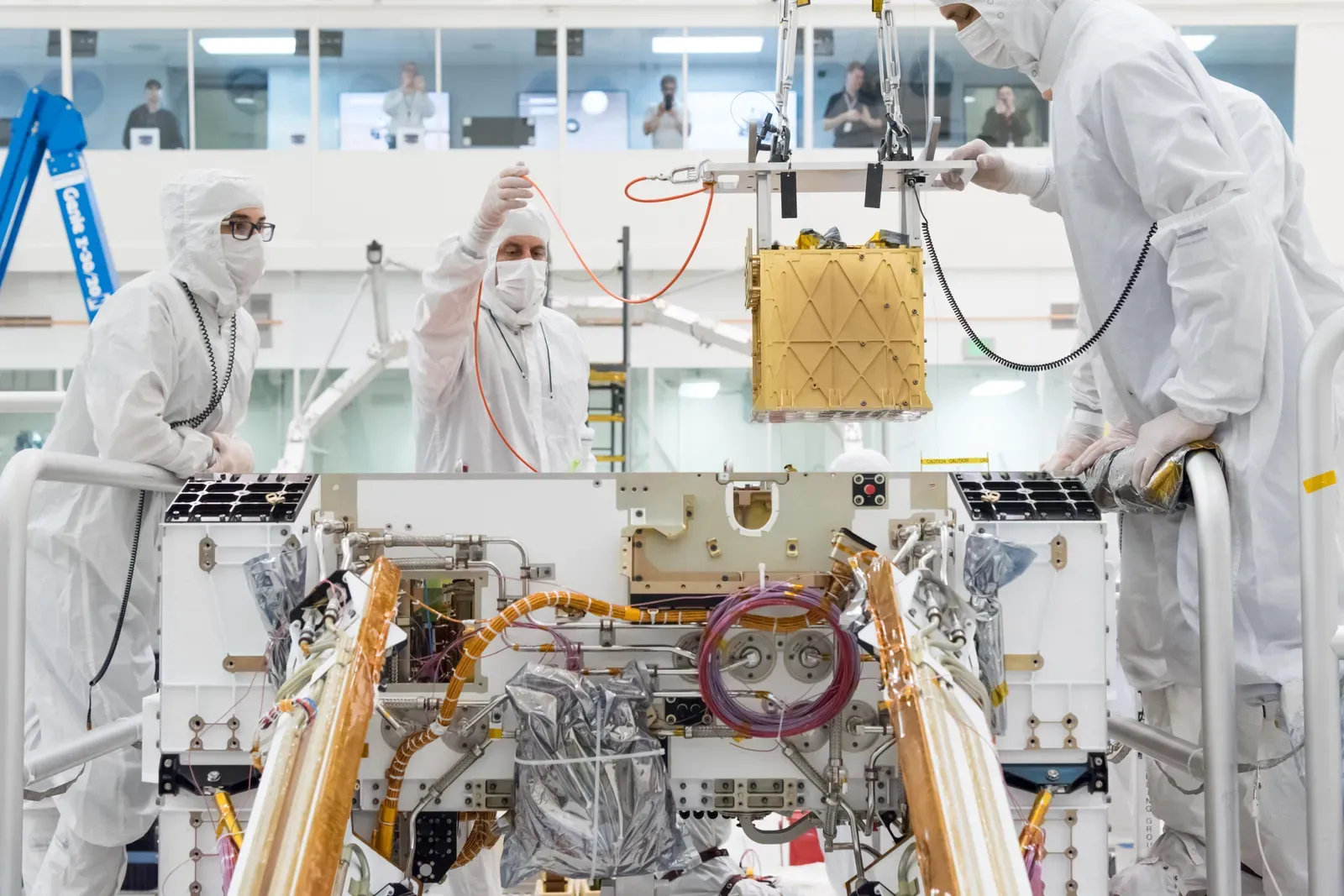
NASA’s MOXIE experiment on the Perseverance rover successfully demonstrated small-scale oxygen production from Martian air. This was a landmark moment. It proved, for the first time in actual Martian conditions, that breathable oxygen could be extracted directly from the planet’s atmosphere. MOXIE used solid oxide electrolysis to split CO2 molecules, producing oxygen and carbon monoxide as a byproduct.
MOXIE produced about 6 grams of oxygen per hour. A single human needs roughly 800 grams per day. Building life support for even a small colony would require massive fuel cell arrays. The gap between proof-of-concept and colony-scale production is wide. Companies and research groups are actively developing ways to extract water from Martian regolith, produce oxygen from the carbon dioxide atmosphere, and eventually manufacture rocket propellant on Mars itself. The direction is clear; the engineering is what takes time.
Gravity: Challenging but Manageable
The surface gravity of Mars is just 38% that of Earth. Although microgravity is known to cause health problems such as muscle loss and bone demineralization, it is not known if Martian gravity would have a similar effect. That uncertainty cuts both ways. Martian gravity is far stronger than the zero-gravity environment of deep space or a space station, which is already known to be damaging over long periods.
With a surface area nearly equal to the total area of dry land on our planet and gravity at 38% of Earth’s, Mars is thought to provide a potentially much more benevolent environment for colonists from Earth compared to any other proximate planet. Mars has about a third of Earth’s gravitational pull, while the Moon has about a sixth. That can pose serious health concerns for astronauts, making Mars the slightly better option when comparing the two most discussed candidates for human settlement.
Natural Shelters and Habitat Construction

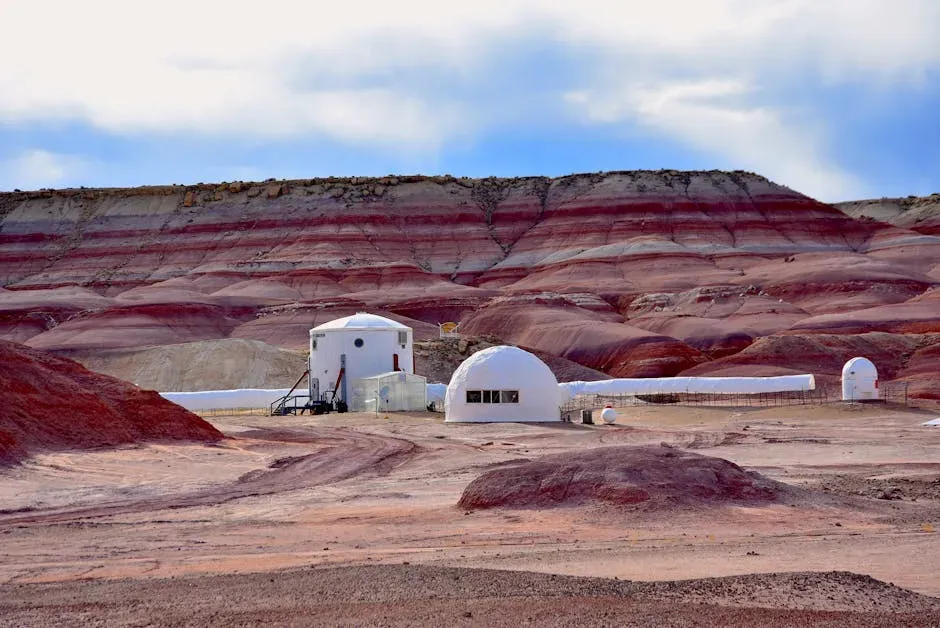
Caves would naturally provide a degree of insulation from Martian hazards for humans on the planet. These hazards include radiation, impactor events, and the wide range in temperatures on the surface. Mars Odyssey found what appear to be natural caves near the volcano Arsia Mons. It has been speculated that settlers could benefit from the shelter that these or similar structures could provide from radiation and micrometeoroids.
A team of researchers presenting at the Geological Society of America Connects 2022 conference identified some 139 caves worth exploring as potential shelters. Each was within 60 miles of a location ideal for use as a landing site and had been imaged in high-resolution by HiRISE. Beyond natural caves, the development of a concrete using sulfur found on Mars is considered essential for constructing durable habitats capable of withstanding Mars’ harsh environment. Martian regolith contains the building blocks needed to construct physical infrastructure without shipping everything from Earth.
SpaceX, NASA, and the Road to Mars
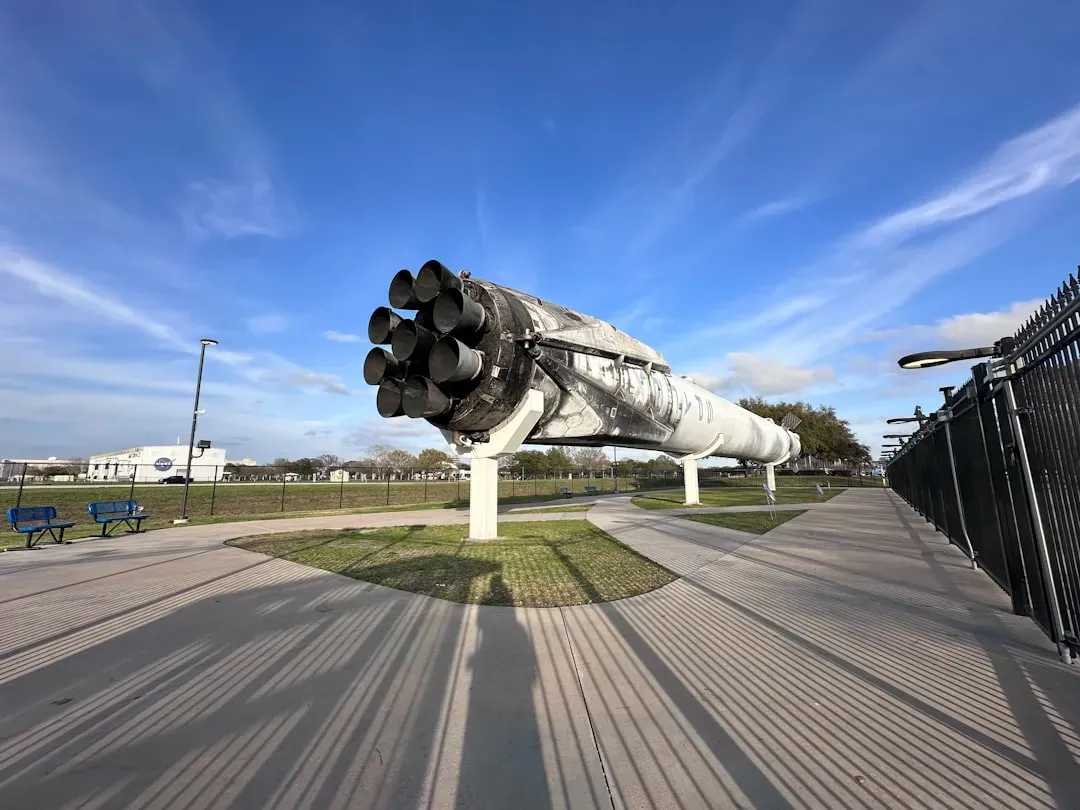
SpaceX has stated that it planned to build a crewed base on Mars which it hoped would grow into a self-sufficient colony. Before any people were transported to Mars, a number of cargo missions would be undertaken to transport equipment, habitats, and supplies. Equipment would include machines to produce fertilizer, methane, and oxygen from Mars’ atmospheric nitrogen and carbon dioxide and the planet’s subsurface water ice.
In February 2026, SpaceX announced it was delaying Mars missions by roughly five to seven years to focus on lunar missions. The shift reflects both the technical challenges Starship continues to face, particularly around in-orbit refueling, and the strategic importance of the NASA Artemis program. The first Starship Mars flight is now likely in the early to mid 2030s rather than 2026 or 2027. NASA has outlined plans for a manned mission to Mars, aiming for the 2030s or early 2040s, to set the groundwork for future colonization. The timelines keep shifting, but the direction has not changed.
Astrobiology and the Scientific Argument
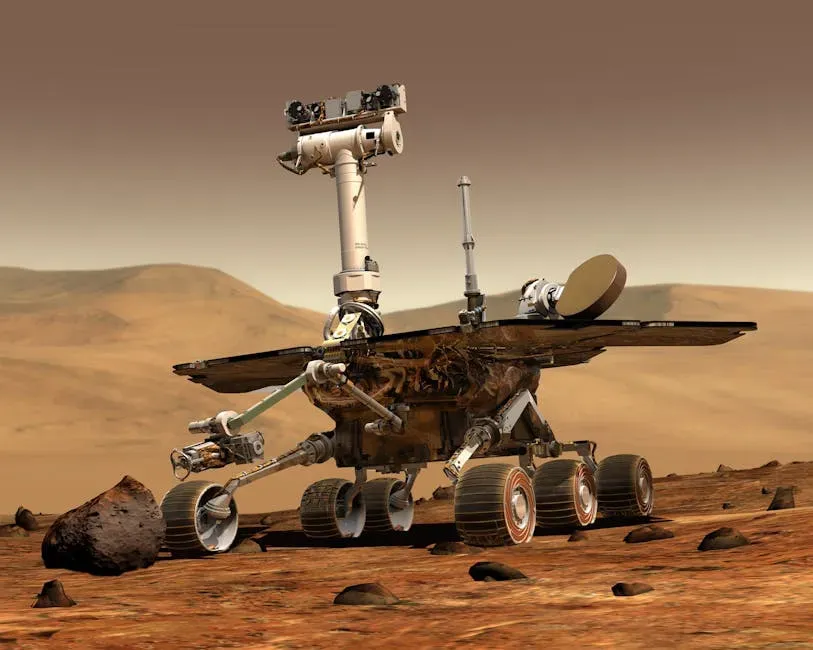
In September 2025, NASA announced that the Perseverance Mars rover had found a rock that “contains potential biosignatures,” calling it the closest we’ve actually come to discovering ancient life on Mars. Whether or not ancient life existed there, the scientific significance of Mars is hard to overstate. NASA missions have found lots of evidence that Mars was much wetter and warmer, with a thicker atmosphere, billions of years ago.
NASA studies indicate that Mars might have had a more habitable environment millions of years ago. This research points to geological features like riverbeds and mineral formations to suggest the presence of liquid water, which, combined with a thicker atmosphere, could have created conditions suitable for life. Understanding Mars’s past climate is not just a scientific exercise. It tells us something essential about planetary habitability, and about what a future Martian civilization would be rebuilding on top of.
The Bigger Picture: Humanity’s Long-Term Survival
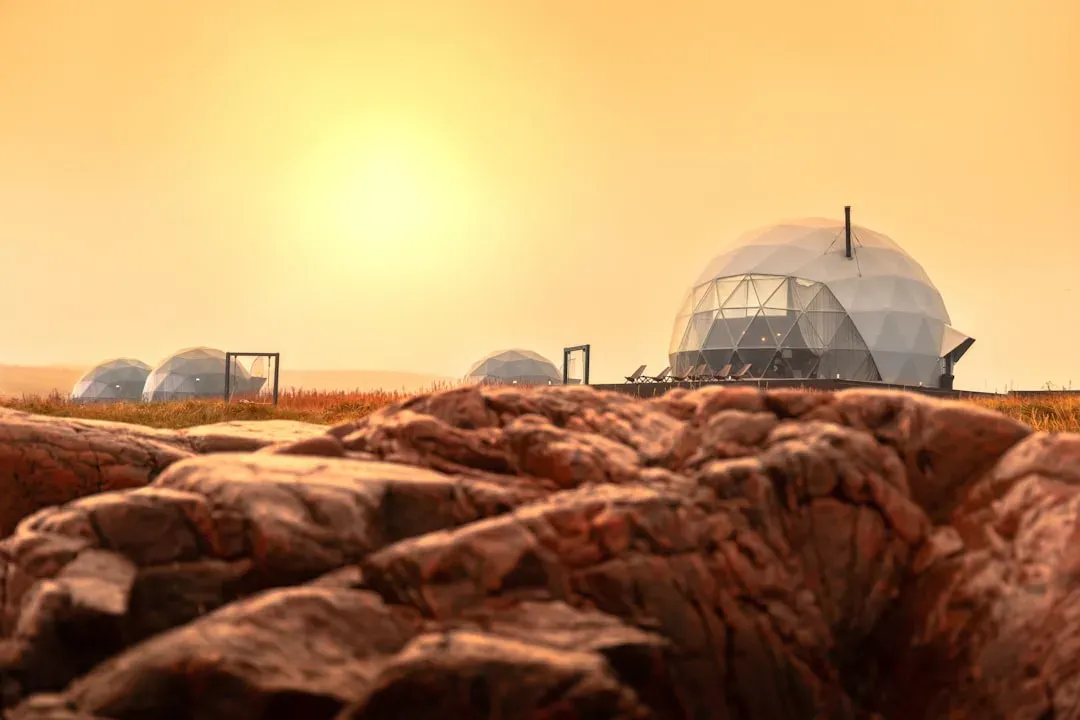
Justifications and motivations for colonizing Mars include technological curiosity, the opportunity to conduct in-depth observational research, the possibility that the settlement of other planets could decrease the probability of human extinction, the interest in establishing a colony independent of Earth, and the potential benefits of economic exploitation of the planet’s resources. These motivations are not all equally urgent, but together they form a compelling argument for choosing Mars above all other options.
A phased approach to colonization is proposed, starting with unmanned missions for initial resource assessment, followed by short-term manned missions, and eventually leading to the establishment of a self-sustaining human settlement over several decades. The planet Mars happens to lie within the habitable zone of the solar system. It is the only such planet, outside of Earth. That single fact, geological proximity, available resources, and a day cycle almost identical to ours, is why the conversation about multi-planetary human life always returns to the same red dot in the night sky.
