


- 7 Simple Changes That Can Lower a Family’s Water Consumption - August 24, 2026
- The Coldest State in America Isn’t Alaska Every Winter – Here’s Who Sometimes Takes the Crown - August 24, 2026
- 6 Simple Gardening Choices That Support Local Wildlife - August 24, 2026
1. Fix leaks before they become expensive habits
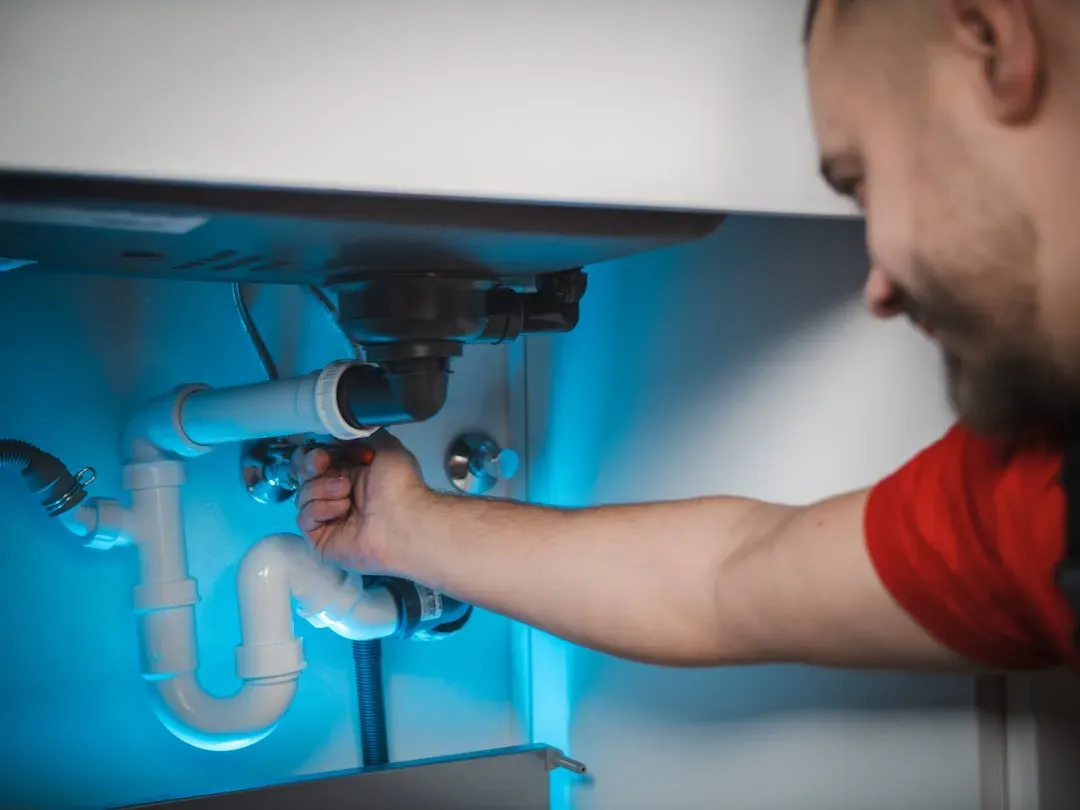
A dripping faucet or a toilet that runs longer than it should feels like a minor annoyance, but the volume adds up quickly. Reviewing a water bill to check usage from recent months can reveal whether a family of four is using more than 12,000 gallons a month, which often signals a hidden leak. Checking under sinks, around tub spouts, and at outdoor hose bibs for drips or puddles is a simple first step toward catching problems early.
Toilets are frequent offenders since a faulty flapper can leak silently for months. A basic test involves adding food coloring to the tank and waiting without flushing; colored water appearing in the bowl confirms a leak that’s worth repairing right away. Since the EPA runs an annual Fix a Leak Week campaign each March, it’s become a useful yearly reminder for households to walk through their home and address small drips before they turn into a real drain on the water bill.
2. Swap old showerheads for WaterSense-labeled models
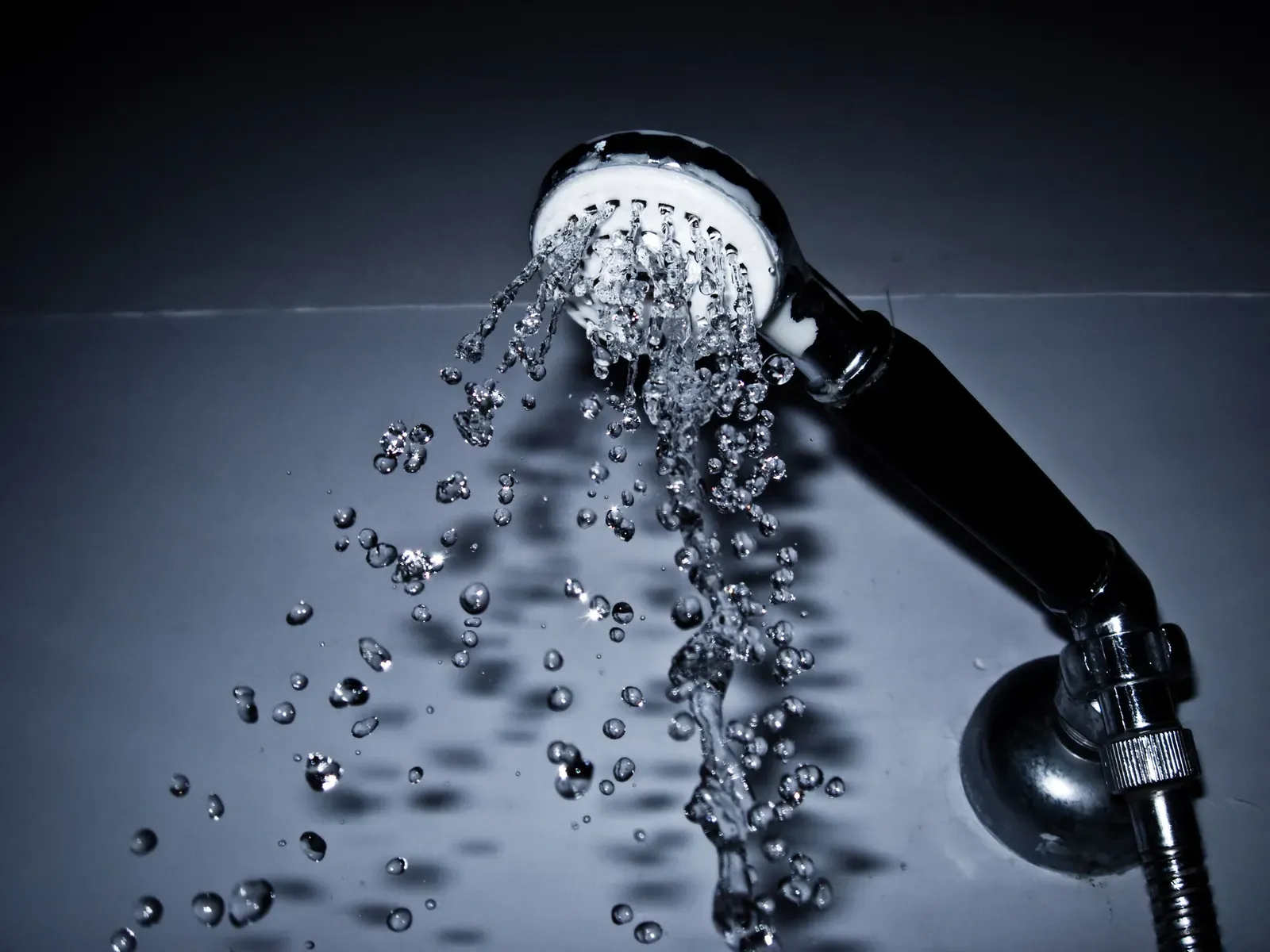
Showers account for a substantial chunk of indoor water use, and the fixture itself makes a real difference. Standard showerheads use 2.5 gallons of water per minute, while WaterSense-labeled models use no more than 2.0 gallons per minute. That half-gallon difference sounds small in the moment but compounds across every shower a family takes throughout the year.
According to EPA figures, replacing showerheads with WaterSense labeled models can reduce the average family’s water and electricity costs by $70 and can save the average family more than 2,700 gallons of water per year. Installation typically takes only a few minutes with basic tools, making it one of the easiest upgrades on this list for renters and homeowners alike.
3. Upgrade toilets to water-efficient models
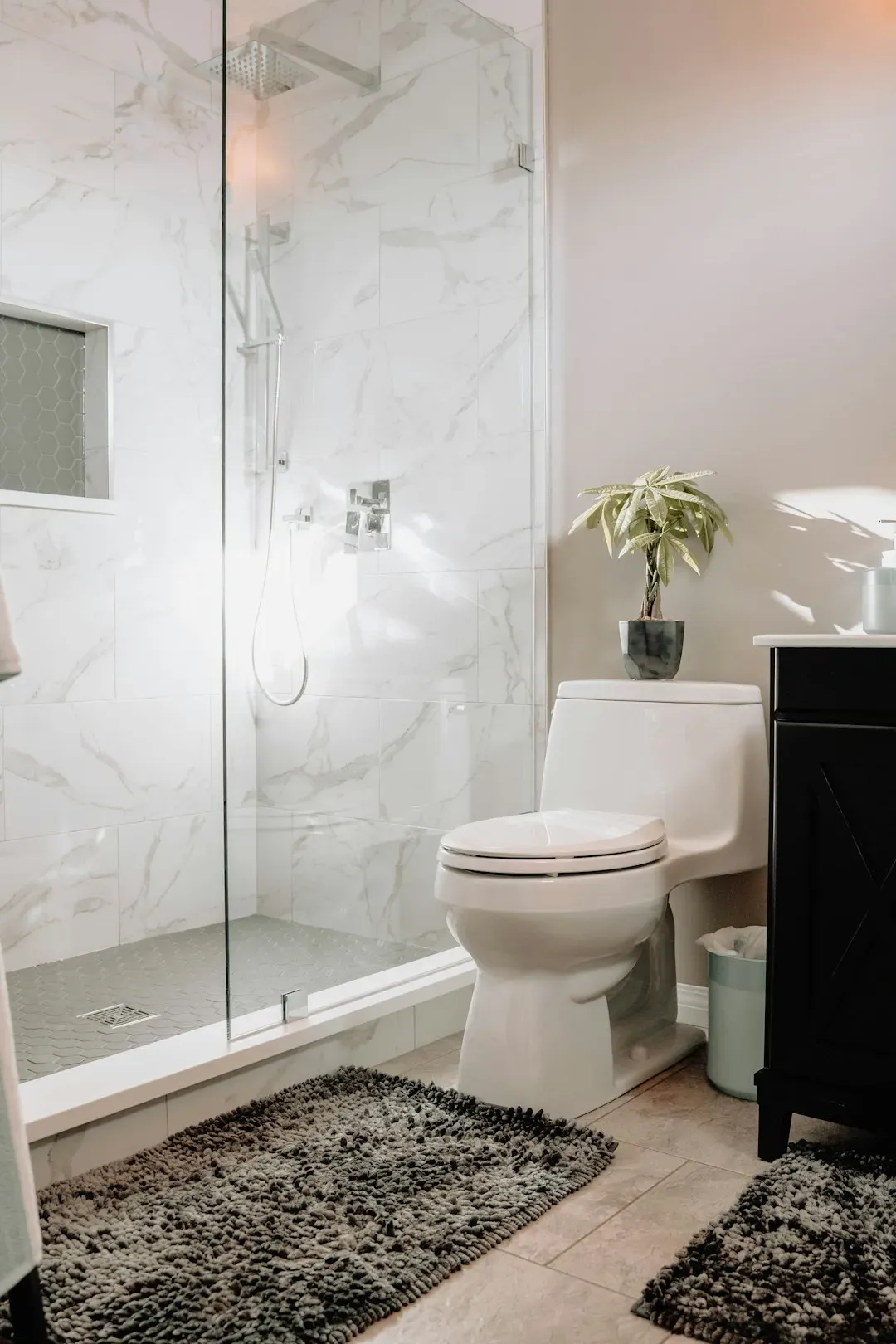
Bathrooms carry an outsized share of household water use, and toilets are usually the biggest single contributor within that space. Bathrooms are the largest use of water in the home, using more than 50 percent of all indoor water. Older toilets built before the mid-1990s often use far more water per flush than current models, which makes them a prime target for replacement.
The savings from switching are well documented. The average family can save 13,000 gallons of water and $130 in water costs per year by replacing all old, inefficient toilets in their home with WaterSense labeled models. For families still using decades-old fixtures, this single change often produces the largest visible drop in monthly water use.
4. Only run dishwashers and washing machines when full
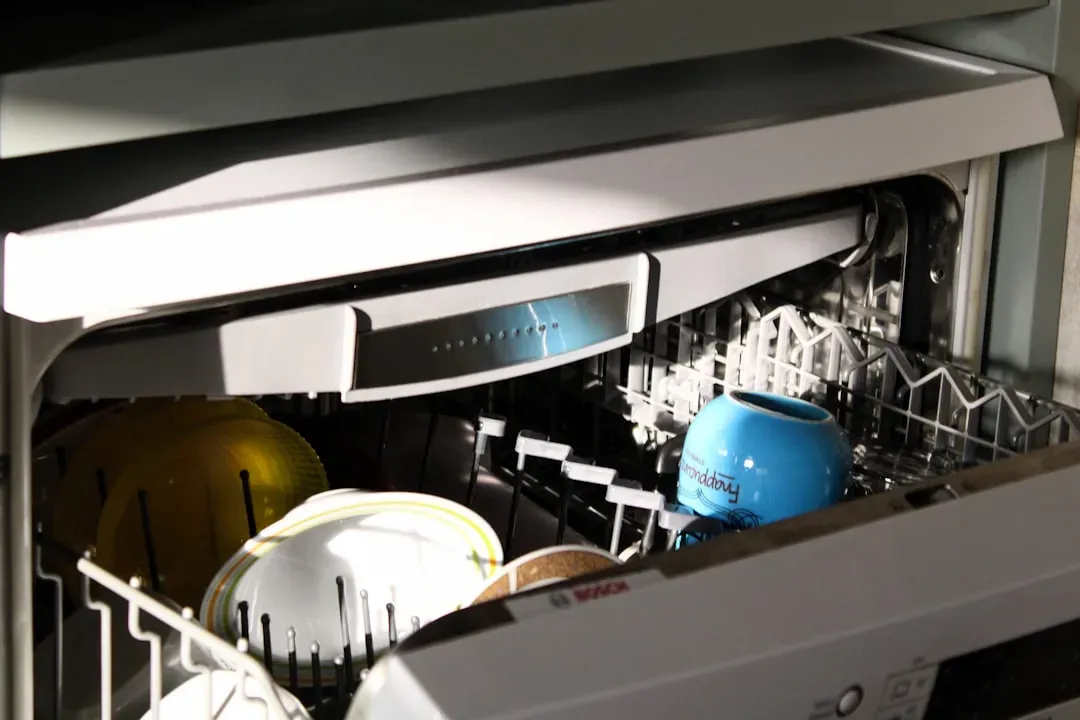
It’s tempting to run the dishwasher after a light dinner or toss a half-load of laundry in before work, but partial loads waste water without much added convenience. Running the dishwasher only when it’s full can eliminate one load of dishes per week and save the average family nearly 320 gallons of water annually. The same logic applies to washing machines, where waiting for a full load rather than running several partial ones cuts down on both water and energy use.
Modern washing machines and dishwashers, particularly ENERGY STAR certified models, are also simply more efficient than units from ten or fifteen years ago. Pairing efficient appliances with fuller loads creates a compounding effect, since less water is wasted per cycle and fewer cycles are needed overall. Families who batch laundry and dishes strategically often notice the difference reflected in both their water and utility bills.
5. Replace old faucets and aerators
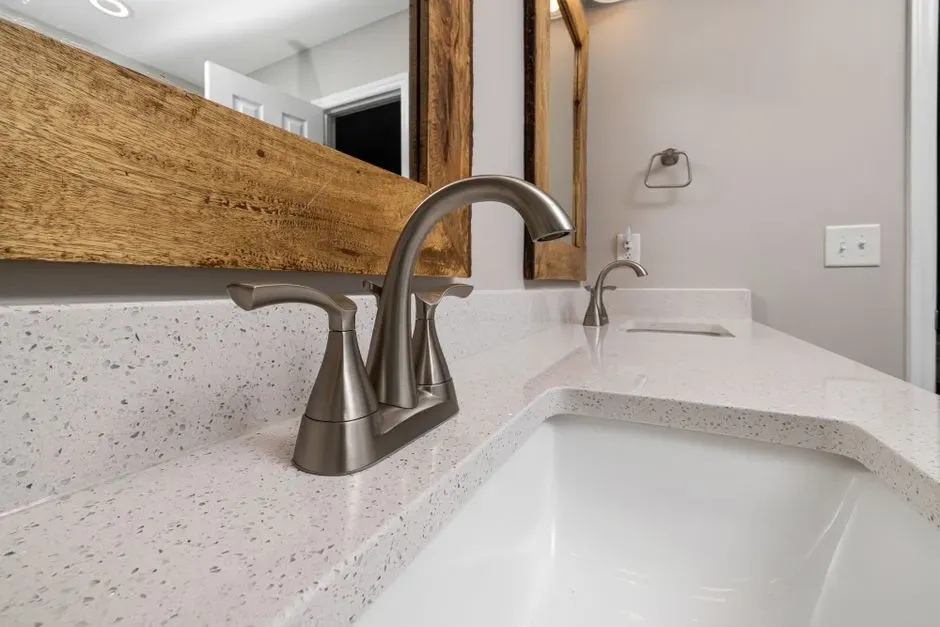
Kitchen and bathroom faucets get used dozens of times a day, so their efficiency matters more than people tend to assume. WaterSense-labeled faucets, or aerators that can be installed on existing bathroom faucets, are about 30 percent more efficient than standard faucets while still providing sufficient flow. That efficiency gain doesn’t come at the cost of usability, since the water pressure still feels normal to most users.
Financially, the change is straightforward to justify. Replacing old, inefficient bathroom faucets and aerators with WaterSense labeled models can save the average family $250 in water and electricity costs over the faucets’ lifetime. Aerators in particular are inexpensive, often costing just a few dollars each, and can be screwed onto existing faucets without hiring a plumber.
6. Adjust outdoor irrigation and lawn watering habits
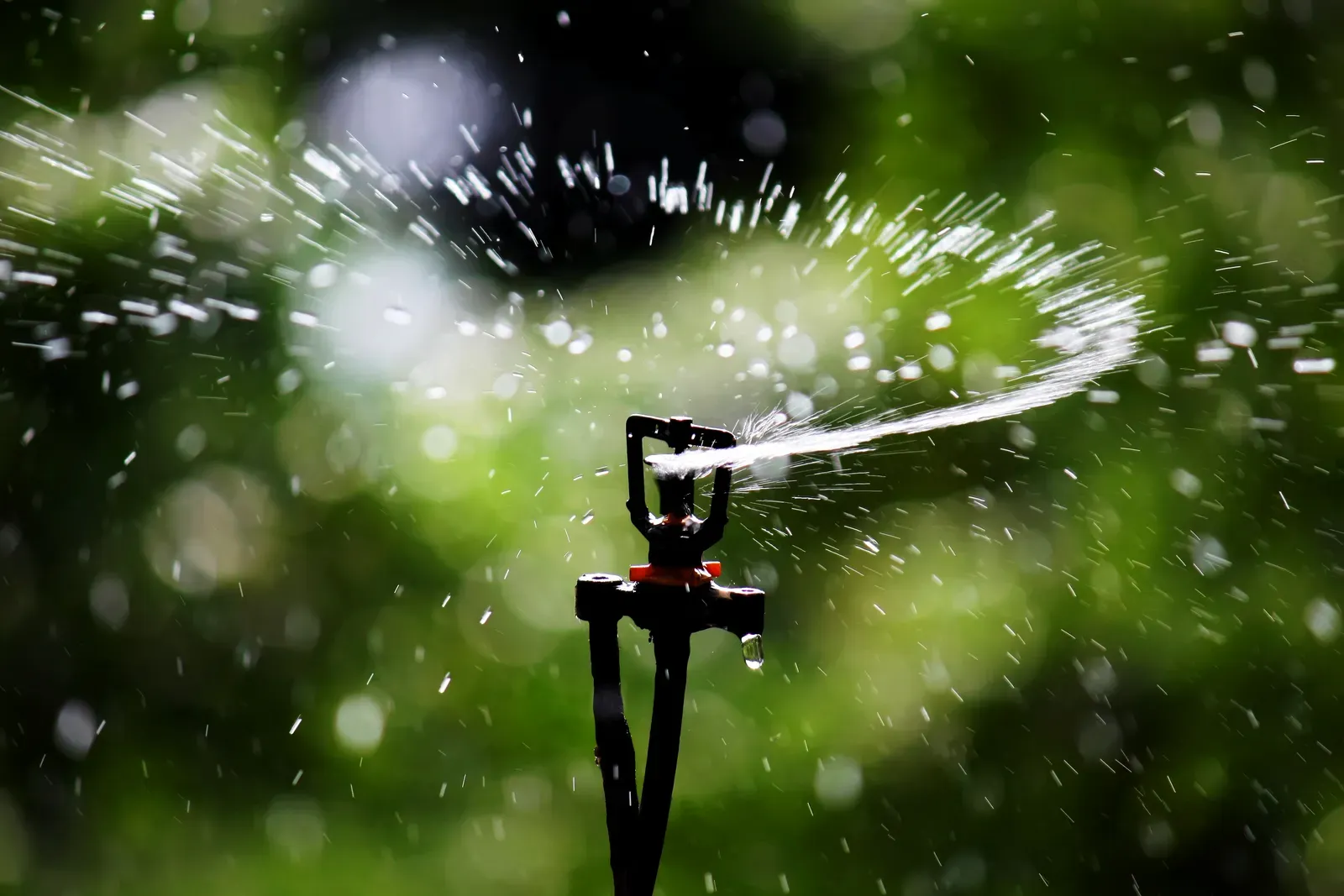
Yards and gardens can quietly consume more water than everything indoors combined, especially during warmer months. Nationally, outdoor water use accounts for 30 percent of household use, yet it can be much higher in drier parts of the country and in more water-intensive landscapes. Poorly timed or excessive watering doesn’t just waste resources, it often fails to actually help the lawn, since much of that water evaporates or runs off before plants can absorb it.
The scale of the waste from mismanaged irrigation systems is notable. As much as 50 percent of the water used outdoors is lost due to wind, evaporation, and runoff caused by inefficient irrigation methods, and a household with an automatic landscape irrigation system that isn’t properly maintained can waste up to 25,000 gallons of water annually. Simple fixes, like watering early in the morning, adjusting sprinkler heads so they don’t spray sidewalks, and using a WaterSense labeled irrigation controller, can meaningfully reduce that loss without sacrificing a healthy lawn.
7. Shorten showers and be mindful of daily water rituals
Beyond fixtures and appliances, plain behavior still matters. Shaving even a couple of minutes off a daily shower, turning off the tap while brushing teeth or scrubbing dishes, and running the tap only when actually rinsing something all add up over a week. These habits cost nothing to adopt and don’t require any purchase or installation.
Context helps explain why these small choices matter at scale. Despite the water supply and infrastructure challenges faced by many communities across the US, each American uses an average of 82 gallons of water each day at home. Since water managers in at least 40 states expect local, statewide, or regional water shortages to occur over the next several years, individual habits, multiplied across millions of households, genuinely factor into regional water availability rather than being a purely personal or financial concern. None of these seven changes require dramatic lifestyle shifts or major expense. Fixing leaks costs nothing but attention. Swapping a showerhead or faucet aerator takes an afternoon and a modest investment. Adjusting laundry, dishwashing, and irrigation habits is simply a matter of routine. Together, these adjustments can meaningfully reduce a family’s water bill while easing pressure on local water systems that, in many parts of the country, are already stretched thin.
