

- Space-Based Solar Power Could Beam Energy To Earth. How Close Is It To Reality? - November 19, 2026
- 6 Outdated Storm Habits That Alarm Emergency Experts When They Still See Them - November 19, 2026
- Food Waste Makes Up A Large Share Of Landfills. Here’s What Happens To It There - November 19, 2026
A banana peel tossed in a kitchen bin seems to disappear. In a landfill, it does something different from what most people picture. It doesn’t simply rot away like a leaf on a forest floor.
What happens to buried food depends on oxygen, timing, and the gas systems built around it. The research from the last few years offers a fairly clear picture, along with a few caveats worth knowing.
Food Is the Largest Single Material Buried
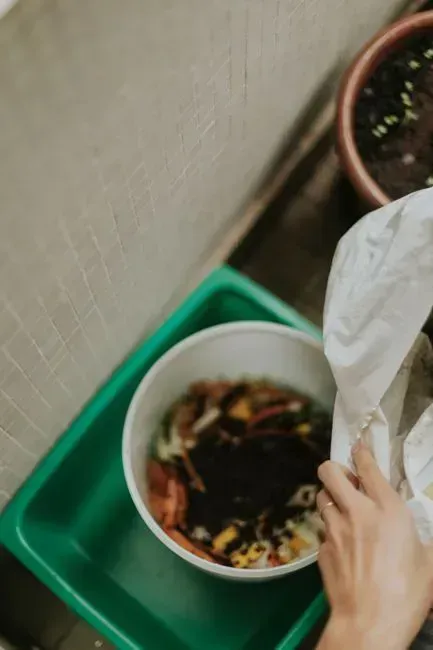
Among everything that ends up in American landfills, food leads the list. Food waste makes up about a quarter of the municipal solid waste disposed of in landfills. That puts it ahead of paper, plastics, and yard trimmings by weight.
The EPA’s own research notes that more food reaches municipal landfills than any other material. Until recently, though, its effect on landfill emissions hadn’t been measured directly. That gap closed in 2023, and the findings still shape most discussions today.
Why Burying Food Changes How It Breaks Down
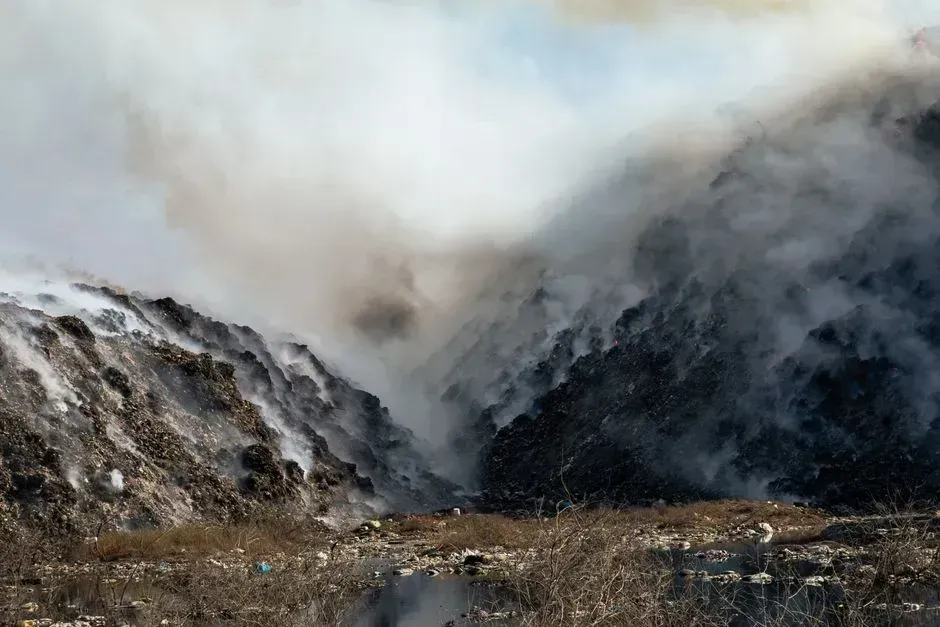
On a compost pile, air reaches the material and microbes that need oxygen do most of the work. A landfill is a different environment. Waste is compacted and covered, so oxygen runs out fast.
Once that happens, decomposition becomes anaerobic and methane is produced. The food doesn’t vanish. It slowly turns into gas, liquid, and a residue that stays in the ground.
What Landfill Gas Is Made Of
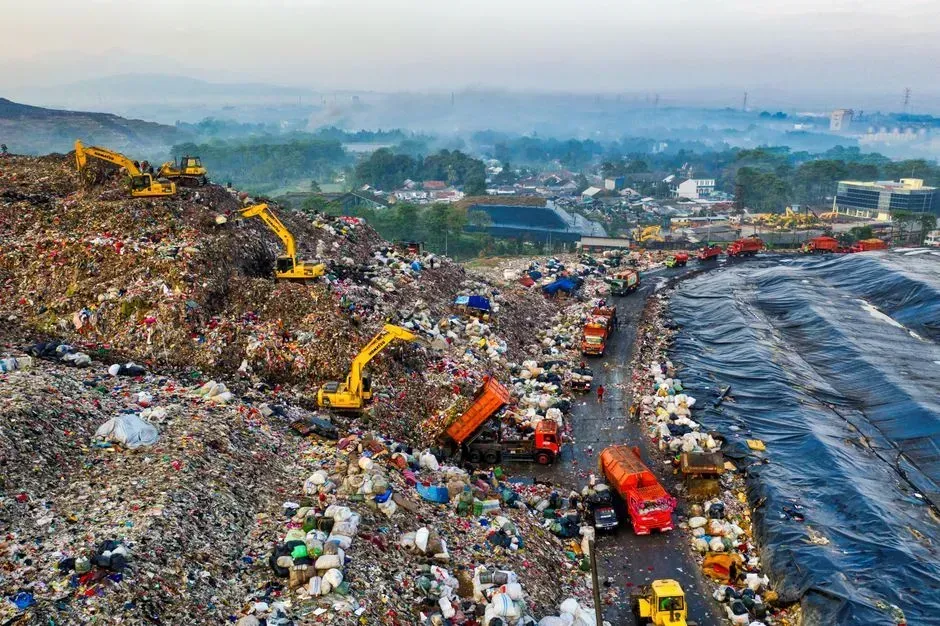
The gas that results has a fairly predictable makeup. Landfill gas is roughly half methane and half carbon dioxide. Both are greenhouse gases, but methane is the more potent of the two over shorter timeframes.
That’s why landfills draw so much attention from climate regulators. Municipal solid waste landfills are the third largest source of human caused methane emissions in the United States. Food is only one of several organic materials involved, yet it plays an outsized part.
Fast Decay Is the Problem
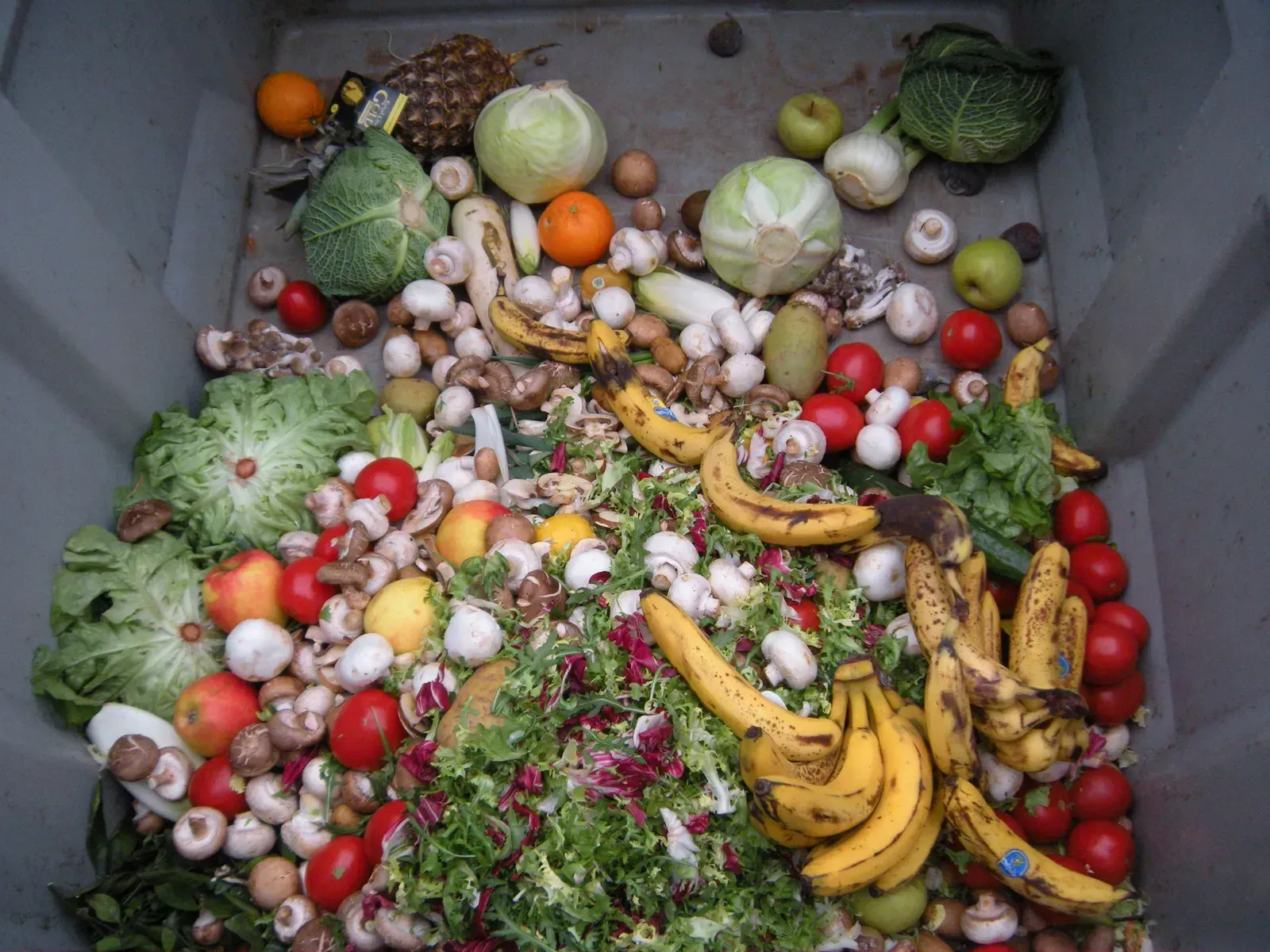
Food breaks down quickly compared with wood, paper, or plastic. Because of its quick decay rate, food waste in landfills contributes more methane than any other landfilled material. Much of the gas forms early in a landfill’s life.
Timing matters here. Most food scraps have significantly decomposed before landfill gas capture systems reach them, which explains why food’s share of emissions is so much larger than its share of the waste. Another source adds that food can begin generating methane before gas collection systems are fully operating.
A Small Share of Waste, a Large Share of Methane
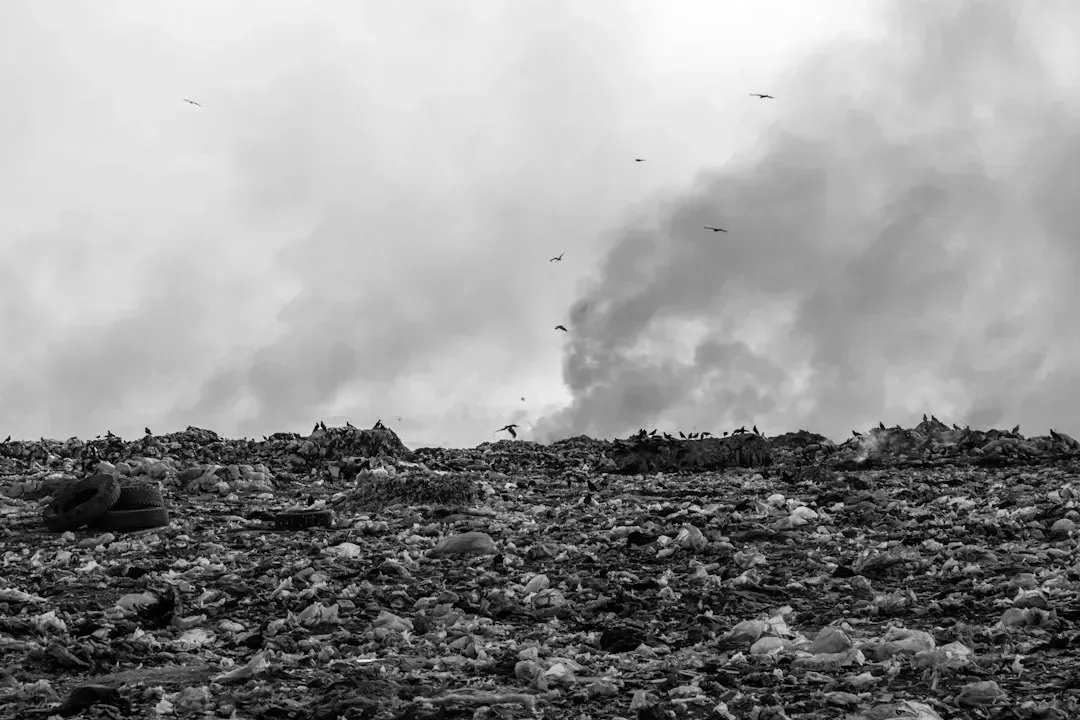
The EPA’s 2023 analysis put numbers on this mismatch. It found that well over half of the fugitive methane emissions from municipal landfills, about 58 percent, come from food waste. Food accounts for only about a quarter of what goes in.
The report’s authors described the effect as outsized. In other words, a ton of food does far more climate damage in a landfill than a ton of most other things. That is why food has become the focus of landfill diversion policy.
Gas Collection Doesn’t Catch Everything
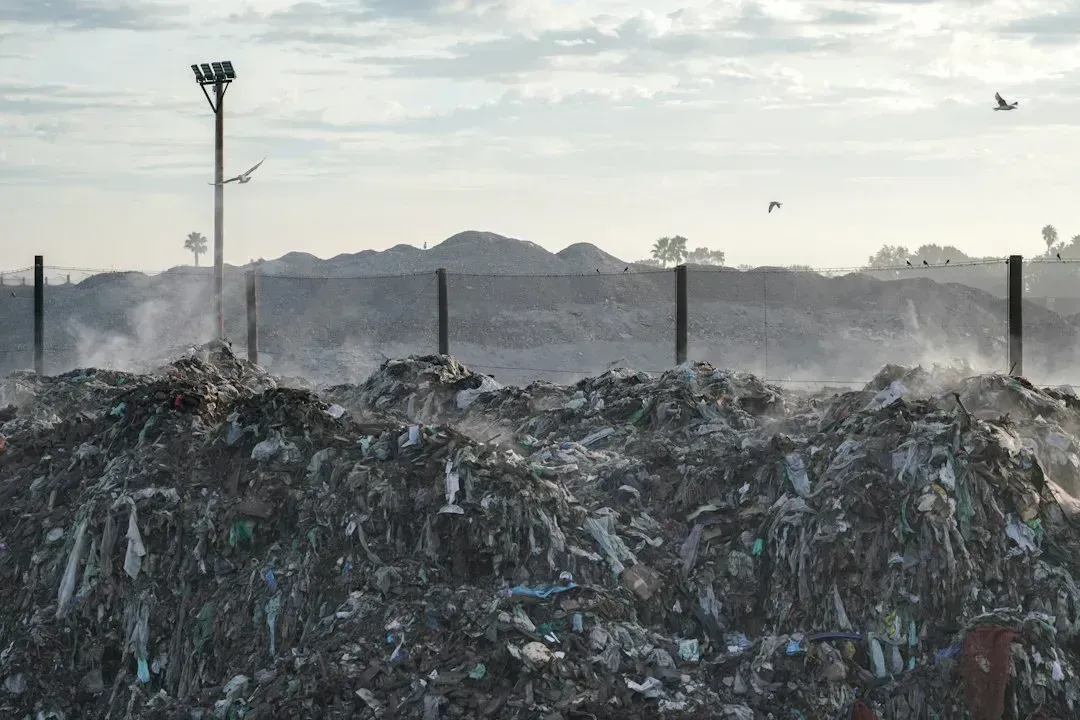
Many landfills do capture methane, burning it in flares or using it for energy. It’s a useful system, but it has limits. An estimated 61 percent of methane generated by landfilled food waste is not captured and escapes into the atmosphere.
That’s roughly three fifths of the gas escaping despite the equipment. Part of the reason is the timing problem described earlier. Gas that forms before collection wells are installed, or through cover soil and gaps, goes uncaptured.
Total Landfill Methane Fell, Food’s Share Grew
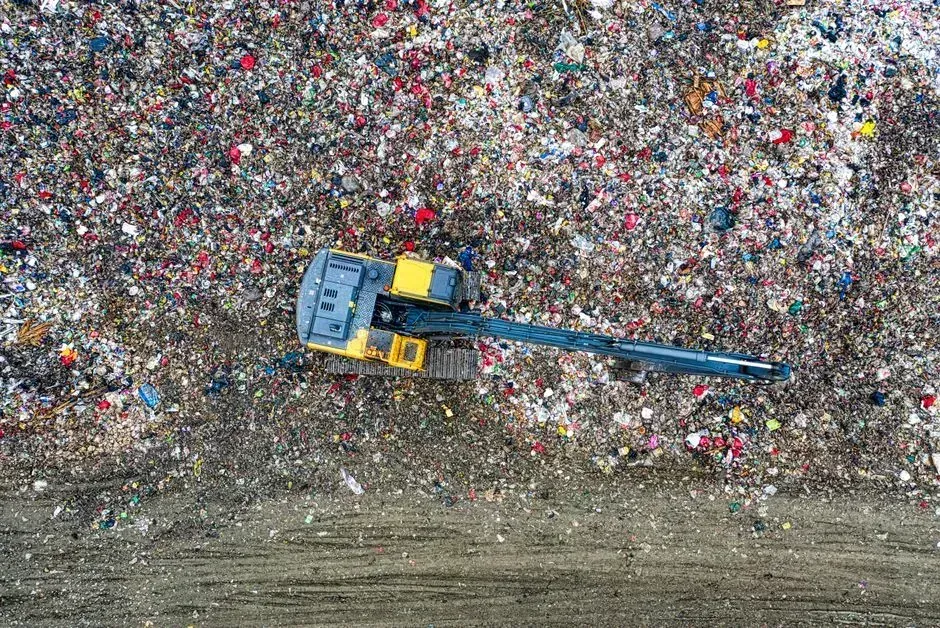
Better gas collection has helped overall. From 1990 to 2020, total methane emissions from landfills declined by 43 percent, while methane from landfilled food waste rose by 295 percent. In plain terms, the food related portion nearly quadrupled while the total shrank.
The EPA attributes the drop in total emissions to improvements in landfill gas collection systems. Food waste volumes kept growing, though, and they pushed the other way.
What the Most Recent Surplus Food Figures Show
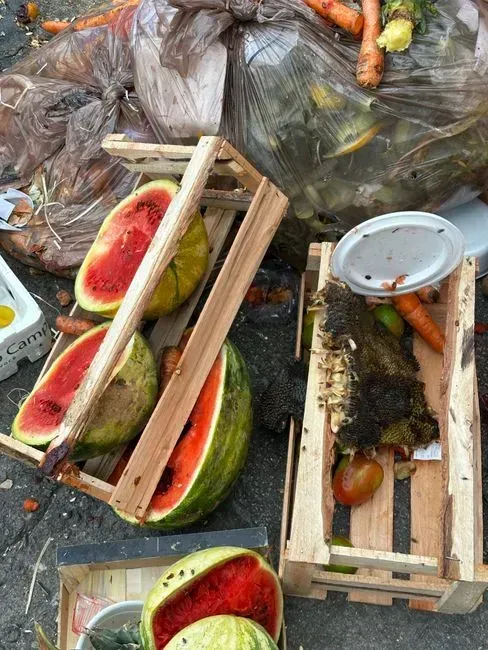
More recent numbers come from the nonprofit ReFED. Its analysis found that 23 million tons of surplus food were sent to landfill in 2024, releasing over 600,000 metric tons of methane. That figure covers a broader category than the EPA’s food waste definition.
For that reason, the two sets of numbers shouldn’t be directly compared. One 2026 review points out that surplus food estimates are more recent but use a broader definition, while the EPA’s methane figures describe a specific U.S. landfill system and model period. Both are useful, and they answer slightly different questions.
What Keeping Food Out of Landfills Achieves

Diversion is the most direct lever. EPA research indicates that diverting food waste from landfill reduces methane generation potential by 33 percent. That is a reduction of about one third.
The EPA has also built a tool for this purpose. It’s a calculator that estimates the methane emissions reductions per ton of food waste that doesn’t go to landfill. Composting, anaerobic digestion, and preventing waste in the first place all feed into those estimates, though the EPA’s analysis is based on modeled U.S. conditions rather than measurements at every site.
What the Data Doesn’t Settle
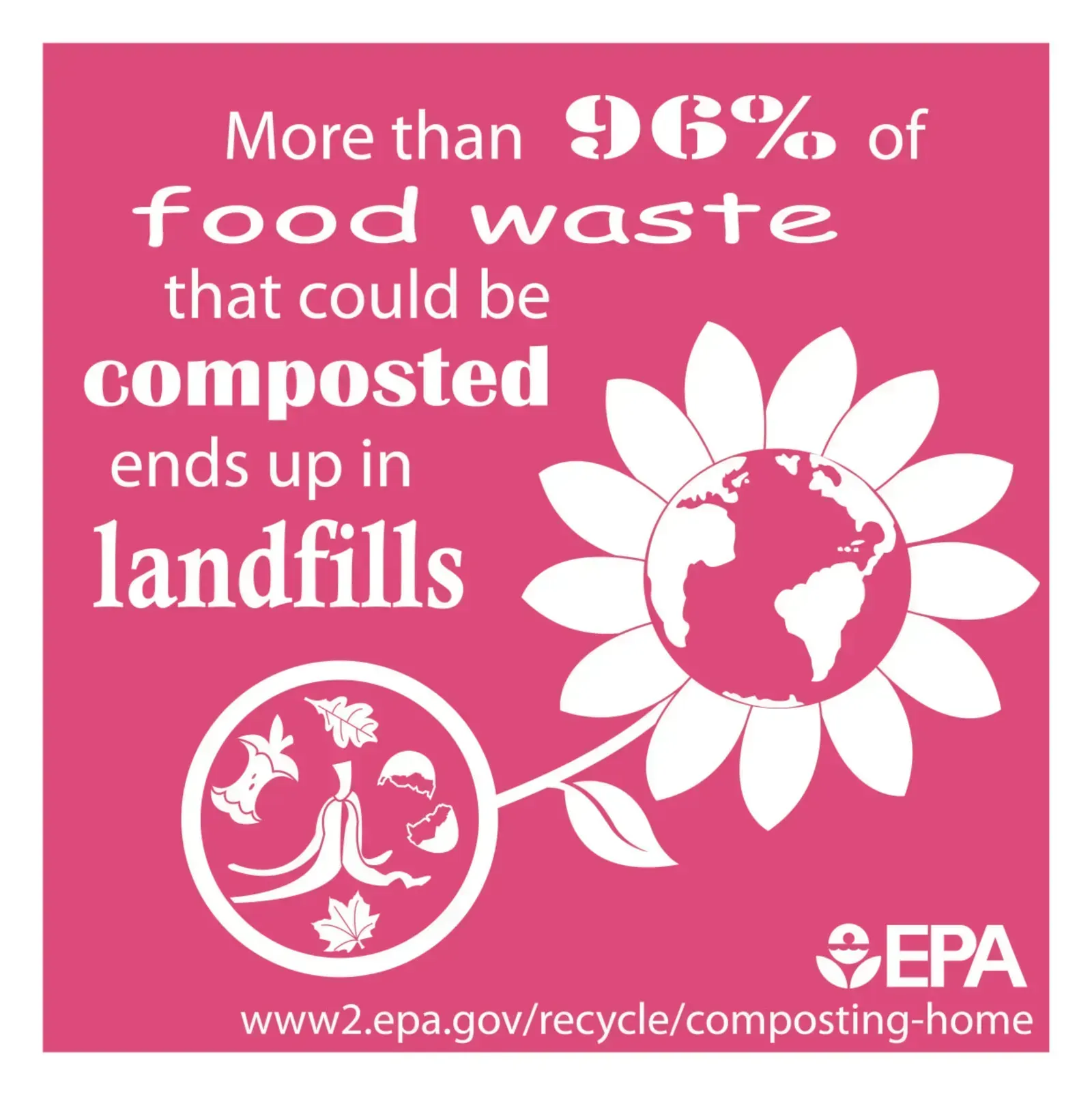
The central EPA study models emissions through 2020, so it doesn’t capture every change in landfill practice since. Individual landfills also vary widely in design, climate, and how quickly they installed gas collection. National averages smooth over those differences.
What holds across the sources is the core pattern. Food is the largest material by weight in U.S. landfills, it breaks down quickly without oxygen, and a large portion of the methane it generates still escapes into the air.
