


- If Your Grandmother Grew Up Reusing Everything, You’ll Recognize These 8 Habits - September 5, 2026
- If You Notice These 7 Things in the Night Sky, Here’s What You’re Probably Seeing - September 5, 2026
- 12 Things People Who Grew Up With Less Waste Still Do Automatically - September 5, 2026
1. Saving glass jars and containers for everything
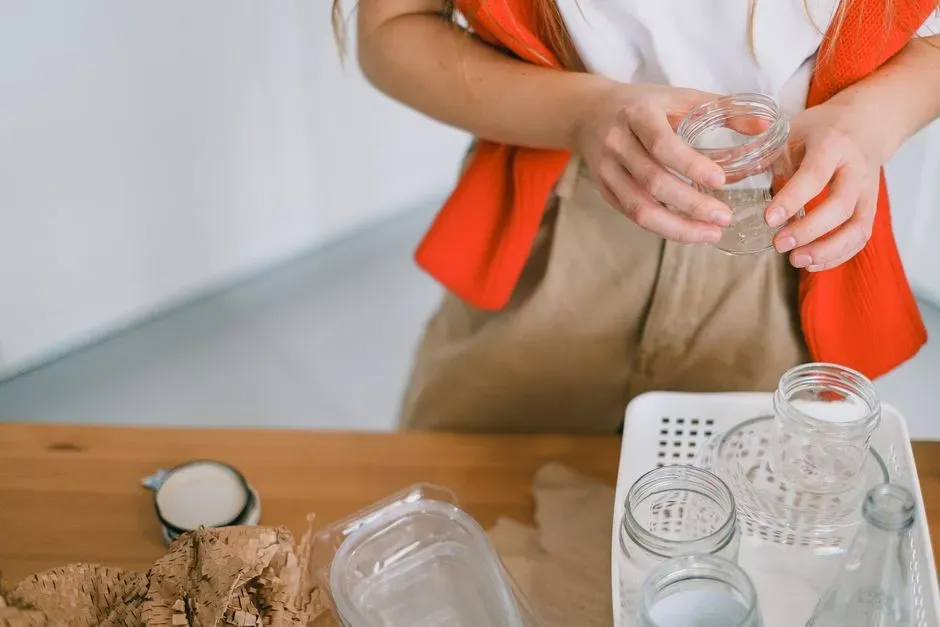
Peanut butter jars, pickle jars, and old coffee tins rarely made it to the trash in these households. They got washed, dried, and repurposed as storage for buttons, spare change, leftover soup, dry beans, or homemade jam. It wasn’t unusual to open a kitchen cabinet and find a small museum of mismatched glass containers, each one holding something useful.
This habit has resurfaced as more people try to reduce single use plastic in their kitchens. Reusing glass jars cuts down on the need for new storage purchases and keeps packaging out of landfills a little longer. Many home organizing accounts now actively recommend this exact practice, essentially rediscovering what grandmothers already knew.
2. Mending clothes instead of replacing them
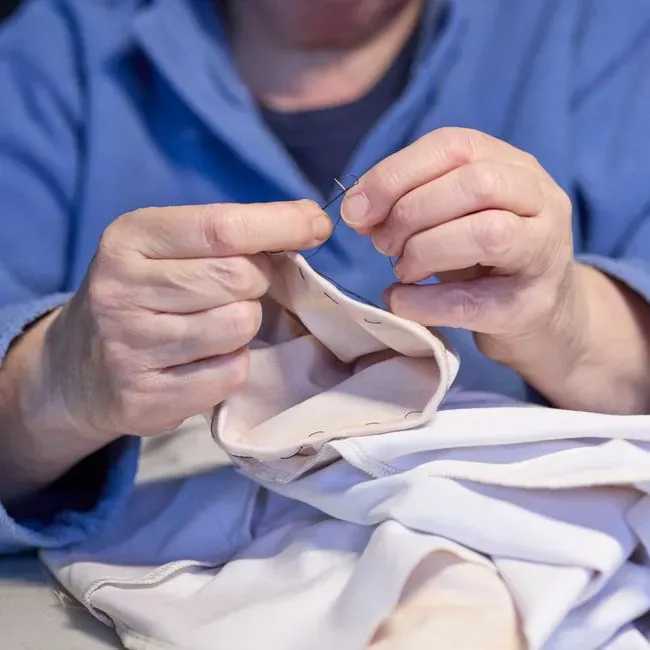
A sewing kit sat within arm’s reach in most of these homes, ready for the moment a button popped off or a hem came loose. Darning socks, patching knees on trousers, and turning worn sheets into cleaning rags were routine weekend tasks rather than special projects. Clothing was expected to last for years, and repair was simply part of ownership.
The fast fashion era pushed this skill to the margins for decades, but interest in mending has climbed again as clothing waste draws more scrutiny. Visible mending, where repairs are shown off rather than hidden, has become its own small trend on social media and in craft communities. It’s essentially the same habit grandmothers practiced out of necessity, just with a new name and a different motivation.
3. Saving bits of soap and combining them

Rather than tossing a sliver of soap once it got too small to hold comfortably, these households pressed the remnants together into a new bar or dropped them into a mesh pouch for one last use in the shower or at the sink. Wax paper wrapping meant soap stayed usable far longer than it would have otherwise. Nothing with even a little life left in it was considered finished.
This particular habit hasn’t made a big comeback commercially, but plenty of people still do it out of simple frugality or environmental awareness. It costs nothing, takes only a minute, and stretches a household budget in a small but steady way. It’s one of those tiny rituals that quietly outlasted the generation that started it.
4. Reusing wrapping paper and ribbon

Gift wrap in these homes was carefully unwrapped rather than torn, folded flat, and tucked away for the next birthday or holiday. Ribbons got smoothed out and rewound. Even greeting cards sometimes got cut down and repurposed as gift tags or bookmarks the following year.
Given that wrapping paper and packaging make up a noticeable share of household waste during the holiday season each year, this old habit lines up neatly with current sustainability advice. Many gift wrap alternatives promoted today, including reusable fabric wraps and saved paper, echo exactly what grandmothers were doing decades ago without any environmental messaging attached. It was simply the sensible thing to do at the time.
5. Cooking with leftovers as the default, not the exception

Leftover night wasn’t an afterthought in these kitchens, it was practically a scheduled event. Vegetable scraps went into stock pots, stale bread turned into puddings or croutons, and yesterday’s roast became today’s sandwich filling or soup base. Very little food was considered truly finished until every usable part had been worked through.
Food waste remains a significant issue today, with a large portion of what households throw away being food that could have been eaten or repurposed. The renewed interest in “root to stem” cooking and zero waste kitchens is, in many ways, just a rediscovery of what thrifty grandmothers were doing as a matter of course. The techniques are the same, only the branding has changed.
6. Turning old towels and sheets into cleaning rags
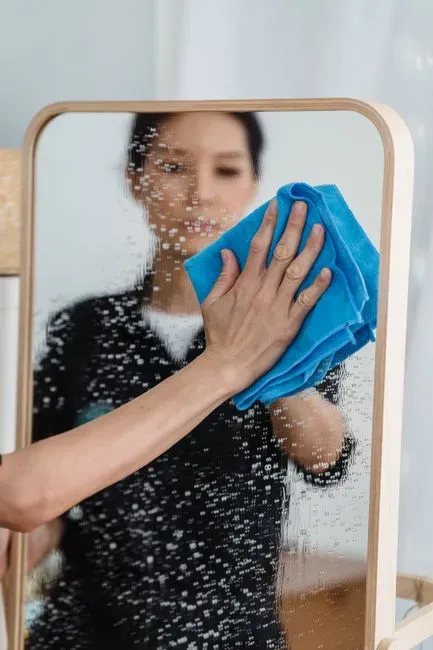
Once a towel got too thin or a bedsheet developed one too many holes, it didn’t get thrown out. It got cut into squares and became the household’s supply of dust rags, dish cloths, or car cleaning towels. This meant almost nothing made of fabric truly left the house until it had served multiple lives.
Paper towel usage has become a target for waste reduction efforts in recent years, and reusable cloth rags are frequently suggested as a simple substitute. Households that still keep a rag drawer stocked from old linens are essentially running a system grandmothers set up generations ago. It’s low effort, costs nothing extra, and reduces the steady stream of disposable paper products many kitchens go through.
7. Repairing appliances and tools rather than tossing them
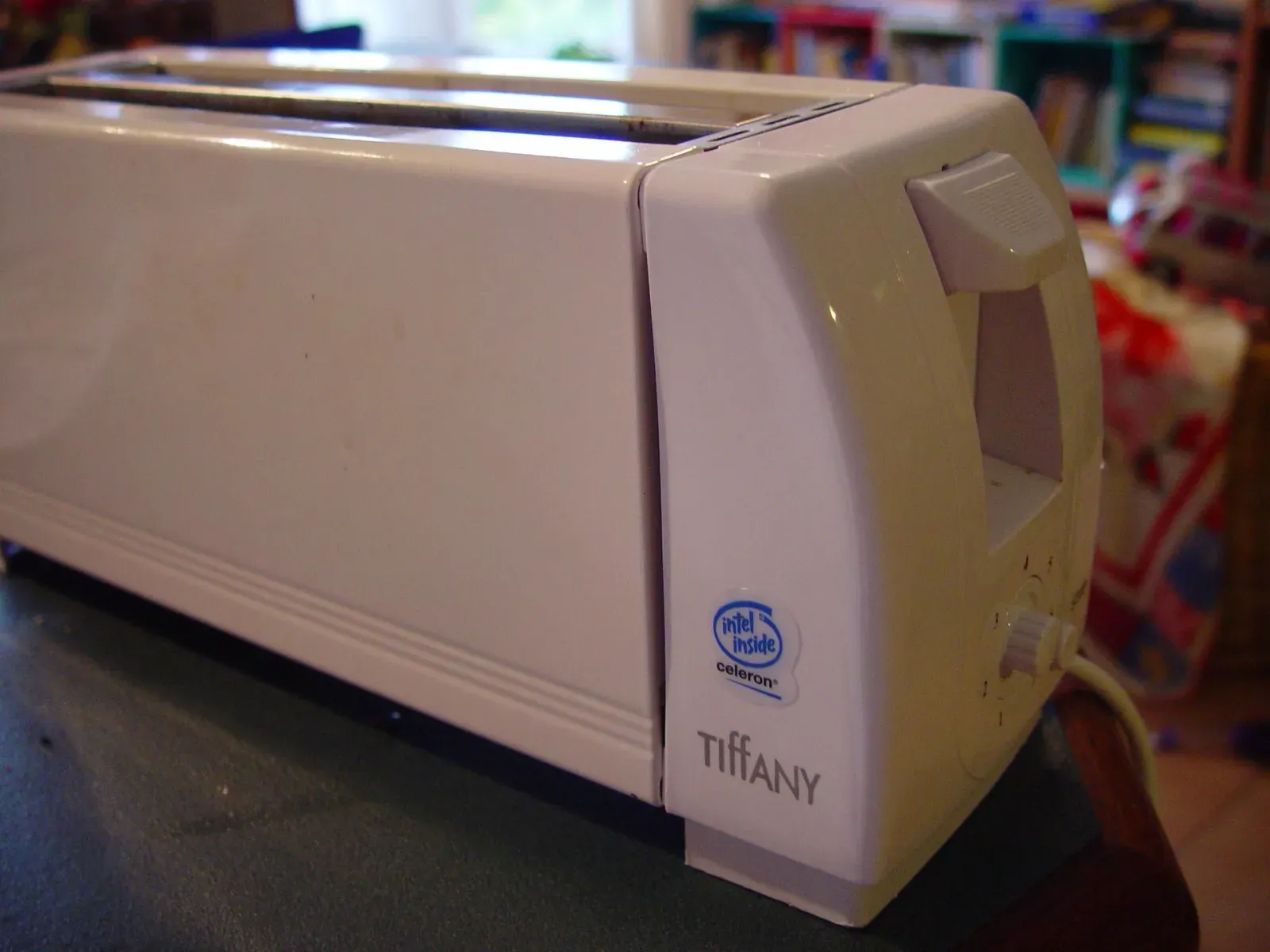
A broken toaster, a wobbly chair leg, or a vacuum that stopped working usually meant a trip to a repair shop or a tinkering session at the kitchen table, not an automatic purchase of something new. Many households kept a junk drawer full of spare screws, string, and small parts specifically for these fixes. Buying a replacement was often seen as a last resort rather than a first instinct.
The right to repair movement has gained real traction in recent years, with several U.S. states passing legislation requiring manufacturers to make parts and repair information available to consumers and independent shops. This shift reflects growing frustration with products designed to be replaced rather than fixed, a frustration grandmothers would likely have found completely unnecessary. Their instinct was always to repair first and only replace when repair truly wasn’t possible.
8. Composting or feeding scraps back into the household
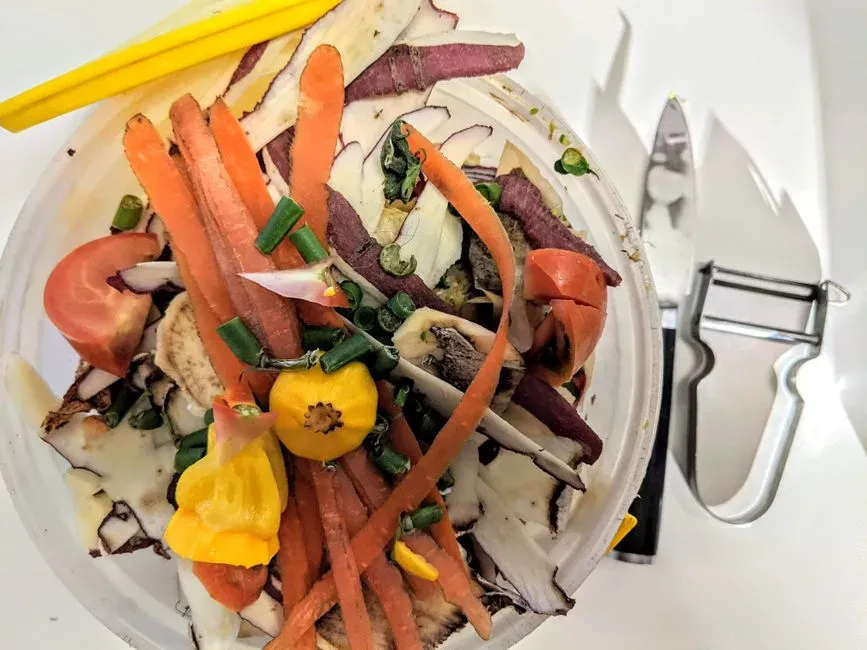
Long before curbside composting programs existed, many of these households were quietly composting anyway, whether for a backyard garden or simply to feed chickens and other animals kept at home. Coffee grounds, eggshells, and vegetable peels rarely ended up in the trash bin when they could serve a purpose elsewhere on the property. It was a closed loop system built out of necessity rather than any formal environmental philosophy.
Municipal composting programs have expanded significantly across U.S. cities in the past few years, with more households now given the option to divert food scraps from landfills. This modern infrastructure is catching up to a practice that home gardeners and rural households never really abandoned. In many ways, it’s simply making official what grandmothers were already doing in their own backyards.
These habits share a common thread that has little to do with nostalgia and everything to do with a mindset that treated resources as valuable rather than disposable. Whether it’s a jar of buttons, a patched sweater, or a bin of vegetable scraps, each one reflects a practical response to a world where waste wasn’t an option. Many of these same practices are now being reintroduced as solutions to modern environmental and economic pressures, proving that some old habits were simply ahead of their time.