


- 11 Practical Lessons Communities Have Learned From Water Restrictions - August 23, 2026
- If You Live in Any of These 8 States, Meteorologists Say This Winter Will Be Brutal - August 23, 2026
- Why the Next Historic Flood Is Forecast Sooner Than History Predicts – And Where It Will Hit - August 23, 2026
1. Build and activate a formal heat action plan
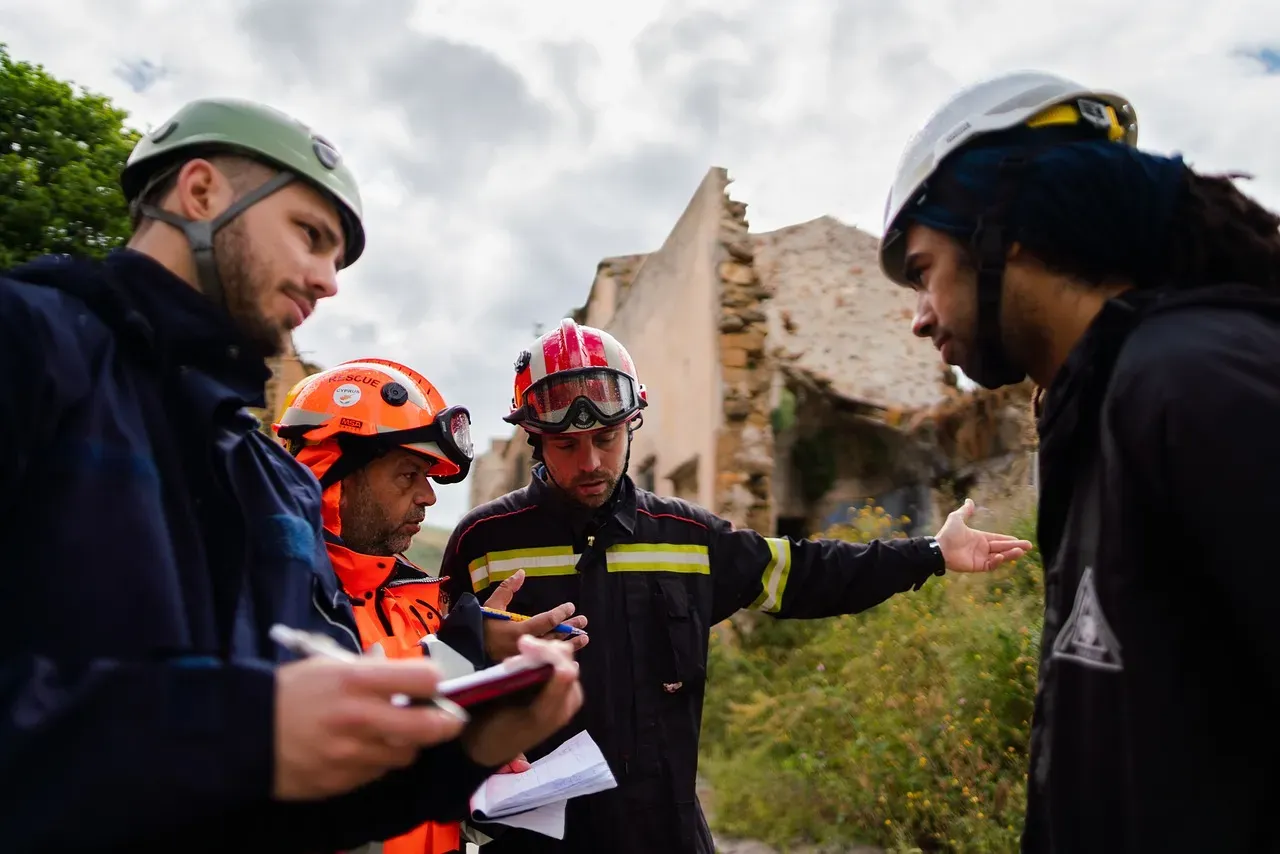
A heat action plan sounds bureaucratic, but it’s really just a rehearsed set of decisions made before anyone is sweating through an emergency. Heat action plans are coordinated frameworks that governments, employers, and organizations deploy to mitigate the health and economic impacts of extreme heat events, typically including early warning systems, public communication protocols, cooling infrastructure activation, worker protection mandates, and emergency medical response coordination. The idea isn’t new, either. Ahmedabad, India pioneered the modern municipal heat action plan model in 2013 after a devastating 2010 heat wave killed over 1,300 people, and the approach has since been adopted by hundreds of cities globally.
American cities are catching up fast. New York City offers a real-world example of this in action, having activated its Heat Emergency Plan for the first time in 2025 during a heat wave that broke temperature records and drove a surge in emergency room visits. During that event, the city’s Watch Command and Planning units supported situational awareness and coordinated interagency briefings, while Public Information staff issued multilingual, risk-based messaging through Notify NYC, 311, social media, and press channels. That kind of coordinated messaging, decided ahead of time rather than improvised mid-crisis, is what separates a plan from a scramble.
2. Expand and rethink cooling centers
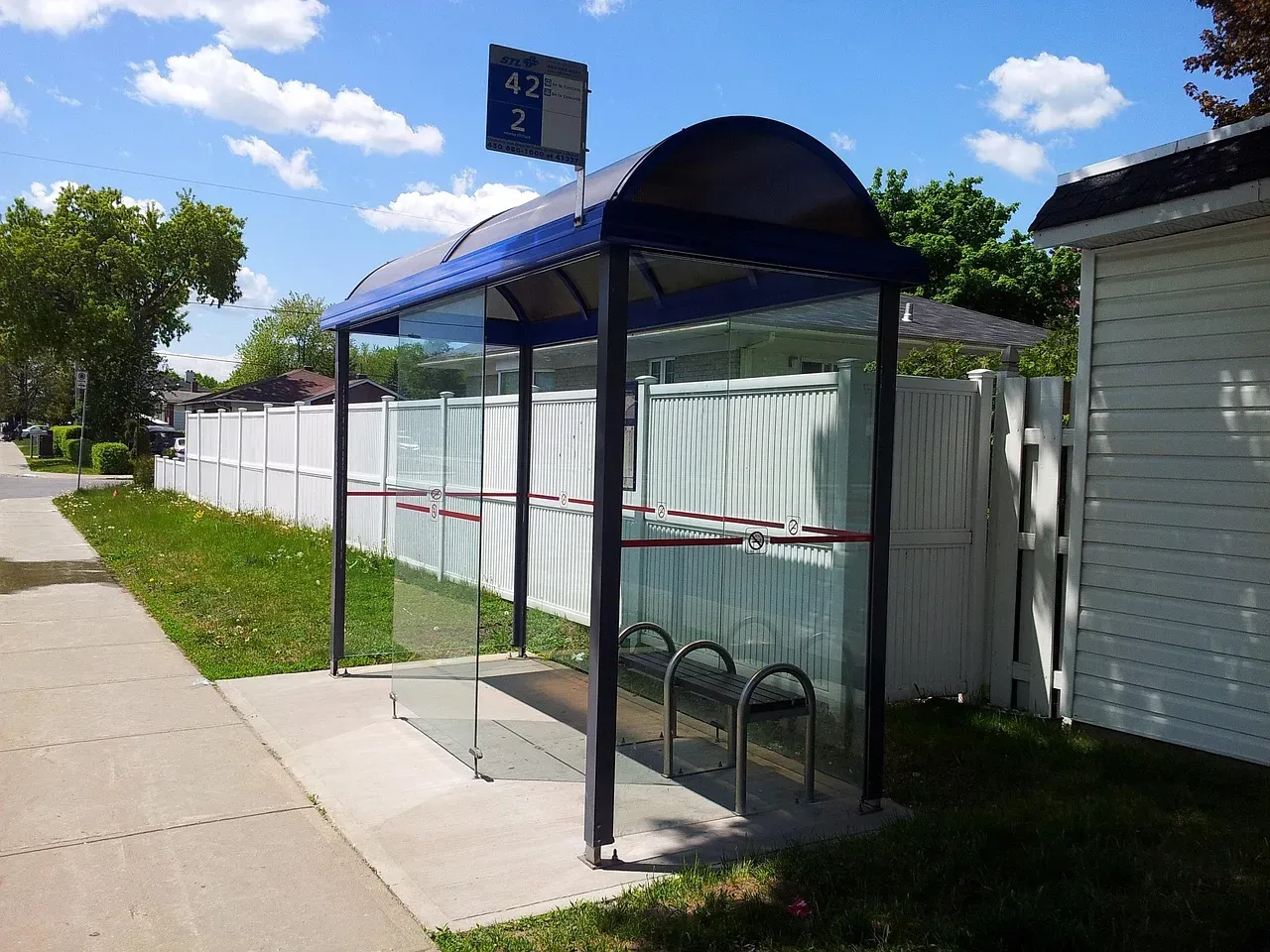
Cooling centers remain one of the simplest, most direct tools a community has. These are community spaces open to the public that provide air-conditioned environments, hydration, and other basic services suited to each location’s capacity, and they often double as something more. They also serve as community hubs for sharing essential information and resources, and while not every facility offers expanded services, all play a vital role in helping people find relief during the hottest months.
The bigger challenge isn’t building these spaces, it’s getting people to actually use them. Public health researchers working in Maryland found that stigma is a real barrier, noting that a welcoming, low-key setup helps people feel comfortable using a cooling center in a way that doesn’t particularly call them out for their circumstances. Cities like Houston have leaned into flexibility, turning libraries and parks facilities into cooling centers during business hours and beyond, since Houston libraries and multi-service centers function as cooling centers during normal business hours whenever the city’s heat emergency plan is activated.
3. Grow tree canopy where it’s needed most
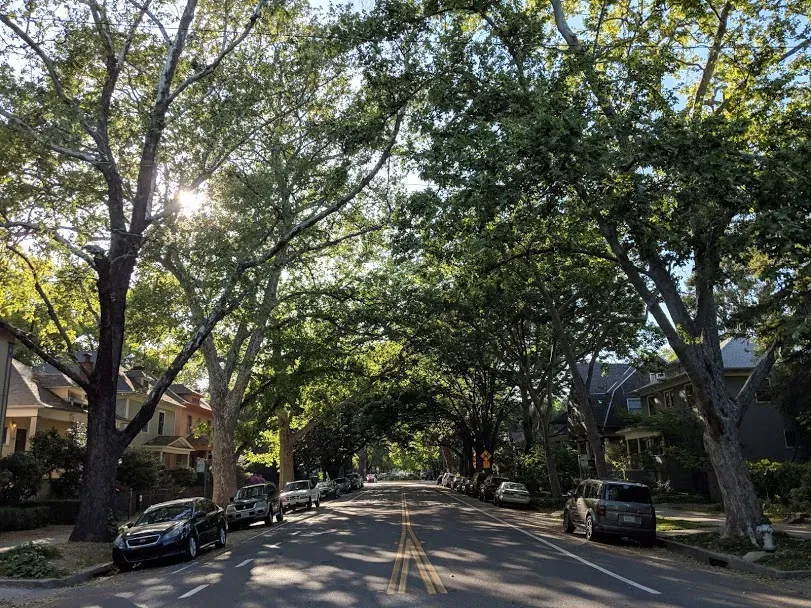
Shade is underrated as infrastructure. Recent global research found that trees cut the urban heat island effect by almost half worldwide, translating into cooling of roughly 0.5 to 1.5 degrees Celsius in many cities. That’s a meaningful dent, especially in neighborhoods with block after block of asphalt and brick.
The catch is that tree cover isn’t distributed fairly, and simply planting anywhere doesn’t solve the problem. Researchers behind that same study argue that new plantings should be targeted deliberately, since new tree plantings should target hotter neighbourhoods with less existing tree canopy, as these will deliver the greatest benefits. It’s also worth being honest about the limits here. As the same researchers put it, trees are remarkable, but these measures don’t replace the need to tackle climate change directly by cutting greenhouse gas emissions.
4. Invest in cool roofs and reflective infrastructure
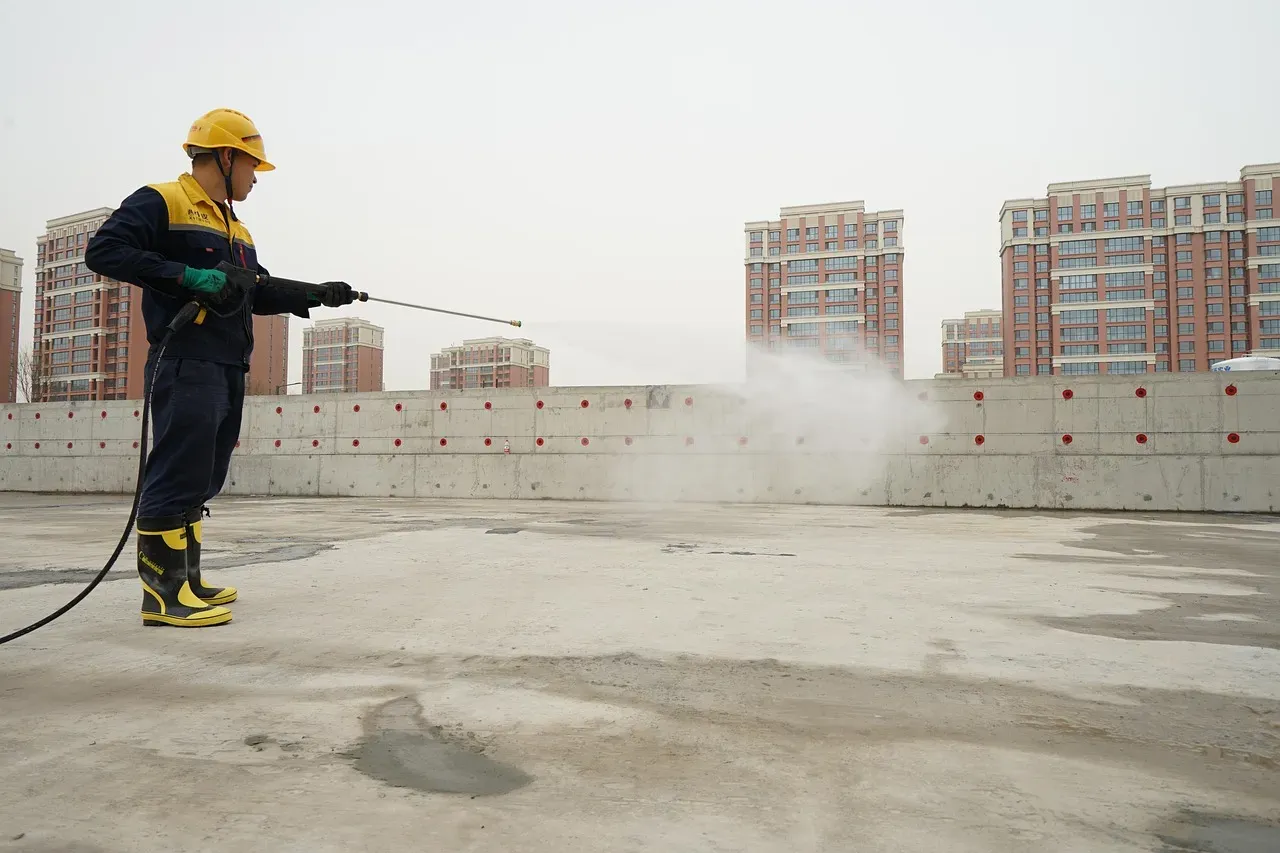
Not every city has room for more trees, and that’s where reflective building materials come in. A study of Boston found that temperature reductions associated with tree canopy expansion are 35% higher than cool roofs, however, cool roofs on average provide higher heat exposure reductions due to implementation opportunities within dense, vulnerable regions of the city. In other words, trees cool the air more per square foot, but cool roofs can be installed almost anywhere, including exactly the crowded, low-income blocks that need relief most.
The right mix depends heavily on local geography. Comparing Boston and Phoenix, researchers noted that Boston’s flat, black rooftops reflect only about 12% of sunlight, making cool roofs that reflect over 65% of sunlight an especially effective intervention, while Boston’s moist growing season also supports a thriving tree canopy. Phoenix, by contrast, already has plenty of light-colored roofs, so the calculus there shifts toward other solutions since trees might be an option there, but they will require irrigation.
5. Focus outreach on the people most at risk
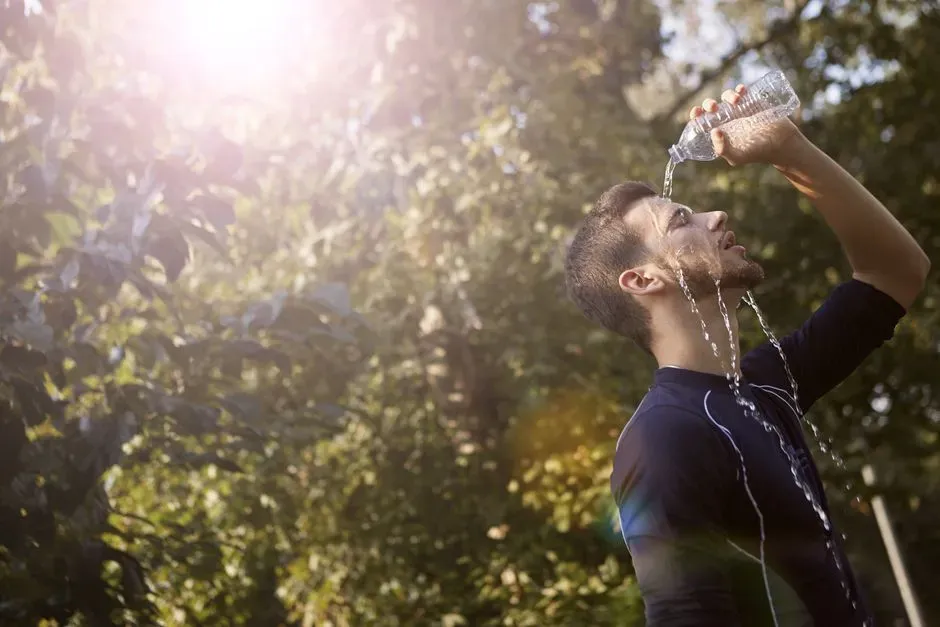
Heat doesn’t hit everyone equally. Older adults, pregnant women, outdoor workers, and people experiencing homelessness face disproportionate danger, and although anyone can be affected by extreme heat, groups like elderly, young children, pregnant women and workers, both indoor and outdoor, are most at risk. That means outreach can’t be a passive “cooling centers are open” announcement, it has to actively reach people who might not see the warning or can’t easily get themselves out of the heat.
Houston’s homeless outreach model shows what that looks like on the ground. Teams working directly with unsheltered residents make a point of warning people ahead of a heat event and handing out supplies, since outreach teams spread the word that extreme heat is coming and hand out hot weather supplies like bottled water, handheld fans, and cooling towels, offering rides to cooling centers when possible. Health disparities show up in the mortality data too. In New York City, for instance, Black New Yorkers continue to have an age-adjusted heat-stress death rate that is twice as high as that of white New Yorkers, a gap that outreach programs are specifically designed to close.
6. Strengthen worker protections and early warning communication
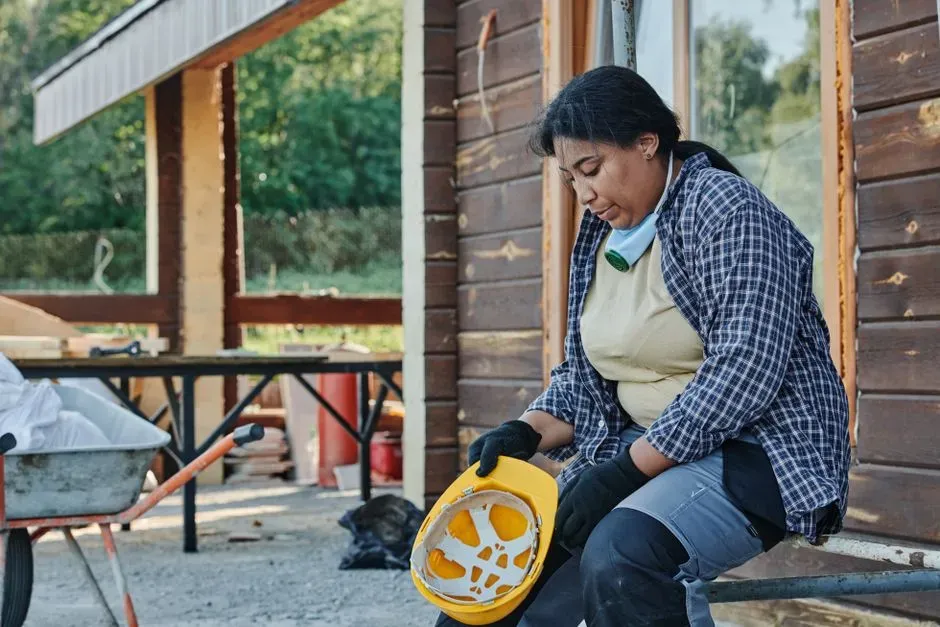
A lot of heat exposure happens on the job, not just outdoors on a walk. Yet as of 2026, protections for workers remain surprisingly thin at the federal level. There is currently no national mandatory standard requiring employers to protect indoor or outdoor workers from heat, even though OSHA has been working toward one for more than four years. Some states have moved ahead on their own; New York’s extreme heat plan, for example, is pushing rules that would create protections by providing mandatory rest breaks, worker training, and a written heat illness, injury and prevention plan, among other requirements.
Early warning systems tie all of this together by giving people, employers, and city agencies a head start before temperatures spike. These systems work by combining communication systems with data to alert residents to imminent climate threats, giving them critical time to prepare. A global review of major cities found this kind of preparedness is still uneven, with researchers noting that cities in high- and upper middle-income countries described early warning systems nearly three times more often than those in low- and lower middle-income countries, a gap that leaves millions of people more exposed simply because of where they happen to live.
The stakes behind all six of these strategies are not abstract. Heat-related deaths in the United States have been climbing steadily, and heat-related fatalities in the U.S. have nearly doubled over the past 25 years, rising from approximately 1,069 in 1999 to 2,394 in 2024, according to the Centers for Disease Control and Prevention. None of the six approaches above is a silver bullet on its own. Heat action plans without cooling centers leave people with nowhere to go; tree canopy without outreach to vulnerable residents misses the people who need it most. What seems to work, based on the cities furthest along in this effort, is layering these tools together and updating them every year as heat waves keep testing the limits of what a “normal” summer used to mean.