

- 11 Practical Lessons Communities Have Learned From Water Restrictions - August 23, 2026
- If You Live in Any of These 8 States, Meteorologists Say This Winter Will Be Brutal - August 23, 2026
- Why the Next Historic Flood Is Forecast Sooner Than History Predicts – And Where It Will Hit - August 23, 2026
Florida faces a strange tug of war between growth and risk

Florida remains the fastest-growing state in the country even as its climate risks intensify, which is exactly the paradox researchers point to when they warn against oversimplified predictions. Between 2021 and 2023, despite well-known risks from climate change, property values there continued to rise, and Florida was the fastest-growing state in the United States. That growth has come with a price, though, and the state now carries the highest average home insurance premiums in the nation.
The strain shows up most clearly in the insurance market rather than in outright flight. The state currently has the highest home insurance premiums in the nation, an average of 8,292 dollars, compared to an average premium cost across the country in 2025 of 2,948 dollars. Some pockets of the state, including parts of southwest Florida, are already seeing home prices soften as buyers weigh hurricane exposure against the sales pitch of sunshine and no state income tax.
California’s wildfire exposure is reshaping where people will settle

California’s population story is less about a mass departure and more about a redirection of where new residents choose to land within the state. Insurers have been retreating from fire prone areas for years now, and that retreat is a leading indicator of where population pressure will eventually show up. The growing risk of devastating wildfires is the main driver behind California’s homeowners insurance crisis, though regulatory rules also prevented insurers from properly factoring climate and reinsurance costs into premiums.
The state’s insurer of last resort has absorbed much of the fallout from private companies pulling back. The California FAIR Plan had 140,000 policyholders in 2018, and since then the plan has more than tripled in size, with over 610,000 policies in force as of June 2025, 97 percent of which were home insurance policies. That kind of concentration of risk tends to push future development, and eventually population, toward inland valleys and away from the most fire prone canyons and foothills.
Louisiana’s coastline keeps losing ground, and residents keep moving inland

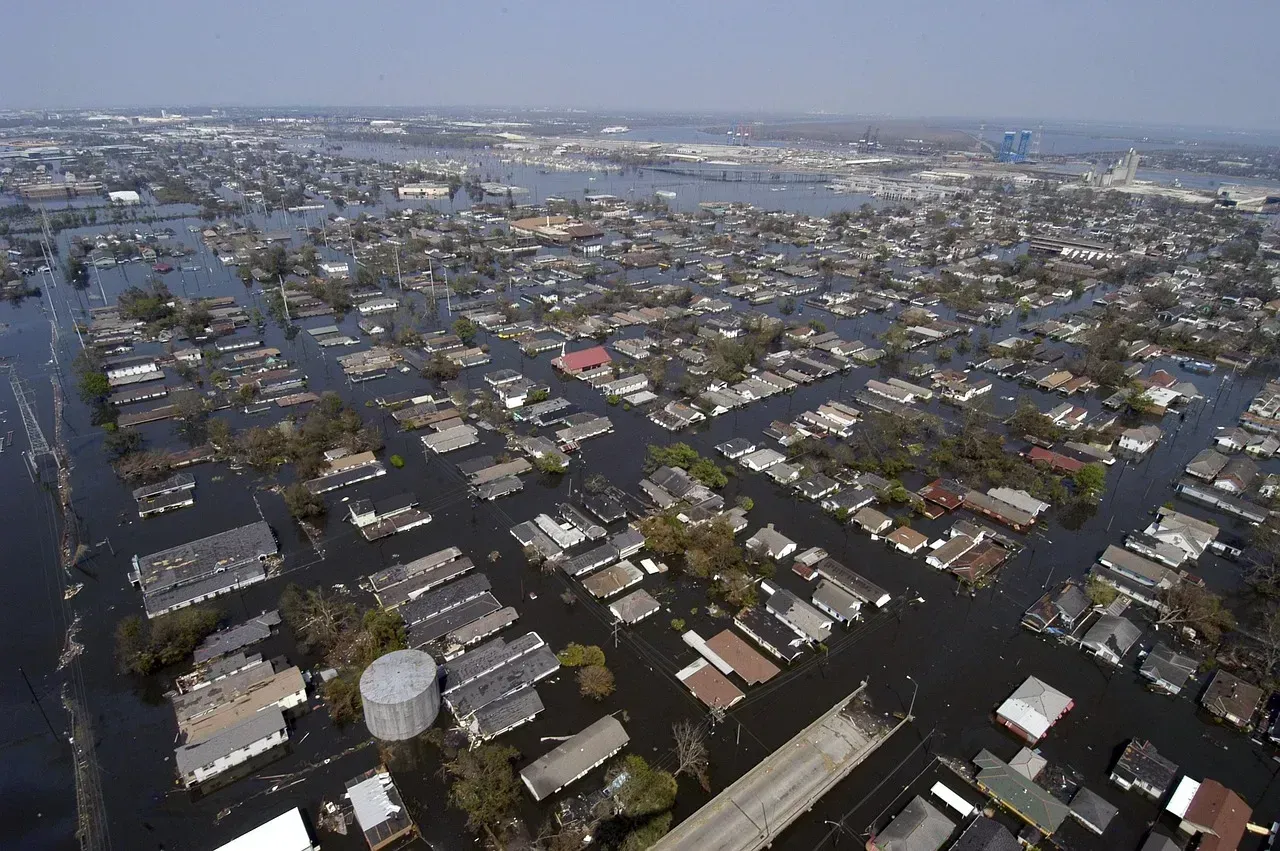
Louisiana has become something of a case study for slow onset climate displacement, largely because its land loss problem is measurable and ongoing rather than hypothetical. Coastal erosion, subsidence, and repeated hurricane strikes have combined to push residents toward Baton Rouge and other inland communities over the past decade. The state has struggled with home insurance availability just as severely as Florida and California, which tends to accelerate relocation decisions for households already weighing their options. Unlike a sudden evacuation, this pattern has unfolded gradually enough that it rarely makes national headlines, yet the cumulative effect on parish level population counts is significant. Communities along the bayou have shrunk for years, while towns thirty or forty miles inland have absorbed some of that movement. It is a preview, researchers suggest, of what slow moving climate pressure looks like when it plays out over a generation rather than overnight.
Texas is absorbing newcomers while its own risk profile worsens

Texas presents a genuinely mixed picture, because the state is simultaneously a top destination for domestic migrants and a place facing its own mounting climate costs. Extreme heat, drought, and increasingly severe storms have driven up insurance costs even as people continue arriving for jobs and affordable housing relative to the coasts. Texans should expect more premium hikes as homeowners continue to absorb the cost of high dollar climate related losses that insurers have incurred and anticipate in the years ahead.
What makes Texas interesting is the internal sorting happening within the state itself. Coastal counties near Houston and the Gulf face rising flood and hurricane exposure, while inland metros like Austin and San Antonio continue to pull in new residents partly because they sit farther from the most acute coastal risks. The net effect is a state that keeps growing overall while quietly redistributing where within its borders that growth actually lands.
Arizona’s growth continues despite an increasingly strained water supply

Arizona offers one of the clearest examples of how climate risk and population growth can move in the same direction at once, at least for now. Despite unprecedented heat waves and increasingly strained water supply, Arizona’s population has also continued to increase. Phoenix in particular keeps adding residents even as summer heat records fall with unsettling regularity.
The tension here is really about timing rather than direction. Water allocation fights along the Colorado River suggest that Arizona’s growth curve cannot continue indefinitely on its current trajectory, and some demographers expect the state’s appeal to soften over the next decade as water restrictions tighten and cooling costs climb. For now, though, the moving vans keep arriving faster than the warnings seem to register.
Great Lakes states are marketing themselves as future safe havens

Michigan, Wisconsin, and New York have all leaned into the idea that their Great Lakes access and cooler summers make them natural landing spots for people fleeing more volatile climates. Researchers who study this trend have identified specific cities as likely beneficiaries of this shift. Jesse Keenan, an associate professor of sustainable real estate at Tulane University, created a list of the best climate havens across the United States that includes Ann Arbor and at least six Great Lakes shoreline cities: Buffalo, Detroit, Duluth, Milwaukee, Rochester, and Toledo.
Some of these places are already seeing early evidence of the pattern playing out. A Harvard study identified Buffalo and Duluth as the two places in the U.S. best suited to become receiver cities positioned to welcome people fleeing extreme weather, and in 2020 Buffalo saw its population grow for the first time in 70 years, partly because thousands of Puerto Ricans displaced by Hurricane Maria settled there and stayed. Whether that momentum builds into something larger by 2030 remains genuinely uncertain, since affordable housing shortages have slowed growth in some of these same cities even as interest rises.
North Carolina is absorbing both coastal risk and inland demand
North Carolina sits in an unusual position because it is simultaneously a source of climate anxiety and a destination for people leaving riskier coastal states farther south. Researchers modeling sea level rise scenarios have specifically flagged the state’s interior cities as likely beneficiaries of southern coastal displacement. Because the Sun Belt’s current population boom pairs with a general preference for short distance moves, climate change could force millions across the U.S. South to relocate to relatively lower risk urban centers within the region, with thousands of residents potentially fleeing a sinking Charleston for an increasingly flood prone Charlotte.
That last detail matters because it underscores a broader point researchers keep making, that even the destinations people choose when fleeing climate risk are not necessarily free of climate risk themselves. Charlotte is inland and elevated compared to the coast, but it has its own exposure to flooding and severe storms. The relocation pattern looks less like an escape to safety and more like a shuffle toward comparatively lower risk.
Georgia’s inland cities are quietly positioned as regional receivers
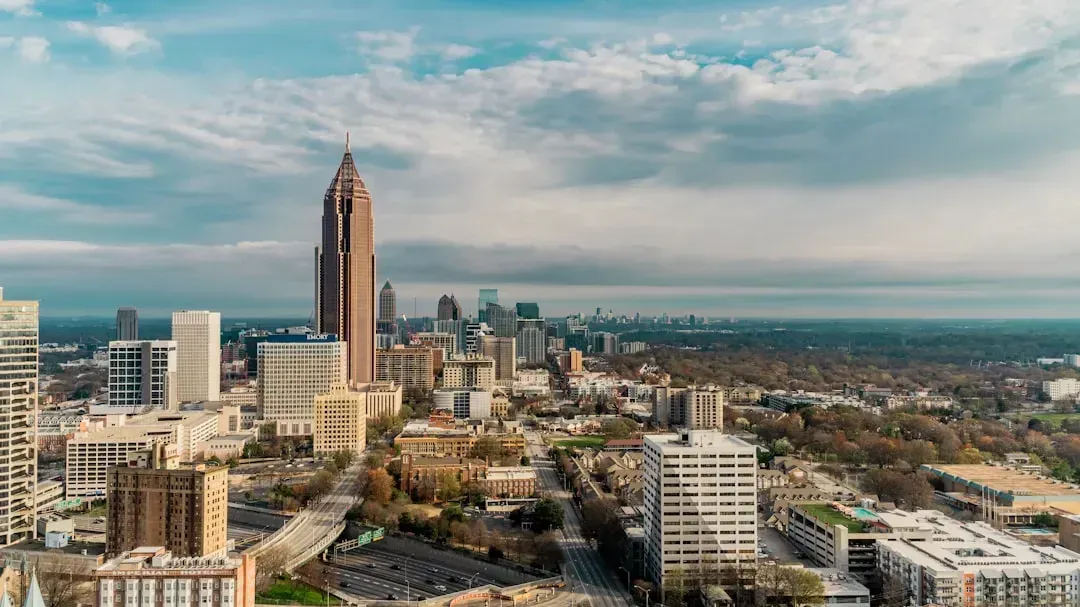
Atlanta rarely comes up in casual conversations about climate migration, yet modeling work has repeatedly placed it among the cities expected to absorb significant numbers of people displaced by coastal sea level rise. Quantitative modeling by the University of Georgia predicts that the cities of Austin, Orlando, and Atlanta will receive hundreds of thousands of migrants each by 2100 due to sea level rise alone. While that is a long term horizon rather than a 2030 forecast, the early stages of that trend are expected to become visible well before the end of this decade.
Georgia’s appeal rests on a combination of relative affordability, distance from the immediate coastline, and a diversified economy that does not depend heavily on tourism tied to beaches. That combination makes it a plausible landing spot for households leaving coastal Florida, Georgia’s own low country, or South Carolina. It is not a dramatic story yet, but demographers watching net migration figures say it is one worth tracking closely.
Minnesota’s climate haven branding faces a reality check
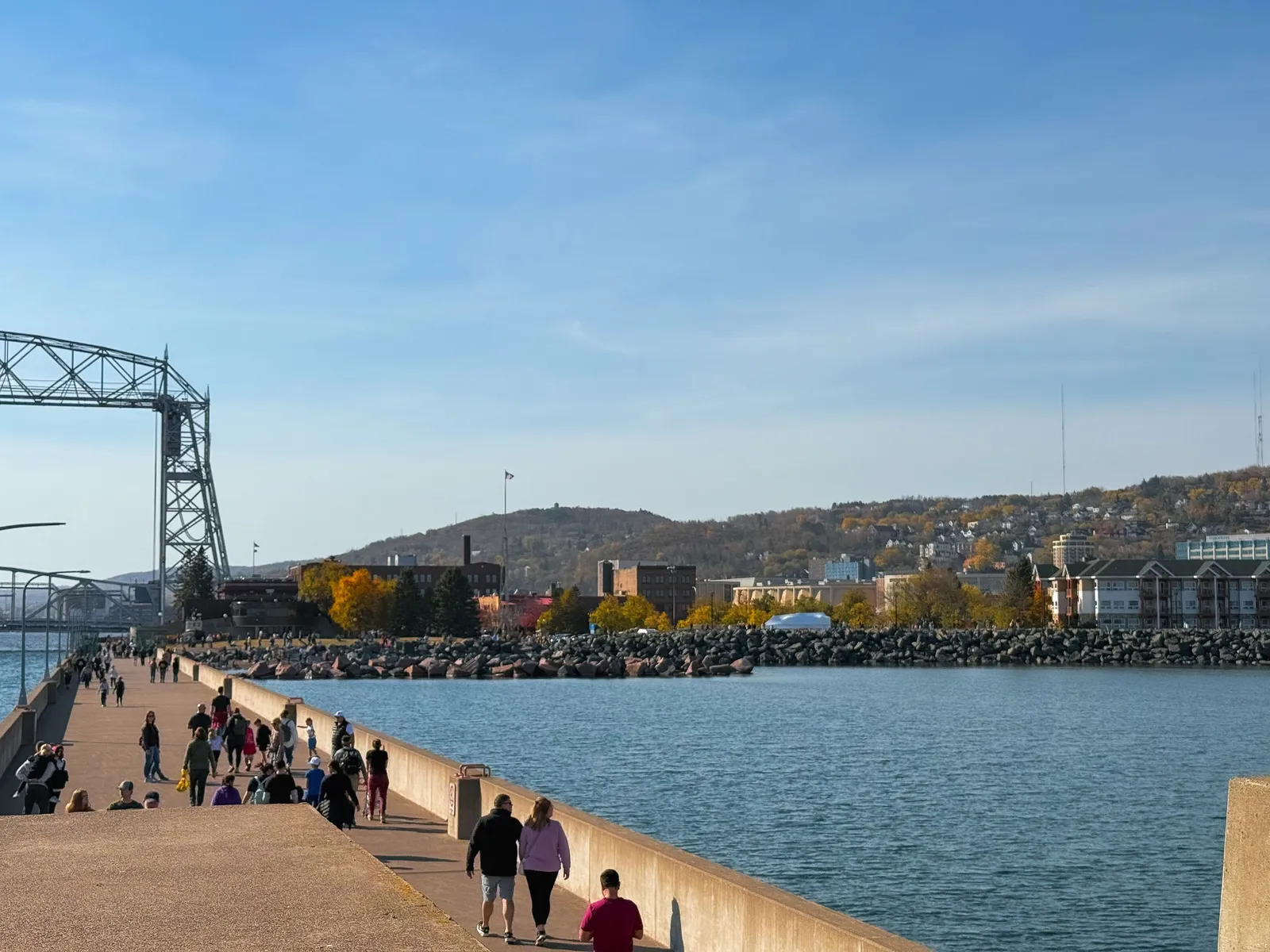
Minnesota, and Duluth specifically, has attracted outsized attention as a supposed climate refuge, but the actual population data complicates that narrative. Aside from Puerto Rican hurricane survivors who migrated to Buffalo, there is little evidence to show that U.S. climate migrants are already moving north on a mass scale, and the populations of Cleveland, Duluth, and Buffalo have largely remained stagnant over the past decade. That gap between reputation and reality is instructive.
Local officials in Duluth have acknowledged that housing supply, not demand, is the real bottleneck holding back growth. Duluth experienced sluggish population growth in the 2020 census despite being known as climate proof, with experts attributing the paradox to a lack of new housing growth, since those arriving for climate reasons don’t yet outnumber those leaving for other reasons like better paying jobs. If Minnesota is going to see meaningful climate driven growth by 2030, it will likely depend as much on construction permits as on wildfire smoke or hurricane forecasts.
South Carolina faces rising exposure without the same haven narrative
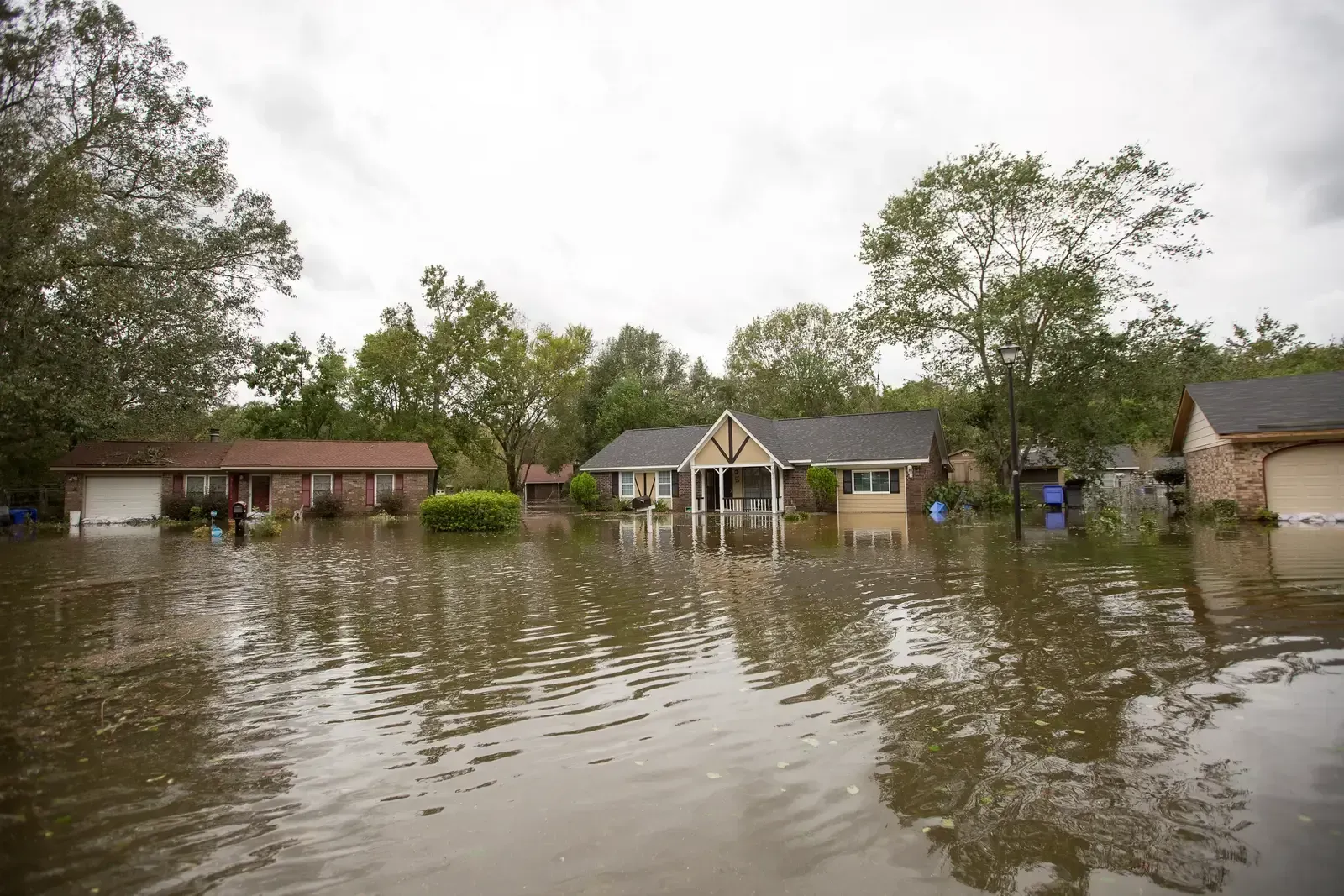
South Carolina rarely gets grouped with the climate haven states, and for good reason, since its coastline faces some of the same sea level rise and storm surge pressures as Florida and Louisiana. Charleston in particular has invested heavily in flood infrastructure precisely because the alternative is a slow but steady loss of coastal residents and property value. The state’s inland cities, including Columbia and Greenville, have picked up some of that internal movement already. What makes South Carolina worth watching through 2030 is less about dramatic headlines and more about a steady accumulation of smaller decisions. Homeowners near the coast facing rising premiums and repeated flood damage tend to relocate within the state rather than leave it entirely, which means the population shift shows up as an internal rebalancing rather than a net loss. That pattern mirrors what researchers have already documented happening in North Carolina and Louisiana.
The honest limits of any 2030 prediction

It is worth being direct about how uncertain these forecasts actually are. Most rigorous studies model outcomes stretching to 2050 or 2100, not 2030, because climate driven migration tends to unfold slowly and unevenly rather than in a clean, predictable curve. Most climate migration due to natural disasters is temporary, and permanent climate migration tends to develop over much longer timeframes.
Economists who have studied this closely also caution against assuming a straightforward cause and effect. Warmer temperatures substantially reduce net migration, and comprehensive long run data from the Census and tax filings show that warm temperatures induce net out migration while cooler temperatures do not. That finding actually cuts against the popular assumption that people are simply chasing warmth, and it suggests the picture by 2030 will likely be messier and more localized than any single map or ranking can fully capture.
