
There’s a specific moment many solar homeowners experience somewhere between year ten and year fifteen. The panels are still working. The electricity bills are still lower. Life is good. Then something fails, or the roof needs attention, or an inspector points out that the inverter is on borrowed time, and suddenly there’s a quote on the table that nobody warned them about.
Solar energy genuinely delivers on its core promise for most households. The savings are real, the technology is durable, and the environmental case is solid. What catches people off guard isn’t the system itself but rather the maintenance ecosystem surrounding it, those mid-life costs that rarely feature in a sales presentation. This is the part of the solar story worth understanding before, not after, you need it.
The Real Cost of Installing Solar in the First Place
Prices stabilized in 2024 and 2025, holding steady at around $2.50 to $3.50 per watt nationally before incentives. The typical home requires about 12 kilowatts of solar energy to meet its electricity needs, which costs an average of $30,505 before incentives, according to EnergySage data. That’s a meaningful number, even if it sounds abstract until you write the check.
Solar panel costs have dropped roughly 70 percent over the last decade. A system that would have cost $40,000 in 2015 now runs about $12,000 to $18,000, depending on size and location. The federal 30% tax credit, which applied to systems installed through the end of 2025, helped make those numbers more palatable. While that consumer-claimed credit expired at the end of 2025, homeowners can still benefit from a business-claimed federal tax credit through third-party owned solar arrangements.
How Long Solar Panels Actually Last
The average lifespan of a solar panel is about 25 to 30 years. Even after this period, many panels continue to function at reduced efficiency, providing substantial long-term benefits and a reliable source of renewable energy. That’s a reassuring headline figure, but the more useful detail is what happens in between installation and year thirty.
A comprehensive study by the National Renewable Energy Laboratory analyzed nearly 2,000 solar systems worldwide, finding that modern monocrystalline panels manufactured after 2000 degrade at just 0.4% annually, a significant improvement over the 0.5% to 0.8% rate many warranties anticipate. This means a typical high-quality solar panel might lose only 6% to 8% of its efficiency after 25 years, compared to the 20% loss manufacturers prepare for in their warranties. In other words, the panels often outperform their own guarantees.
The Degradation Math Nobody Shows You at the Sales Meeting
For most Tier 1 solar panels, the degradation rate is 0.30%, meaning that each year the panel’s performance is reduced by that amount. Over 25 years, that adds up to a total of about 7%, meaning your panels will operate at roughly 93% of their original capacity. Premium brands push those numbers even further. Premium manufacturers like Panasonic and SunPower offer panels with degradation rates as low as 0.25% to 0.3% per year, meaning their panels could still operate at 93% of their original capacity after 25 years.
While a good quality panel may degrade by only 9%, a cheaper panel could lose 20% or more of its efficiency over the same period. That gap matters enormously when you scale it across 20 or 25 panels covering your roof. The brand choice you make at installation quietly shapes your electricity savings for decades.
The Inverter Problem: The Component That Won’t Go the Distance
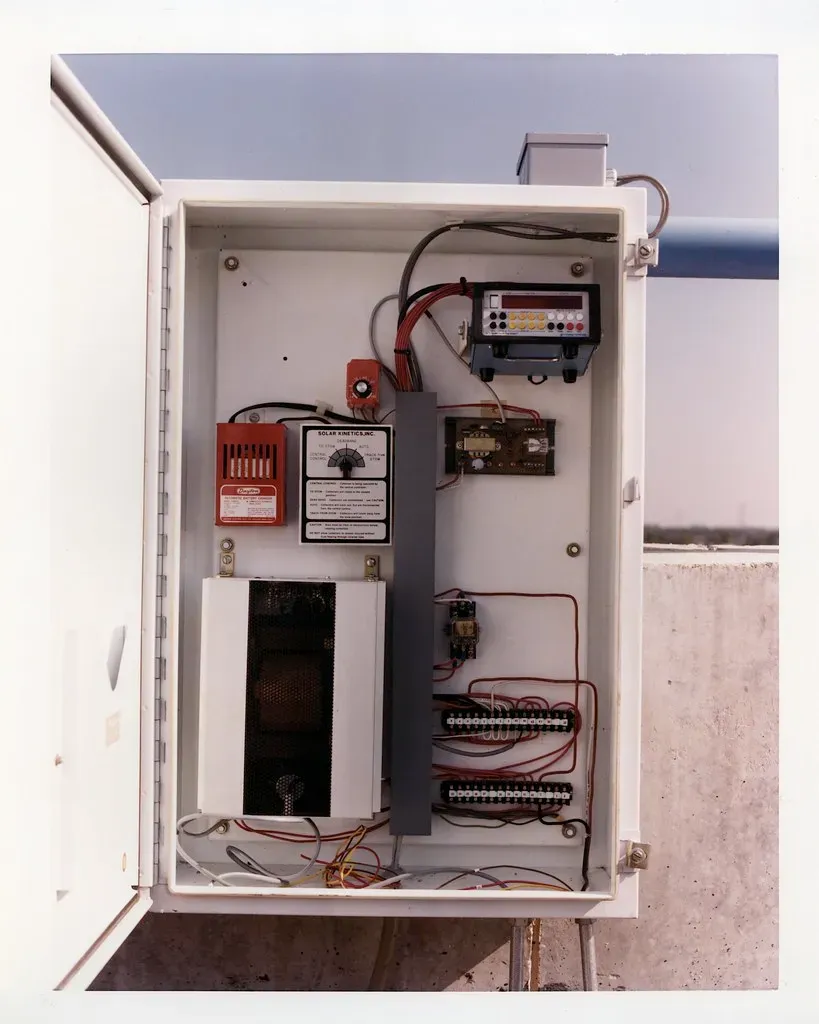
This is where the unexpected costs tend to originate. While the panels themselves are built to last a generation, the inverter operates under constant electrical stress and ages faster. Solar inverters last between 10 to 25 years depending on the type, with string inverters averaging 10 to 15 years and microinverters reaching 20 to 25 years. Since most residential systems are built around string inverters, the math is straightforward: you’ll almost certainly need to replace this component at least once.
While solar panels can last 25 to 30 years or more, inverters generally have a shorter life due to more rapidly aging components. A common source of failure is the electro-mechanical wear on the capacitor in the inverter. The electrolyte capacitors have a shorter lifetime and age faster than dry components. On average, replacing a residential solar inverter beyond the warranty period can cost between $1,000 to $4,000, including both the cost of the replacement unit and installation expenses.
What a Full Panel Replacement Actually Costs
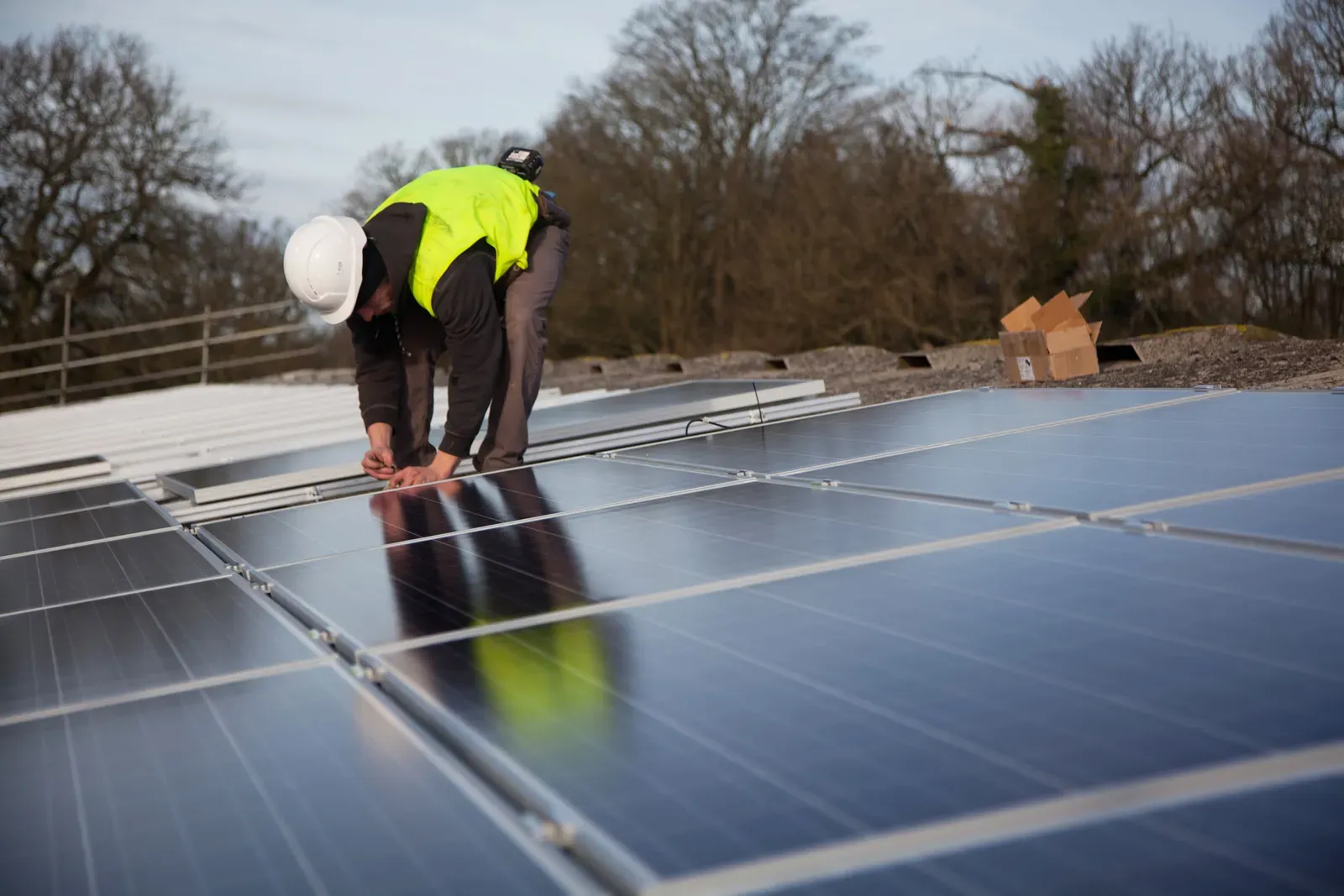
If the damage to your solar panel is severe, you can expect to spend $200 to $550 for a replacement panel or replacement tile if you have solar shingles. A single panel swap sounds manageable. The trouble is that damage rarely happens in isolation, and by the time you factor in labor, permits, and reconnection fees, individual repairs accumulate quickly.
Labor is a big part of any solar repair bill. Local solar panel professionals charge an average of $100 per hour, and most panels take roughly an hour to service, so plan on $100 per panel before any extras like removing mounting hardware. For a full system, the national average price for a single solar panel professionally installed is $1,200, meaning most full-size systems of between 20 and 30 panels cost between $24,000 and $36,000. A full replacement at that stage hits with nearly the same financial weight as the original installation.
The Roof Problem: When Two Timelines Collide
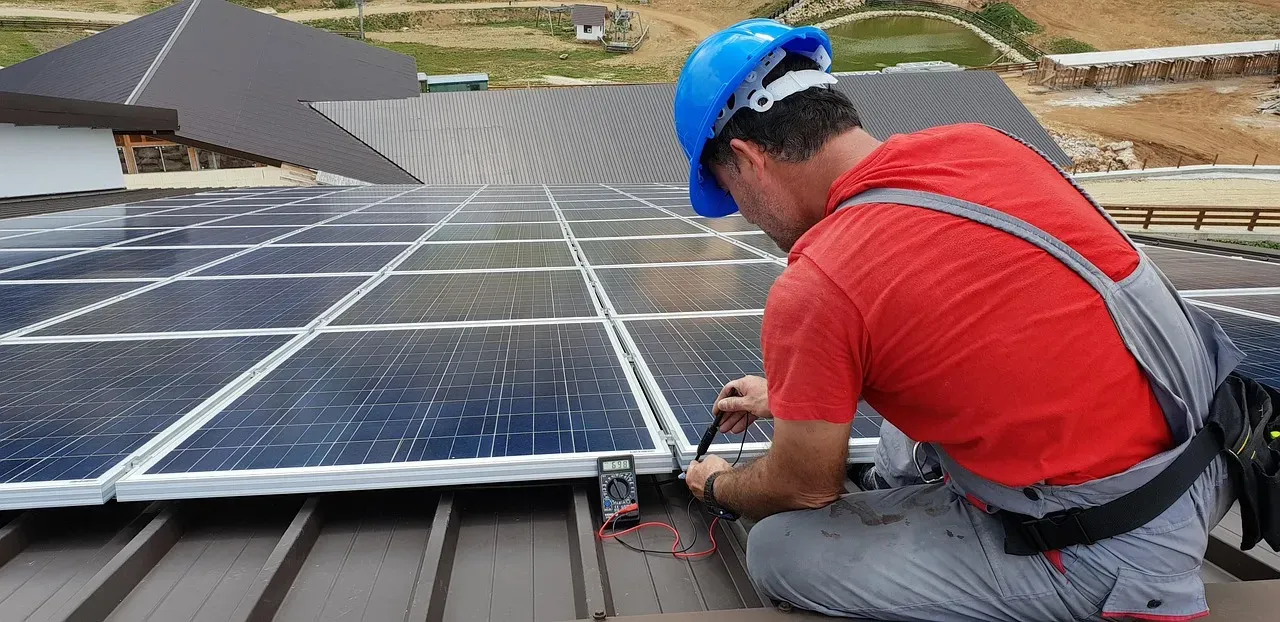
One scenario that surprises homeowners more than almost anything else is the intersection of roof age and solar panel lifespan. One reason for unexpected costs is the need for a roof repair or replacement, which requires the removal and reinstallation of your panels. With solar panel warranties of 25 to 30 years and a usable lifespan of well over 30 years, it is possible that you will need to remove the panels to patch a portion of your roof or install an entirely new roof.
The estimated cost of removing and reinstalling solar panels is between $275 and $300 per solar panel. On a 20-panel system, that alone adds up to five or six thousand dollars in labor before any roofing work is accounted for. It’s more cost-effective to take care of any necessary roof repair or replacement before going solar than removing the panels and reinstalling them later. That advice, simple as it sounds, prevents a lot of financial pain.
Warranty Coverage: What It Covers and What It Quietly Doesn’t
Many solar installers and manufacturers have up to 25-year warranties, so most repairs caused by manufacturer defects are covered. However, damage from weather or rodents is usually not included. The warranty language matters far more than homeowners realize, especially once the system hits its second decade. A panel failing due to a microscopic crack is a very different situation than one damaged by hail.
Your solar equipment will come with warranties that can last ten to 30 years, depending on the equipment and the manufacturer. These warranties will ensure your solar panels don’t degrade too quickly or can’t stand up to moderate weather. But even if you get a faulty set of panels and receive replacement panels for free from the manufacturer, the manufacturer’s warranty won’t cover the labor to replace the old equipment. That labor cost gap is one of the most common surprises homeowners encounter.
Annual Maintenance Costs: Modest, But Not Zero
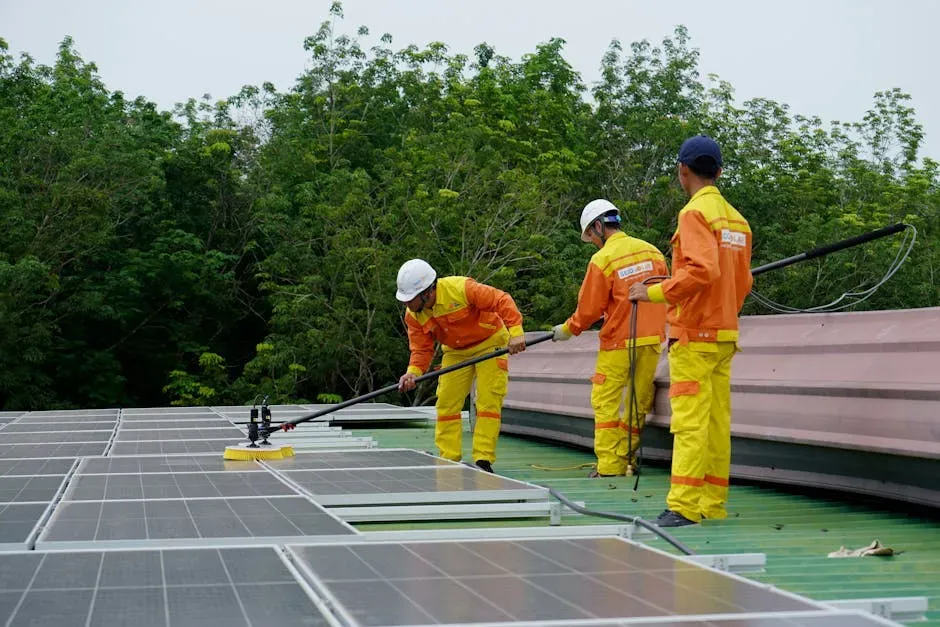
The good news is that day-to-day maintenance for a well-installed system is genuinely inexpensive. Operating and maintaining solar panels costs significantly less than most homeowners expect, typically just 1 to 2 percent of the total installation price annually. Ongoing maintenance expenses remain remarkably predictable and manageable over a system’s 25-plus year lifespan. Modern solar installations require minimal upkeep, with most maintenance costs stemming from occasional professional cleanings, inverter replacement after 10 to 15 years, and routine system monitoring.
Assuming inspections are not included in your installation service contract, you’ll need to pay $150 to $300 per inspection. You should have solar panels inspected regularly, at least once a year, or more if you live in an area with lots of dust, extreme weather, or plenty of bird activity. Annual inspection costs are a minor line item compared to what they might prevent, especially as the system ages past the ten-year mark and the inverter enters its vulnerable window.
The Long-Term Savings Case Still Holds Up

Even after accounting for inverter replacements, occasional panel repairs, and removal fees if the roof needs work, the financial case for solar remains solid for most homeowners. On average, homeowners with a solar panel system save $41,000 to $62,000 on total avoided energy costs over 25 years. Solar savings go the furthest in places with high electricity rates, like Connecticut, California, and Hawaii.
Years 26 to 35 add an estimated $35,500 in additional savings at zero additional investment beyond one inverter replacement. Those final ten years nearly double your total lifetime savings. The panels that feel like they’re costing you money in year twelve, when the inverter quote arrives, are often the same panels that deliver their greatest financial returns between years twenty-five and thirty-five.
What to Do Before You Need a Replacement Quote
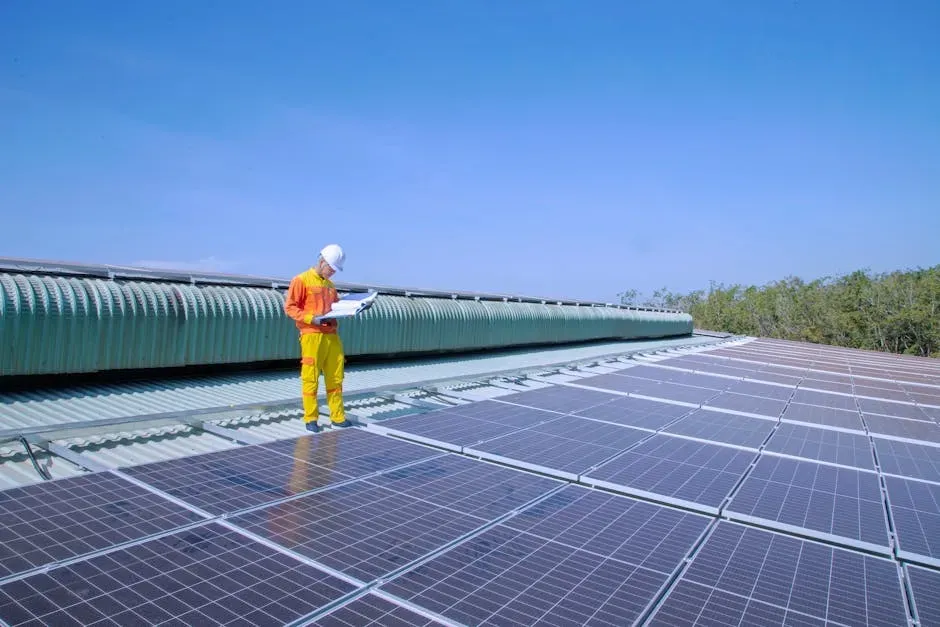
The practical lesson from all of this isn’t that solar is a bad investment. It’s that solar is a long-duration investment, one that rewards people who plan for the full lifecycle rather than just the installation day. Before you install your system, you’ll want to ensure that your roof will hold up for the same amount of time. It’s generally recommended to replace your asphalt roof if it’s more than 5 to 10 years old before installing solar panels. That single step eliminates one of the most common and expensive mid-life surprises.
Many homeowners face extra costs that they were not expecting. These include replacing broken roof attachments, upgrading outdated parts, or repairing damaged wiring. Getting multiple quotes, reading warranty documents carefully, and budgeting for at least one inverter replacement over a 25-year horizon turns what feels like a shock into a planned expense. By paying cash for solar, homeowners maximize their lifetime savings potential but typically need to wait 5 to 10 years to recoup the upfront investment. As a hedge against energy inflation, home solar is considered a safe and steady investment with a rate of return similar to real estate and a 401k. The replacement quote isn’t the end of the savings story. It’s usually somewhere in the middle of it.

