


The Scientific Consensus Isn’t Up for Debate Anymore
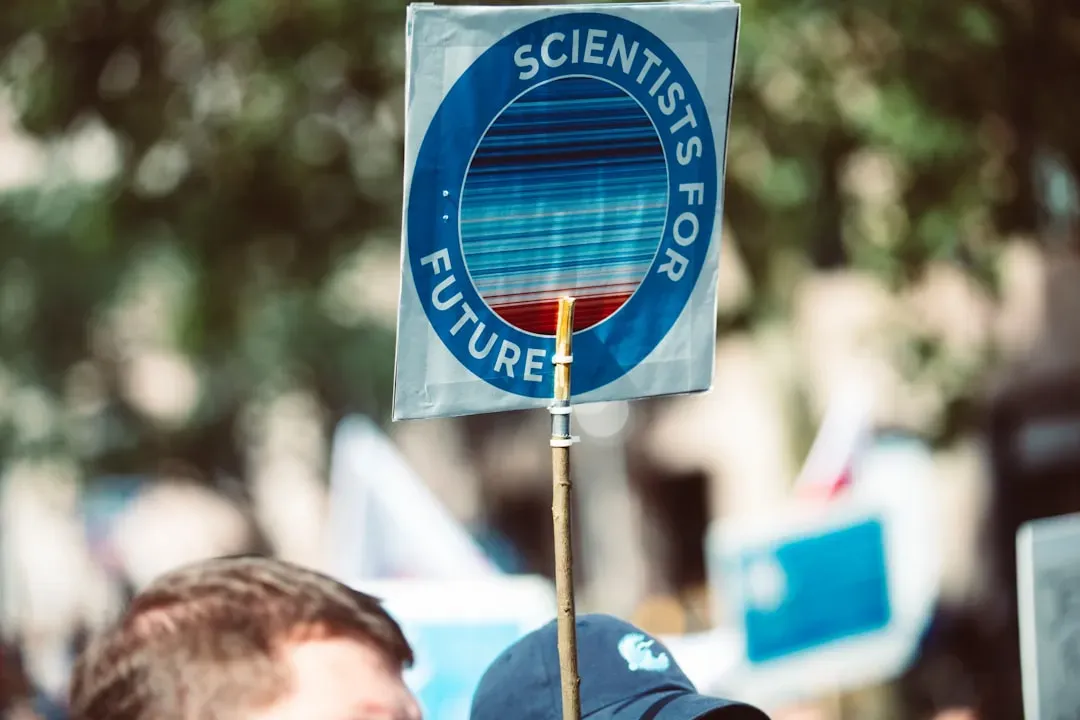
Let’s be real, the argument that scientists disagree about climate change has been thoroughly demolished by recent research. A 2024 Intergovernmental Panel on Climate Change assessment found that over 97% of climate experts confirm that human activities are the main engine behind global warming. What’s shocking is that despite this overwhelming consensus, a third of the population still doubts or disputes these facts. A 2021 study found a greater than 99 per cent consensus on human-induced climate change in the peer-reviewed scientific literature, which gives this the same level of certainty as the theory of evolution.
Here’s the thing. People keep clinging to outdated arguments from decades ago when climate science was still developing. The IPCC’s comprehensive assessment released in March 2023 categorically confirmed that human activity is the overwhelming cause of climate change. The evidence isn’t just coming from abstract computer models anymore – it’s visible in melting ice, rising seas, and temperature records being shattered year after year.
Cold Snaps Don’t Disprove Global Warming
One of the most persistent myths is that cold weather somehow contradicts climate change science. This confusion between weather and climate has led to countless misunderstandings. The last decade from 2015 to 2024 has been the warmest on record, according to NASA and the World Meteorological Organization. Still, when winter storms hit, skeptics immediately jump on social media declaring the whole thing a hoax.
Climate scientists have explained this repeatedly, yet the misconception persists. Weather is the day-to-day atmospheric conditions in a location while climate is the long-term weather conditions in a region, so there could still be a cold snap while the general trend for the planet is warming. Even more interesting is that the rapid warming of the Arctic may have disrupted the swirling mass of cold air above the North Pole in 2021, unleashing sub-zero temperatures as far south as Texas in the United States. So ironically, some extreme cold events are actually caused by global warming.
The Medieval Warm Period Conspiracy Falls Apart
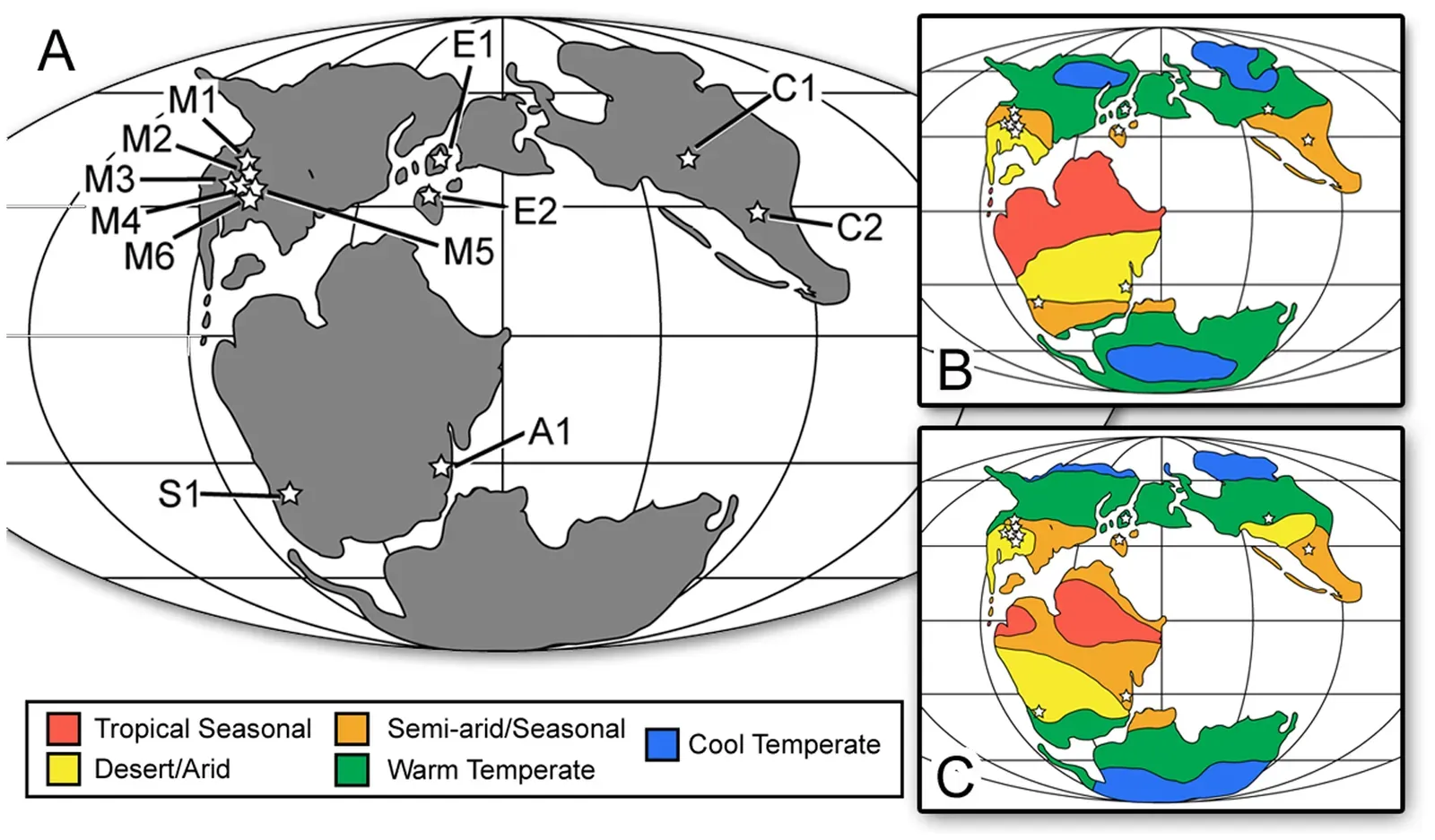
Climate deniers love pointing to historical warm periods as proof that today’s warming is natural. The Medieval Warm Period gets mentioned constantly in these arguments. Climate researchers from the University of Cambridge released comprehensive data in 2024 showing the Medieval Warm Period wasn’t a global phenomenon as previously believed, with warming occurring at different times in different regions between 900-1300 CE. Europe and parts of North America experienced warming, but simultaneously, other regions like tropical Pacific areas were actually cooling.
Current global temperatures have exceeded Medieval Warm Period levels by at least 1.2°C when measured on a truly global scale, definitively proving that today’s warming is unprecedented in both scope and speed. This puts to rest one of the oldest talking points in the climate denial playbook.
Solar Activity Can’t Explain What’s Happening

Another conspiracy theory that refuses to die is the claim that the sun is responsible for global warming. It sounds plausible enough to fool casual observers. NASA’s Solar Dynamics Observatory data from 2023-2024 confirms that solar radiation cycles cannot account for the rapid warming observed since 1980. Scientists have been measuring solar output with satellites for three decades now, and the numbers simply don’t support this theory.
Natural changes in the sun’s activity or large volcanic eruptions have caused ancient shifts in Earth’s temperatures, but over the last 200 years, these natural causes have not significantly affected global temperatures, with human activities now causing climate change primarily due to burning fossil fuels. The conspiracy falls apart when you look at actual measurements rather than speculation.
The Great Pause That Never Actually Happened

Between 1998 and 2012, climate skeptics seized on what they called a “pause” in global warming. This talking point spread like wildfire across blogs and alternative media outlets. Scientists have thoroughly debunked the myth that global warming paused between 1998 and 2012, with research published in Science in 2024 showing that ocean temperature measurements during this period were incomplete, particularly in Arctic regions.
The supposed pause was simply a measurement error caused by outdated buoy systems that couldn’t accurately capture heat absorption in deeper ocean layers. When researchers corrected the data using improved techniques, the warming trend continued at a consistent rate. This wasn’t a conspiracy to hide data – it was a case of better technology revealing what was really happening.
Arctic Ice Loss Is Worse Than Most People Realize

The Arctic provides some of the most dramatic and undeniable evidence of climate change. In March 2025, Arctic winter sea ice reached the lowest annual maximum extent in the 47-year satellite record, while September 2025 saw the 10th lowest minimum sea ice extent, with all of the 19 lowest September minimum ice extents occurring in the last 19 years. Think about that for a moment – every single one of the worst ice loss years has happened in less than two decades.
The oldest, thickest Arctic sea ice over four years old has declined by more than 95% since the 1980s, with multi-year sea ice now largely confined to the area north of Greenland and the Canadian Archipelago. This isn’t a natural cycle or normal variation. Surface air temperatures across the Arctic from October 2024 through September 2025 were the warmest recorded since 1900, with autumn 2024 and winter 2025 ranking as the first and second warmest respectively.
Social Media Platforms Are Amplifying False Claims

A 2024 investigation found that a far-right media site, The Epoch Times, which regularly publishes climate-sceptic content, generated close to 1.5 million dollars in combined revenue for Google and website owners over a 12-month period, despite Google’s policies not allowing advertisements on climate denial content. The financial incentives for spreading misinformation are substantial and growing.
After Elon Musk’s 2022 takeover of Twitter, key figures at the company who ensured trusted content was prioritized were removed, and climate scientists received a large increase in hostile, threatening, harassing and personally abusive tweets from deniers. A study published in PLOS One in 2024 found that even a single repetition of a claim was sufficient to increase the perceived truth of both climate science-aligned claims and climate change skeptic claims, with this effect found even among climate science endorsers.
The Human Psychology Behind Climate Conspiracies

Understanding why people believe climate conspiracies requires looking at psychology. Four predictors stand out in research: a right-wing political ideology, populist attitudes, distrust in scientists, and a young age. Climate change denial is commonly rooted in conspiracy theory, with people who have certain cognitive tendencies more drawn to these theories, including narcissistic people and those who consistently look for meanings or patterns in their world.
Scientists have identified factors that can be influenced and changed, including uncertainty, feelings of powerlessness, political cynicism, magical thinking, and errors in logical and probabilistic reasoning. This suggests that education and addressing underlying anxieties might be more effective than simply presenting more data.
The Real-World Consequences Are Mounting
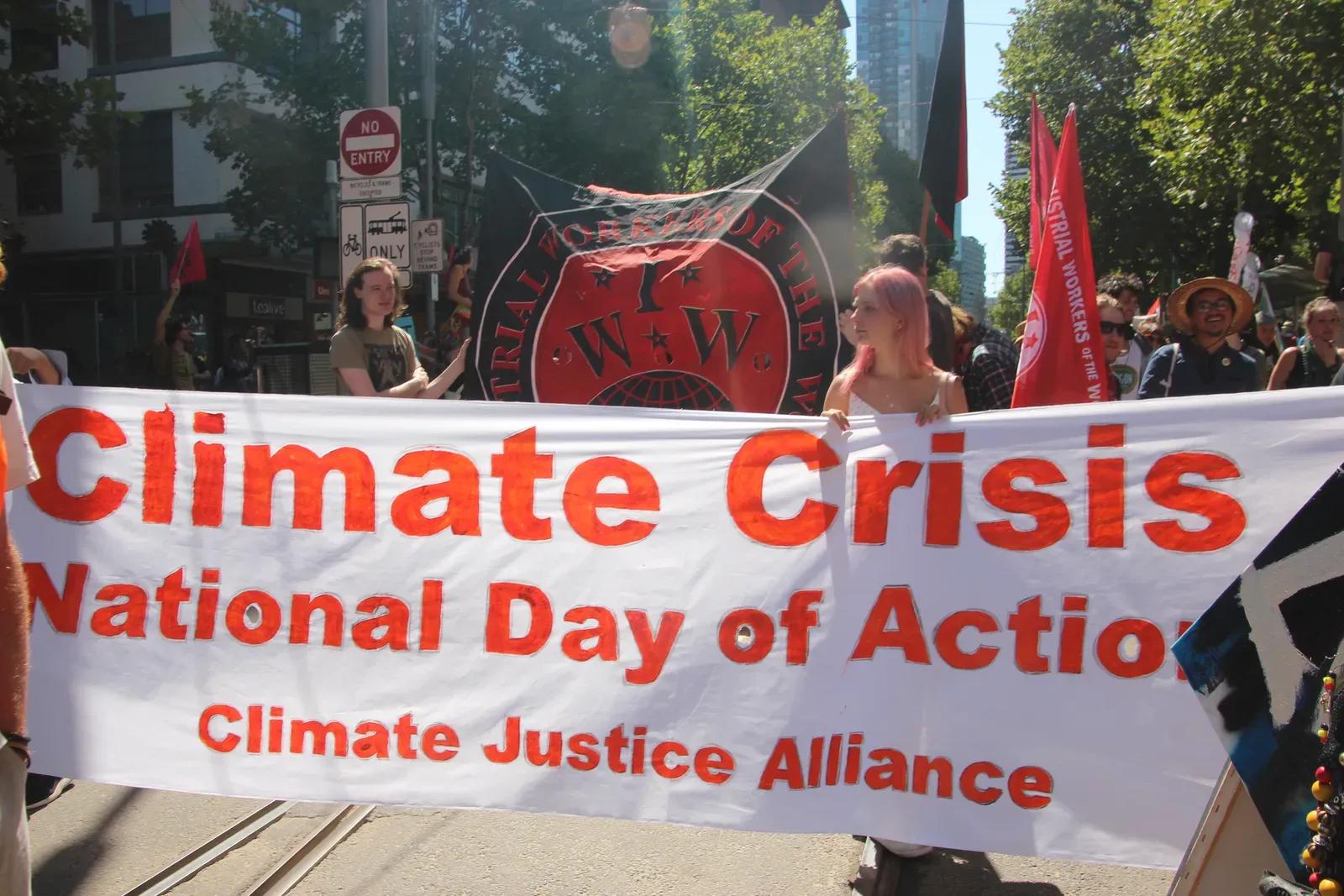
Climate conspiracies aren’t just harmless beliefs – they have serious consequences. Research shows that if you’re able to embed real fear and seeds of doubt about climate solutions, you end up with the same outcome of no legislative agenda, no meaningful policy proposals, and no local action. Climate scientists like Carlos Moreno, who developed the 15-minute city concept, have received death threats, with these attacks giving colleagues a reluctance to publish articles about their work – exactly what conspiracy theorists want.
The number of climate-related hazards has increased fivefold in the past 50 years, with 45.8 million people displaced due to weather-related disasters in 2024. Floods in Pakistan and India in 2024 affected over 30 million people and caused more than 20 billion dollars in damages according to the United Nations Office for Disaster Risk Reduction. While conspiracy theorists debate whether climate change is real, millions of people are already suffering its impacts.
The stakes have never been higher. We’re watching conspiracy theories evolve in real time, shifting from outright denial to more sophisticated attacks on solutions and scientists themselves. The data from recent years paints a clear picture that climate change is accelerating faster than many predicted. What’s frustrating is that while we have the technology and knowledge to address this crisis, misinformation continues to delay action. Think about it – future generations will look back at this moment and wonder why we spent so much time arguing about settled science instead of implementing solutions. The question isn’t whether climate change is real anymore. It’s whether we’ll overcome the fog of conspiracy theories in time to do something about it.
