
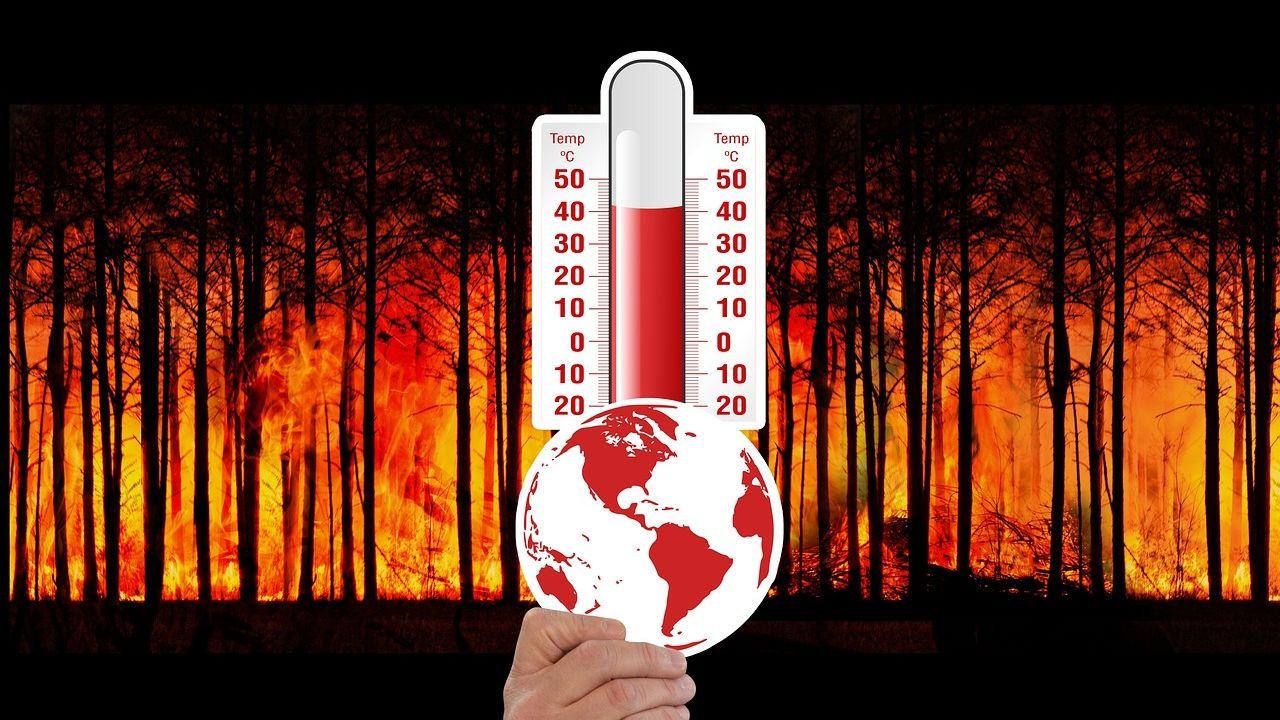
2024 was the hottest year ever recorded on Earth and the first calendar year to exceed the 1.5 degrees Celsius warming threshold, registering 1.6 degrees Celsius above the estimate of pre-industrial levels. This isn’t just another climate statistic. The United Nations’ Environment Programme said the world will likely breach this threshold in the next decade, marking a fundamental shift in what we once considered safe.
The planet recorded its third-warmest year on record in 2025, and average temperatures have exceeded 1.5 degrees Celsius of global warming over three years, experiencing its first three-year period in which the average global temperature was 1.5 degrees Celsius higher than that of the pre-industrial era. Scientists no longer debate whether we’ll cross this line. The question now is how long we stay above it and what happens next.
When a Single Year Changes Everything

June 2024 was the first time in the instrumental record that global mean surface temperatures reached 1.5 degrees Celsius above the pre-industrial period for 12 consecutive months, according to the Copernicus Climate Change Service and Berkeley Earth temperature records. That might sound like a technicality. It’s not. Scientists used modeling to show that just one year at 1.5 degrees Celsius likely heralds a future breaching of the Paris goal, suggesting that last year’s record temperatures mean the world will probably exceed the 1.5-degree threshold over the next 20 years.
Think of it like this: when a fever spikes for just one day, doctors take it seriously because it signals something bigger brewing underneath. Scientists suggest that the evidence suggests that 2024 and 2025 will be within a 20-year period which has an average temperature at or above 1.5 degrees Celsius unless something very radical changes in the next five to ten years. We’re not looking at a blip anymore.
The Guardrail We Always Knew Was Fragile
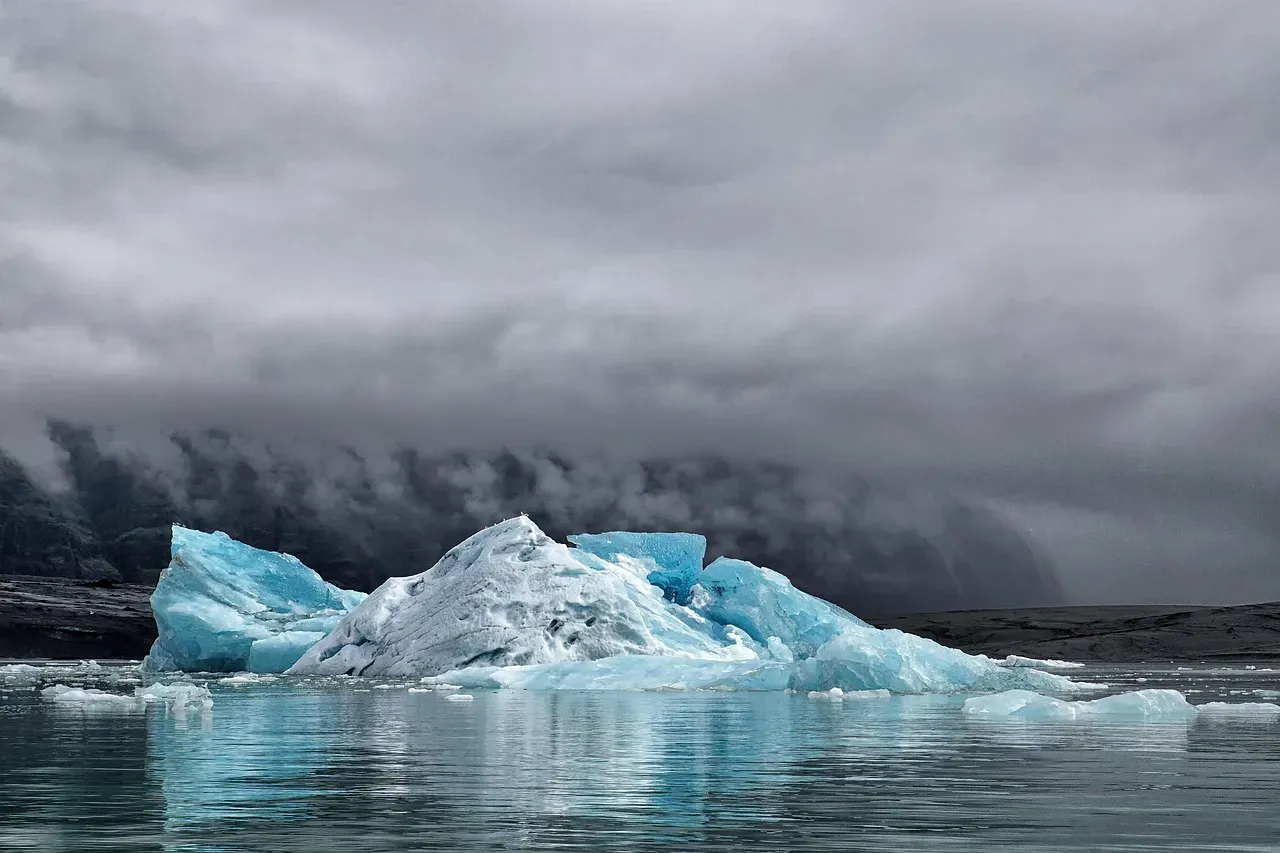
The Paris Agreement has a long-term temperature goal which is to keep the rise in global surface temperature to well below 2 degrees Celsius above pre-industrial levels, with the treaty stating that preferably the limit of the increase should only be 1.5 degrees Celsius. That 1.5 degrees Celsius target wasn’t chosen arbitrarily. The difference between a rise of 1.5 compared to 2 degrees is significant, as a warmer world intensifies the severity and frequency of extreme weather events, with impacts on sea level rise, heatwaves, polar ice, biodiversity, health, drought, crop yields and ecosystems.
Relative to 1.5 degrees Celsius of warming, 2 degrees Celsius of warming is expected to cause twice as many heat waves in Southern Africa, 1.6 times as much area burnt by wildfires in Mediterranean Europe, and cost $17 billion more globally in residual damage and adaptation for major crops. Honestly, every fraction of a degree carries enormous weight. Under 2 degrees Celsius, the number of people exposed to extreme heat would more than double, sea ice-free summers in the Arctic would happen once every decade instead of once every 100 years, and coral reefs would be up to 29% worse off.
What Long-Term Actually Means
Here’s where things get tricky. Exceeding the 1.5 degrees Celsius threshold does not mean we’ve breached the Paris Agreement, as this refers to temperature anomalies averaged over at least 20 years. The Paris Agreement temperature goal is to be understood as human-made temperature change averaged over 20-30 years, meaning climate change, not variability from year to year, and it does not mean temperature changes in individual months, seasons, or years.
Still, that technical distinction offers little comfort. The year 2024 was the warmest year in the 175-year observational record, with a global mean near-surface temperature 1.55 degrees Celsius above the 1850-1900 average, and breaches of 1.5 degrees Celsius for a month or a year are early signs of getting perilously close to exceeding the long-term limit. The global average temperature for the most recent 10-year period, from 2015 to 2024, is estimated to be the warmest 10-year period on record, at around 1.24 to 1.28 degrees Celsius above the 1850-1900 average, while the 20-year average warming for 2001-2020 relative to 1850-1900 is 0.99 degrees Celsius. The trend line points in only one direction.
The Carbon Budget Is Nearly Spent
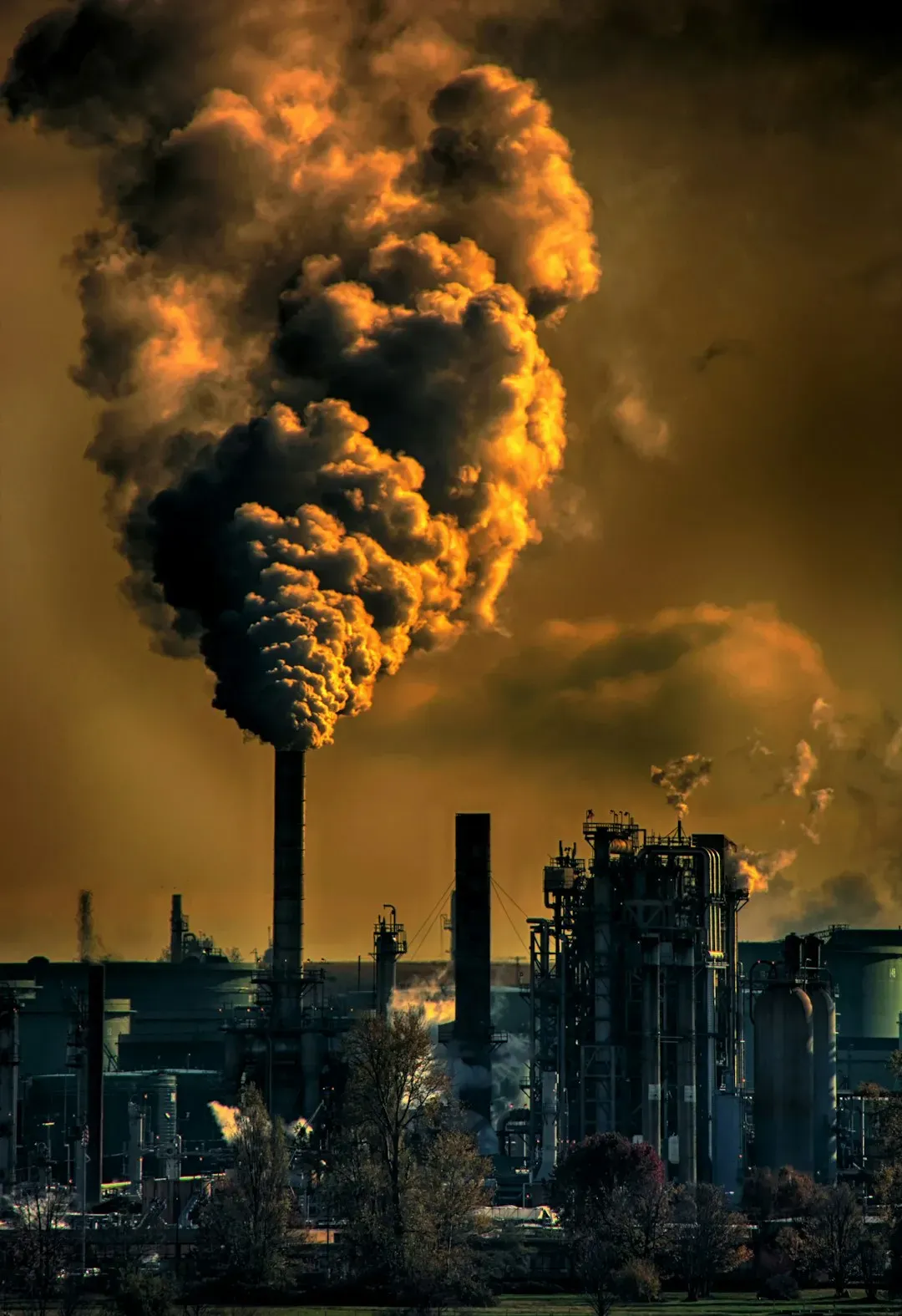
The remaining carbon budget to limit warming to 1.5 degrees Celsius is 130 Gt CO2, which will be consumed in just over three years at current annual rates. Let that sink in. Three years. Global CO2 emissions, largely from fossil fuels, continue to rise and reach record levels, and at the current rate of emissions, the remaining carbon budget for limiting long-term global warming to 1.5 degrees Celsius with a 50% chance would be depleted by 2030.
Despite significant increases in renewable energy capacity and electric vehicle sales, nearly 80% of global energy still comes from fossil fuels, the world is burning more coal than ever before, deforestation continues at alarming rates, and coal and gas infrastructure continue to expand, with the world still emitting 42 GtCO2 per year. The math is brutally simple. We’re spending carbon we don’t have.
Tipping Points Start to Tip
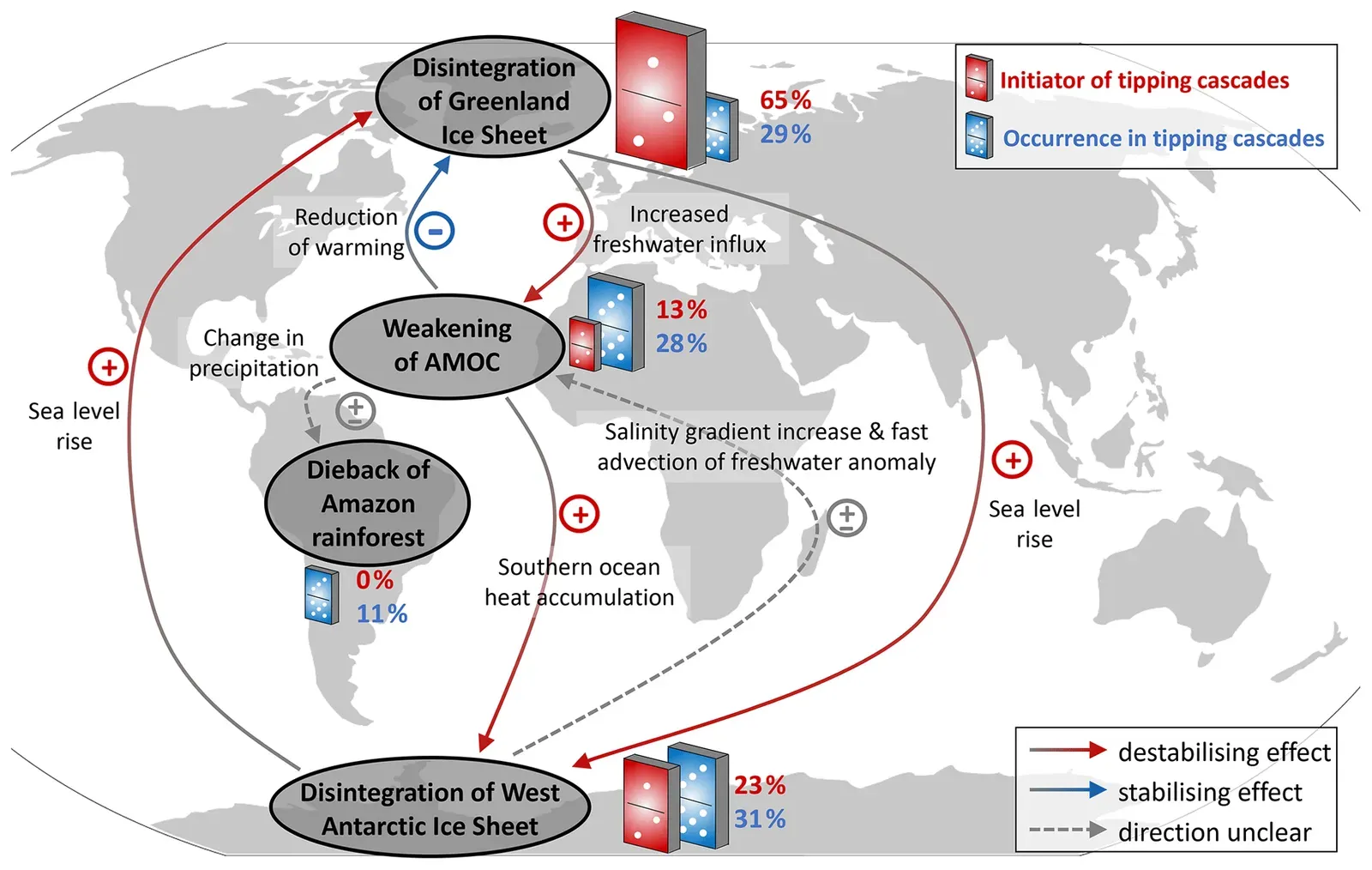
Current global warming of roughly 1.1 degrees Celsius above pre-industrial already lies within the lower end of five climate tipping point uncertainty ranges, and six tipping points become likely within the Paris Agreement range of 1.5 to less than 2 degrees Celsius warming, including collapse of the Greenland and West Antarctic ice sheets, die-off of low-latitude coral reefs, and widespread abrupt permafrost thaw. The first of these tipping points, involving tropical coral reefs, appears to have already been surpassed, and once tropical coral reefs surpass their temperature threshold, they begin to die even if humanity later stabilizes or reduces global warming.
The risk of the tipping of one climate system potentially triggering or accelerating the tipping of others increases significantly once the 1.5 degrees Celsius threshold is exceeded. A 2021 study with three million computer simulations of a climate model showed that nearly one-third of those simulations resulted in domino effects, even when temperature increases were limited to 2 degrees Celsius. It’s hard to say for sure, but the possibility of cascading failures keeps climate scientists awake at night.
Every Tenth of a Degree Matters More Than You Think
Every fraction of a degree of warming matters, with every additional increment of global warming causing changes in extremes and risks to become larger, and every additional 0.1 degrees Celsius of global warming causes clearly discernible increases in the intensity and frequency of temperature and precipitation extremes, as well as agricultural and ecological droughts in some regions. This isn’t abstract science. In 2024, disasters triggered a record 45.8 million internal displacements, of which 99.5 per cent were caused by weather-related hazards such as floods, storms, wildfires and droughts.
The risk of setting off climate change tripwires increases with every tenth of a degree Celsius of warming above 1.5 degrees Celsius and climbs especially quickly if warming exceeds 2 degrees Celsius compared to preindustrial levels. Let’s be real: the difference between 1.5 and 1.6 degrees Celsius might seem tiny, yet the real-world impacts amplify faster than the temperature itself.
Why Emissions Must Peak Now, Not Later
According to the IPCC report, limiting global warming to 1.5 degrees Celsius requires a peak before 2025, reduce emissions by 43% by 2030, 60% by 2035 and reach net-zero in early 2050, with near-term action vital to prevent climate breakdown. The 2025 State of Climate Action report is sobering: Not one of the 45 indicators assessed is on track to achieve its 2030 target. Not one.
According to the most recent data, in 2024 global greenhouse gas emissions increased 1.3% compared to the year before. We’re moving in the wrong direction. While the United Nations Environmental Program’s 2024 Emissions Gap Report states it is technically still possible to get on the 1.5-degree pathway, emissions have to fall by 42 percent globally by 2030 and by 57 percent by 2035, compared to 2019 levels. That’s a massive shift in trajectory required in a very short time.
The Overshoot Scenario Gets Riskier
The report plotted a scenario where temperatures rise to about 1.8 degrees Celsius before falling back below 1.5 degrees Celsius before the end of the century. This is what scientists call “overshoot,” and it’s increasingly looking like our best-case scenario. If current climate policies are followed, there is a 45% chance of triggering one or more tipping points by the year 2300, even if temperatures are brought back below the 1.5 degrees Celsius target.
Stabilizing the climate at 1.5 degrees Celsius above preindustrial levels over the long term would still carry considerable risks and temperatures would need to come down further, to about 1 degree Celsius above preindustrial, to sufficiently limit the risks of tipping points. The more we overshoot and the longer we stay above the threshold, the harder it becomes to reverse course. Temporary overshoots of climate change can substantially increase risks of climate tipping cascades by up to 72% compared with non-overshoot scenarios.
What Safe Really Meant All Along

A global mean temperature increase of 1.5 degrees Celsius is not ‘safe’ in terms of planetary stability but must be seen as an upper limit. That’s the uncomfortable truth. Already at 1.4 degrees Celsius of global warming, warm water coral reefs are crossing their thermal tipping point and experiencing unprecedented dieback, impairing the livelihoods of hundreds of millions who depend on them. The idea that 1.5 degrees Celsius represented some kind of safety zone was always wishful thinking.
The world has failed, at least temporarily, to avoid crossing the threshold set by governments to avert the worst impacts of global warming, but researchers say that it nonetheless serves as a stark reminder that the world is moving into dangerous territory, perhaps more quickly than previously thought. We’re learning in real time that our previous definitions of “safe” were dangerously optimistic.
The Window That’s Already Closing
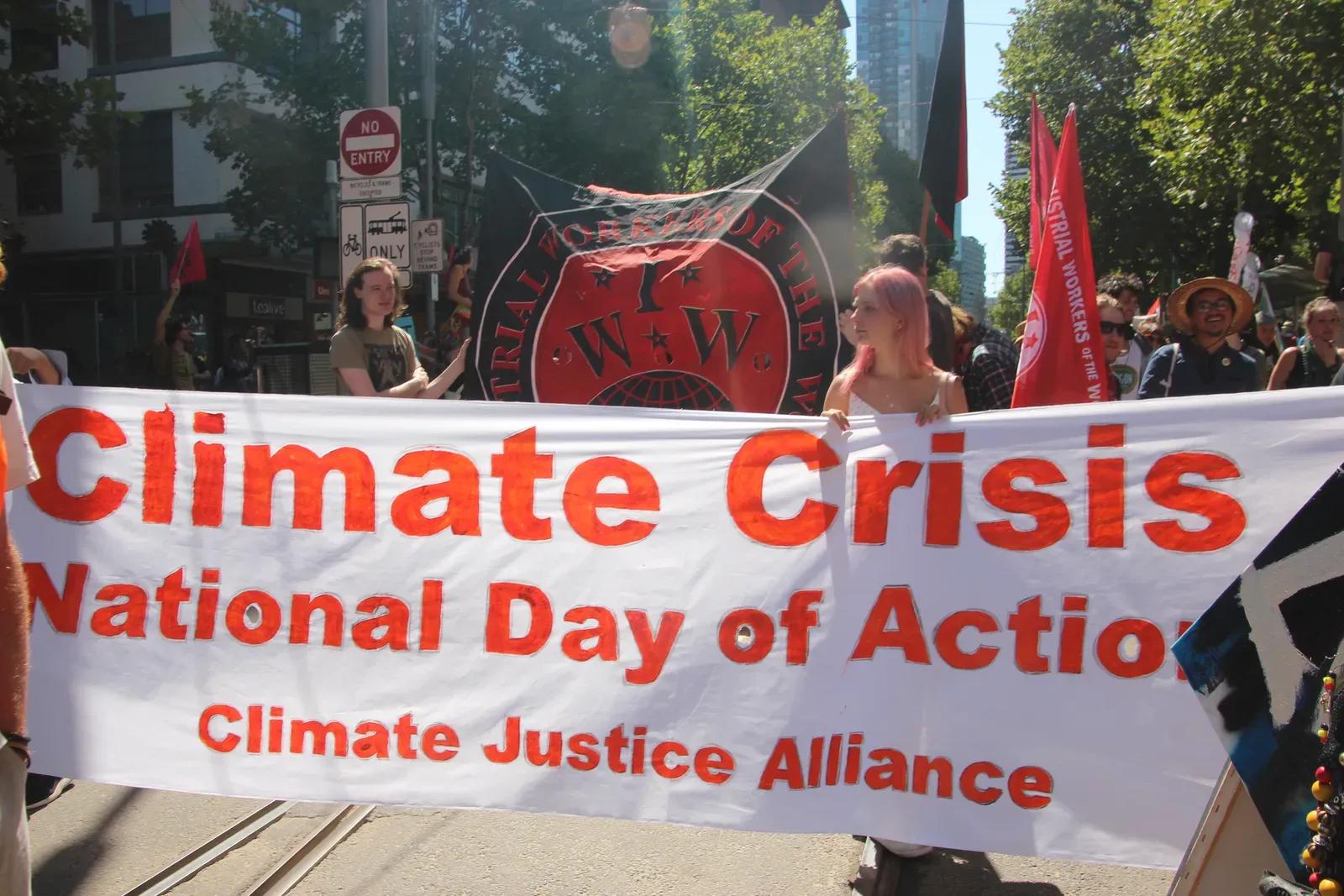
There is a staggering 86 per cent chance that global average temperatures will exceed 1.5 degrees Celsius above pre-industrial levels in at least one of the next five years. As of 2024, methodology predicts the 1.5 degrees Celsius level will occur sometime in 2029. That’s not some distant future scenario. Recent rates of warming and grossly inadequate mitigation efforts make it clear that the 1.5 degrees Celsius warming threshold will be surpassed, and the long-term average global warming will likely cross this threshold in the next five to ten years.
The window for preventing some damaging, irreversible tipping points is rapidly closing, and if we wait for certainty that tipping points have been crossed before we act, it will be too late. I think what’s most striking is how quickly the timeline has compressed. What seemed like decades away is now measured in years.
Limiting global temperature rise to 1.5 degrees Celsius is still possible, but only if we act immediately, with the world needing to peak GHG emissions before 2025 at the very latest, nearly halve GHG emissions by 2030 and reach net-zero CO2 emissions around mid-century. The science is clear. The pathway exists. What’s missing is the collective will to take it. Did you expect the margin for error to be this thin? What would you be willing to change to keep that window from slamming shut?

