

A backyard fire has a timeless appeal. Whether it’s a fire pit on a cool evening or a burn pile at the edge of the property, people have been setting things alight outdoors for generations. The problem is that modern materials are nothing like the simple wood and paper of decades past, and what looks like harmless fuel can release a surprisingly dangerous mix of chemicals.
The habit of burning “whatever’s around” persists partly out of convenience and partly out of genuine unawareness. Some of these items are illegal to burn in many U.S. states. Others are technically legal in certain jurisdictions but still pose serious health risks. Either way, the list below covers six items you’ll regularly find in backyards that really should never end up in a fire.
1. Pressure-Treated Lumber and Old Deck Boards

That pile of leftover deck boards or old fence posts might look like great firewood, but treated lumber is a toxic nightmare when burned, and demolition leftovers such as lumber, drywall, wiring, metal scraps, roofing shingles, and treated wood are often tossed into burn piles illegally. Pressure-treated wood contains chemicals like chromated copper arsenate (CCA) or alkaline copper quaternary (ACQ) that become toxic when burned, and inhaling smoke from burning treated wood can cause respiratory problems, skin irritation, and even cancer.
A single 12-foot by 2-inch by 6-inch board has enough arsenic to kill 250 adults, and the fastest way to release these chemicals is by burning them. Many homes and consumer products, especially those constructed or built before 2002, still contain CCA wood. The disposal of treated lumber by burning has serious health and environmental risks, and in fact it’s illegal to burn in all 50 states.
2. Plastic Containers and Packaging
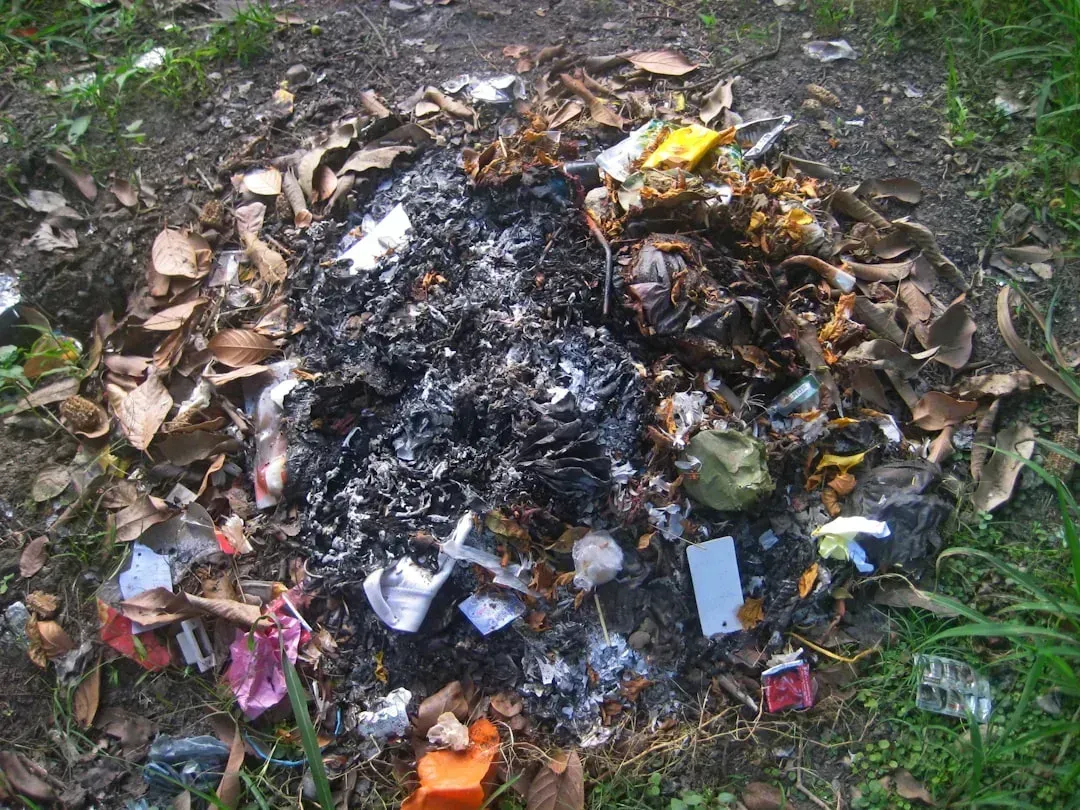
Burning plastics releases dangerous toxins like dioxins and heavy metals into the air, which is why it’s prohibited in nearly every state. Plastics release toxic chemicals, including hydrochloric acid, sulfur dioxide, dioxins, and heavy metals, that are dangerous for your health and bad for the environment. It’s a temptation that’s easy to understand – an empty milk jug or a handful of old packaging seems like it would just disappear into the flames.
The most dangerous chemicals created during burning are those from plastics, including dioxins, which are byproducts formed when chlorine-containing products are burned and tend to adhere to plant surfaces and enter the food chain. Backyard burning is also particularly dangerous because it releases pollutants at ground level where they are more readily inhaled or incorporated into the food chain. Recycling, however inconvenient it feels in the moment, is the only genuinely safe option here.
3. Household Garbage and Mixed Trash
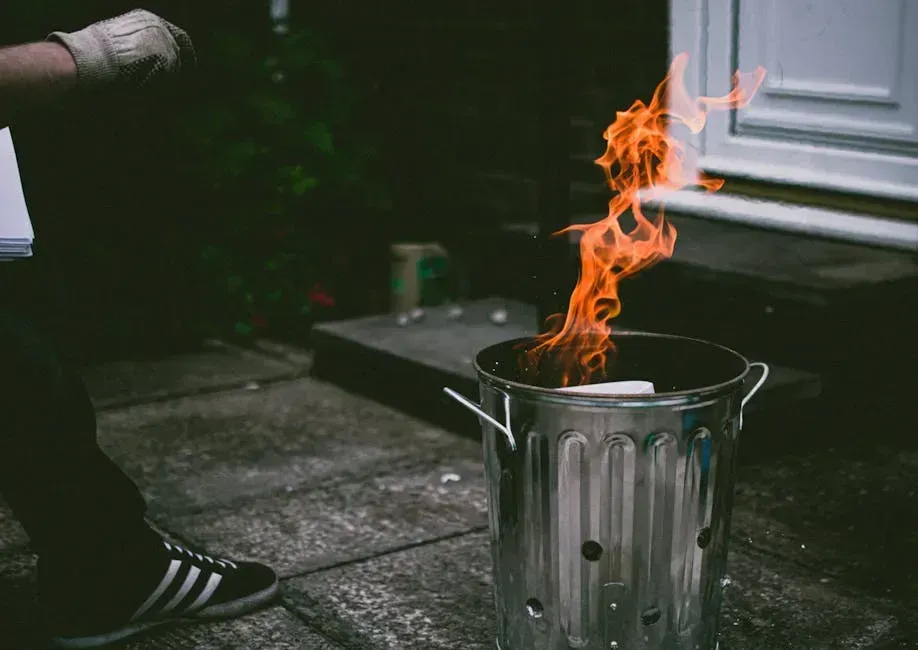
Burning garbage is illegal in nearly every jurisdiction, with North Carolina state law explicitly banning burning anything non-vegetative, including trash, paper, and cardboard, and burning trash is illegal statewide in all cases, including in wood stoves, fireplaces, and outdoor wood boilers. Household trash burning was a common and accepted practice in previous decades, but with the development of new technology and products, the components of our trash have changed – in the past household trash was primarily wood and paper, while today it often contains many types of plastics, coated paper, and other unnatural materials.
Studies indicate that open burning of individual household trash could release pollutants in higher levels than burning trash from thousands of homes in a municipal incinerator, with those pollutants including dioxins, volatile organic compounds, acetaldehyde, formaldehyde, hydrogen chloride, and naphthalene. Backyard burning can increase the risk of heart disease, aggravate respiratory ailments such as asthma and emphysema, and cause rashes, nausea, or headaches.
4. Cardboard Boxes
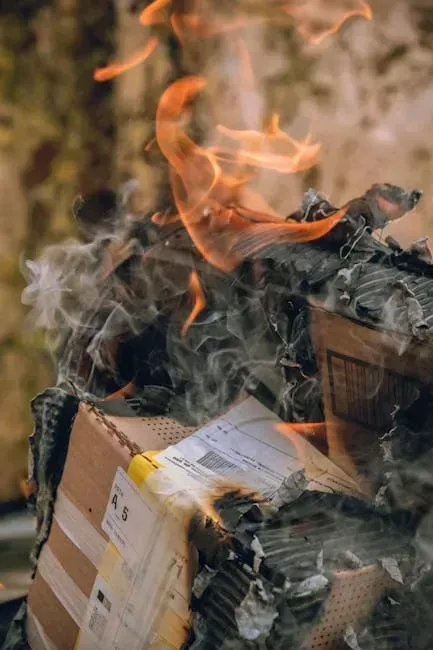
Cardboard can cause a surge of fire that could injure anyone sitting or standing too close, and according to the USDA Forest Service, cardboard also releases chemicals into the air from the ink printed on the boxes. Paper and cardboard ignite quickly and can easily be carried away by a light breeze, and these floating embers can land on your roof or dry grass, starting accidental fires.
The gloss on magazine pages and many promotional flyers is plastic-based, which means even paper items that look plain are often partly plastic once printed and coated. Cardboard and paper seem fairly safe to burn at face value, but burning them can create huge flakes of smoldering ash and release them into the air, and if one of these flakes lands in the wrong place, it can lead to injuries or potentially light other objects on fire.
5. Painted or Stained Wood

When wood is painted, it’s best not to burn it because it may give off toxic fumes, and if the wood is very old, you could be burning lead-based paint, which would be very toxic. Fumes from lead-based paint or chemical stains are highly toxic when inhaled. This catches a lot of people off guard. Old furniture, fence slats, and shed panels all look like wood, so it’s easy to forget they’ve been chemically treated on the surface.
Burning particle board, or treated, stained, painted, or wet wood should be avoided, as when these materials are burned they release very toxic chemicals. The side effects of inhaling formaldehyde from burning plywood in a fire pit may include fatigue, respiratory irritation, impaired lung function, and skin reactions, and someone may also experience a burning sensation in the eyes, nose, and throat. Any wood that wasn’t specifically cut and dried for burning should be treated with suspicion.
6. Poison Ivy, Poison Oak, and Poison Sumac Vines
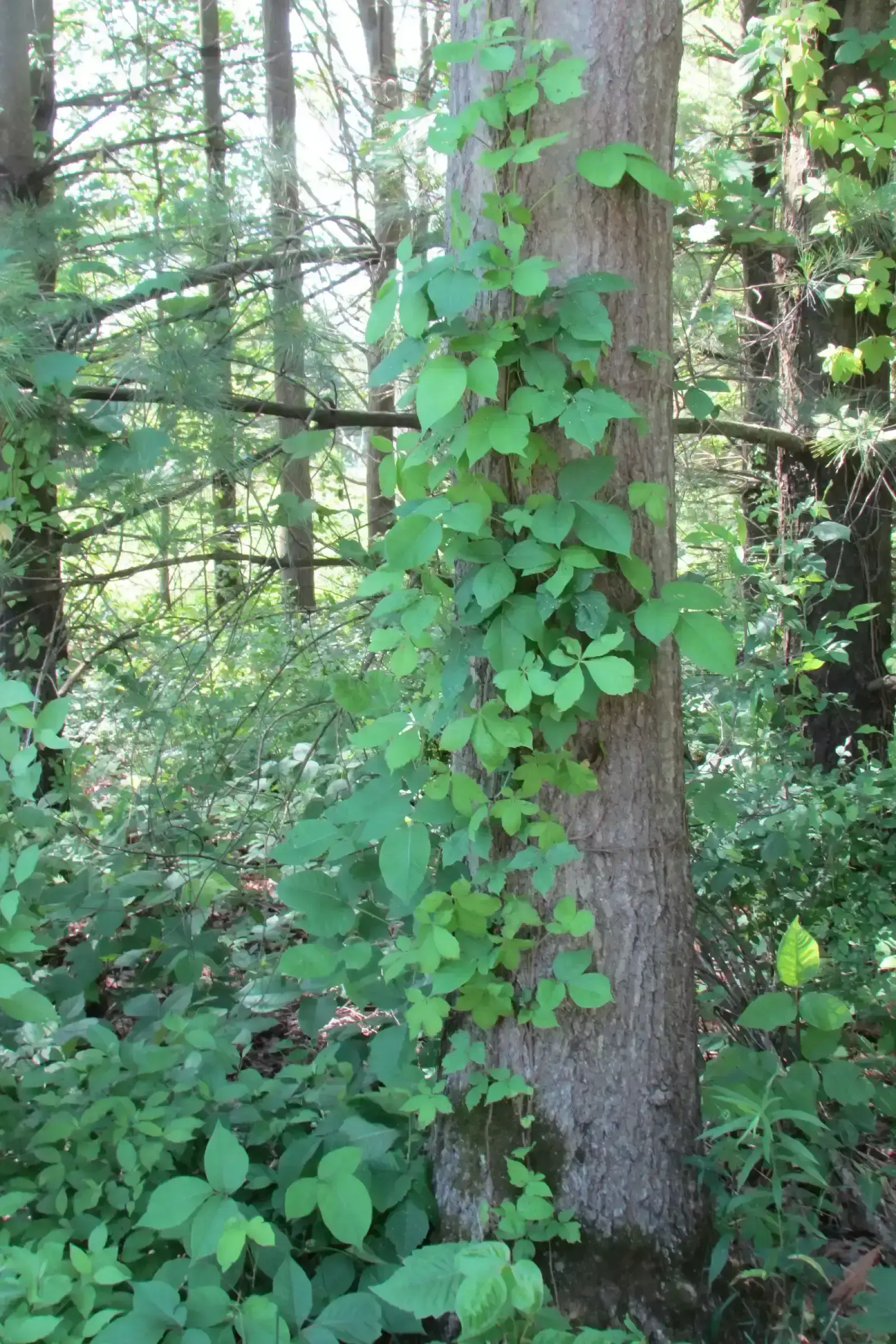
When poison ivy is burned, particles of urushiol can be carried through the air – urushiol is the oily resin in poison ivy, poison oak, and poison sumac that causes a reaction – and coming into contact with or breathing smoke from poison ivy can cause serious health issues. Poison ivy vines can wrap around fallen branches and pieces of wood, and when the vine loses its leaves in the colder months it becomes even harder to tell what is poison and what isn’t – the poisonous oils are still present even without leaves.
When poison ivy is burned, the urushiol becomes airborne, inhaling this smoke can lead to a rash forming on the lining of the lungs resulting in extreme pain and severe respiratory difficulties, and this condition can cause significant inflammation and damage to lung tissue, making breathing difficult and potentially leading to life-threatening situations. Cases of urushiol respiratory exposure following the burning of poison ivy have resulted in cardiopulmonary arrest and ultimately death, and these represent the first documented cases of death related to poison ivy smoke exposure. This one doesn’t belong in any fire, ever.
The common thread across all six of these items is the same: what looks like “just burning stuff” in the backyard is often something far more serious. The EPA has long advised that you should never burn construction waste, plastic, garbage, or yard waste, as they create more smoke and can be toxic. Safe disposal options, from recycling centers to hazardous waste collection days, exist for nearly all of these materials. A bit of extra effort in disposal is a fair trade for keeping the air around your home clean and your family out of harm’s way.

