

Most travel planning focuses on what to see, where to eat, or how far to drive. Weather is often an afterthought – until it isn’t. A wrong-season visit to certain American cities can turn a long-awaited trip into something far less enjoyable, or even dangerous. The United States spans an extraordinary range of climates, and that variety comes with real consequences for travelers who show up unprepared.
The U.S. experienced 27 billion-dollar weather and climate disasters in 2024 alone, and the following year brought another 23 such events, ranking 2025 third behind 2023 and 2024 for annual disaster frequency. These aren’t abstract statistics. They translate directly into cancelled flights, impassable roads, and shuttered hotels. Here are six U.S. cities that regularly earn a spot on the no-go list during their most extreme weather windows.
Phoenix, Arizona: When the Heat Becomes the Hazard
Phoenix averages approximately 110 days per year with daytime highs exceeding 100 degrees Fahrenheit, and the 2024 and 2025 summers each included multi-week stretches with overnight low temperatures above 90 degrees. That’s not an extreme outlier – that’s a typical summer. Visitors who arrive expecting dry desert beauty in July often find themselves trapped in air-conditioned hotels, unable to walk more than a few blocks without risking heat exhaustion.
The 2024 summer recorded 113 consecutive days with high temperatures of 100 degrees or higher, breaking the previous all-time U.S. record. The urban heat island effect makes Phoenix substantially hotter than the surrounding Sonoran Desert, meaning even a short walk from the car to a restaurant can feel punishing. Outdoor attractions, hiking trails, and open-air markets – the very things that make Phoenix appealing – effectively shut down for months.
New Orleans, Louisiana: A City Below Sea Level in Hurricane Season
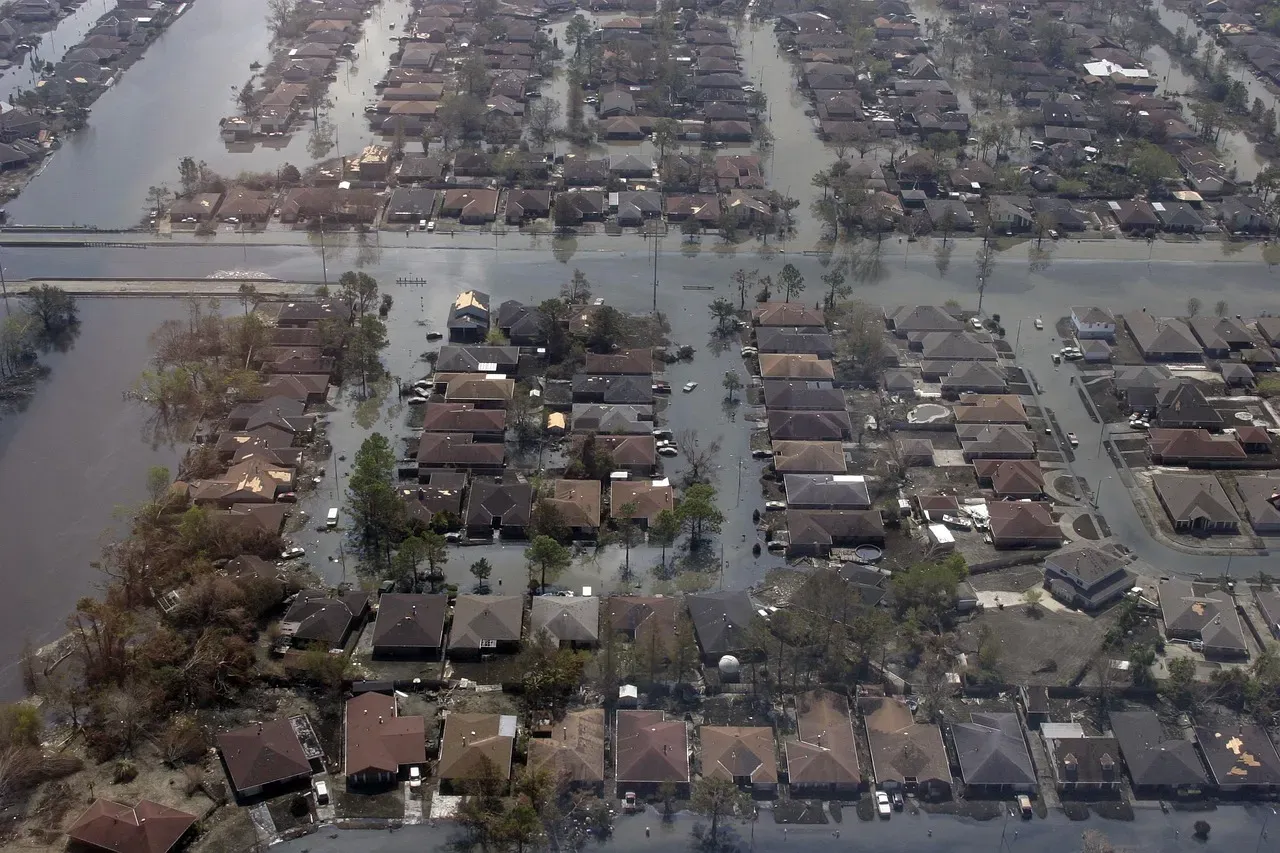
New Orleans consistently ranks as the worst major American city for weather across multiple analytical frameworks. The city sits below sea level, receives approximately 64 inches of annual rainfall, experiences extreme summer humidity with a heat index regularly exceeding 110 degrees Fahrenheit, and faces sustained hurricane risk during the June-to-November season. For travelers, that window covers a substantial portion of the year.
Hurricane Katrina in 2005, Hurricane Isaac in 2012, Hurricane Ida in 2021, and ongoing levee system stress have combined to produce among the highest weather-related insurance premiums in the United States. New Orleans residents report among the lowest weather-related satisfaction scores in any major American city. The cultural appeal is enormous, but the weather profile is genuinely difficult. Late spring through early fall is when savvy travelers stay away.
Miami, Florida: Hurricane Exposure and Year-Round Humidity
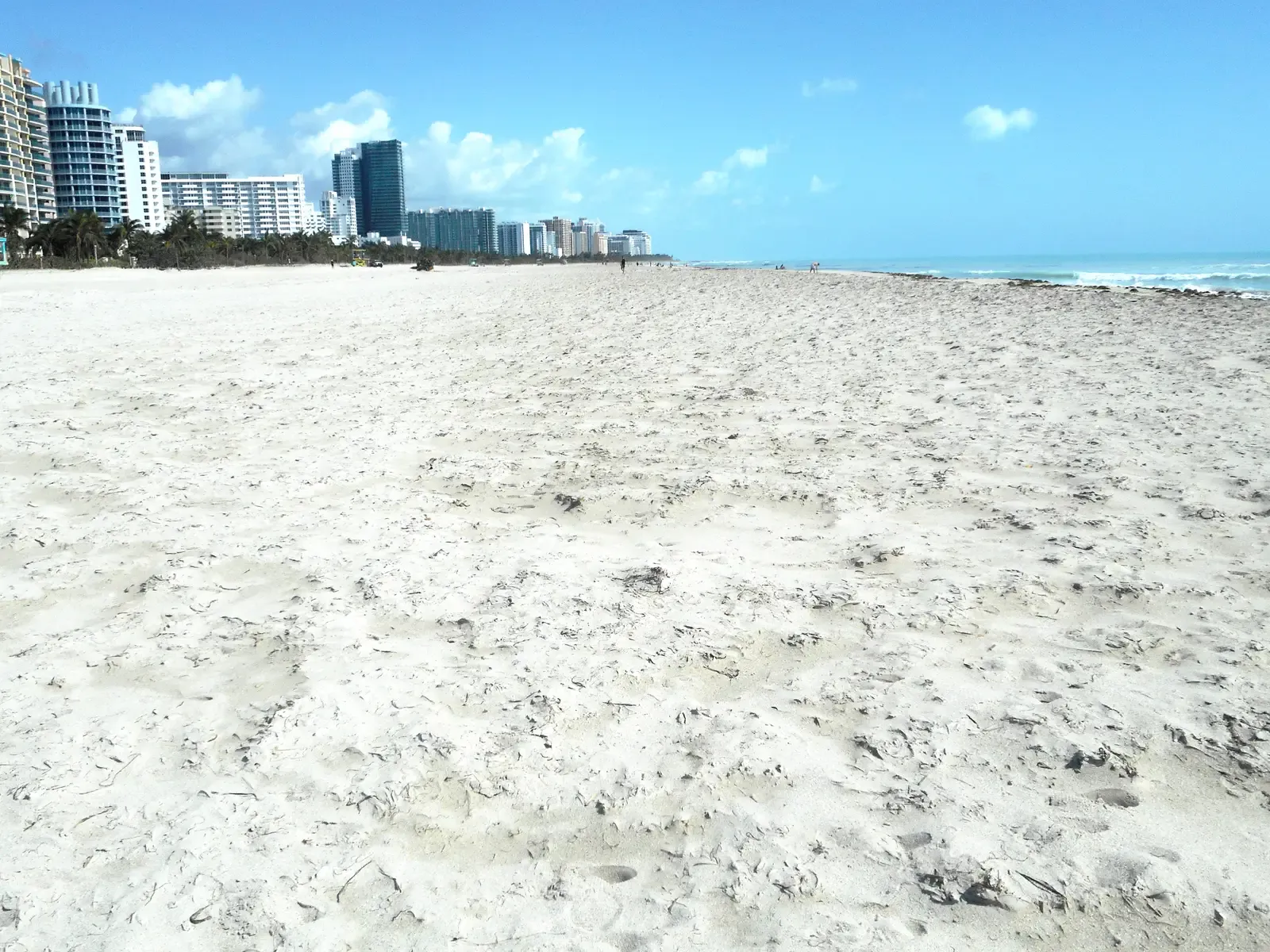
Miami faces a weather profile dominated by hurricane risk, extreme humidity, and rising sea level concerns. The city averages approximately 62 inches of annual rainfall, sustained temperatures in the 80s and 90s with humidity above 80 percent, and the highest hurricane exposure of any major American metropolitan area. Summer visits can feel oppressive even when a storm isn’t approaching – the baseline heat and moisture alone wear visitors down quickly.
Hurricane Irma in 2017, Hurricane Ian in 2022, and continuing flooding from king tides have produced substantial infrastructure stress. Miami residents pay among the highest homeowners insurance premiums in the United States, with multiple major insurers having exited the Florida market entirely. Parts of southern Florida also see the most thunderstorms of any region in the country, making summer afternoons reliably stormy even in quiet hurricane years.
Buffalo, New York: Lake-Effect Snow That Defies Belief
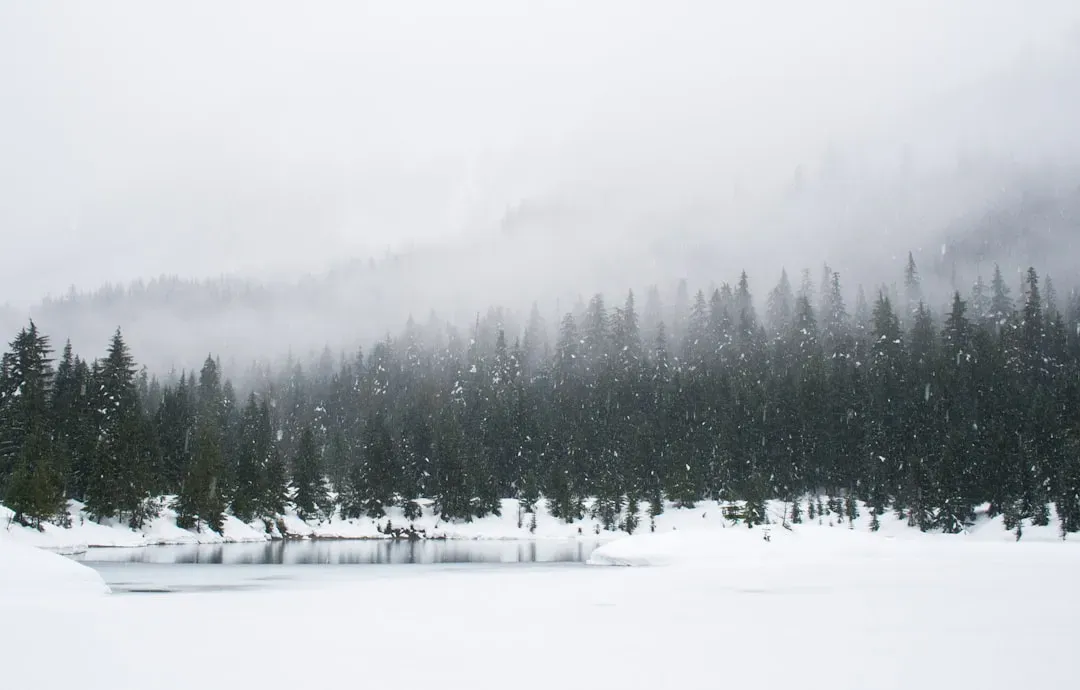
Buffalo averages 95 inches of annual snowfall – a figure that sounds almost theatrical until you experience it firsthand. The city’s position east of Lake Erie makes it uniquely vulnerable to lake-effect snow events, where cold air sweeps across open water and dumps enormous amounts of snow in narrow, intense bands. Lake-effect snow in Buffalo often results in quickly changing conditions, with bursts of heavier snow potentially reducing visibility and creating hazardous driving conditions along major commuter corridors.
The National Weather Service has also cautioned that snow squalls can quickly transform the roadways, creating sudden whiteout conditions and leading to rapid icing. In a typical lake-effect event, one to two feet of snow are expected off Lake Erie in South Buffalo and areas farther south, while two to three feet can fall near the Lake Ontario corridor. Travel becomes very difficult with very poor visibility and deep snow cover on roads. Travelers planning winter visits should understand that road closures, flight cancellations, and states of emergency are recurring features of life here, not rare exceptions.
Dallas, Texas: Tornadoes, Heat Domes, and Ice Storms All in One City
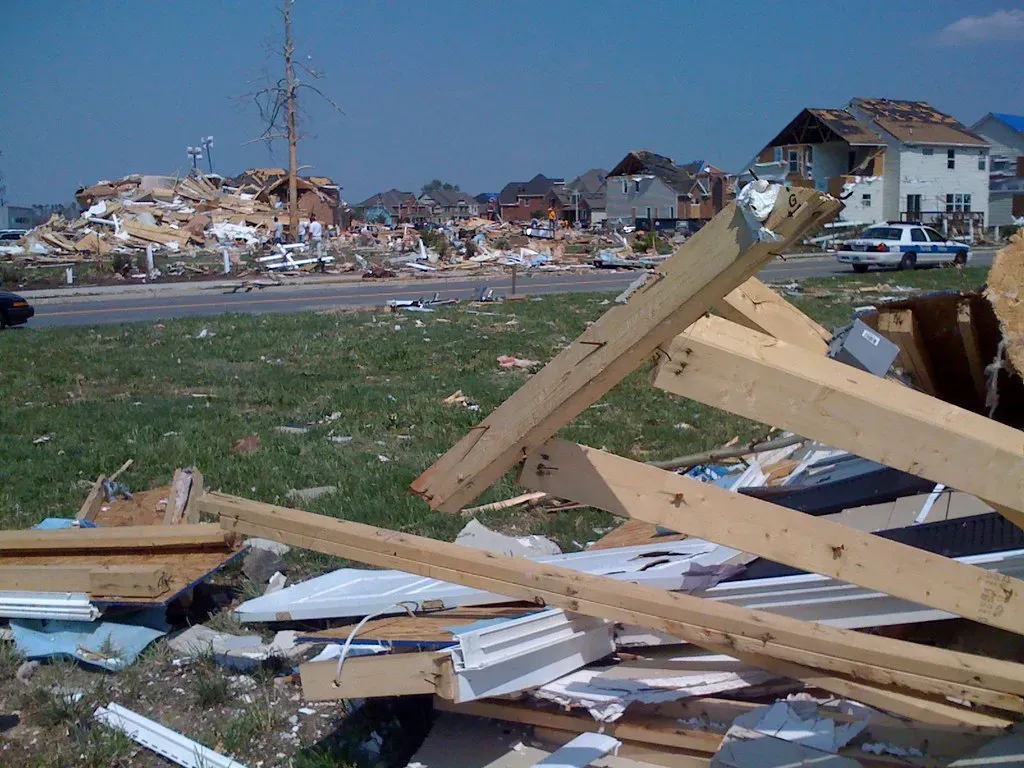
Dallas-Fort Worth sits on the southern edge of Tornado Alley, and severe weather is a serious concern from March through June. The DFW area sees EF2+ tornadoes every few years. The October 2019 EF3 tornado carved a 15-mile path through North Dallas, destroying homes and businesses. Supercell thunderstorms in the region produce rotating mesocyclones, large hail, and damaging straight-line winds exceeding 70 mph.
The heat dome phenomenon, where a persistent high-pressure system traps hot air over North Texas for weeks, is a regular summer occurrence. In bad years, Dallas can string together more than 20 consecutive days above 100 degrees Fahrenheit. Winter Storm Uri in February 2021 brought historic cold, widespread power outages, and pipe bursts across North Texas. While events of that magnitude are rare, a few icy days each winter are normal. There’s almost no fully safe season for unprepared visitors.
Los Angeles, California: Wildfire Smoke and Disaster Risk
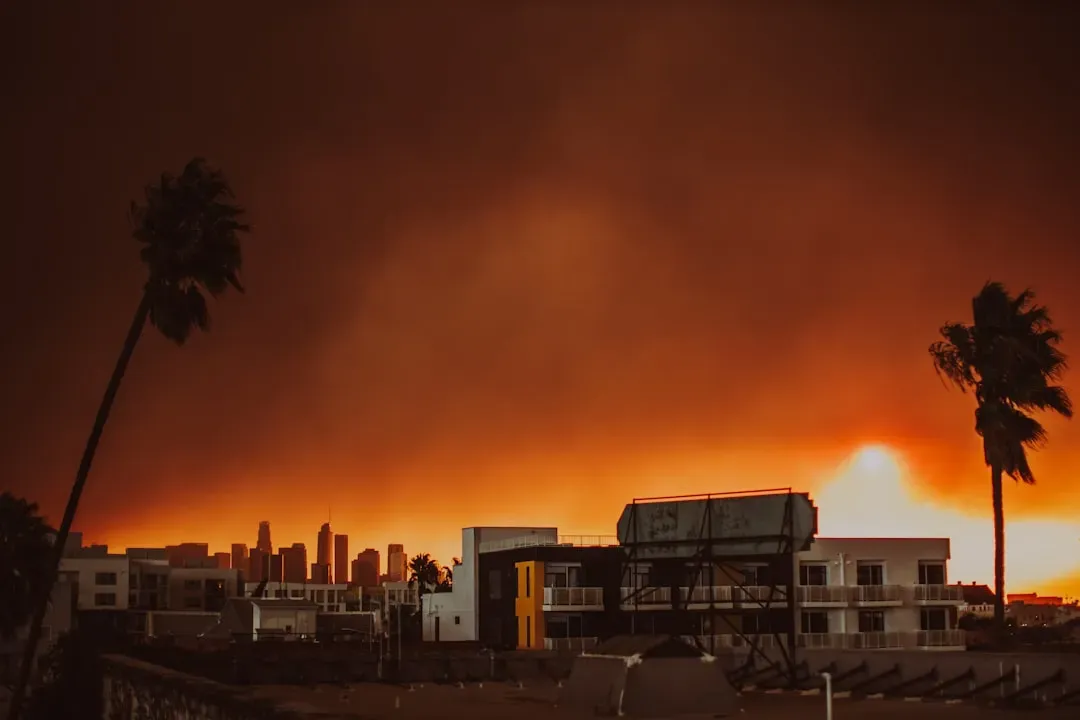
California is home to extremes. Large, catastrophic wildfires, drought, and heatwaves on one end, while on the other, atmospheric rivers can cause catastrophic flooding, rockslides, and heavy snow in the mountains. Los Angeles sits at the center of this contradiction, enjoying mild weather for much of the year before being tested severely by fire seasons and storm events that grow harder to predict.
The devastating Los Angeles wildfires of early 2025 caused 31 deaths, destroyed 16,000 homes and businesses, and doubled the previous record for the most costly wildfire in U.S. history. Air quality during active fire events can become dangerously poor across the entire metro area, turning outdoor sightseeing into a health risk. Seven states are expected to experience all five major climate change categories – extreme heat, drought, inland flooding, wildfires, and coastal flooding – and California is among them. Travelers visiting during late summer and fall fire season should track air quality indices closely before committing to outdoor plans.
What Travelers Should Know Before Booking

The most reliable way to assess a city’s weather risk is to reference NOAA’s official weather data, covering precipitation, snowfall, temperature extremes, and severe weather frequency, alongside resident satisfaction surveys from sources like WalletHub and AAA’s annual livability index. These aren’t just numbers for meteorologists – they translate directly into what your trip will feel like on the ground. Checking historical weather patterns for the specific weeks you plan to travel takes very little time and can save considerable frustration.
The patterns seen in these cities are likely to continue or worsen through the rest of the 2020s as climate change produces more frequent extreme events. Analysis found that average 2025 temperatures were made warmer by human-caused climate change in every single U.S. county, which means no destination is entirely static. The cities on this list aren’t bad places to visit permanently – timing simply matters more than most travelers realize, and the right season can make the very same city feel completely transformed.
