
Most people associate climate change with dramatic imagery: coastlines swallowed by rising seas, forests reduced to ash, cities paralyzed by record heat. Those images are real. Yet the effects that show up most consistently in daily life tend to be quieter, slower, and far easier to overlook. They arrive through a grocery bill that feels inexplicably higher, a sneeze that starts a week earlier than it used to, or a night’s sleep that never quite settles.
While many people associate climate change with the greatest risks and worst impacts, there are numerous ways it affects daily lives that often go unnoticed. Though these impacts may seem small or insignificant, such as worsening allergies or longer travel times, they are incremental and can lead to significant changes. Here are eleven of the most telling ways the warming planet is already reshaping your world, whether you notice it or not.
1. Your Grocery Bill Is Climbing Because of Extreme Weather

Climate change has raised the price of food in the United States by a conservative estimate of up to 6.7 percent over the past 50 years, and its impact on food costs is becoming even clearer as extreme weather events intensify. The connection runs through the entire supply chain. Research shows that unusually warm temperatures can lead to lasting price hikes for consumers, largely because heat and shifting water availability can reduce farm productivity, leading to supply shortages and higher prices.
The effects on specific products have been dramatic. In April 2024, cocoa prices were nearly three times higher than a year prior, after a heat wave following drought in Ghana and the Ivory Coast. Droughts and extreme heat in Brazil and Vietnam decreased coffee bean yields and sent a ripple effect through the global market, raising coffee prices to an all-time high in early 2025 and causing a roughly fifteen percent price increase for U.S. consumers. These aren’t market anomalies. They’re a preview of a more expensive food system.
2. You’re Sleeping Worse – and the Heat Is to Blame

Extensive evidence shows that human sleep is sensitive to nighttime ambient temperature, posing an additional climate-change-related threat to global public health. Increases in nighttime minimum temperature reduce sleep duration and increase the probability of obtaining insufficient sleep, primarily by delaying when people fall asleep. The body needs to cool down to fall and stay asleep, and rising overnight temperatures interfere with that process at a physiological level.
For each ten degree Celsius increase in ambient temperature, the odds of sleep insufficiency increased by roughly twenty percent, while total sleep duration decreased by nearly ten minutes. Under high-emissions projections, by the end of the century sleep insufficiency could rise significantly, with an annual loss of more than thirty hours of sleep per person. The effect of nighttime temperature on sleep loss is amplified for lower-income countries, older adults, and females.
3. Allergy Season Is Getting Longer and More Miserable

Rising carbon dioxide levels and higher temperatures caused by climate change result in earlier and longer pollen seasons with greater pollen production, increasing exposure and worsening allergy symptoms. A recent study found that human-caused warming was a primary driver of North American pollen seasons lengthening by twenty days on average from 1990 to 2018. That’s nearly three extra weeks of sneezing, congestion, and disrupted routines for the roughly one in three adults who suffer from seasonal allergies.
Increased levels of atmospheric carbon dioxide are contributing to an increase in the amount of pollen produced. On average, plants and trees produce about twenty percent more pollen compared to fifty years ago. Because of these changes, pollen allergy symptoms are likely to appear earlier in the year and be more severe. Allergy symptoms have a huge impact on quality of life and can disrupt sleep quality and contribute to brain fog and an inability to focus.
4. Your Mental Health Is Being Quietly Eroded

Climate change is increasingly recognized as a threat to mental health, giving rise to constructs such as eco-anxiety and solastalgia. These aren’t just abstract concepts for environmental advocates. Research consistently shows that eco-anxiety shows small to large positive correlations with mental health outcomes of psychological distress, depression symptoms, anxiety symptoms, and stress symptoms.
Extreme heat can increase the risk of heart disease and cause respiratory health complications. It can also impact mental health, including causing worsening anxiety, depression, and agitation that leads to interpersonal violence. The mental health burden of climate change doesn’t require living through a wildfire or flood. For many people, the chronic stress of watching a destabilizing world is doing its own quiet damage.
5. You’re Losing Productive Hours to Dangerous Heat
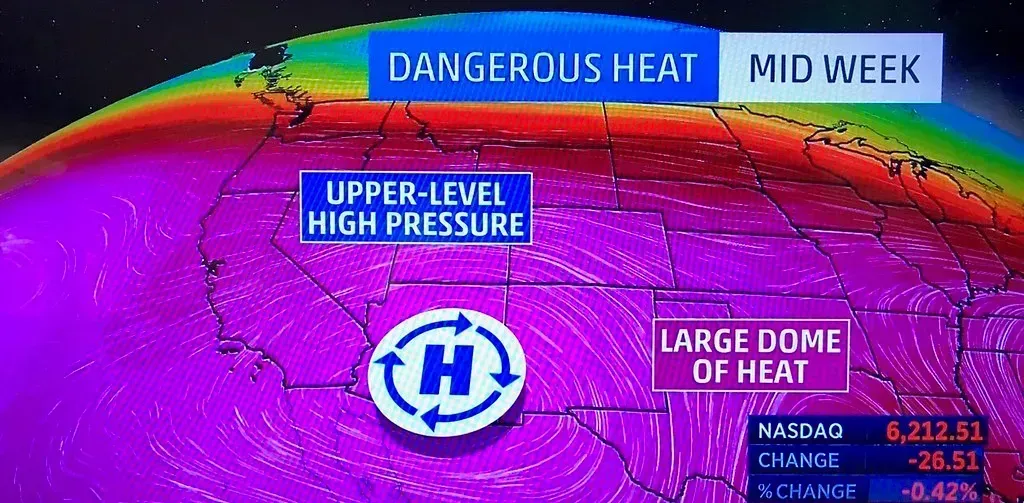
Heat exposure caused an estimated 640 billion potential labor hours to be lost in 2024, with productivity losses equivalent to over one trillion US dollars. For most workers in office settings, that figure might seem remote. In reality, heat affects cognitive performance even in temperature-controlled environments, and the burden falls hardest on outdoor and manual workers.
The average person was exposed to sixteen days of dangerous heat in 2024 that would not have been expected without climate change, with infants and older adults facing a total of over twenty heatwave days per person, a fourfold increase over the last twenty years. That’s not a distant projection. That’s the kind of heat that cuts working hours, forces early school closures, and shortens the time anyone can safely spend outside.
6. Tick and Mosquito Seasons Are Expanding Into New Areas
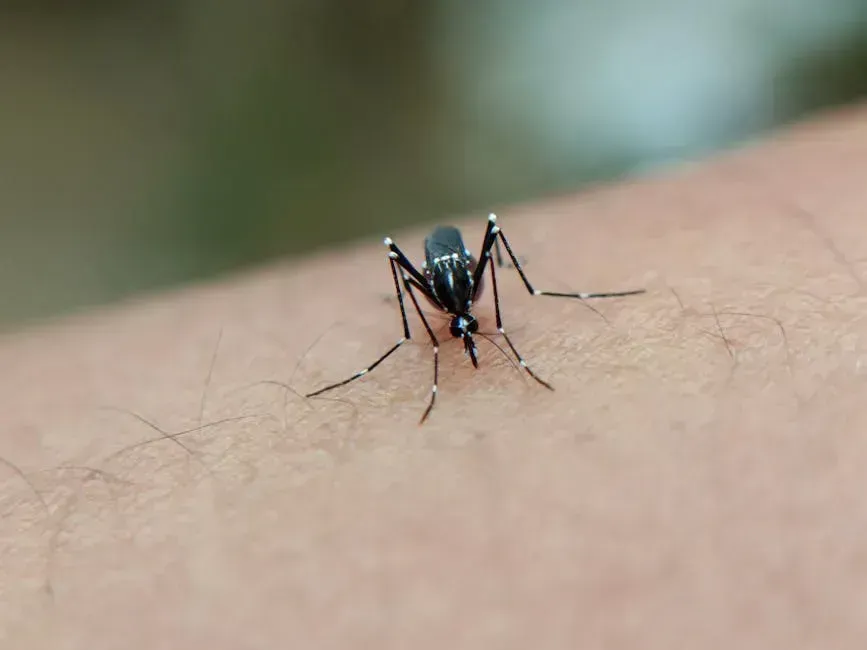
Climate-fueled warmer temperatures are increasing the range of ticks and mosquitoes, which carry diseases like Lyme disease and West Nile Virus, leading to premature deaths, hundreds of thousands of new cases annually, and tens of thousands of visits to medical clinics and hospitals. Warmer winters mean fewer hard freezes that would otherwise keep pest populations in check, and milder conditions extend the window during which these insects are active.
The geographic spread is particularly striking. Climate change is already causing significant shifts in weather patterns and an increase in extreme weather events around the world, including shifts in vector-borne disease risk zones as temperatures rise. People who have never previously needed to check for ticks after a walk in their local park are now encountering species that simply weren’t present a decade ago. The map of risk is being redrawn every year.
7. Your Home Insurance Is Getting Harder to Afford

A report from the University of California, Berkeley collected both direct and indirect financial impacts of climate change across numerous sectors, including skyrocketing insurance premiums and housing insecurity. The report finds that the average American born in 2024 is expected to face $500,000 in additional costs due to climate change in their lifetime. Insurance markets are feeling the pressure most acutely.
The costs of a warming climate continue to burden families long after climate disasters strike. Increasing temperatures, extreme events, and other climate-related disruptions affect energy consumption and health, and are destabilizing insurance and financial markets. In wildfire-prone and flood-prone regions, insurers are simply pulling out of markets altogether, leaving homeowners with few options and dramatically higher premiums if they can find coverage at all.
8. Children Are Falling Behind in School Because of Heat

Research has found that extreme heat is not just associated with lowered learning, but several rigorous studies imply a causal relationship. Exposure to heat appears to degrade children’s potential in ways that cascade across the life course. This happens through both direct cognitive impairment during hot school days and through broader disruptions like wildfire smoke and flood-related school closures.
Various stressors worsened by climate change, such as extreme heat and wildfire smoke, persistently impact children’s ability to learn, their school attendance, overall academic performance, and, later, their income. The adverse effects most heavily impact children in socioeconomically disadvantaged regions that often lack resources like cooling infrastructure, contributing to vulnerabilities that exacerbate climate risks.
9. Wildfire Smoke Is Reaching Your Lungs Even When You’re Far From a Fire
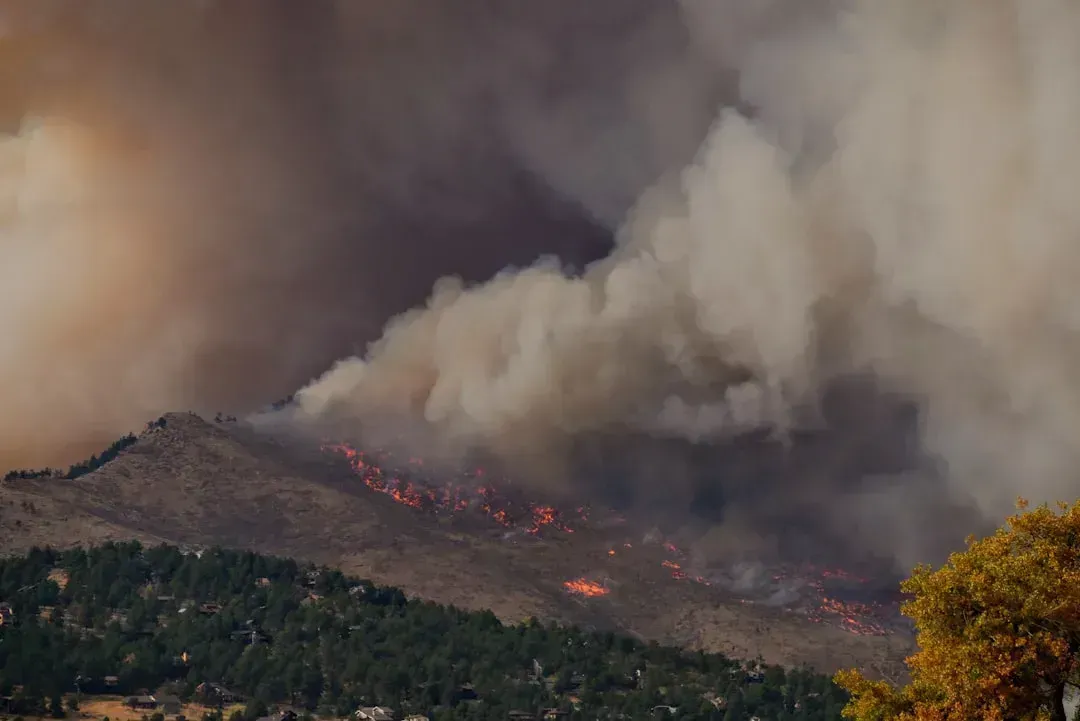
Wildfire risk has increased in more than half of the world’s countries between 2016 and 2019 compared to the early 2000s, with a global increase of nearly 72,000 daily population exposures to wildfire per year. The smoke itself travels far beyond the immediate fire zones. During major fire events in the western United States and Canada, hazardous air quality has regularly descended on cities hundreds or even thousands of miles away.
With increasing extreme heat and droughts, wildfire risk will continue to grow across the world. Smoke from wildfires aggravates respiratory disease more than smoke from other sources. Carbon pollution helped fuel the Los Angeles fires of January 2025, the costliest on record, partly by making fire weather conditions at the time more likely and more intense. The health consequences reach across demographics and geography.
10. Heat-Related Deaths Are Rising, Especially Among Older Adults

The rate of heat-related mortality has increased by roughly a quarter since the 1990s, pushing total heat-related deaths to an average of more than half a million deaths per year. Older people are particularly at risk. Sustained nighttime temperatures are a main cause of death because while sleeping, older people are unable to consciously regulate their body temperature.
The Lancet Countdown 2024 report tracked global heat-related mortality for people over 65 years of age for the last 45 years, showing a dramatic increase in heat exposure of older people since 2010, due to increasing heatwave occurrences and ageing populations. This is a slow-moving public health emergency that tends to unfold outside of dramatic news cycles, with deaths quietly attributed to cardiac events or respiratory failure rather than heat itself.
11. Extreme Weather Events Are Becoming Disturbingly Normal
With fourteen billion-dollar disasters through just the first half of 2025, the year is well above the long-term annual average of nine such events per year. Climate change intensified 26 of the 29 weather events studied by World Weather Attribution in 2024, events that collectively killed at least 3,700 people and displaced millions. These aren’t isolated incidents. They reflect a measurable shift in the baseline of what weather does.
The rising frequency and costs of billion-dollar disasters reflect both the rising frequency and intensity of extreme weather and the growing number of people, homes, and businesses exposed to these hazards. Accelerated development in fire-prone areas, along coasts, and in floodplains can multiply the damage from extreme events. The new normal isn’t dramatic in any single week. It shows up in insurance rates, commute disruptions, school cancelations, and a creeping background awareness that the weather simply isn’t what it used to be.
The cumulative picture these eleven effects paint is not one of distant catastrophe. It’s already here, showing up in the small degradations of daily life, from a bad night’s sleep to a higher grocery receipt to a child wiping their eyes through a month of pollen. Understanding the connection between these everyday frictions and a warming planet is, perhaps, the most important step toward taking the issue seriously.
