

- 6 Things Eco-Conscious Homes Always Get Right - May 7, 2026
- 10 Household Items Sustainability Experts Wish You’d Stop Buying - May 7, 2026
- 12 Energy Tricks Green Homes Use to Cut Bills Nearly in Half - May 7, 2026
Most households are stocked with items that feel perfectly ordinary – things you grab off the shelf without a second thought. A roll of paper towels here, a nonstick pan there. Yet for sustainability researchers and environmental advocates, some of those everyday purchases represent much bigger problems than their modest price tags suggest.
The issue isn’t always dramatic. It’s often the quiet accumulation of low-cost, convenient products that collectively drive enormous waste, pollution, and chemical contamination. Here are ten household items that experts consistently flag as worth reconsidering.
1. Single-Use Plastic Bags
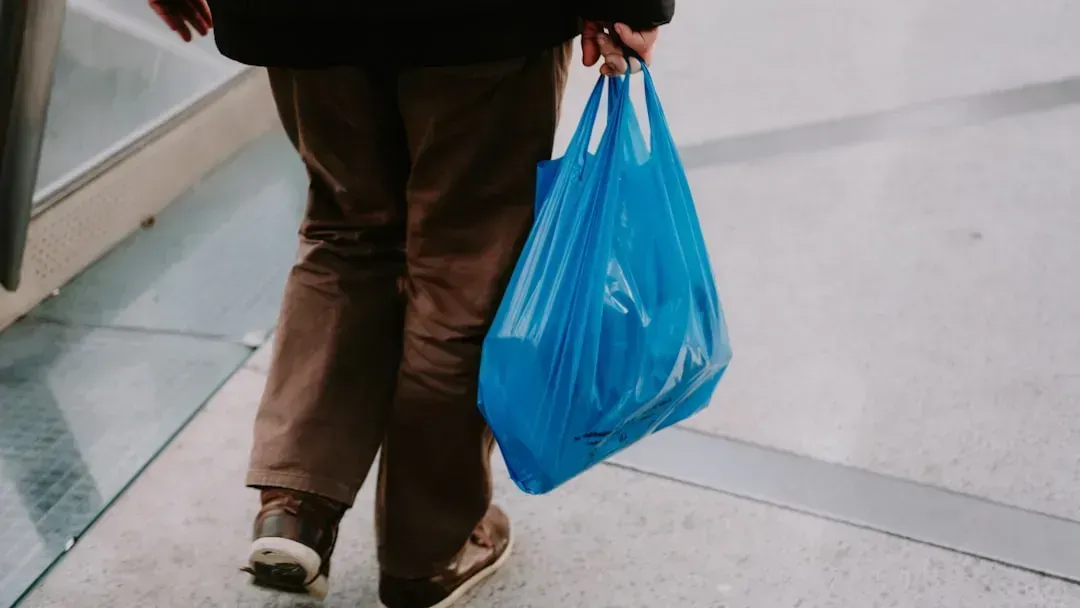
A single plastic bag takes around 1,000 years to degrade in a landfill, and even then it doesn’t fully break down. Instead, it photo-degrades into microplastics that absorb toxins and continue polluting the environment. The scale of the problem is genuinely staggering. Each year, an estimated 8 million metric tons of plastic waste enter the world’s oceans.
Two-thirds of all plastic waste globally comes from single-use and short-lived plastic products. Of the total seven billion tonnes of plastic waste generated to date, less than ten percent has been recycled. Reusable tote bags, particularly cotton ones, consistently come out ahead in lifecycle assessments. Research has found that cotton bags have the lowest environmental impact due to their reusability, while paper bags actually carry the highest environmental impact among common alternatives.
2. Traditional Nonstick Cookware
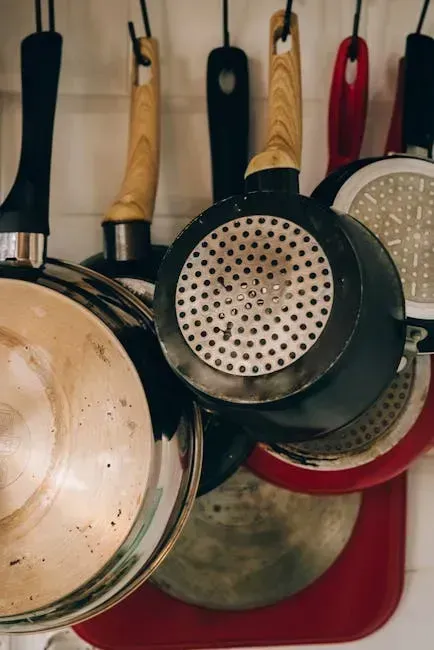
Nonstick cookware is often coated with polytetrafluoroethylene, or PTFE, a fluoropolymer also known as Teflon and a member of the class of per- and polyfluoroalkyl substances known as PFAS. These chemicals are often called “forever chemicals” for their persistence in the environment. PFAS is known to accumulate in the environment and has been linked to human health impacts including abnormal thyroid and hormone function, reduced immune system response, and cancer.
As of January 1, 2025, Minnesota became the first U.S. state to ban the sale of nonstick cookware coated with PFAS. Meanwhile, Vermont, Connecticut, Rhode Island, and Colorado are moving ahead with bans or restrictions on cookware containing intentionally added PFAS, with enforcement dates ranging from 2026 to 2028. If possible, switching to stainless steel or cast-iron pans is strongly recommended. These materials are safer alternatives to PFAS coatings and can be non-stick when used correctly, and both are time-tested and proven to be safe.
3. Disposable Paper Towels
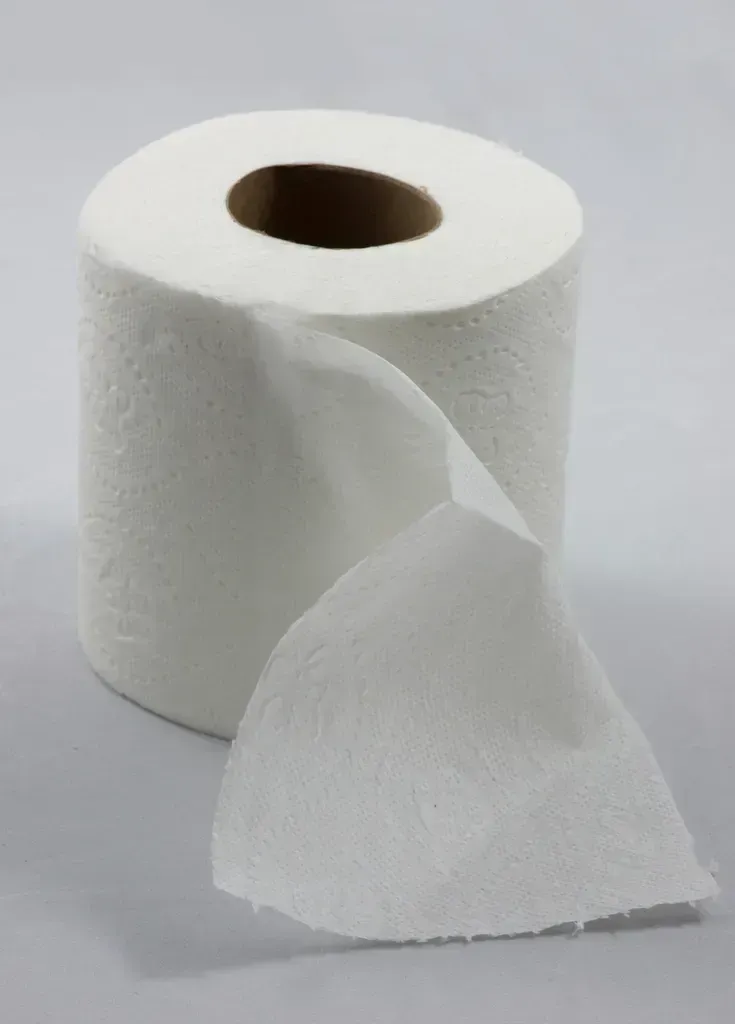
While paper towels serve as a convenient cleaning resource, their environmental footprint is significant, with most of the impact arising during their production phase. The manufacturing process is resource-intensive, consuming fossil fuels and occupying agricultural land primarily for tree growth, which contributes to fossil fuel depletion and particulate matter formation. On top of that, some conventional paper towels are bleached with chlorine or processed with chemicals that release toxins into homes and waterways. Some even contain glues, dyes, or PFAS. Add to that the fact that they are single-use, mostly tree-based, and not recyclable, and they start to feel less like a kitchen staple and more like a bad habit.
Americans are responsible for nearly half of the world’s paper towel usage. The math on switching is compelling. Microfiber cloths can be an excellent alternative, as their tiny fibers help increase absorbency and in many instances clean even better than paper towels. Cloth or cotton napkins are another solid option, and a high-quality napkin can last for years.
4. Fast Fashion Home Textiles
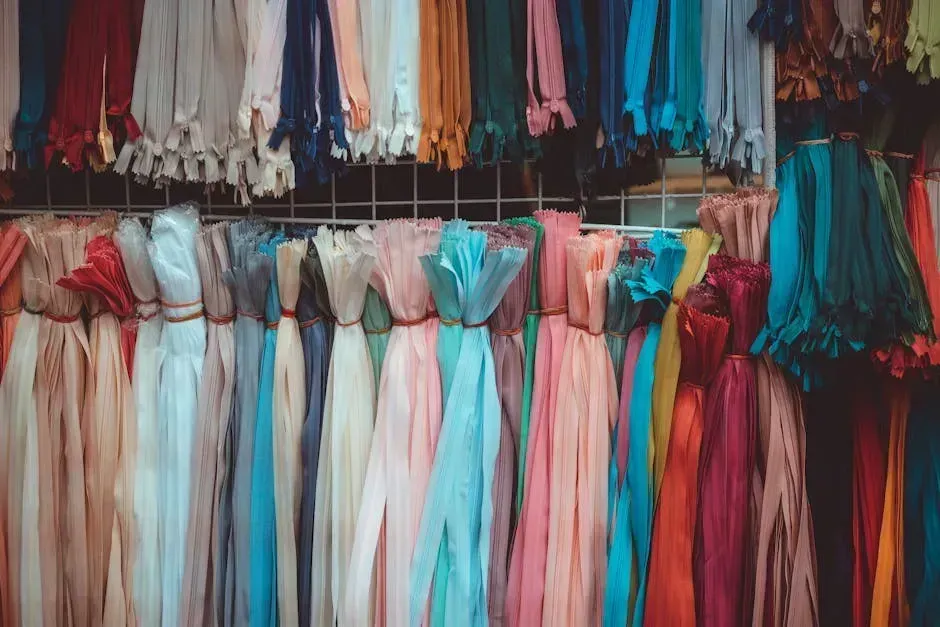
Every year, 92 million tonnes of textile waste is produced globally. Production doubled from 2000 to 2015, while the duration of garment use decreased by 36 percent during that same period. This throwaway mentality extends well beyond clothing into home textiles: cheap throw pillows, decorative blankets, and trend-driven bedding that gets swapped out seasonally. The textile industry’s high water consumption, pollution, and waste generation contribute significantly to environmental degradation, and fast fashion exacerbates these issues by promoting disposable products that lead to excessive resource consumption and waste accumulation.
Discarded textiles often end up in low-income countries, where lack of waste management infrastructure leads to dumping and burning. Textile and fashion waste in cities also frequently ends up in landfills, where it takes decades to decompose and releases harmful greenhouse gases. Less than one percent of material used to produce clothing is recycled into new clothing, resulting in over 100 billion dollars in material value loss, according to the Ellen MacArthur Foundation.
5. Plastic Wrap and Cling Film
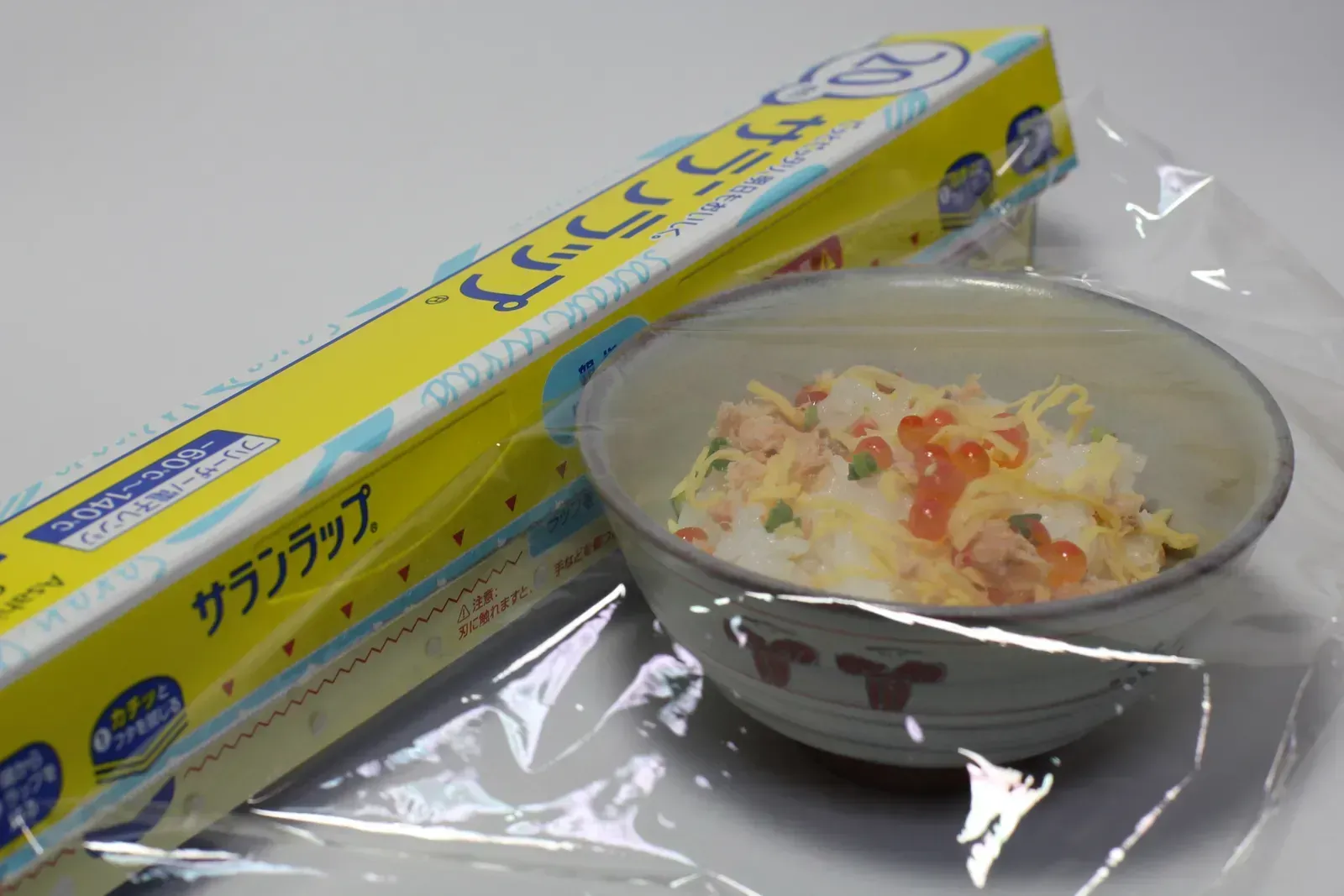
Plastic bags, plastic wrap, and other plastic film materials gum up recycling machinery, snaking into sorting equipment and requiring dangerous manual removal. From time to time, facilities need to shut down entirely so workers can remove the material, and plastic film can also damage the machinery, costing thousands of dollars in preventable repairs. This means that even well-intentioned recyclers who put plastic wrap in their bins are actually causing more harm than good.
Single-use plastics contribute to pollution on land and in oceans. When discarded, they can take hundreds of years to decompose, breaking down into smaller microplastics that contaminate waterways and soil. Alternatives like beeswax wraps, silicone stretch lids, and glass containers with locking lids have become widely available and reusable for years with proper care, making plastic cling film one of the easier household swaps to make.
6. Incandescent and Halogen Light Bulbs
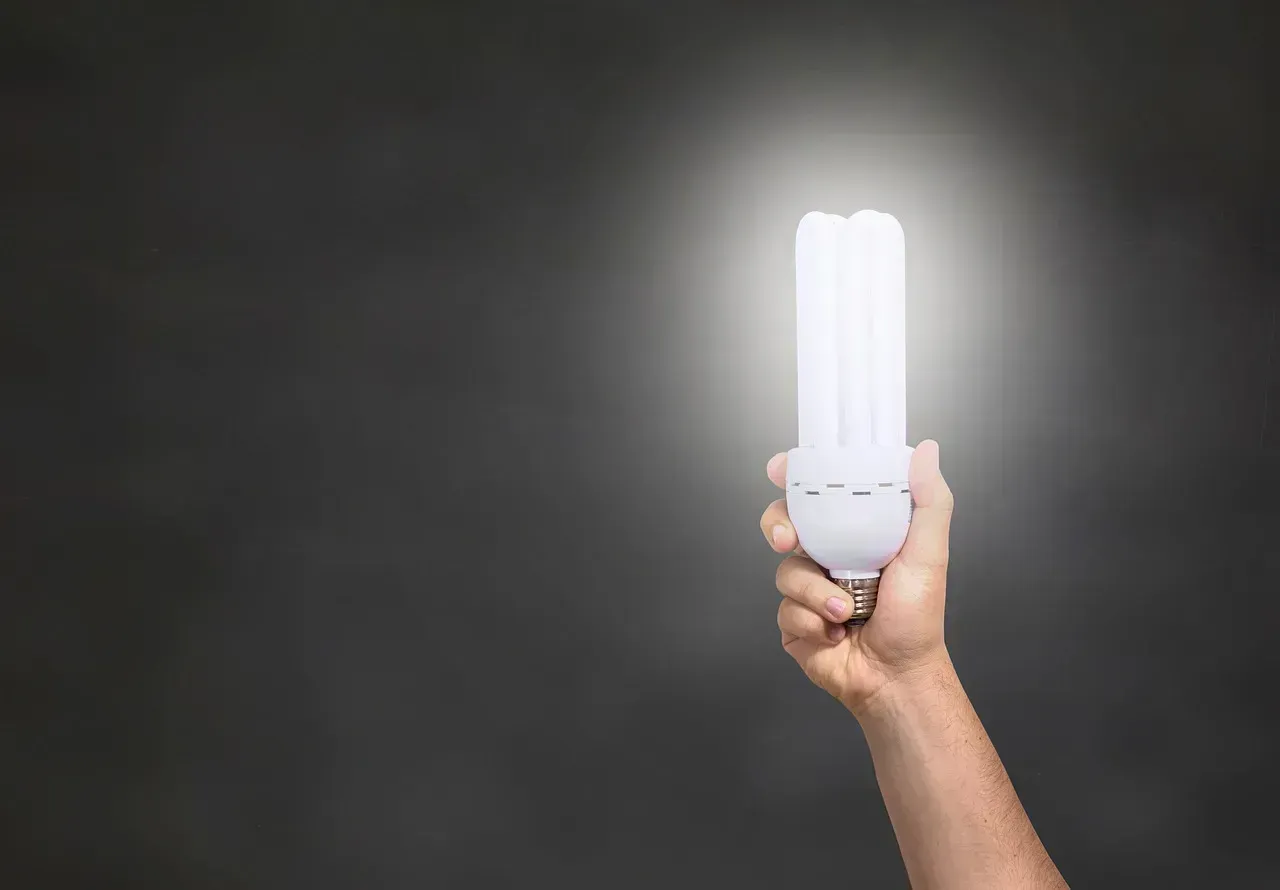
LED bulbs use up to 80 percent less energy than traditional incandescent bulbs and last significantly longer, making them a clearly superior sustainable lighting choice. Despite this being well-established knowledge, incandescent and halogen bulbs still find their way into shopping carts, often out of habit, preference for warm light tones, or simple inertia. The energy difference isn’t trivial over a household’s lifetime energy bill. As consumers become more eco-conscious, the demand for sustainable lighting solutions increases, and the gradual phase-out of incandescent bulbs is driven by both environmental considerations and the superior performance of modern lighting options.
The environmental case for LED is straightforward. Less energy demand means less strain on fossil-fuel-heavy power grids, and far fewer bulbs ending up in landfills due to a much longer lifespan. The light quality of LEDs has also improved considerably, with warm-tone options now widely available that closely mimic the look of older bulbs. There’s genuinely very little reason left to keep reaching for incandescents.
7. Antibacterial Cleaning Products
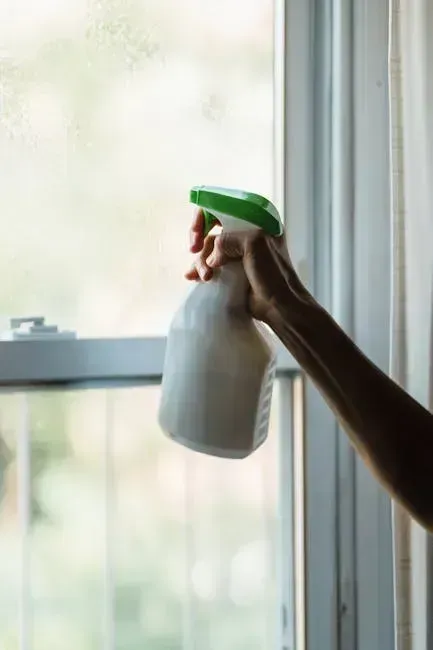
Antibacterial soaps, sprays, and wipes have become fixtures in many homes, especially since 2020. The problem is that most of them rely on active chemical agents, including triclosan and quaternary ammonium compounds, that do not break down easily in water treatment systems and accumulate in aquatic environments. Natural cleaning products offer an affordable and eco-friendly alternative to conventional cleaning supplies. Many household items, like vinegar, baking soda, and lemon, can create effective cleaning solutions that don’t rely on harmful chemicals, and DIY cleaners are both better for the environment and safer for health.
Creating an environmentally responsible home means choosing products made from natural, recycled, and sustainably sourced materials. For most everyday cleaning tasks, plain soap and hot water are equally effective at removing pathogens. The added “antibacterial” element rarely provides meaningful extra protection in household settings, yet it adds a chemical burden to waterways and may contribute to antibiotic resistance over time – a concern that regulatory agencies in multiple countries have been scrutinizing more closely.
8. Single-Use Coffee Pods
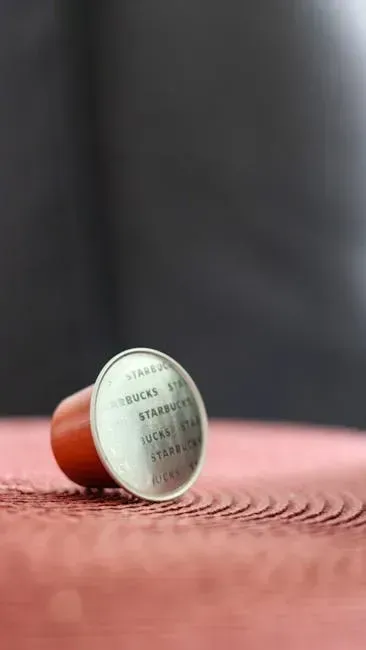
The single-serve coffee pod has become a symbol of convenience-at-cost. Each pod typically combines plastic, aluminum foil, and organic matter in a form that is notoriously difficult to separate and recycle. In 2024, only nine percent of plastic waste was recycled globally, while 22 percent was improperly disposed of. Coffee pods fall squarely into the category of products where the recycling promise rarely matches the reality for the average household.
Some sustainability advocates now argue that not buying certain things at all is the most sustainable option. For coffee drinkers, this translates easily: a French press, a reusable pour-over, or a traditional espresso machine produces zero pod waste and often delivers a better cup. High-quality products that last longer reduce the need for frequent replacements, thus minimizing waste – a principle that applies perfectly here, since a well-made coffee maker can last a decade or more with basic care.
9. Bottled Water
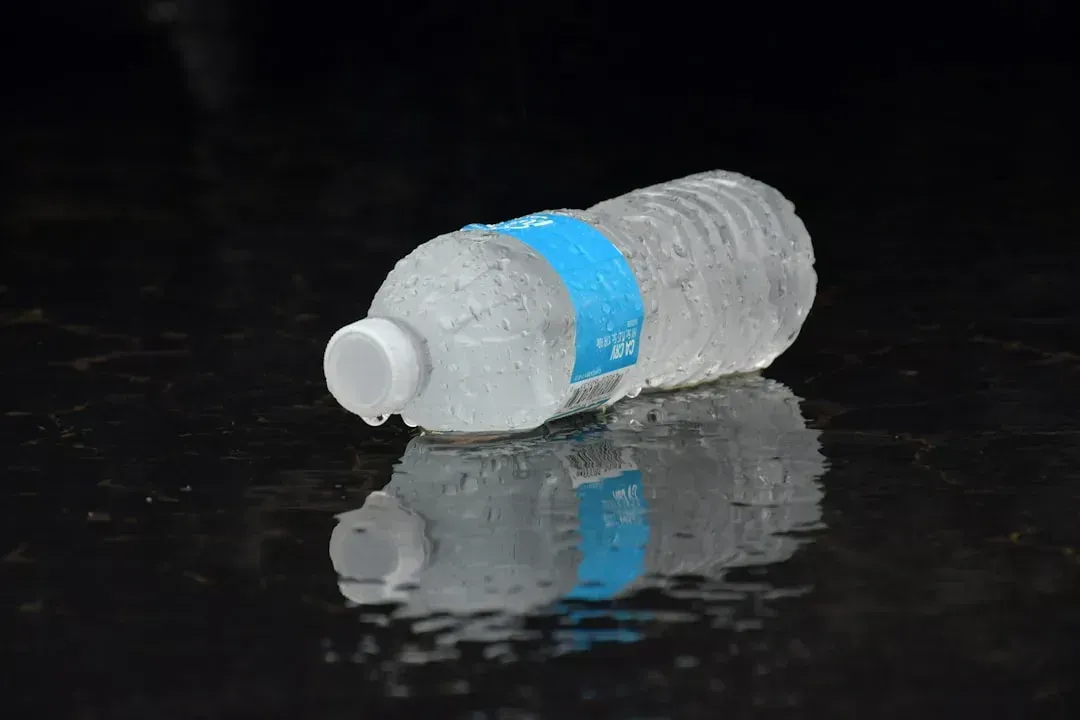
Americans purchase about 50 billion water bottles per year, averaging roughly 13 bottles per month for every person in the country. By using a reusable water bottle, a single person could save an average of 156 plastic bottles annually. The footprint of bottled water is compounded by the fact that the water inside is often no safer, and sometimes less rigorously tested, than tap water in most developed countries. Plastic production emits greenhouse gases at every point in its life cycle, from the initial process of drilling for the oil and gas that make up its building blocks to the incineration that often occurs at the end of a plastic product’s life.
Through food, water, and packaging, microplastics also end up in our bodies, found in our lungs, livers, spleens, and kidneys. A reusable stainless steel or glass bottle addresses both problems at once. For households with genuine concerns about tap water quality, a certified filter pitcher is a far more sustainable and cost-effective solution than buying plastic bottles by the case. The math is clear, and the environmental case has only strengthened as microplastic research has expanded.
10. Disposable Razors

Disposable plastic razors are one of the less-discussed single-use plastic problems in the home. Hundreds of millions are discarded globally each year, and because they combine plastic handles with metal blades, they are almost universally non-recyclable through standard programs. Globally, plastic production exceeds 380 million tonnes annually, with roughly 40 percent of it used for single-use products. The vast majority of plastic waste – over 91 percent – is not recycled and instead goes to landfills or the ocean.
Prioritizing reusable items over disposable ones, wherever possible, is one of the most reliable ways to reduce household waste. Safety razors with replaceable stainless steel blades are the most commonly recommended alternative. The blades alone are fully recyclable as scrap metal, the handle lasts indefinitely, and the long-term cost tends to be lower than continually restocking disposables. Beyond financial savings, choosing reusable over disposable promotes a slower, more intentional way of living that aligns with sustainability goals, rethinking the role of material goods and finding value in durability rather than convenience.
None of these swaps require a dramatic lifestyle overhaul. Most involve a one-time decision that pays off over years. The consistent thread running through all ten items is the same: convenience was designed in, and sustainability was designed out. Recognizing that pattern is, practically speaking, where the change begins.
